Recycling-Getränkekästen aus maritimen Kunststoffen
Getränkekästen gehören zu den unscheinbaren, aber zentralen Bausteinen der Mehrweglogistik. Sie sind permanent im Umlauf, werden gestapelt, transportiert, gewaschen und wieder befüllt. Gerade deshalb rücken Materialwahl, Haltbarkeit und Recyclingfähigkeit zunehmend in den Fokus.
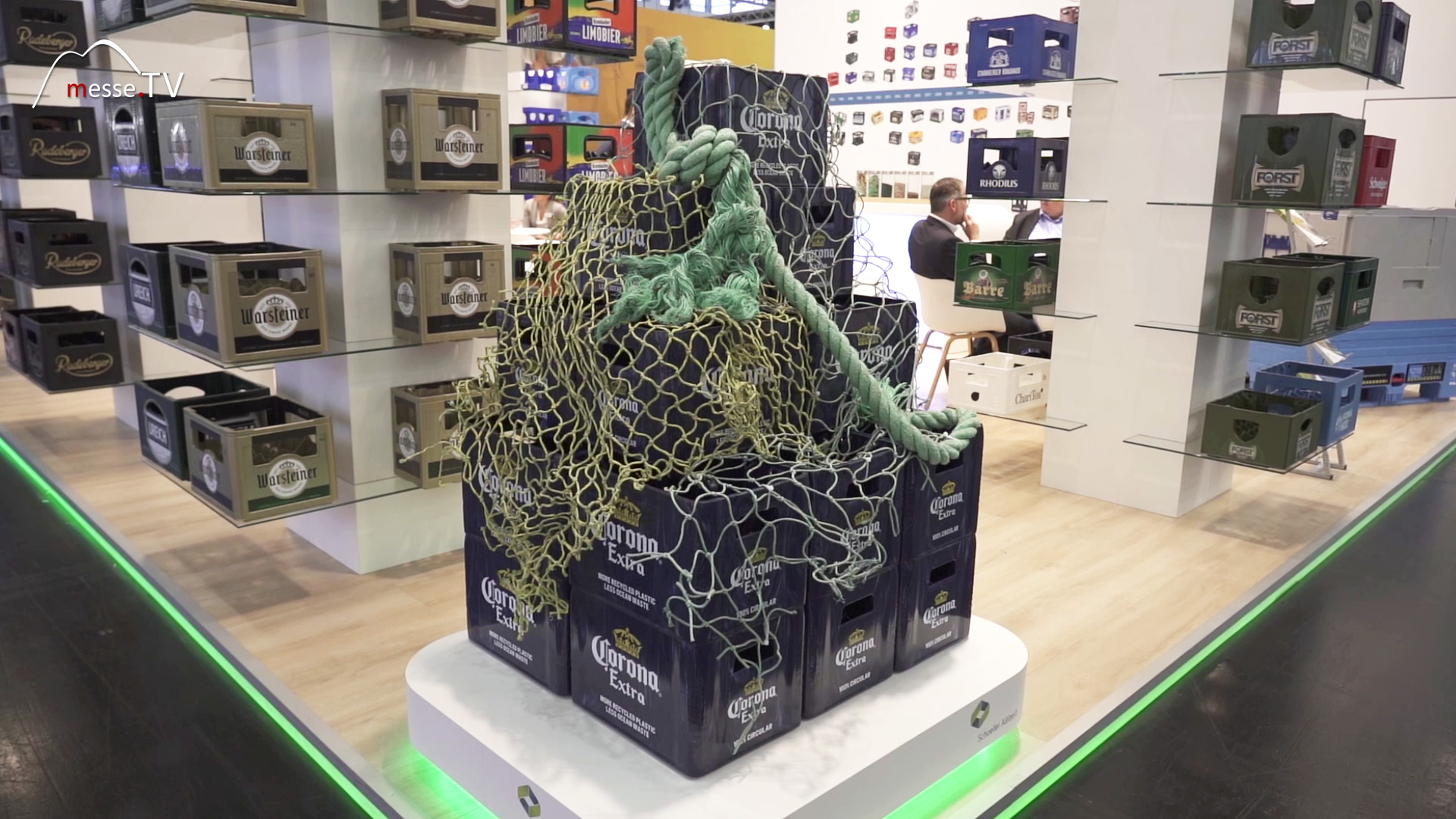
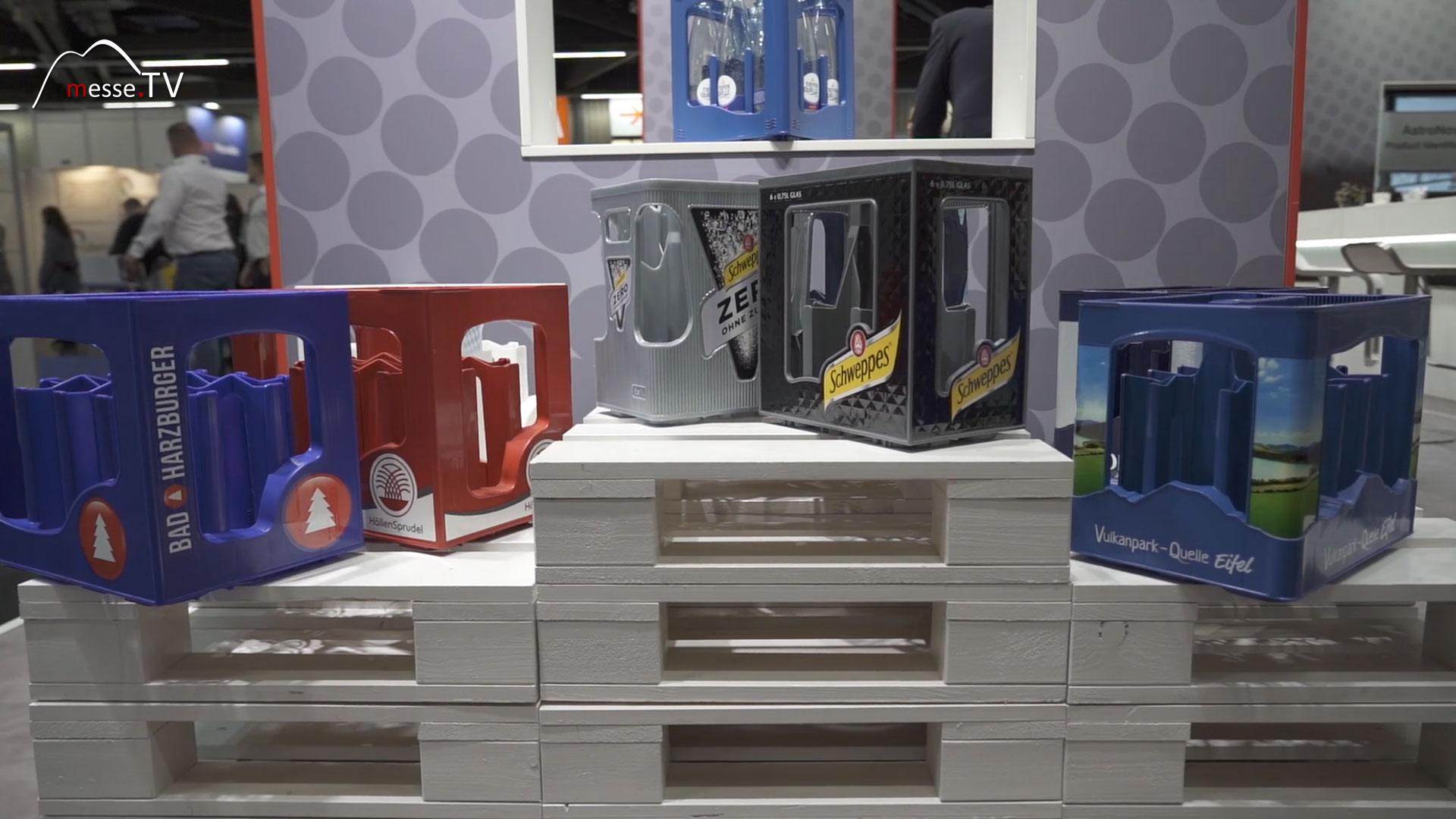
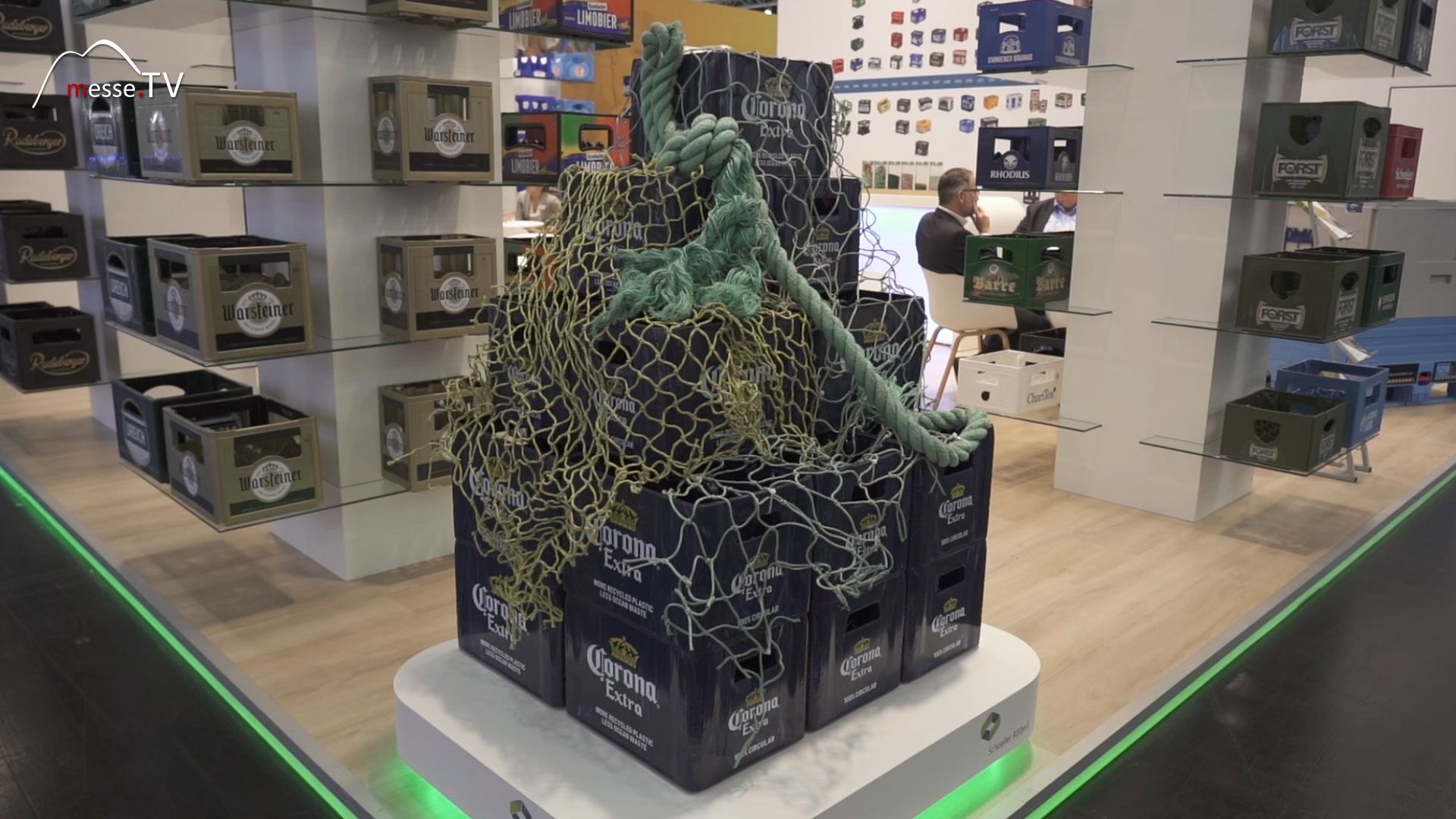
Ein aktueller Ansatz setzt auf Recycling-Getränkekästen, die aus maritimen Kunststoffen gefertigt werden und damit Abfälle aus anderen Industrien in einen stabilen Mehrwegkreislauf überführen. Der Gedanke dahinter ist ebenso pragmatisch wie konsequent: Kunststoffe, die ursprünglich als Fischernetze oder Taue im maritimen Umfeld eingesetzt wurden, erhalten ein zweites Leben als Transportverpackung. Damit wird ein Material genutzt, das mechanisch hoch belastbar ist und zugleich in großen Mengen verfügbar anfällt. Für den Getränkemarkt entsteht daraus ein Produkt, das funktionale Anforderungen mit ökologischer Verantwortung verbindet.
Getränkekästen als langlebige Infrastruktur
Im deutschen Getränkemarkt haben Mehrwegkästen eine besondere Bedeutung. Sie sind auf jahrzehntelange Nutzung ausgelegt und müssen extreme Anforderungen erfüllen. Stöße, Feuchtigkeit, UV-Strahlung und Temperaturschwankungen gehören zum Alltag. Gleichzeitig sollen die Kästen möglichst leicht, stapelbar und standardisiert sein, um reibungslose Abläufe in Abfüllbetrieben, im Handel und in der Gastronomie zu ermöglichen. Kunststoff hat sich dafür früh als geeignetes Material etabliert. Seit der Einführung des Kunststoff-Flaschenkastens Ende der fünfziger Jahre wurde das Grundprinzip kontinuierlich weiterentwickelt. Heute geht es weniger um neue Formen als um die Frage, wie bestehende Systeme nachhaltiger gestaltet werden können, ohne ihre Funktion einzuschränken.

Maritime Abfälle als Rohstoffquelle
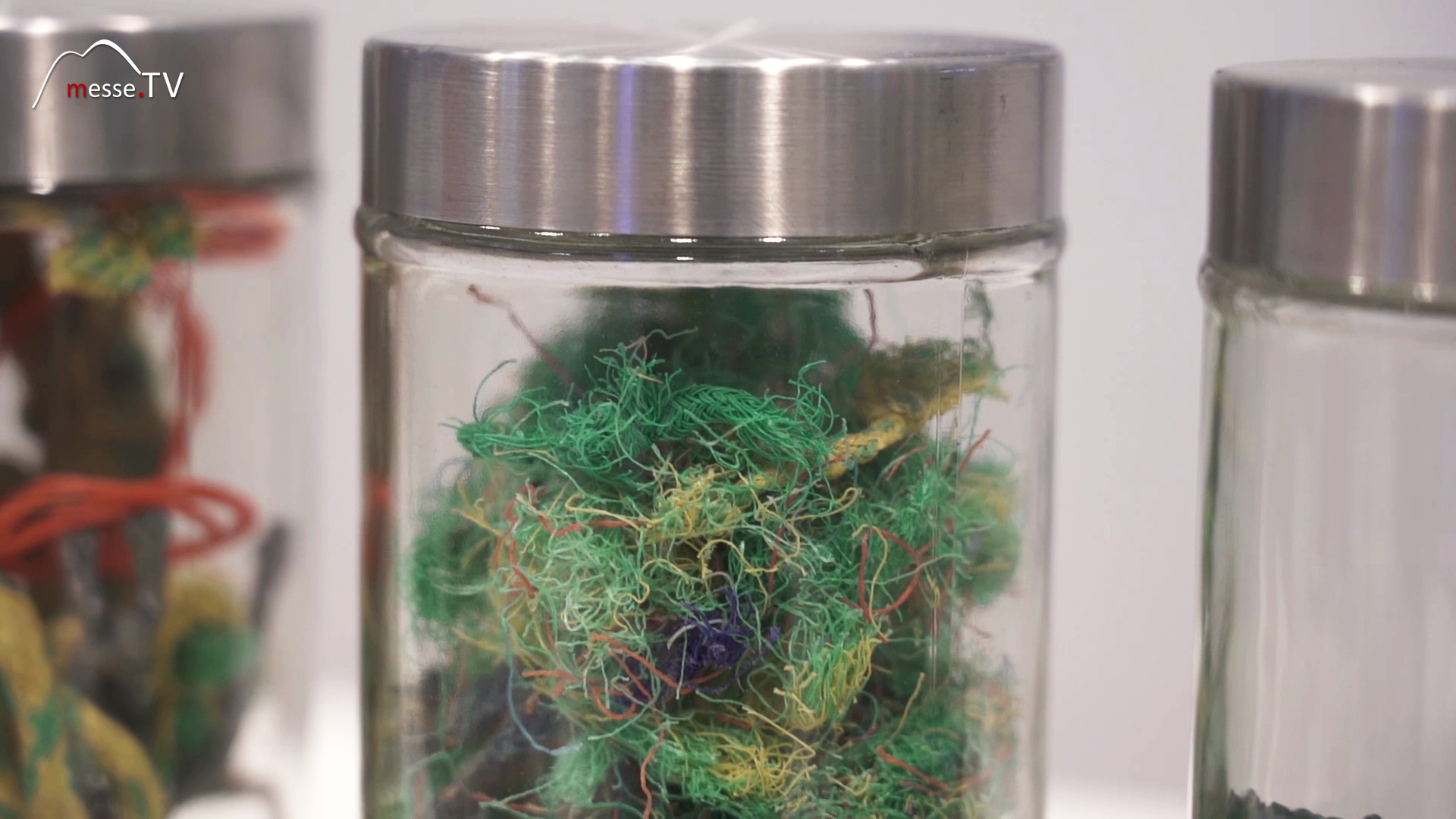
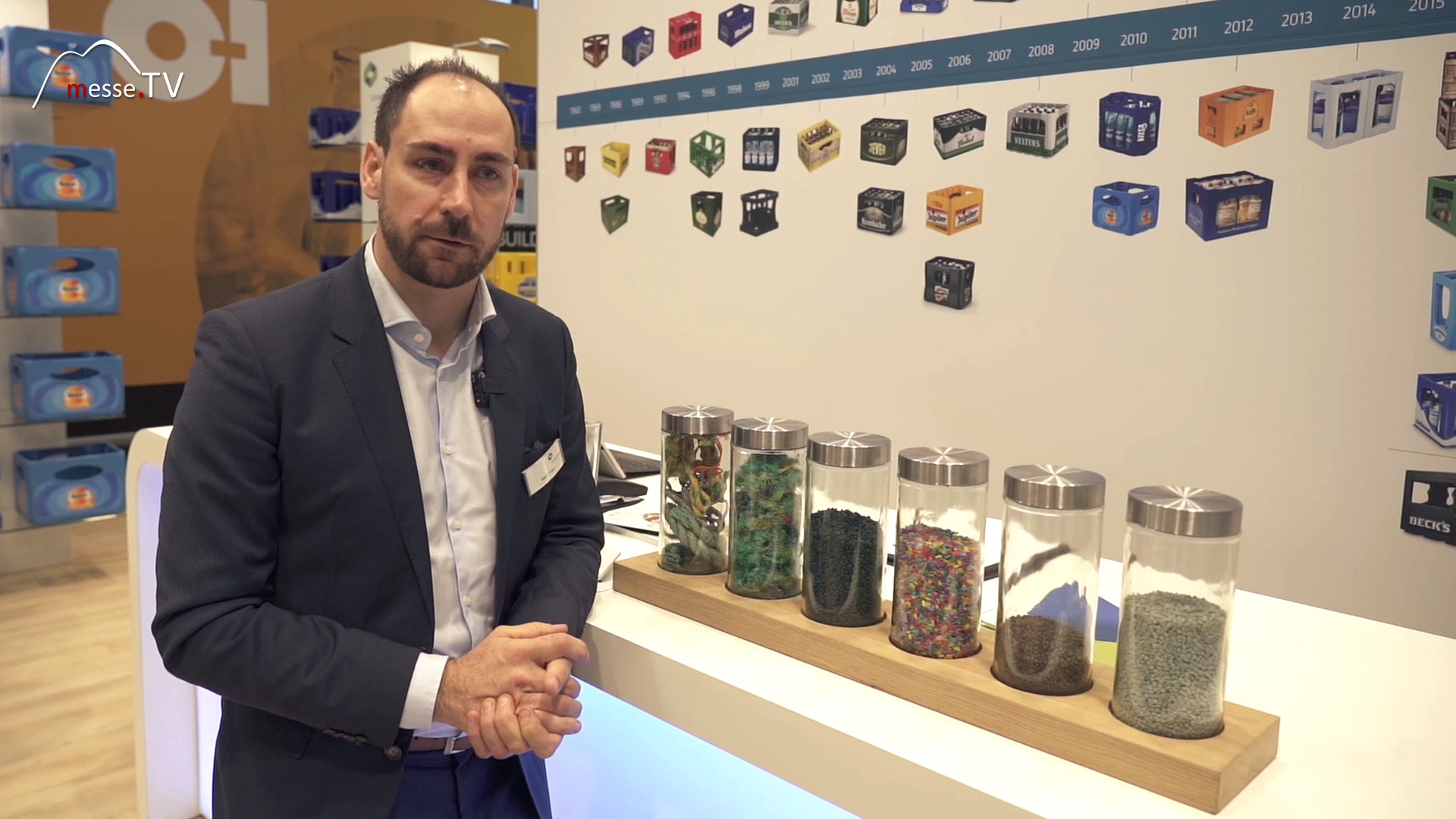
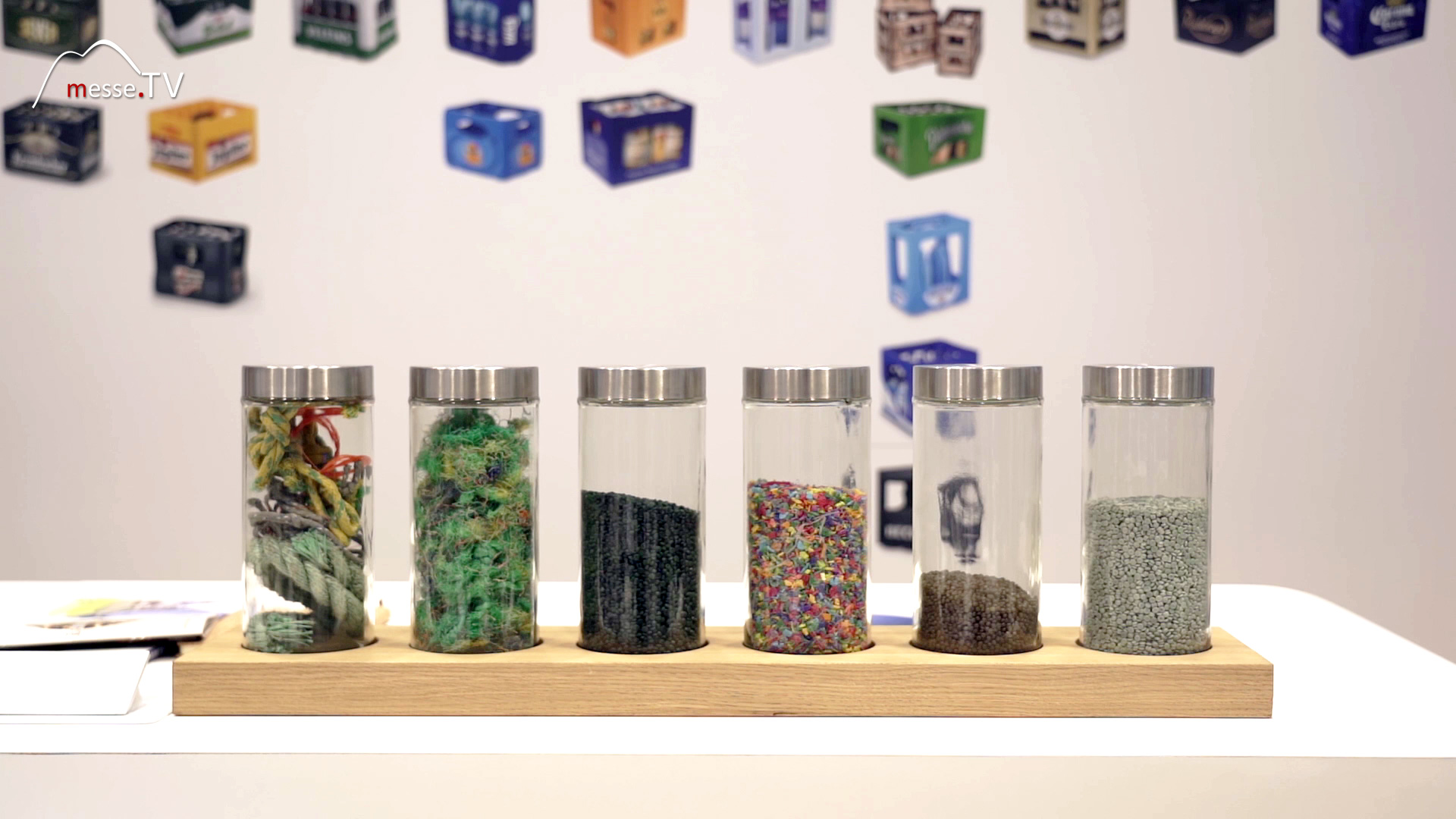
Ein zentraler Ansatzpunkt liegt im Ursprung des Materials. Maritime Abfälle wie ausgediente Fischernetze oder Taue stellen weltweit ein erhebliches Umweltproblem dar. Gleichzeitig besitzen diese Kunststoffe eine hohe Festigkeit und Alterungsbeständigkeit. In einem aufwendigen Aufbereitungsprozess werden sie gesammelt, sortiert, zerkleinert und zu einem Granulat verarbeitet, das für die industrielle Fertigung geeignet ist. Dieser Schritt ist technisch anspruchsvoll, da das Ausgangsmaterial stark variiert. Unterschiedliche Kunststofftypen, Verschmutzungen und Alterungszustände müssen ausgeglichen werden. Erst nach der Aufbereitung entsteht ein Rohstoff, der in Spritzgussprozessen zuverlässig eingesetzt werden kann und die mechanischen Anforderungen eines Getränkekastens erfüllt.
Vom Granulat zum Mehrwegkasten
Das recycelte Granulat wird in der Produktion ähnlich verarbeitet wie konventioneller Kunststoff. Entscheidend ist dabei die präzise Steuerung der Materialeigenschaften. Um gleichbleibende Qualität zu gewährleisten, werden geringe Mengen Additive zugesetzt. Sie sorgen für UV-Schutz, Farbstabilität und langfristige Belastbarkeit. Der Recyclinganteil kann dabei sehr hoch ausfallen und liegt in der Praxis nahe an einer vollständigen Wiederverwertung des Ausgangsmaterials. Typische Merkmale solcher Recycling-Getränkekästen sind:
- hoher Anteil an recycelten maritimen Kunststoffen
- mechanische Stabilität für den Dauereinsatz
- Eignung für bestehende Mehrwegsysteme
- mehrfache Recyclingfähigkeit über mehrere Jahrzehnte

Nachhaltigkeit im realen Betrieb
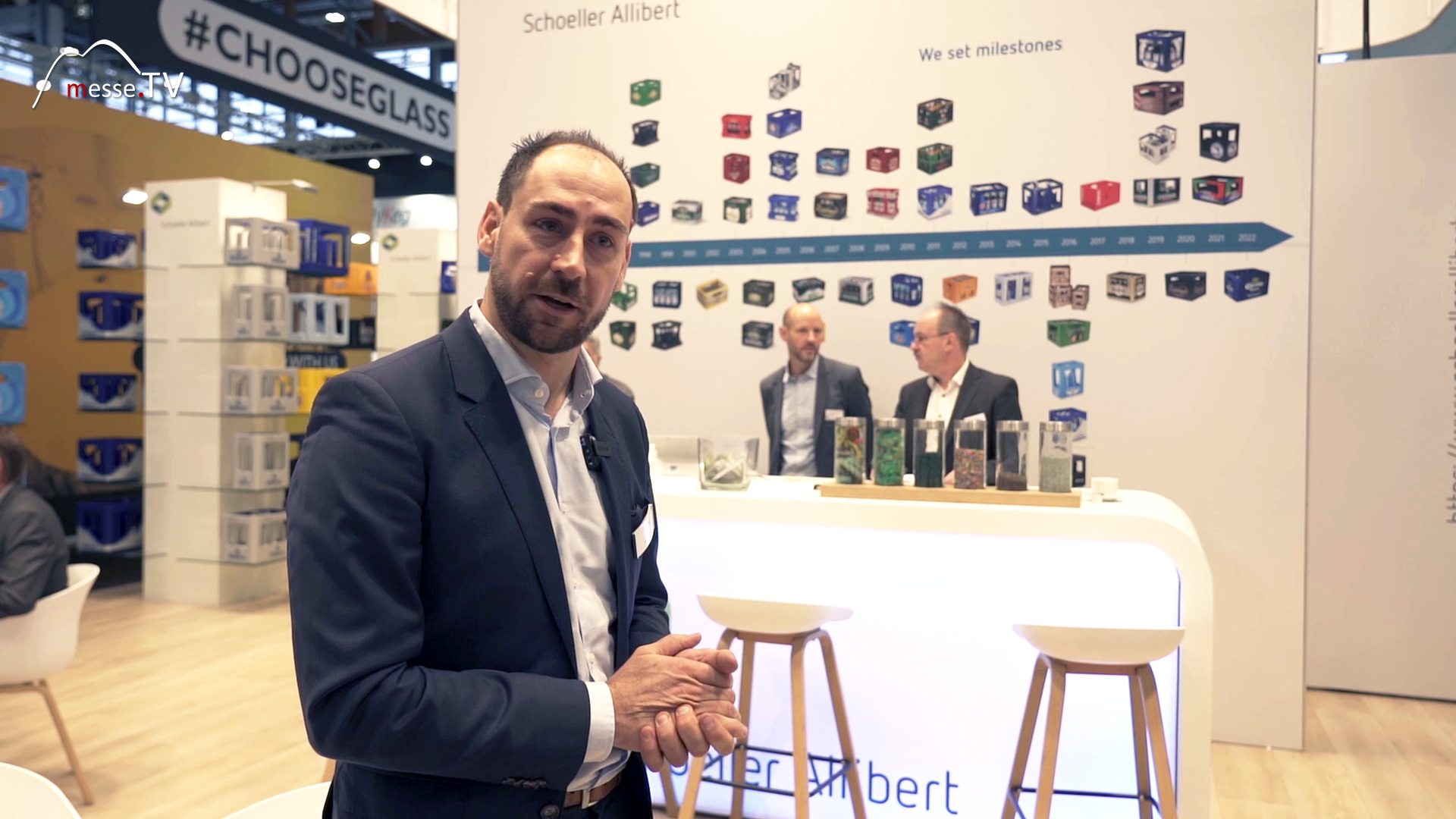
Der ökologische Effekt ergibt sich nicht aus einem einzelnen Nutzungsvorgang, sondern aus der Summe vieler Umläufe. Getränkekästen bleiben oft fünfzig Jahre oder länger im Einsatz. In dieser Zeit werden sie mehrfach recycelt und wieder zu neuen Kästen verarbeitet. Der Einsatz von maritimen Kunststoffen verstärkt diesen Effekt, da Abfälle aus einem anderen System dauerhaft gebunden und sinnvoll genutzt werden. In der Praxis bedeutet das, dass ein Kasten nach seinem ersten Lebenszyklus nicht entsorgt wird, sondern erneut als Rohstoff dient. Das Material bleibt im Kreislauf und wird immer wieder aufbereitet. Dieser Ansatz reduziert den Bedarf an neuem Kunststoff erheblich und senkt langfristig den Ressourcenverbrauch in der Getränkeindustrie.
Rolle von Schoeller Allibert im Getränkemarkt
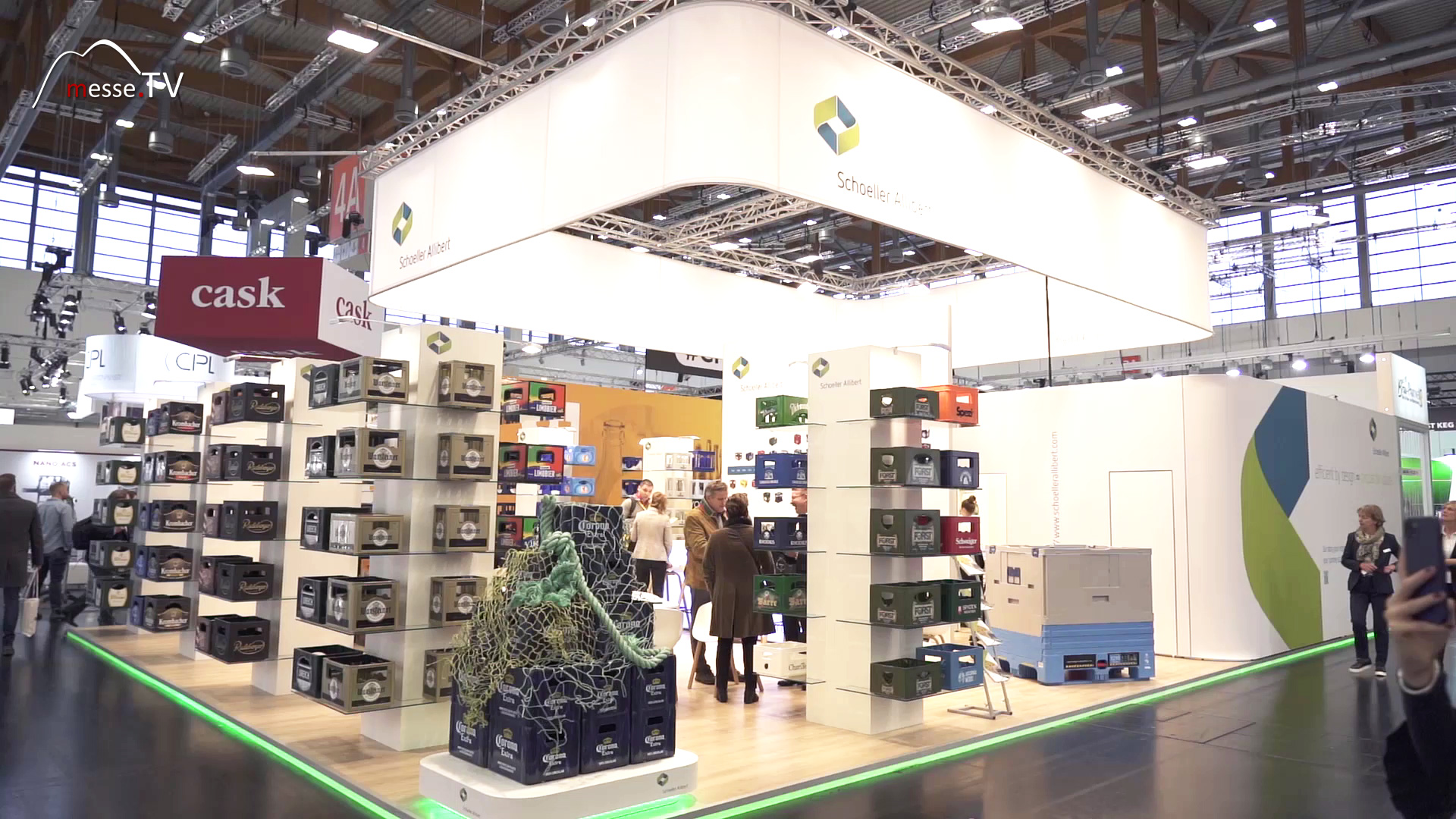
Ein Anbieter, der diesen Weg konsequent verfolgt, ist Schoeller Allibert. Das Unternehmen zählt in Deutschland zu den prägenden Akteuren im Bereich Getränkekästen und Transportverpackungen aus Kunststoff. Seit Jahrzehnten beliefert es Brauereien, Mineralbrunnen und Hersteller von Erfrischungsgetränken mit standardisierten Mehrwegsystemen. Schoeller Allibert hat früh damit begonnen, Recyclingmaterial nicht nur beizumischen, sondern als tragenden Werkstoff zu etablieren. Der Einsatz maritimer Kunststoffe markiert dabei einen weiteren Schritt, um bestehende Produkte nachhaltiger zu gestalten, ohne bewährte Logistikstrukturen zu verändern. Für Abfüller und Handel bleibt der Kasten funktional identisch, während sich die ökologische Bilanz deutlich verbessert.
Perspektive für den Mehrwegkreislauf
Die Entwicklung zeigt, dass Nachhaltigkeit im Getränkemarkt weniger durch radikale Systemwechsel entsteht als durch die Weiterentwicklung bestehender Infrastrukturen. Getränkekästen aus maritimen Kunststoffen sind dafür ein gutes Beispiel. Sie greifen ein etabliertes Produkt auf und verändern gezielt dessen Materialbasis. Für Unternehmen wie Schoeller Allibert bedeutet das, Verantwortung entlang der gesamten Wertschöpfungskette zu übernehmen – vom Rohstoff über die Produktion bis zum Recycling. Für die Branche insgesamt entsteht ein Ansatz, der sich skalieren lässt und realen Einfluss auf Ressourcenschonung und Abfallvermeidung hat. In einem Markt, der stark von Mehrweg geprägt ist, kann genau diese Art der Innovation langfristig den Unterschied machen.
Messe-Berichterstattung bundesweit - Messewissen, Termine & Veranstaltungen


