Water treatment, sustainability and drinking water in industrial processes
Clean water is no longer a matter of course in industry, but a critical production factor. In the brewing and beverage industry in particular, the question of how drinking and process water can be made permanently available, hygienically safe and at the same time resource-efficient is coming to the fore.
Falling groundwater levels, changing precipitation patterns and new pollution from trace substances are forcing operators to rethink their water cycles. Water treatment is thus becoming a strategic issue between security of supply, environmental responsibility and regulatory requirements. Technical solutions, such as those developed by ProMinent, play a central role in this.
Falling groundwater levels as a structural problem
Over several years, periods of drought have meant that groundwater reservoirs have been unable to regenerate sufficiently. In many regions, this has reversed a mechanism that had been stable for decades. Whereas groundwater used to feed rivers and streams, surface water is now increasingly seeping into deeper layers. The problem is that rivers no longer carry only rainwater and meltwater, but also treated wastewater from sewage treatment plants. This so-called ring closure explains why residues are now being found in groundwater samples that originally had no place there: drug residues, medical contrast agents, hormones and synthetic sweeteners. This creates new risks for industrial companies that depend on stable water quality – both technologically and legally. Water treatment must therefore increasingly address substances that cannot be reliably controlled with traditional filtration or disinfection methods alone.
Water treatment as the key to sustainability
Against this backdrop, the technical treatment of water is taking on new significance. The aim is no longer just to make water usable once, but to use it multiple times and safely in operational cycles. Modern plants rely on multi-stage processes that break down organic pollutants, reduce germs and at the same time minimise the use of fresh water. A central approach is to first treat the water oxidatively. The use of ozone allows organic compounds to be broken down in a targeted manner. The water is then degassed and can be reused for secondary applications – for example, as process water, for cleaning applications or in cooling tower operation. Suppliers such as ProMinent combine such oxidative processes with downstream treatment steps in order to achieve stable and reproducible water qualities. This shifts the focus from linear use to closed or partially closed water cycles.
UV technology for microbiological safety
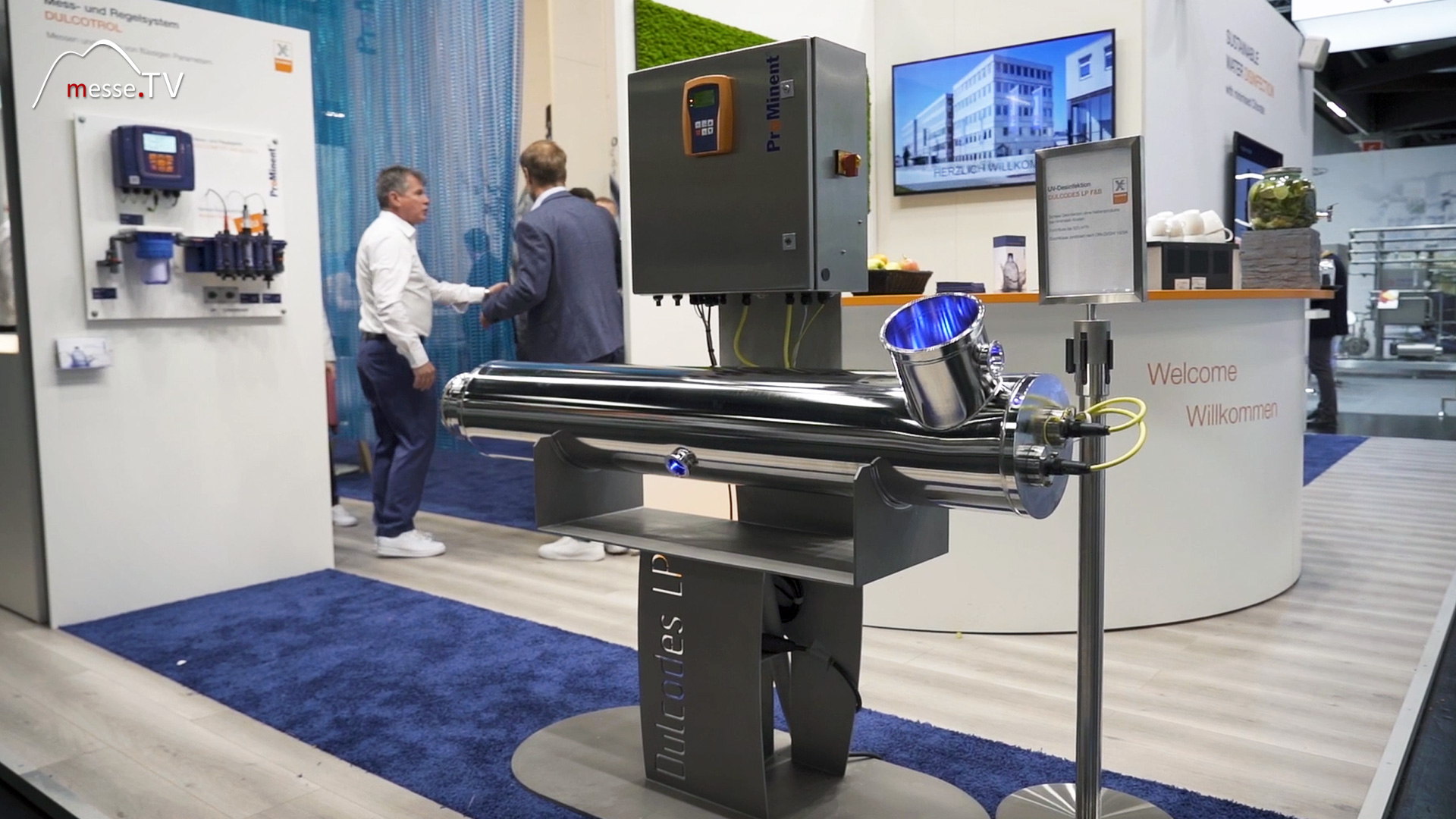
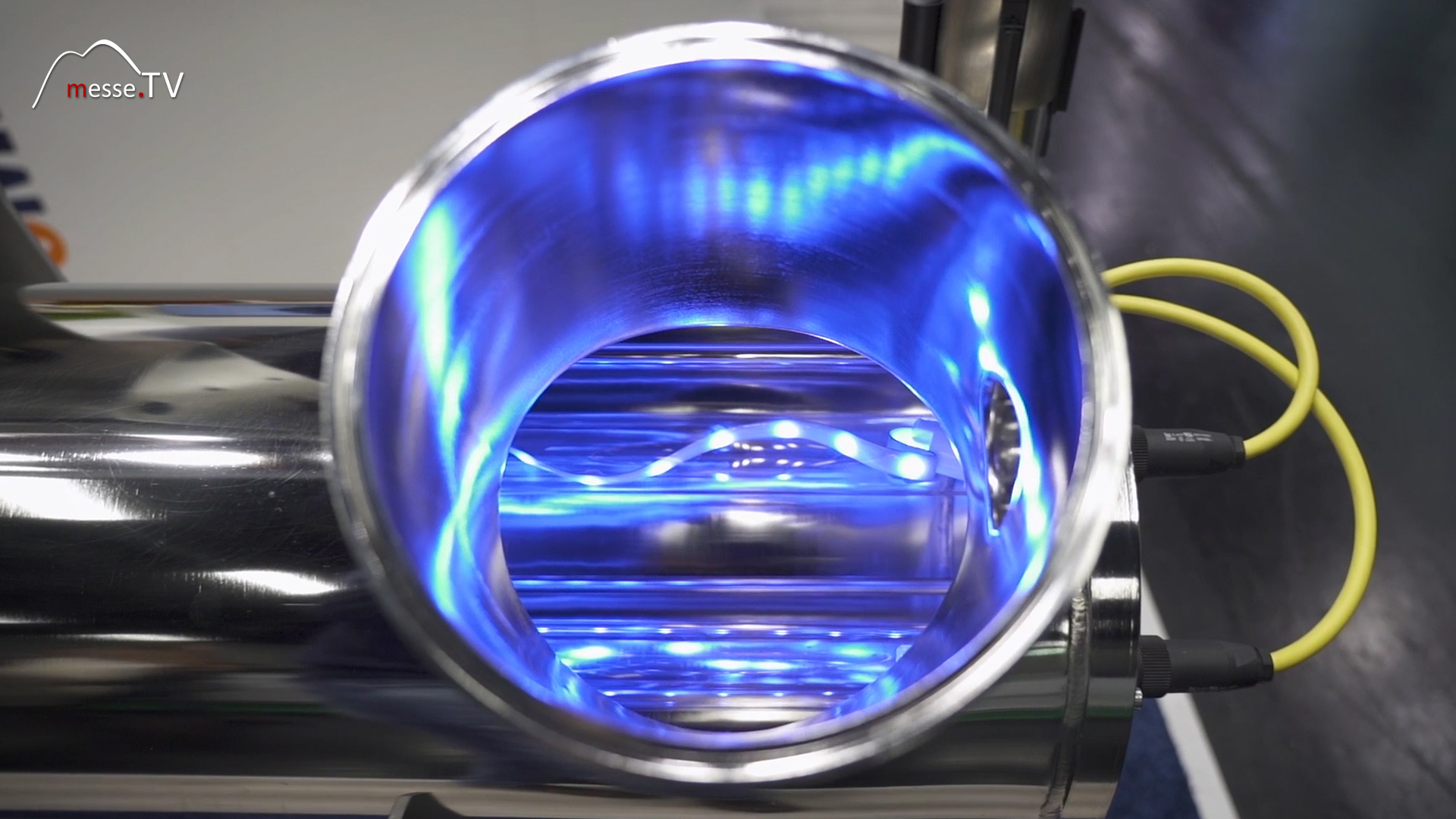
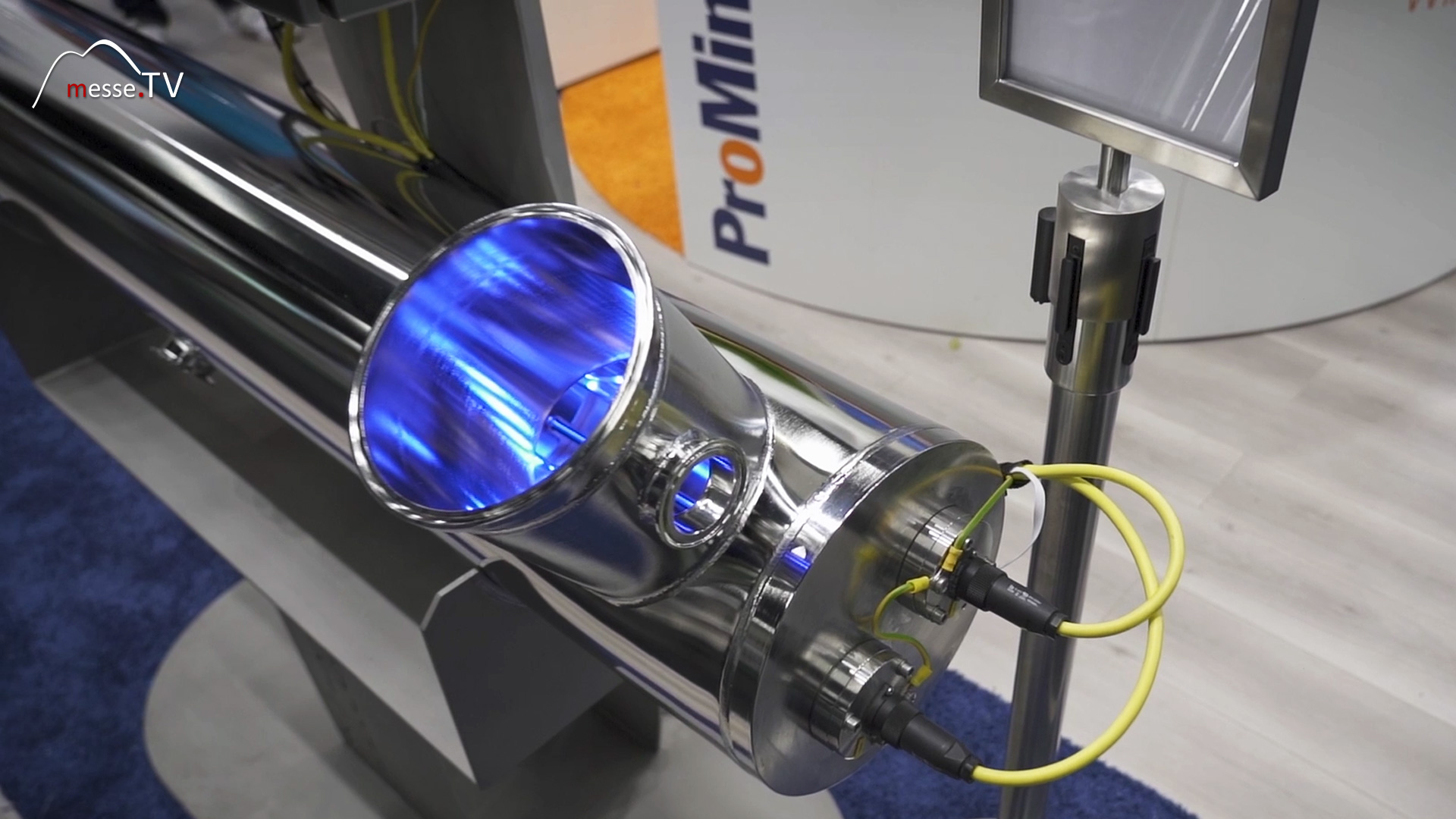
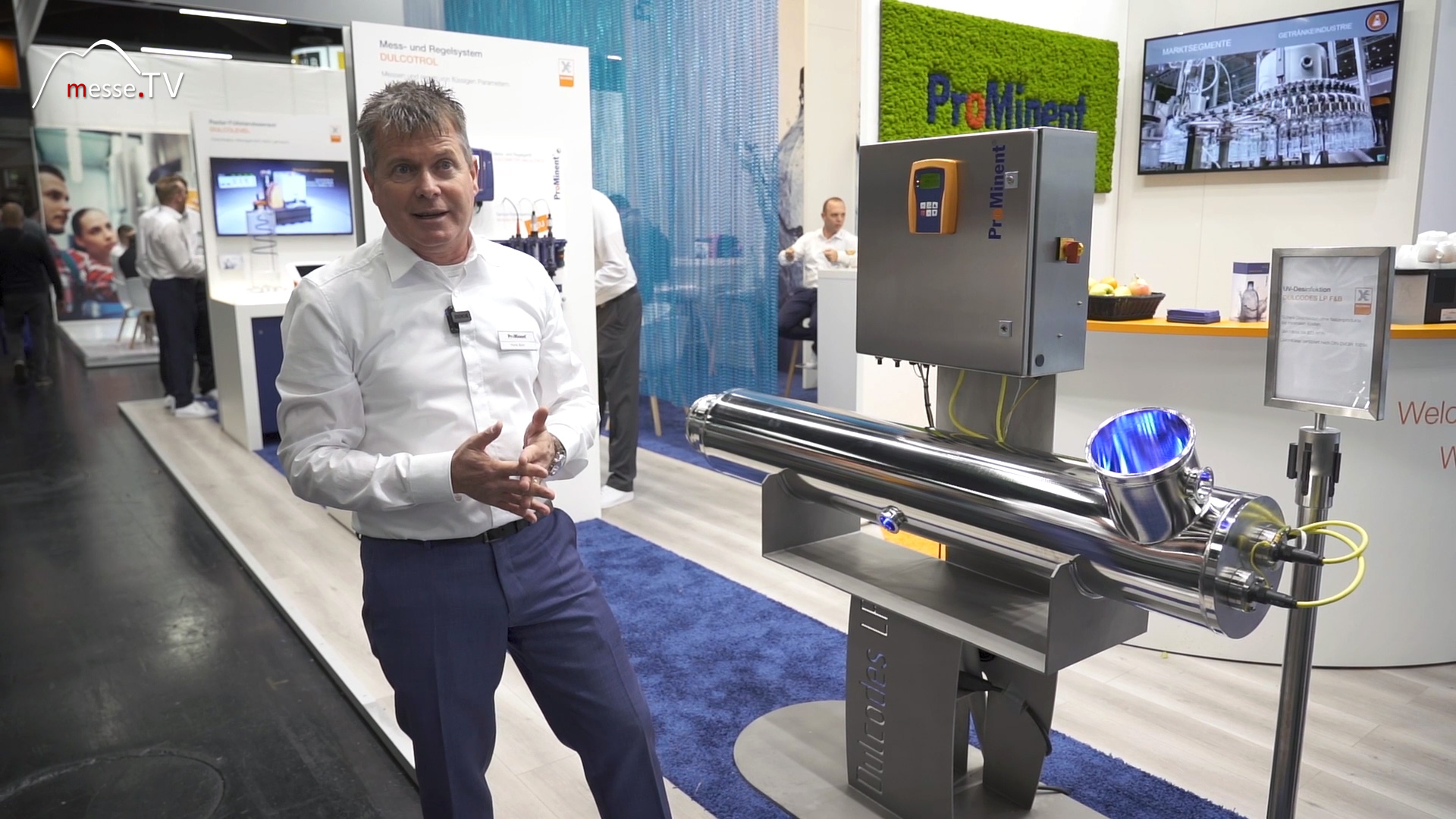
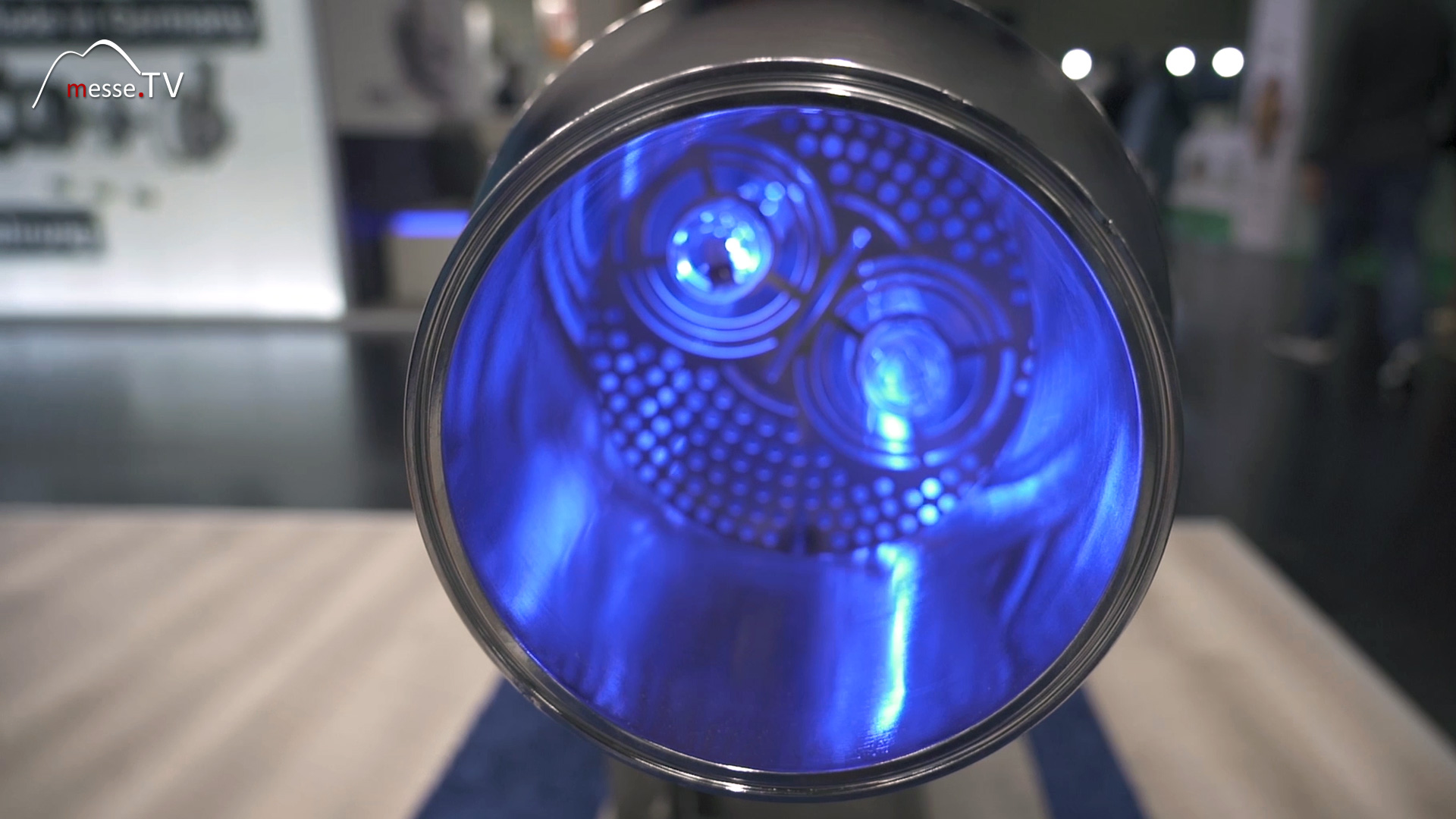
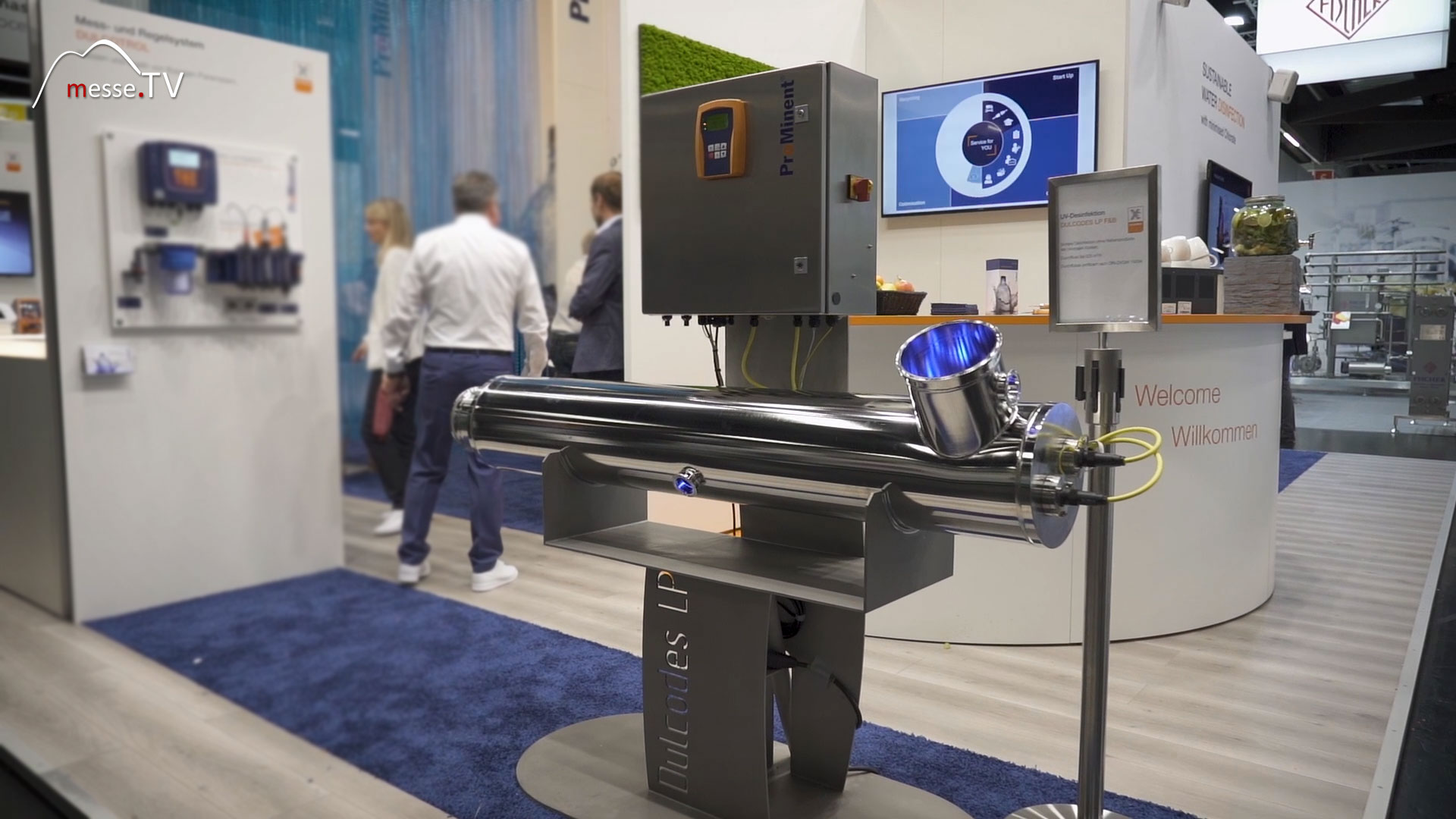
In addition to the removal of trace substances, microbiological control plays a crucial role. UV systems are used here as a proven technology. UV light destroys the DNA of bacteria and microorganisms, preventing them from multiplying. The process works without chemical additives and is suitable for both drinking water and wastewater applications. Such systems can be scaled flexibly and achieve throughputs that are also suitable for industrial applications. This means that large quantities of water can be treated continuously without affecting the production flow. In practice, UV systems are often used as part of an overall concept that combines ozonation, dosing technology and process monitoring – an approach that is also pursued by ProMinent in its water technology solutions. The decisive factor here is not only the reduction of the bacterial count, but also its permanent control during ongoing operation.

Industrial requirements for technology and hygiene
The food and beverage industry in particular has strict requirements for materials, connections and certifications. Water treatment systems must be designed in such a way that they can be integrated in a hygienically safe manner. Hygienic connection systems such as Tri-Clamp connections, aseptic interfaces or milk pipe threads are common. These are supplemented by standardised specifications laid down in the relevant DIN regulations. These standards ensure that systems remain not only technically efficient but also manageable – for example, in terms of maintenance, cleaning and documentation. Water treatment thus becomes part of a holistic quality management system in which dosing, disinfection and monitoring are closely interlinked.
Typical areas of application for modern treatment systems
The industrial use of treated water is diverse. Depending on the quality achieved, it can be used in various areas:
- Process water for production steps in breweries and beverage filling
- Cleaning water for CIP processes
- Cooling tower water to increase energy efficiency
- Secondary water for technical applications outside of product contact
Role of specialised suppliers in the industry
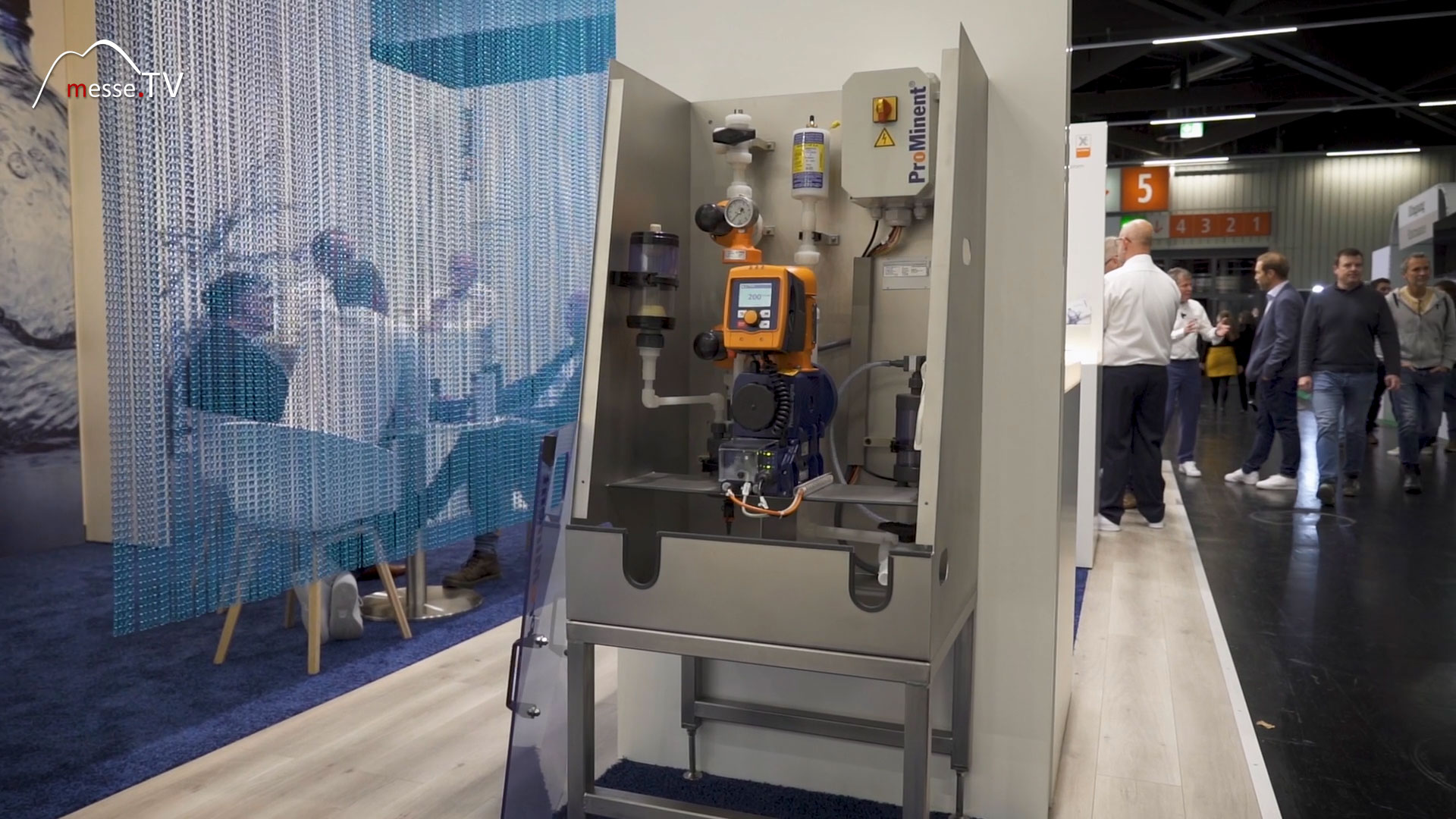
Implementing such concepts requires experience in metering, ozone and UV technology, as well as a deep understanding of industrial processes. ProMinent has been active in these areas for decades and has tailored its solutions specifically to the requirements of the brewing, beverage and bottled water industries. A characteristic feature is the modular design of the systems, which allows them to be adapted to different plant sizes and water qualities. The focus is less on a single product and more on the ability to analyse water flows and combine suitable treatment steps. Ozone systems, UV systems and precise metering technology work together to make water usable in an economical, safe and standard-compliant manner.
Water treatment as a strategic issue for the future
The developments described show that water treatment has long since gone beyond a purely technical issue. It touches on ecological responsibility, economic stability and social acceptance of industrial production. Companies that invest in flexible and sustainable water concepts today not only ensure regulatory compliance, but also long-term security of supply. With increasing water scarcity, the ability to reuse water multiple times and treat it in a targeted manner is becoming a decisive competitive factor. Technologies such as ozone and UV treatment are not an end point, but an important step on the way to resilient industrial water cycles.
Trade fair reporting Germany - Trade fair knowledge, dates & events


