Nano Dosenabfüller für den Einstieg in die Getränkeabfüllung
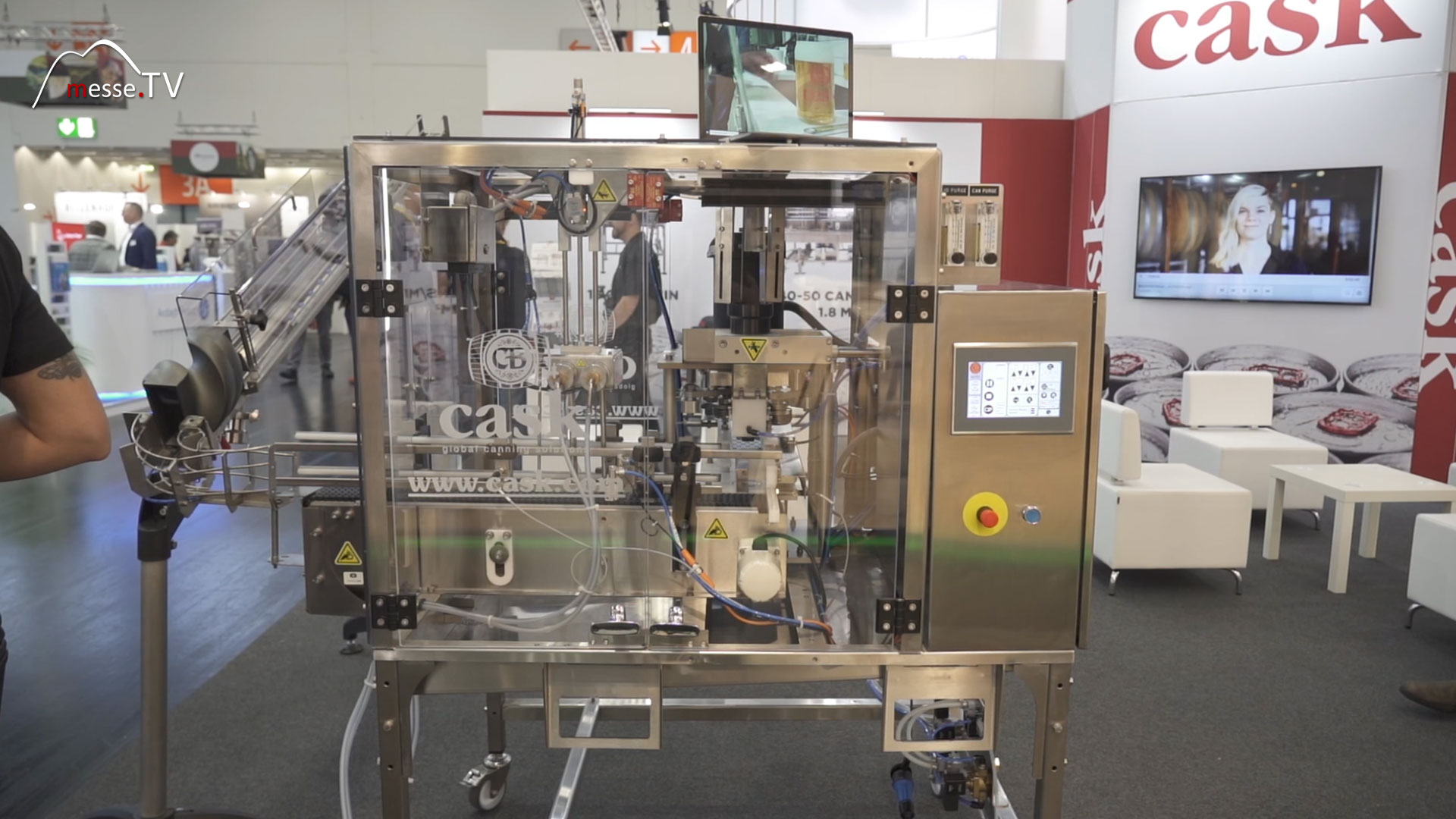
Der Nano HCS Dosenabfüller richtet sich an Betriebe, die erstmals in die Dosenabfüllung einsteigen wollen und dafür eine kompakte, technisch durchdachte Lösung suchen. Im Fokus stehen kleine Produktionsmengen, flexible Einsatzmöglichkeiten und ein überschaubarer Investitionsrahmen. Genau hier setzt das System an, das für Kleinbrauereien ebenso geeignet ist wie für andere Getränkehersteller, die neue Verpackungswege erschließen möchten.
Technisches Konzept für kleine Produktionsmengen
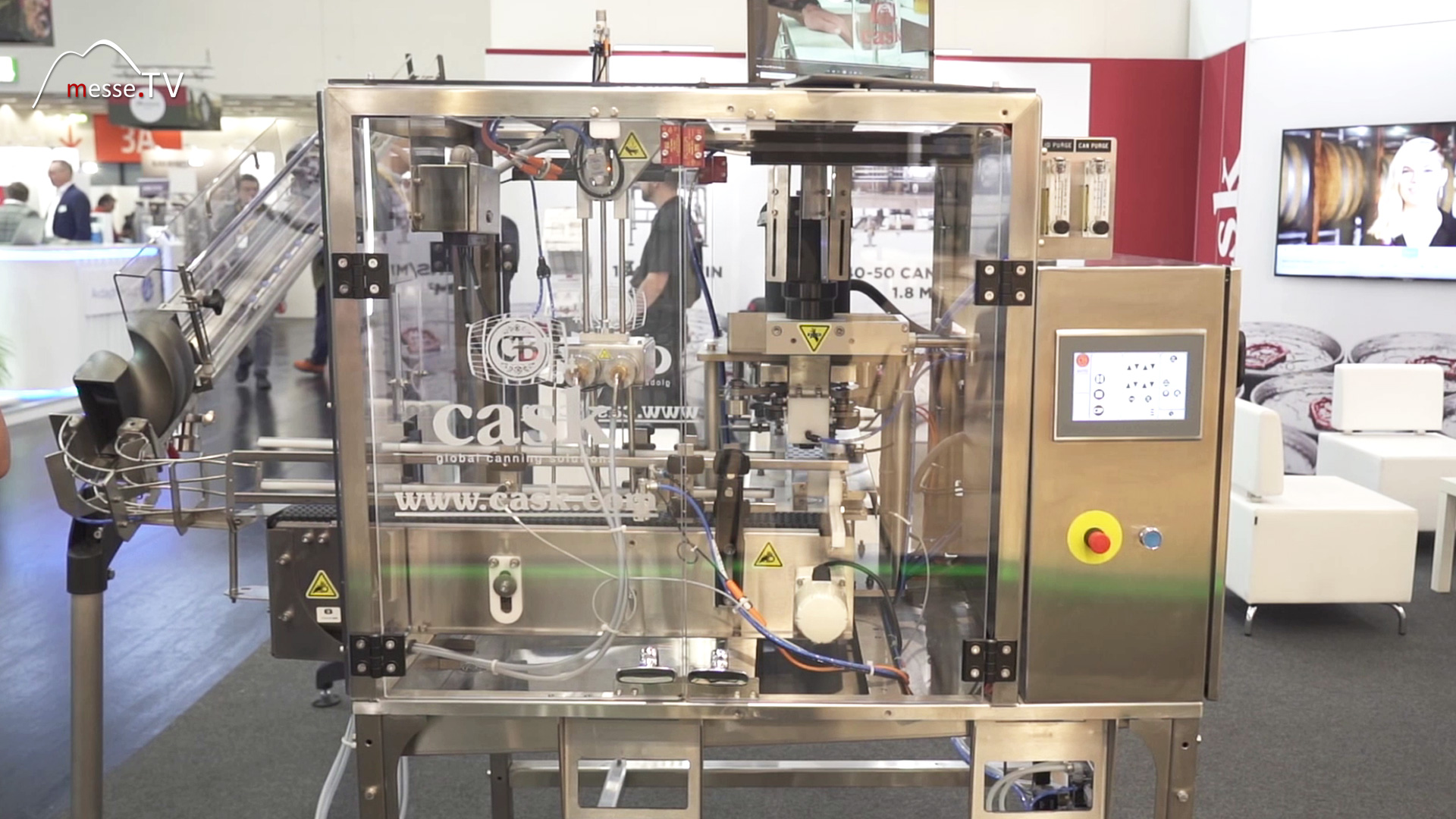
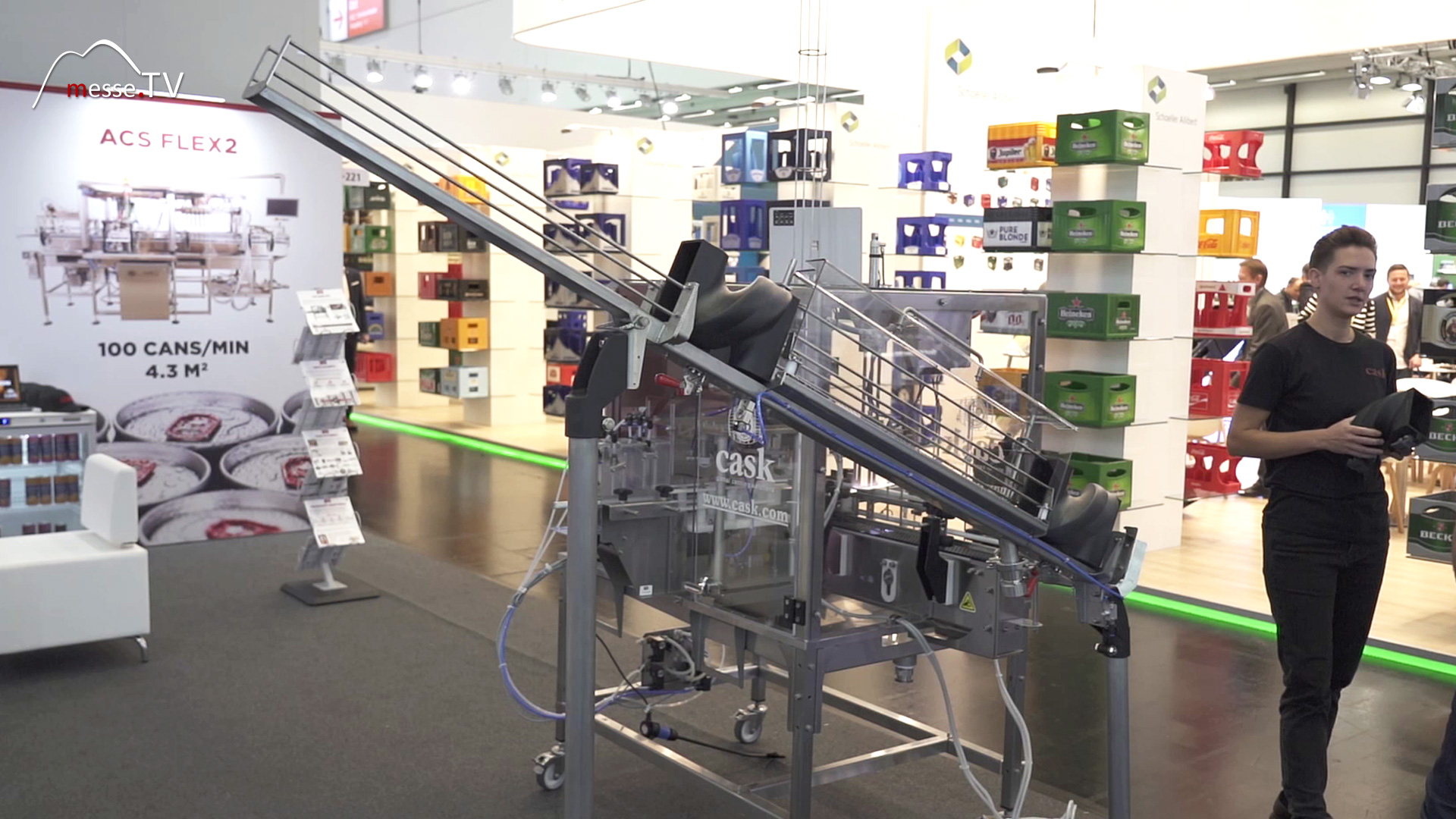
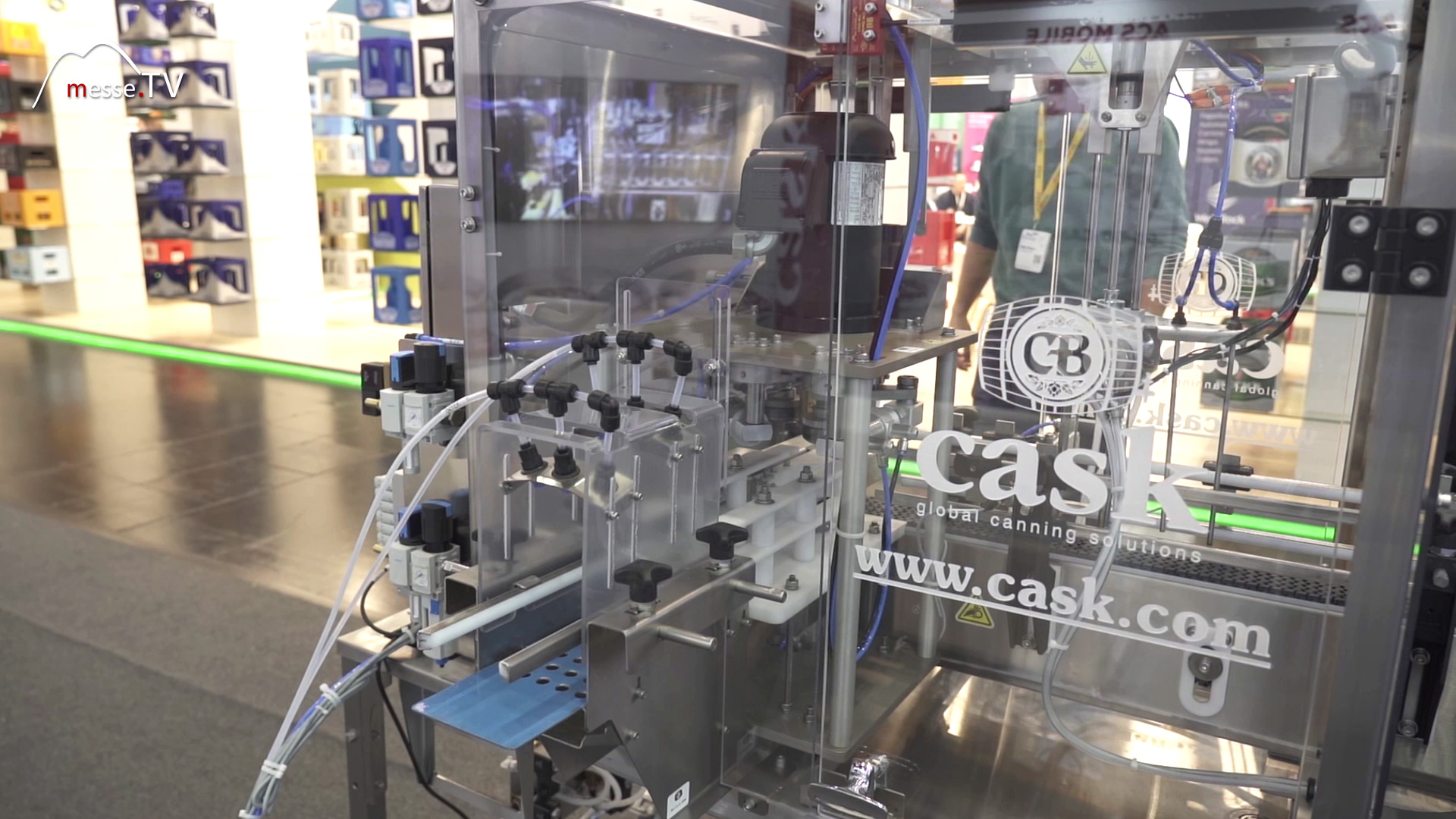
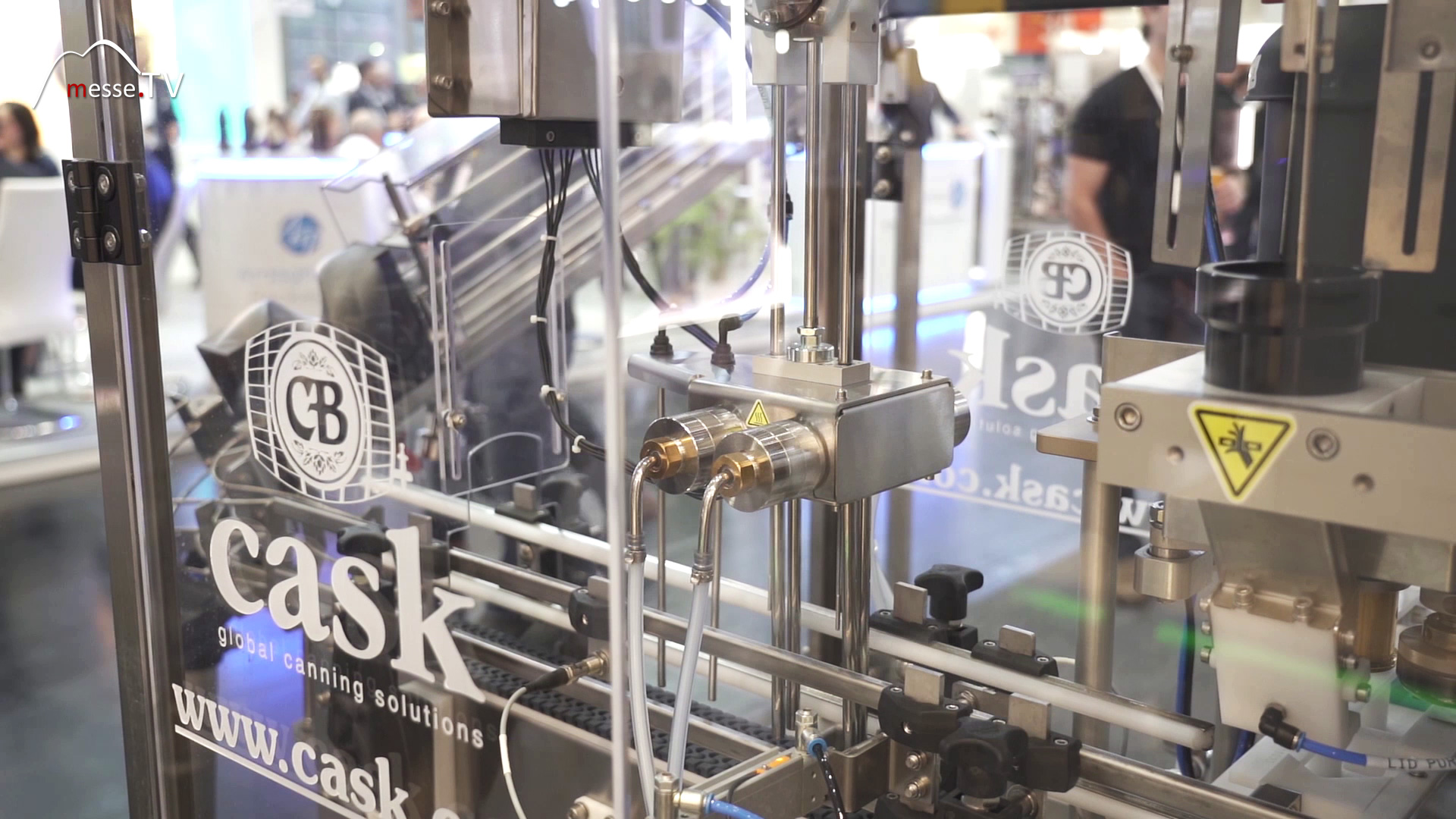
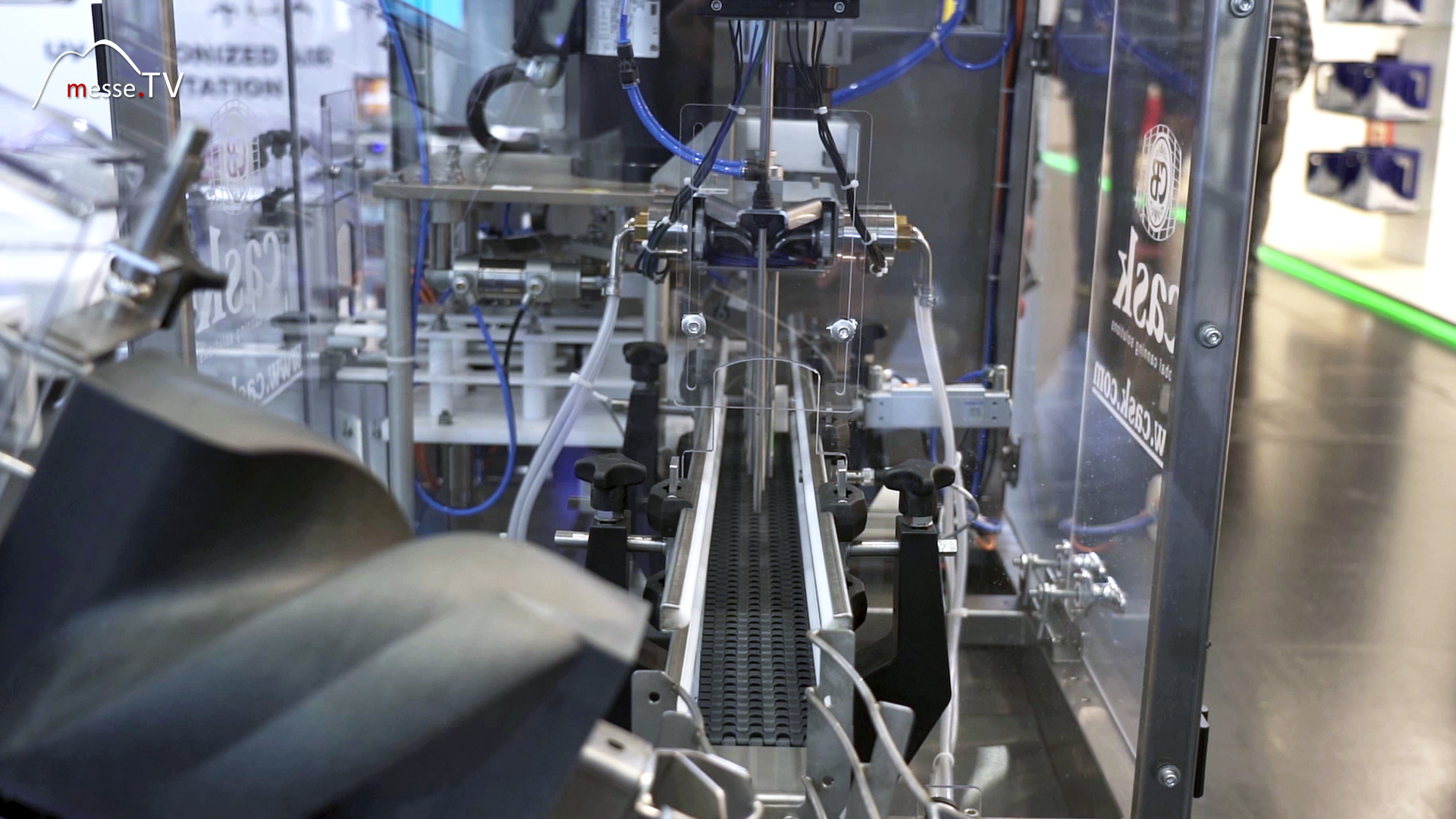
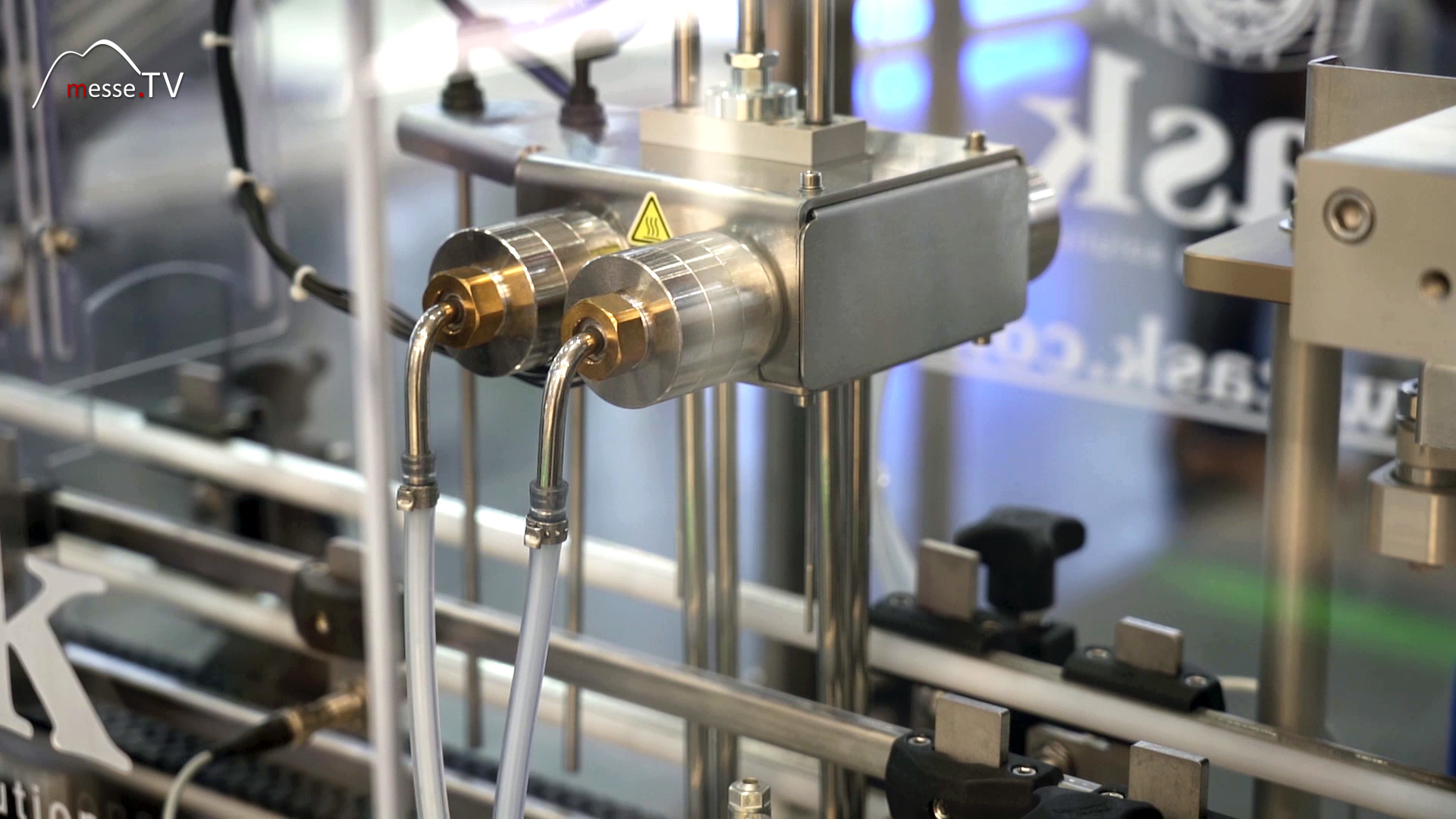
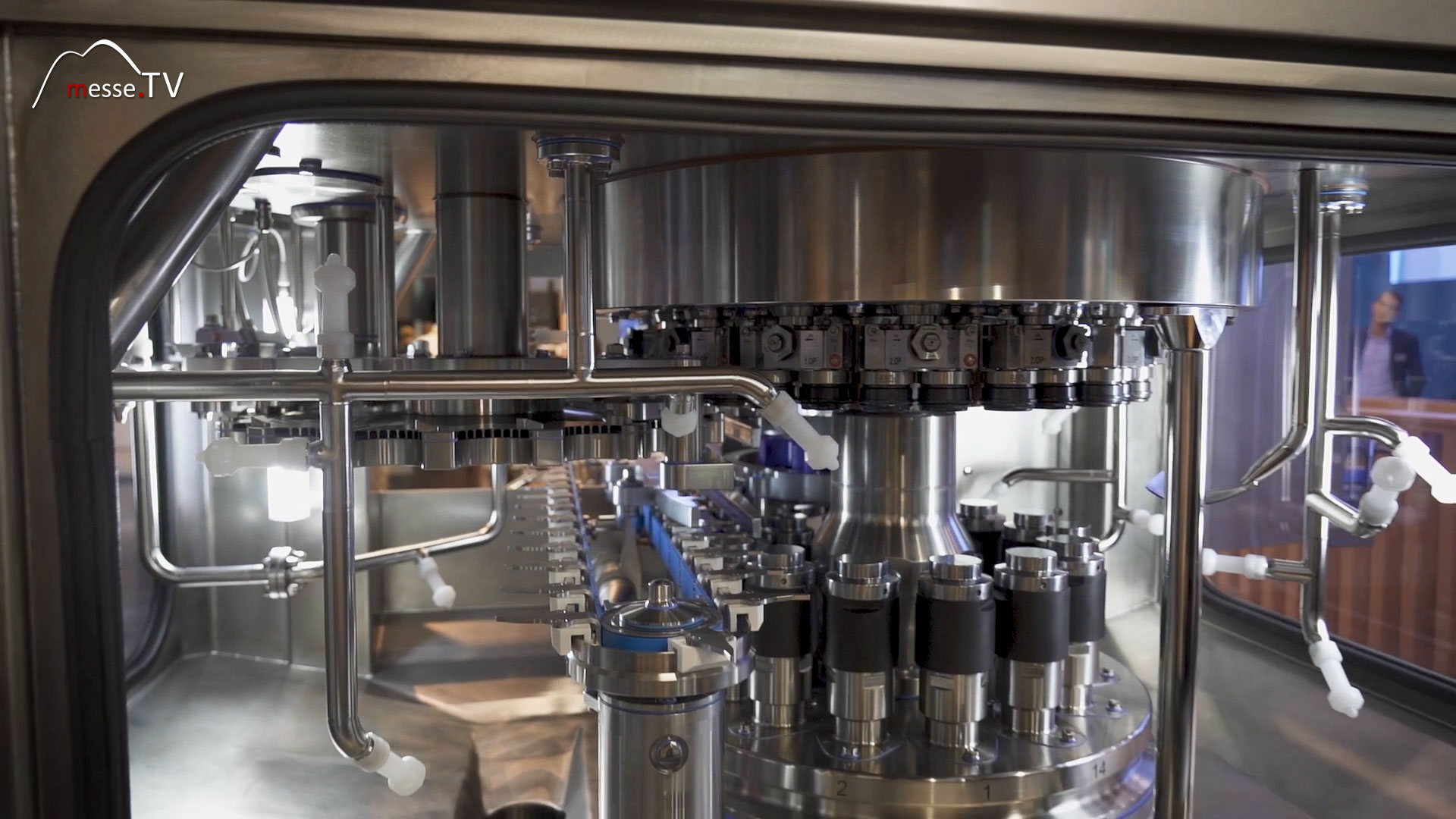
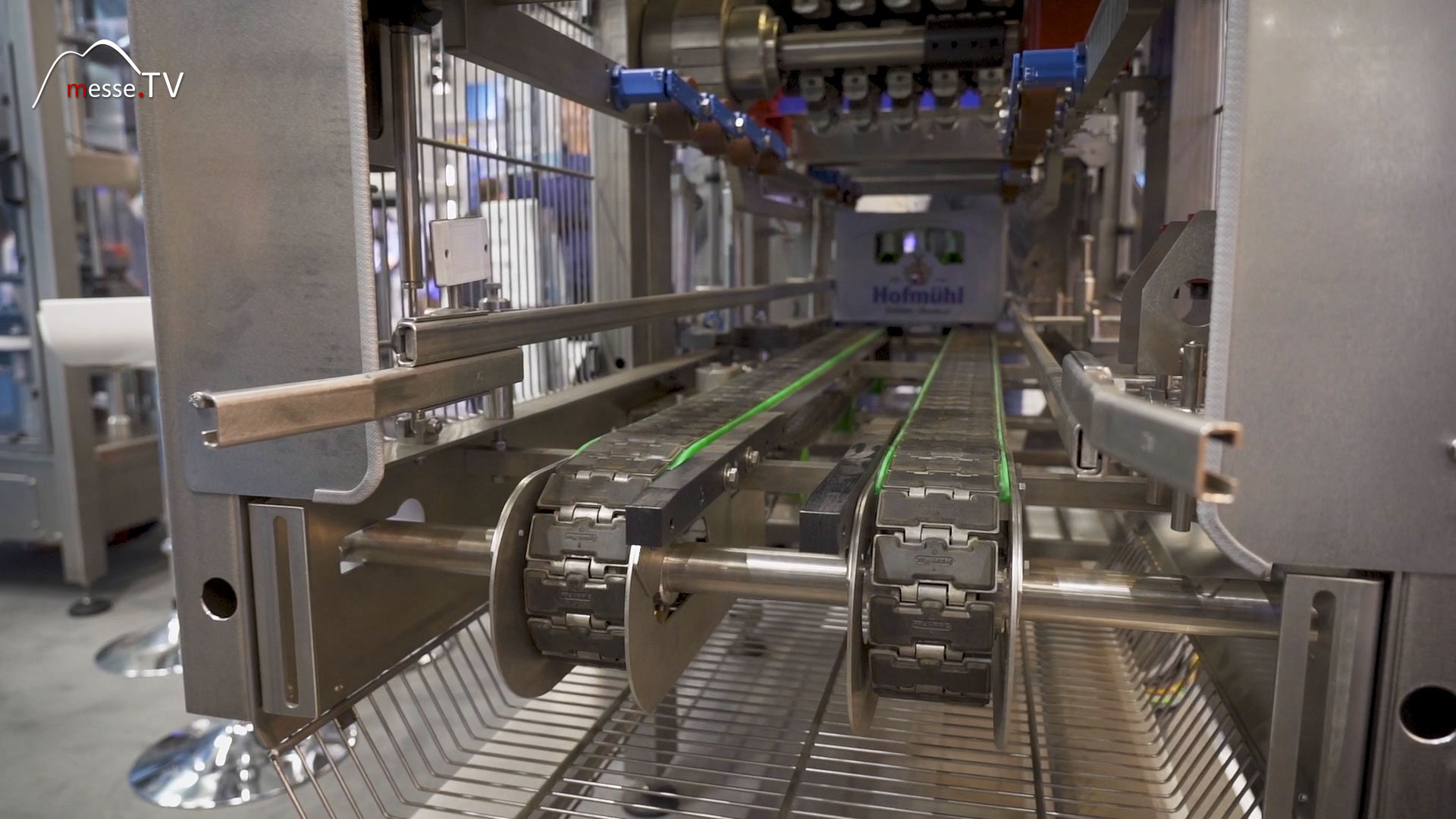
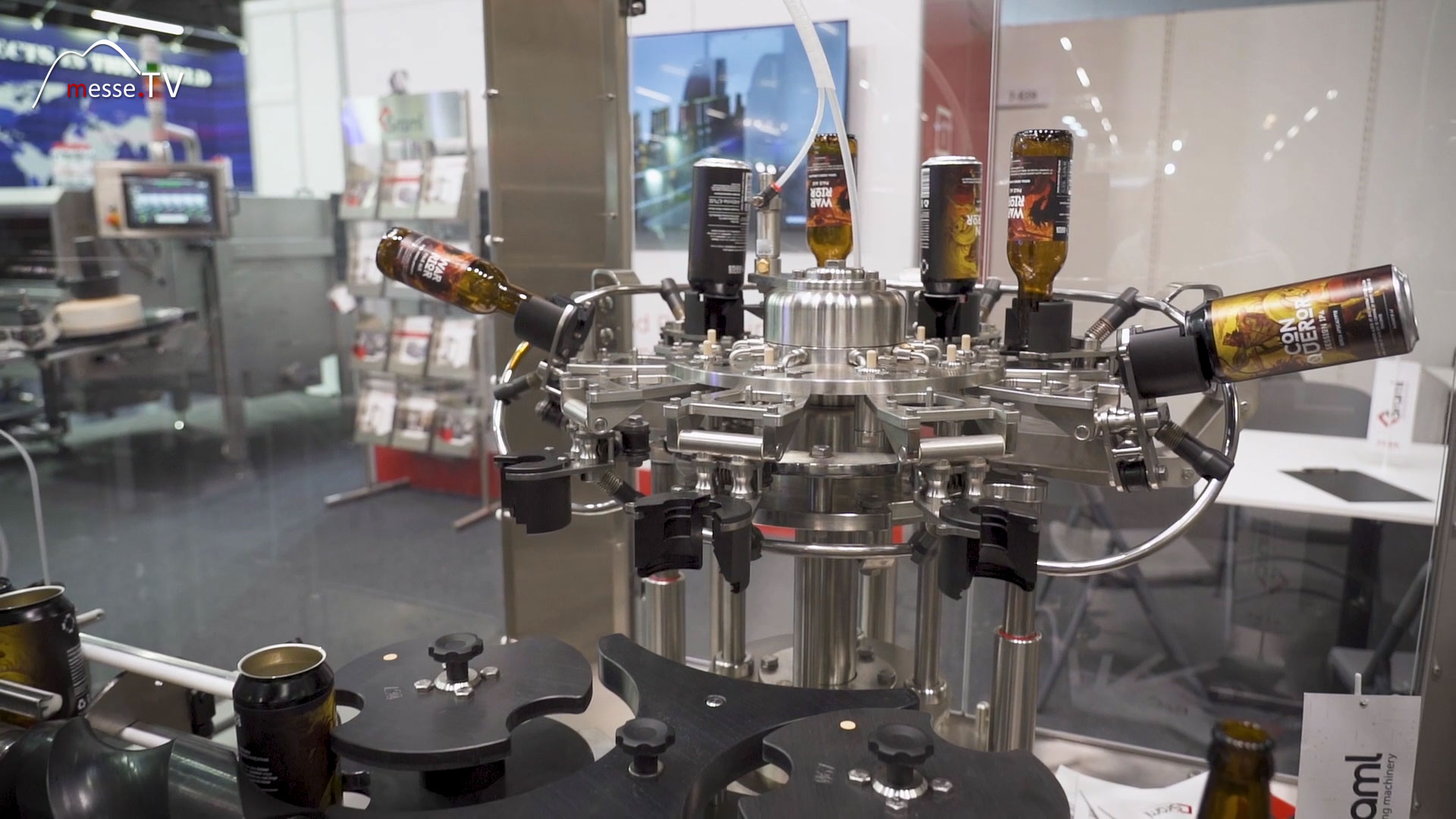
Der Aufbau des Nano HCS Dosenabfüllers folgt einem klar strukturierten Prozess. Die leeren Dosen werden manuell eingelegt und zunächst über einen integrierten Drehspüler gereinigt. Anschließend erfolgt die Befüllung, bevor die Dose direkt verschlossen wird. Am Ende der Linie wird sie nach hinten ausgeschoben, wo in vielen Betrieben bereits eine Etikettiermaschine angeschlossen ist. Dadurch lässt sich der Abfüllprozess ohne komplexe Erweiterungen in bestehende Produktionsabläufe integrieren. Das System ist bewusst auf einfache Bedienbarkeit ausgelegt. Die einzelnen Prozessschritte sind klar voneinander getrennt, wodurch sich der Ablauf auch für Betriebe ohne umfangreiche Abfüll-Erfahrung schnell erschließt. Gerade für Unternehmen in der Gründungsphase ist dieser reduzierte, funktionale Ansatz entscheidend.

Einsatzbereiche über die klassische Brauerei hinaus
Auch wenn Brauereien den Kernmarkt darstellen, ist der Nano HCS Dosenabfüller nicht ausschließlich auf Bier ausgelegt. Abgefüllt werden können ebenso andere Getränke, die von der Dose als Verpackung profitieren. Dazu zählen unter anderem alkoholfreie Getränke, Mischgetränke oder funktionale Drinks. Die Dose bietet hier Vorteile bei Haltbarkeit, Transport und Lagerung, ohne dass hohe Investitionen in aufwendige Flaschenreinigungssysteme notwendig sind. Die Maschine eignet sich insbesondere für Betriebe, die flexibel auf Marktanforderungen reagieren möchten und unterschiedliche Produkte in kleineren Chargen abfüllen. Damit unterstützt sie Geschäftsmodelle, die auf Vielfalt statt Massenproduktion setzen.
Warum die Dose für kleine Betriebe zunehmend relevant wird
Der Trend zur Dose ist in Nordamerika seit Jahren etabliert und gewinnt inzwischen auch in Europa an Bedeutung. Ein zentraler Faktor sind steigende Glaspreise und hohe Energiekosten in der Glasproduktion. Hinzu kommen logistische Aspekte: Aluminiumdosen sind leichter, platzsparender und einfacher zu transportieren als Glasflaschen. Ein weiterer Punkt ist die Wiederverwertbarkeit. Aluminium kann ohne Qualitätsverlust vielfach eingeschmolzen und erneut verwendet werden. Für Betriebe, die sich mit nachhaltigen Verpackungskonzepten beschäftigen, ist das ein relevanter Aspekt. Gleichzeitig entfällt der Aufwand für Flaschenspüler, der bei Mehrwegflaschen zwingend notwendig ist und gerade für kleine Brauereien eine erhebliche finanzielle Hürde darstellt.

Vorteile für Gründer und kleine Produzenten
Gerade für neu gegründete Kleinbrauereien oder Getränkehersteller bietet die Dosenabfüllung einen pragmatischen Einstieg in den Markt. Der Nano HCS Dosenabfüller adressiert dabei mehrere typische Herausforderungen gleichzeitig:
- keine Investition in teure Flaschenwaschanlagen erforderlich
- kompakte Bauweise für begrenzte Produktionsflächen
- klare Prozessstruktur für schnelle Einarbeitung
- geeignet für kleine Chargen und wechselnde Produkte
- günstigere Transport- und Verpackungskosten durch Dosen
Historischer Hintergrund und Marktentwicklung
CASK Canning stammt aus Kanada und hat seinen Sitz in Calgary. Das Unternehmen begann in den achtziger Jahren mit der Entwicklung kleiner Brausysteme. Anfang der zweitausender Jahre erkannte man eine Marktlücke: Es gab kaum Lösungen für kleine Dosenabfüllanlagen, obwohl insbesondere Craft-Brauereien zunehmend Interesse an der Dose zeigten. Daraus entstand der erste kompakte Dosenabfüller für kleine Betriebe. Heute knüpft der Nano HCS Dosenabfüller an diese Entwicklung an. Er ist das Ergebnis langjähriger Erfahrung im Umgang mit den Anforderungen kleiner Produzenten und spiegelt den Wandel im Getränkeverpackungsmarkt wider. CASK Canning positioniert sich dabei klar als Anbieter praxisnaher Technik für Betriebe, die nicht industriell, sondern handwerklich produzieren.
Abfülltechnik als strategische Entscheidung
Die Wahl der Abfülltechnik ist für kleine Getränkehersteller eine strategische Entscheidung. Sie beeinflusst Produktionskosten, Logistik, Markenauftritt und Skalierbarkeit. Der Nano HCS Dosenabfüller bietet hier eine Lösung, die bewusst nicht auf maximale Leistung, sondern auf Wirtschaftlichkeit und Anpassungsfähigkeit ausgelegt ist. Für viele Betriebe ist er ein erster Schritt in die Dosenabfüllung, ohne sich langfristig festzulegen oder hohe finanzielle Risiken einzugehen. Damit passt das System zu einem Markt, der zunehmend von Vielfalt, kurzen Produktzyklen und experimentellen Konzepten geprägt ist.



Messe-Berichterstattung bundesweit - Messewissen, Termine & Veranstaltungen


