Digitaler Ausschank mit Sensorik für Schankanlagen und Brauereien
Digitale Systeme halten seit einiger Zeit auch dort Einzug, wo Abläufe lange als rein mechanisch galten. Der Ausschank von Getränken gehört dazu. In Bars, Restaurants und bei Veranstaltungen entscheidet nicht nur das Produkt selbst über Qualität und Wirtschaftlichkeit, sondern ebenso die Technik dahinter.
Temperatur, Druck, Durchfluss und Hygiene bestimmen, ob Bier konstant ausgeschenkt wird oder ob Verluste entstehen, die im Alltag oft unbemerkt bleiben. Genau an dieser Schnittstelle setzt die Entwicklung eines vernetzten Ausschanksystems an, das klassische Schanktechnik mit Sensorik und Datenanalyse verbindet.
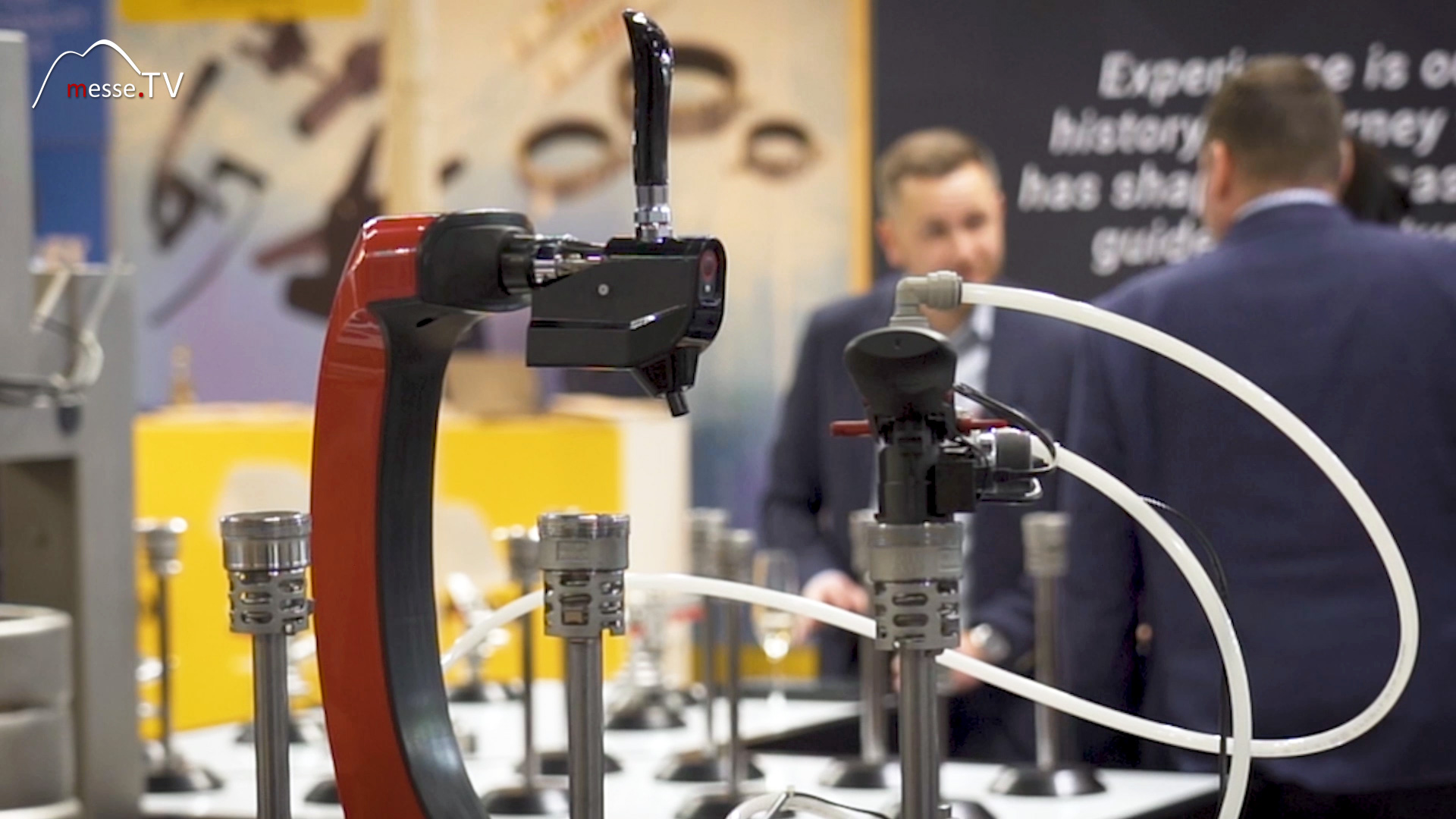

Zusammenschluss mit internationaler Ausrichtung
Hinter dieser Entwicklung steht DSI Micromatic Getränkearmaturen, ein Zusammenschluss mehrerer spezialisierter Unternehmen. In die Gruppe fließen die Kompetenzen von VINSERVICE, TAPRITE aus den USA sowie aktuell die Integration von MICRO MATIC ein. Am Standort Hamm liegt der Schwerpunkt auf Fittingen, Zapfköpfen und Schankhähnen, während andere Bereiche der Gruppe Schanksäulen oder Druckminderer abdecken. Diese Bündelung ist nicht nur organisatorisch relevant, sondern bildet die Grundlage für Systeme, die hardwareübergreifend funktionieren.
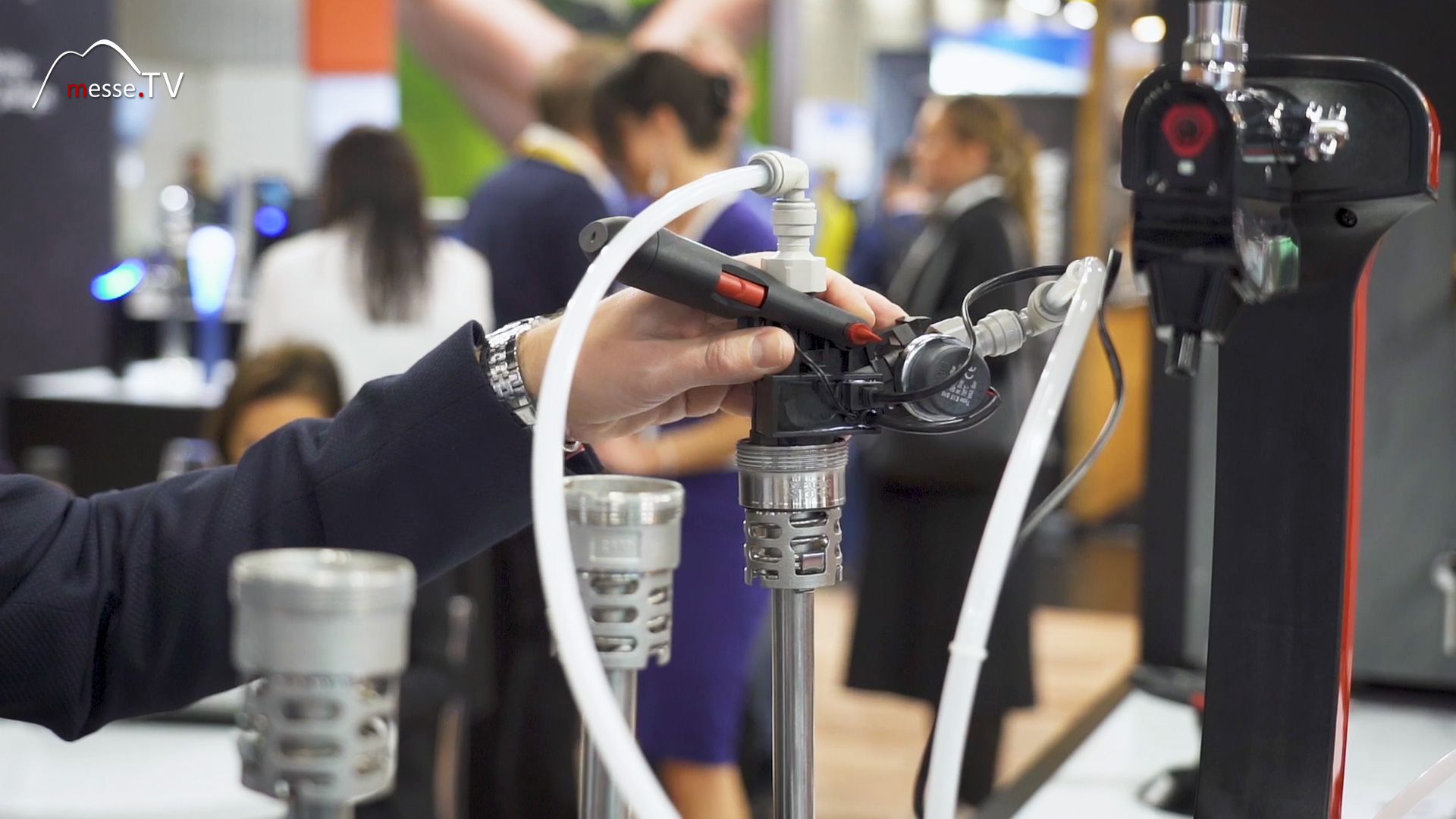

Vernetzte Komponenten statt isolierter Bauteile
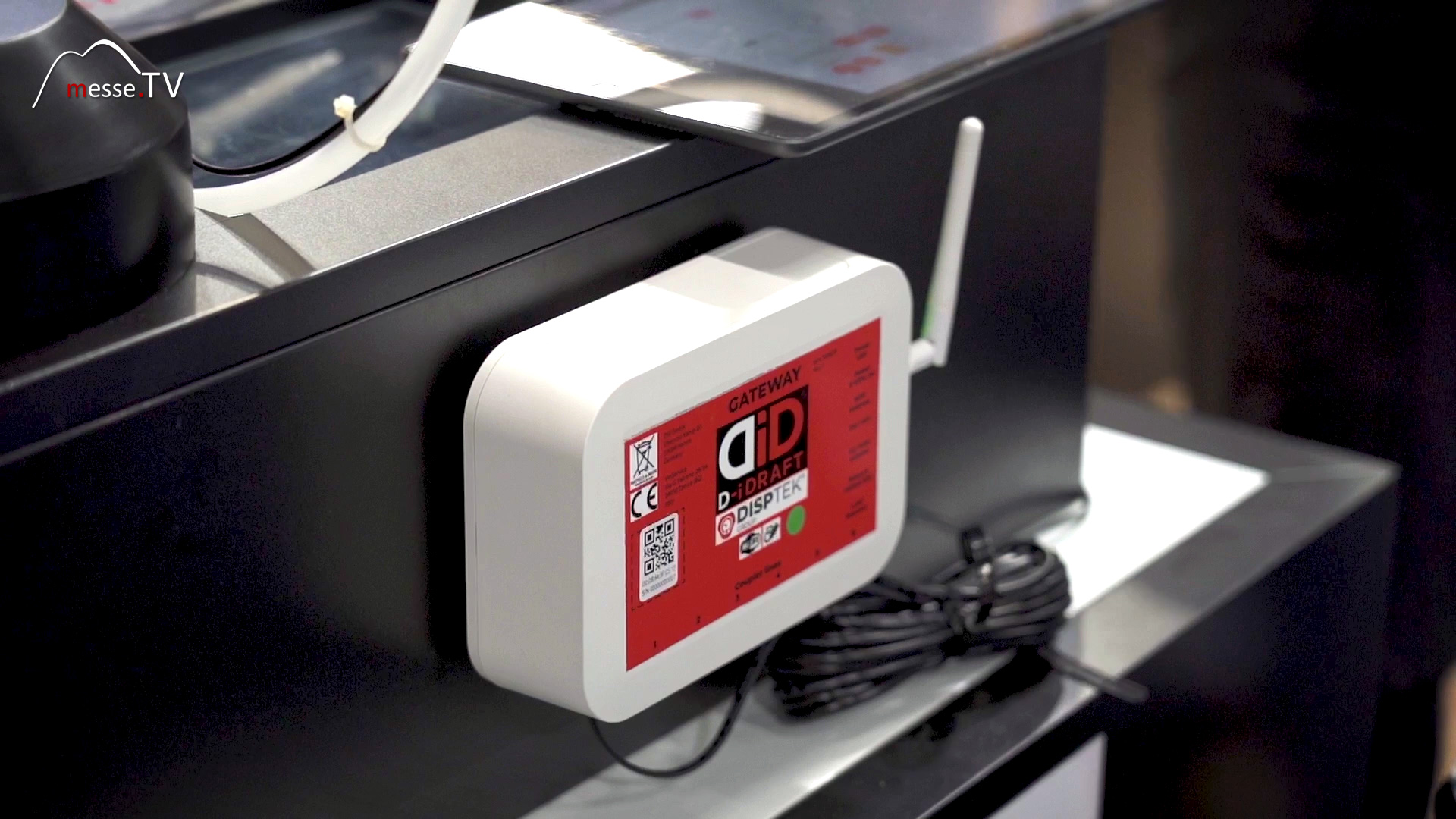
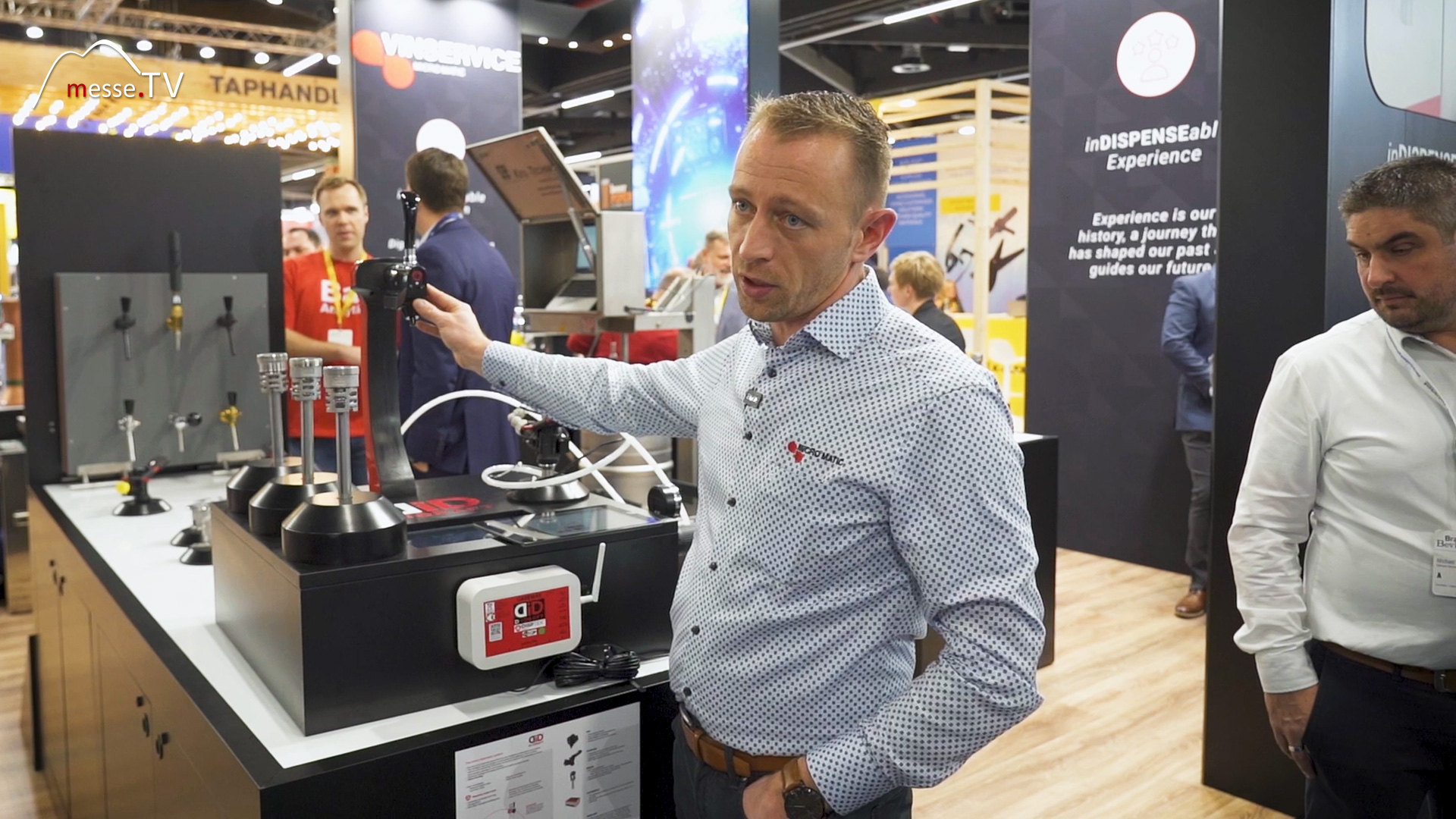
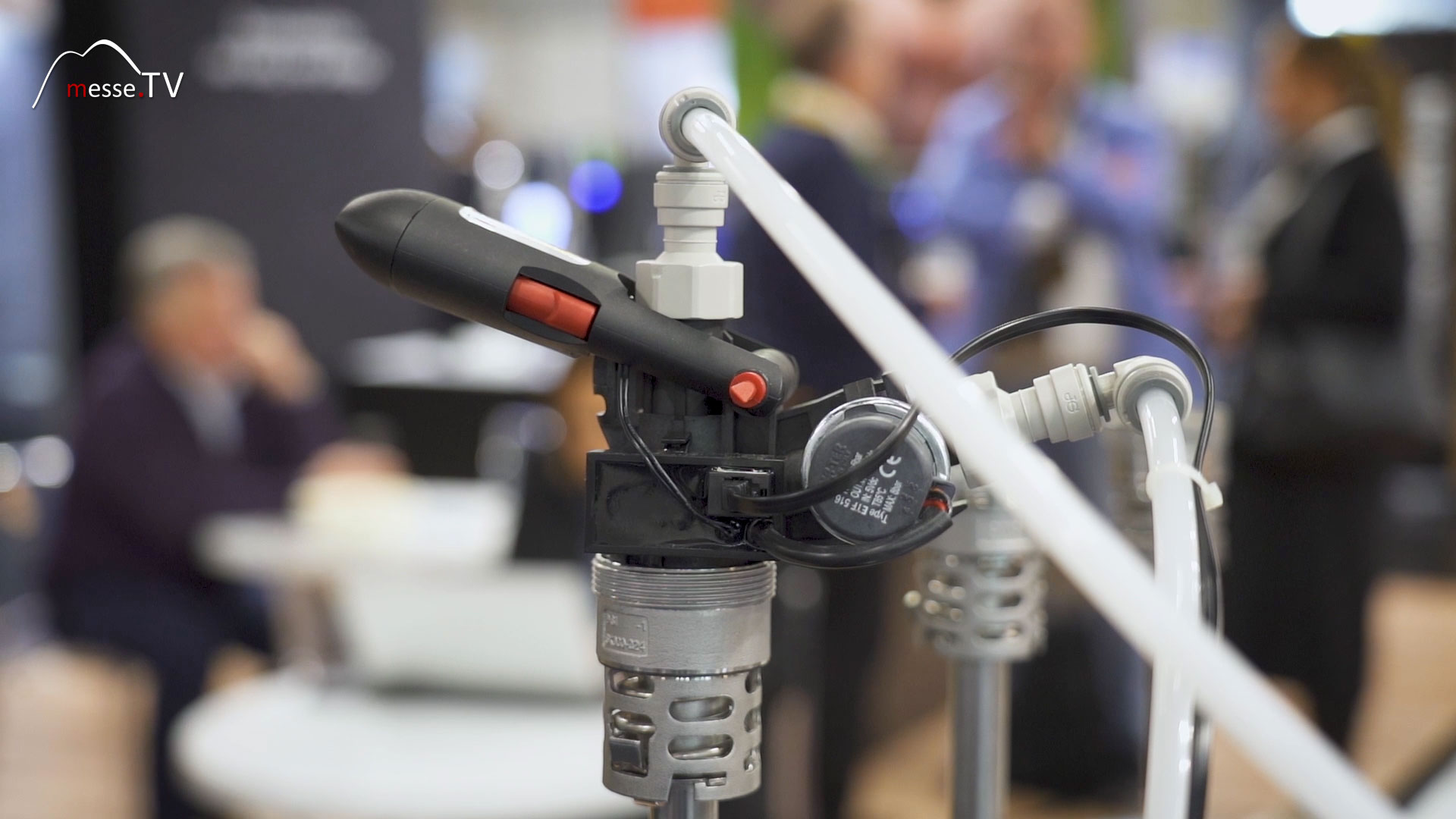
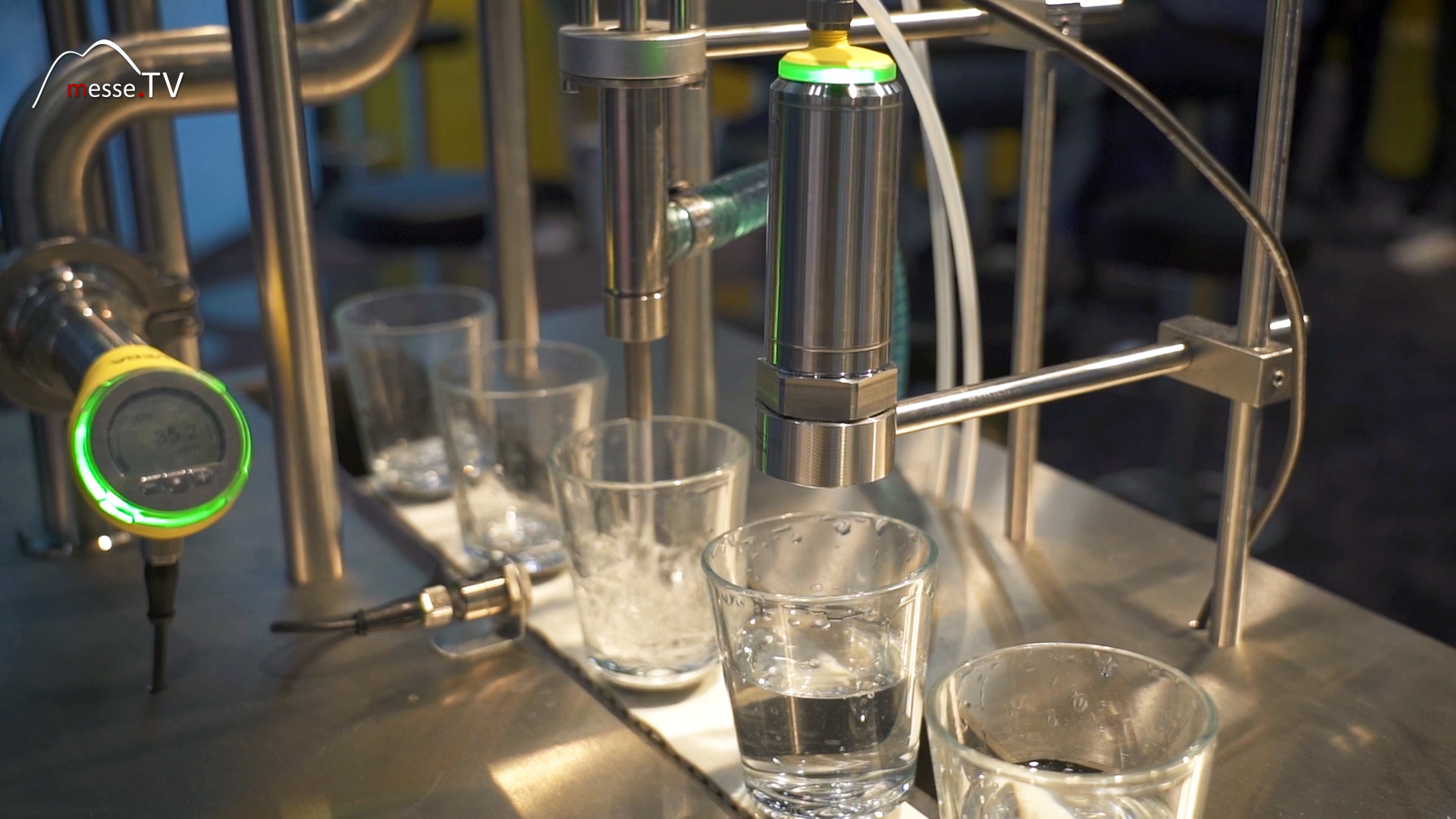
Im Mittelpunkt der technischen Lösung steht eine Installation, bei der der Zapfkopf nicht mehr nur mechanisches Verbindungselement ist. In ihm sind mehrere Sensoren integriert, die zentrale Parameter erfassen. Dazu gehören der Durchfluss des Getränks, der anliegende Gasdruck sowie über eine im Fitting verbaute Antenne die Auslesung von Informationen per NFC-Technologie. Diese Daten werden nicht lokal ausgewertet, sondern über eine kabelgebundene Verbindung an ein Gateway weitergegeben. Das Gateway fungiert als Sammelpunkt. Es kann mehrere Leitungen parallel verarbeiten und bindet zusätzlich die Schankhähne ein. Diese arbeiten batteriebetrieben und kommunizieren per Bluetooth. Erfasst werden hier unter anderem die Temperatur direkt an der Auslassdüse sowie der Status des Durchflusses. Die Kombination aus Zapfkopf, Schankhahn und Gateway bildet damit ein geschlossenes System, das alle relevanten Zustände im laufenden Betrieb erfasst.

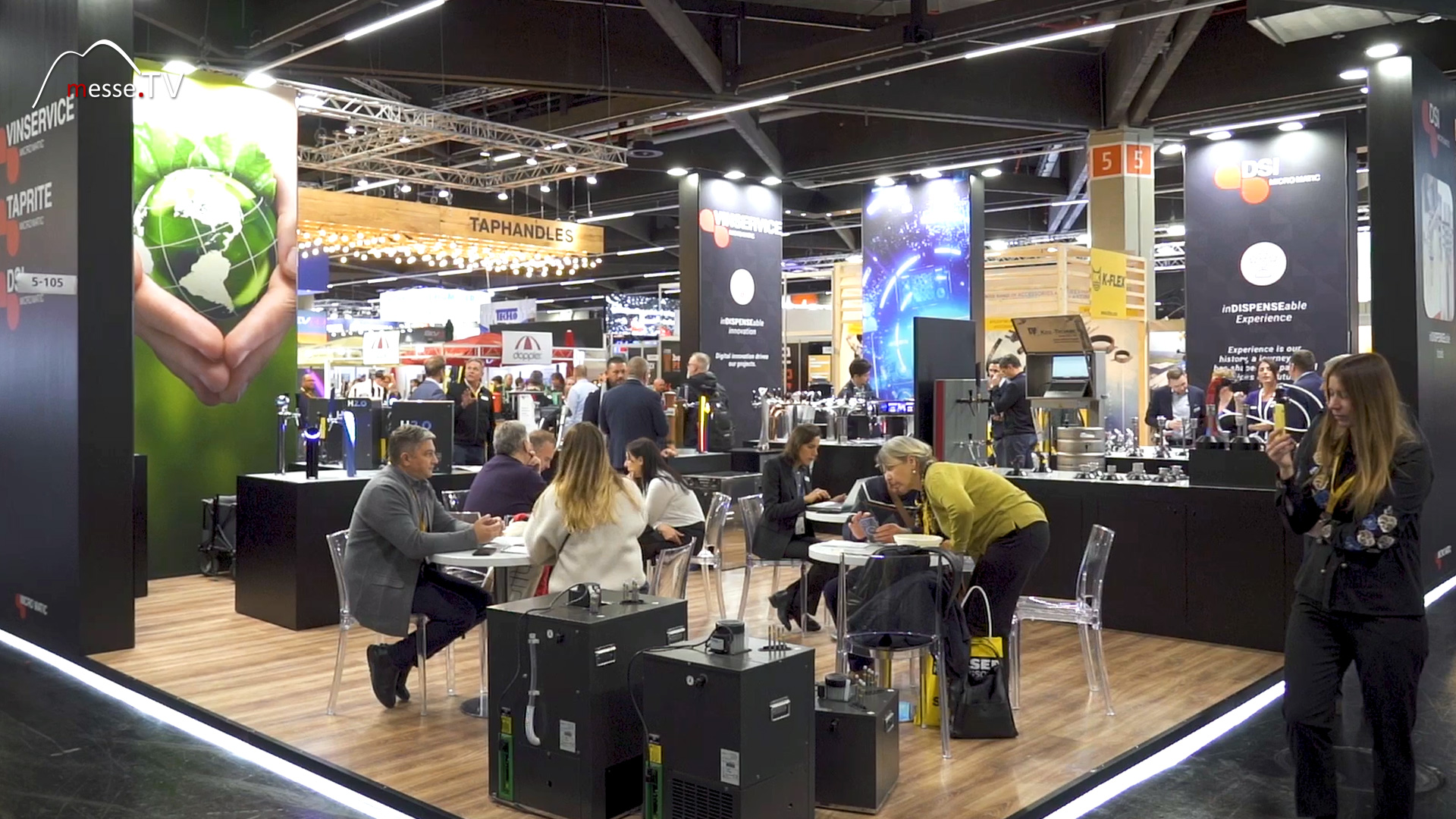
Vom Ausschank in die Cloud
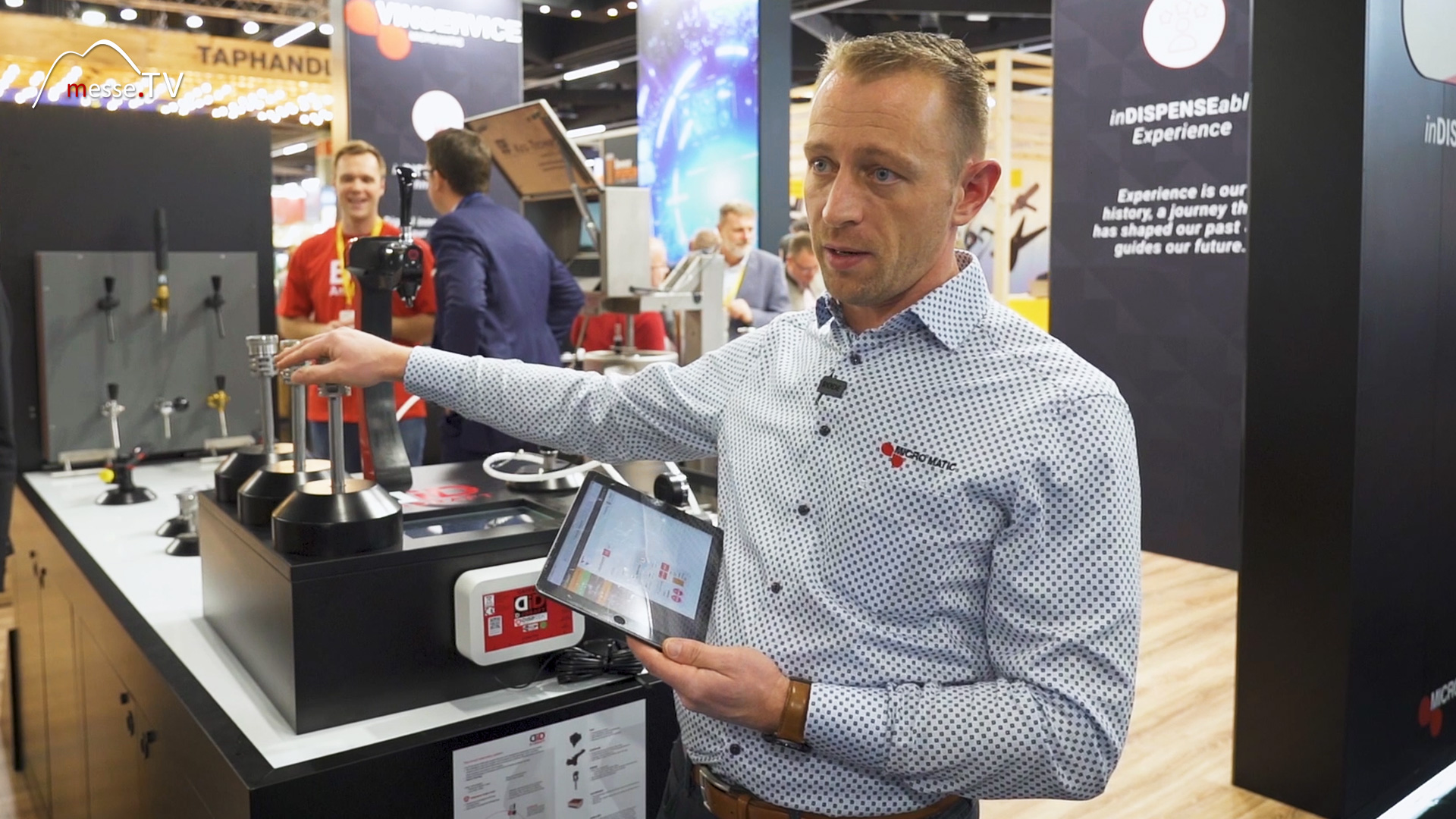
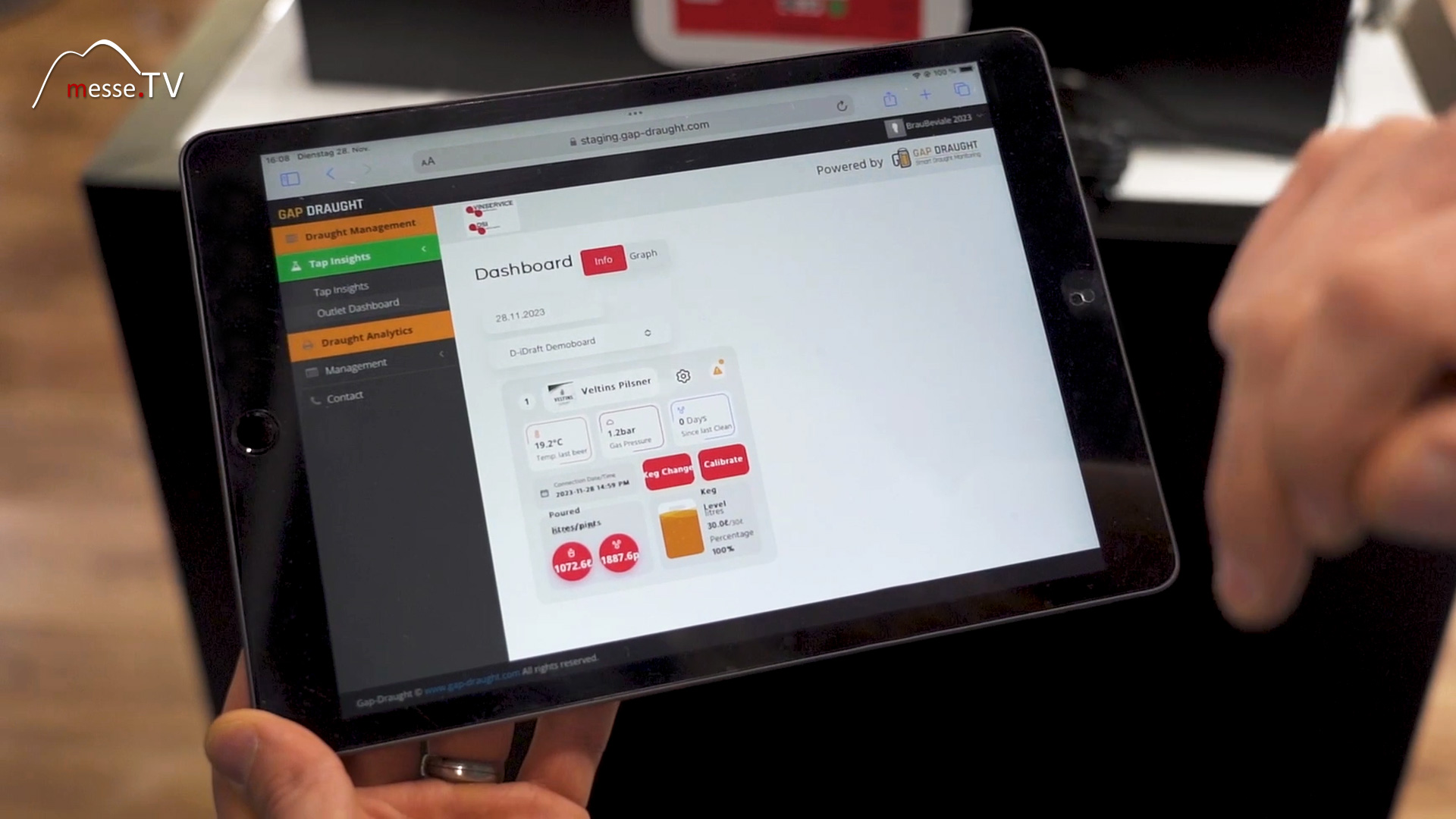
Die gesammelten Daten bleiben nicht im Keller oder hinter der Theke. Über WLAN, Ethernet oder eine integrierte Mobilfunkverbindung gelangen sie in eine Cloud-Umgebung. Dort lassen sie sich je nach Nutzergruppe unterschiedlich aufbereiten. Für das Personal vor Ort steht ein kompaktes Dashboard zur Verfügung, das aktuelle Temperaturen, Druckwerte und Füllstände anzeigt. Abweichungen von definierten Grenzwerten werden automatisch gemeldet. Für Brauereien eröffnet sich eine andere Perspektive. Sie erhalten aggregierte Informationen über Ausschankmengen, zeitliche Verläufe und regionale Unterschiede. Dadurch wird sichtbar, welche Produkte zu welchen Zeiten laufen und wo Optimierungsbedarf besteht. Die Technik bleibt dabei bewusst im Hintergrund, der Mehrwert entsteht aus der Transparenz.
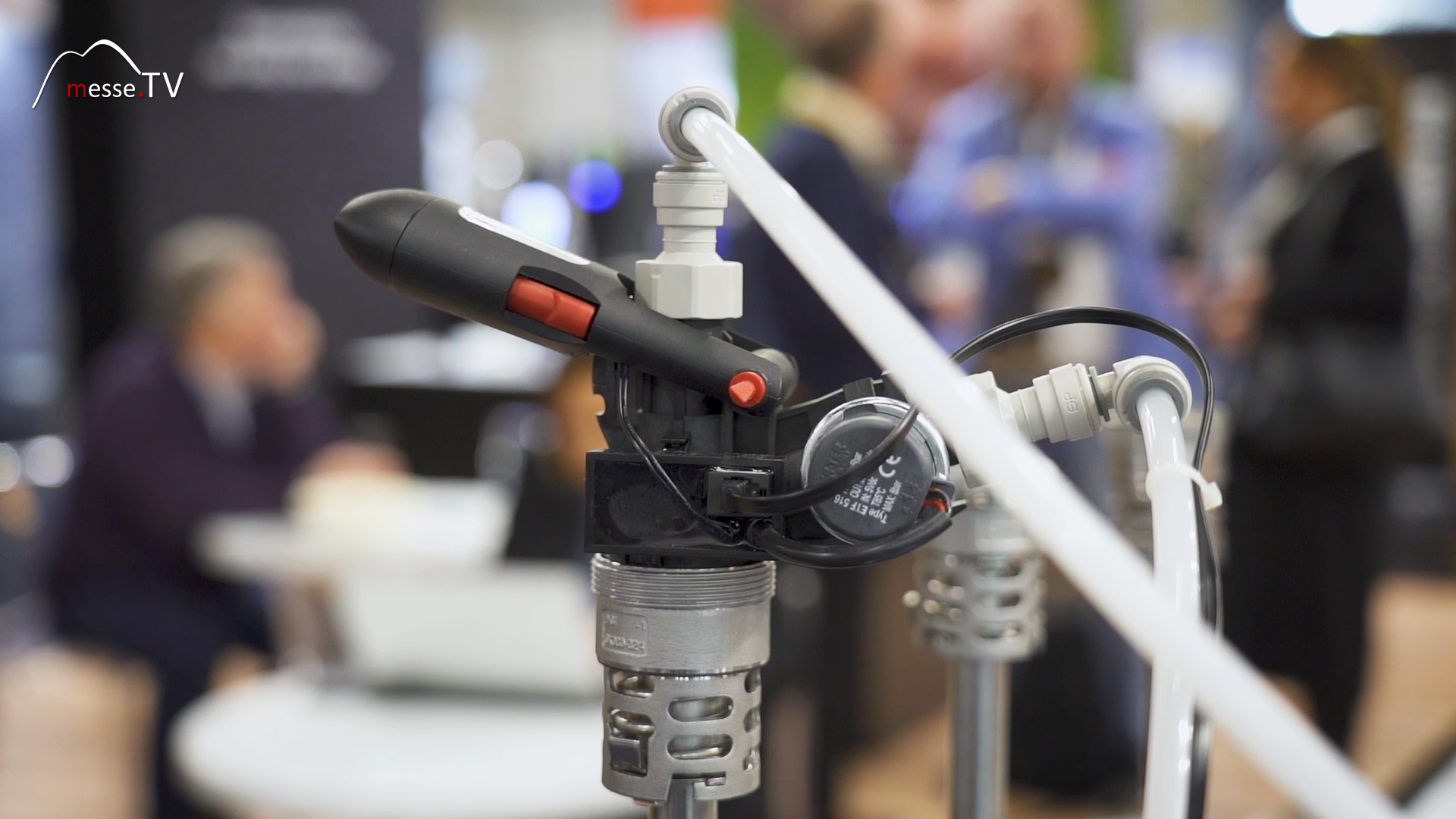
Praktischer Nutzen für Betrieb und Kontrolle
Der digitale Ausschank ist nicht als Spielerei gedacht, sondern als Werkzeug für den Alltag. Die erfassten Daten ermöglichen Eingriffe, bevor Qualitätsprobleme entstehen. Gleichzeitig lassen sich Prozesse standardisieren, ohne dass jeder Standort individuell überwacht werden muss.
- Überwachung von Temperatur und Druck direkt im Ausschank
- Frühzeitige Warnungen bei Abweichungen vom Sollzustand
- Transparente Füllstandsanzeige für rechtzeitigen Fasswechsel
- Kalibrierung des Durchflusses über das System
Relevanz für Brauereien und Gastronomie
Besonders deutlich wird der Ansatz dort, wo viele Ausschankstellen gleichzeitig betrieben werden. Brauereien haben ein starkes Interesse daran, dass ihre Produkte korrekt ausgeschenkt werden. Zu warmer Ausschank, falscher Druck oder ungeplante Stillstände wirken sich unmittelbar auf Wahrnehmung und Absatz aus. Die im Fitting integrierte NFC-Technologie ermöglicht es, Informationen eindeutig einer Anlage zuzuordnen. Das ist vor allem für überregionale Auswertungen relevant. Gleichzeitig bleibt das System für die Gastronomie handhabbar. Die Installation orientiert sich an bekannten Strukturen der Schankanlageninstallation. Es sind keine komplexen Umrüstungen nötig, vielmehr ergänzt die digitale Ebene die bestehende Technik.
Zwischen Handwerk und Datenlogik
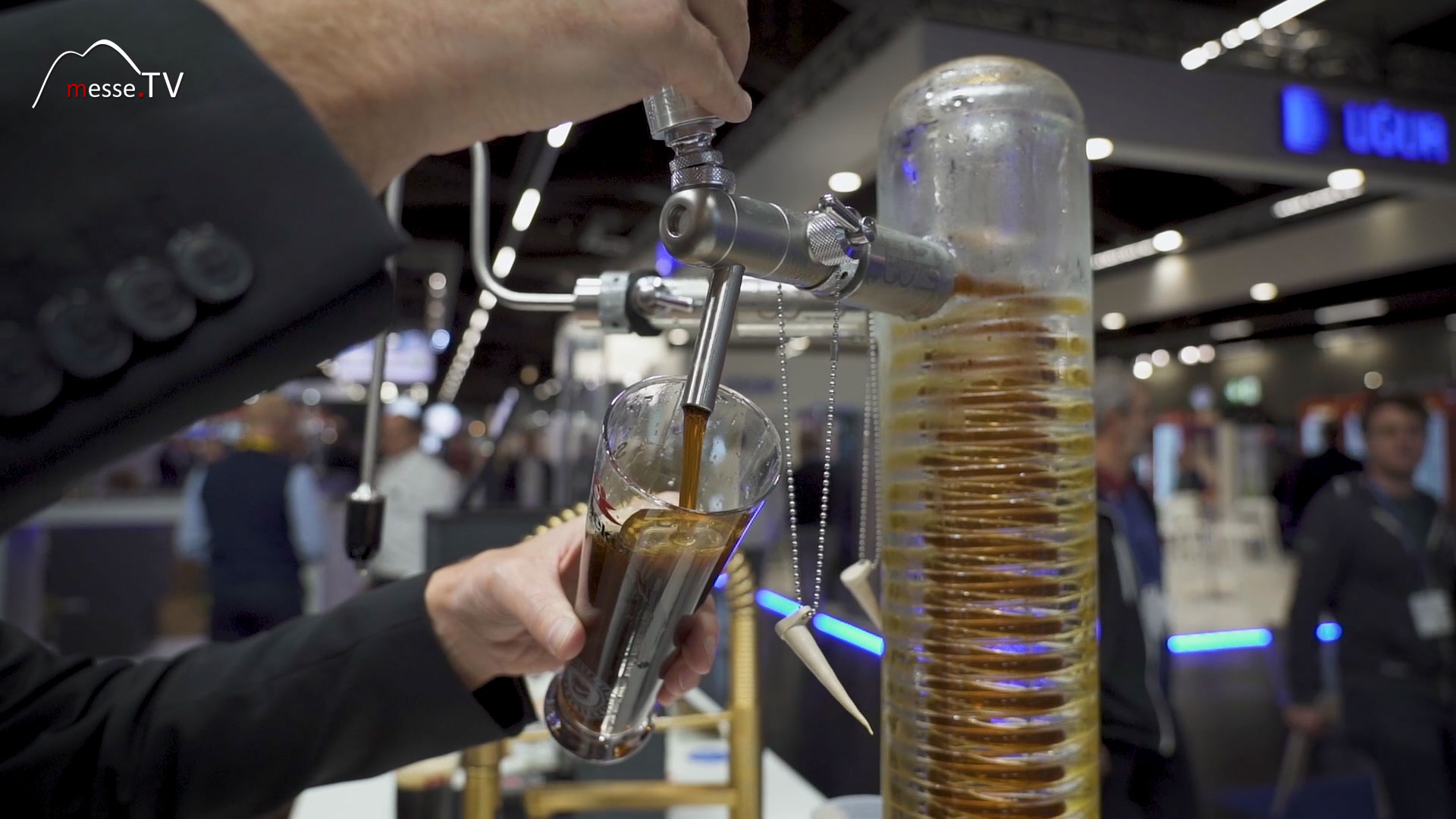
Der Ausschank bleibt ein handwerklicher Vorgang. Zapfhahn, Glas und Produkt bestimmen weiterhin den Moment am Tresen. Neu ist, dass dieser Moment messbar wird. Daten ersetzen nicht das Fachwissen, sie unterstützen es. In diesem Spannungsfeld positioniert sich DSI Micromatic Getränkearmaturen bewusst: als Anbieter einer Infrastruktur, die den Ausschank nicht automatisiert, sondern nachvollziehbar macht. Damit wird deutlich, dass Digitalisierung im Getränkebereich nicht zwangsläufig mit radikalen Umbrüchen einhergehen muss. Oft reicht es, bestehende Technik so zu erweitern, dass sie den Anforderungen moderner Betriebsführung gerecht wird. Der digitale Ausschank zeigt, wie sich klassische Schankanlagen in vernetzte Systeme überführen lassen, ohne ihren Charakter zu verlieren.

Messe-Berichterstattung bundesweit - Messewissen, Termine & Veranstaltungen


