Präzise Dosiertechnik für Wasseraufbereitung und CIP in Getränkeprozessen
In der Lebensmittel- und Getränkeindustrie entscheidet nicht nur die Qualität der Rohstoffe über das Endprodukt, sondern ebenso die Kontrolle der begleitenden Prozesse. Besonders die Wasseraufbereitung und die Reinigung der Anlagen zählen zu den sensibelsten Bereichen.
Hier geht es um Hygiene, Prozesssicherheit und den verantwortungsvollen Umgang mit Chemikalien. Moderne Dosiertechnik übernimmt dabei eine Schlüsselrolle: Sie sorgt dafür, dass Laugen, Säuren und Desinfektionsmittel exakt in der benötigten Menge in den Prozess eingebracht werden – nicht mehr und nicht weniger. Gerade in Brauereien und Getränkebetrieben ist diese Präzision unverzichtbar. Reinigungsprozesse wie CIP-Verfahren müssen reproduzierbar, sicher und effizient ablaufen. Gleichzeitig steigen die Anforderungen an Umwelt- und Arbeitsschutz. Dosiersysteme müssen daher nicht nur technisch zuverlässig, sondern auch modular, flexibel und sicher ausgelegt sein – Anforderungen, auf die ProMinent mit einem klar strukturierten Systemansatz reagiert.

Dosiertechnik als zentrales Element der Prozesskontrolle
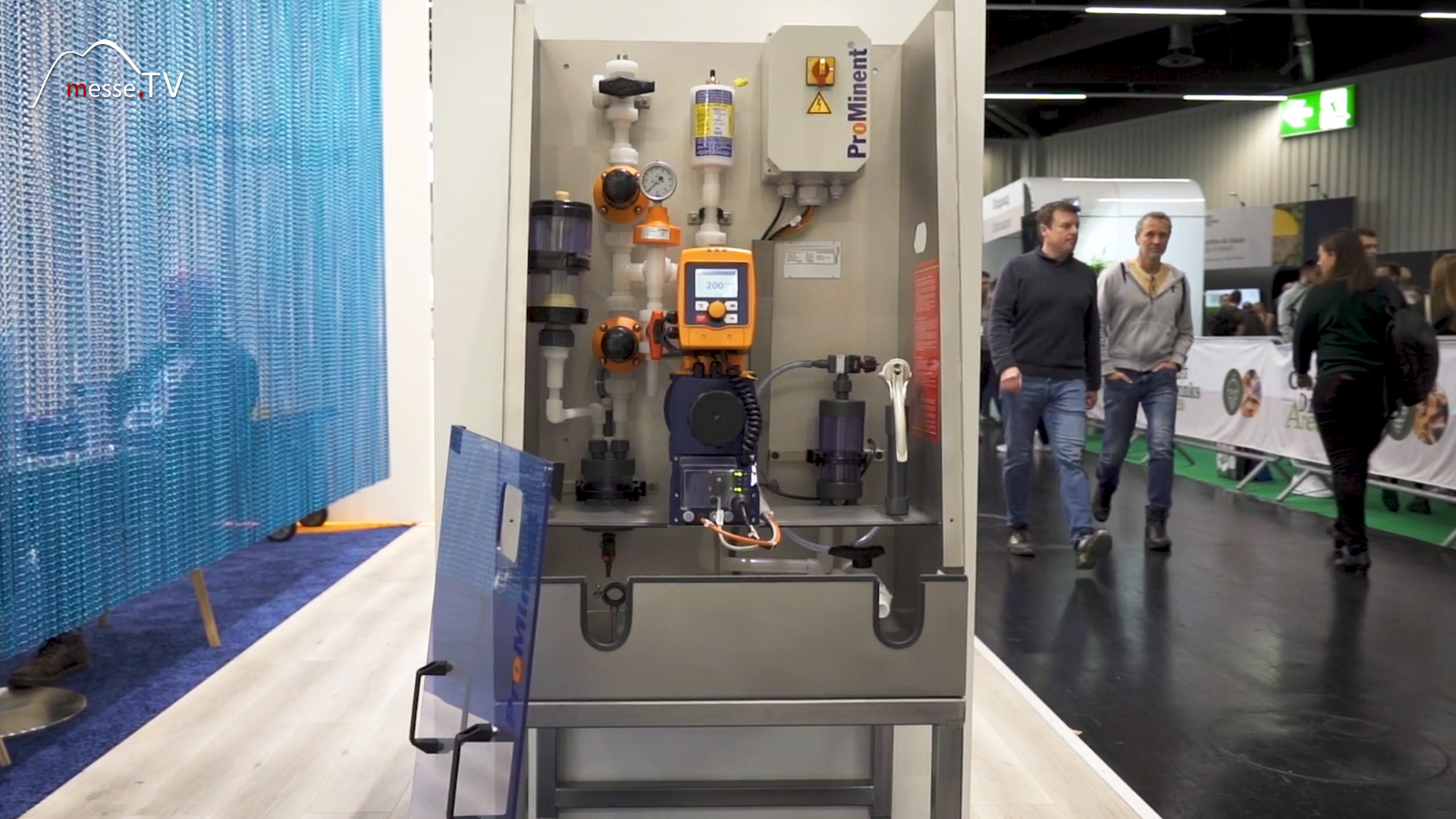
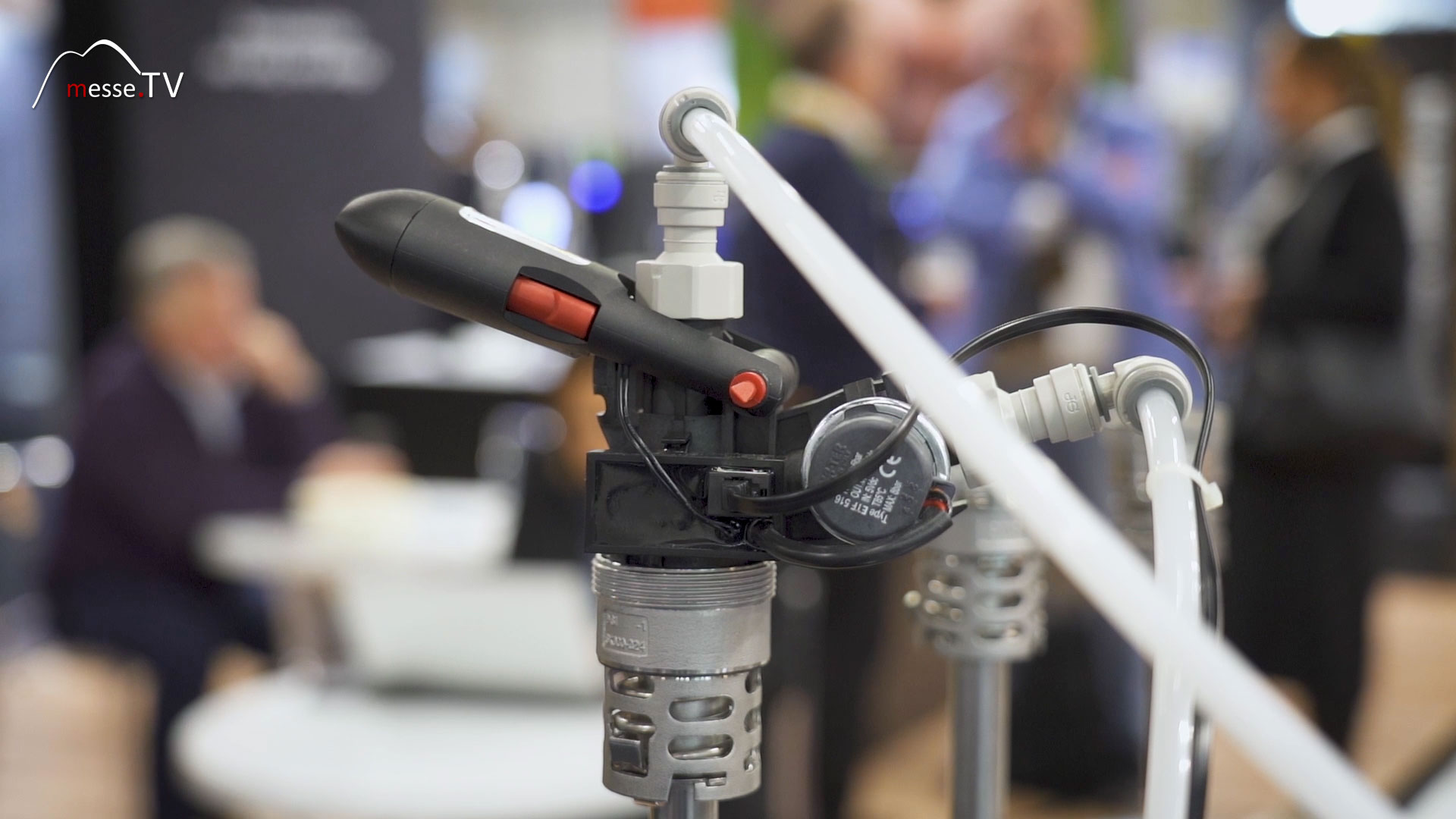
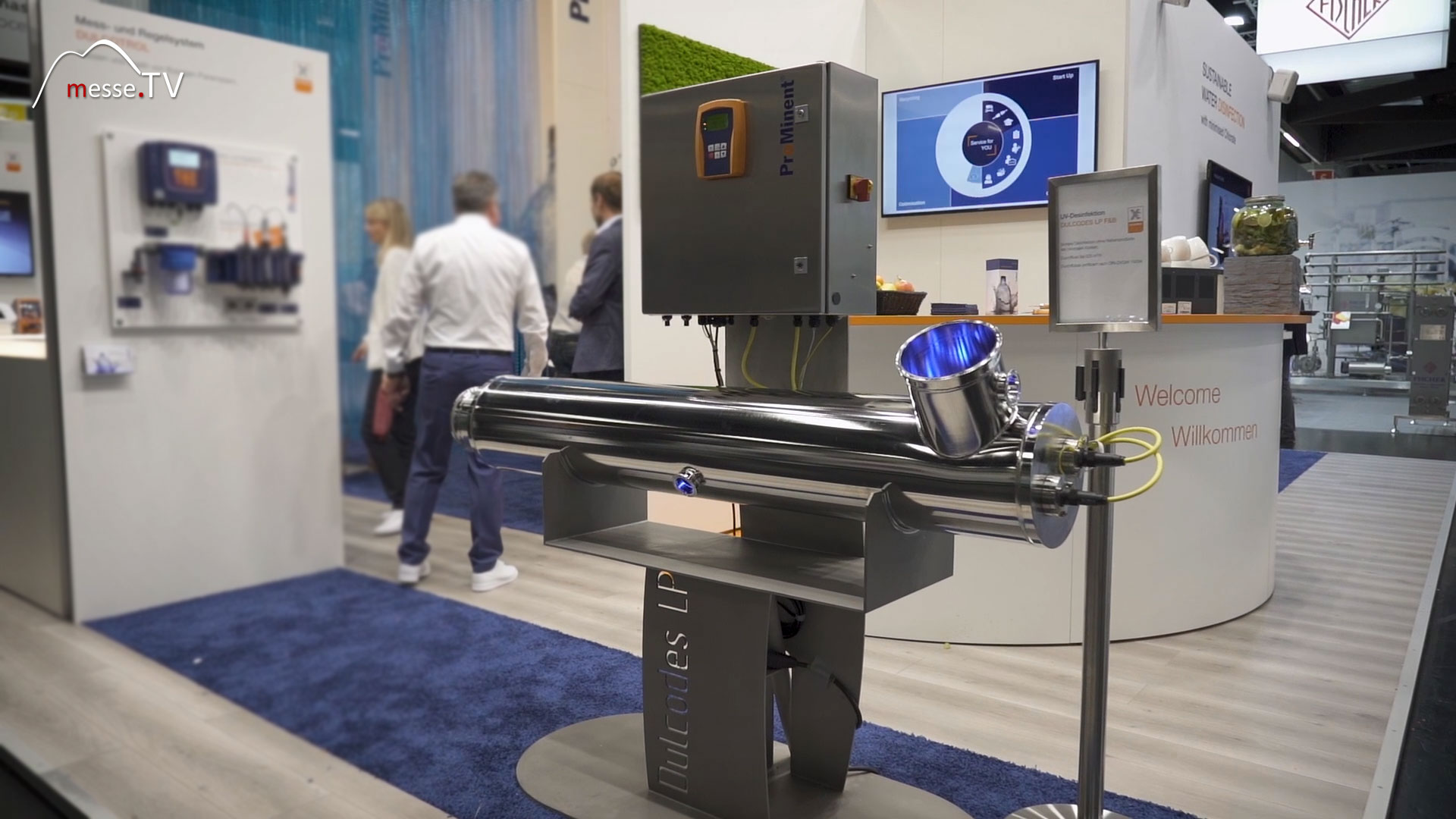
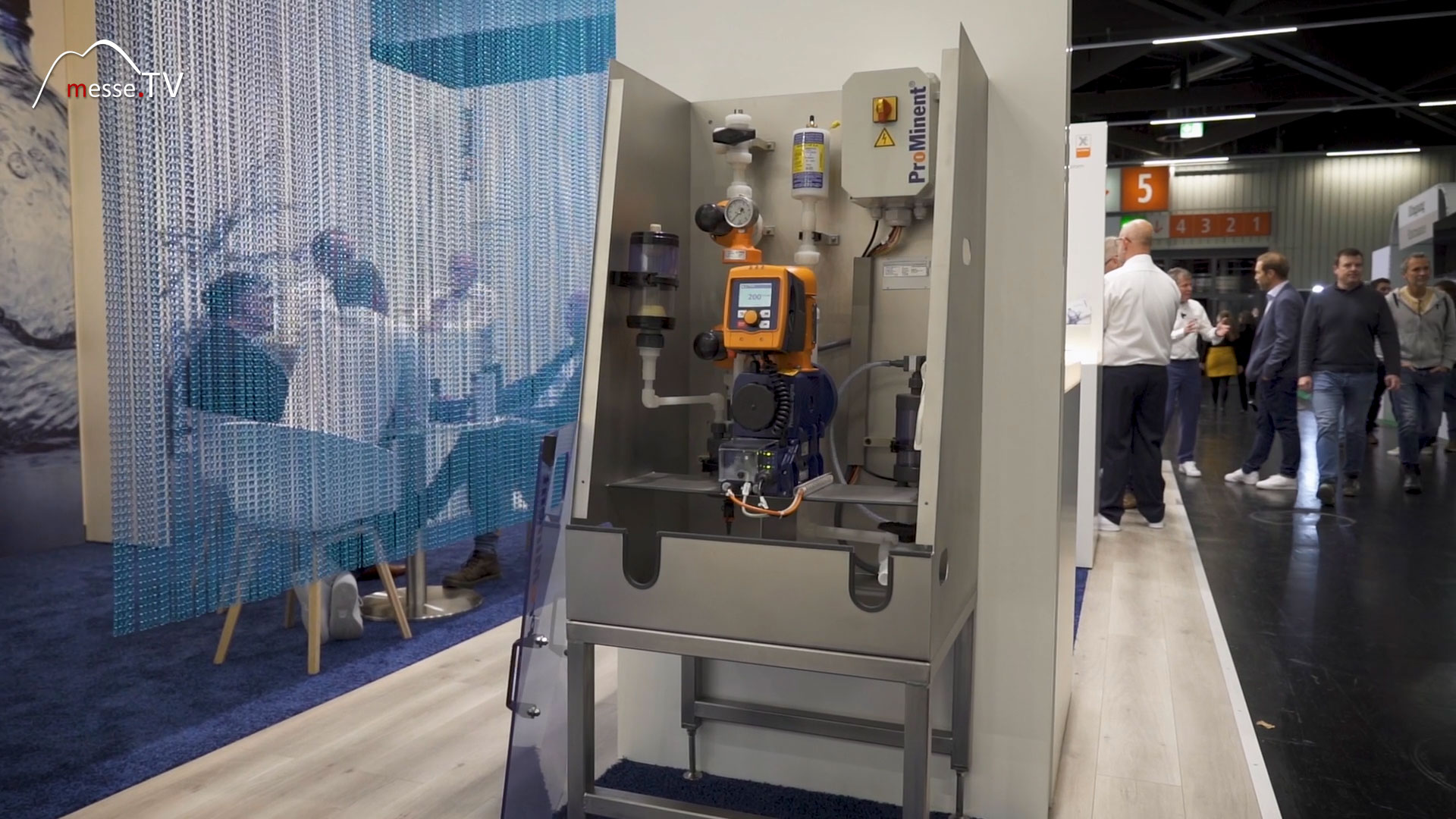
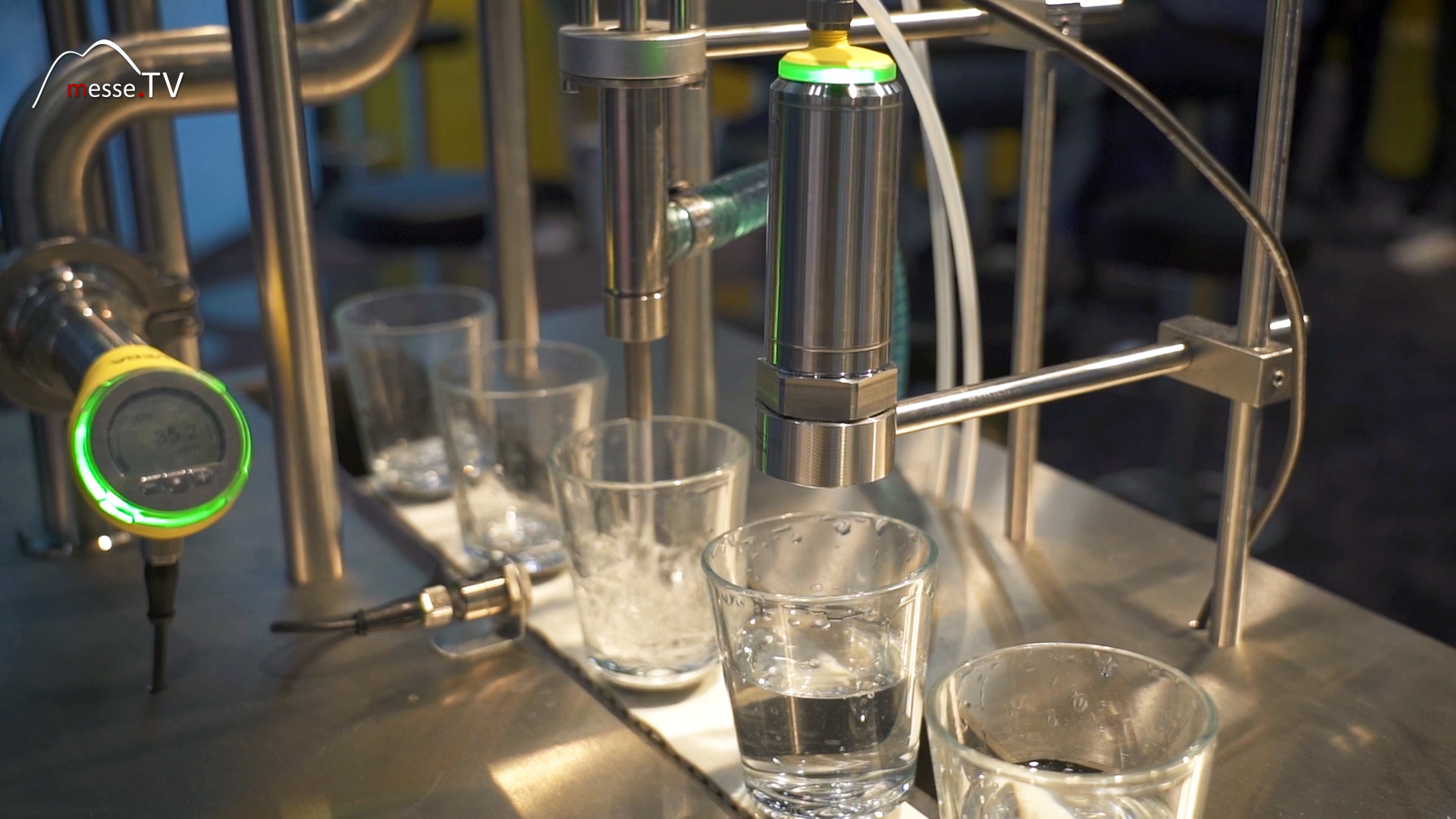
Dosiertechnik ist kein Randthema, sondern ein integraler Bestandteil moderner Produktionslinien. Sie steuert die Qualität der Wasseraufbereitung ebenso wie die Wirksamkeit von Reinigungs- und Desinfektionsprozessen. Fehlerhafte Dosierungen können zu unzureichender Reinigung, erhöhtem Chemikalienverbrauch oder im schlimmsten Fall zu Produktionsausfällen führen. Eine zentrale Einheit, die Chemikalien gezielt in den Prozess einbringt, schafft hier Klarheit. In einer typischen Konfiguration, wie sie in Dosiersystemen von ProMinent zum Einsatz kommt, erfolgt die Chemikalienzufuhr über eine Dosierpumpe, die den Stoffstrom exakt regelt. Ergänzt wird das System durch Komponenten, die Druckschwankungen ausgleichen, Messwerte erfassen und Emissionen verhindern. Erst das Zusammenspiel dieser Elemente macht aus einzelnen Bauteilen eine funktionierende Einheit.
Aufbau modularer Dosiersysteme
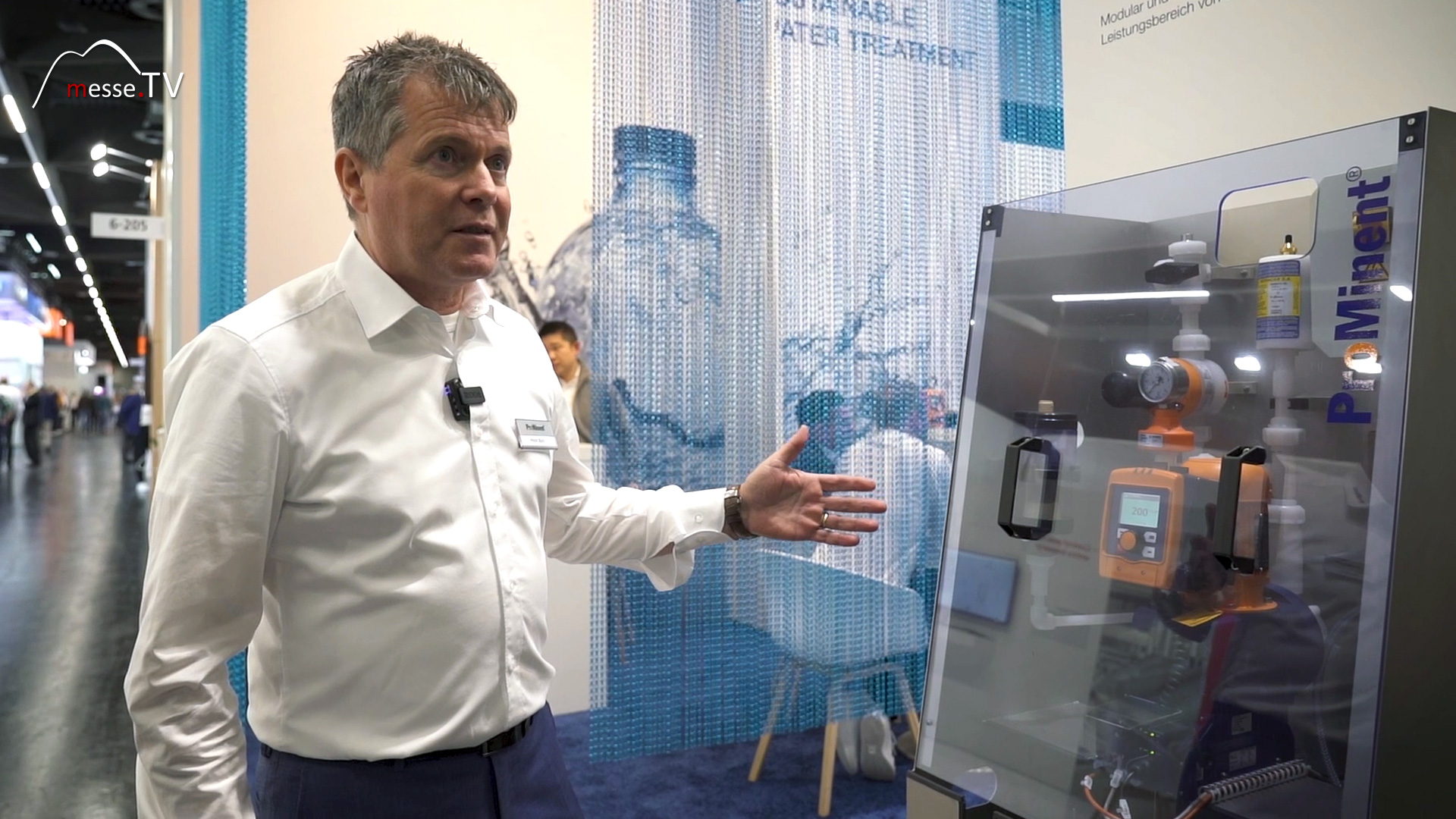
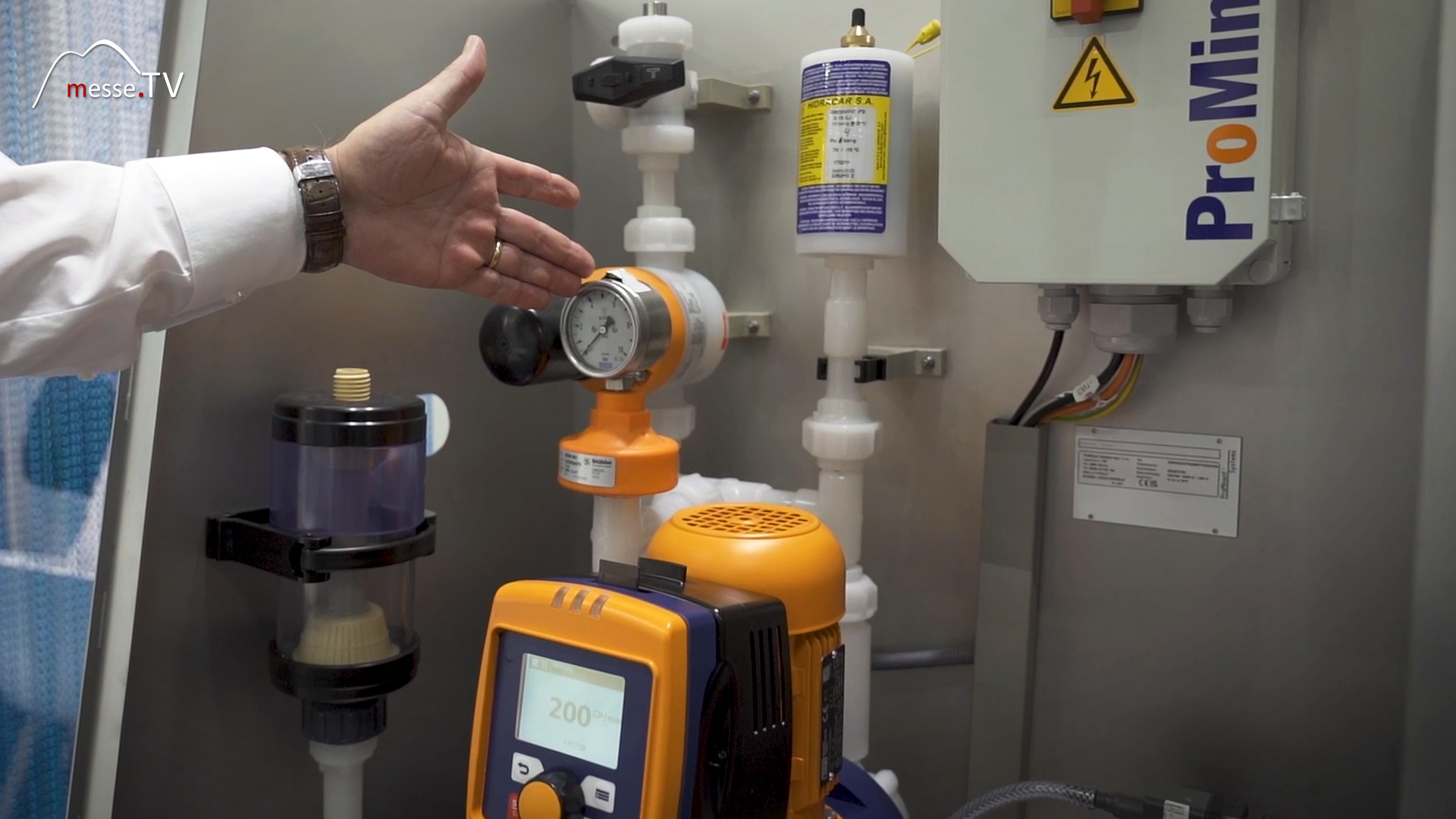
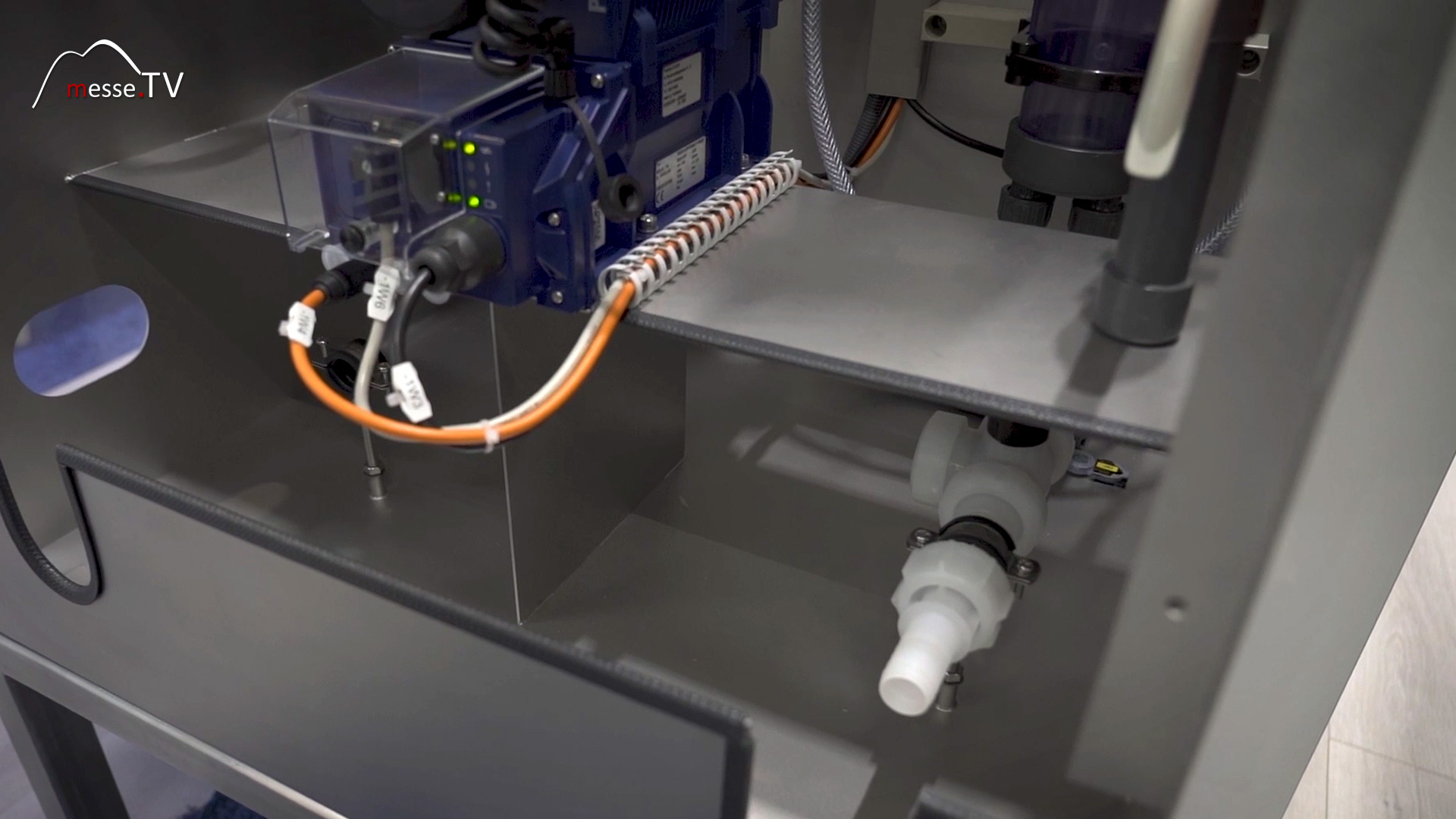
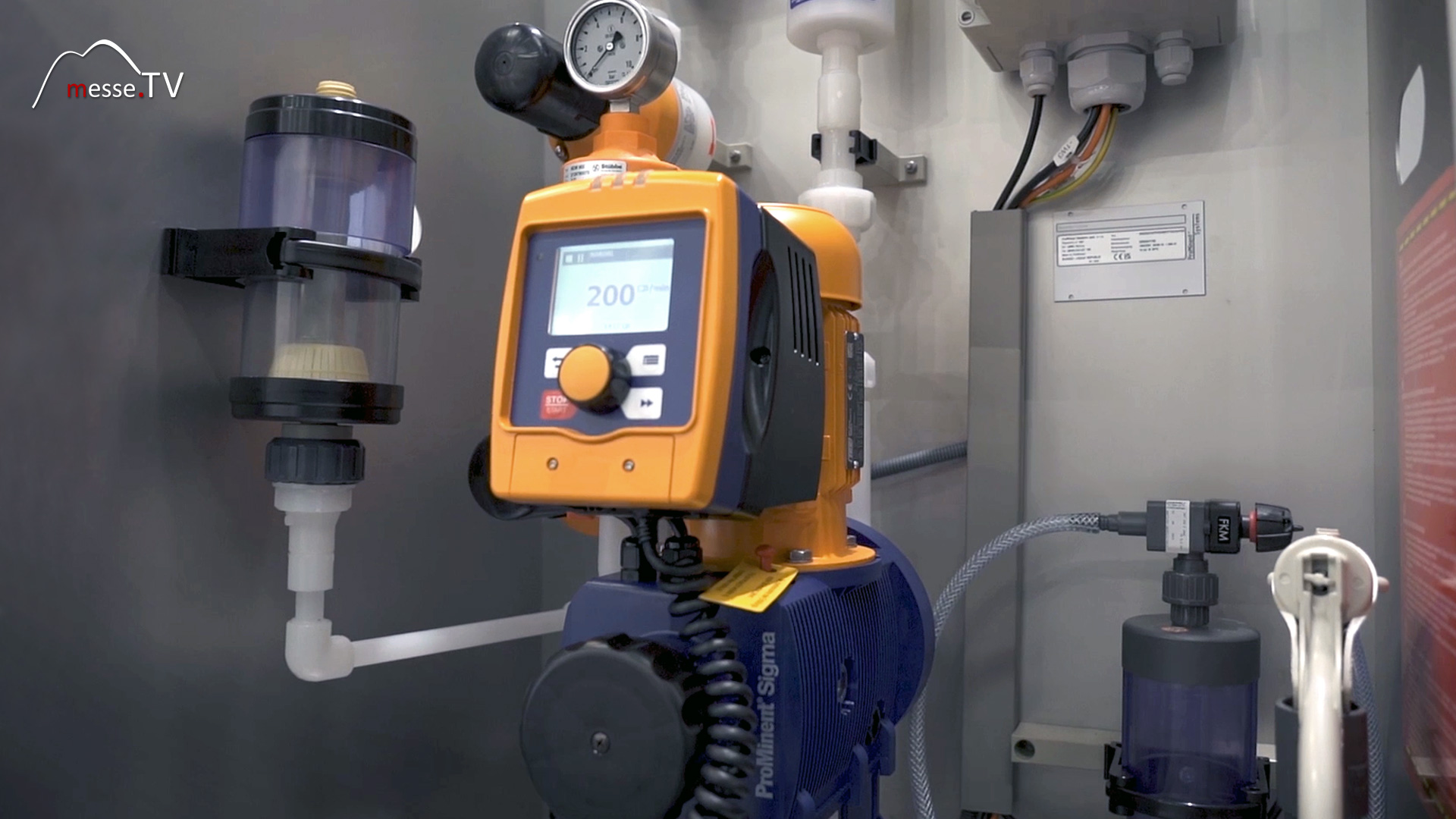
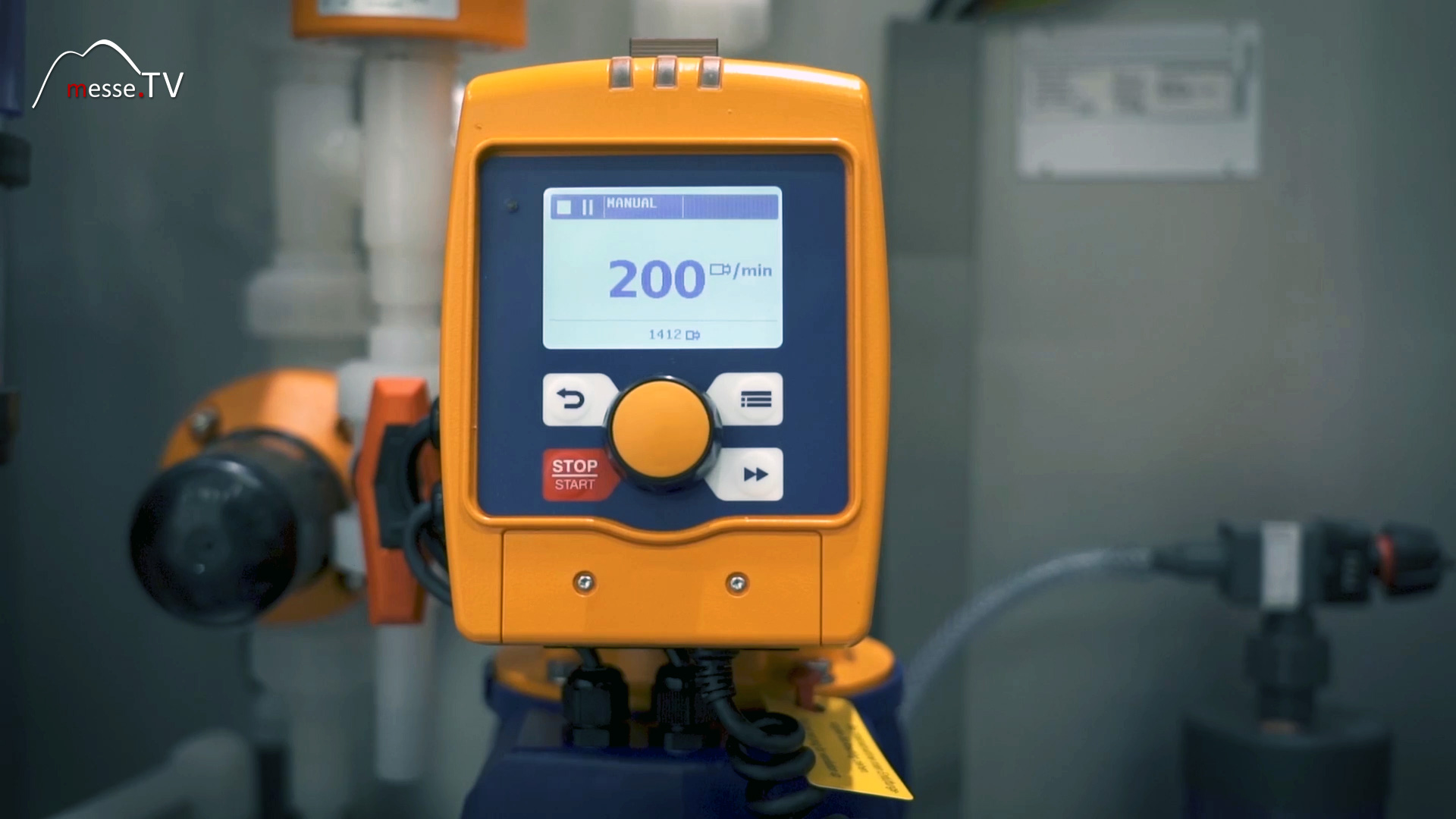
Moderne Dosiersysteme sind bewusst modular konzipiert. Das erlaubt eine Anpassung an sehr unterschiedliche Anforderungen – von kleineren Getränkebetrieben bis hin zu komplexen Brauereianlagen. Im Kern steht die Dosierpumpe, die den gewünschten Volumenstrom erzeugt. In vielen Anwendungen kommt dabei eine Pumpe aus der Sigma-Baureihe von ProMinent zum Einsatz, die für ihre präzise Regelbarkeit bekannt ist. Ergänzend dazu sind weitere Komponenten integriert:
- Dosierpumpe zur exakten Förderung von Chemikalien
- Pulsationsdämpfer zur Beruhigung des Förderstroms
- Druckaufnehmer zur kontinuierlichen Überwachung
- Auffangbehälter für ausgasende Chemikalien
- Anbindung an Wasseraufbereitung oder CIP-Anwendung
Flexibilität durch unterschiedliche Konfigurationen
Ein wesentlicher Vorteil moderner Dosiertechnik liegt in ihrer Anpassungsfähigkeit. Nicht jede Anlage benötigt dieselbe Leistungsklasse oder dieselben chemischen Medien. Deshalb lassen sich Dosiersysteme mit unterschiedlichen Pumpen und Spezifikationen ausstatten. Leistungsbereiche, Fördermengen und Materialien können auf den jeweiligen Anwendungsfall abgestimmt werden. Diese Flexibilität ist besonders in der Getränkeindustrie relevant, da dort häufig mehrere Reinigungs- und Produktionsschritte parallel ablaufen. Ein System, das sich modular erweitern oder anpassen lässt, reduziert Investitionskosten und erhöht die Zukunftssicherheit der Anlage. Betreiber erhalten nicht ein starres Produkt, sondern eine Lösung, die mit den Anforderungen wächst.
Sicherheit und Umweltaspekte im Fokus
Neben der technischen Präzision spielen Sicherheits- und Umweltaspekte eine zunehmend wichtige Rolle. Chemikalien wie Laugen oder Säuren müssen kontrolliert gehandhabt werden. Das beginnt bei der Dosierung und endet bei der Vermeidung von Emissionen. Auffangbehälter für ausgasende Chemikalien sind deshalb ein fester Bestandteil moderner Systeme. Darüber hinaus trägt eine exakte Dosierung dazu bei, den Chemikalienverbrauch insgesamt zu senken. Das wirkt sich nicht nur positiv auf die Betriebskosten aus, sondern reduziert auch die Umweltbelastung. Dosiertechnik wird damit zu einem Werkzeug nachhaltiger Prozessführung.
Einordnung des Herstellers im technischen Kontext
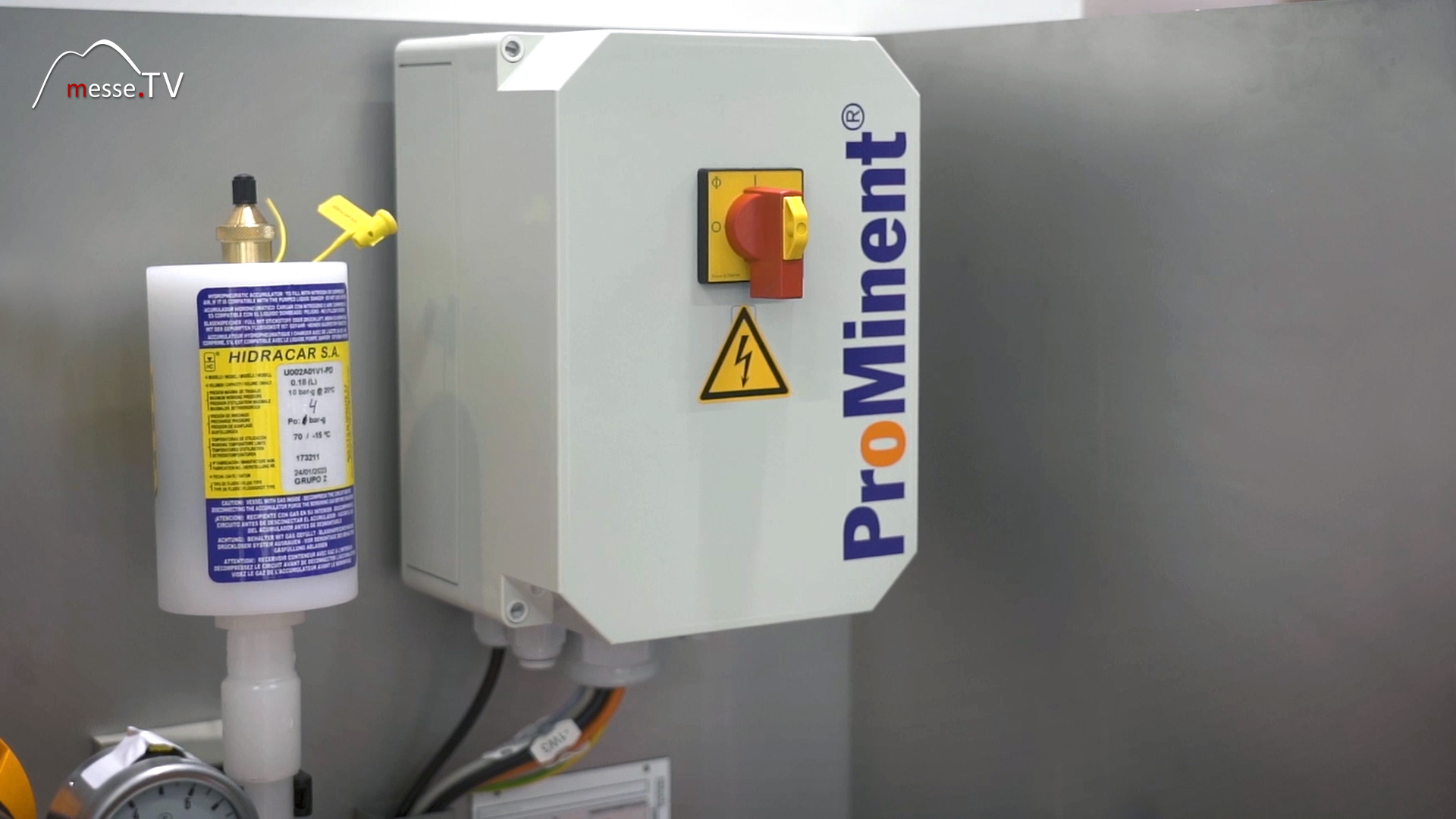
Die beschriebenen Systemkonzepte sind charakteristisch für die Dosierlösungen von ProMinent. Das Unternehmen hat sich seit Jahrzehnten auf Dosiertechnik und Wasseraufbereitung spezialisiert und zählt in diesem Bereich zu den etablierten Anbietern. Statt auf starre Komplettsysteme setzt ProMinent auf modular aufgebaute Einheiten, die sich an unterschiedliche Anlagenkonzepte anpassen lassen. Für Betreiber bedeutet das eine hohe Passgenauigkeit zur jeweiligen Produktionsumgebung, ohne auf bewährte Standardkomponenten verzichten zu müssen. Dosiertechnik wird damit nicht als isoliertes Produkt verstanden, sondern als integrierter Bestandteil der Prozessführung.
Bedeutung für die Getränkeindustrie
In der Praxis zeigt sich, dass Dosiertechnik weit mehr ist als ein unterstützendes System. Sie beeinflusst direkt die Prozessstabilität, die Produktqualität und die Einhaltung hygienischer Standards. Besonders bei CIP-Anwendungen, die regelmäßig und unter Zeitdruck durchgeführt werden, ist eine zuverlässige Dosierung entscheidend. Die zunehmende Automatisierung in der Getränkeindustrie verstärkt diesen Trend. Dosiersysteme lassen sich in übergeordnete Steuerungskonzepte integrieren und liefern wichtige Prozessdaten. Damit werden sie zu einem Baustein digitaler und effizienter Produktionsumgebungen.
Ausblick auf weitere Entwicklungen
Mit steigenden Anforderungen an Nachhaltigkeit, Ressourceneffizienz und Prozesssicherheit wird die Bedeutung präziser Dosiertechnik weiter zunehmen. Zukünftige Entwicklungen dürften noch stärker auf Vernetzung, Sensorik und adaptive Steuerung setzen. Die Grundlage bleibt jedoch unverändert: eine robuste, modulare Einheit, die Chemikalien sicher und exakt in den Prozess einbringt. Für Brauereien und Getränkebetriebe ist Dosiertechnik damit kein austauschbares Zubehör, sondern ein zentrales Element moderner Produktions- und Reinigungskonzepte.

Messe-Berichterstattung bundesweit - Messewissen, Termine & Veranstaltungen


