Battery-powered excavator for recycling and scrap yard operations
by A. Bergmeier - 2026-06-07Electrically powered material-handling machines are becoming increasingly important in the recycling and scrap industries. Operators are under pressure to reduce emissions, control energy costs and, at the same time, respond flexibly to changing operational requirements.
Whilst many machine designs have so far relied on stationary power supplies, solutions are increasingly emerging that combine electric drives with high mobility. At the Ifat in Munich, Sennebogen is presenting the 824 G, a battery-powered excavator designed precisely to meet these requirements. The machine is fully battery-powered and is primarily aimed at applications in recycling centres, scrap yards and industrial handling operations.
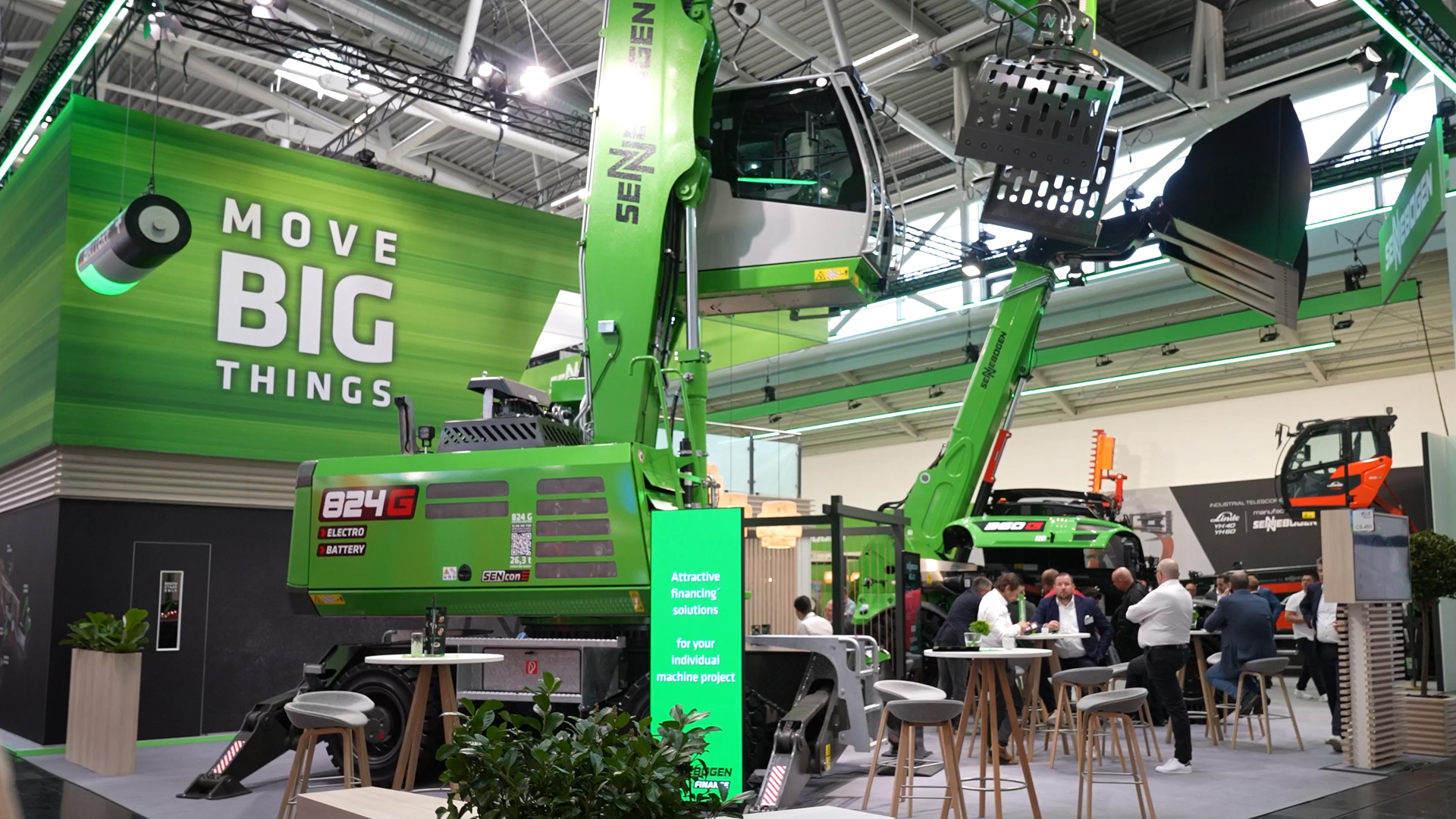
Sennebogen 824 G relies on modular battery concepts
The key difference compared to many electric material-handling machines lies in the flexible battery configuration. Operators can equip the 824 G with one to four batteries, thereby adapting the machine to different operational profiles. Depending on the configuration, operating times of between two and eight hours are possible. With four batteries, a full working shift can be completed on battery power alone. The modular design also allows investments to be tailored to actual requirements.
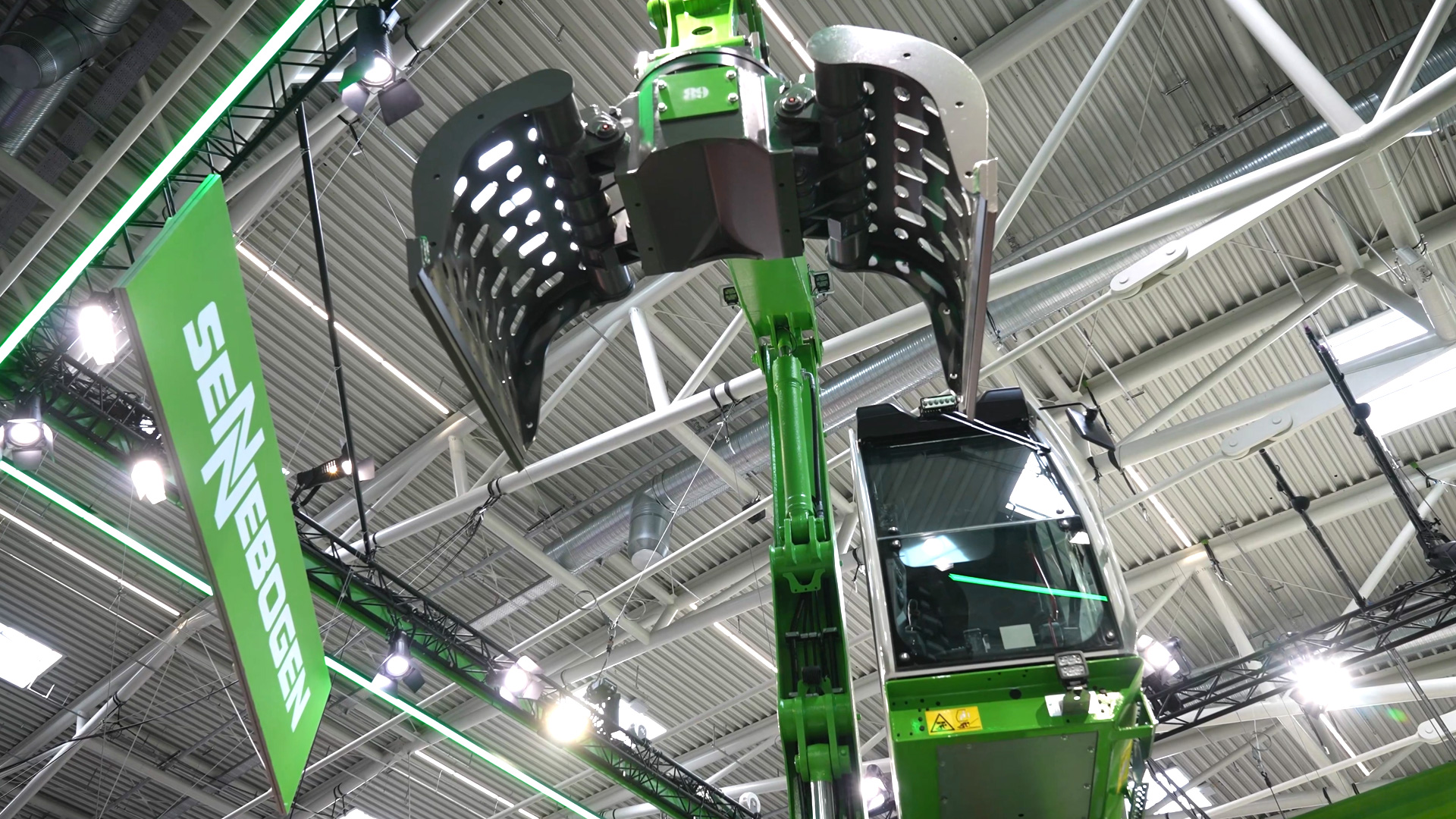
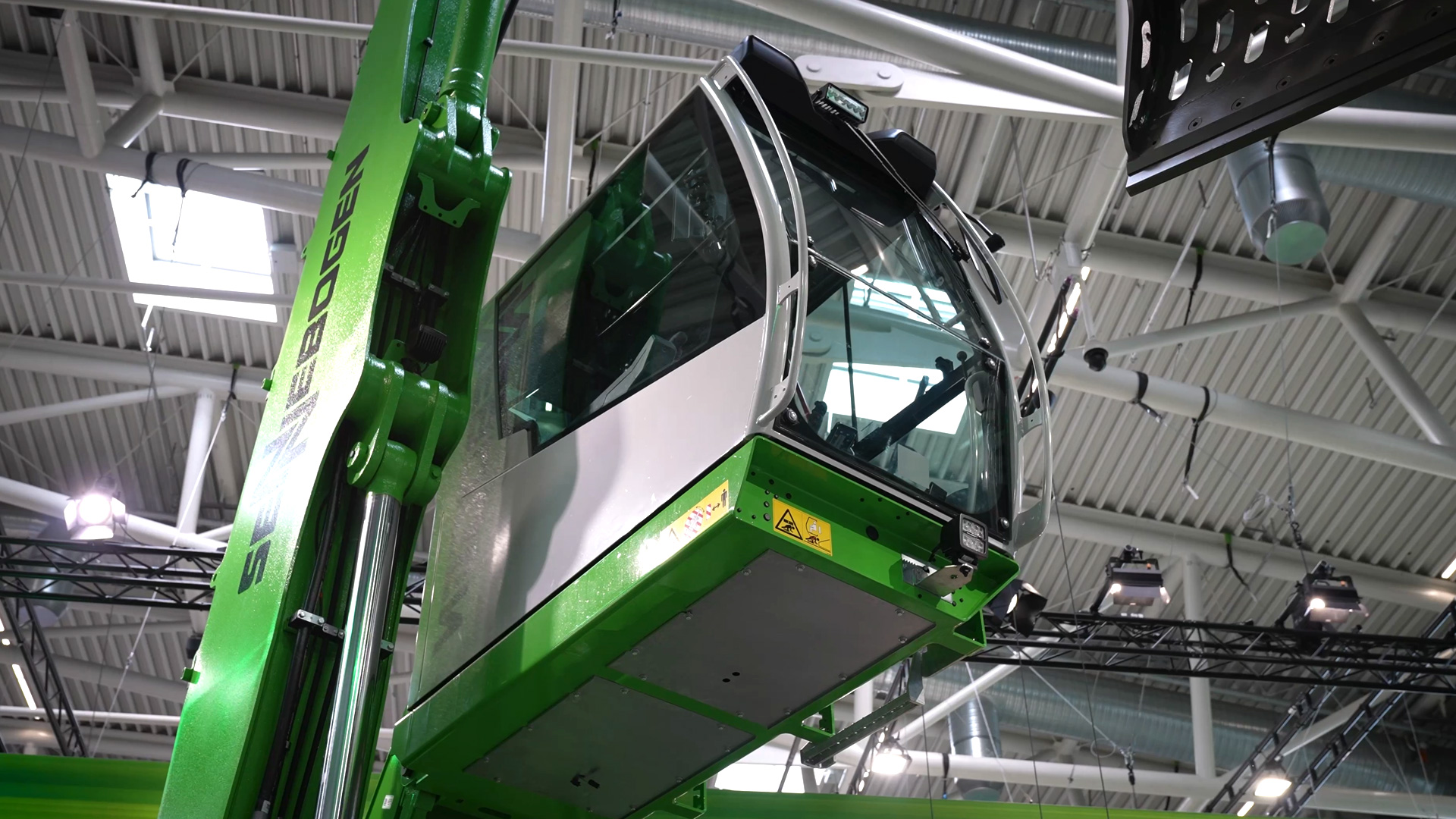
This concept offers economic advantages, particularly for businesses with varied operating scenarios. Those who use the machine mainly for short jobs or internal transport do not necessarily require the maximum battery capacity. Other operators, on the other hand, rely on long working cycles and can expand the equipment accordingly. The key features of the system:
- fully battery-powered material handler
- Configuration with one to four batteries
- Operating times of two to eight hours
- Simultaneous charging and operation possible
- Flexible use across various operational areas

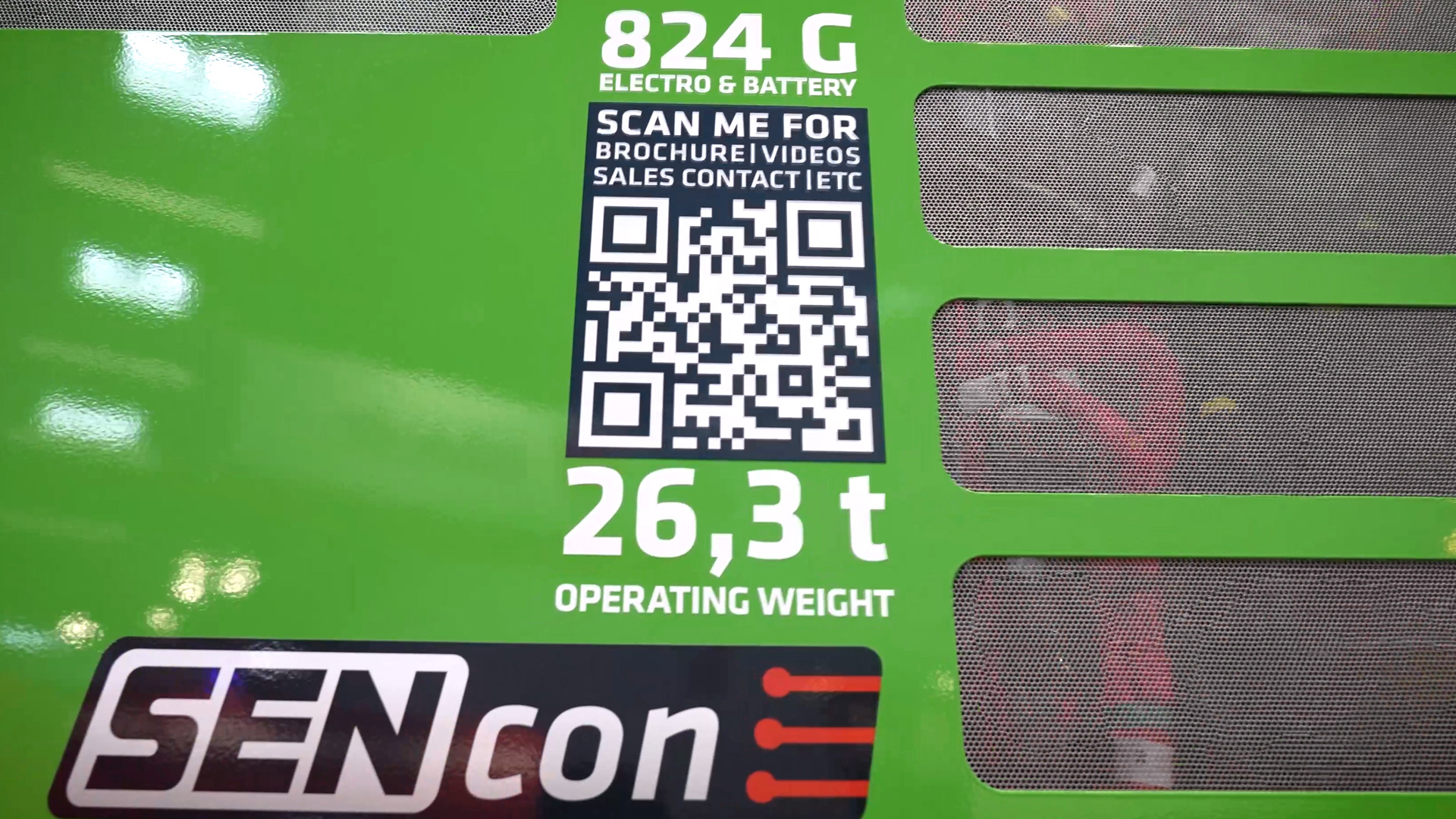
The 824 G’s charging concept increases flexibility
The layout of the charging infrastructure is particularly interesting. Whilst on some competitor models the charging connections are located on the upper structure and the charging cable would swing along with every movement, the 824 G’s power supply is routed via the undercarriage. This allows the machine to continue working during the charging process. For operators, this means significantly greater flexibility in day-to-day operations. Even if a site has only a single central charging point, the machine can be fully charged overnight and operate independently across the entire site during the day. Alternatively, multiple charging points can be set up at different workstations to further increase operational flexibility. This can be a decisive advantage, particularly in sprawling recycling and scrap yards. The machine remains mobile and does not need to be permanently tethered to a fixed power supply.
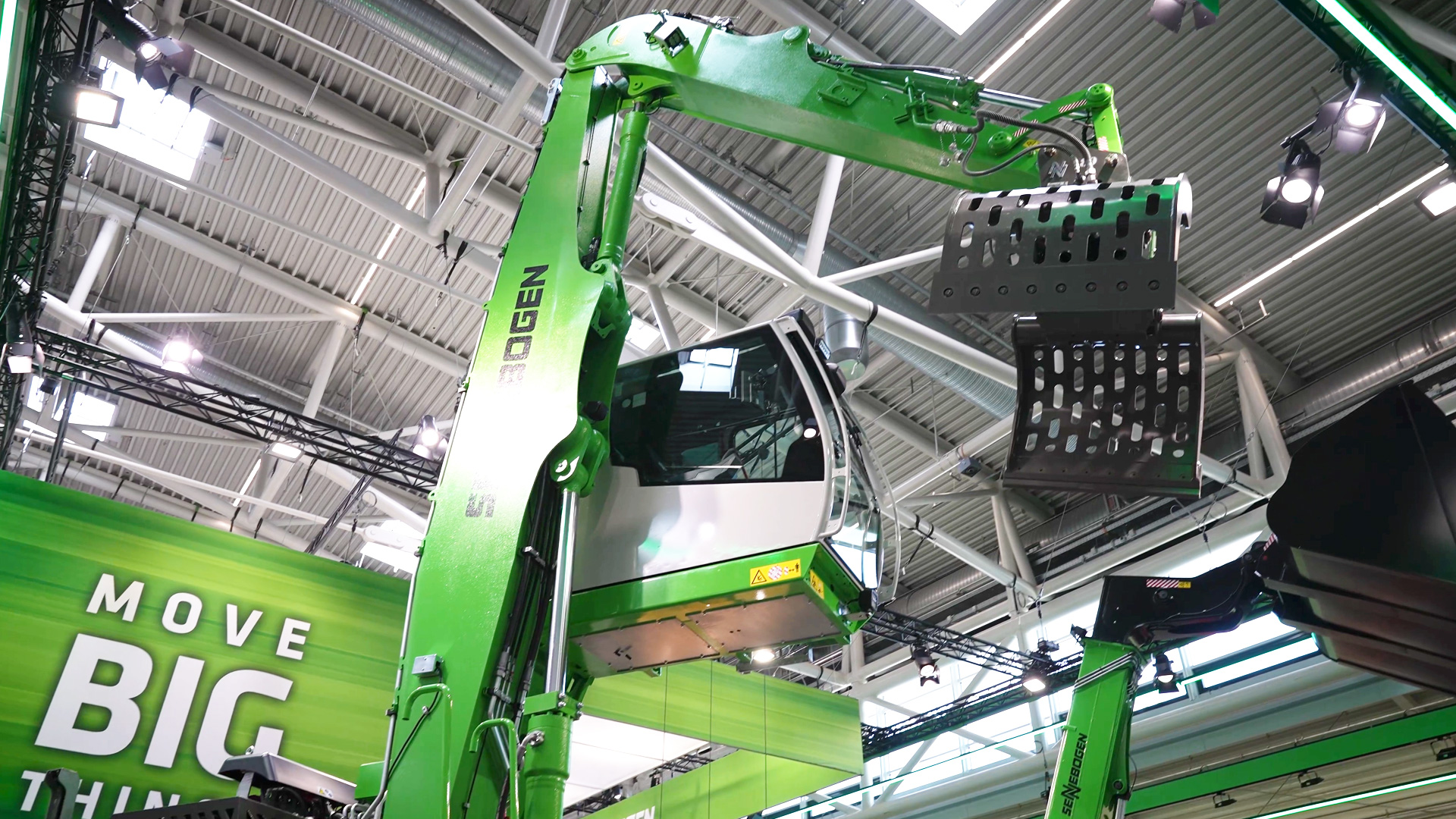
Photovoltaics and energy storage as a model for the future
Many companies are now pursuing ambitious climate targets. The battery-powered excavator was therefore also developed with future energy concepts in mind. One conceivable scenario, for example, is a combination of photovoltaic systems, stationary battery storage units and electric material-handling machines. Surplus solar power can be stored and later used to charge the machines. This opens up prospects for largely CO₂-neutral operations. Sennebogen sees this as an important development path for large industrial and recycling sites. The machine can be operated independently of the public grid, provided that appropriate storage systems are available. Solar cells installed directly on the excavator, on the other hand, currently play hardly any role. The amount of energy that can be generated would be too small in relation to the machine’s power requirements to make a significant contribution to its operating time.
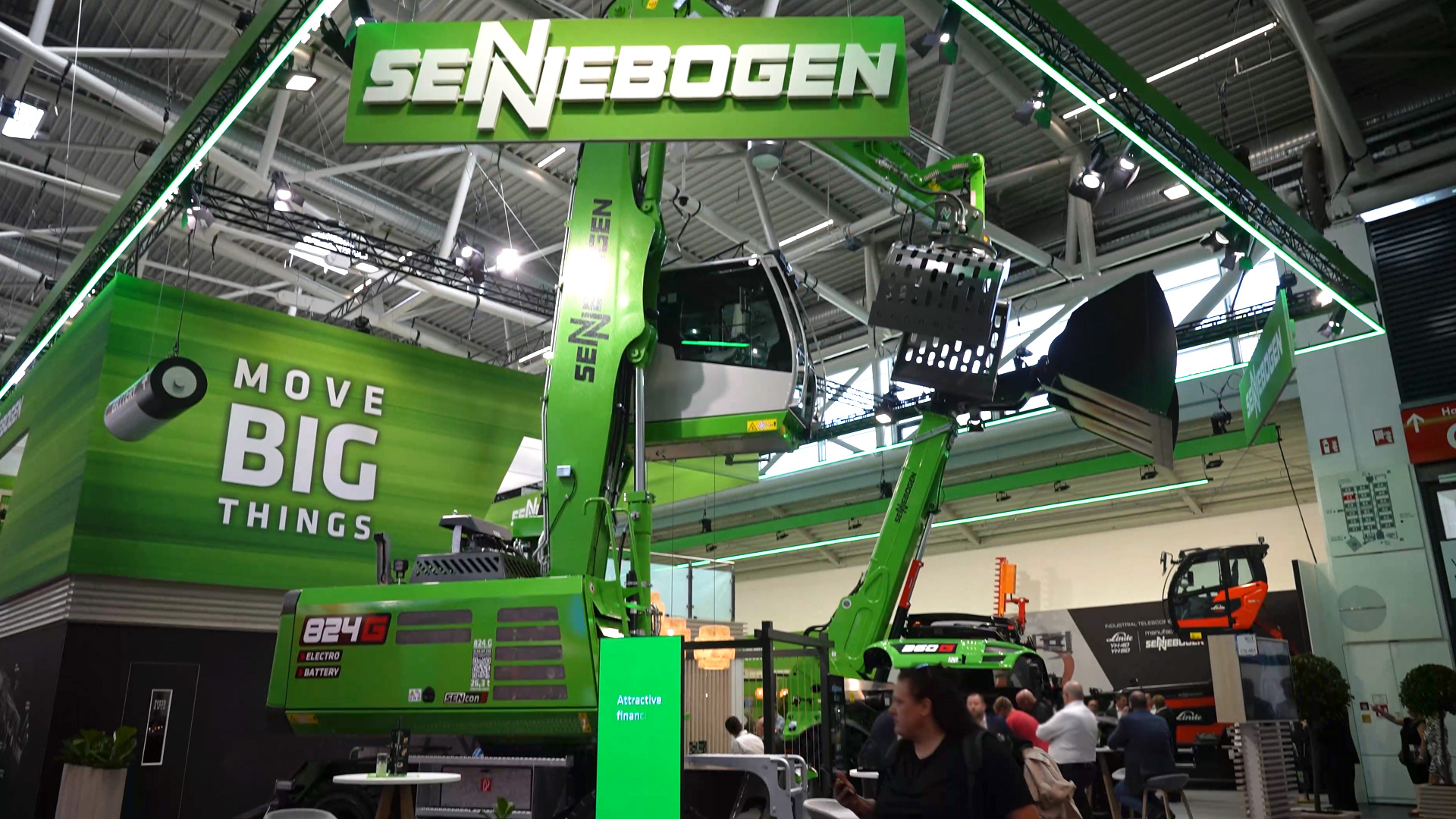
SENcon 3 integrates sensor technology and machine functions
In parallel with the electric drive, the digital machine architecture has also been further developed. With SENcon 3, the manufacturer is introducing its own operating system that centrally integrates numerous functions. The new G-series features significantly more sensor technology than previous machines. Systems for load moment limitation, camera solutions and other assistance functions are integrated directly into the software. The advantage lies in end-to-end development from a single source. Instead of connecting different components from various suppliers, the software and system integration originate from a common development platform. For operators, this simplifies operation and creates a uniform technical basis for future expansions.
Autonomous material-handling machines are drawing nearer
In addition to electrification and digitalisation, the industry is increasingly focusing on autonomous work processes. Sennebogen also states that it is already working on corresponding pilot projects. The outlook extends well beyond today’s machinery landscape. In the coming years, material handlers could operate in an increasingly automated manner and perform certain tasks independently. The traditional machine operator would thus shift more towards a supervisory and control role. Such concepts are still under development. Nevertheless, they indicate the direction in which the industry is moving. Electric drives, intelligent software and autonomous functions are increasingly converging. The 824 G thus represents not only a new battery-powered excavator, but a more comprehensive transformation in material handling. Power supply, sensor technology, software and future automation are increasingly being viewed as part of an integrated overall system.
Trade fair reporting Germany - Trade fair knowledge, dates & events


