AI and electric mobility in the waste management sector
by F. Zuber - 2026-05-27The waste management sector is facing increasing pressure to change. Rising energy prices, a shortage of skilled workers and stricter environmental requirements are forcing waste management companies to rethink their processes. At the same time, digital technologies are increasingly finding their way into sectors that have long been heavily characterised by mechanical and organisational processes.
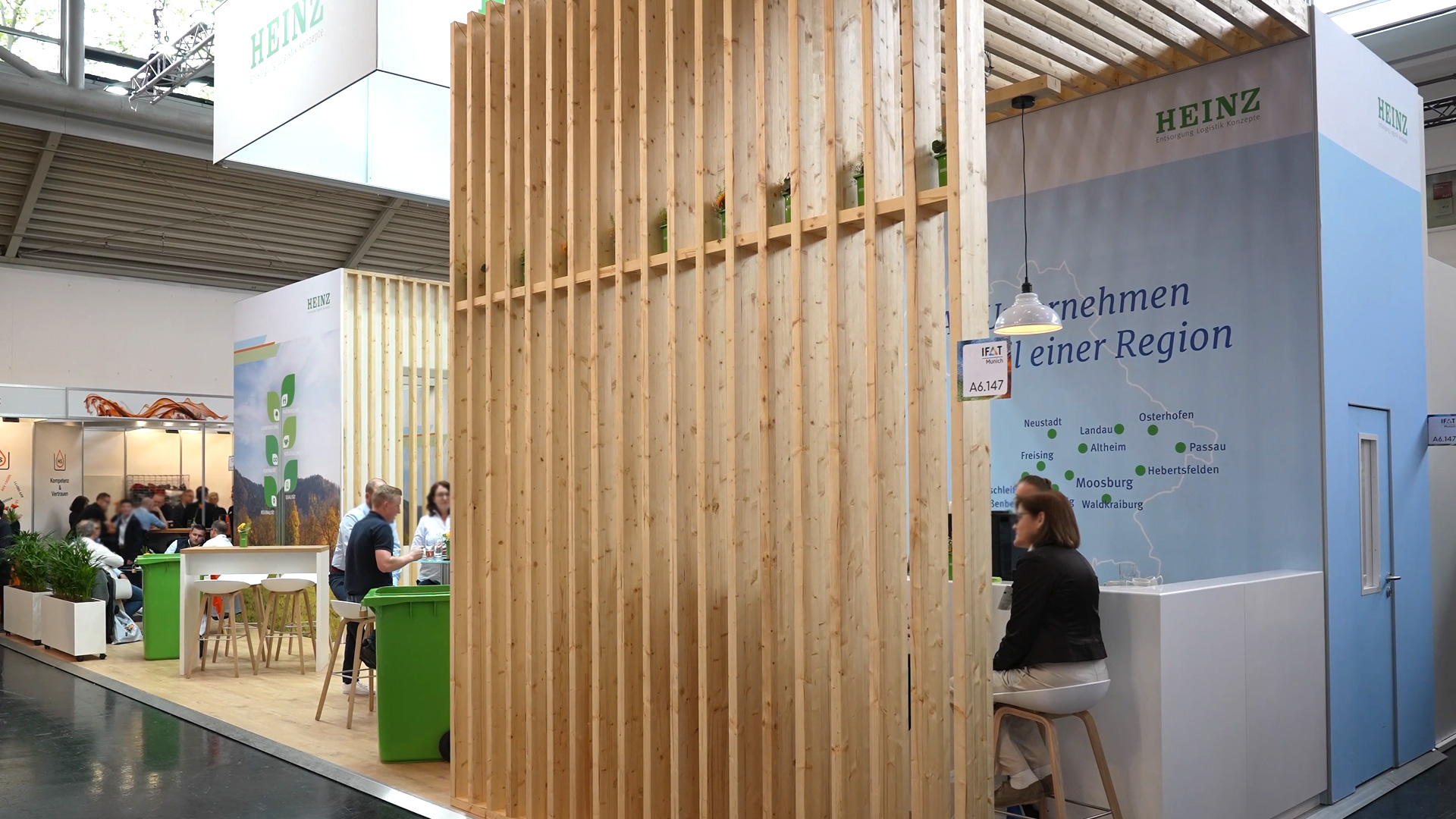
At Ifat in Munich, Heinz is therefore showcasing not only traditional waste management services, but also various approaches to AI-supported process optimisation and the use of electric refuse collection vehicles. The focus is less on individual visions of the future and more on concrete practical questions: How can routes be planned more efficiently? Where can fuel be saved? Which tasks can be automated in future? And to what extent is electric mobility actually already applicable in day-to-day waste management?
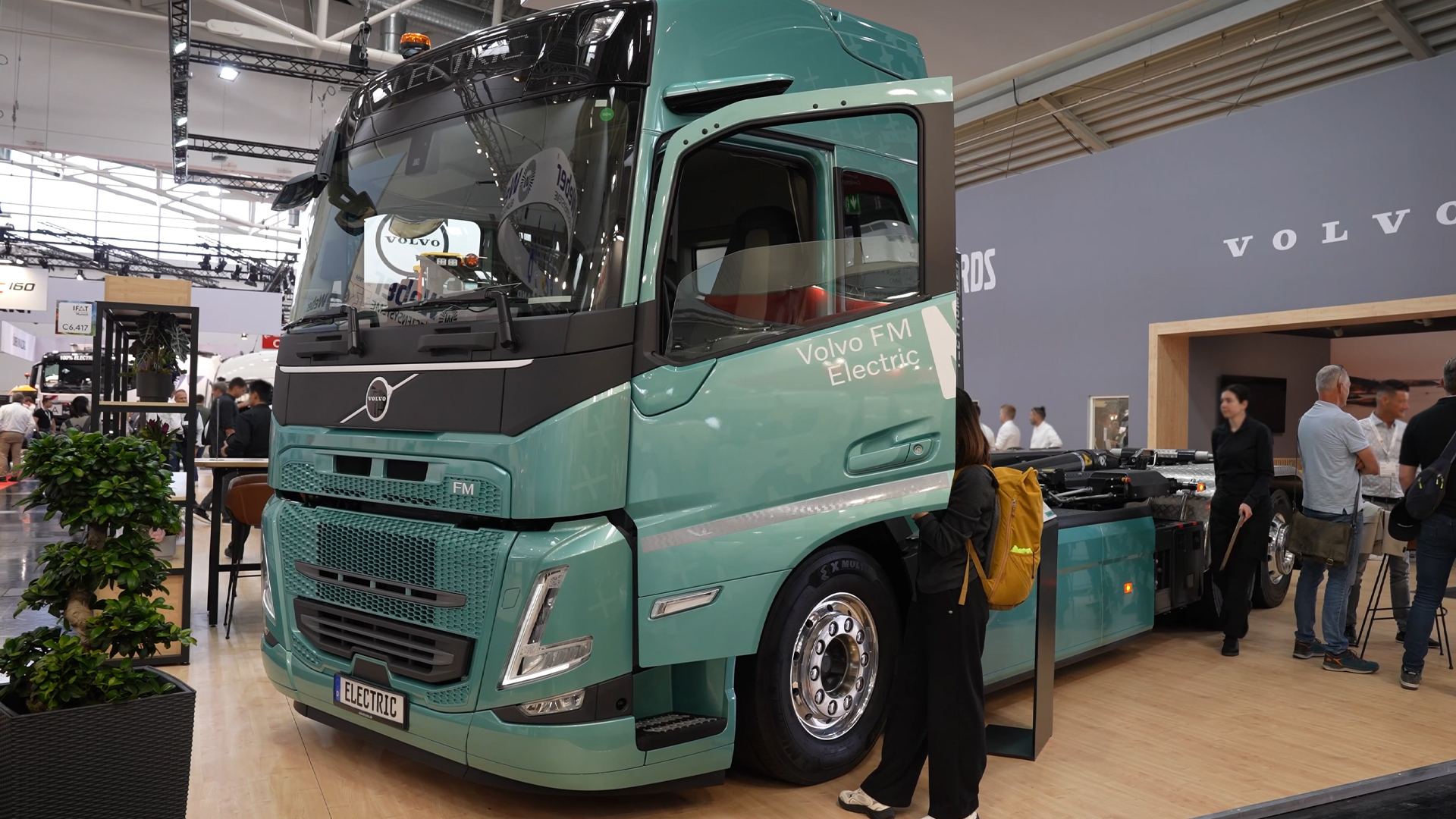
Heinz is testing electric refuse collection vehicles in daily operations
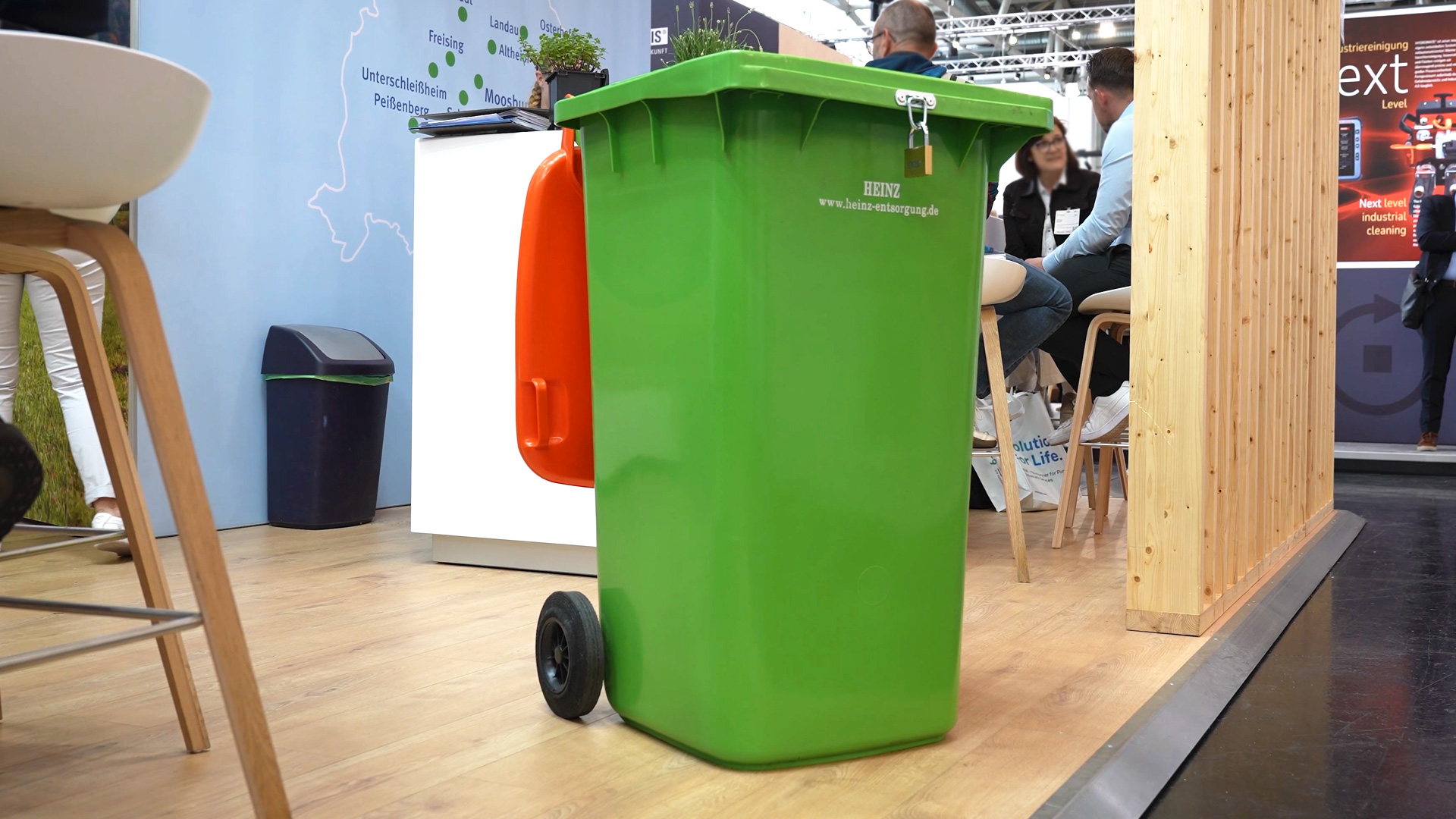
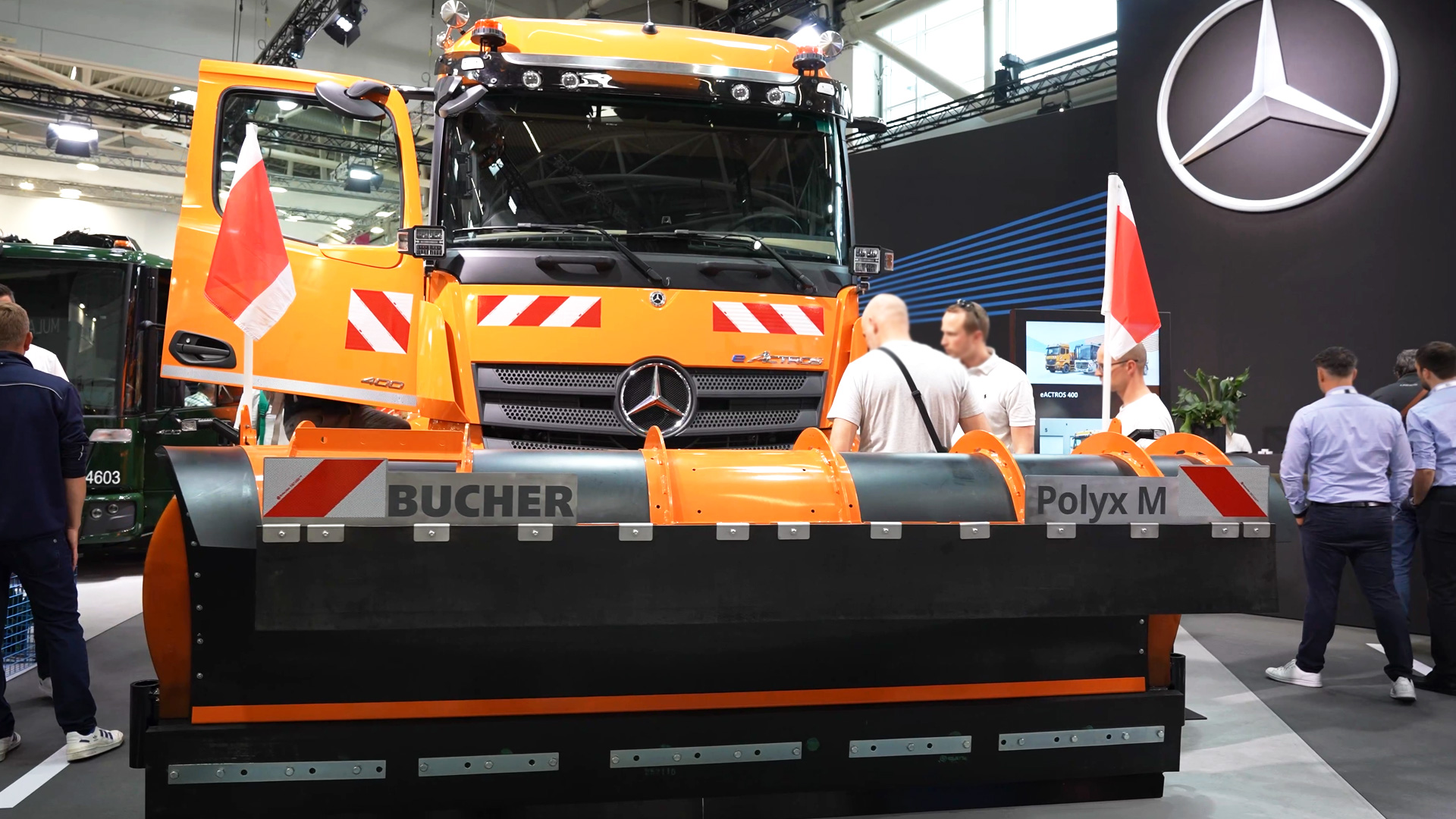
The waste management company from Upper and Lower Bavaria is currently using four electric refuse collection vehicles in regular test operations. The aim is to gather experience in everyday use – for example, regarding range, maintenance intervals, availability and deployment planning. In the waste management sector in particular, the requirements differ significantly from those of traditional delivery services. Waste collection vehicles involve frequent starting and stopping, heavy vehicle weights and energy-intensive auxiliary units for compaction and lifting technology. This places particular strain on battery and charging systems. A key problem remains the charging infrastructure. According to the company, this is not just a matter of individual charging points, but of the total amount of electricity available at a site. When several heavy commercial vehicles need to be charged simultaneously, many depots are currently still reaching their technical limits. Added to this are the high purchase costs of the vehicles. Without government subsidy schemes, profitability is currently difficult to achieve. From the operators’ perspective, many systems are not yet fully ready for series production. Nevertheless, Heinz sees electric mobility as an important component of future fleet development – particularly in urban areas with predictable routes and fixed locations.
AI to optimise routes and fuel consumption
Alongside alternative powertrains, the use of artificial intelligence is becoming increasingly important. This is less about spectacular individual applications and more about numerous small optimisations within day-to-day operations. The most important current areas of application:
- AI-supported route optimisation
- Analysis of fill levels and vehicle data
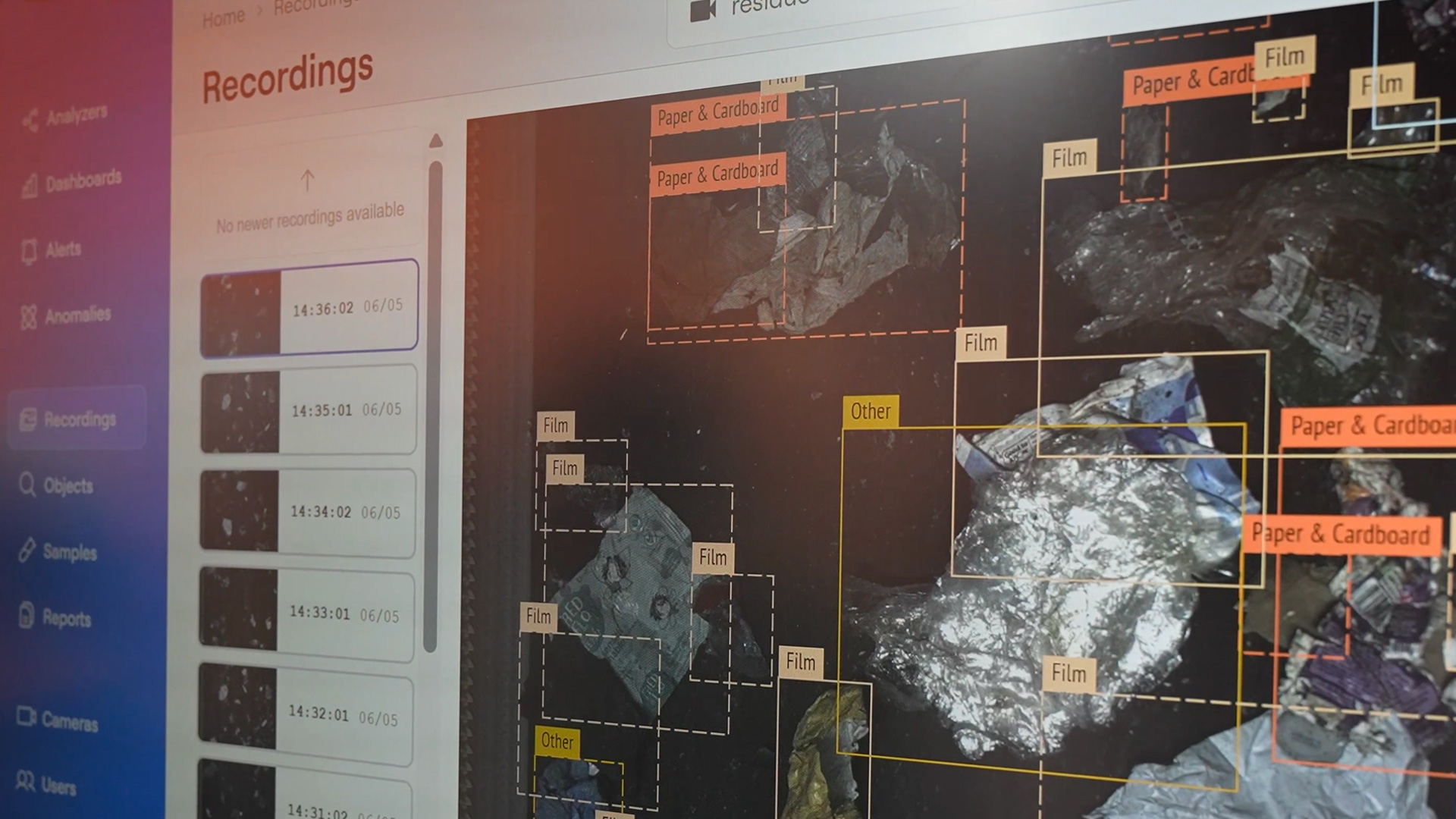
- Camera systems for detecting incorrect filling
- Support for dispatching through data analysis

Autonomous vehicles could help alleviate the skills shortage
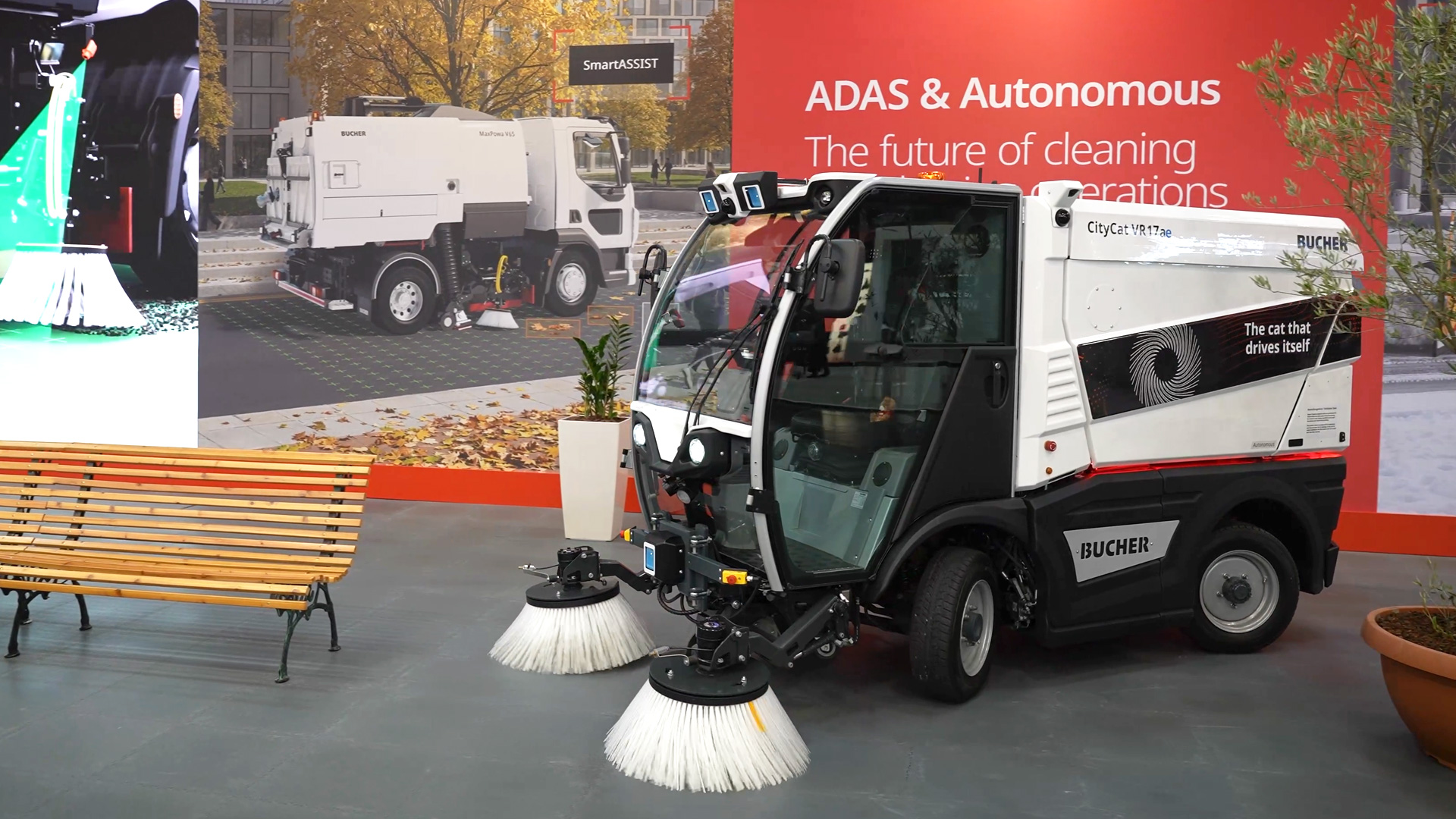
Another focus is on long-term future scenarios. Heinz has been working on a so-called ‘Vision 2035’ for several years now. The shortage of skilled workers plays a central role in this. The industry faces the problem that qualified personnel for transport services, sorting plants and technical operations are becoming increasingly difficult to find. At the same time, the requirements for documentation, quality assurance and efficiency are rising. This is why autonomous vehicles and robot-assisted systems are coming more into focus. In future, it is conceivable that refuse collection vehicles could drive largely autonomously and empty bins automatically. However, this is still more of a development direction than a technology available immediately. Robotic systems in particular are currently still reaching their speed limits. According to the company, existing systems cannot yet fully replace the work output of human sorters. Nevertheless, it is considered likely that the technology will develop significantly in the coming years.
Sorting plants are becoming increasingly automated
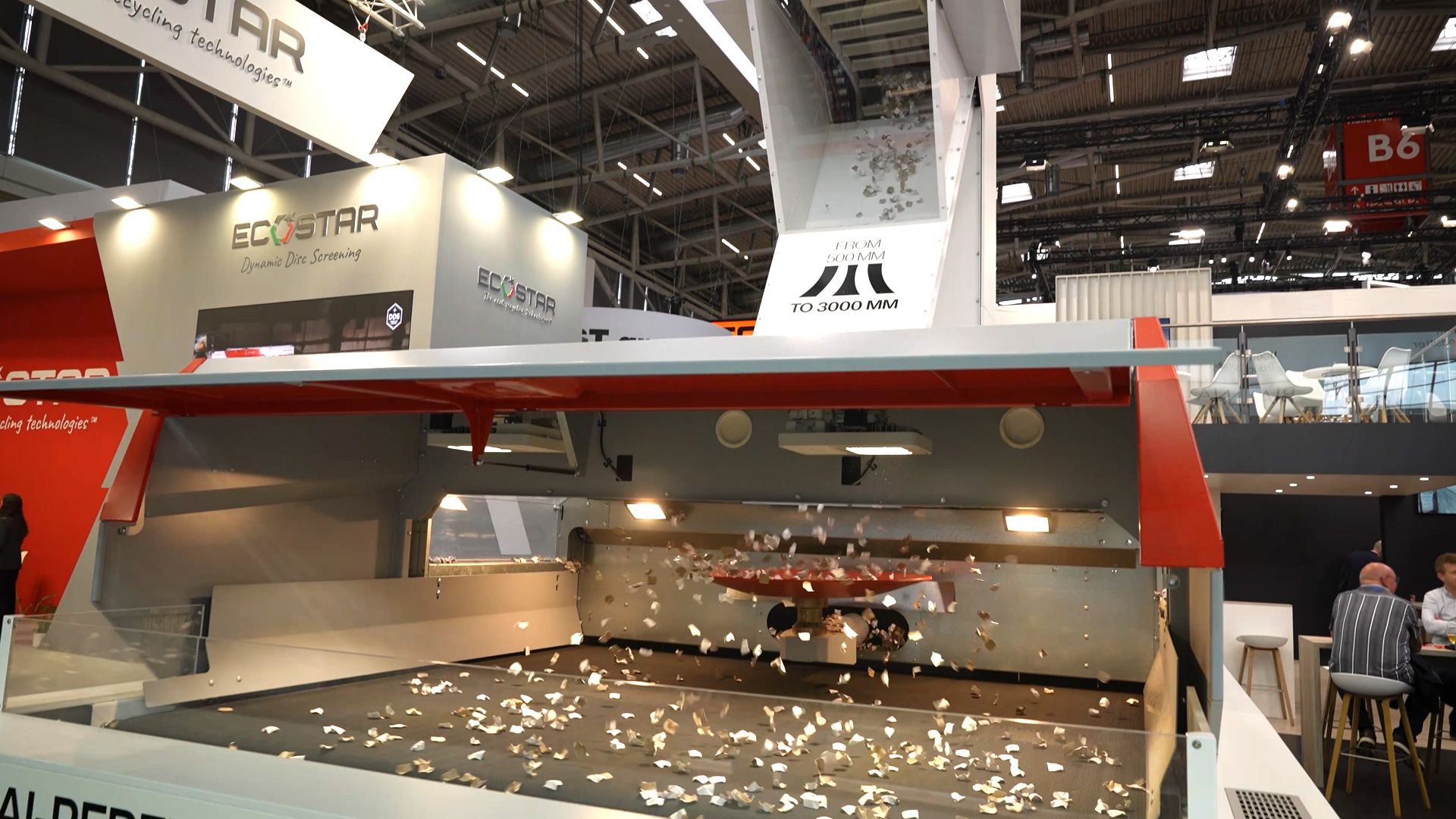
Technology is also changing noticeably within the sorting plants themselves. At present, staff in many places still carry out manual re-sorting of certain waste streams to ensure the quality of the recyclables. However, it is precisely in these areas that staff shortages are emerging. At the same time, the need for precise material separation is growing, as modern recycling processes demand ever-higher levels of purity. AI systems, sensor technology and robotics are set to take over some of these tasks in future. Data-driven processes, in particular, are gaining in importance. As a result, sorting plants are increasingly evolving into technically networked production systems. This development is also changing the job profile within the waste management sector. Alongside traditional driving and sorting tasks, digital skills, data analysis and technical process control are gaining in importance.
Waste management is evolving into a data-based infrastructure
The presentation at Ifat Munich demonstrates just how much the industry is currently changing. Waste management has long since ceased to mean merely the transport and disposal of waste. Instead, highly complex systems are emerging that combine logistics, data analysis, automation and energy supply. Heinz is combining several developments simultaneously: electric commercial vehicles, AI-supported optimisation, digital quality control and long-term automation concepts. It is striking that many innovations are not viewed in isolation. Route planning, charging infrastructure, vehicle data and sorting technology are increasingly intertwined. As a result, the waste management sector is gradually evolving into a digitally controlled infrastructure industry in which efficiency, data quality and automation are increasingly working together.
Trade fair reporting Germany - Trade fair knowledge, dates & events


