Ifat 2026 showcases solutions for vehicles and recycling processes
Ifat 2026 focuses on key environmental technology infrastructures. Messe.TV’s coverage focuses in particular on vehicles and bodywork, as well as waste treatment and recycling. These areas form the operational basis of municipal and industrial waste management systems.
Papers for Ifat 2026 in Munich
Electric mobile shredder for recycling and construction waste
The recycling industry is facing a fundamental transformation. Operators today expect machines that can process a wide variety of materials, are flexible in use and, at the same time, meet increasing demands for energy efficiency and emissi... Quick-change system for different materials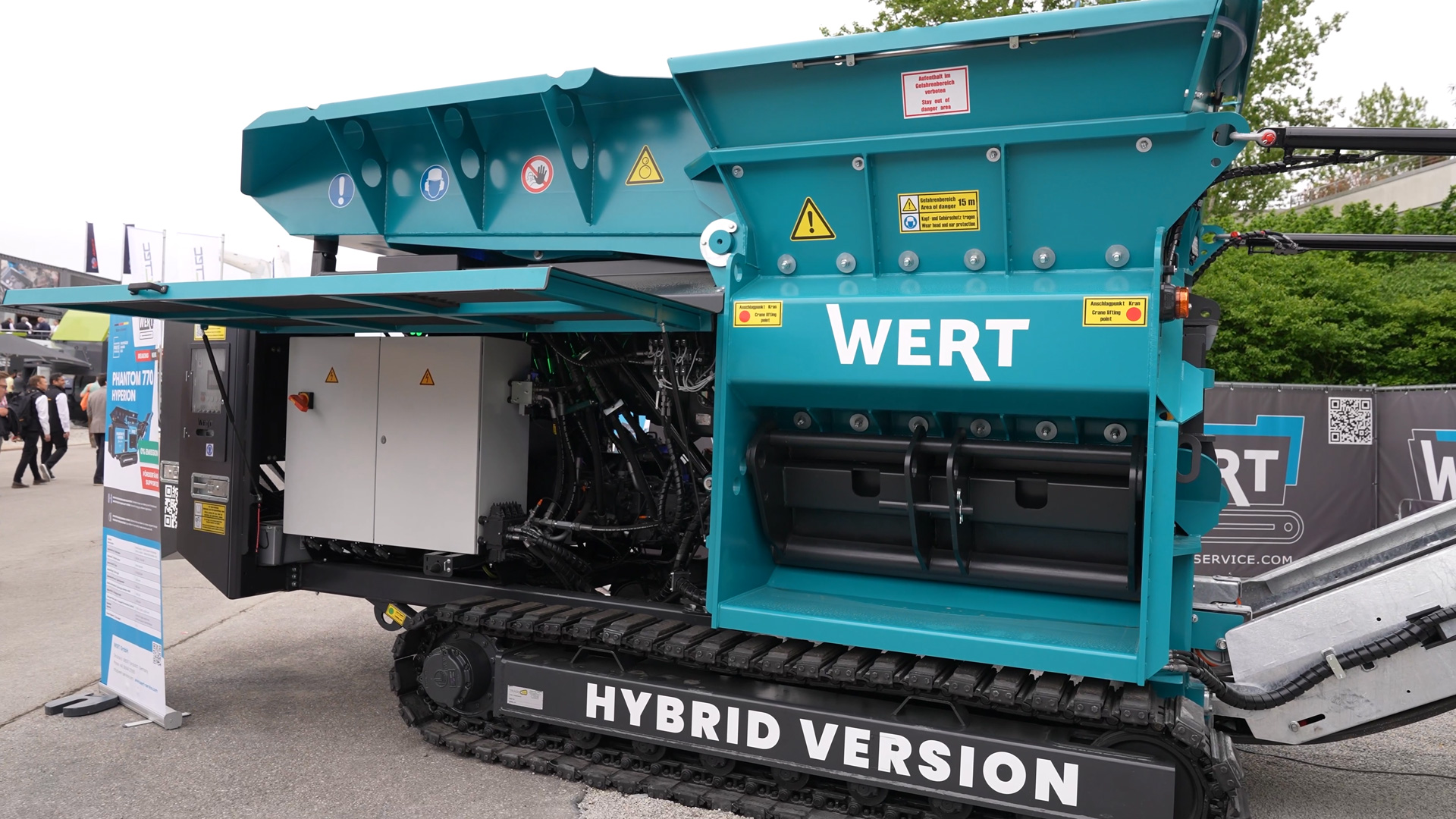
Simba twin-shaft shredder for recycling and construction waste
The demands placed on modern recycling plants are constantly increasing. Materials must be processed as efficiently as possible, recyclable materials recovered and transport distances reduced. Magnetic separators separate steel and reinforcement bars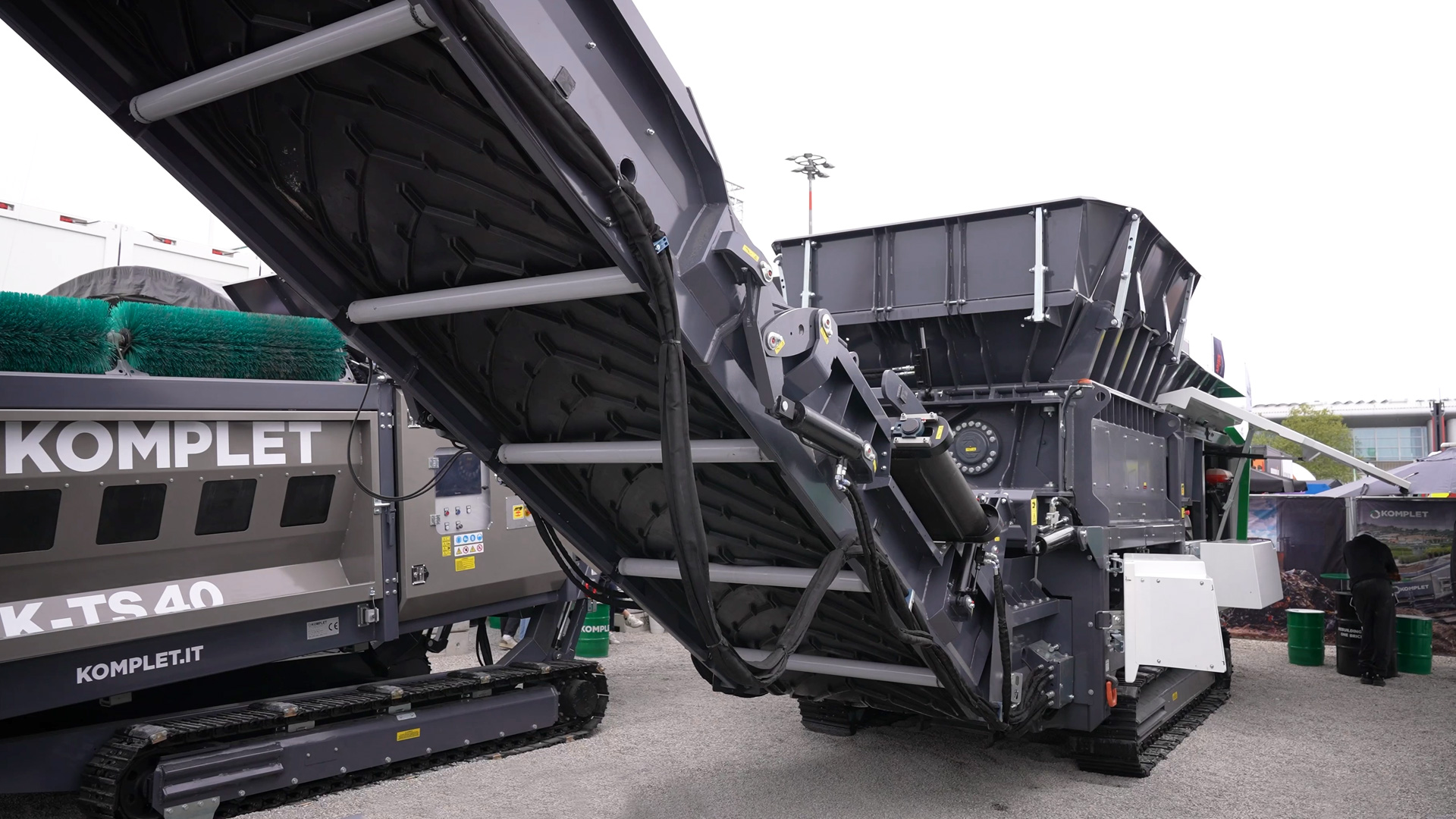
Battery-powered excavator with modular batteries for recycling operations
Electrically powered material-handling machines are becoming increasingly important in the recycling and scrap industries. Operators are under pressure to reduce emissions, control energy costs and, at the same time, respond flexibly to cha... Sennebogen 824 G relies on modular battery concepts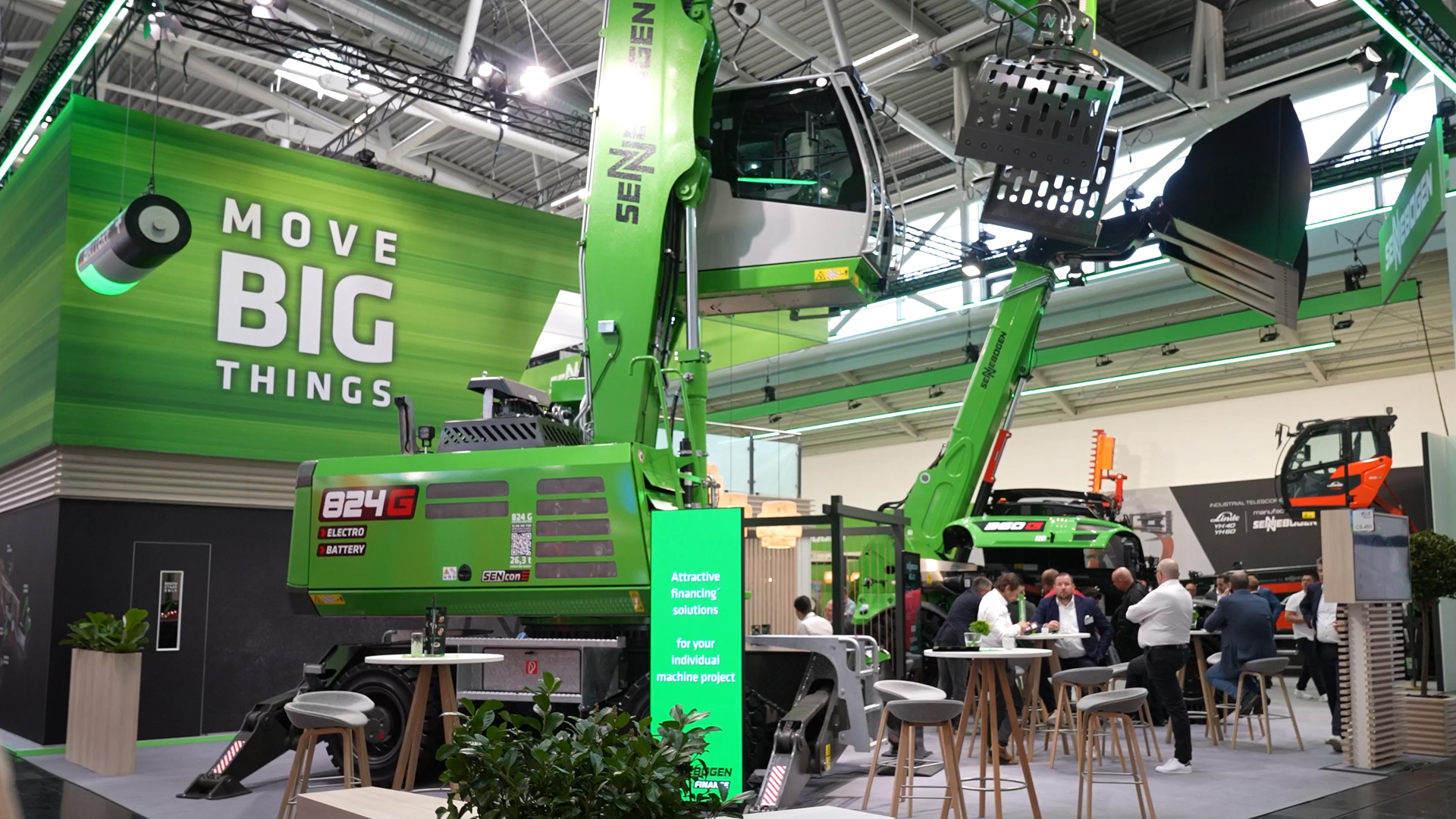
Logex brings together waste management, collaboration and digitalisation
The demands placed on the waste management industry have changed fundamentally over the past few decades. Customer structures are becoming more complex, companies operate across regions or internationally, and digital processes are becoming... Networking of medium-sized waste management companies
Higher output in the separation of non-ferrous metals from fine-grain material
The separation of non-ferrous metals is one of the key process steps in modern recycling plants. The finer the material fractions become, the more challenging the separation process becomes. Separation of non-ferrous metals during recycling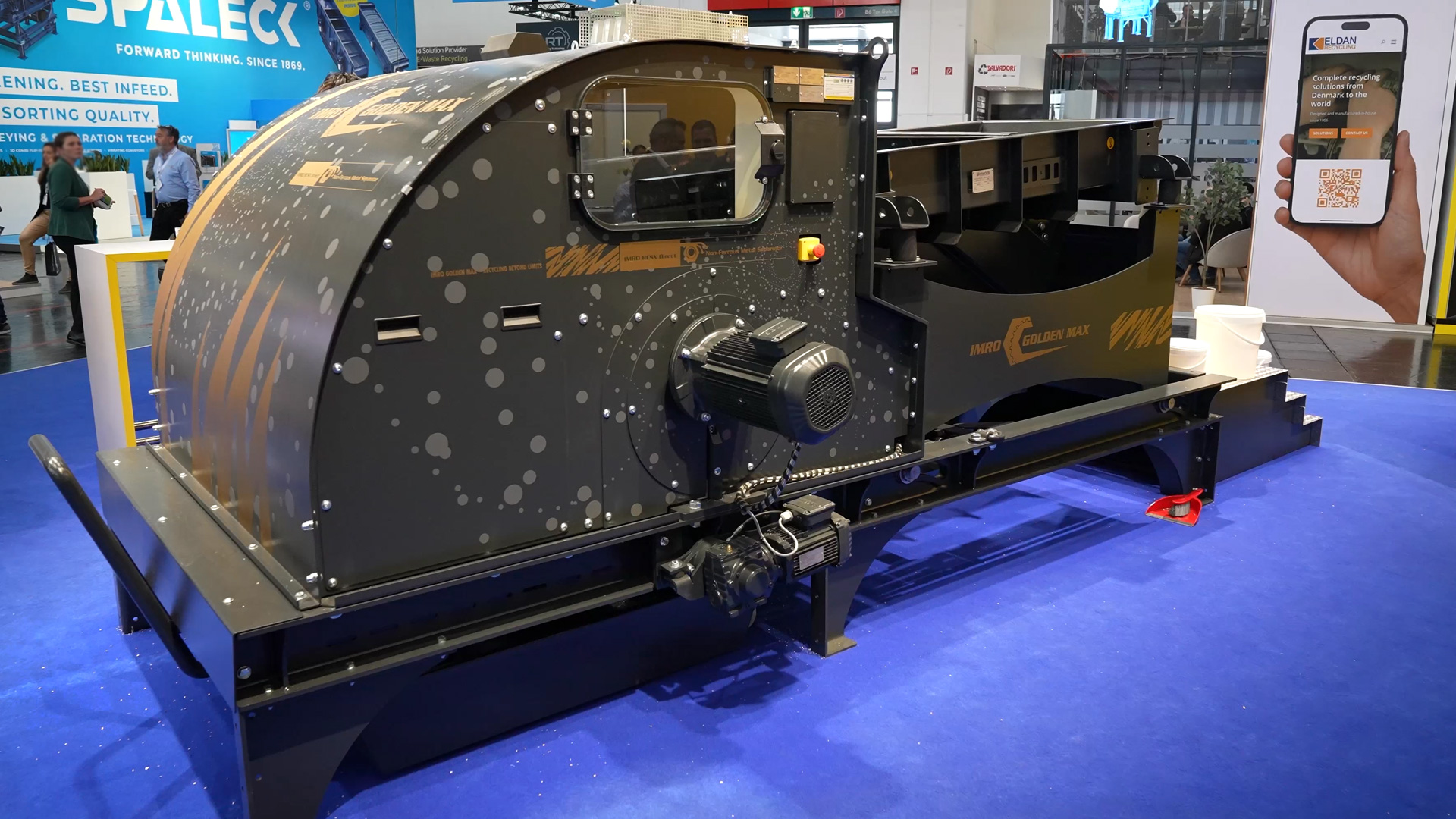
Compact wheel loader combines power and comfort
In many industrial and recycling applications, operators face a conflict of objectives: on the one hand, compact machines are required that can manoeuvre safely in confined worksites. Powerful wheel loader for industry, the recycling sector and materials handling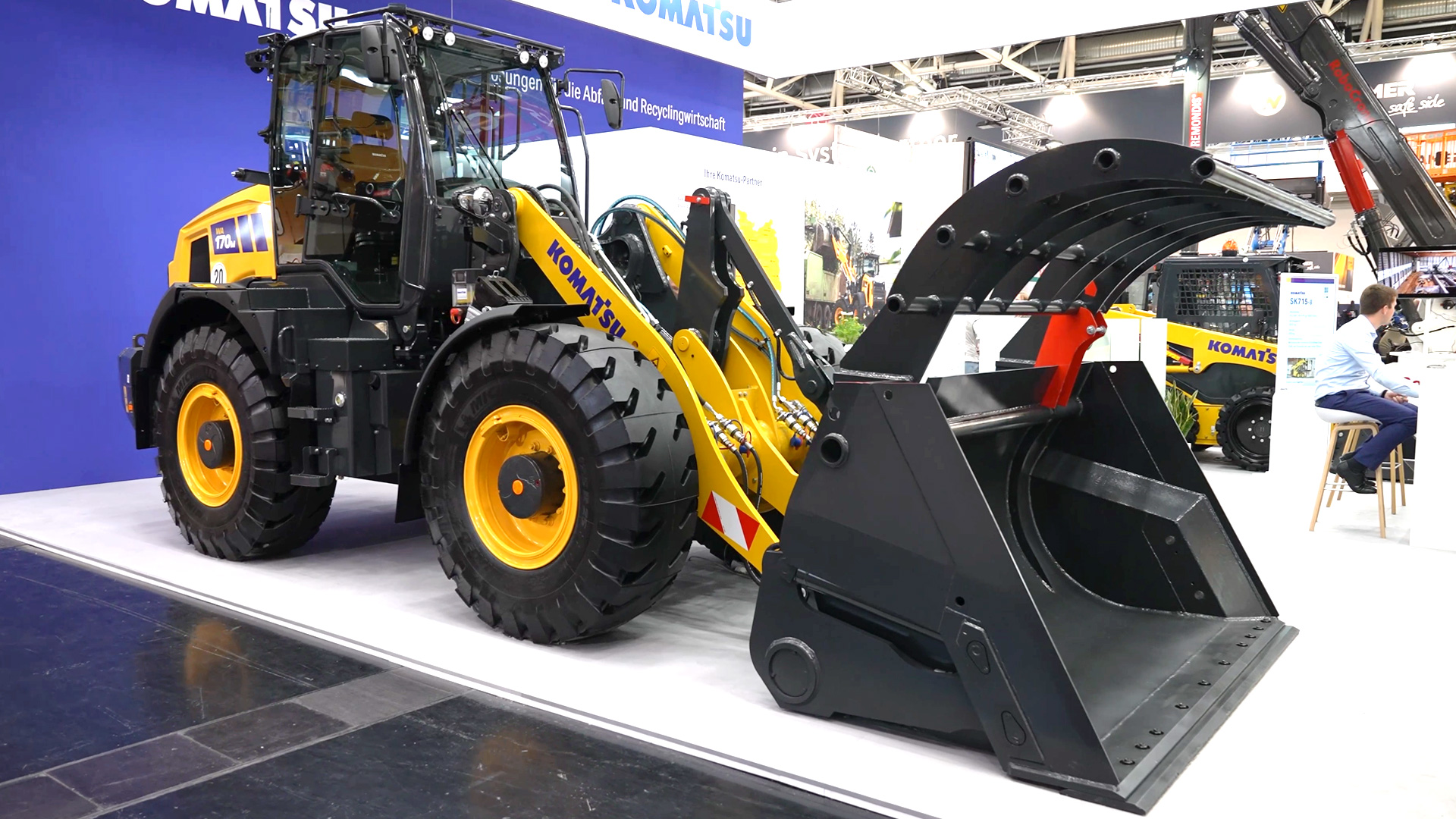
AI optimises electric mobility in the waste management sector
The waste management sector is facing increasing pressure to change. Rising energy prices, a shortage of skilled workers and stricter environmental requirements are forcing waste management companies to rethink their processes. At the same ... Electric mobility put to the test in everyday waste management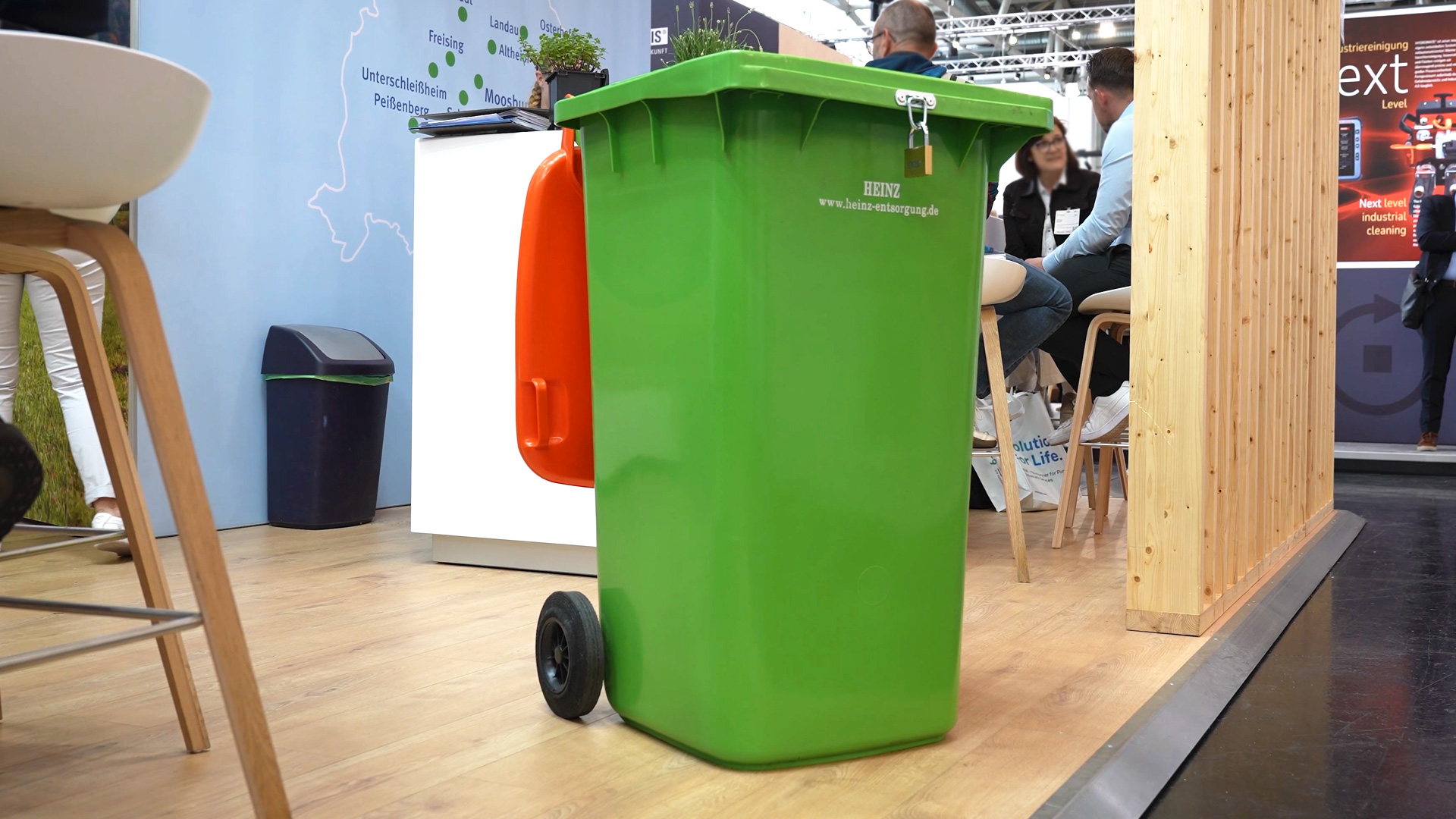
Equalizor for processing and recycling
The processing of waste and recyclable materials is increasingly becoming a highly specialised industrial sector. Not only are higher throughput rates required, but also precisely defined particle sizes for downstream processes. Equalizor for defined particle sizes in recycling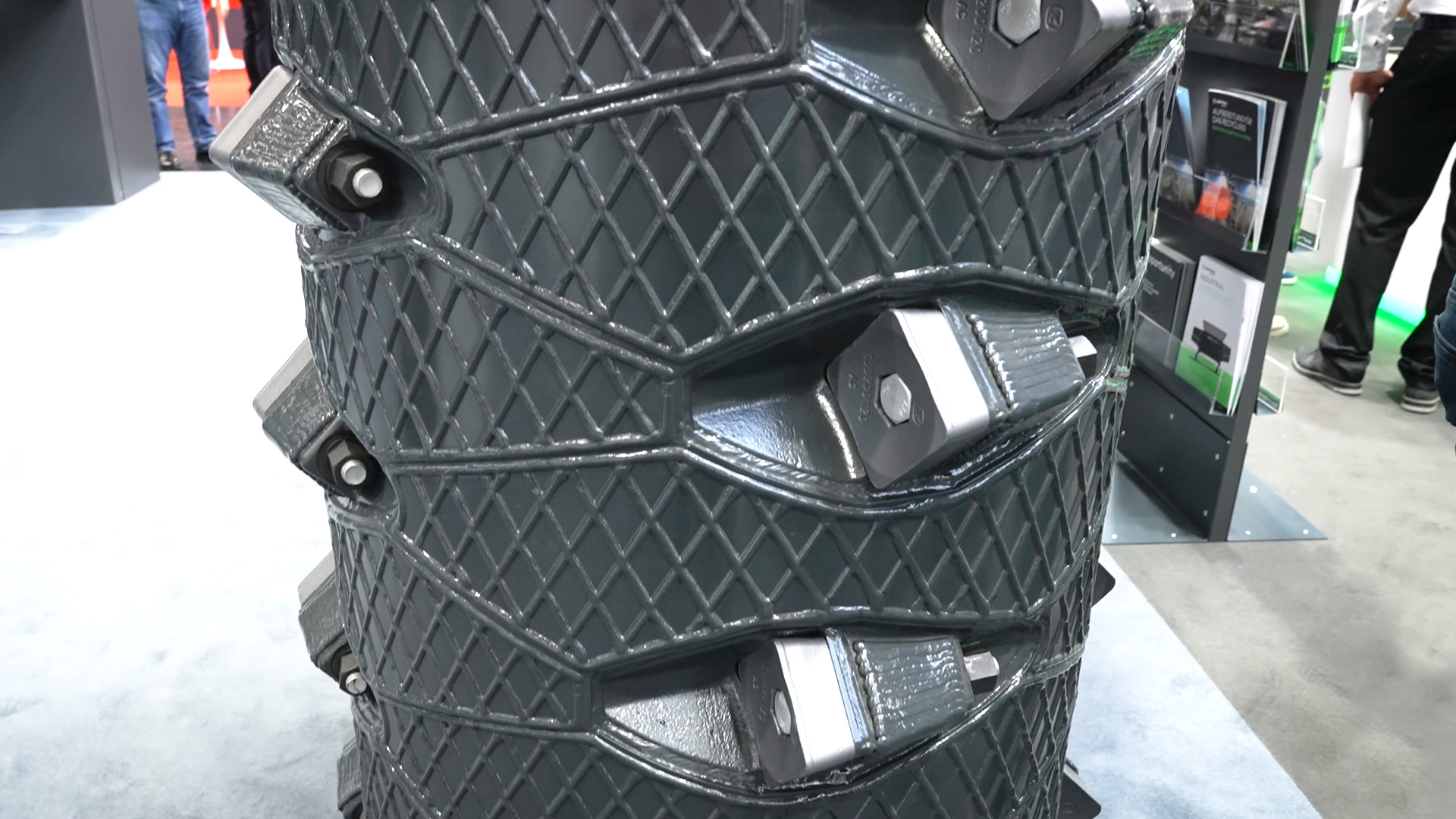
ESG software for product data and compliance
For a long time, sustainability reporting was seen as a niche concern for large corporations. However, many medium-sized companies are now also faced with the question of how they are even supposed to manage emissions data, supply chain inf... ESG platform and product compliance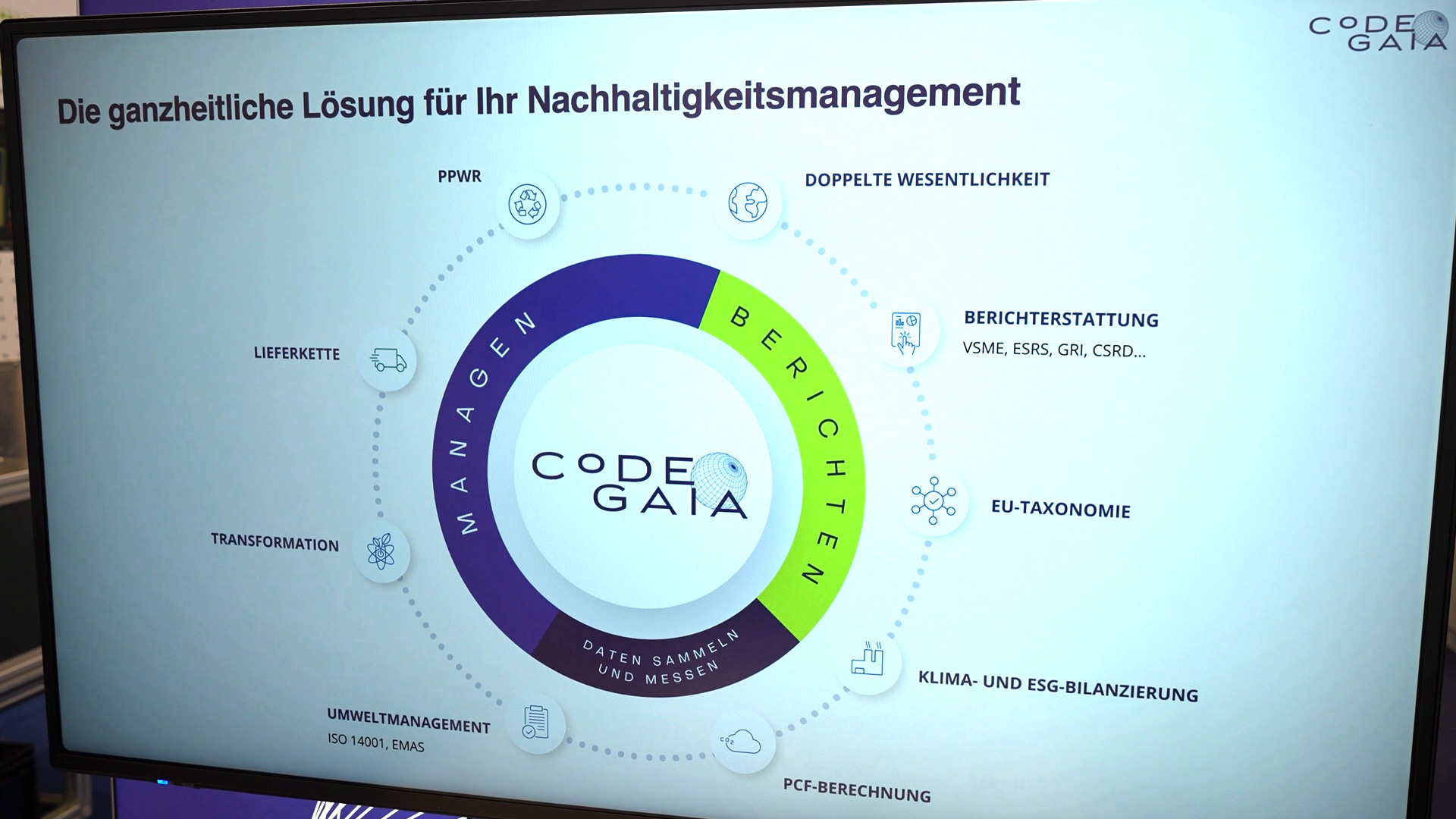
Volvo electric truck with new charging capacity
The electrification of heavy commercial vehicles is reaching a new stage of development. Whilst battery-electric trucks were still primarily intended for short inner-city journeys just a few years ago, increasing ranges, higher charging cap... Developments in the electrification of heavy commercial vehicles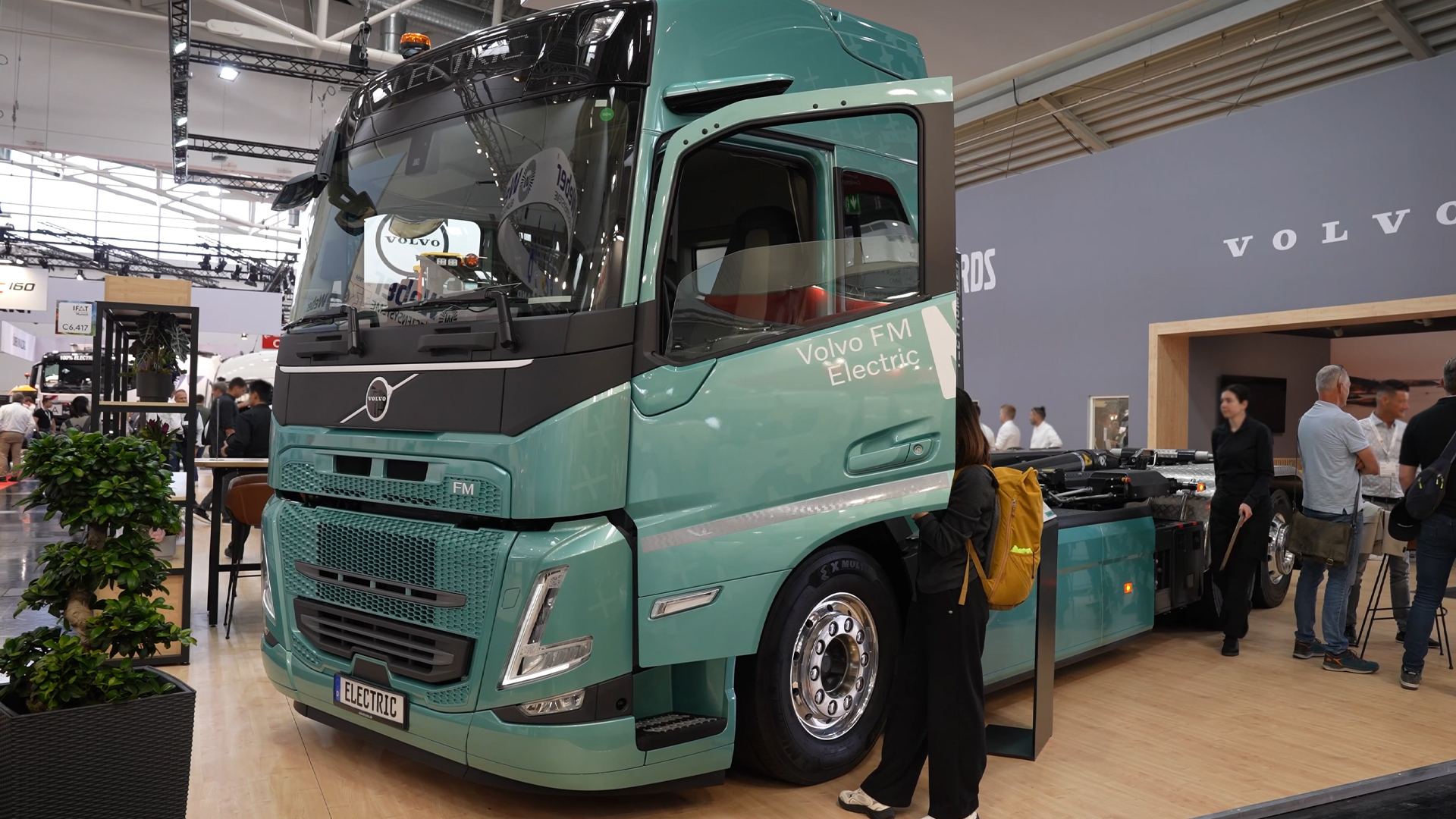
Doppstadt DG 4: modern shredding technology
Shredding technology in the recycling industry is undergoing a transformation. Increasing demands on throughput, energy efficiency, ease of maintenance and digital process control are significantly shaping the development of modern machines... Modern shredding technology in the recycling industry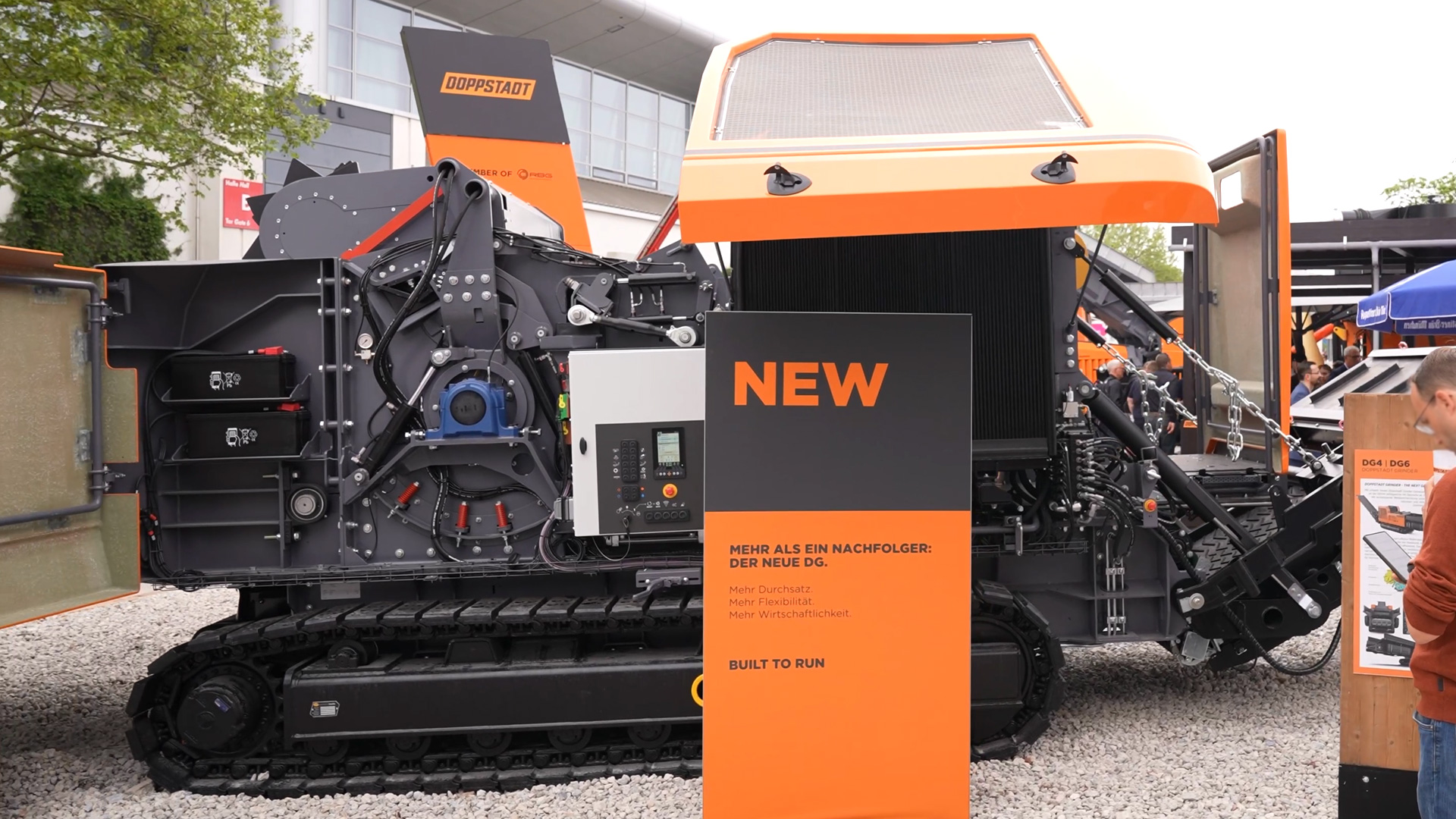
AI system for contaminants in yellow waste
The sorting of packaging waste is one of the greatest challenges facing modern recycling plants. With rising volumes of electrical appliances, lithium batteries and composite materials, traditional sorting methods are increasingly reaching ... Detecting hazards such as batteries and e-cigarettes during recycling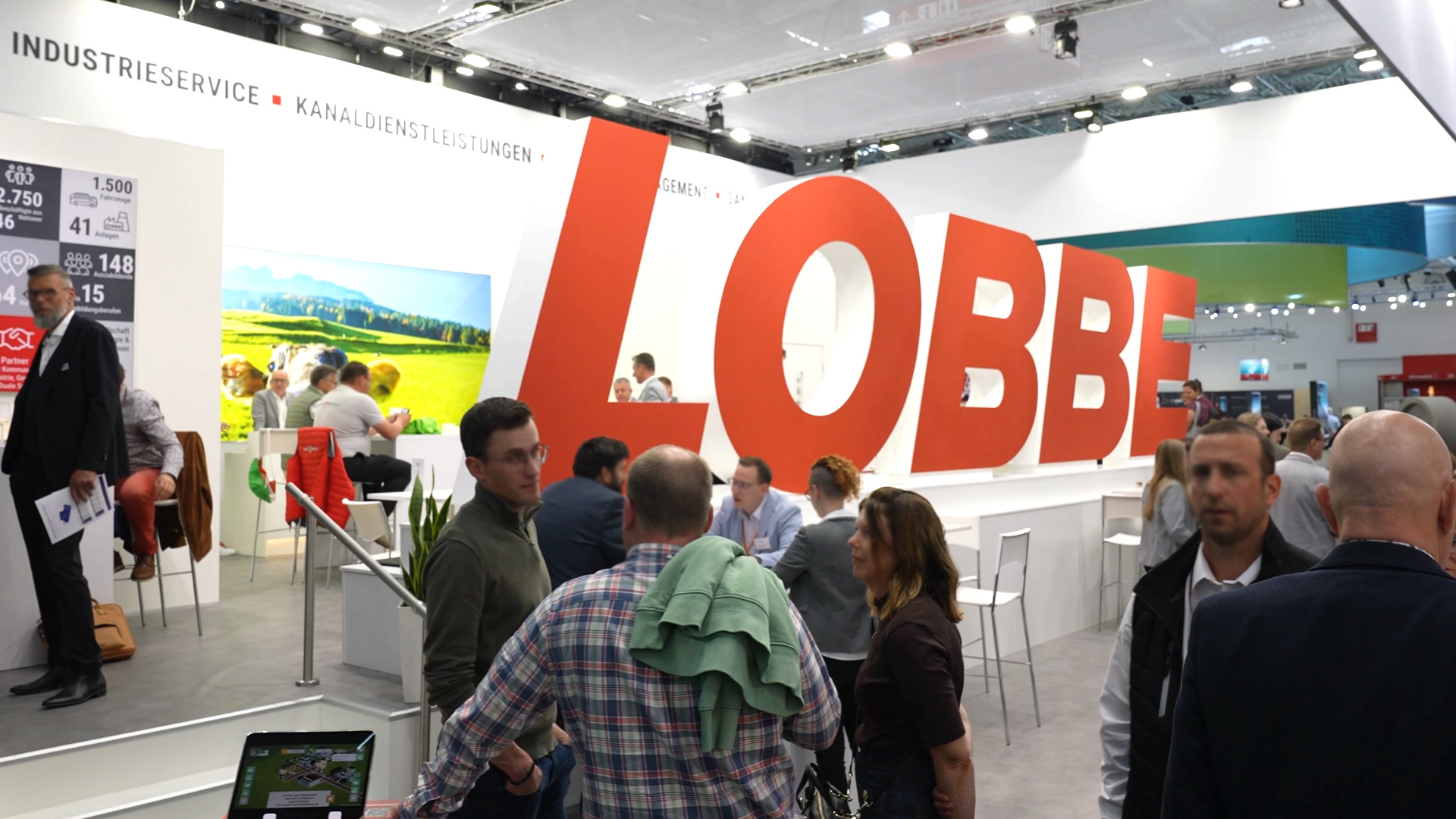
Electric-powered digital material handlers
The demands placed on modern material handlers are changing significantly. In recycling plants, scrap yards or port applications, it is no longer just about pure hydraulic power. Liebherr showcases a new cab and enhanced operating concept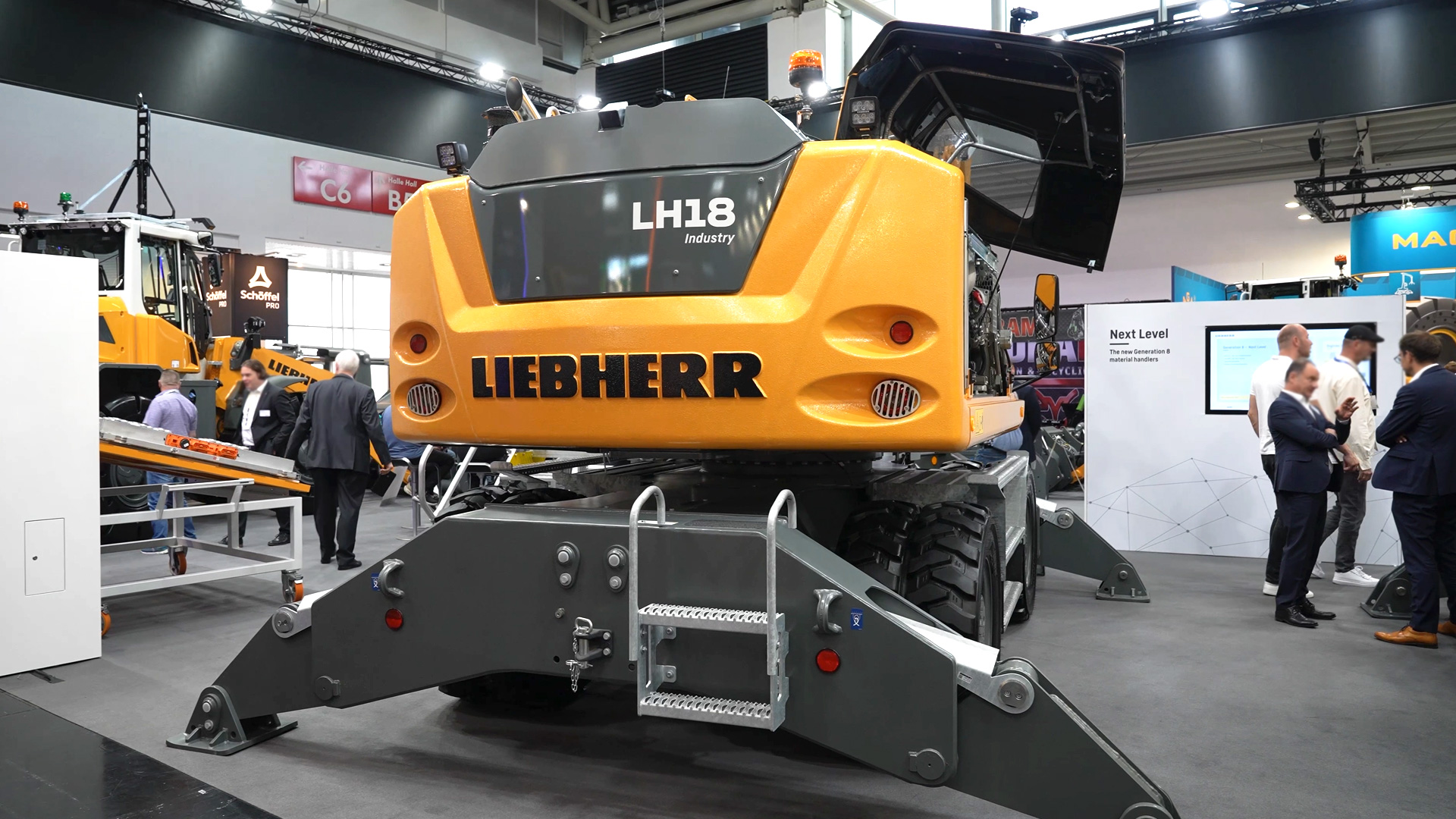
Eddy-current separator for fine metals in recycling
Metal recovery is one of the most technically demanding areas of modern recycling plants. Whilst coarse ferrous metals can be separated relatively easily, the effort involved increases considerably as soon as small, fine or only weakly magn... Metal recovery of even weakly magnetic particles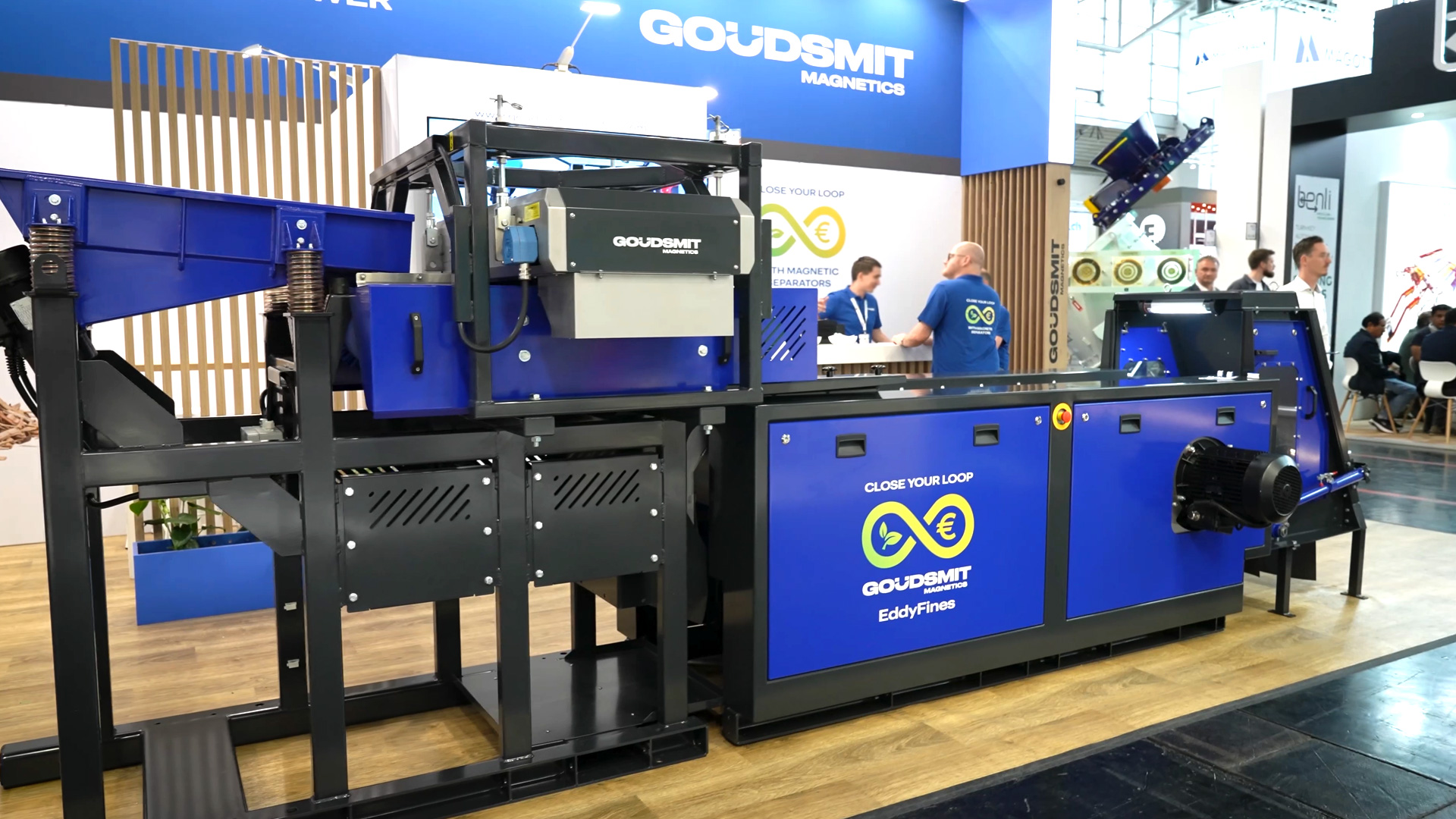
AI data analysis for sorting systems in the recycling process
Sorting systems are now among the most data-intensive areas of the recycling industry. Modern lines capture material flows, purity levels, contamination and throughput figures in ever-higher resolution. At the same time, the complexity of t... AI data analysis in the recycling process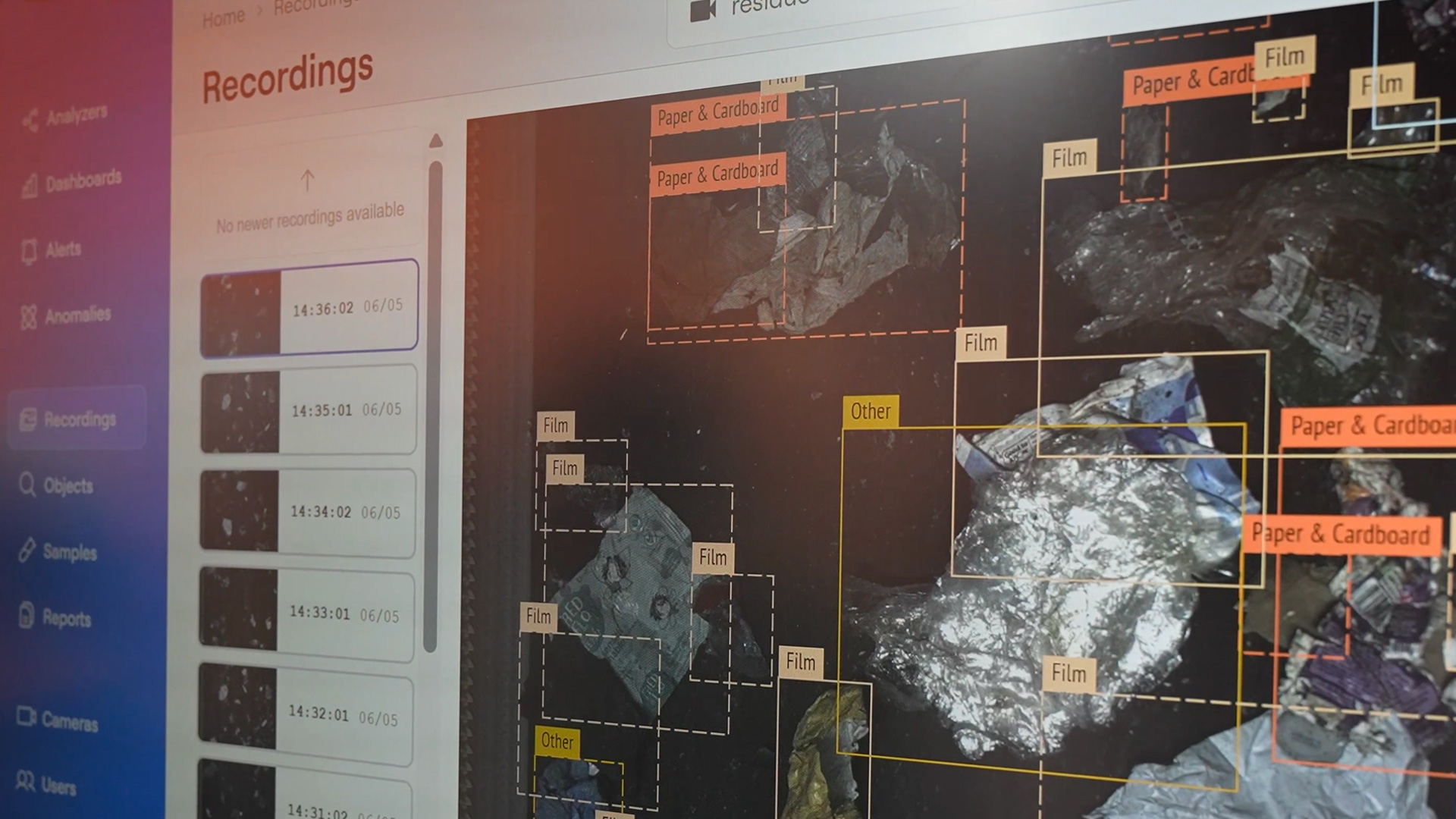
Urraco Evo for flexible material flows in recycling
Today’s recycling plants must handle a wide variety of material streams. Wood, end-of-life tyres, mixed scrap, aluminium, cables, plastic canisters and oil tanks each place their own demands on the drive system, cutting mechanism and discha... Quick-change system for tyres, scrap metal and other materials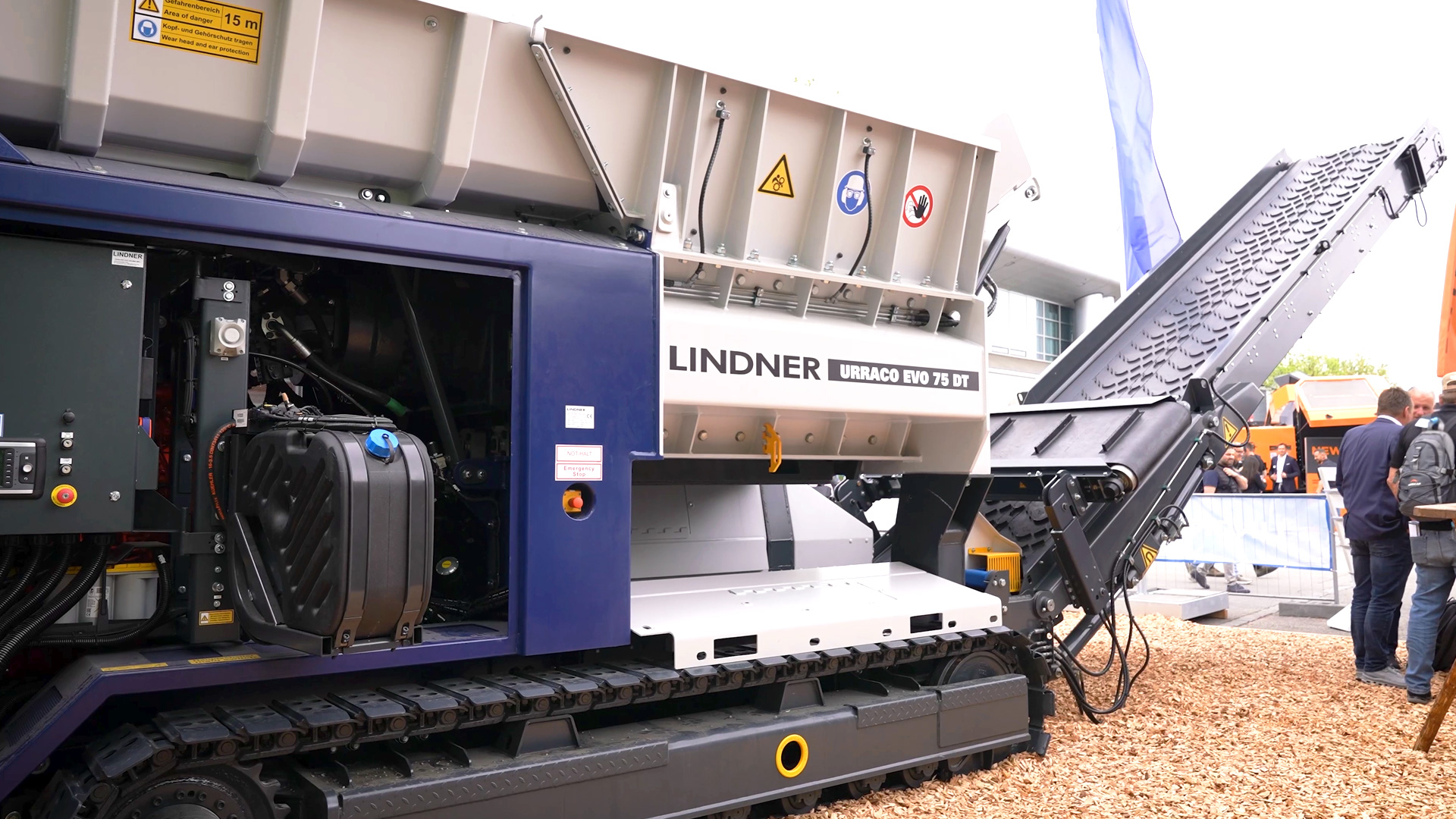
Flexible handling technology for scrap and recycling
The requirements in the scrap and recycling industry have changed significantly in recent years. Today, operators must not only work economically but also comply with stricter environmental regulations and safety requirements. Changing requirements in the scrap and recycling industry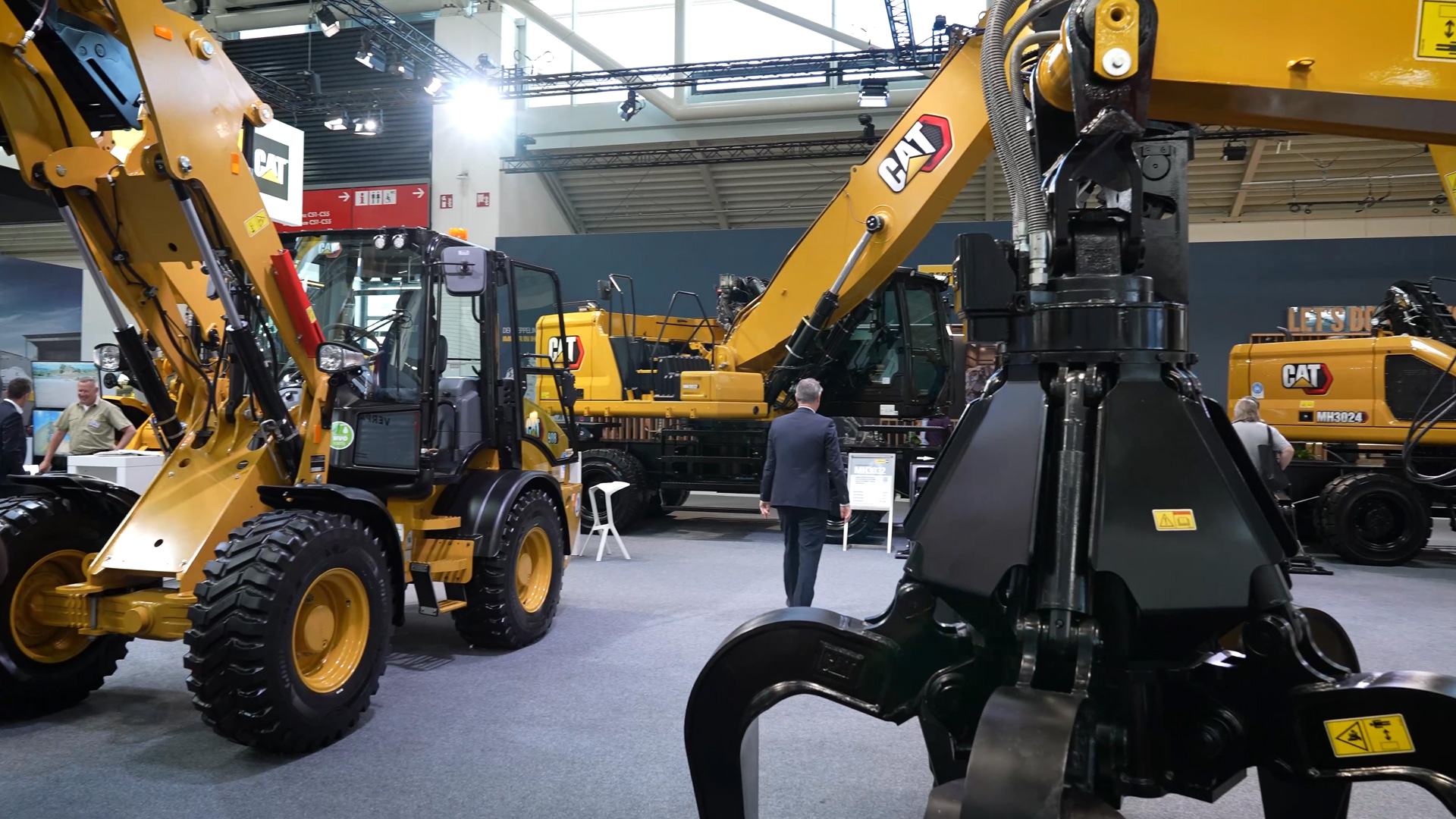
Wima improves classification of moist materials
At first glance, screening technology often seems unspectacular. In many systems, its task appears to be simply to separate material according to size. In practice, however, the quality of this process stage determines how efficiently an en... Separating moist or sticky material by size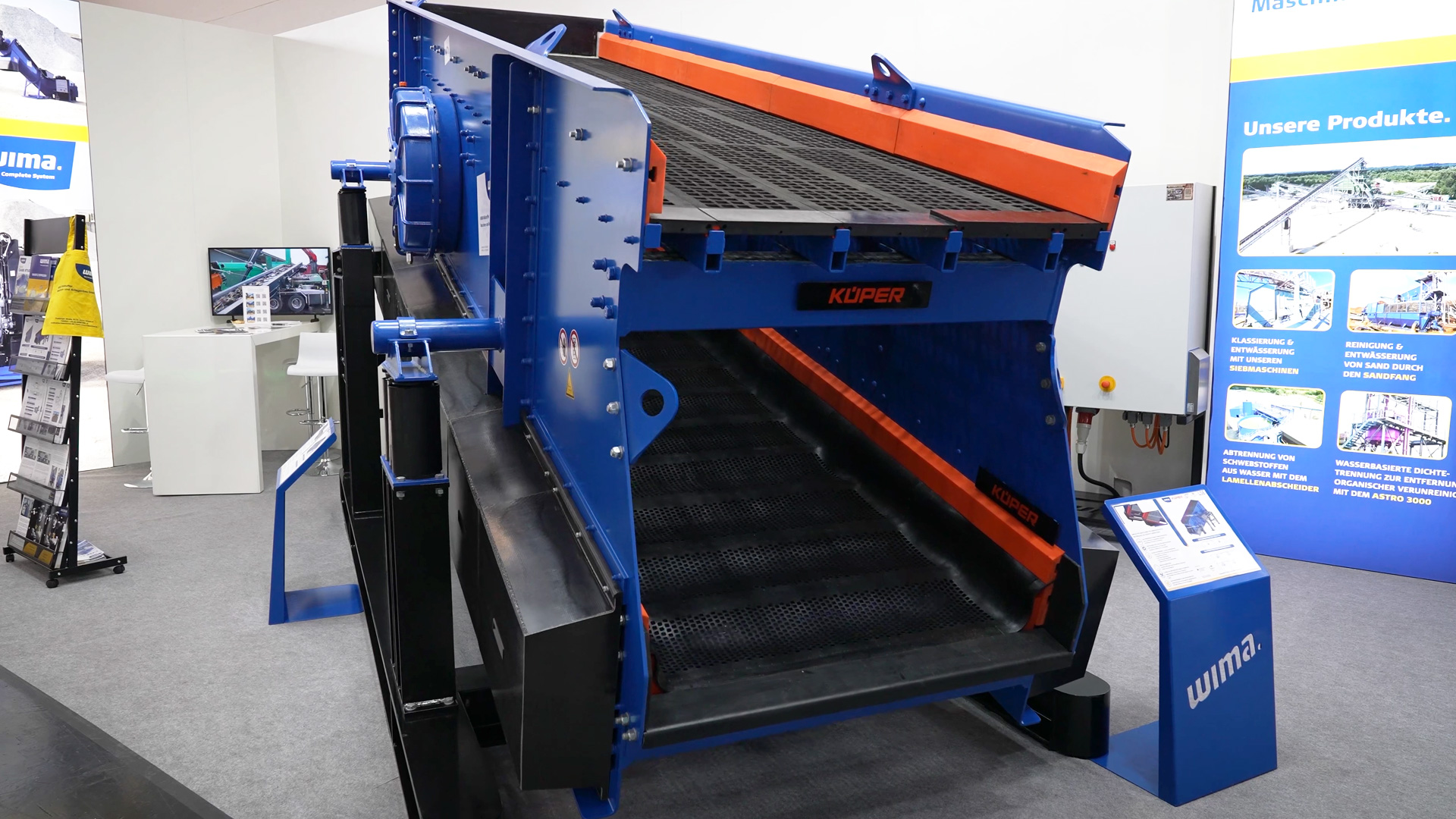
Autonomous sweeper for recycling centres and industrial sites
Autonomous vehicles have been regarded for years as one of the major future trends in mechanical engineering. Whilst much of the discussion focuses on passenger cars, robotaxis or delivery vehicles, specialised systems for industrial applic... Use in industrial facilities, recycling centres or port areas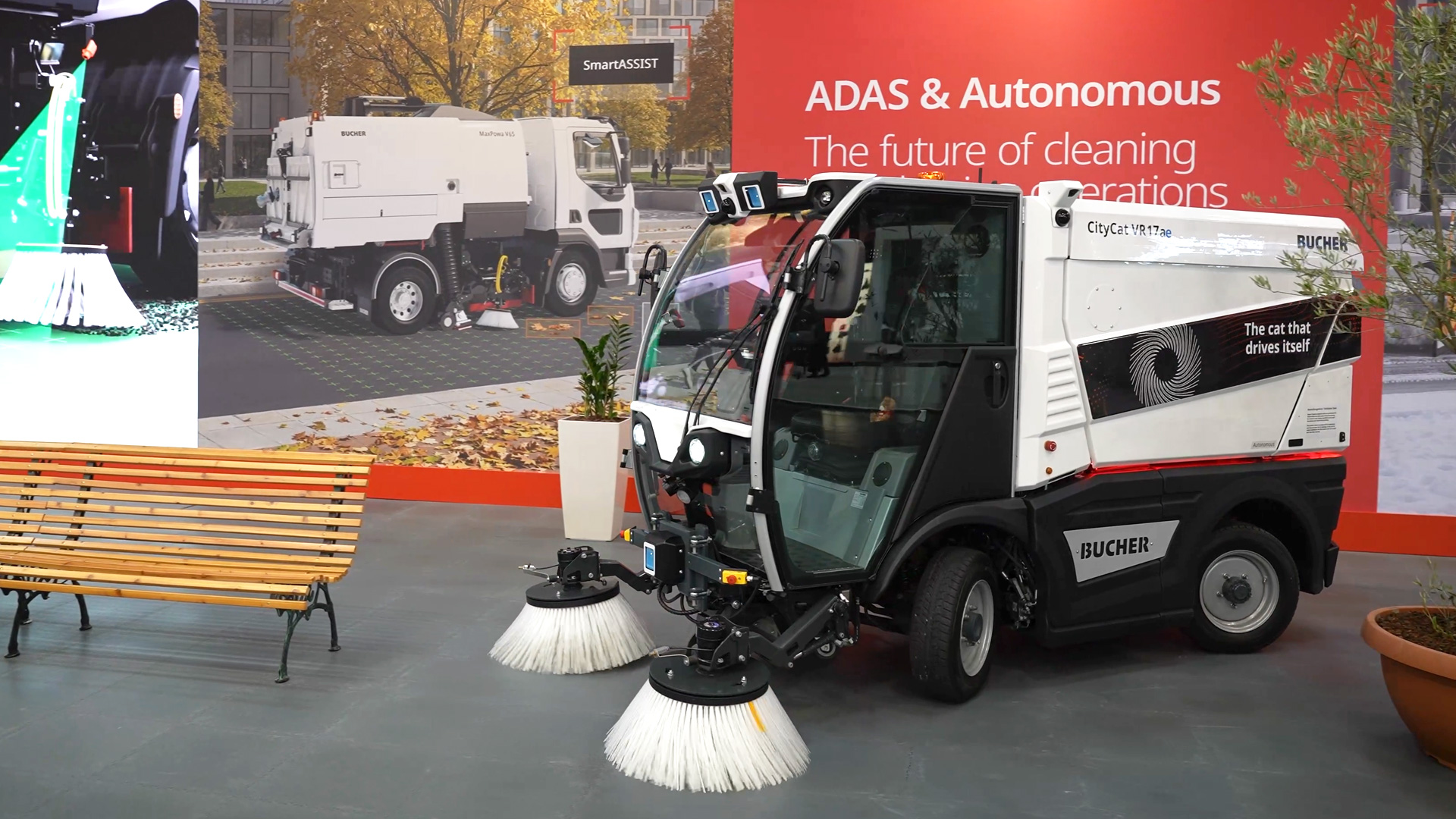
DiscSpreader automove improves sorting in recycling
In recycling plants, the quality of sorting is not only determined at the actual separator. Even before that, the material must be prepared in such a way that downstream systems can work reliably. Increase sorting quality through preparatory process stage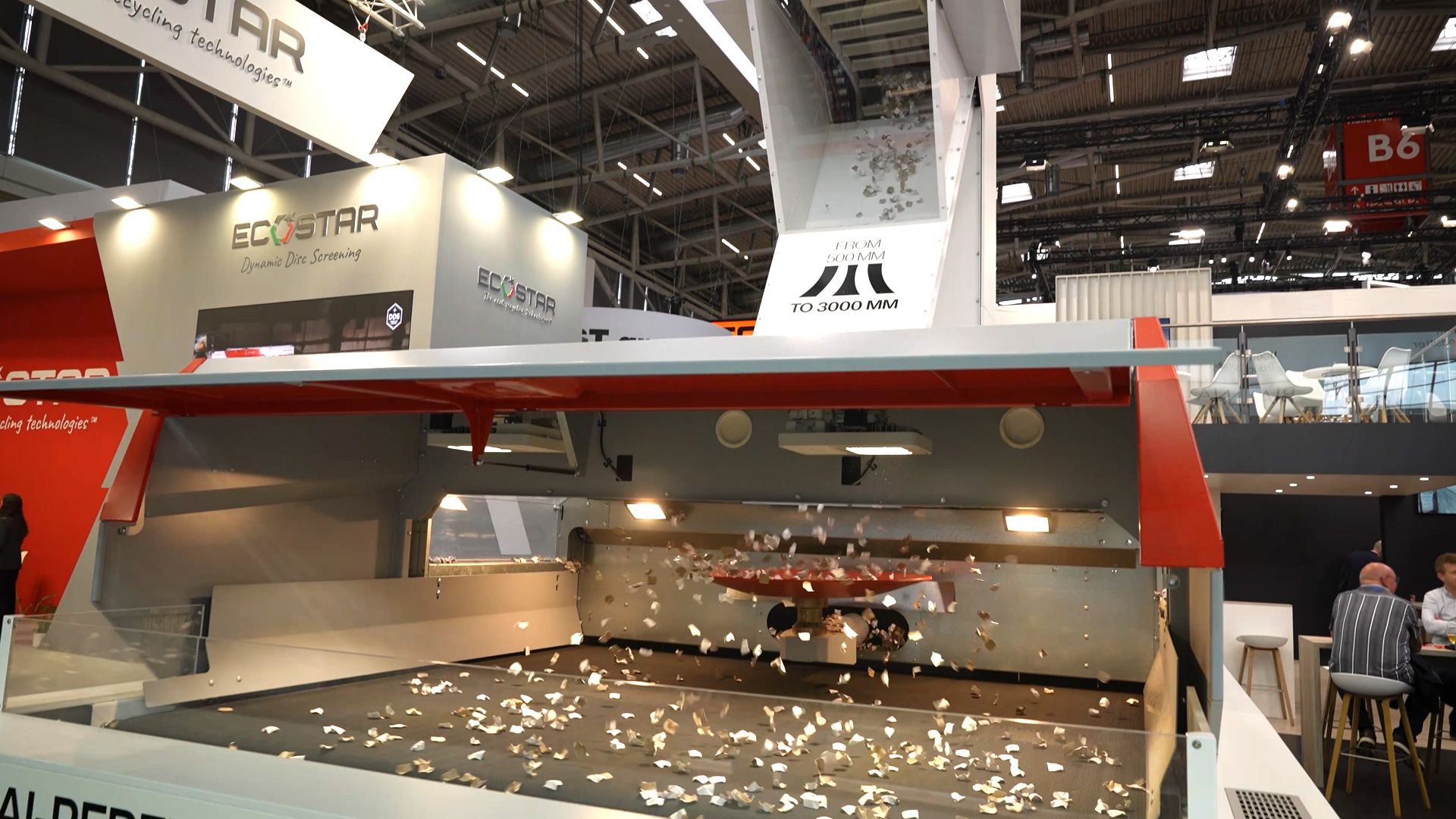
The Mercedes-Benz eActros 400: a versatile municipal vehicle
Municipal vehicles face particularly high expectations. They must be operational all year round, cover a range of tasks and, at the same time, operate economically and reliably. MirrorCam and driver assistance systems for greater safety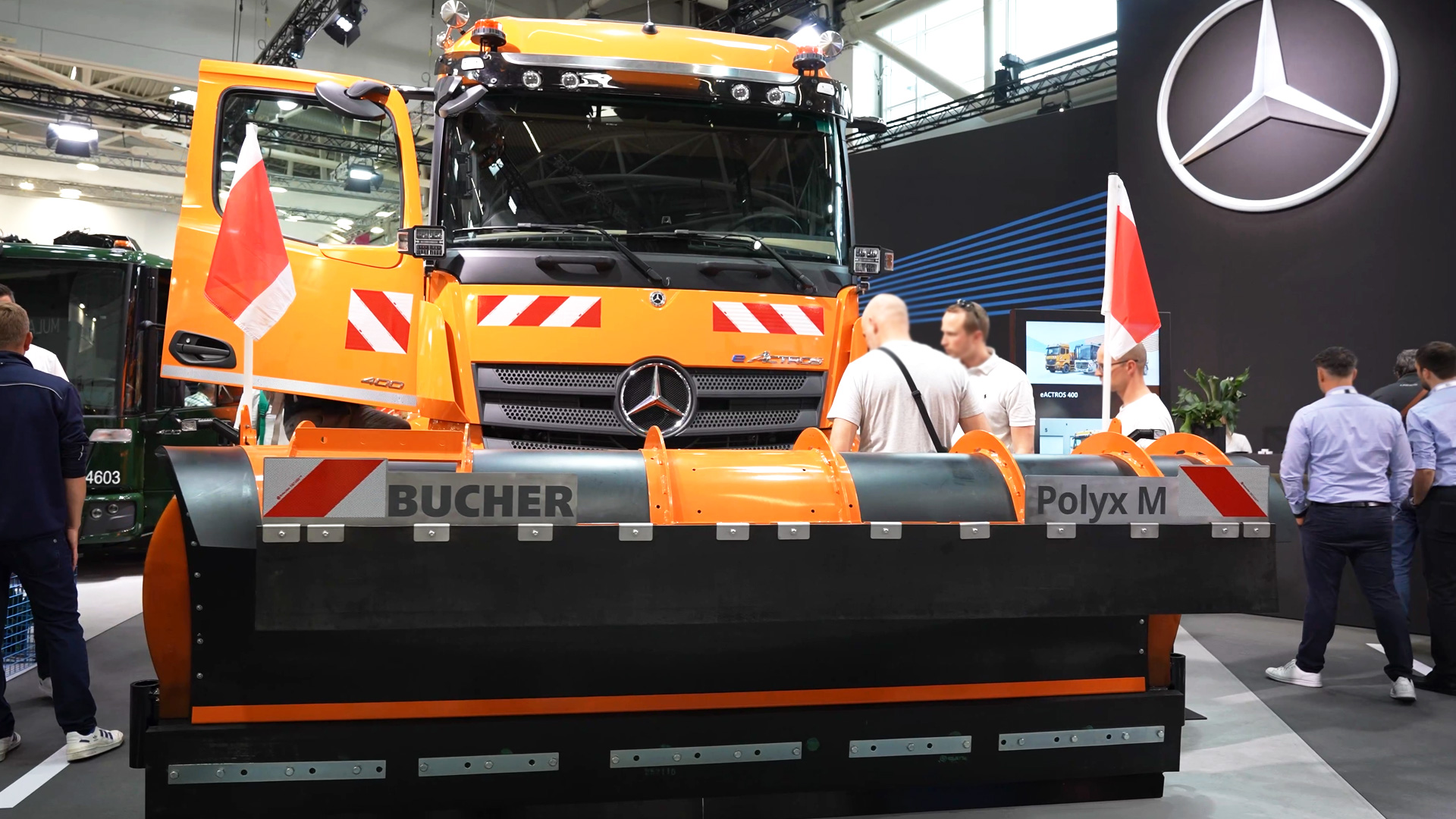
Shredding of end-of-life tyres using rotary shears in plants
The shredding of end-of-life tyres is one of the unassuming yet central processes of modern circular economy. Tyres are durable products, but at the same time difficult to dispose of. Processes in modern tyre recycling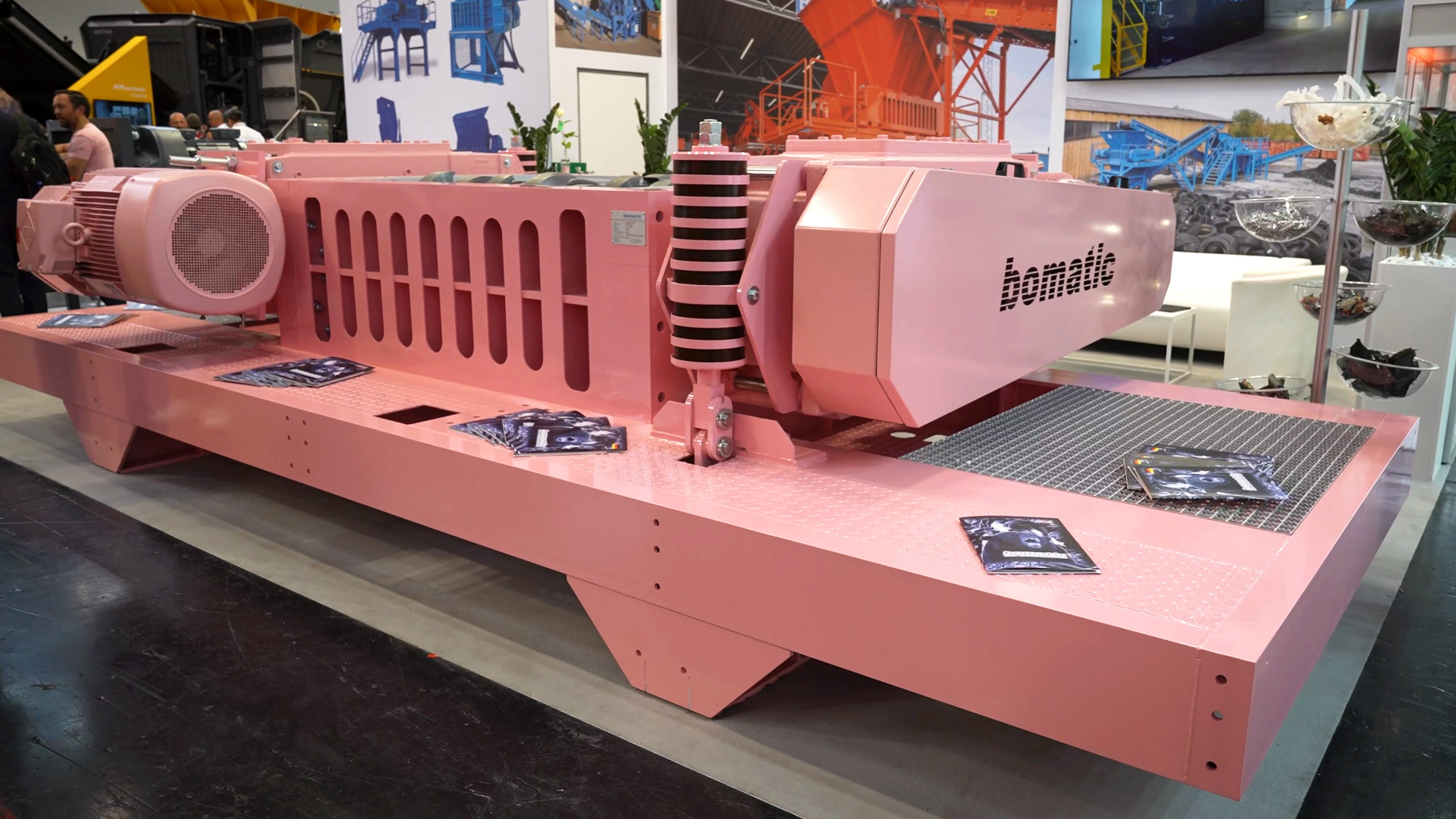
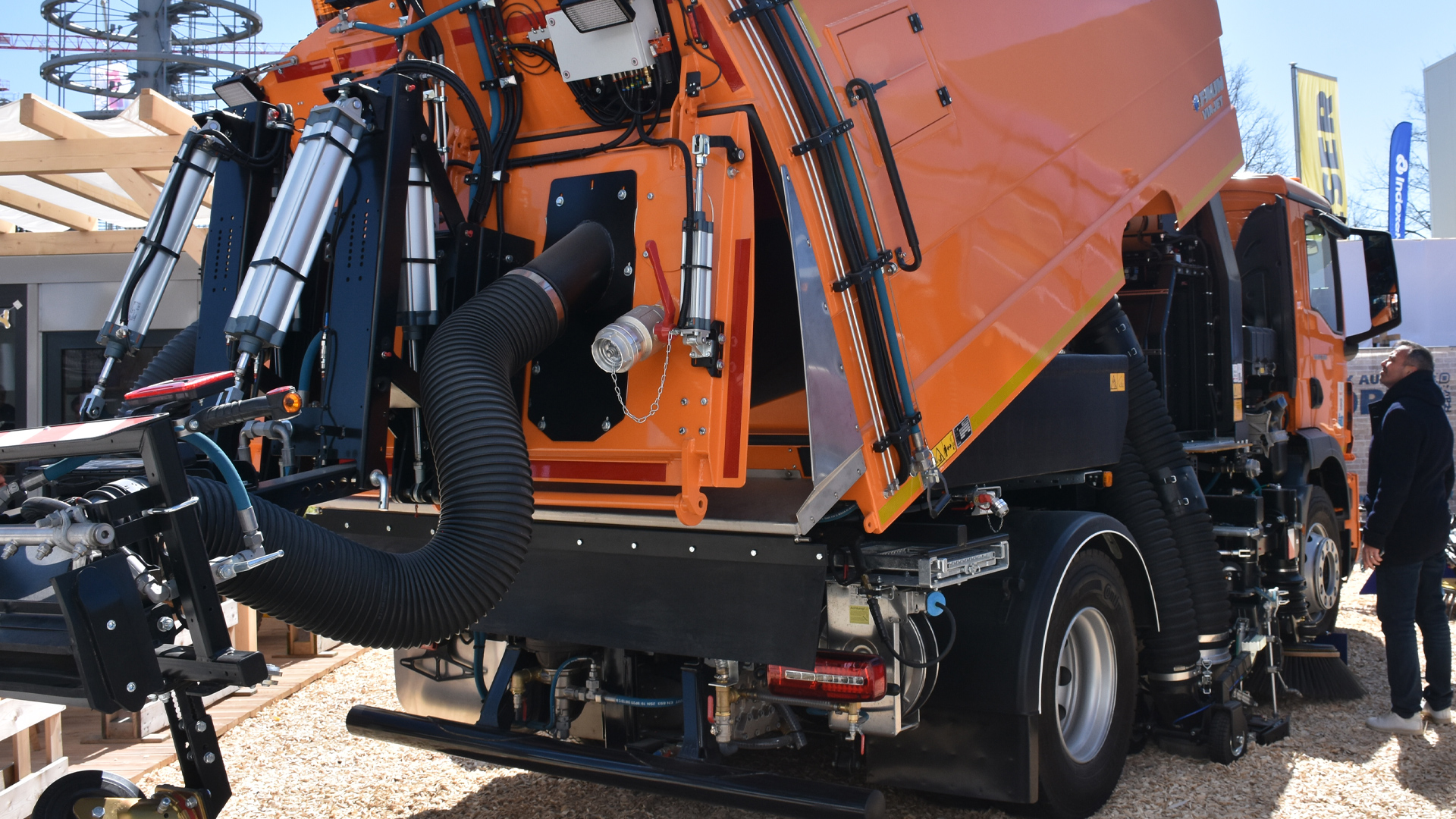
Vehicles and bodywork in the changing landscape of waste management logistics
Vehicles for waste management are highly specialised work tools. They must collect and transport different materials, and in some cases compact or separate them on site. It is not just performance that matters, but also reliability and cost-effectiveness in daily use. A clear trend is the increasing electrification of municipal fleets. Alongside traditional diesel engines, battery-electric solutions are gaining in importance, particularly for inner-city use. At the same time, manufacturers are further developing their superstructures – with a focus on weight, payload and automated processes. Typical developments in the field of vehicles and superstructures:
- Electric drive systems for low-emission operation in urban areas
- Optimised superstructures to increase payload while reducing unladen weight
- Automated loading systems to reduce manual work steps
- Digital recording of routes, volumes and operational data
Waste treatment as the technical core of the circular economy
Waste treatment has evolved from a purely disposal-oriented task into a central component of the raw materials economy. The aim is to recover as many recyclable materials as possible and to treat residual materials efficiently. Modern facilities operate using a combination of mechanical, thermal and biological processes. Sorting technologies utilise sensor technology to precisely identify and separate materials. At the same time, the quality requirements for secondary raw materials are increasing, as these are increasingly being returned to industrial processes. Key developments in waste treatment:
- Automated sorting plants with optical and sensor-based detection
- Mechanical-biological processes for treating mixed waste
- Thermal processes for generating energy from non-recyclable residues
- Increasing demands on the purity and quality of recycled materials
Recycling: balancing raw material security and economic viability
Recycling is a key issue for industry and policy-makers. Access to primary raw materials is becoming increasingly uncertain, whilst at the same time pressure is mounting to use resources more efficiently. Recycling processes must therefore not only be ecologically sound, but also economically viable. The focus is particularly on metals, plastics and building materials. The aim here is to process materials in such a way that they can be reintegrated into production processes. At the same time, new processes are emerging that make use of materials that were previously difficult to recycle. A decisive factor is the quality of the input materials. The better waste is separated during the collection process, the more efficiently it can be processed further. This makes the interface between collection, transport and processing increasingly important.
Digitalisation and management of complex material flows
Alongside mechanical and chemical processes, digitalisation is playing an increasingly important role. Data is used to monitor, control and optimise processes. This applies to both individual facilities and entire waste management networks. Digital systems enable more precise route planning, better utilisation of facilities and transparent tracking of material flows. At the same time, new requirements are emerging regarding data security and system integration. Another aspect is the networking between different stakeholders – from municipal utilities and private waste management companies to industrial enterprises. Collaboration is becoming more complex, but it also opens up new potential for efficiency. Ifat 2026 will showcase the full spectrum of these developments at the Munich Exhibition Centre. The focus will be on technical solutions that work under real-world conditions and can be integrated into existing structures. It will become clear that the transformation of the waste management sector is shaped less by individual innovations and more by the interplay of many technical and organisational factors.
Trade fair reporting Germany - Trade fair knowledge, dates & events


