Flip-flow screening machine for classifying earth-moist materials
by J. Groh - 2026-05-10At first glance, screening technology often seems unspectacular. In many systems, its task appears to be simply to separate material according to size. In practice, however, the quality of this process stage determines how efficiently an entire processing plant works.
It is particularly difficult with moist, sticky or uneven materials, which quickly push classic screening machines to their limits. Wima has developed a new flip-flow screening machine precisely for such applications. The system combines classic circular vibration with additional mechanical movement in the lower screening area. The aim is to reliably classify even earth-moist and difficult-to-screen material while at the same time being able to react flexibly to different operating conditions.
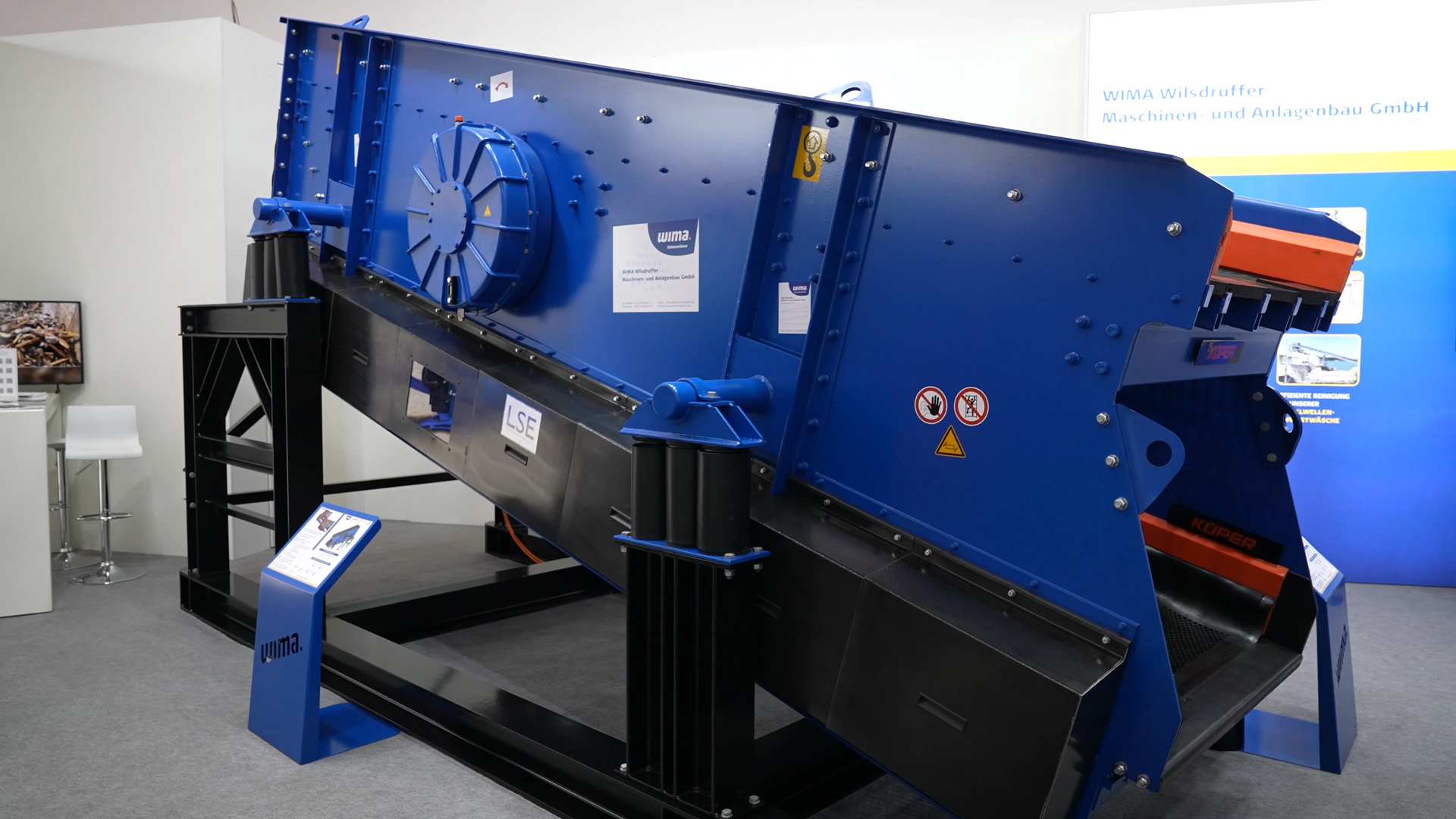
Wima combines circular vibrators with expansion shaft technology
The basic design of the machine is initially based on a classic circular vibratory screen, which has been used in classifying technology for many years. Such systems generate a rotating oscillating movement that transports the material over the screen surface and separates it according to grain size. However, Wima supplements this principle with an additional mechanism in the lower section of the machine. There, a separate drive generates a clamping movement of the screen surface. A fixed and a movable frame ensure that the screen material is permanently tensioned and released again. This additional energy input significantly changes the behaviour of the material. The grains are separated more strongly and have a better chance of actually reaching the openings in the screen surface. This is particularly important for moist or sticky materials.
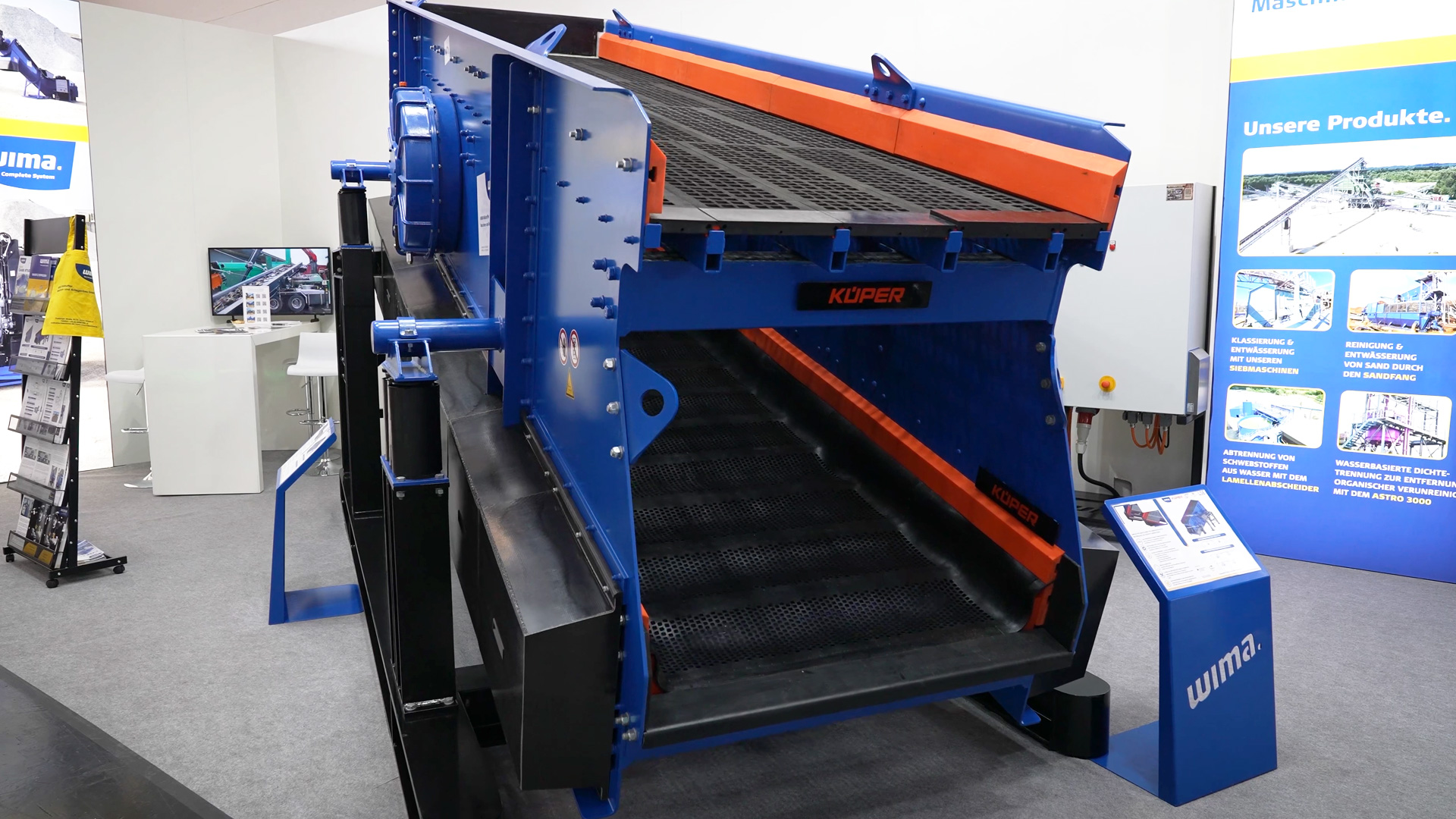
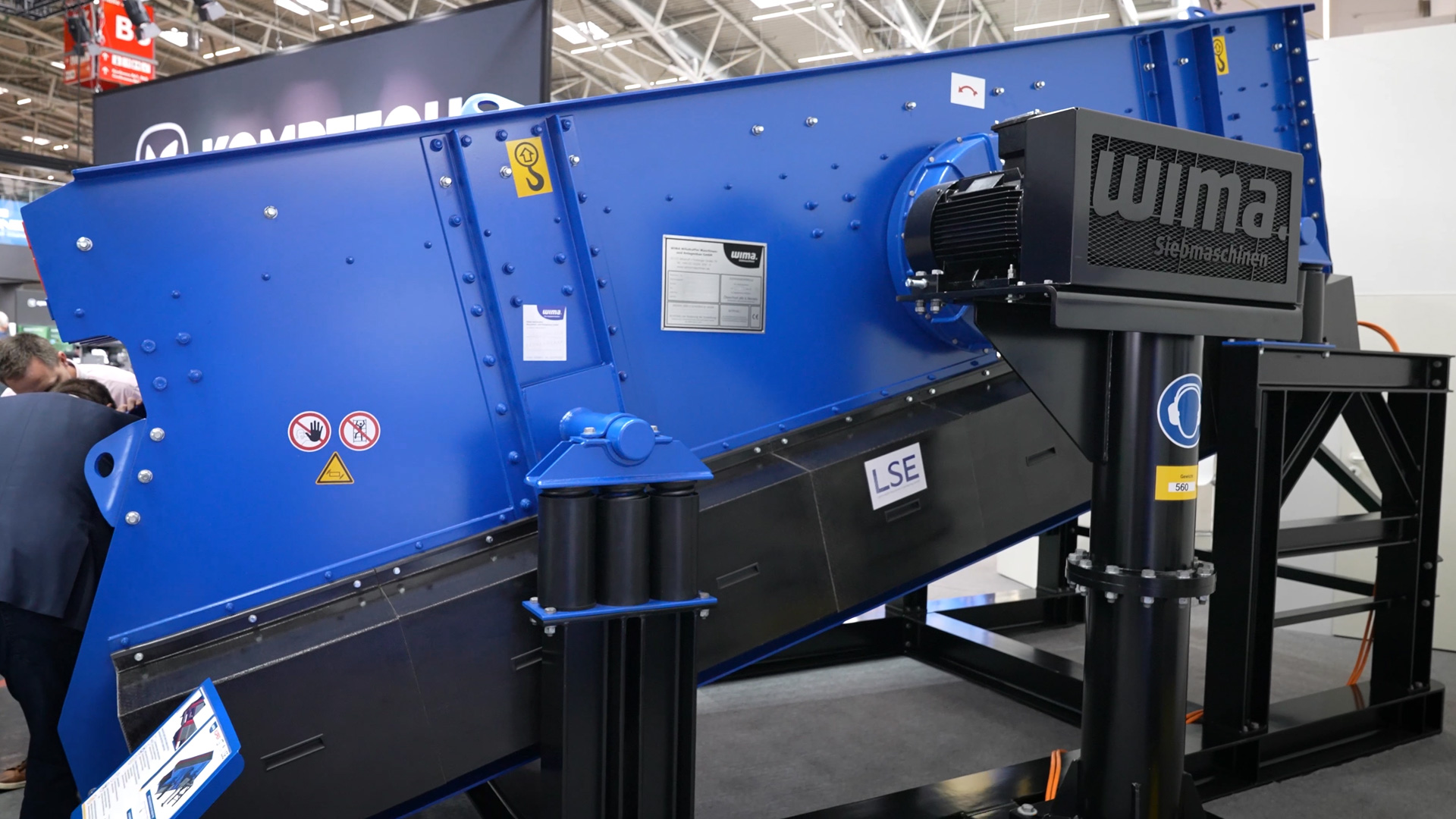
Classification separates material according to grain size
In processing technology, a basic distinction is made between different tasks. While sorting systems often work according to material properties or weight, classification is used to separate material according to particle size. The function of the flip-flow screening machine follows a clear principle. Fine material falls down through the screen surface, while coarser components remain on the surface and are discharged separately. The decisive factor here is not only the pure movement of the material, but also the ability to separate individual particles from each other. Moist materials in particular tend to clump together. As a result, they block the openings of the screen or form layers of material that make clean separation difficult. The tensioning movement of the screen surface counteracts precisely this effect. The most important functions of the machine can be summarised as follows:
- Classification of material according to grain size
- Tensioning movement for better separation of moist materials
- Combination of circular vibration and additional mechanics
- Flexible conversion to classic screening technology possible

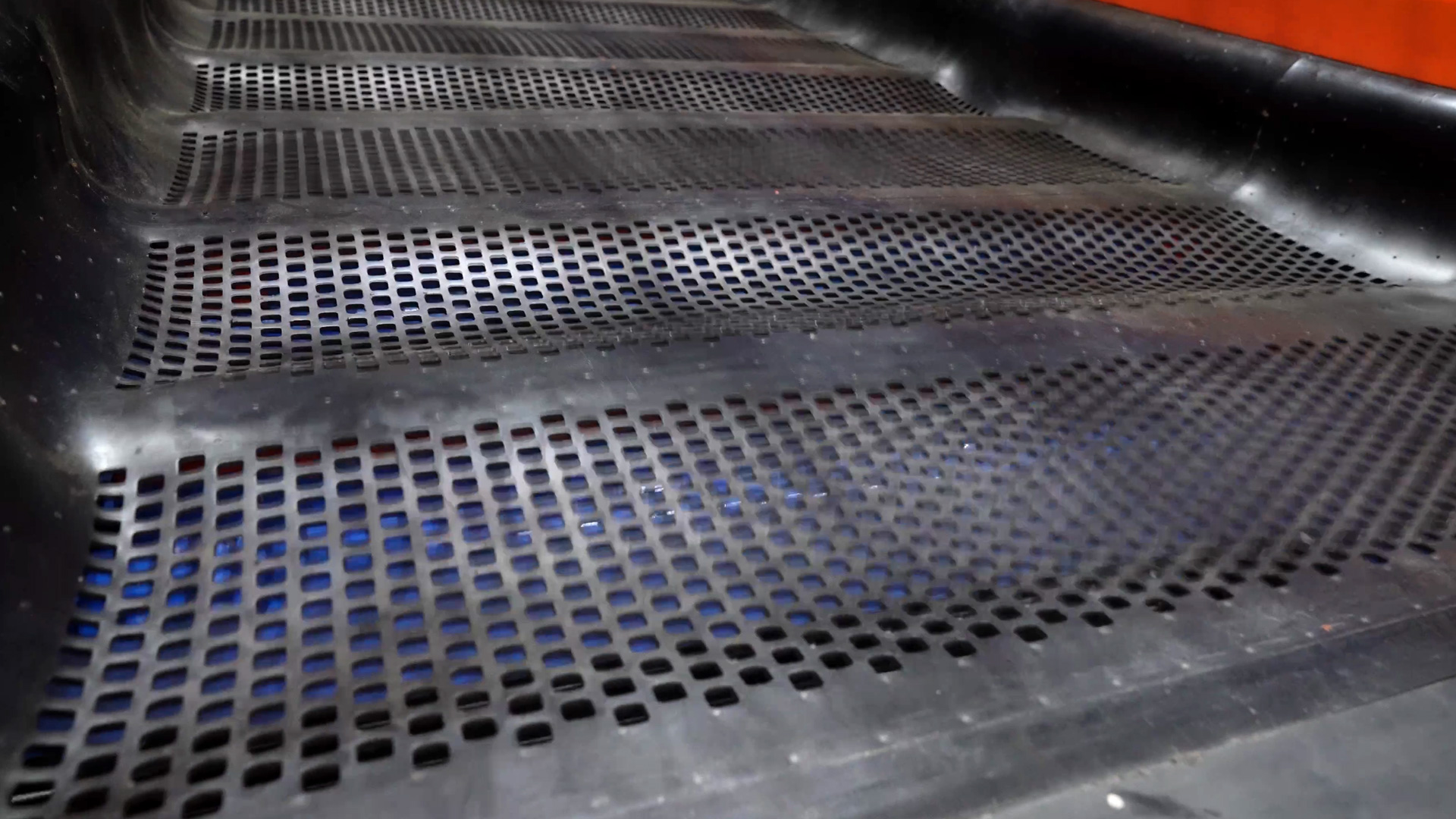
Flip-flow screening machine for compost and moist materials
A typical area of application is compost processing. This often involves material that is not dry enough for conventional screening technology. Soil-moist components are unstable, stick together and make uniform separation difficult. The Wima machine is designed to solve this problem by actively moving the screen surface. The material is constantly loosened up, making it easier for individual grains to pass through the openings. In practical operation, this means that fine material can be reused as compost, while coarser components are fed back into the composting process. It is precisely this recycling process that is a central component of the material cycle in many composting plants. The flexibility of the design is also interesting. The additional mechanics can be fixed if required, so that the system works like a classic circular oscillator. This makes it relatively easy to adapt the machine to different requirements.
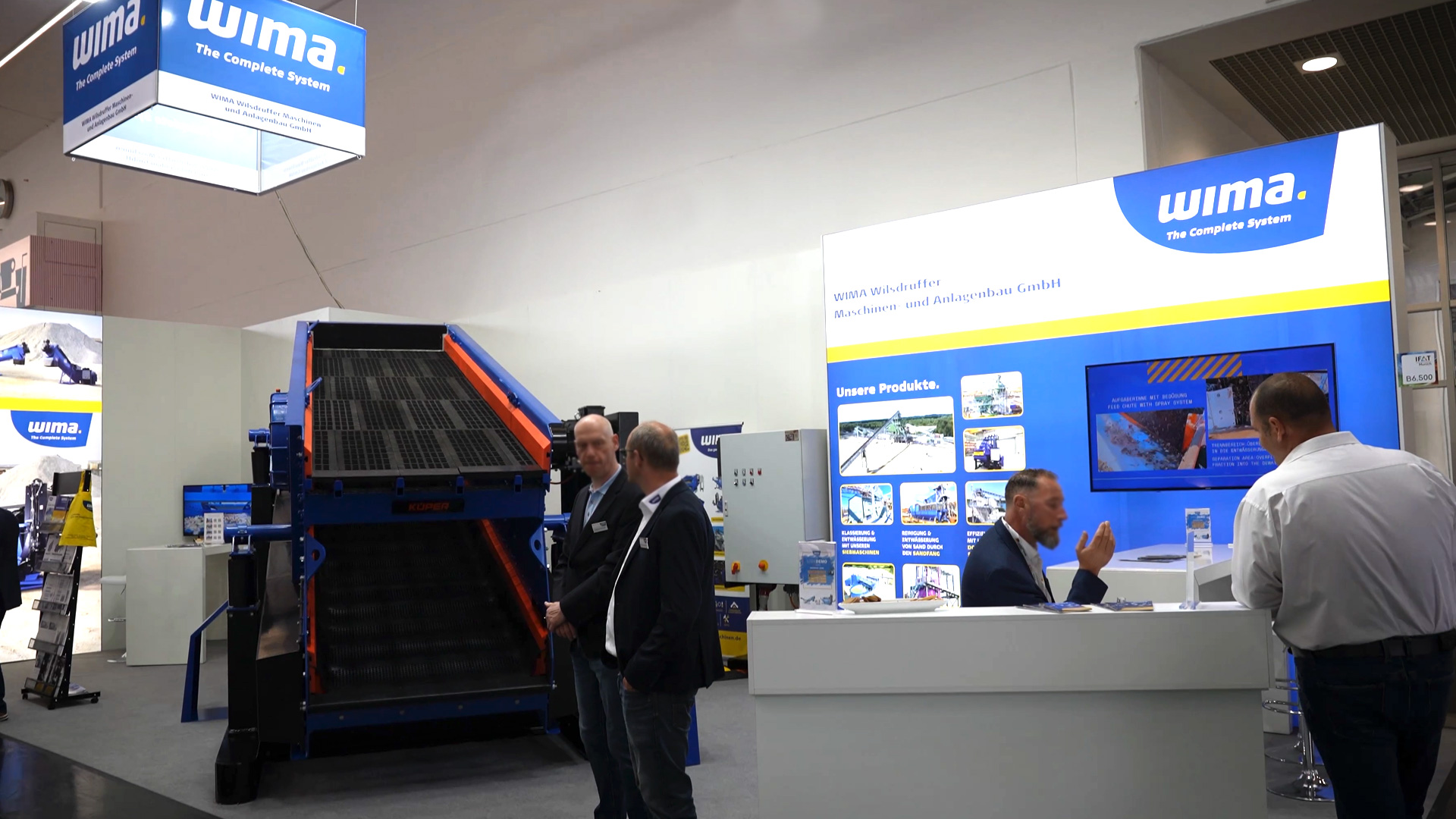
Screening technology remains mechanically characterised
Despite increasing digitalisation, Wima believes that the basic functionality of such systems will remain largely constant in the long term. In mechanical terms, a screening machine remains a system that separates material via openings. Further developments therefore result less from completely new principles than from improvements to details. These include new materials for screen linings or optimised wear concepts. The choice of material plays a particularly important role, as screen linings are exposed to high loads in continuous operation. There are also technical developments in the area of monitoring and plant control. Sensor technology, condition monitoring and AI-supported analyses could be more closely integrated into maintenance and process control in the future. The aim here is not so much to change the actual screening technology as to increase operational reliability and improve the predictability of service intervals.
Classifying technology between robustness and adaptability
The new flip-flow screening machine shows that innovation in mechanical engineering is often not the result of radical new developments, but rather the targeted further development of existing systems. The combination of a classic circular vibratory screen and additional tensioning mechanism significantly extends the range of applications of the system without changing the basic principle of classification. Robustness remains crucial, especially in processing technology. Systems must be able to cope with changing material properties and at the same time work reliably over the long term. This is why the focus is not on spectacular design changes, but on technical solutions for specific problems in plant operation. Wima's development illustrates this approach very clearly. The machine remains a classic screening plant - but is extended where conventional technology reaches its limits in practical use.
Trade fair reporting Germany - Trade fair knowledge, dates & events


