The IFAT trade fair in Munich
Water, waste, raw materials, climate: solutions for a sustainable future
IFAT in Munich is the world's leading trade fair for environmental technologies. Every two years, it becomes the central stage for innovations in the fields of water and wastewater management, waste and raw materials management, air pollution control, recycling, circular economy, and municipal infrastructure. With more than 3,000 exhibitors from over 50 countries and over 140,000 trade visitors from all over the world, IFAT is not only a global industry meeting place, but also a real trend barometer for ecological and technological developments. The trade fair combines technological excellence with the urgent need for sustainable solutions in the use of natural resources – and thus actively contributes to the achievement of global environmental and climate goals. Here, products are not only displayed, but also demonstrated in real-life operation – from water treatment to intelligent waste sorting, from biogas plants to emission-free municipal vehicles.
Reports on Ifat on Messe TV
Wide range of topics: Environmental technology in all its facets
IFAT covers all key areas of environmental technology:
- Water extraction, treatment, and distribution
- Wastewater treatment, sewerage, and flood protection
- Waste management, recycling technologies, circular economy
- Raw material recovery and secondary raw materials
- Air pollution control, noise and emission protection
- Smart city infrastructure, digital environmental solutions and mobility
- Municipal technology and special vehicles
In addition to traditional technologies, the trade fair is also increasingly showcasing innovative digital tools for increasing efficiency and controlling and monitoring processes—for example, through sensor technology, machine learning, and cloud-based control centers. Anyone interested in other trade fairs in the region can find a comprehensive overview of the regional event portfolio at Munich Trade Fair.
Water as the basis of life – focus on resource conservation
Water resources are the focus of many presentations and discussions at IFAT. With increasing drought and water scarcity in many regions of the world, there is a growing need for efficient technologies for treating, distributing, reusing, and managing water. IFAT showcases solutions for:
- Municipal and industrial wastewater treatment
- Intelligent leak detection and monitoring systems
- Energy-efficient pumps and membrane systems
- Hydrogen production from sewage treatment processes
- Digital twins for optimizing municipal water networks
Circular economy & zero waste: From vision to practice
The transformation from a linear to a circular economy is a central theme at IFAT. Whether in plastics recycling, construction waste recycling, scrap metal processing, or electrical recycling, innovative machines and sorting technologies make it possible to treat waste as a valuable raw material. Many exhibitors are showcasing:
- fully automated sorting systems with AI
- mobile composting plants and biogas technology
- systems for the separate collection and recovery of rare earths
- plants for recycling lithium-ion batteries
- solutions for decarbonizing waste management
Smart cities and digitalization as enablers of environmental change
A growing part of IFAT is dedicated to digital innovations: from GIS-based environmental analyses and smart control centers for water networks to app-controlled collection systems in urban areas. Topics such as:
- Predictive maintenance in water and waste technology
- Sensor networking and IoT in environmental management
- Real-time data for crisis management (e.g., floods, droughts)
- Blockchain for traceability in recycling
show how technology helps make ecological systems more resilient and efficient.
Expert forums & live demonstrations – experience knowledge firsthand
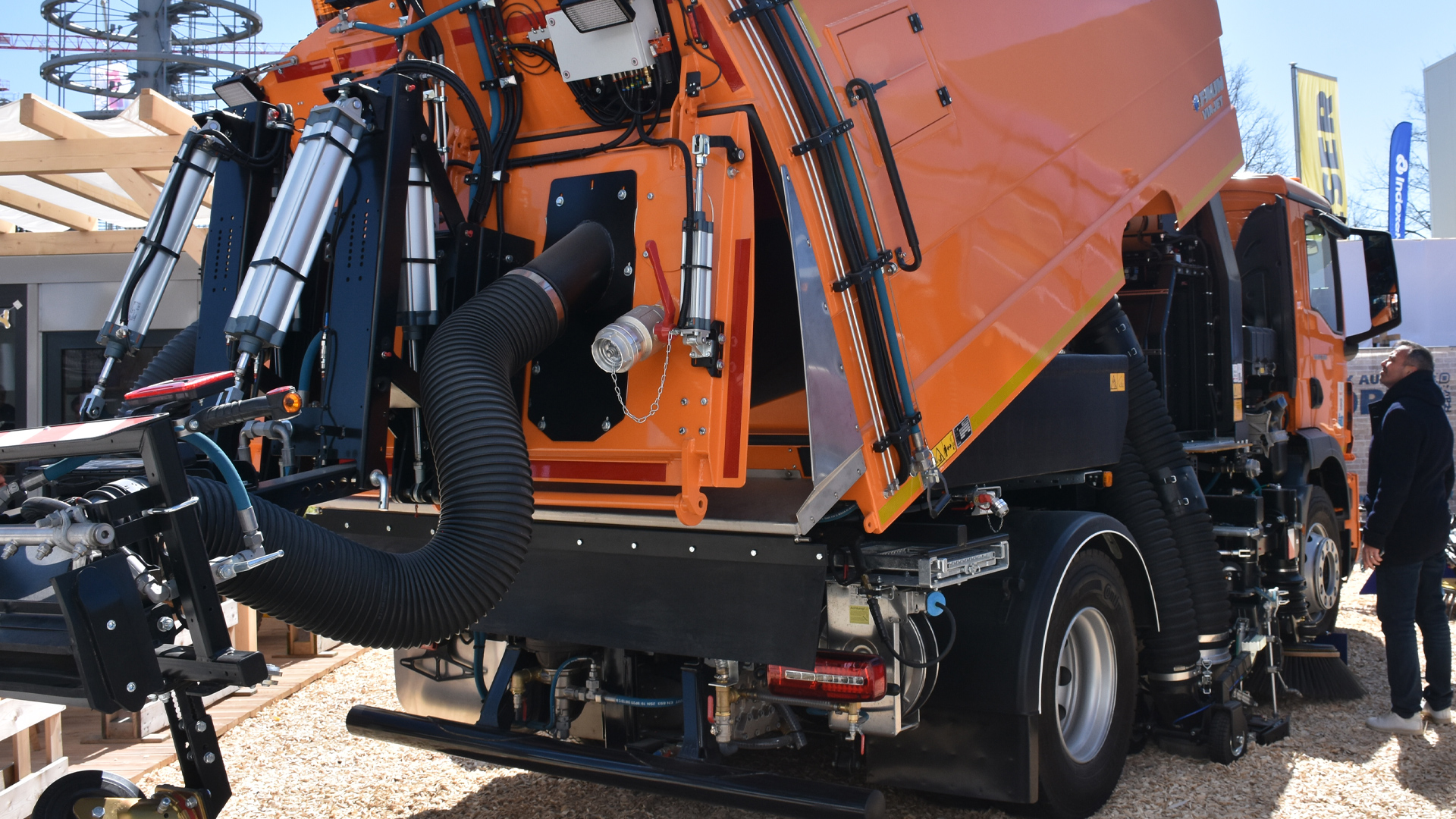
IFAT offers an extensive supporting program with over 200 events—from expert forums and best practice examples to high-profile keynotes. Topics such as the EU circular economy strategy, CO₂ pricing, the Green Deal, and international environmental partnerships will be discussed here in a practical context. A special highlight are the large-scale live demonstrations in the outdoor area, where municipal machinery, sewer cleaning technology, sorting plants, and street sweepers demonstrate their performance directly in action. For trade visitors, this means an immediate comparison of technologies under realistic conditions.
Internationality & partnerships worldwide
IFAT has a global focus, with international joint stands, delegations, and cooperation forums. Markets such as India, Africa, South America, and Southeast Asia present specific challenges and solutions. The trade fair offers a unique opportunity for companies with an export focus to establish strategic partnerships.
Education, young talent & career platform
Universities, research institutions, and educational providers present themselves in the IFAT Campus Area. Young talents gain insight into career paths in the environmental sector, while companies recruit qualified specialists. The offerings range from lectures on degree programs to personal consultations and job speed dating.
Living sustainability – IFAT as a model trade fair
The trade fair itself is also committed to sustainability: through climate-neutral trade fair planning, certified halls, waste avoidance concepts, and cooperation with public transport and sustainable service providers. IFAT is thus also setting standards in terms of organization.
IFAT – Platform for a greener, smarter, and more resilient world
IFAT Munich is much more than just a trade fair. It sets the global pace for sustainable environmental technologies and is therefore a key event for the ecological transformation of the economy and society. It shows that solutions to the major challenges are there—you just have to use them. Further information can be found on the organizer's website: www.ifat.de
Trade fair reporting Germany - Trade fair knowledge, dates & events


