Electric truck with new battery and 700 hp drive
by J. Groh - 2026-05-22The electrification of heavy commercial vehicles is reaching a new stage of development. Whilst battery-electric trucks were still primarily intended for short inner-city journeys just a few years ago, increasing ranges, higher charging capacities and more powerful drives are now significantly changing the landscape of the industry.
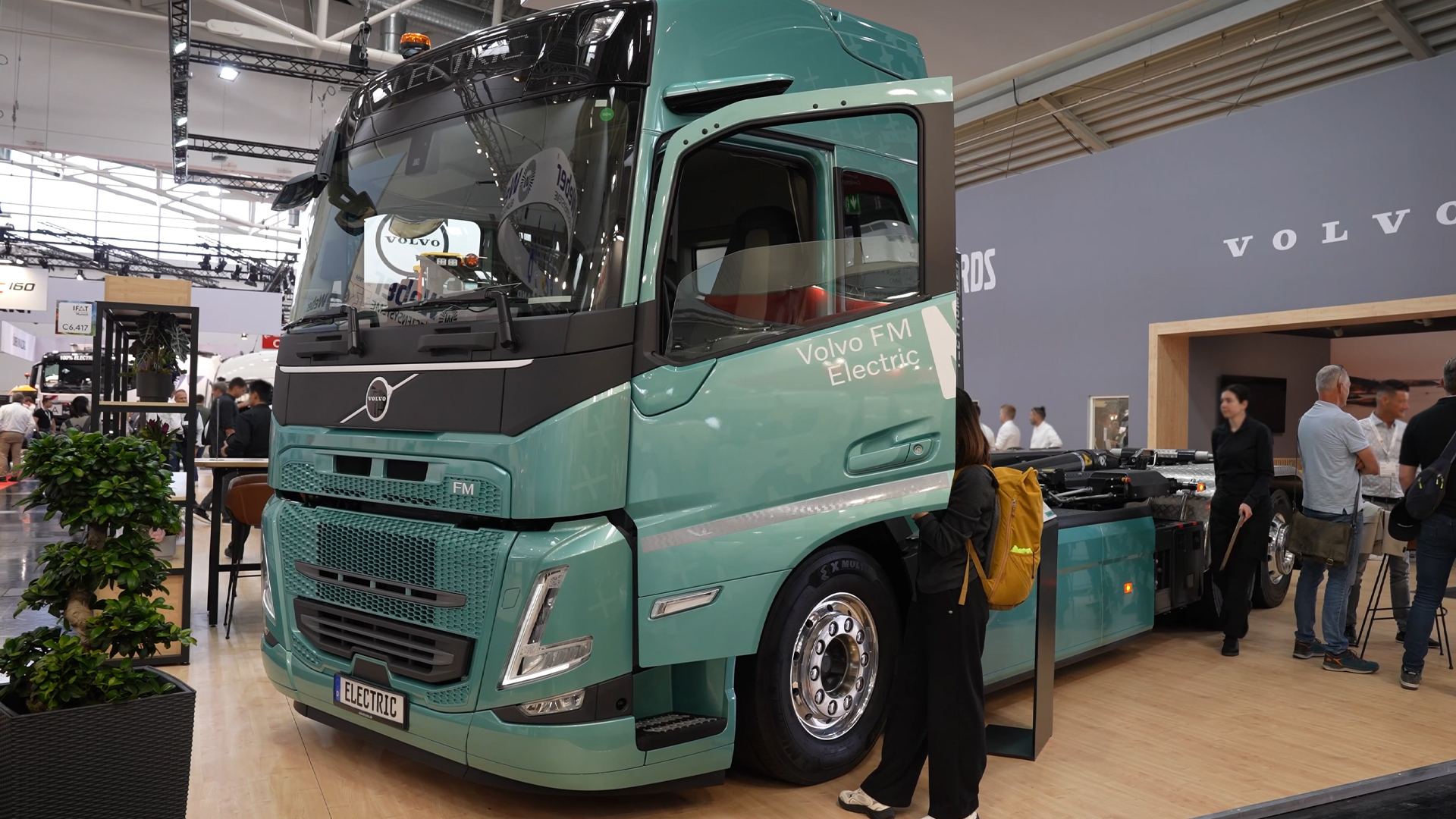
At the same time, the question remains as to which technologies will prevail in freight transport in the long term. At Ifat in Munich, Volvo is therefore showcasing not only a redesigned electric vehicle, but also a more comprehensive strategy for different drive systems in the commercial vehicle sector. The focus is on a fundamentally modernised vehicle featuring a new generation of batteries, a redesigned powertrain and significantly increased charging capacity. According to the manufacturer, this is effectively a completely new development within the existing platform.
Volvo redesigns batteries and powertrain
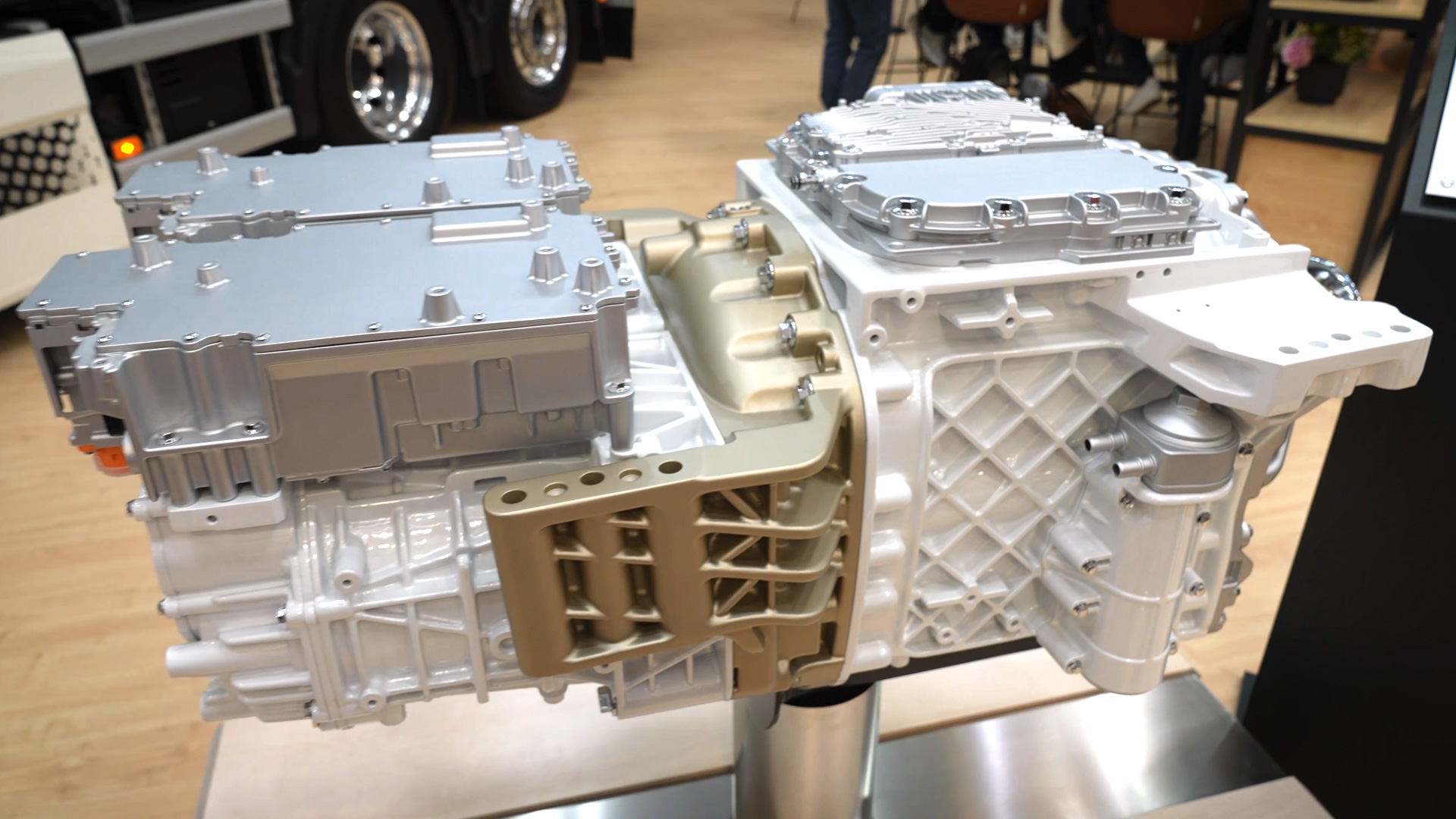
The most visible changes initially concern the vehicle’s technical underpinnings. Volvo has redesigned both the batteries and the entire electric powertrain. The battery packs are manufactured in Gothenburg and built specifically for the company’s own vehicles. Added to this is a new drivetrain featuring two electric motors and a newly developed 8-speed I-Shift gearbox. The manufacturer cites a system output of over 700 hp. At the same time, the new design opens up additional possibilities for integrating auxiliary drives – a key consideration particularly for municipal applications, refuse collection vehicles or specialised bodywork. The strategic approach is particularly interesting here. Volvo does not view electrification as the sole solution, but rather as part of a so-called three-pronged strategy. In addition to battery-electric vehicles, this also includes fuel cell vehicles and internal combustion engines running on alternative fuels. In this way, the manufacturer is responding to the very different requirements of various markets and operational profiles. Not every application can currently be fully electrified. Limited charging infrastructure, high continuous loads or structural constraints continue to play a significant role here.
New charging capacity aims to make electric trucks more suitable for everyday use
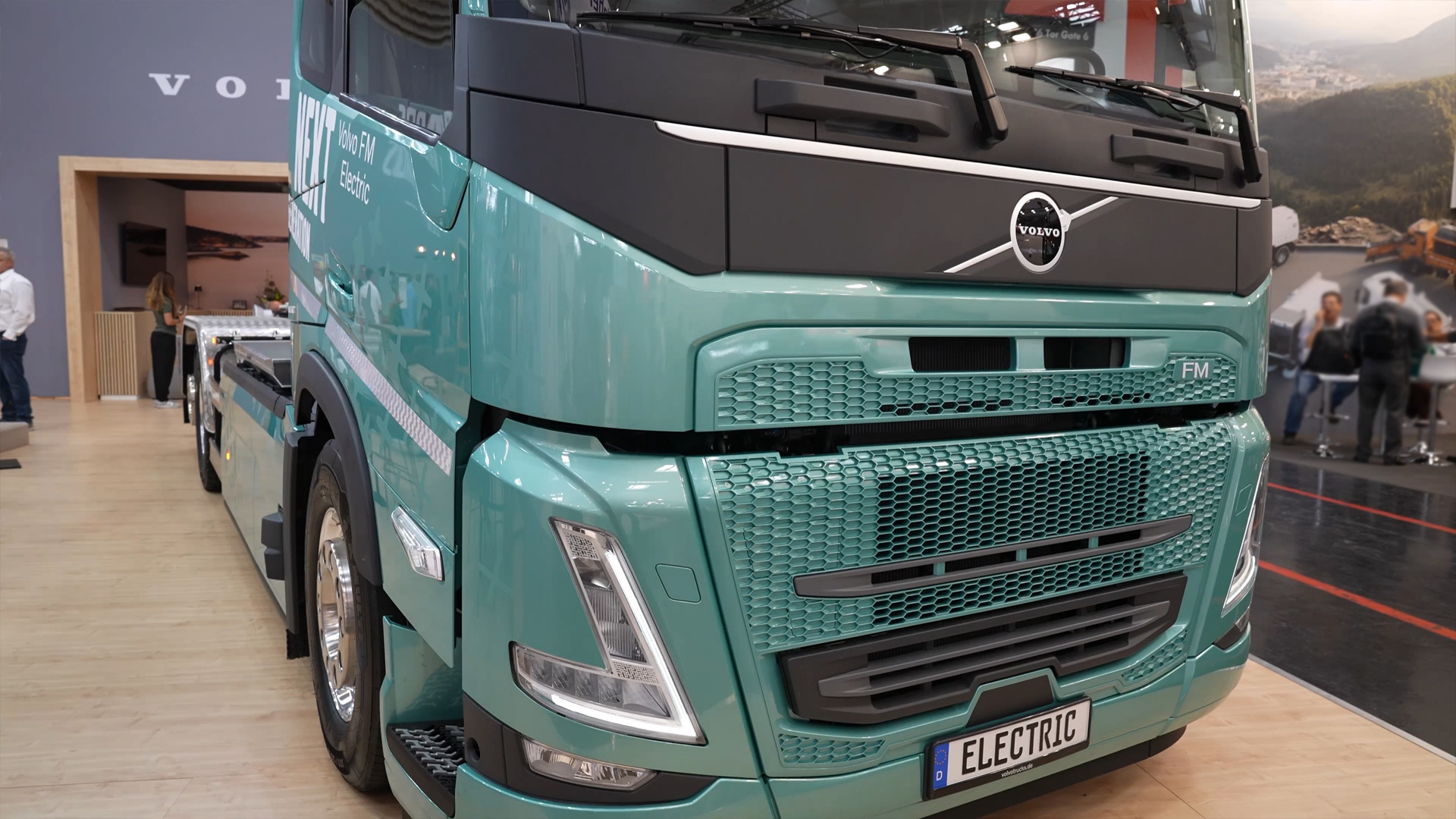
Another key focus is on charging. The vehicle has been extensively redesigned for this purpose. In addition to a new positioning of the charging port, the charging capacity in particular has increased significantly. The current generation achieves up to 350 kW of charging power. This should allow the charge level to be increased from 20 to 80 per cent within about an hour. Volvo has also announced a further model with a longer range and support for the new MCS charging standard, due to be launched later this year. This standard is seen as an important step for long-distance transport, as it is expected to enable significantly higher charging power. According to the manufacturer, this could further reduce charging times for future vehicles. An overview of the key technical innovations:
- new generation of batteries manufactured in-house
- two electric motors with over 700 hp
- 8-speed I-Shift transmission for electric drive
- Charging power up to 350 kW and preparation for MCS

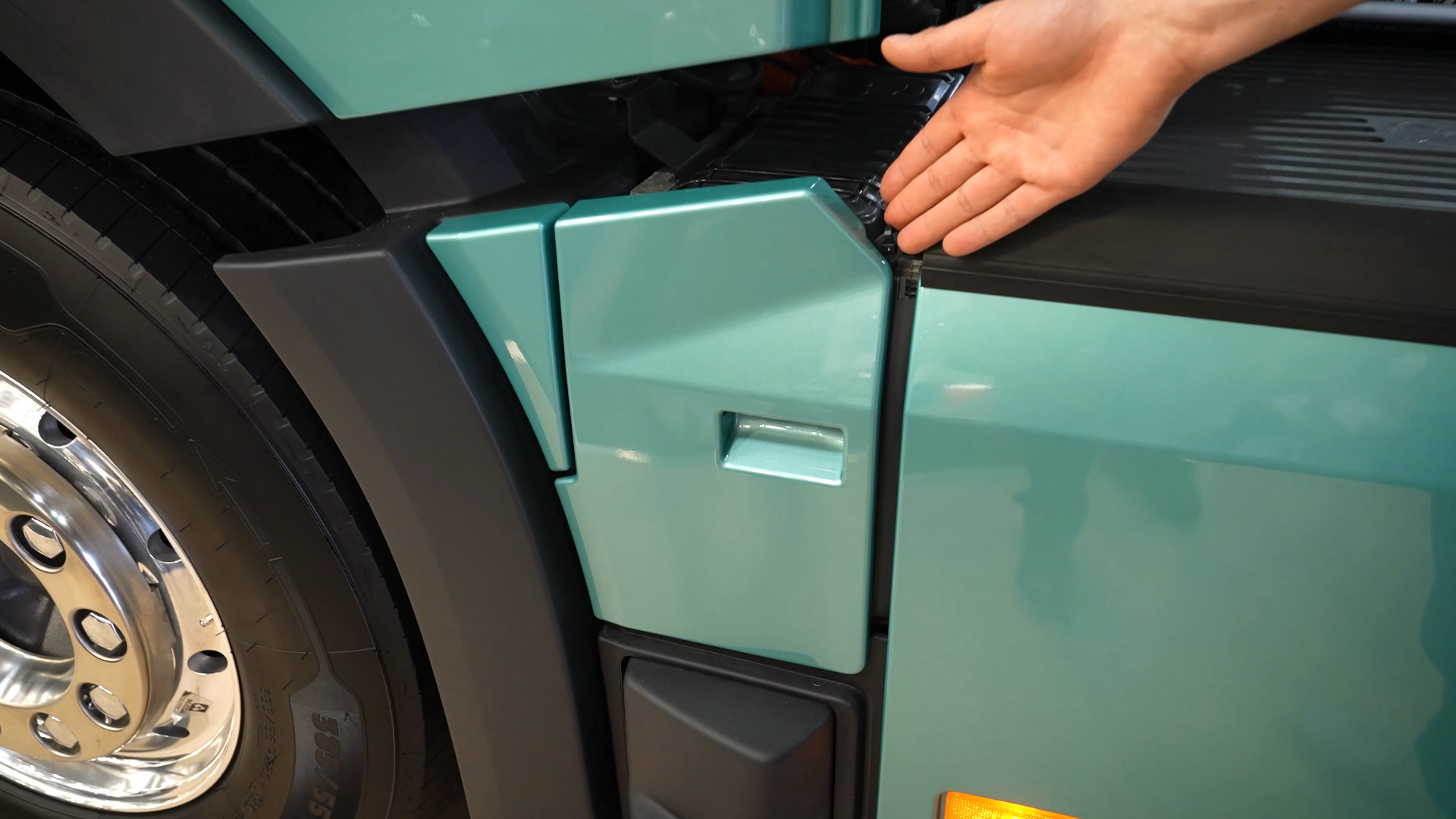
Electric vehicles continue to face physical limitations
Despite technical advances, Volvo explicitly highlights existing limitations. Not all vehicle types can yet be meaningfully electrified. Weight, space requirements and operational profiles continue to impose limits on battery technology. Applications involving very long operating times or a lack of charging infrastructure remain particularly challenging. The manufacturer therefore anticipates that different drive systems will coexist in the future. However, battery-electric vehicles are becoming increasingly important, particularly in the municipal sector or for regional operations. In these contexts, predictable routes, fixed charging points and comparatively short daily distances can be well combined with electric solutions. Furthermore, many cities are introducing stricter emissions regulations. As a result, electric commercial vehicles are also becoming more important politically and in terms of regulation.
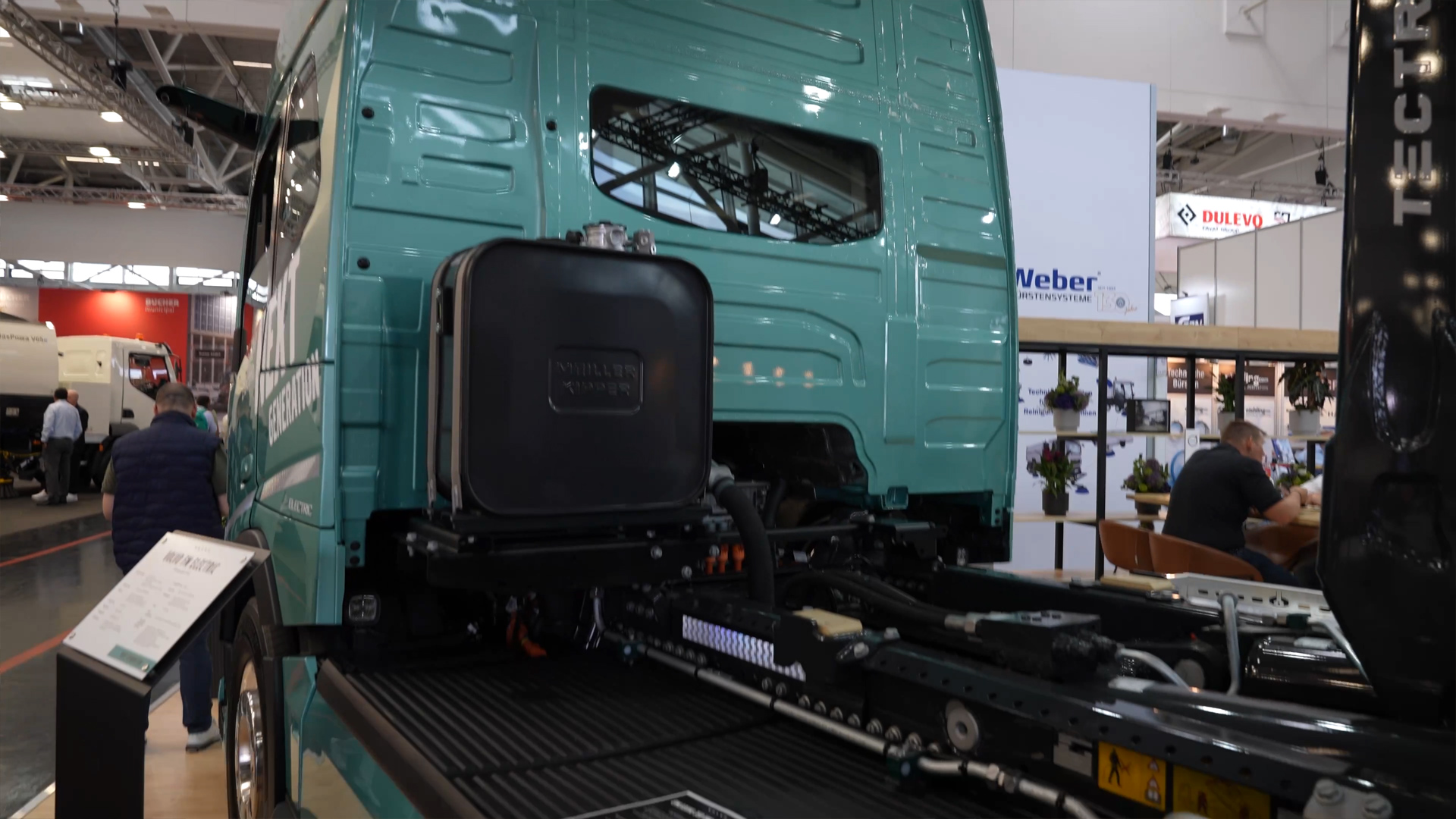
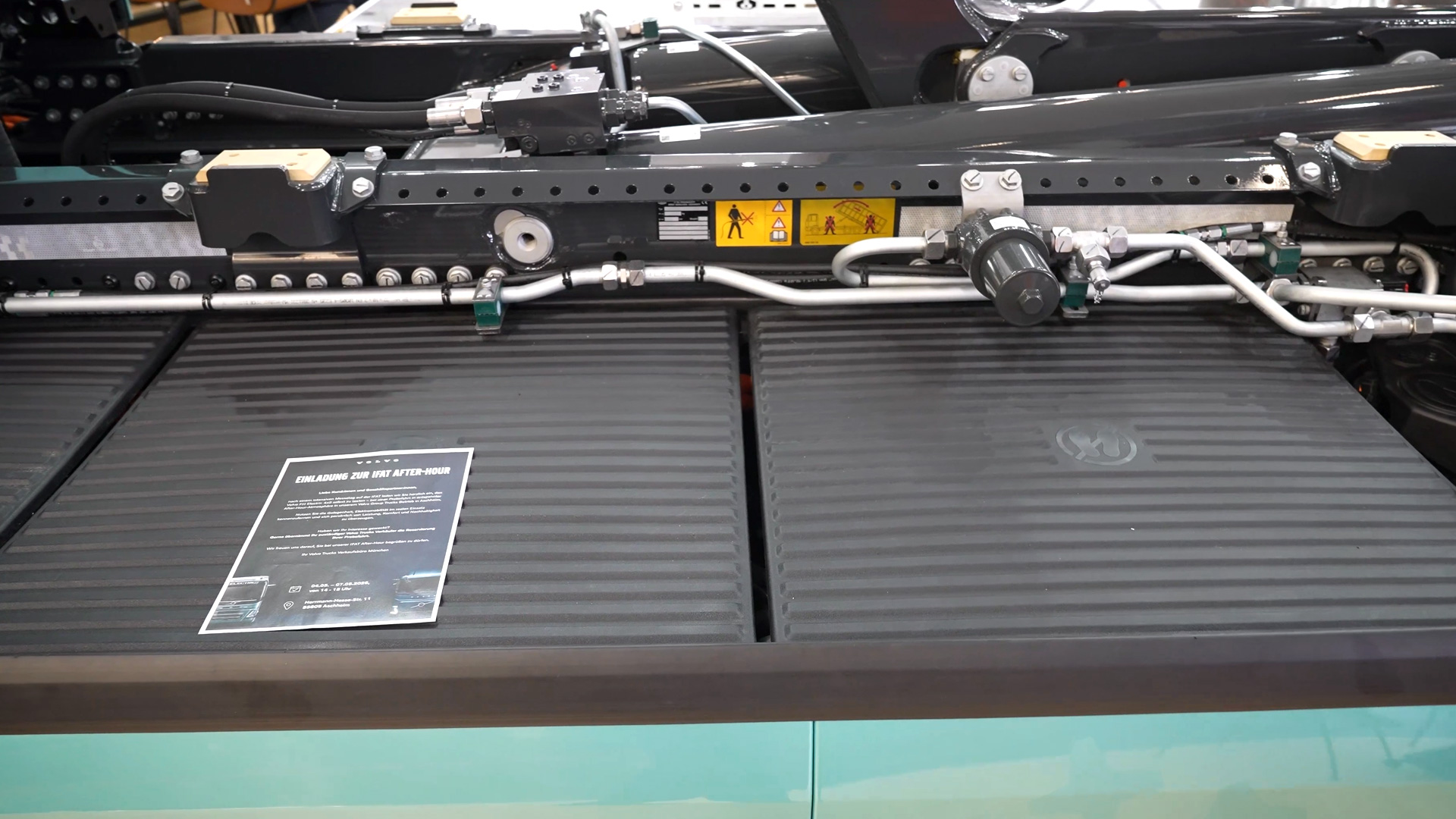
Hydrogen remains part of the three-pronged strategy
In parallel with battery-electric technology, Volvo continues to work on hydrogen solutions. By the end of the decade, corresponding vehicles are set to come onto the market – both as fuel cell vehicles and in the form of hydrogen-powered internal combustion engines. The manufacturer does not view hydrogen as a replacement, but rather as a complement to battery-electric vehicles. Ultimately, which technology prevails will depend on the respective market and area of application. Many manufacturers continue to see potential for hydrogen, particularly in long-haul transport or in applications with extremely high energy requirements. At the same time, it remains to be seen how quickly the necessary infrastructure will actually develop.
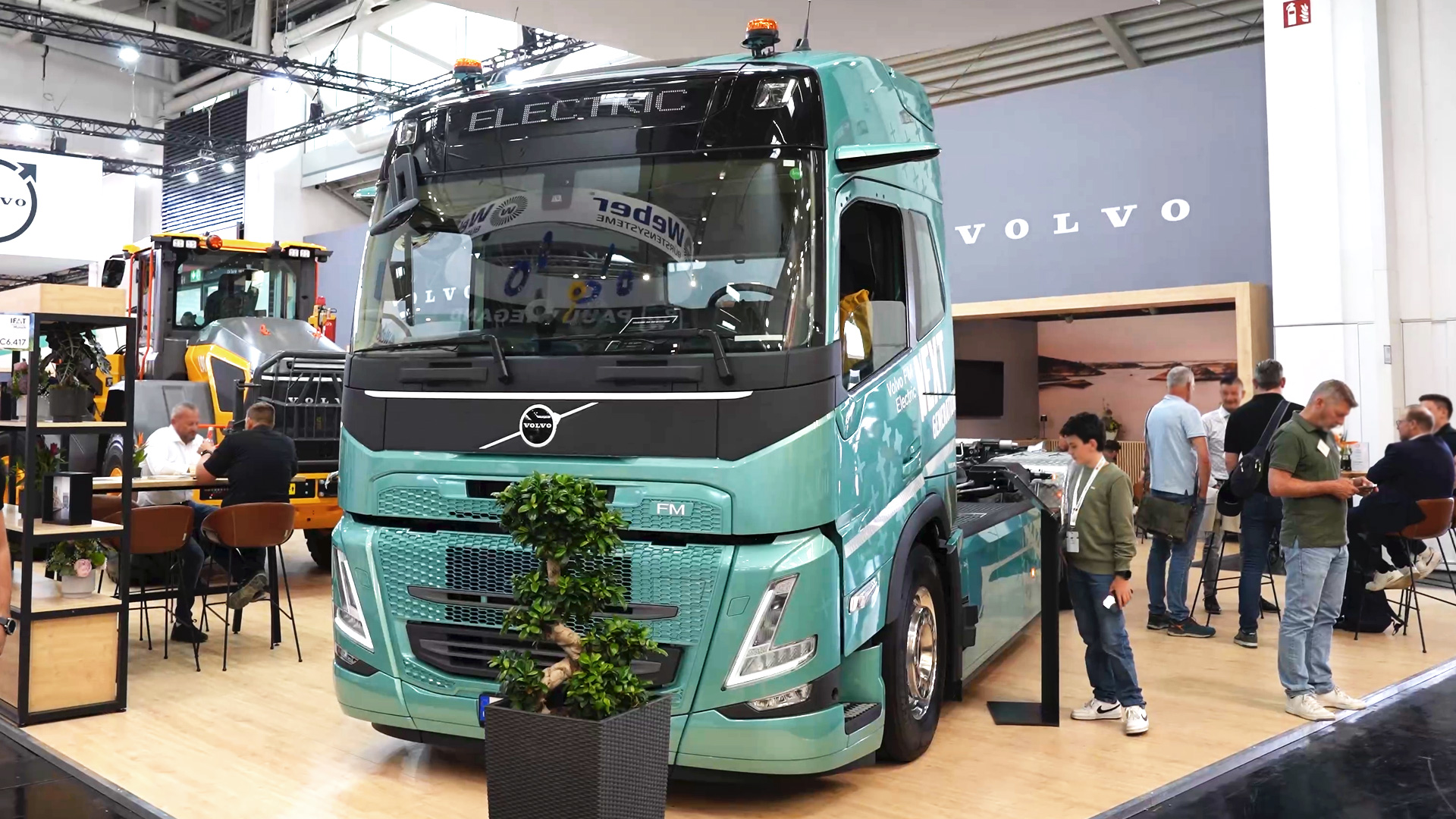
Electrification is fundamentally changing the commercial vehicle market
The presentation at Ifat demonstrates the extent to which heavy commercial vehicles are currently changing. Electric powertrains are increasingly evolving from specialised niche solutions into work vehicles suitable for everyday use. Volvo is combining several developments simultaneously: more powerful batteries, faster charging systems, new electric powertrains and a broad-based long-term powertrain strategy. It is striking that the focus is increasingly shifting. Whereas previously the discussion centred primarily on the fundamental feasibility of electric lorries, today the focus is more on cost-effectiveness, charging times and specific operational profiles. This development is likely to accelerate further in the coming years, particularly in the municipal sector, waste management and regional transport. At the same time, the three-pronged strategy demonstrates that the industry itself no longer assumes a single universal solution, but rather the coexistence of various technologies.
Trade fair reporting Germany - Trade fair knowledge, dates & events


