Echtzeitdaten für Sortieranlagen in der Recyclingtechnik
von Jürgen Groh - 2026-05-14Sortieranlagen gehören heute zu den datenintensivsten Bereichen der Recyclingbranche. Moderne Linien erfassen Materialströme, Reinheiten, Fehlwürfe und Durchsatzwerte in immer höherer Auflösung. Gleichzeitig wächst die Komplexität der Prozesse.
Unterschiedliche Inputmaterialien, schwankende Qualitäten und wechselnde Marktanforderungen sorgen dafür, dass Betreiber permanent auf Veränderungen reagieren müssen. Genau an dieser Schnittstelle zwischen Sortiertechnik und Datenanalyse arbeiten PolyPerception und Tomra. Ziel ist es, operative Echtzeitdaten direkt aus laufenden Sortierprozessen nutzbar zu machen, damit Betreiber schneller erkennen können, wo Leistung verloren geht oder Optimierungsbedarf entsteht.
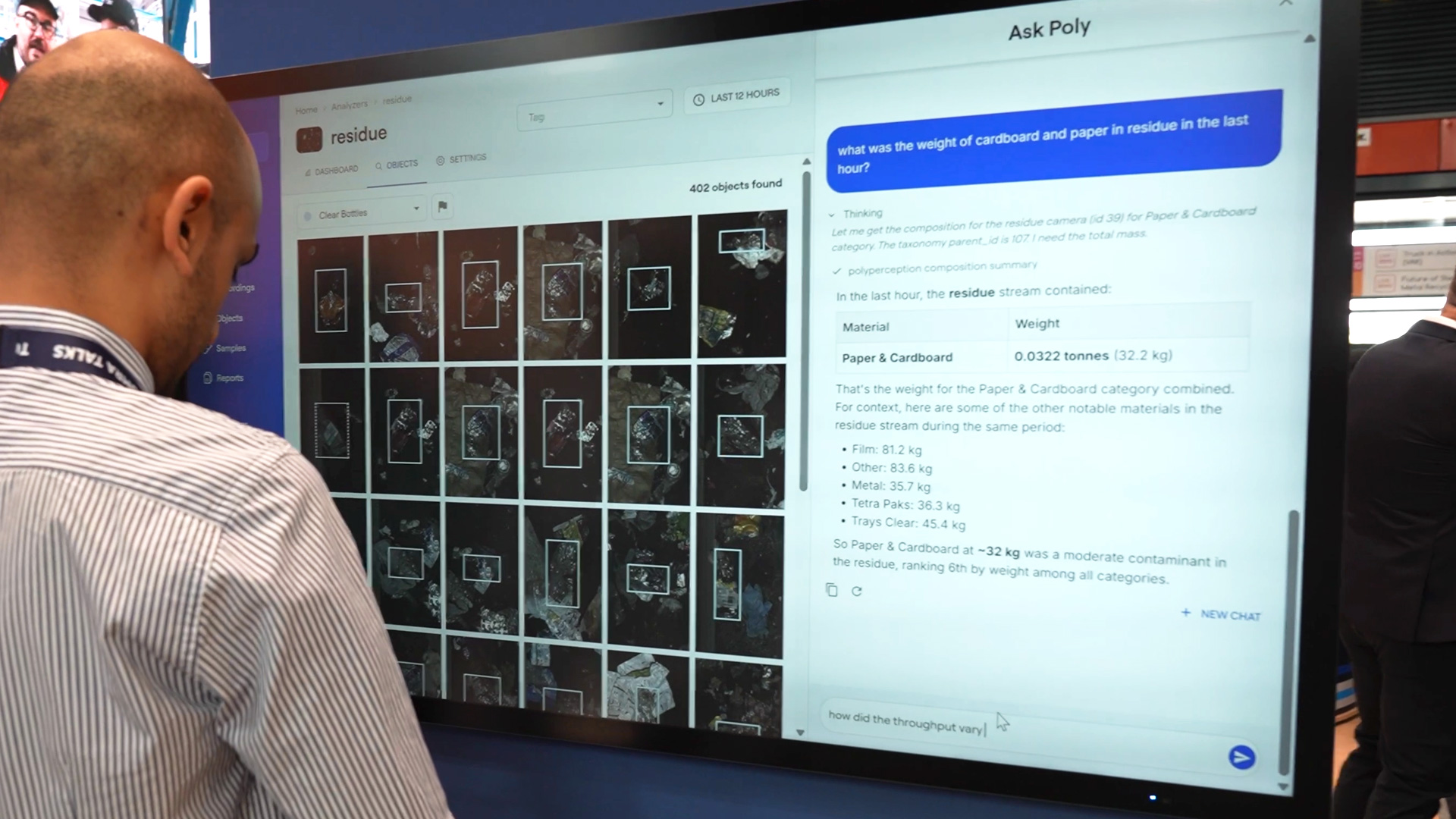
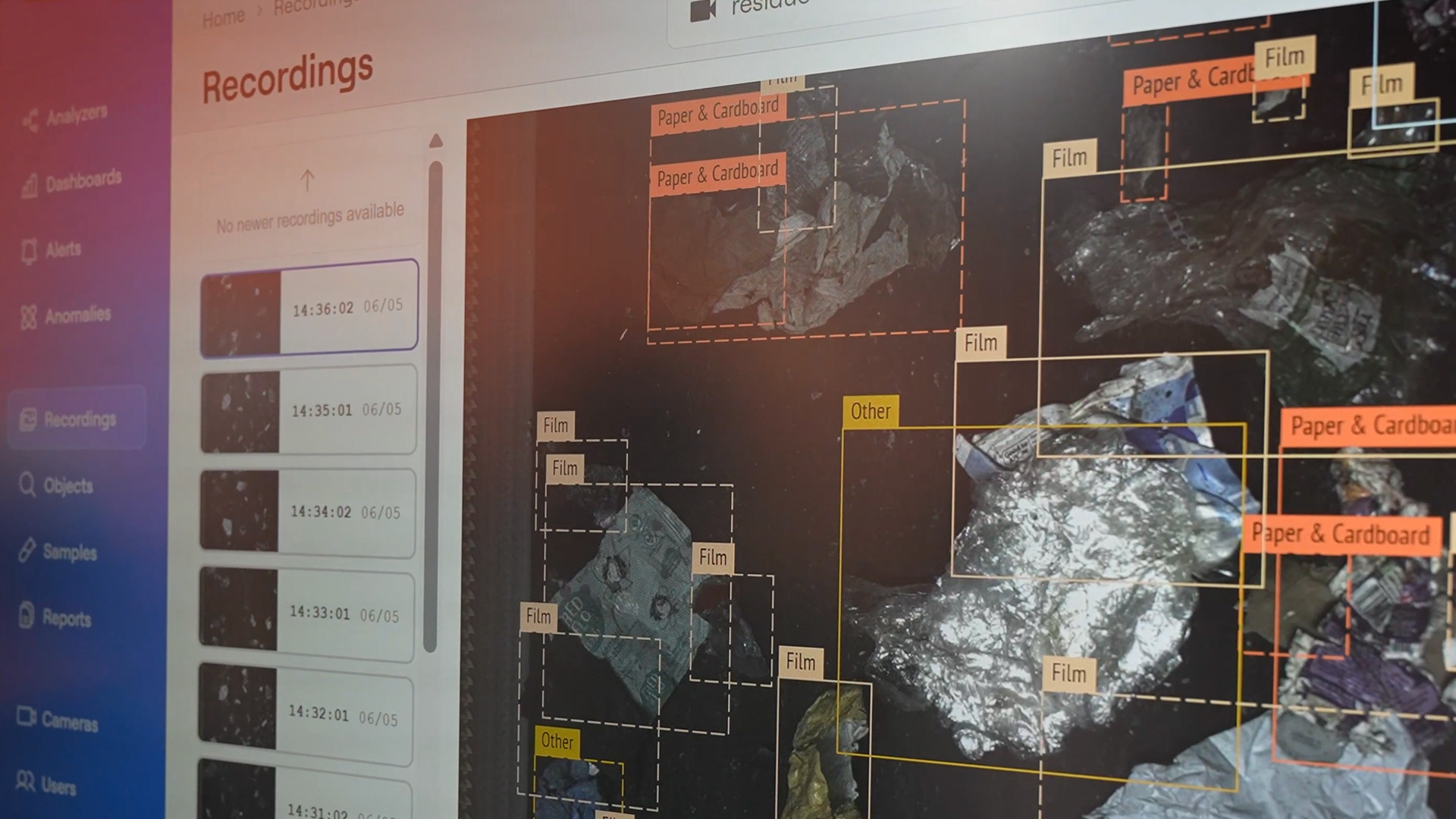
PolyPerception analysiert Materialströme mit KI und Computer Vision
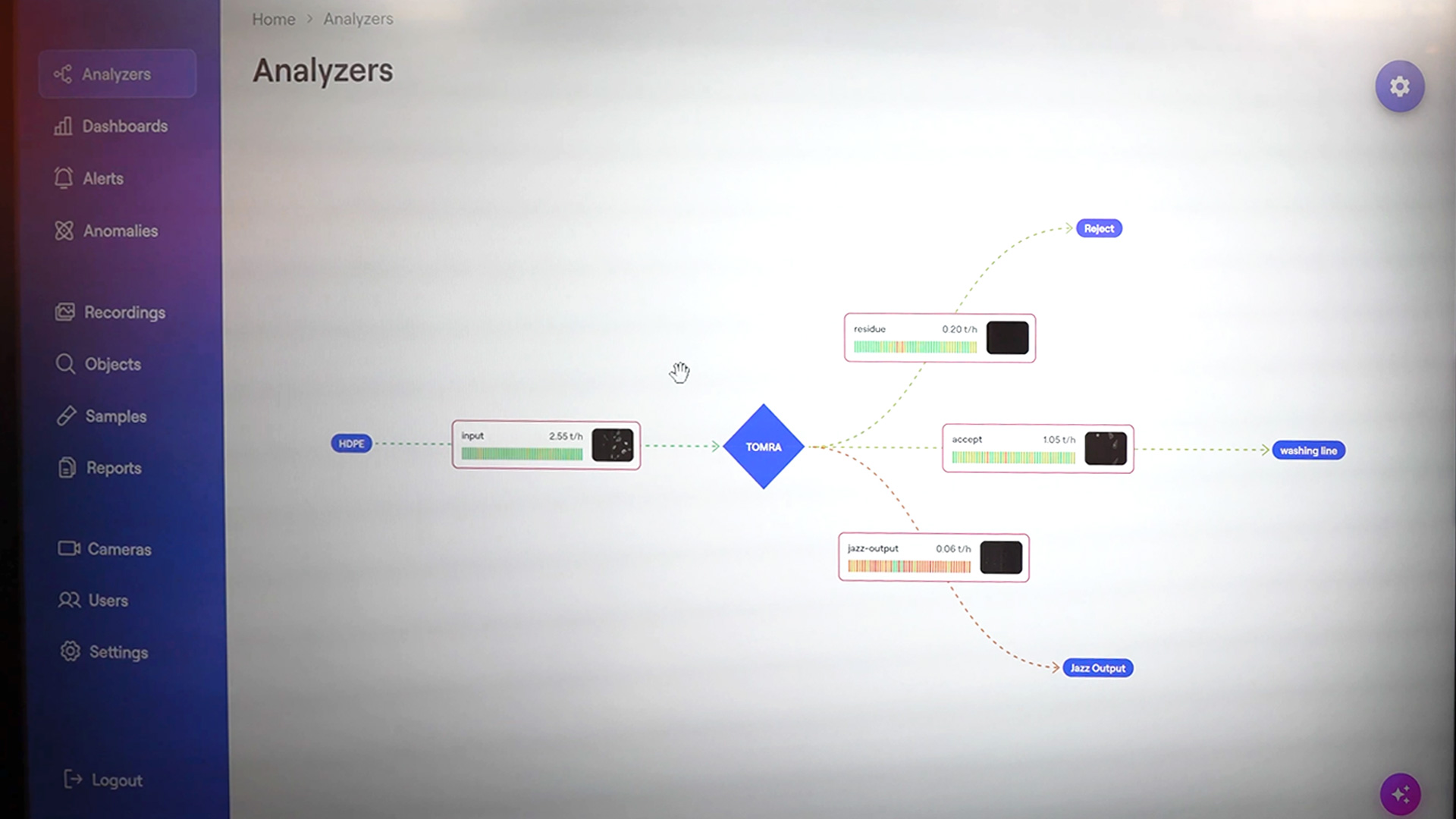
Die Systeme von PolyPerception setzen auf Computer Vision, KI und Deep-Learning-Modelle, um Materialströme innerhalb von Recyclinganlagen in Echtzeit zu klassifizieren. Dazu werden Analysepunkte an entscheidenden Stellen der Linie installiert. Dort erfassen Kameras und KI-Modelle die vorbeilaufenden Materialien während des laufenden Betriebs. Die Herausforderung liegt vor allem in der Dynamik solcher Prozesse. Materialzusammensetzungen ändern sich kontinuierlich, Inputqualitäten schwanken und gleichzeitig entstehen enorme Mengen an Betriebsdaten. Genau diese Daten sollen nicht nur gesammelt, sondern für den Anlagenbetrieb unmittelbar verwertbar gemacht werden. PolyPerception konzentriert sich dabei insbesondere auf Outputströme und Reststofffraktionen. Betreiber können dadurch nachvollziehen, wie sauber bestimmte Materialien tatsächlich sortiert werden oder wie viel verwertbares Material im Reststrom verloren geht. Die wichtigsten Analysebereiche umfassen:
- Überwachung von Reinheit und Rückgewinnungsrate
- Echtzeitanalyse von Materialströmen
- Erkennung von Schwankungen im Sortierprozess
- Analyse kritischer Prozessabschnitte innerhalb der Linie
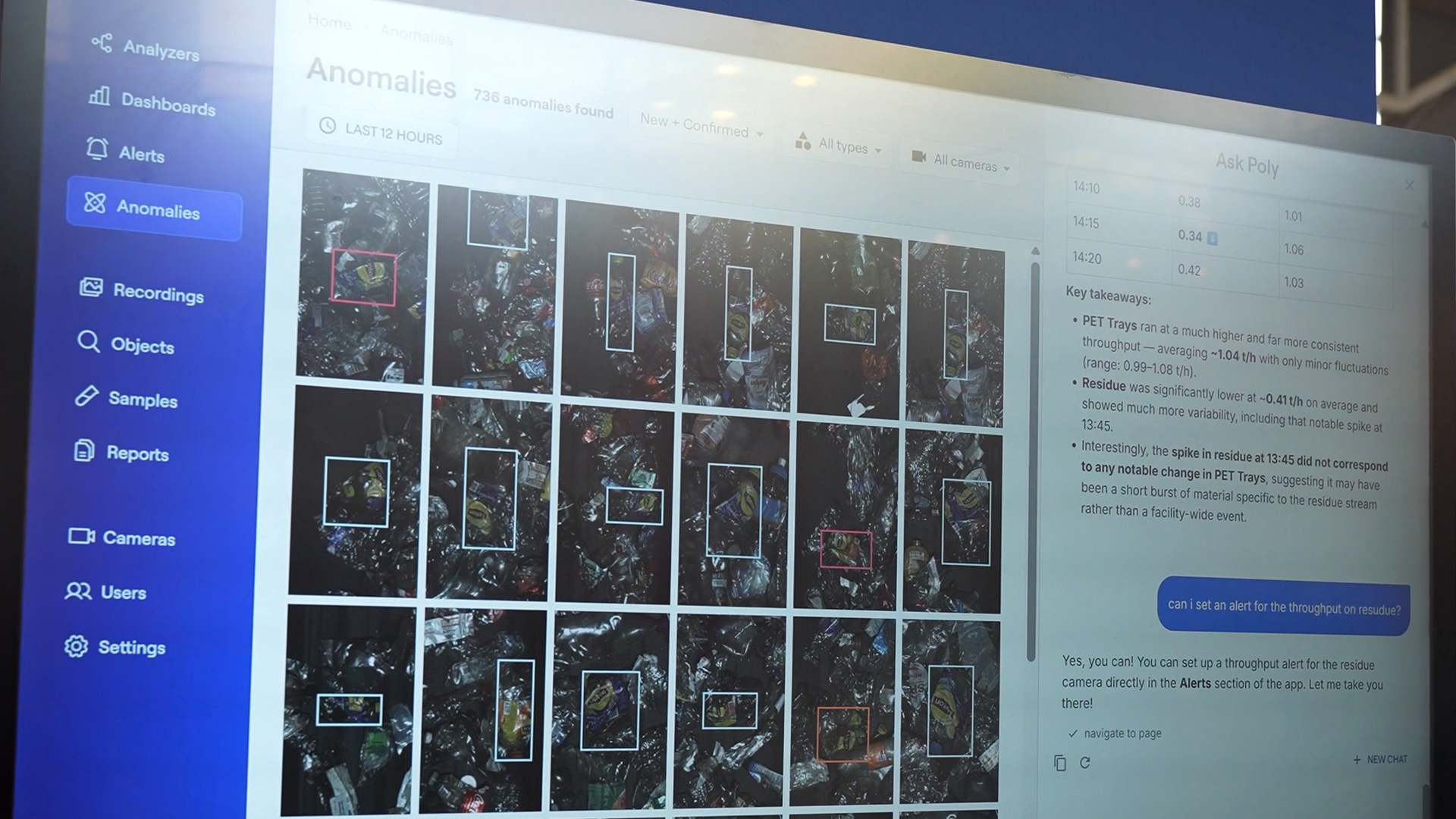
Ask Poly vereinfacht Datenanalyse für Anlagenbetreiber
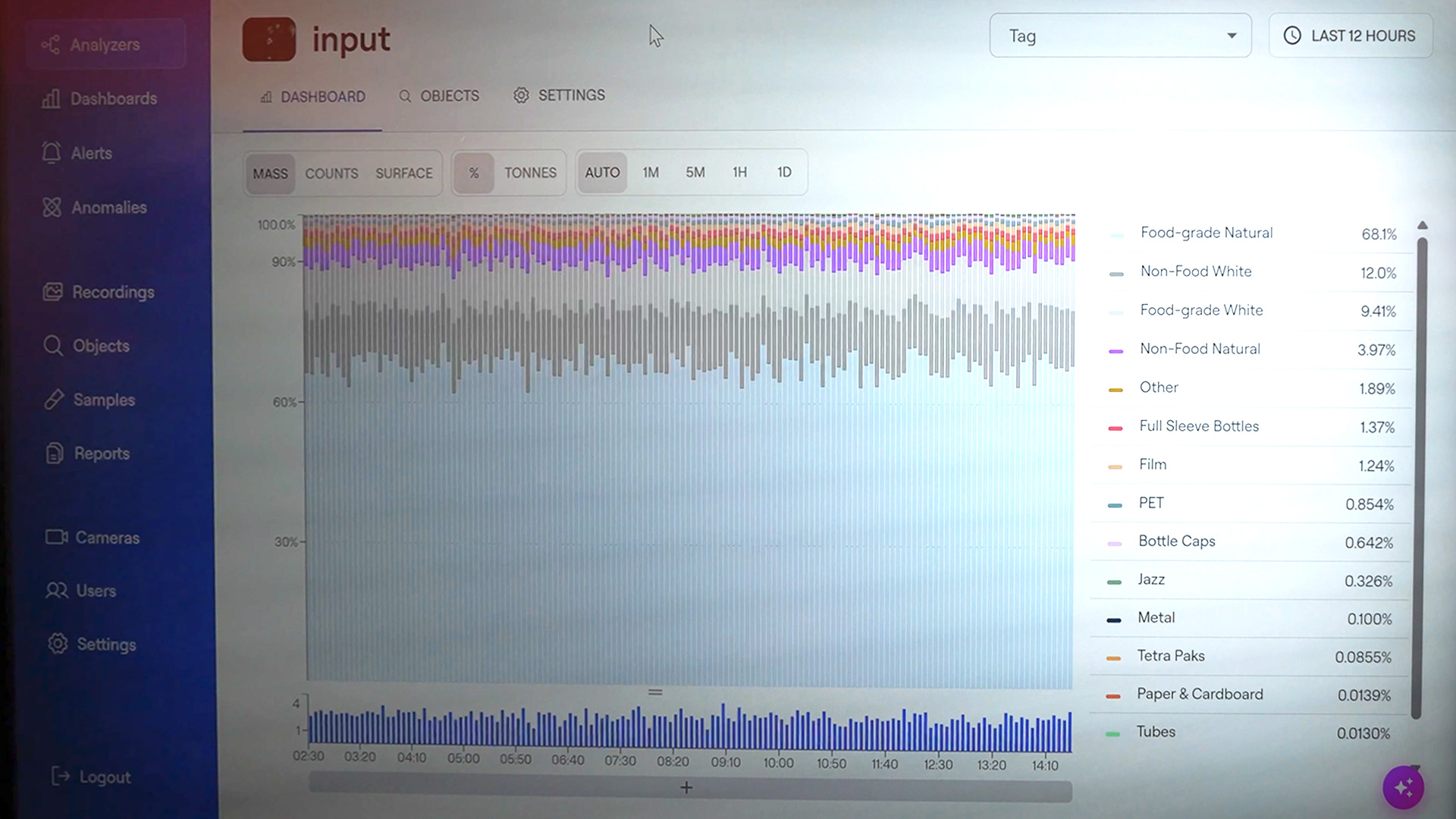
Ein zentraler Bestandteil der neuen Plattform ist die Funktion „Ask Poly“. Dahinter steht ein KI-basierter Chat-Agent, über den Betreiber Fragen direkt in natürlicher Sprache stellen können. Statt Daten manuell zu exportieren oder verschiedene Dashboards auszuwerten, formulieren Nutzer ihre Anfrage direkt an das System. Die KI übernimmt anschließend die Analyse und liefert eine verständliche Antwort. Ein typisches Beispiel wäre die Frage nach der Reinheit eines PET-Tray-Stroms innerhalb der letzten Stunde oder nach auffälligen Schwankungen während eines bestimmten Produktionszeitraums. Der Agent analysiert die vorhandenen Daten automatisch und stellt die Ergebnisse unmittelbar bereit. Auffällig ist dabei, dass PolyPerception bewusst auf niedrige Einstiegshürden setzt. Die Nutzer sollen keine komplexen Analysewerkzeuge bedienen müssen. Stattdessen steht die schnelle Interpretation konkreter Fragestellungen im Vordergrund. Gerade in Recyclinganlagen ist das relevant, weil operative Teams häufig stark ausgelastet sind. Zwar existieren große Datenmengen, im Alltag fehlt jedoch oft die Zeit für aufwendige Auswertungen oder tiefgehende Datenanalysen.

Deep Learning soll Schwankungen im Sortierprozess sichtbar machen
Besonders schwierig wird die Analyse dort, wo sich Materialströme kurzfristig verändern. Unterschiedliche Inputchargen, wechselnde Feuchtigkeit oder variierende Zusammensetzungen beeinflussen die Leistung von Sortieranlagen permanent. Die Deep-Learning-Modelle von PolyPerception sollen solche Veränderungen sichtbar machen, bevor größere Qualitätsprobleme entstehen. Betreiber erhalten dadurch nicht nur Rückmeldungen über den aktuellen Zustand der Anlage, sondern können Entwicklungen frühzeitig erkennen. Das betrifft etwa sinkende Reinheiten einzelner Fraktionen oder steigende Verluste verwertbarer Materialien im Reststrom. Gerade bei hochwertigen Kunststofffraktionen kann das wirtschaftlich entscheidend sein. Tomra bringt dabei seine Erfahrung aus der sensorbasierten Sortiertechnik ein. Die Verbindung aus Sortierhardware und KI-gestützter Datenanalyse zeigt, wie sich klassische Sortieranlagen zunehmend zu datengetriebenen Prozesssystemen entwickeln.
Recyclinganlagen bewegen sich Richtung geschlossener Regelkreise
Derzeit stehen zwischen Analyse und Eingriff meist noch menschliche Entscheidungen. Die Systeme liefern Daten und Empfehlungen, die eigentliche Anpassung der Anlage erfolgt jedoch weiterhin durch Bedienpersonal oder Qualitätsteams. Nach Einschätzung von PolyPerception dürfte sich das in den kommenden Jahren verändern. Perspektivisch sollen Datenanalyse und Sortierprozess deutlich enger miteinander verbunden werden. Ziel sind geschlossene Regelkreise, bei denen Anlagen automatisch auf Veränderungen reagieren können. Damit würde sich die Rolle von KI in der Recyclingtechnik deutlich erweitern. Systeme würden nicht mehr nur analysieren, sondern aktiv in den Prozess eingreifen – etwa durch automatische Anpassung von Sortierparametern oder Prozessgeschwindigkeiten. Gerade angesichts steigender Anforderungen an Reinheit, Rückgewinnungsrate und Effizienz gewinnt dieser Ansatz an Bedeutung. Betreiber stehen unter zunehmendem Druck, hochwertige Sekundärrohstoffe möglichst verlustarm zurückzugewinnen und gleichzeitig wirtschaftlich zu arbeiten.

Datenanalyse wird Teil der modernen Recyclingtechnik
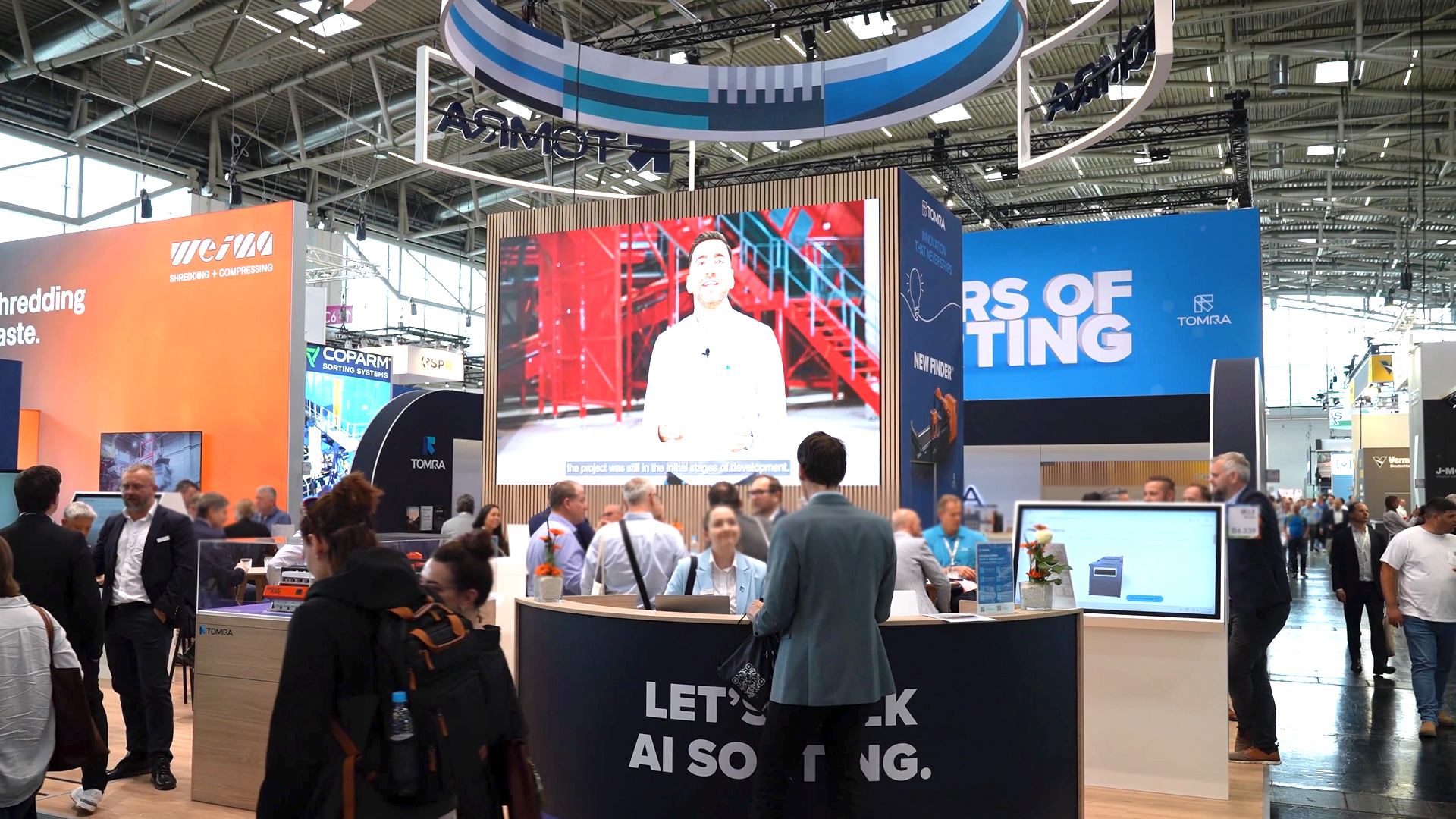
Die Entwicklung zeigt, wie stark sich Recyclinganlagen verändern. Während früher vor allem mechanische Prozesse im Vordergrund standen, entstehen heute zunehmend digitale Steuerungs- und Analyseebenen parallel zur eigentlichen Sortiertechnik. PolyPerception und Tomra verfolgen dabei einen Ansatz, der komplexe Datenanalysen direkt in den operativen Alltag integrieren soll. Entscheidend ist weniger die reine Datensammlung als die Fähigkeit, daraus schnell konkrete Maßnahmen abzuleiten. Für Betreiber entsteht dadurch ein neuer Blick auf den Sortierprozess. Nicht nur Maschinenleistung und Durchsatz werden sichtbar, sondern auch Zusammenhänge zwischen Materialqualität, Reinheit und Prozessstabilität. Gerade bei steigender Automatisierung dürfte diese Verbindung aus KI, Echtzeitdaten und sensorbasierter Sortierung künftig eine immer größere Rolle in der Recyclingtechnik spielen.
Messe-Berichterstattung bundesweit - Messewissen, Termine & Veranstaltungen


