Material handlers with driver assistance systems and electric drive
by J. Groh - 2026-05-18The demands placed on modern material handlers are changing significantly. In recycling plants, scrap yards or port applications, it is no longer just about pure hydraulic power.
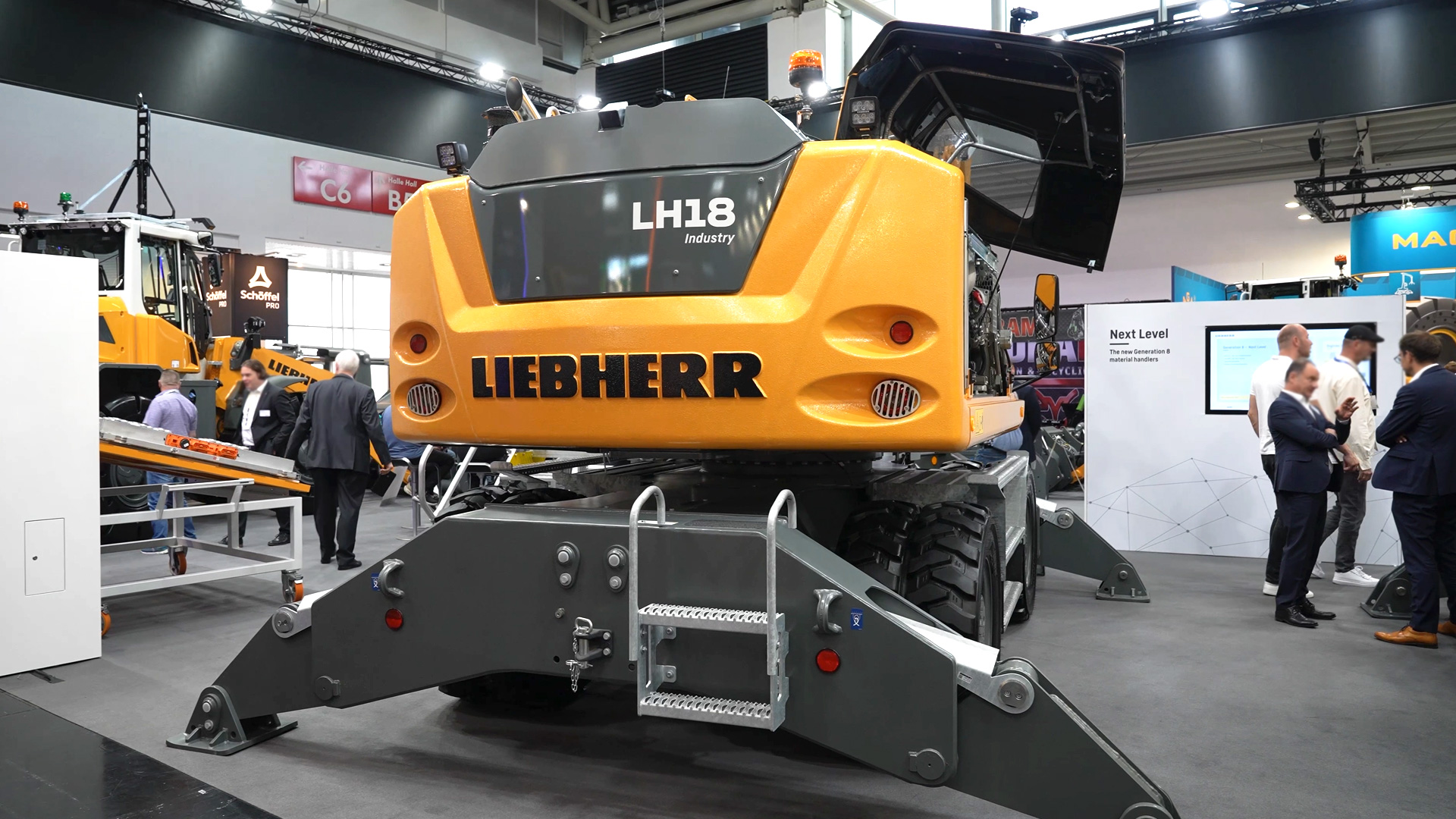
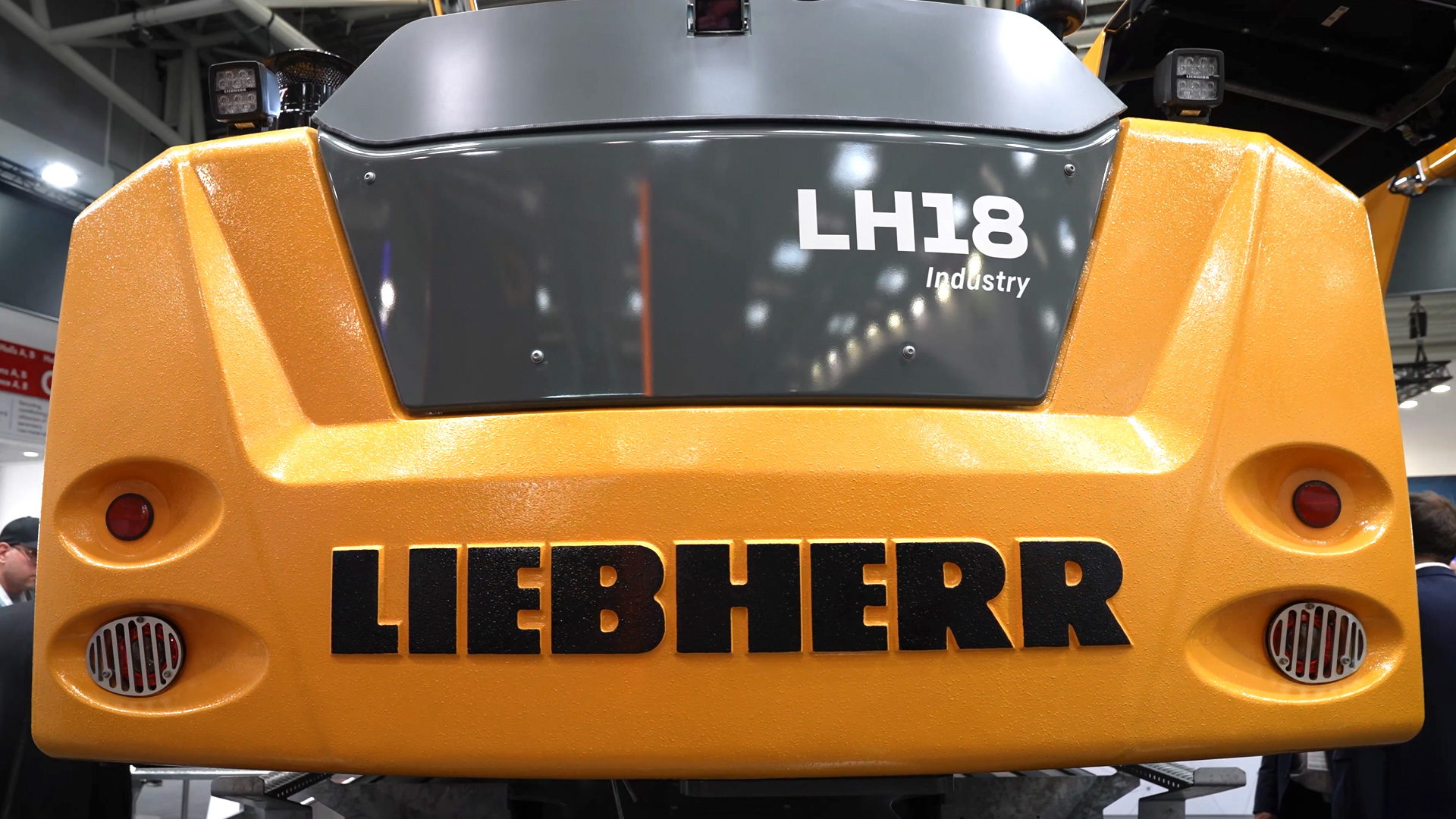
Operator comfort, visibility, digital assistance systems and alternative drive systems are becoming increasingly important. At the same time, there is growing pressure to operate machines more efficiently, more safely and, in the future, semi-automatically. At the Ifat in Munich, Liebherr is therefore showcasing the new Generation 8 of its material handlers. The focus is on the LH18 and LH22 models. In addition to a completely newly developed cab, the manufacturer is presenting an enhanced operating concept featuring digital functions, electric pilot control and provision for future automation steps.
Liebherr develops new cab for Generation 8
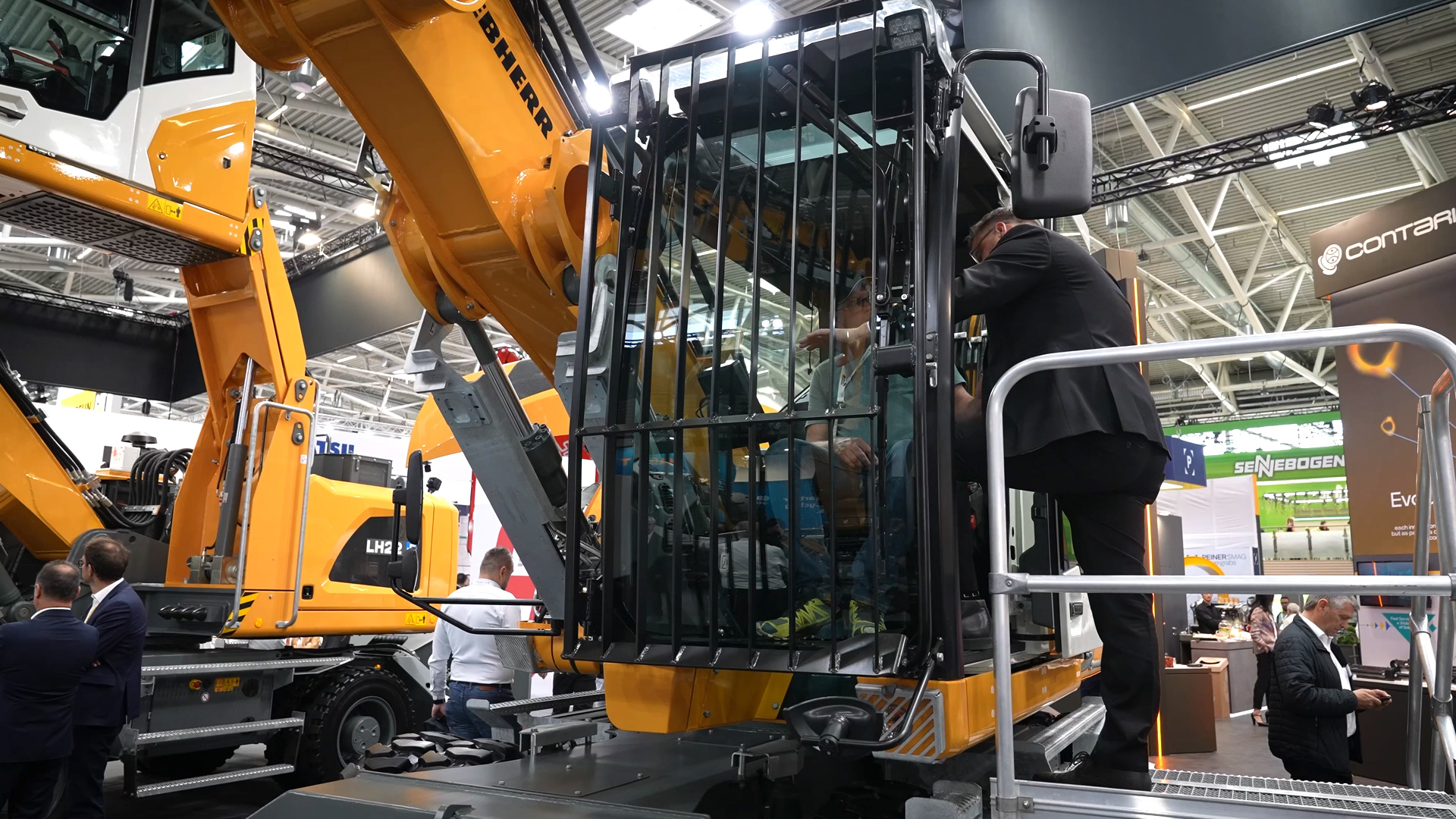
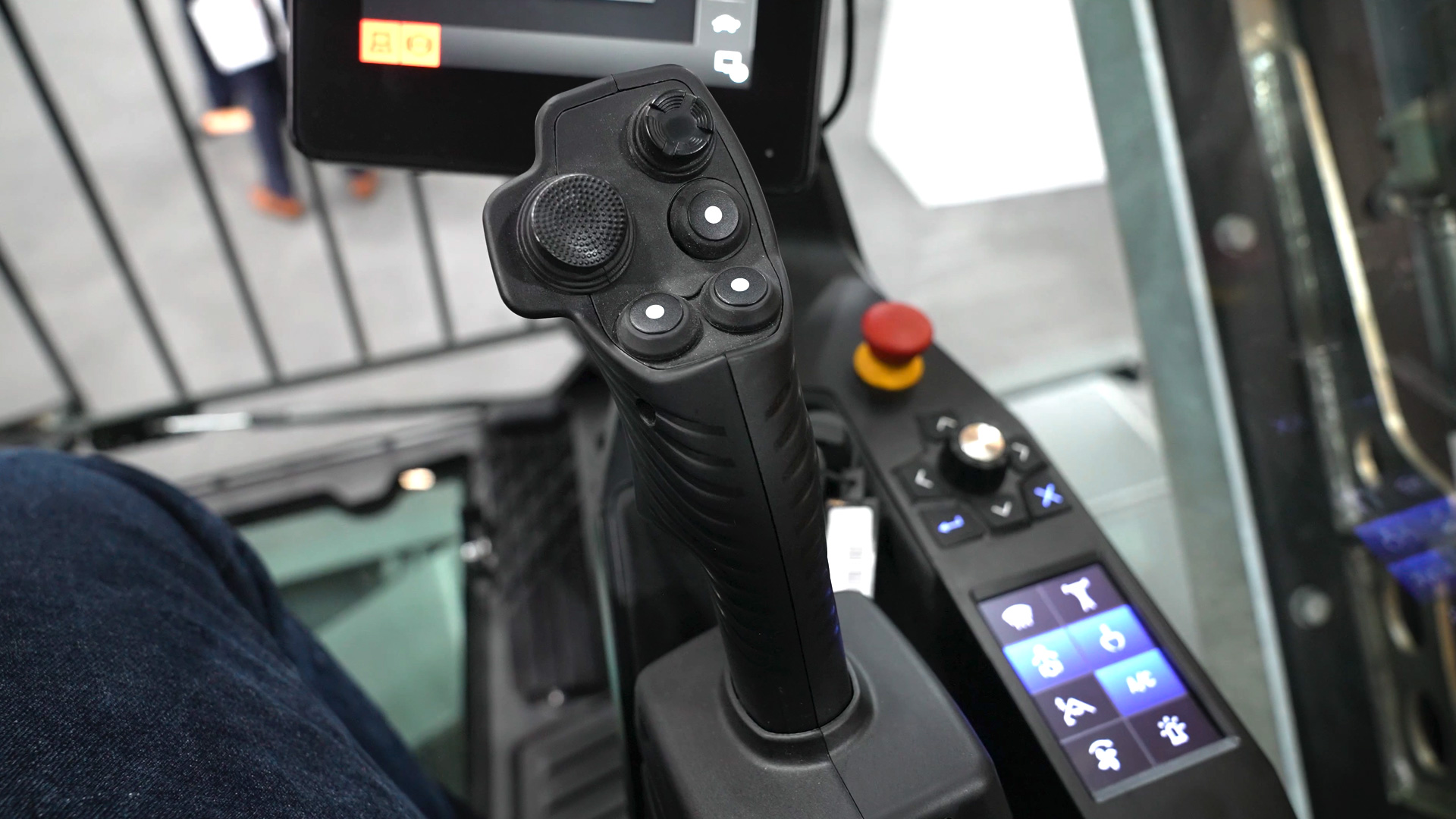
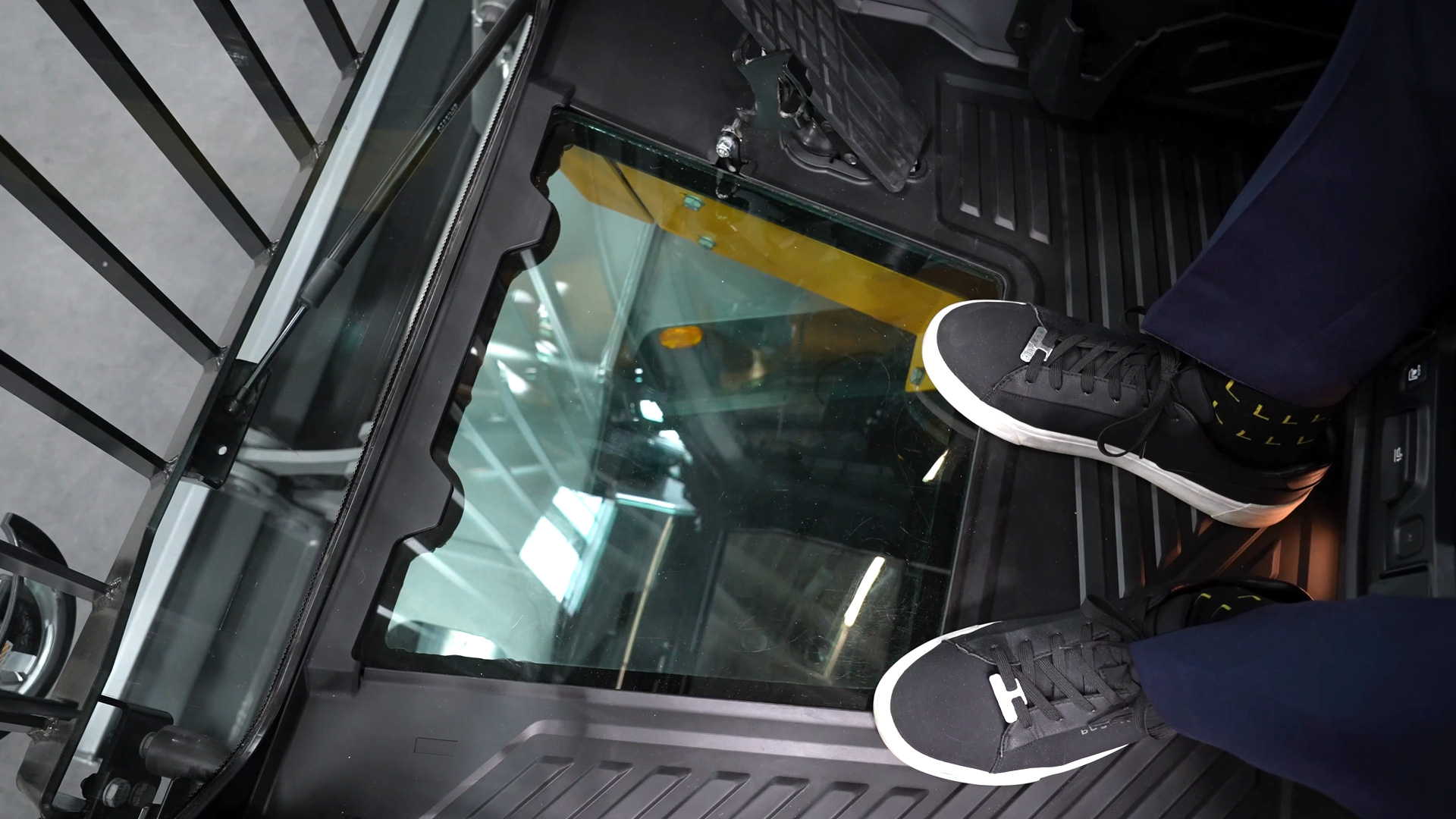
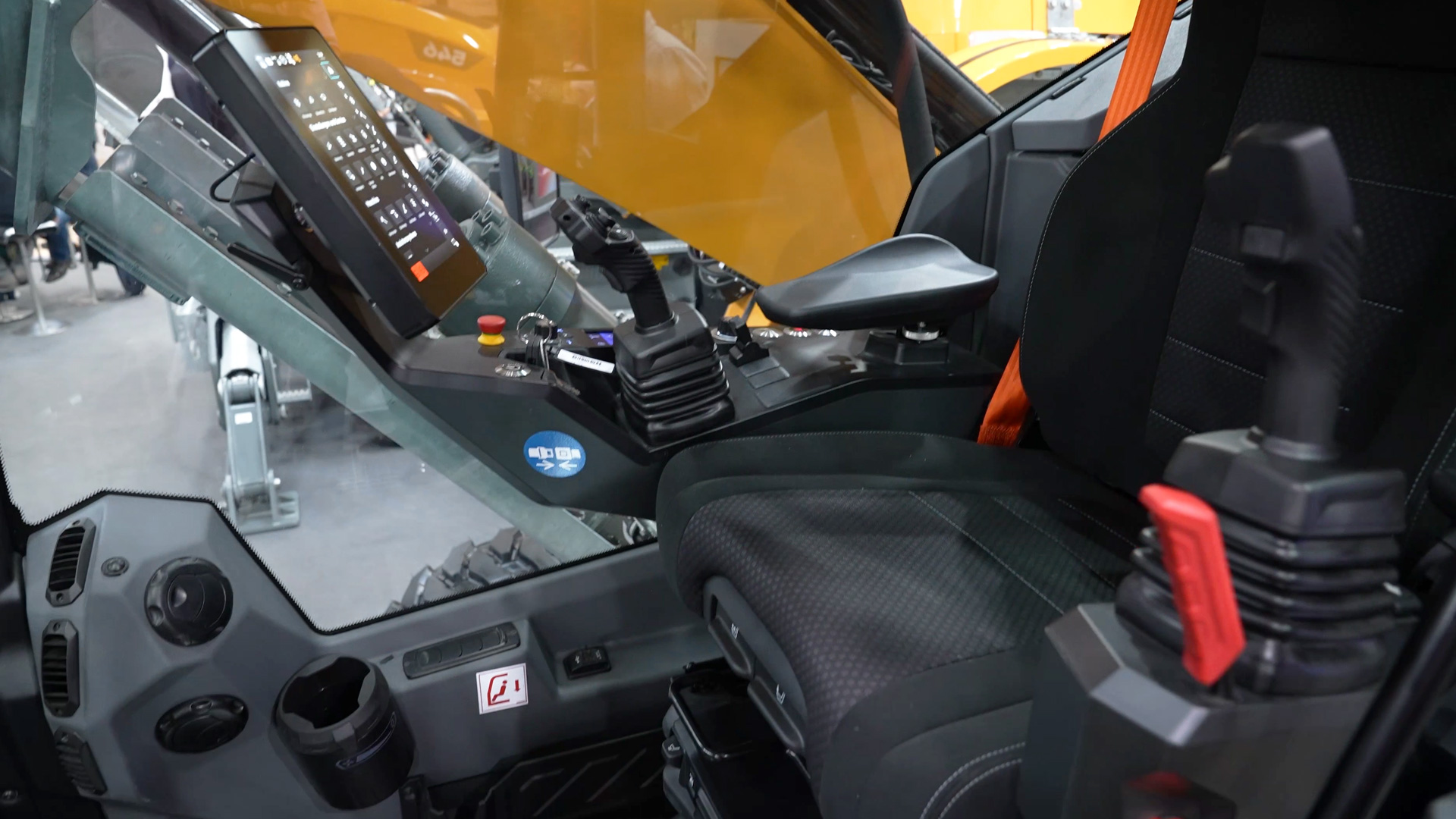
The most striking change concerns the driver’s cab. Large glass panels and a newly integrated glass floor are designed to significantly improve visibility of the working area. This plays a key role, particularly with material handlers, as drivers are frequently confronted with varying heights, piles of material and confined working spaces. The glass floor allows a direct view downwards – regardless of the height at which the cab is positioned. The concept is complemented by enlarged window areas around the driver’s seat. The aim is to provide the most comprehensive all-round view possible without requiring additional movements or changes in perspective. The cab has also been comprehensively redesigned from an ergonomic perspective. The new joysticks have been completely redesigned and are no longer used solely for traditional machine control. Numerous functions can be individually assigned directly to the controls. This allows the driver to operate almost all control functions without having to take their hands off the joystick. This reduces the distance the driver has to reach and is intended to enable more productive work.
INTUSI operating concept paves the way for automation
A central component of the new machine platform is the INTUSI operating concept. Behind this lies a digital control system that brings together various assistance and customisation functions. Operators can freely configure functions and assign them to the joysticks. Changes are then confirmed via a digital user interface. This marks the first time that a more software-based machine control system has been introduced within material handling technology. The key features of the new platform:
- freely configurable joystick mapping
- digital user interface with customisation
- work area boundaries and assistance functions
- preparation for semi-automated workflows
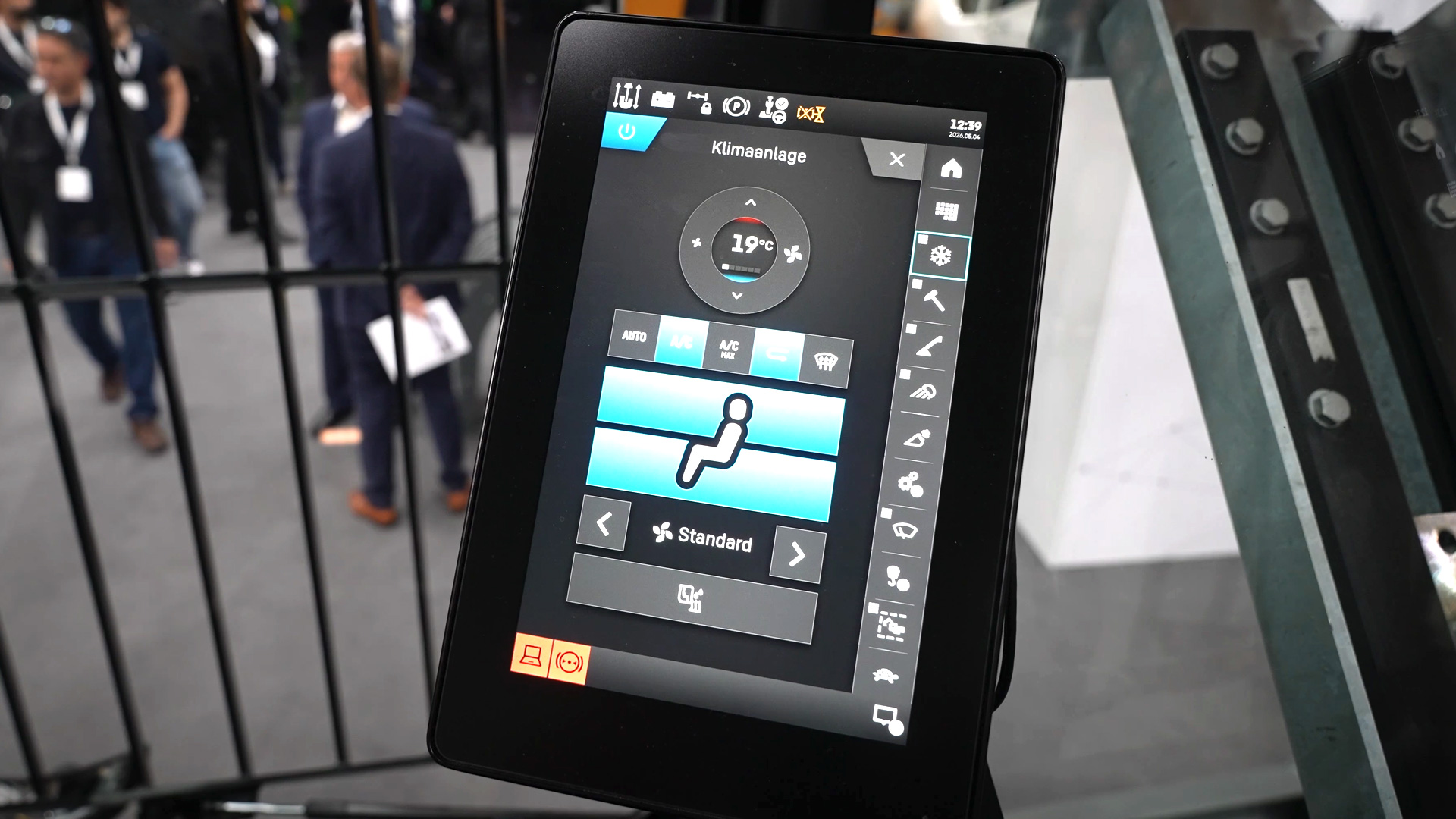
Liebherr sees this as the first step towards more automated machine control. In the future, semi-automated loading cycles or intelligent assistance systems are set to follow. The platform already integrates functions such as working area limits and digital weighing systems. Such systems are becoming increasingly important, particularly in material handling operations where machines often operate under heavy loads for many hours. They not only support productivity but also reduce operating errors and enhance operational safety.
LiReCon demonstrates remote control for material handling machines
A further development step concerns the remote control of machines. Liebherr had already presented LiReCon at bauma – an external operator’s station from which machines can be operated remotely. The new Generation 8 provides the technical foundation for this. Thanks to the electric pilot control and digital system architecture, machines can in future also be controlled from outside the actual cab. There are increasing opportunities for this, particularly in the recycling sector or when handling hazardous materials. In future, operators could remain outside dust, heat or hazardous areas whilst still operating the machine with precision. For the time being, these are primarily preparatory technologies. Nevertheless, this development demonstrates the extent to which material handlers are evolving from purely mechanical tools into digitalised work platforms.
LH22 combines electric drive and battery technology
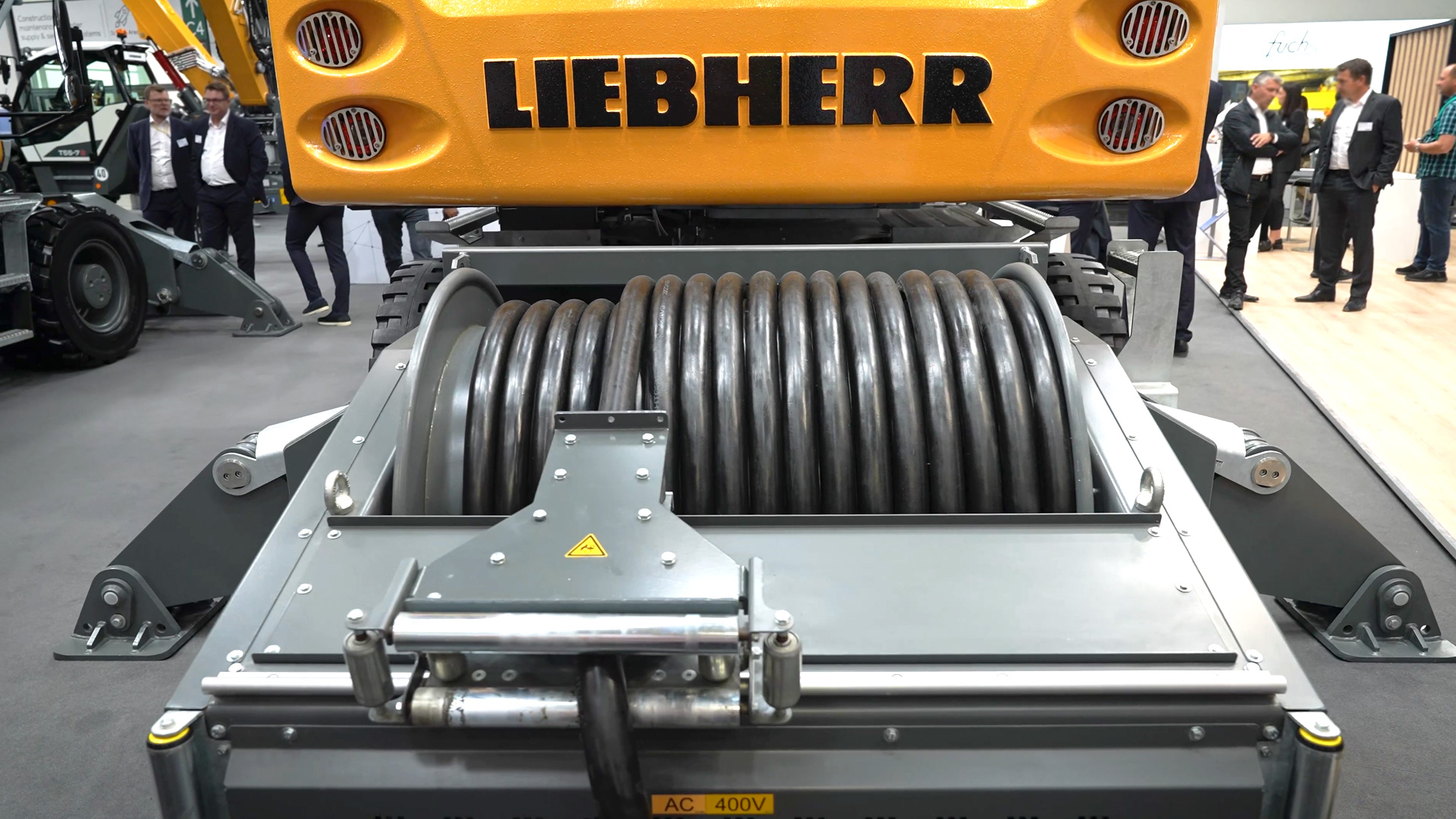
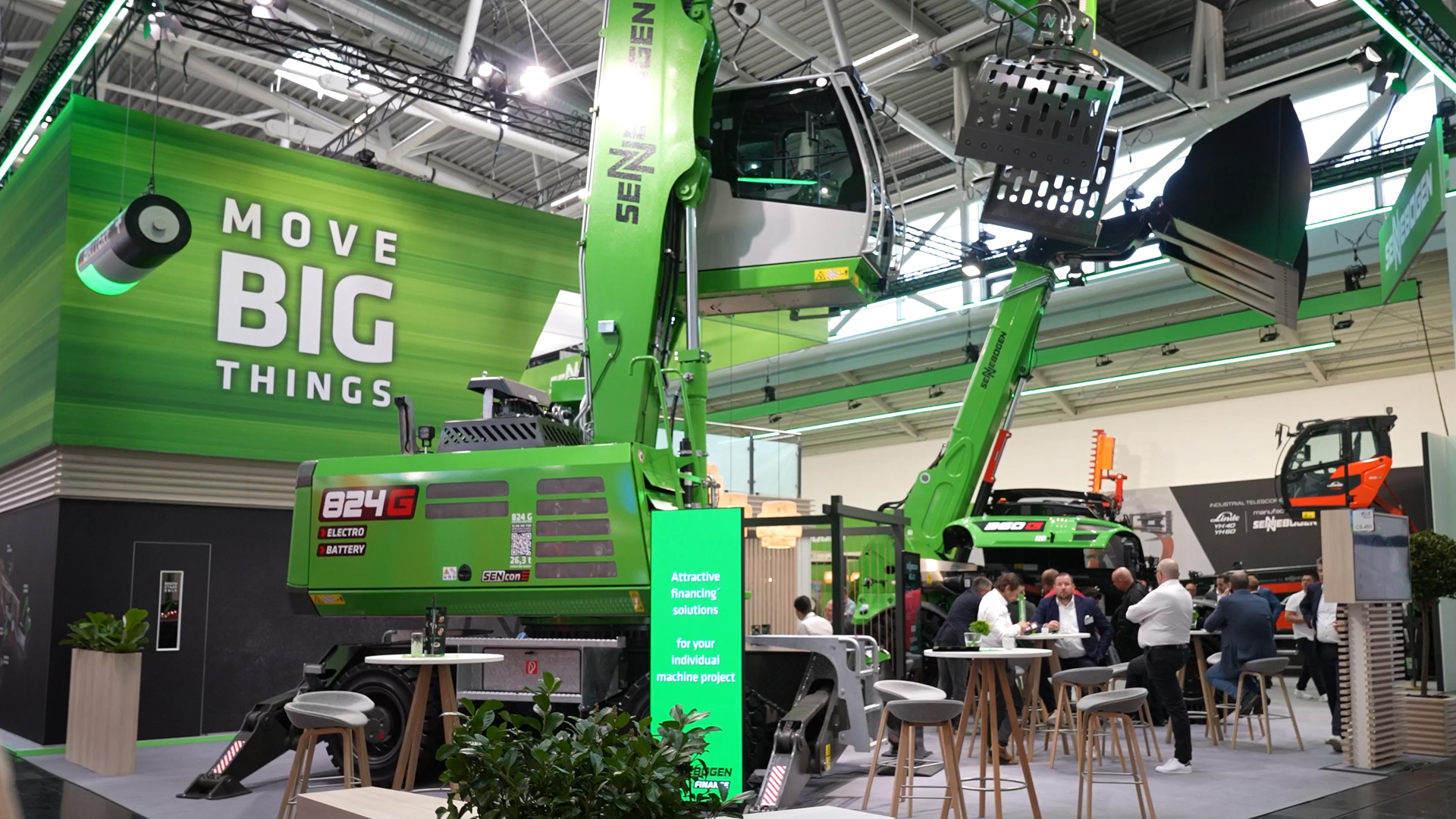
In addition to digitalisation and ergonomics, the drive system also plays a central role. The new machine platform has been developed for both diesel and alternative drive systems. With the LH22, Liebherr is showcasing a corded electric machine with an integrated cable reel system. This allows the machine to move flexibly within a certain radius without being permanently tethered to a fixed point.
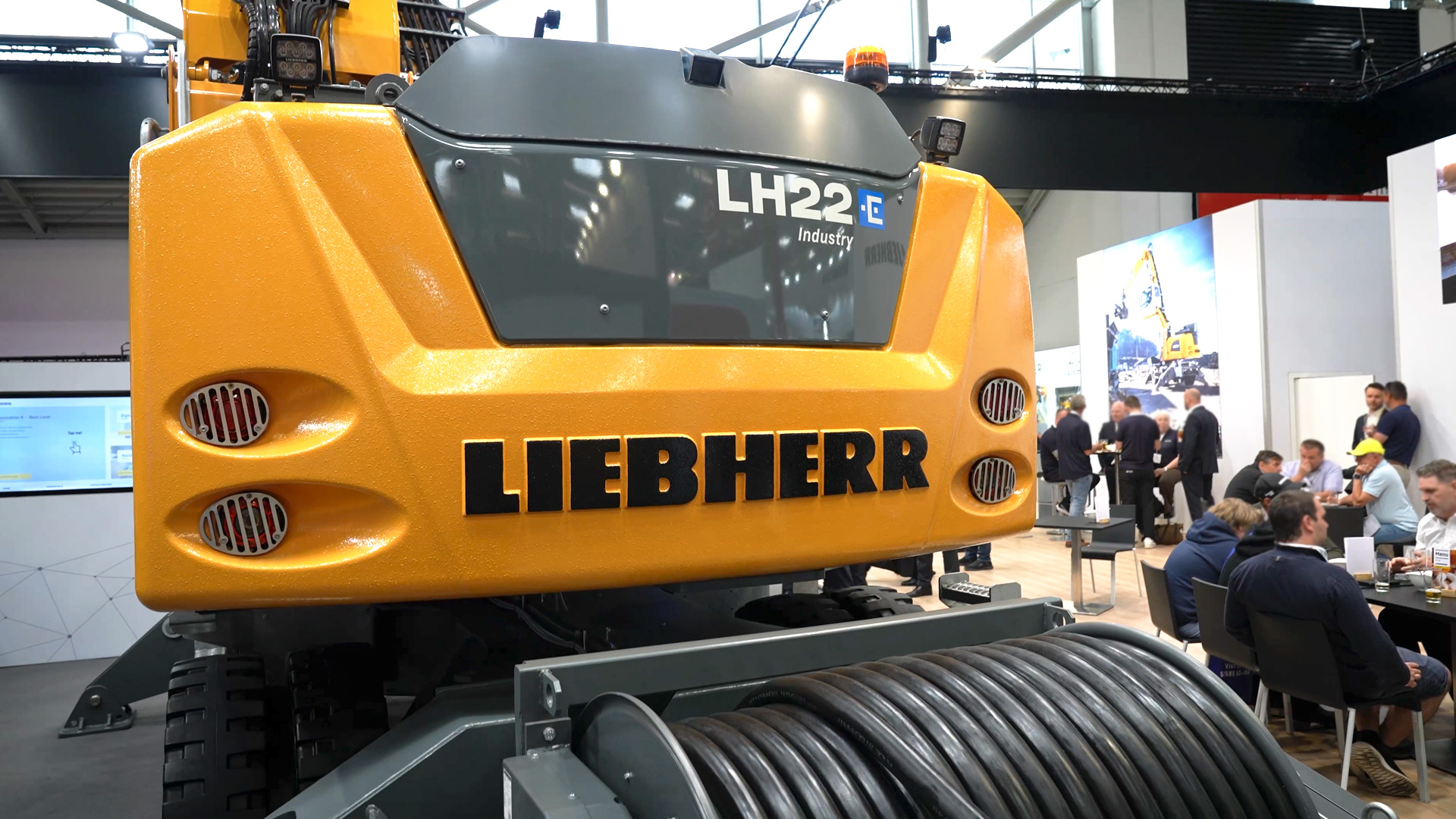
Additionally, the machine can be expanded with battery packs. According to the manufacturer, these enable temporary operation without an external power supply. The current focus is on solutions that can operate autonomously for up to two hours. At the same time, Liebherr is working on larger battery concepts designed to enable operation throughout a full working shift. However, battery capacity plays a decisive role here. Larger energy storage systems increase range and operating time, but at the same time significantly drive up the machine’s weight and costs.
Materials handling technology is moving towards digitalisation
The new generation of material handling machines demonstrates just how comprehensively the industry is changing. Ergonomics, digitalisation and alternative drive systems are increasingly intertwined. Whilst reach, load capacity and hydraulic power used to be the main priorities, complex control and assistance systems are now emerging as an integral part of modern machines.
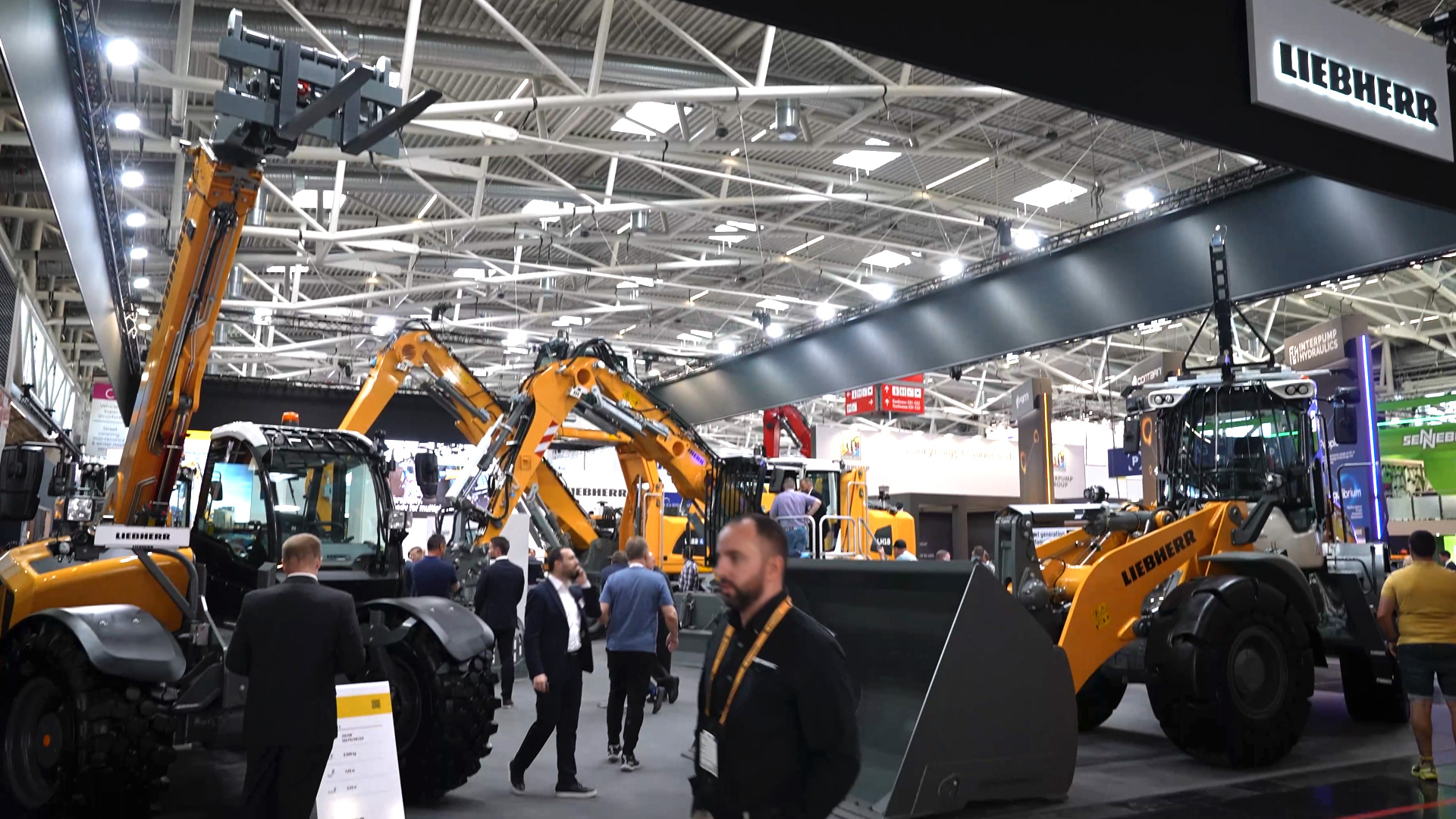
Liebherr combines several developments within a single platform: new cab concepts, digital control systems, semi-automated functions, and electric and hybrid drive solutions. This shift is likely to gain momentum particularly in the recycling and material handling sectors. Rising demands for energy efficiency, safety and productivity are changing not only the machines themselves, but also the way operators work.
Trade fair reporting Germany - Trade fair knowledge, dates & events


