AI-powered X-ray sorting detects contaminants in yellow waste
by A. Bergmeier - 2026-05-19The sorting of packaging waste is one of the greatest challenges facing modern recycling plants. With rising volumes of electrical appliances, lithium batteries and composite materials, traditional sorting methods are increasingly reaching their limits.
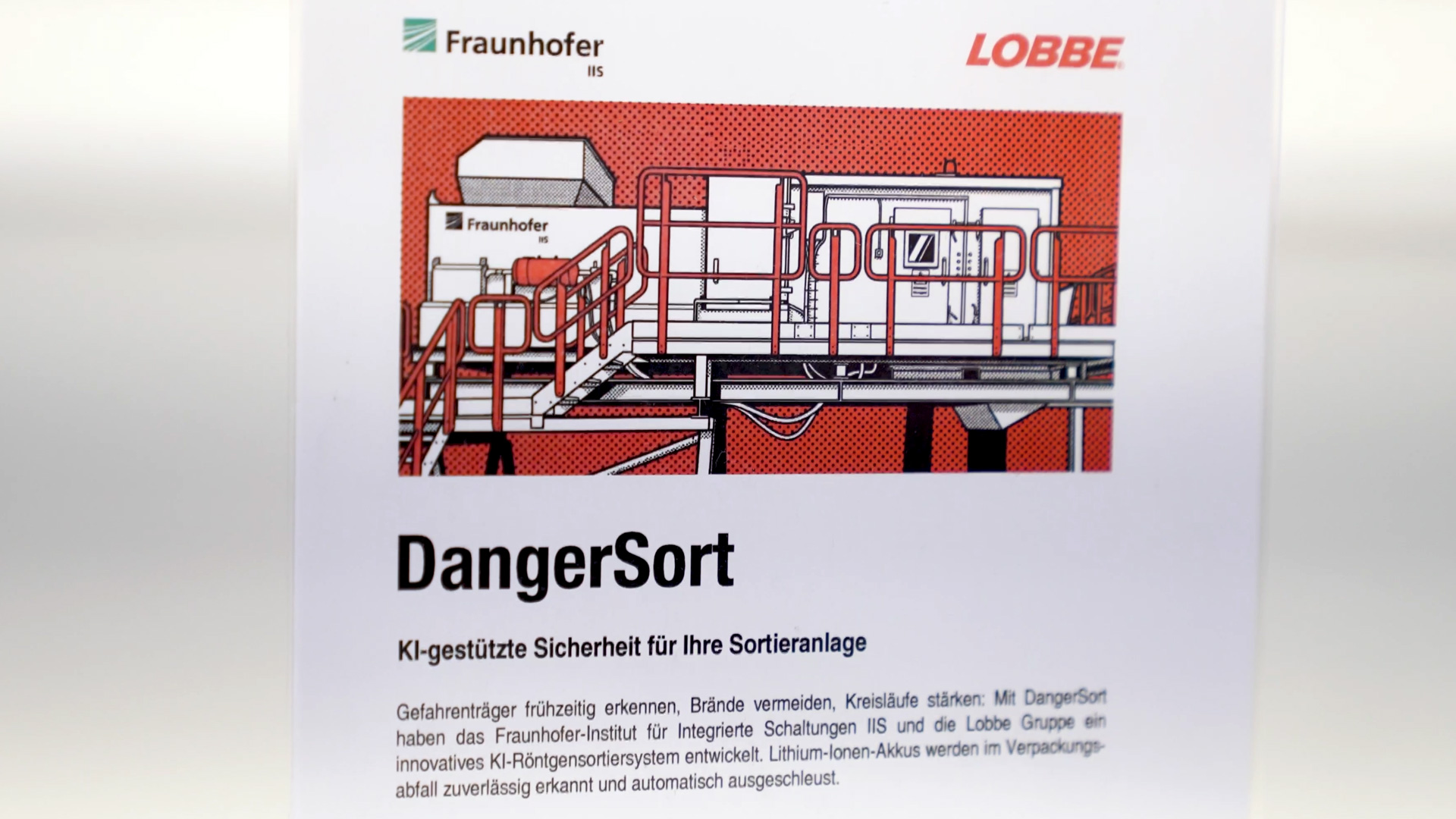
Particularly problematic are foreign materials in yellow waste that do not actually belong there but nevertheless regularly end up in the plants. At Ifat in Munich, Lobbe is therefore showcasing a new AI X-ray sorting system called DangerSort in collaboration with the Fraunhofer Institute. The technology is designed to automatically detect problematic items and remove them from the material stream – including batteries, e-cigarettes, mobile phones and other contaminants that can pose significant risks to recycling plants.


Lobbe combines AI with X-ray technology and mechanics
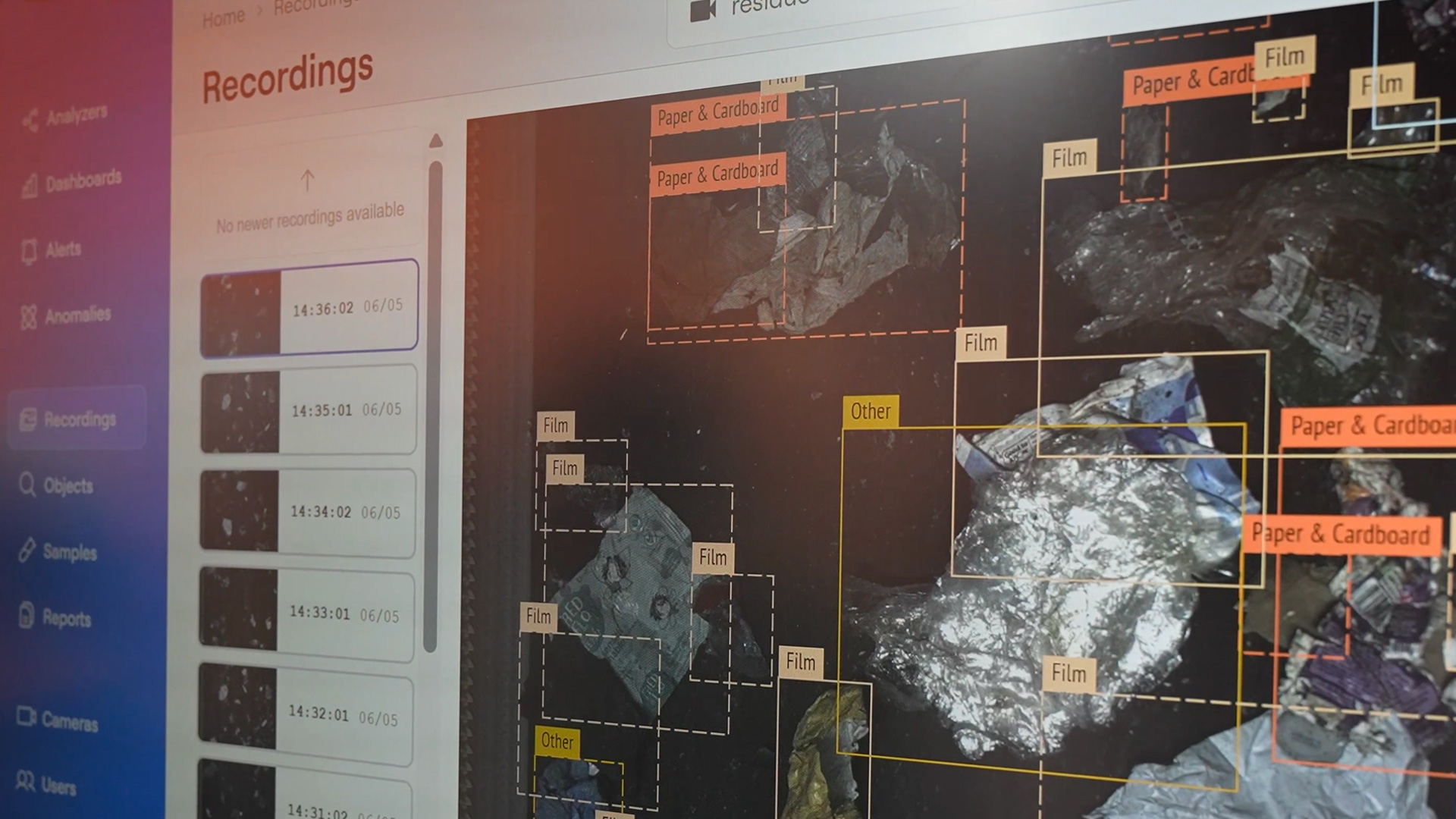
DangerSort combines several technical levels within a single system. At its heart is an AI-supported X-ray analysis that scans materials in a similar way to airport security checks. The software detects foreign objects in the moving material stream and then controls their mechanical removal. In addition to the AI itself, the system utilises conveyor technology, shaking systems and extraction technology. It is only the combination of these components that enables the automatic separation of problematic materials whilst the plant is in operation. The high detection rate is particularly noteworthy. According to the company, the system regularly finds items that should not actually end up in the yellow bin. These include, above all, batteries, e-cigarettes and mobile phones. Lithium batteries in particular are considered a significant risk in sorting plants. Damaged batteries can cause fires or explosions and are now among the greatest hazards in recycling operations.
DangerSort detects batteries and electrical devices in the material stream
The AI continuously analyses the material stream in real time. If the system detects a problematic item, it is automatically ejected. According to Lobbe, comparable accuracy would be practically impossible to achieve through manual sorting. This is primarily due to the speed and complexity of modern sorting plants. Large quantities of a wide variety of materials move through the lines simultaneously. Human sorting quickly reaches its physical and organisational limits in such environments. The key features of DangerSort:
- AI-supported X-ray analysis during operation
- automatic detection of foreign materials
- Removal of problematic materials
- Combination of AI, conveyor technology and extraction technology

Fraunhofer Institute develops AI system with Lobbe
The system was developed in collaboration with the Fraunhofer Institute. The aim was to create a system that not only detects foreign materials but also enables fully automated processes in the future. DangerSort is currently still in trial operation. However, the technology is set to be deployed in Europe’s most modern recycling sorting plant before the end of this year. There, the system will be integrated into operational waste sorting under real-world conditions. Lobbe sees this as an important step towards the further automation of the circular economy. The AI does not serve as an isolated software solution, but as an integral part of a mechanically and digitally networked overall plant. This integration is becoming increasingly relevant, particularly in the recycling sector. Modern recycling sorting generates enormous amounts of data, whilst at the same time increasing safety requirements must be met. AI systems are intended to help make processes more stable, faster and more precise.
AI aims to make recycling plants safer and more efficient
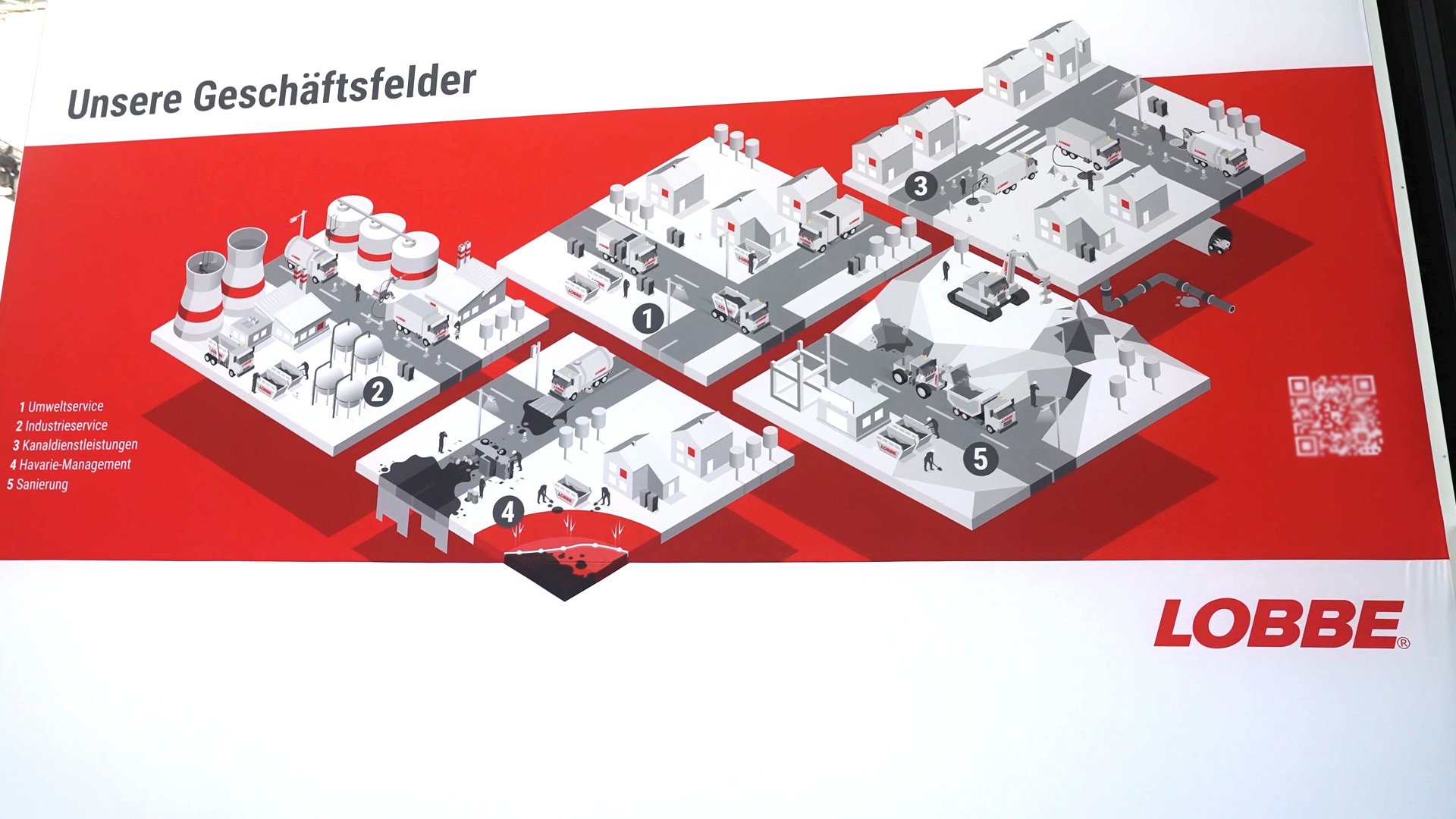
The importance of such systems is growing not only because of rising waste volumes. The composition of materials is also changing noticeably. More and more products contain batteries, electronics or complex composite materials, which pose new challenges for traditional sorting technology. At the same time, the requirements for the purity of recycled materials are rising. Incorrectly sorted items in the yellow bin reduce the quality of the recyclables and significantly increase the effort required for processing. Lobbe is therefore relying on a combination of AI and automation that identifies problematic materials as early as possible in the process. In the future, such systems could be integrated even more closely with automated sorting and conveyor systems. This development also illustrates how recycling companies are changing. Alongside traditional environmental services, industrial services, waste management and emergency response, data-driven technologies are becoming increasingly important.
The circular economy is becoming more digitalised
The new sorting technology highlights just how far recycling processes have now moved away from purely mechanical procedures. Modern plants are increasingly data-driven, combining sensor technology, image processing, AI and automated material handling. Lobbe is pursuing an approach that combines technical innovation with practical application in plant operations. What matters is not so much the AI technology itself as its integration into real material flows and industrial processes. In the long term, this could develop into a system suitable for international use. For now, the company is focusing on the German market, but is already considering further applications for the future. At the same time, a fundamental problem remains: even the best sorting technology cannot replace proper waste separation. Even highly developed AI systems can only correct mis-sorts to a limited extent. This is precisely why Lobbe continues to see the real task as separating waste as accurately as possible – before it even reaches the sorting plant.


Trade fair reporting Germany - Trade fair knowledge, dates & events


