Fraunhofer: Angewandte Forschung als Fundament technologischer Innovation
Die Fraunhofer-Gesellschaft gilt als zentrale Institution für angewandte Forschung in Deutschland und Europa. Ihr Profil unterscheidet sie bewusst von universitärer Grundlagenforschung: Im Mittelpunkt stehen konkrete Anwendungen, marktfähige Technologien und die direkte Zusammenarbeit mit Industrie, Wirtschaft und öffentlicher Hand. Fraunhofer fungiert damit als Brücke zwischen wissenschaftlicher Erkenntnis und praktischer Umsetzung und prägt seit Jahrzehnten maßgeblich den Innovationsstandort Deutschland.
Entstehung, Auftrag und organisatorische Struktur
Gegründet wurde die Fraunhofer-Gesellschaft im Jahr 1949 in München. Benannt nach dem Naturwissenschaftler Joseph von Fraunhofer, verfolgte die Organisation von Beginn an das Ziel, Forschung systematisch in den Dienst wirtschaftlicher und gesellschaftlicher Entwicklung zu stellen. Heute umfasst Fraunhofer mehr als 70 Institute und Forschungseinrichtungen in Deutschland sowie zahlreiche internationale Standorte. Jedes Institut arbeitet thematisch spezialisiert, ist jedoch in eine übergreifende strategische Ausrichtung eingebettet. Charakteristisch für Fraunhofer ist das Finanzierungsmodell, das öffentliche Grundfinanzierung mit projektbezogenen Aufträgen aus Industrie und öffentlichem Sektor kombiniert. Dieser Ansatz sorgt für einen hohen Praxisbezug und stellt sicher, dass Forschungsarbeiten an realen Anforderungen ausgerichtet sind. Gleichzeitig bleibt wissenschaftliche Unabhängigkeit gewahrt, da Fraunhofer nicht als reiner Auftragsforscher agiert, sondern eigene technologische Kompetenzen systematisch aufbaut.
Breite Forschungsfelder mit klarem Anwendungsfokus
Inhaltlich deckt Fraunhofer ein außergewöhnlich breites Spektrum technologischer und wissenschaftlicher Disziplinen ab. Dazu zählen klassische Ingenieurwissenschaften ebenso wie moderne Querschnittstechnologien. Ein besonderer Schwerpunkt liegt auf Themen, die als Schlüsseltechnologien für Industrie und Gesellschaft gelten und langfristige Relevanz besitzen. Zu den zentralen Forschungsfeldern gehören unter anderem:
- Mikroelektronik, Sensorik und Halbleitertechnologien
- Materialwissenschaften und neue Werkstoffe
- Energie- und Umwelttechnik, einschließlich erneuerbarer Energiesysteme
- Medizintechnik, Diagnostik und Gesundheitsforschung
- Digitalisierung, Künstliche Intelligenz und Datenökosysteme
Beiträge zu Fraunhofer auf Messe.TV
CMUT-Ultraschallsensoren für Gestensteuerung & Abstandsmessung
Ein winziger Chip, verpackt in einem unauffälligen Gehäuse, kann Räume erfassen, Gesten erkennen und sogar als akustische Kamera dienen. Die zugrunde ... Fraunhofer IPMS
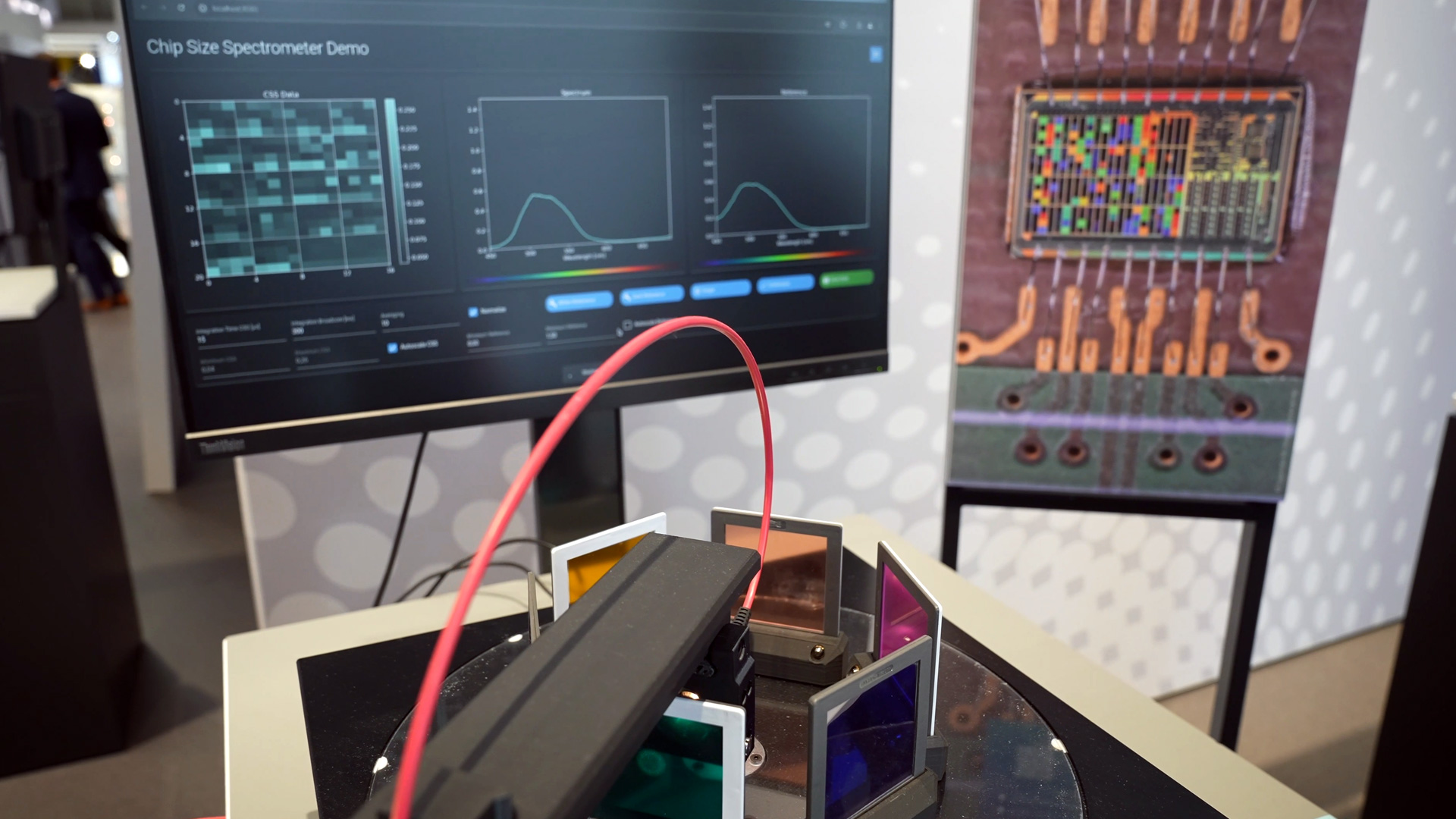
Fraunhofer IIS: Chip Size Spectrometer - electronica 2024
Das Fraunhofer-Institut für Integrierte Schaltungen IIS mit Hauptsitz in Erlangen ist eine weltweit führende Forschungseinrichtung für mikroelektronis... Fraunhofer IIS: Chip Size Spectrometer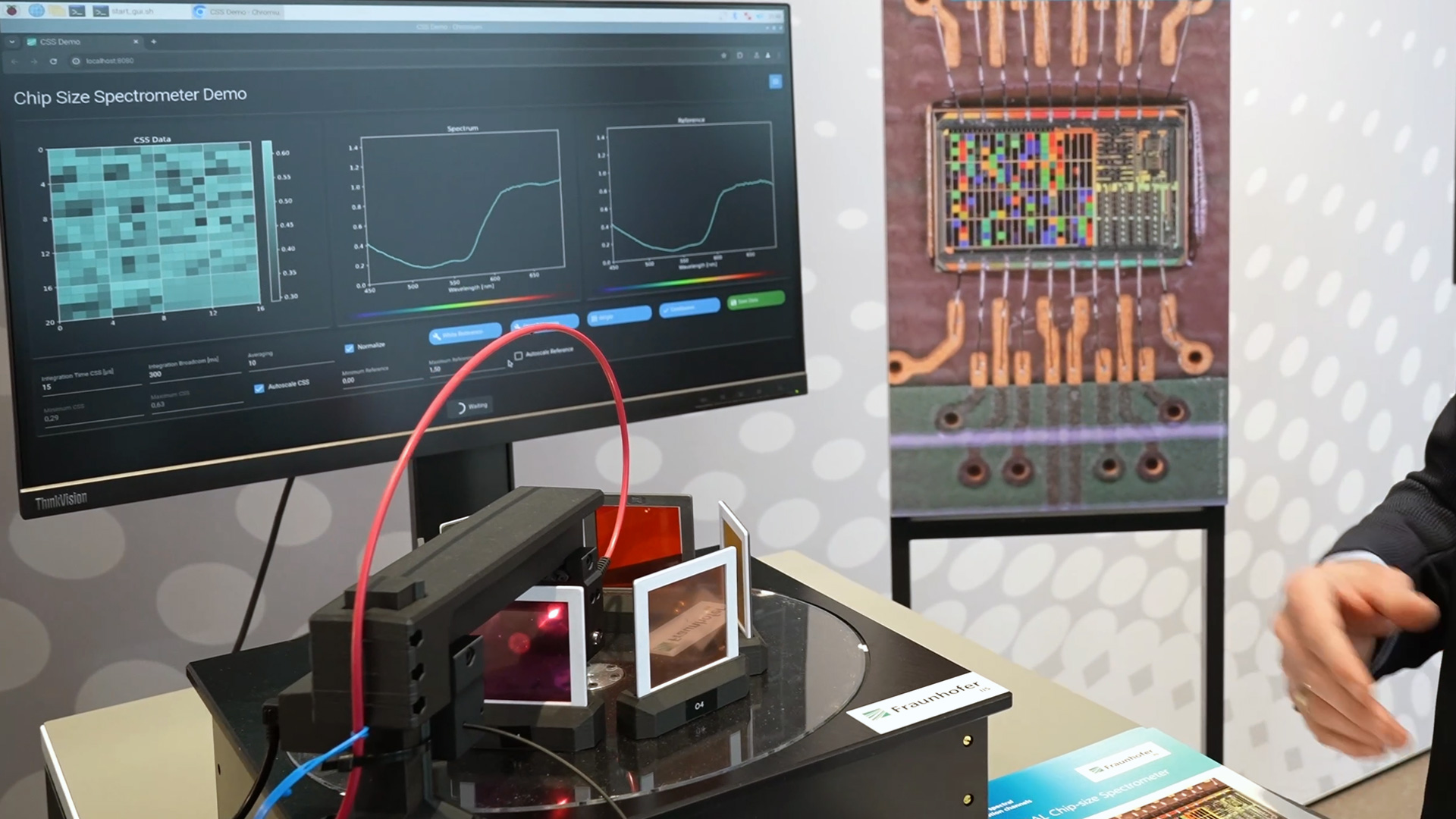
Fraunhofer ISE Photovoltaik Wechselrichter Forschung
Die Energiewende wird nicht durch einzelne Technologien vorangetrieben, sondern durch das Zusammenspiel verschiedener Systeme. Forschungseinrichtungen... Energiewende ein Zusammenspiel verschiedener Systeme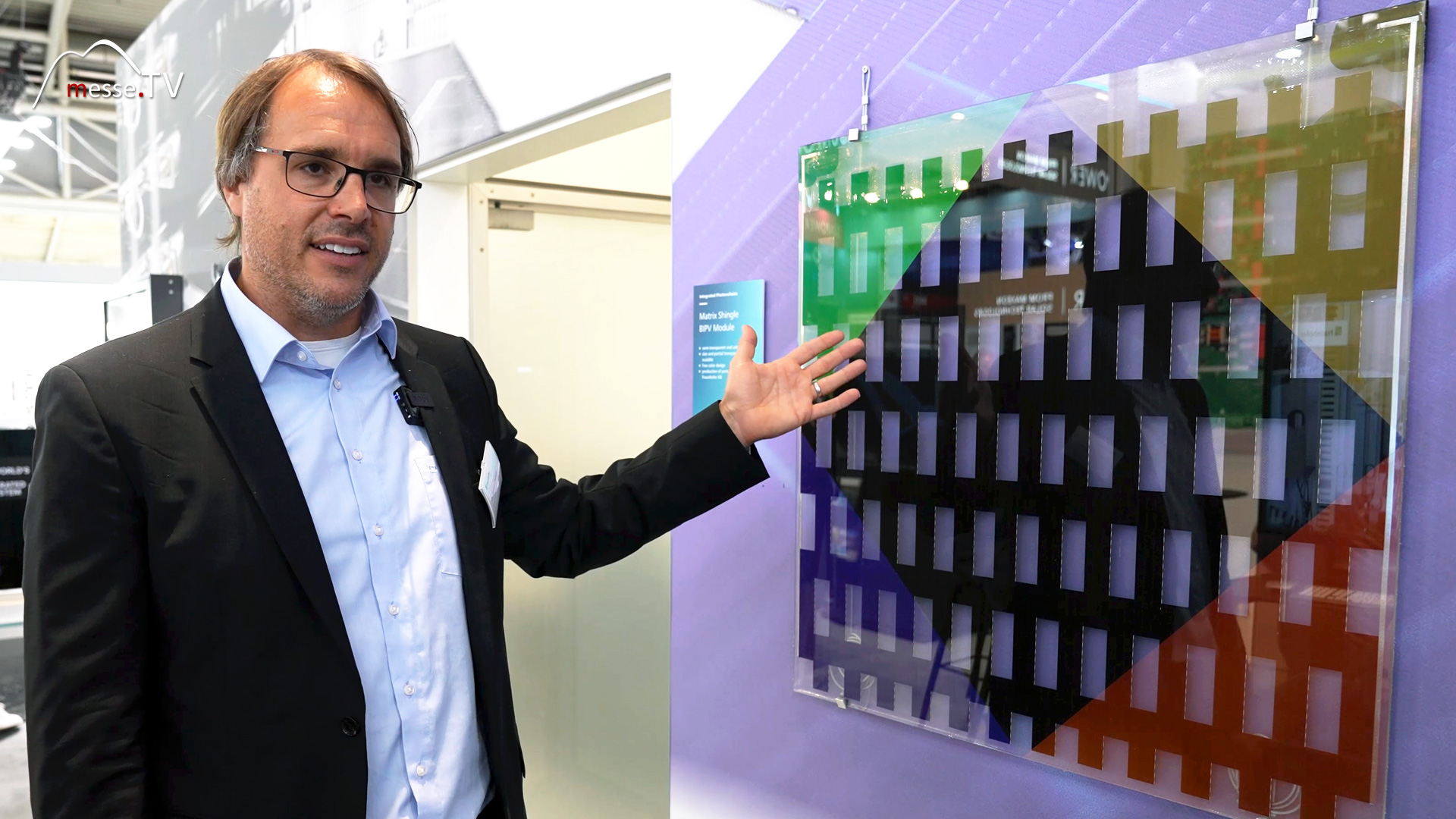
Technologietransfer als zentrales Prinzip
Ein wesentliches Merkmal der Fraunhofer-Gesellschaft ist der systematische Technologietransfer. Forschungsergebnisse werden gezielt in die Praxis überführt, sei es durch Kooperationen mit Unternehmen, durch Lizenzmodelle oder durch Ausgründungen. Zahlreiche Start-ups und industrielle Innovationen gehen direkt auf Fraunhofer-Entwicklungen zurück. Besonders für den Mittelstand ist Fraunhofer ein wichtiger Partner, da hier Zugang zu Hightech-Forschung ermöglicht wird, ohne eigene umfangreiche Forschungsabteilungen vorhalten zu müssen. Auch große Industrieunternehmen nutzen Fraunhofer als Entwicklungs- und Erprobungspartner, etwa bei der Industrialisierung neuer Technologien oder bei der Skalierung komplexer Systeme. In vielen Fällen entstehen langfristige Partnerschaften, die über einzelne Projekte hinausgehen.
Internationale Vernetzung und gesellschaftliche Relevanz
Fraunhofer ist nicht nur national, sondern auch international stark vernetzt. Die Institute sind an zahlreichen europäischen und globalen Forschungsprogrammen beteiligt und arbeiten mit Partnern aus Wirtschaft, Wissenschaft und Politik zusammen. Dadurch fließen internationale Perspektiven und Anforderungen in die Forschungsarbeit ein. Gleichzeitig leistet Fraunhofer einen wichtigen Beitrag zur Bewältigung gesellschaftlicher Herausforderungen, etwa in den Bereichen Klimaschutz, Mobilität, Gesundheit oder digitale Souveränität. Die Organisation verbindet wissenschaftliche Exzellenz mit praktischer Relevanz und bleibt damit ein zentraler Akteur für Innovation, Wettbewerbsfähigkeit und technologische Zukunftssicherung.
Messe-Berichterstattung bundesweit - Messewissen, Termine & Veranstaltungen


