Volvo: Fahrzeuge und Mobilitätslösungen
Volvo ist ein schwedischer Hersteller von Fahrzeugen und Mobilitätslösungen mit einer außergewöhnlich starken internationalen Präsenz. Seit der Gründung in den späten 1920er-Jahren steht der Name Volvo für Sicherheit, technische Verlässlichkeit und eine konsequent ingenieurgetriebene Entwicklung. Das Unternehmen ist heute sowohl im Pkw-Segment als auch im Nutzfahrzeug- und Baumaschinenbereich aktiv und deckt damit ein ungewöhnlich breites Spektrum der Mobilität ab. Über alle Geschäftsbereiche hinweg verfolgt Volvo einen klaren Anspruch: Technik soll den Menschen schützen, den Alltag erleichtern und langfristig nachhaltiger werden. In den vergangenen Jahren hat sich Volvo zunehmend als Treiber der Elektrifizierung und Digitalisierung positioniert und investiert gezielt in neue Antriebskonzepte, vernetzte Systeme und automatisierte Funktionen.
Sicherheit als Grundprinzip der Markenidentität
Volvo wurde 1927 in Göteborg gegründet, mit dem erklärten Ziel, Fahrzeuge zu bauen, die den harten klimatischen und infrastrukturellen Bedingungen Skandinaviens standhalten. Früh entwickelte sich daraus ein Markenverständnis, bei dem Sicherheit nicht als Zusatz, sondern als zentrale Konstruktionsaufgabe verstanden wird. Diese Haltung prägte zahlreiche technische Entwicklungen, von stabilen Karosseriestrukturen bis hin zu innovativen Rückhaltesystemen. Ein Meilenstein war die Einführung des Dreipunkt-Sicherheitsgurts Ende der 1950er-Jahre, dessen Konzept Volvo bewusst freigab, um die Verkehrssicherheit insgesamt zu verbessern. Diese Haltung, Sicherheit über wirtschaftliche Interessen zu stellen, prägt die Marke bis heute. Moderne Assistenzsysteme, Kollisionsvermeidung und umfassende Sensorik sind integraler Bestandteil aktueller Modelle.
Breites Produktportfolio von Pkw bis Baumaschinen
Volvo ist heute kein reiner Automobilhersteller, sondern ein Industriekonzern mit mehreren klar getrennten, aber technologisch eng verbundenen Geschäftsfeldern. Während Volvo Cars für Pkw zuständig ist, umfasst die Volvo Group Nutzfahrzeuge, Busse, Antriebssysteme und Baumaschinen. Diese Vielfalt ermöglicht es, technologische Entwicklungen konzernübergreifend zu nutzen, etwa bei elektrischen Antrieben oder Steuerungssystemen. Zum Leistungsspektrum zählen unter anderem:
- Pkw mit Fokus auf Sicherheit, Komfort und Elektrifizierung
- Lkw und Busse für den internationalen Transport- und Personenverkehr
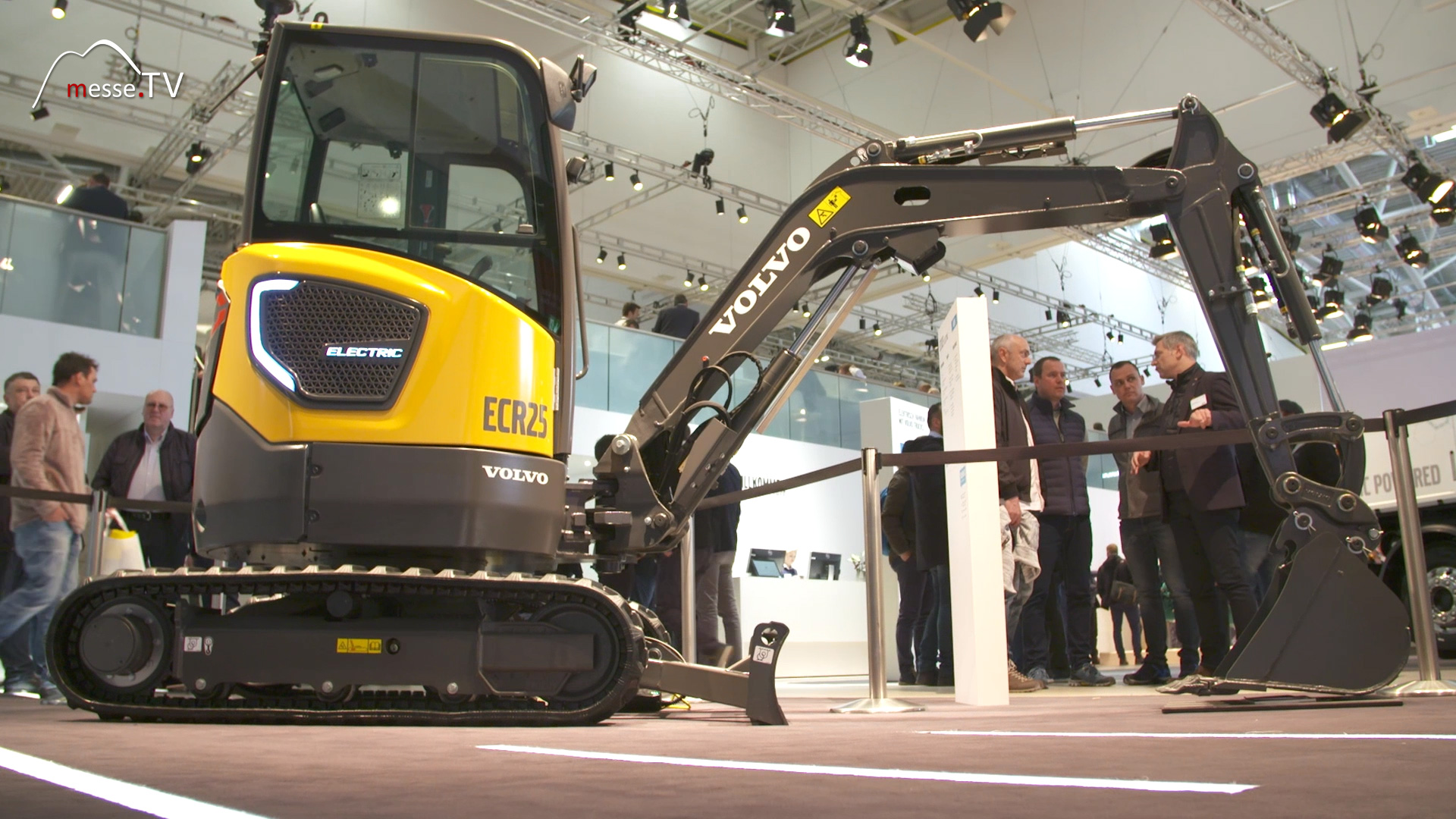
- Baumaschinen wie Bagger, Radlader und Dumper
- Elektrische und hybride Antriebssysteme für Industrieanwendungen
Beiträge zu Volvo auf Messe.TV
Volvo Elektro-Lkw mit neuer Ladeleistung
Die Elektrifizierung schwerer Nutzfahrzeuge erreicht eine neue Entwicklungsstufe. Während batterieelektrische Lastwagen vor wenigen Jahren noch vor al... Entwicklung bei Elektrifizierung schwerer Nutzfahrzeuge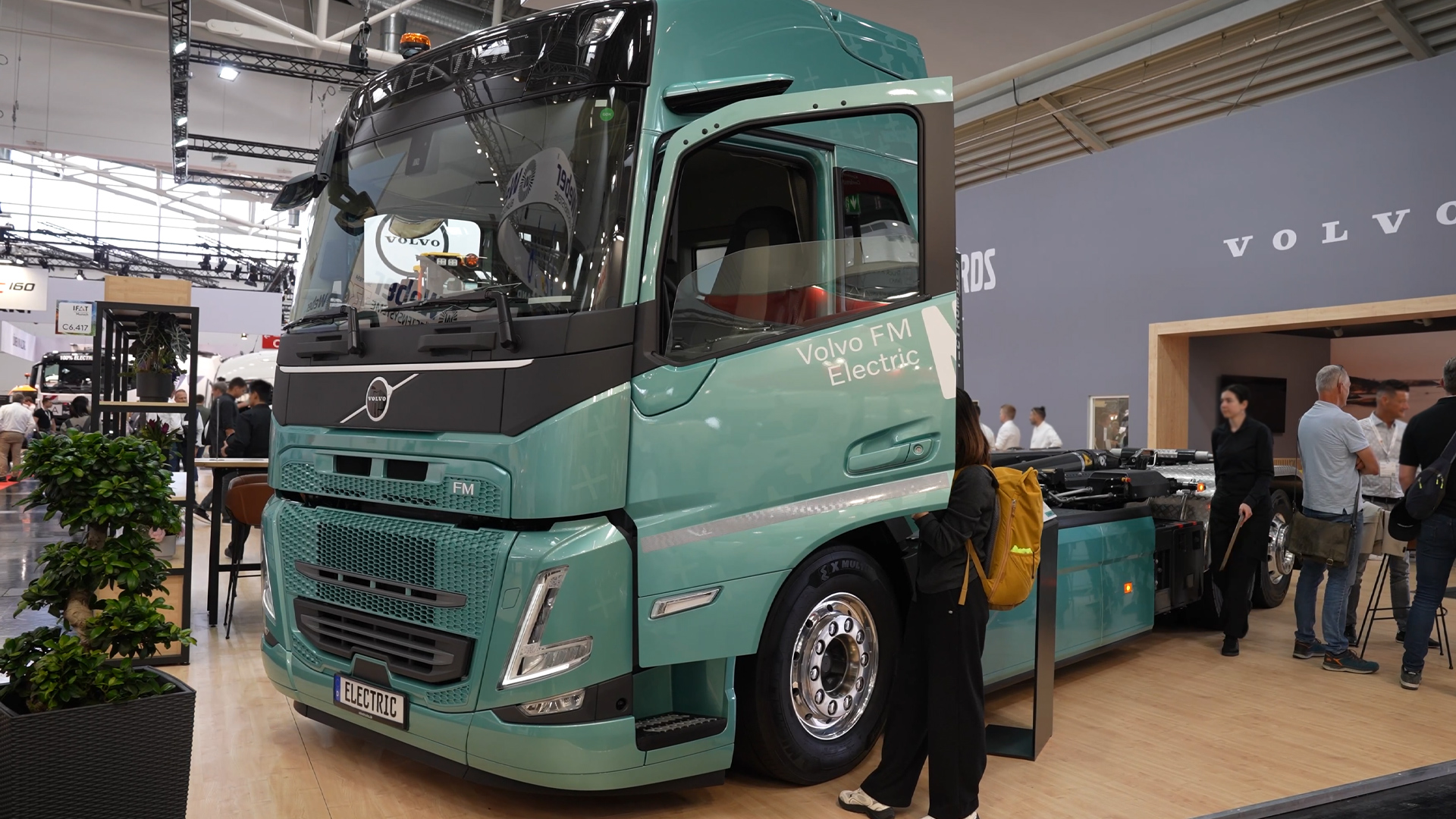
Volvo EWR150E Batterieelektrischer Mobilbagger
Volvo Construction Equipment präsentiert mit dem neuen EWR150E den weltweit ersten batterieelektrischen Mobilbagger eines OEM-Herstellers. Die Maschin... Volvo Batterieelektrischer Mobilbagger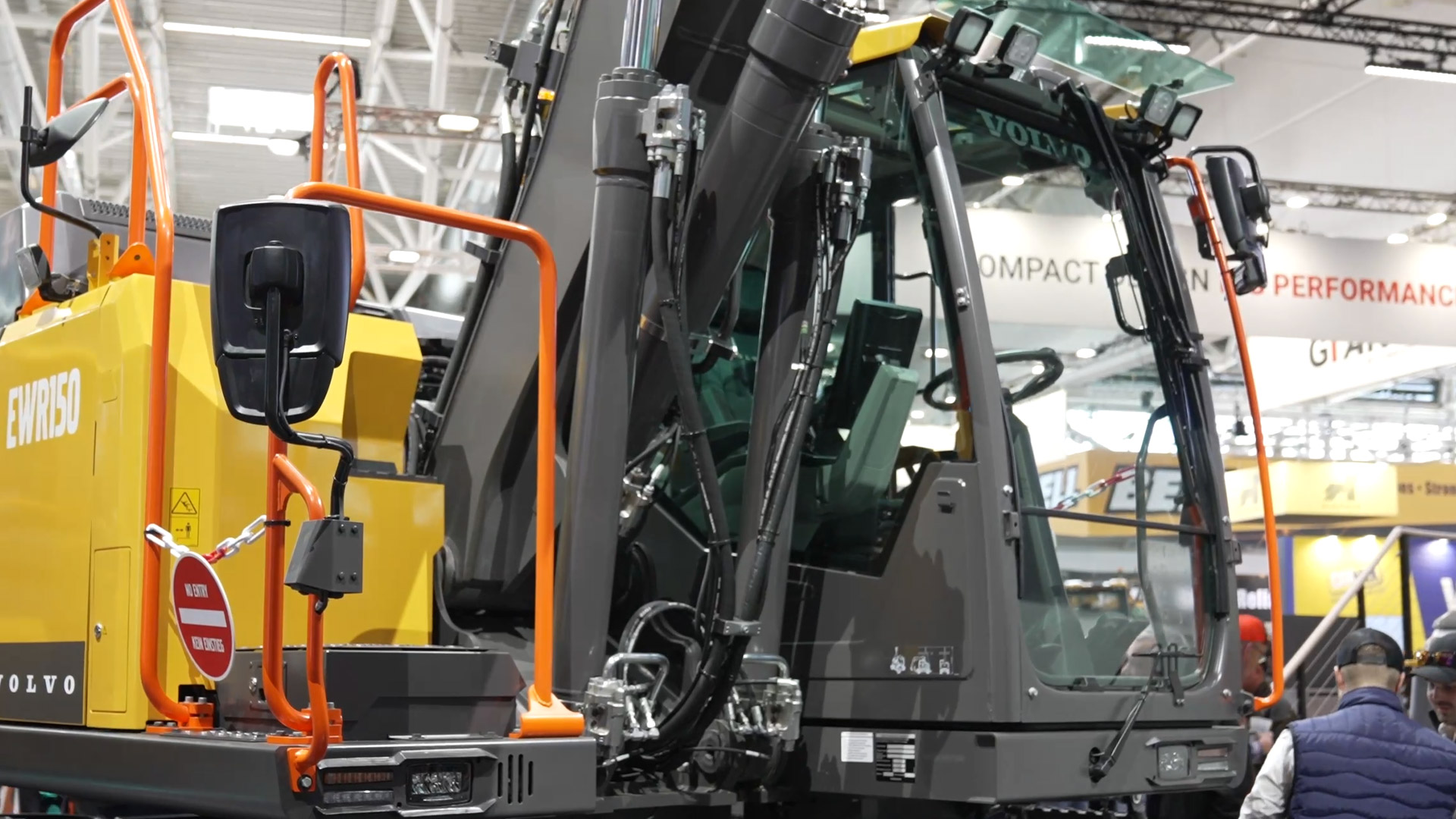
Elektrische Kompaktmaschinen für Baustelle und Innenbereiche
Elektrische Baumaschinen galten lange als Nischenlösung für Spezialanwendungen. Inzwischen verändert sich der Markt jedoch spürbar. Vor allem bei komp... Mit elektrischen Baumaschinen ohne lokale Emissionen arbeiten
Volvo zeigt elektrischen Radlader für Baustellen
Baustellen gelten traditionell als laut, abgasintensiv und stark von Dieselmotoren geprägt. Doch genau dieses Bild beginnt sich zu verändern. Herausforderungen Elektromobilität im Baumaschinenbereich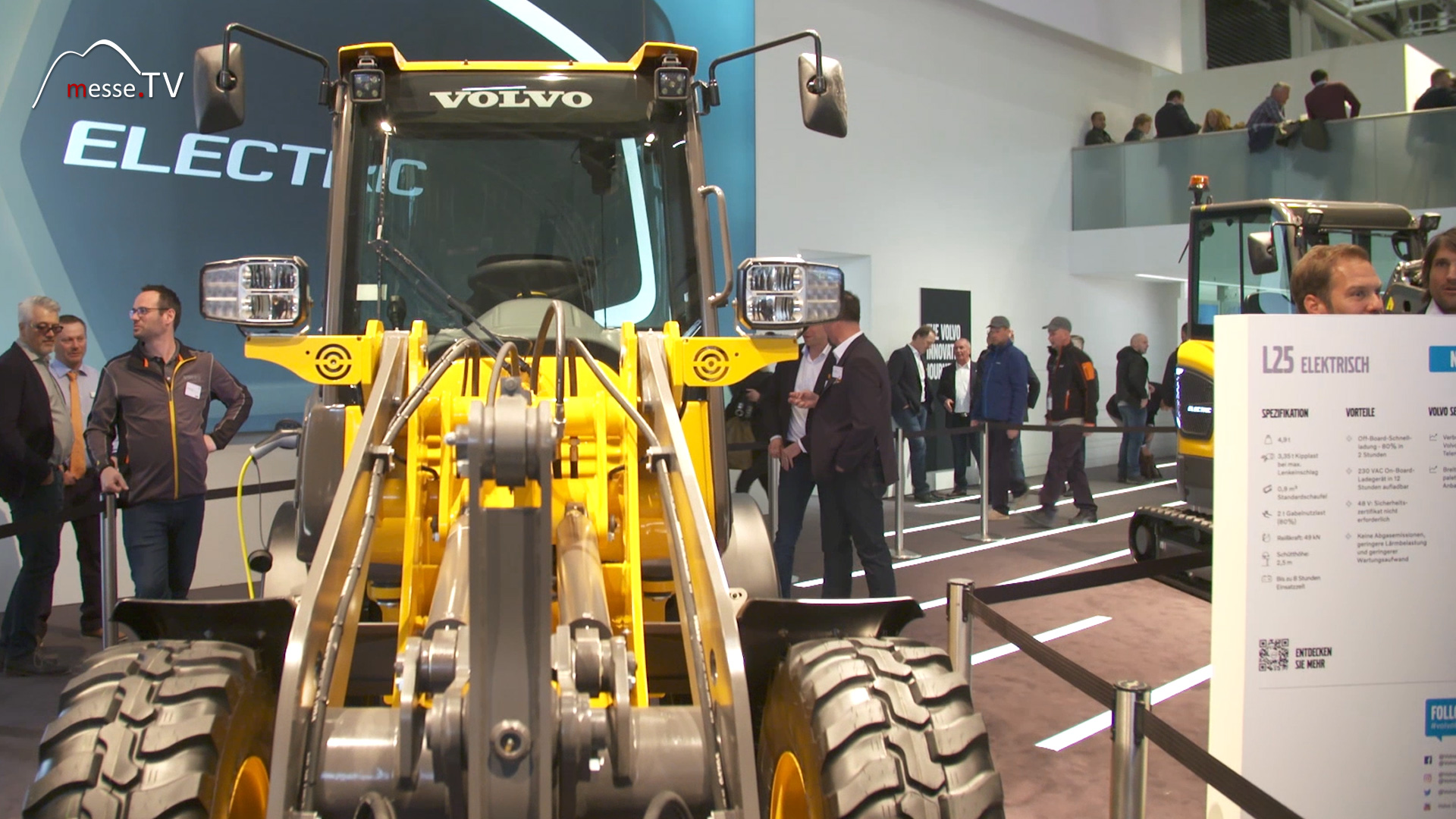
Elektromobilität und automatisierte Systeme
Volvo verfolgt eine klare Elektrifizierungsstrategie über alle Fahrzeugklassen hinweg. Im Pkw-Segment werden neue Modelle konsequent mit elektrischen oder hybriden Antrieben entwickelt. Parallel dazu investiert der Konzern in batterieelektrische Nutzfahrzeuge und Baumaschinen, die vor allem in urbanen und emissionssensiblen Bereichen eingesetzt werden. Darüber hinaus arbeitet Volvo intensiv an automatisierten Fahrfunktionen. Ziel ist es, Verkehrssicherheit weiter zu erhöhen und Fahrer in komplexen Situationen zu entlasten. Dabei setzt das Unternehmen auf eine Kombination aus Radar, Kameras, Lidar-Technik und intelligenter Software, die kontinuierlich weiterentwickelt wird.
Nachhaltigkeit als langfristige Unternehmensstrategie
Nachhaltigkeit ist bei Volvo nicht auf einzelne Produkte beschränkt, sondern Teil einer umfassenden Unternehmensstrategie. Der Konzern hat sich ambitionierte Klimaziele gesetzt, die sowohl die Fahrzeugflotten als auch die Produktion und Lieferketten betreffen. Dazu zählen der verstärkte Einsatz recycelter Materialien, energieeffiziente Fertigungsprozesse und eine transparente CO₂-Bilanzierung. Im Industriebereich spielt zudem die Effizienz der Maschinen eine zentrale Rolle. Elektrische Antriebe, optimierte Hydrauliksysteme und digitale Steuerungen tragen dazu bei, Energieverbrauch und Emissionen im Betrieb deutlich zu senken.
Positionierung im globalen Mobilitätsmarkt
Volvo hat sich im internationalen Wettbewerb als Marke etabliert, die technologische Innovation mit einem klaren Werteverständnis verbindet. Sicherheit, Verantwortung und langfristige Qualität sind keine Marketingbegriffe, sondern prägen Entwicklung, Design und Kommunikation. Diese konsequente Ausrichtung macht Volvo sowohl für private Kunden als auch für industrielle Anwender zu einem verlässlichen Partner. Mit seinem breiten Portfolio, der klaren Elektrifizierungsstrategie und einem tief verankerten Sicherheitsverständnis bleibt Volvo ein zentraler Akteur im Wandel der globalen Mobilität.
Messe-Berichterstattung bundesweit - Messewissen, Termine & Veranstaltungen


