Electric mobile shredder with variable final particle size for recycling
by J. Groh - 2026-06-16The recycling industry is facing a fundamental transformation. Operators today expect machines that can process a wide variety of materials, are flexible in use and, at the same time, meet increasing demands for energy efficiency and emissions reduction.
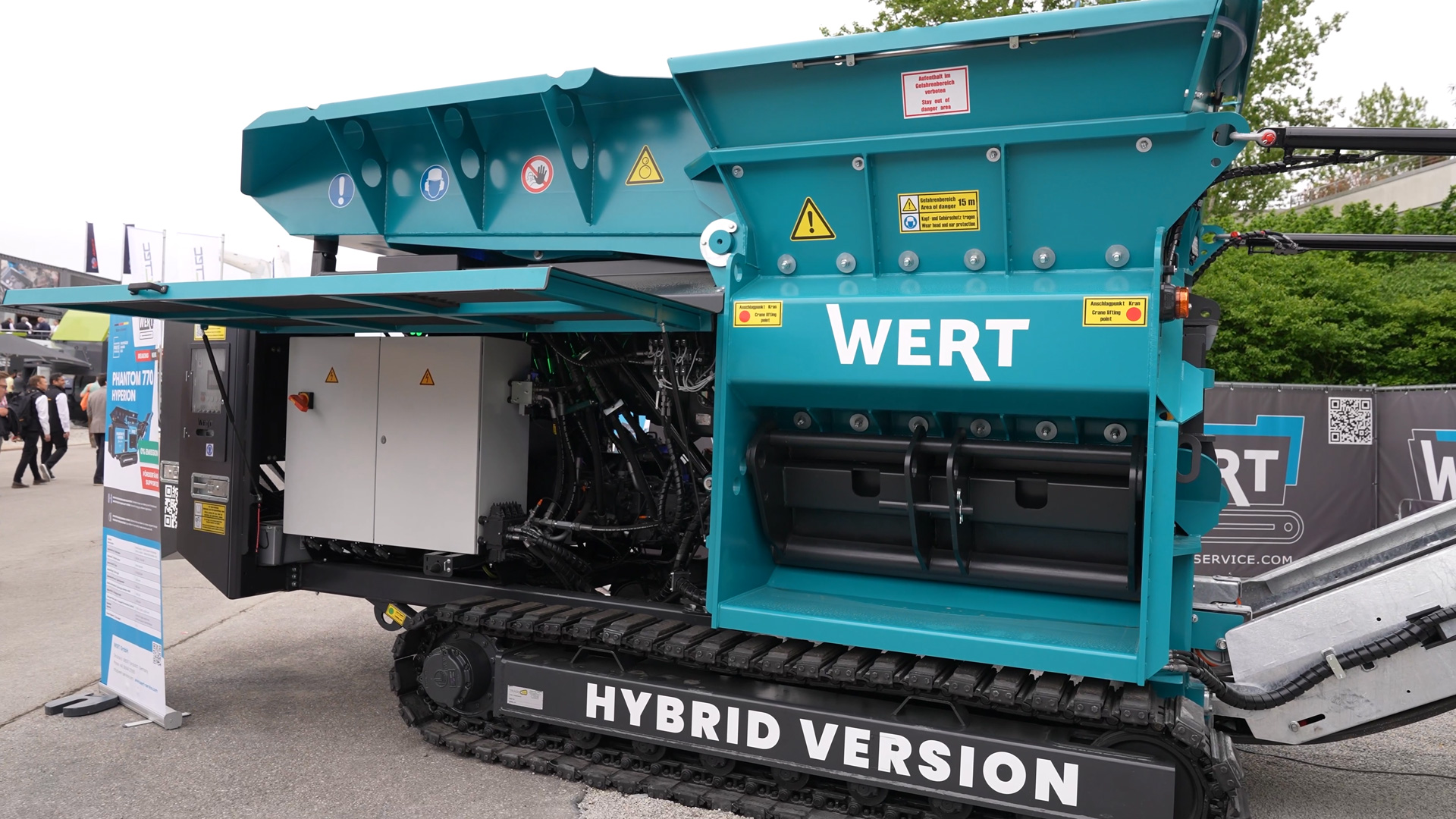
Added to this are new expectations regarding digitalisation, remote maintenance and data-based process control. At the Ifat in Munich, Wert is presenting a new electric mobile shredder – a concept that combines several of these developments. The focus is on a machine designed to cover a wide range of applications through a quick-change system, variable final particle sizes and a fully electric drive. The combination of flexibility and mobility is aimed in particular at companies in the construction and recycling sectors that work with varying material flows.
Wert develops quick-change system for different materials
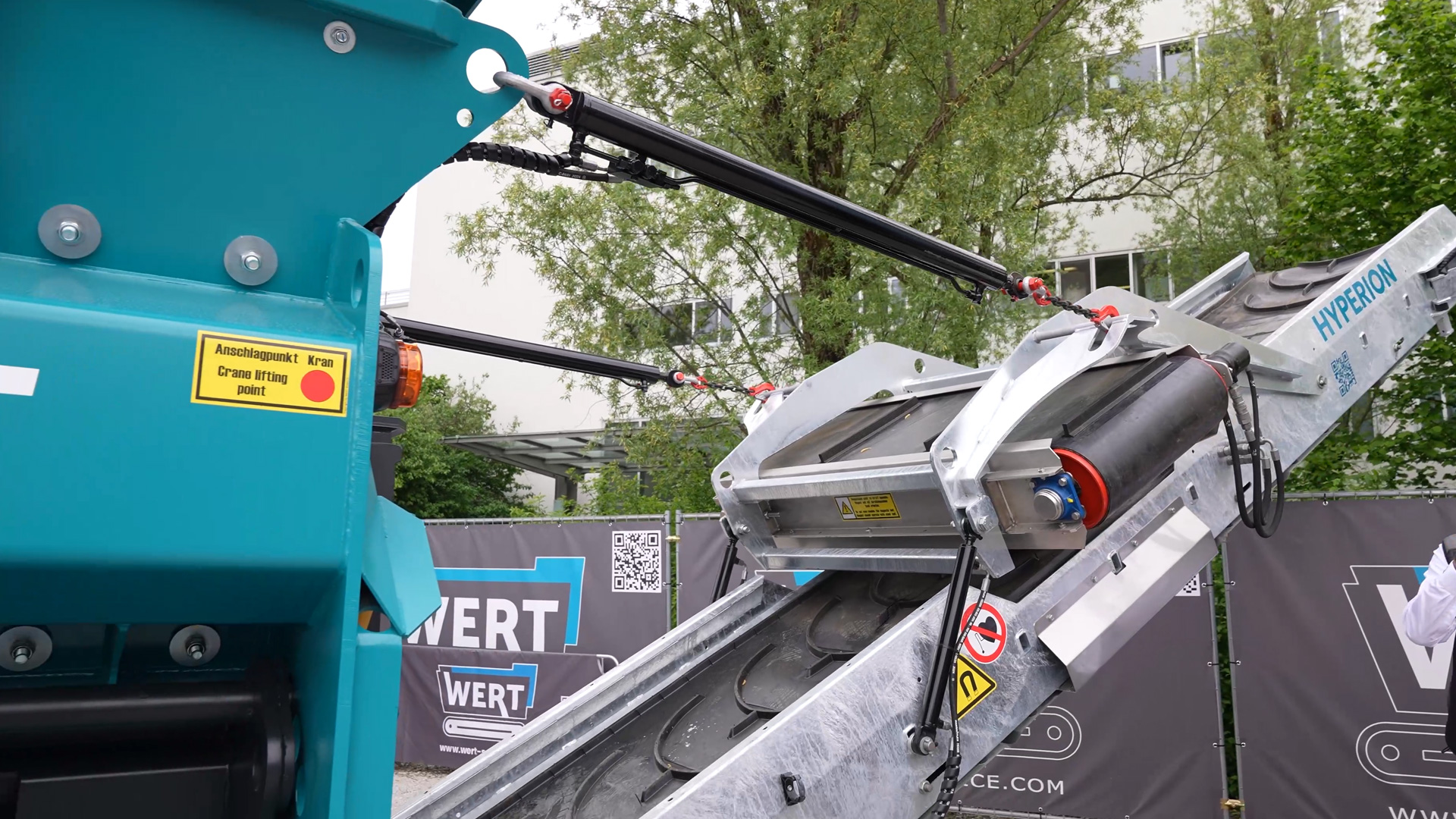
The central idea behind the machine concept is to cover as many applications as possible with just one unit. To this end, a quick-change system has been developed that enables a tool change within around 30 minutes. This allows the machine to be adapted to a wide variety of materials. According to the manufacturer, the range of applications extends from construction waste to wood and paper, right through to general waste and light scrap. The final particle size can also be adjusted as required. This flexibility is particularly important in the recycling sector. Many businesses process material streams that change daily and, without such concepts, would have to maintain several specialised systems. A multi-flexible machine reduces investment costs and improves the utilisation of the equipment. The key features of the system:
- Quick-change system with tool change in around 30 minutes
- Shredding of construction waste, wood, rubbish, paper and light scrap
- Variable adjustment of the final particle size
- Fully electric drive with plug-and-play concept
- Digital remote maintenance and app connectivity
Electric shredder focuses on emission-free operation
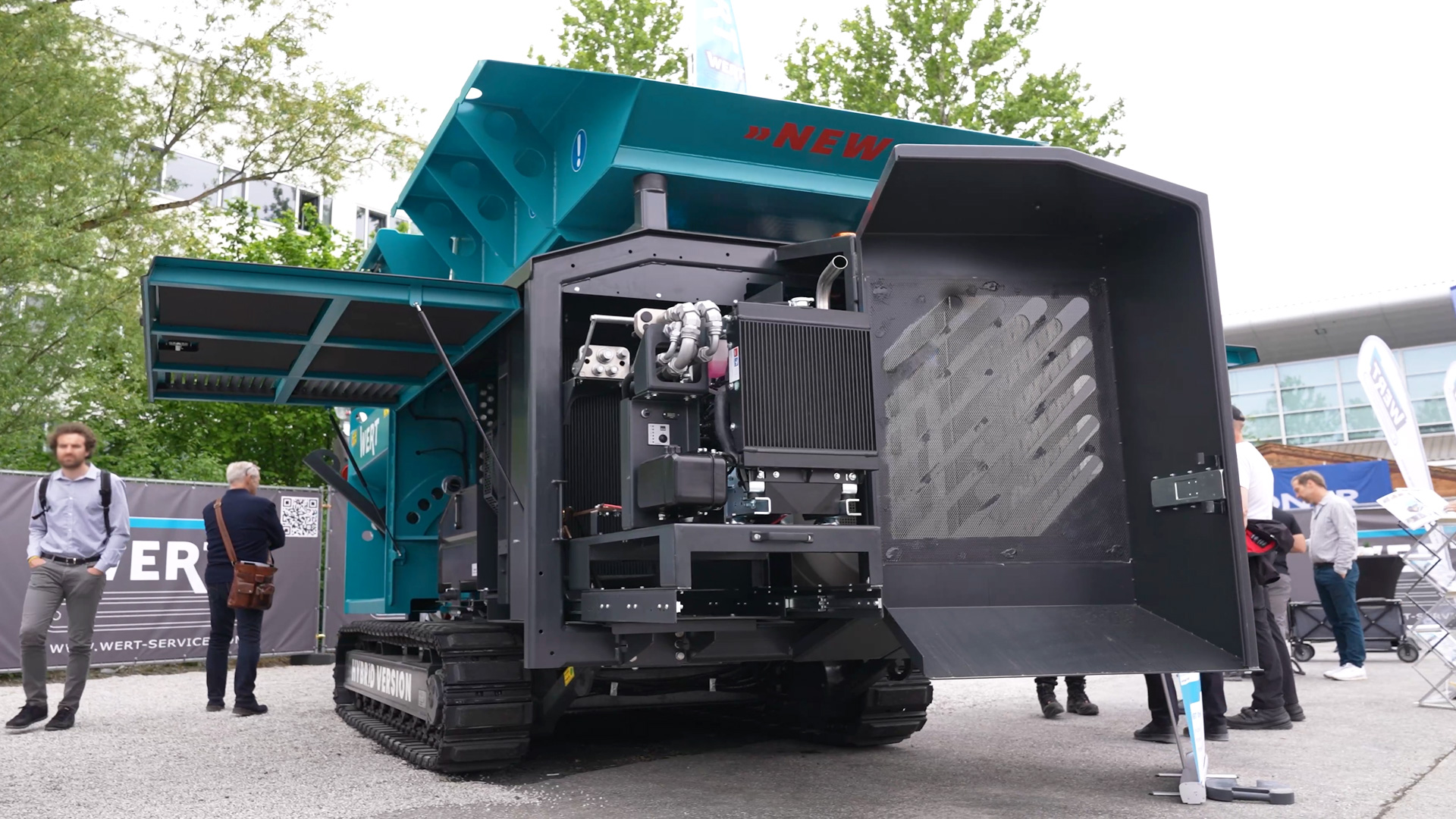
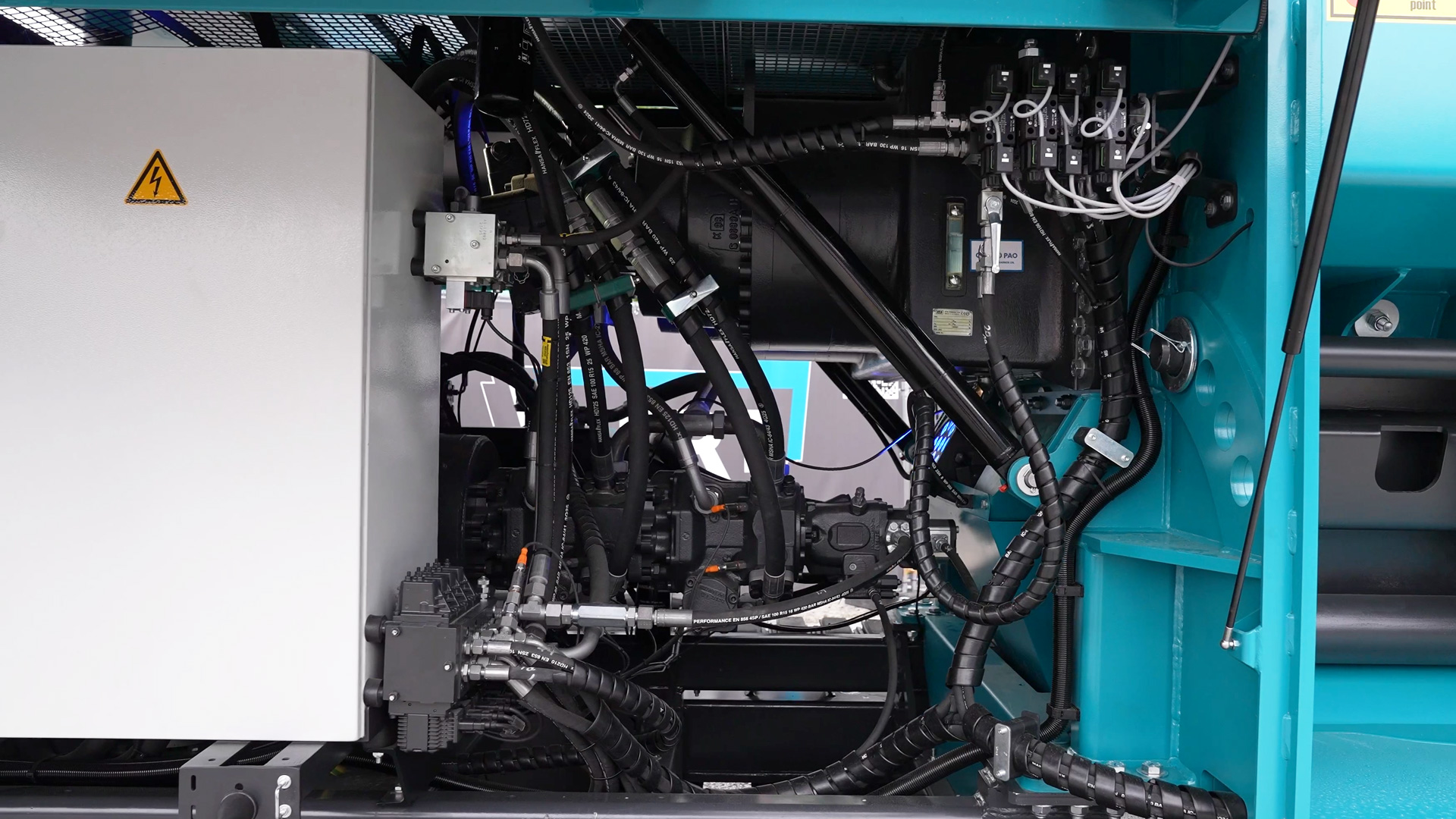
Particular attention has been paid to the drive system. The new machine operates entirely on electricity and requires only a small auxiliary unit for manoeuvring. This makes the system one of the solutions designed for local emission-free operation. Electric machines are becoming increasingly attractive, particularly in densely populated areas, on inner-city construction sites or in enclosed processing halls. Added to this is the system’s eligibility for funding. According to the company, grants of up to 40 per cent can be claimed for such investments. Such funding programmes play a key role in bringing low-emission technologies to market more quickly. However, electrification is transforming the industry not only ecologically but also economically. Electric drives offer lower maintenance costs and open up new applications at sites with strict environmental regulations.

Wert expands dealer network and international presence
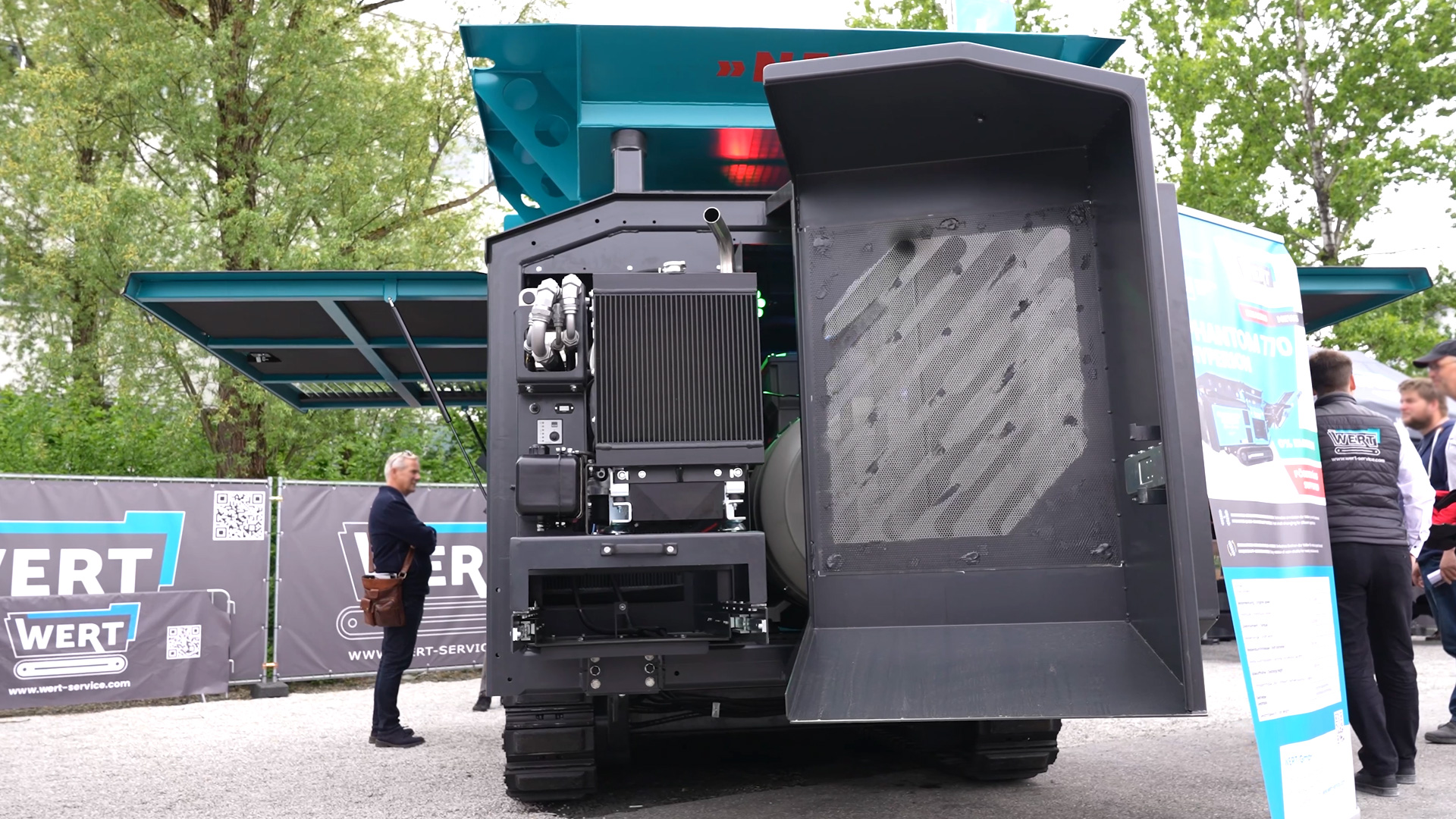
The company has only been present on the market with its products for a few years and remains in a strong growth phase. According to the company, between three and four machines are currently being manufactured each month. At the same time, the dealer network is being expanded. The company is already active internationally and sees further potential in numerous regions around the world. Emerging economies in particular, such as India and countries in South America, are increasingly investing in the expansion of their recycling infrastructure. Large quantities of construction and demolition materials are generated there, which must be processed efficiently. In regions facing extensive reconstruction tasks, too, the demand for mobile crushing technology could rise significantly. Recycling plants play an important role there in returning existing materials to the economic cycle and reducing the demand for primary raw materials.
Digital control and remote maintenance are gaining in importance
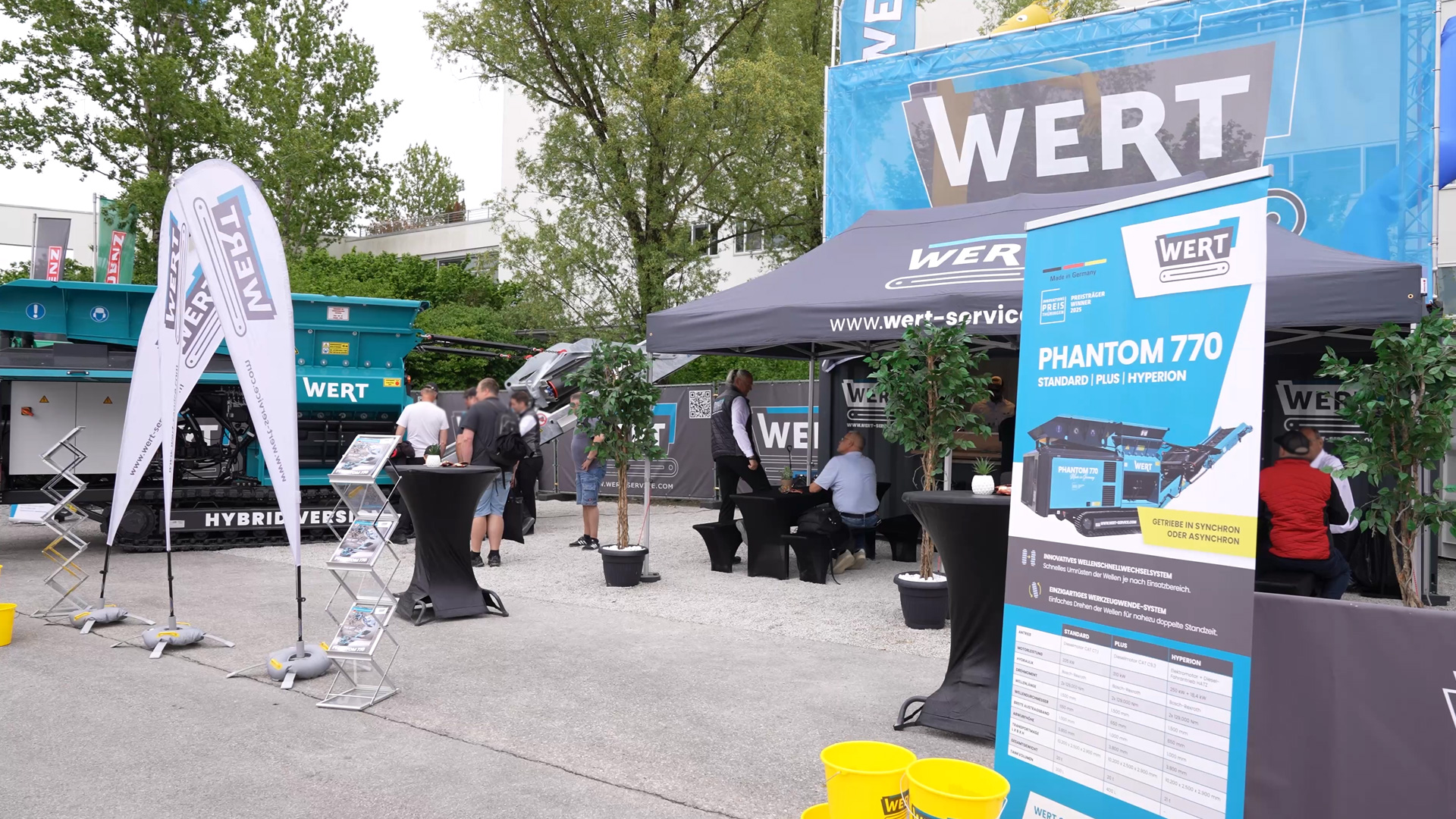
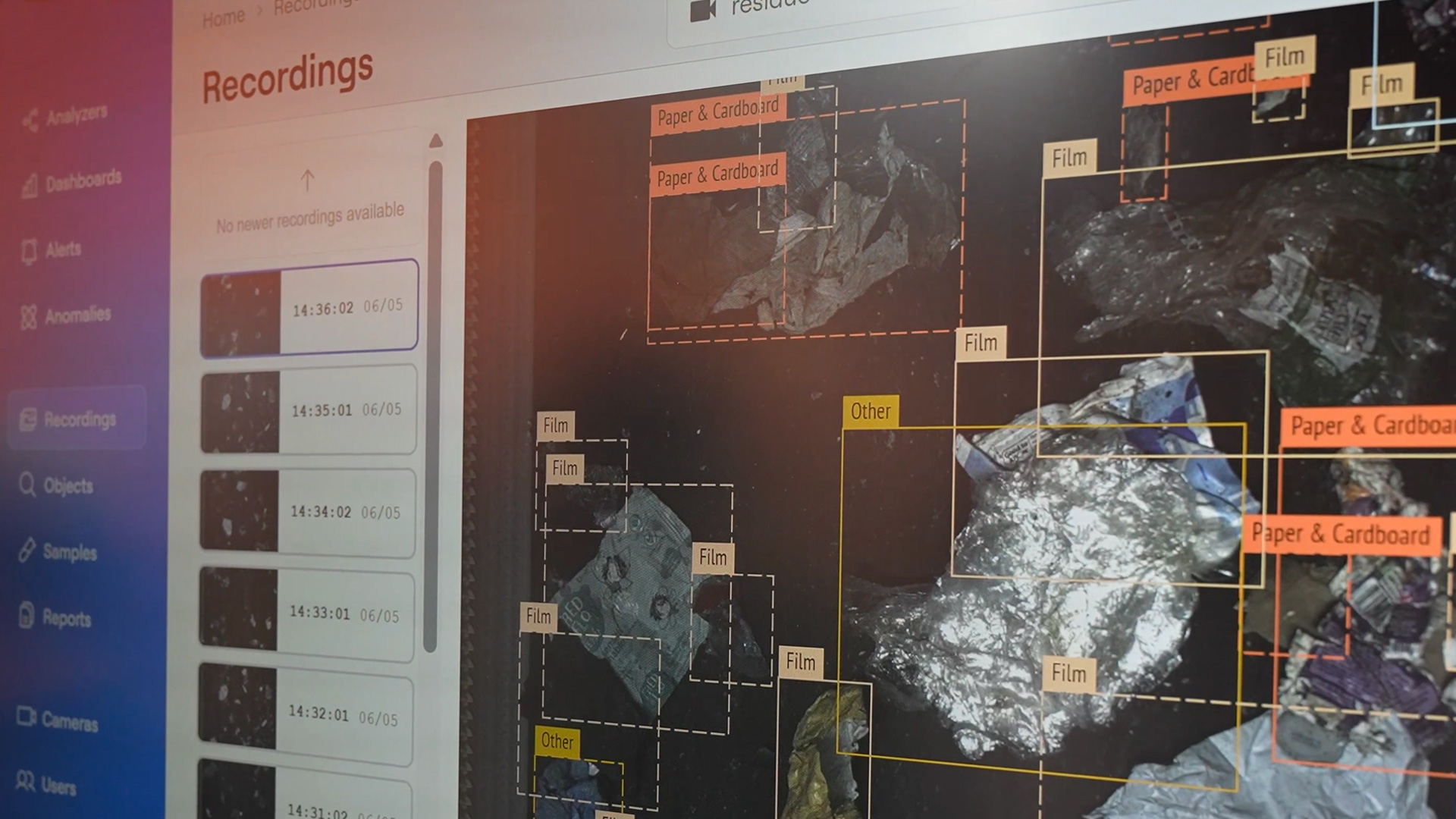
Alongside the mechanical aspects, digitalisation is also becoming a key competitive factor. The machine features a new control system and an integrated remote maintenance module. Via an app, operators can access various machine data via a password-protected interface and adjust settings remotely. In many cases, this eliminates the need to be physically present at the plant. Such systems are becoming increasingly important in recycling technology. Operators today expect transparency regarding operating statuses, service information and performance data in real time. Furthermore, the company also sees potential in the use of artificial intelligence. Although this development is still at an early stage, in future AI-supported systems could analyse processes in the background, optimise operating parameters and identify maintenance requirements at an early stage.
Recycling technology is evolving into networked process platforms
This development shows that modern shredding plants have long since become more than just machines for shredding materials. Today, there is a demand for flexible systems that process different material streams, operate with low emissions and integrate digital functions. Wert’s electric shredder is a prime example of this development. Tool changes, variable final particle size, electric drive technology and digital connectivity interlock to form a comprehensive concept geared towards the requirements of an increasingly resource-oriented circular economy. With rising demands for sustainability and material efficiency, such multifunctional systems are likely to become even more important in the future. The combination of flexibility, digitalisation and low-emission operation is increasingly becoming a decisive factor in modern recycling technology.
Trade fair reporting Germany - Trade fair knowledge, dates & events


