Shredding for recycling and industrial processing
by A. Bergmeier - 2026-05-26The processing of waste and recyclable materials is increasingly becoming a highly specialised industrial sector. Not only are higher throughput rates required, but also precisely defined particle sizes for downstream processes.
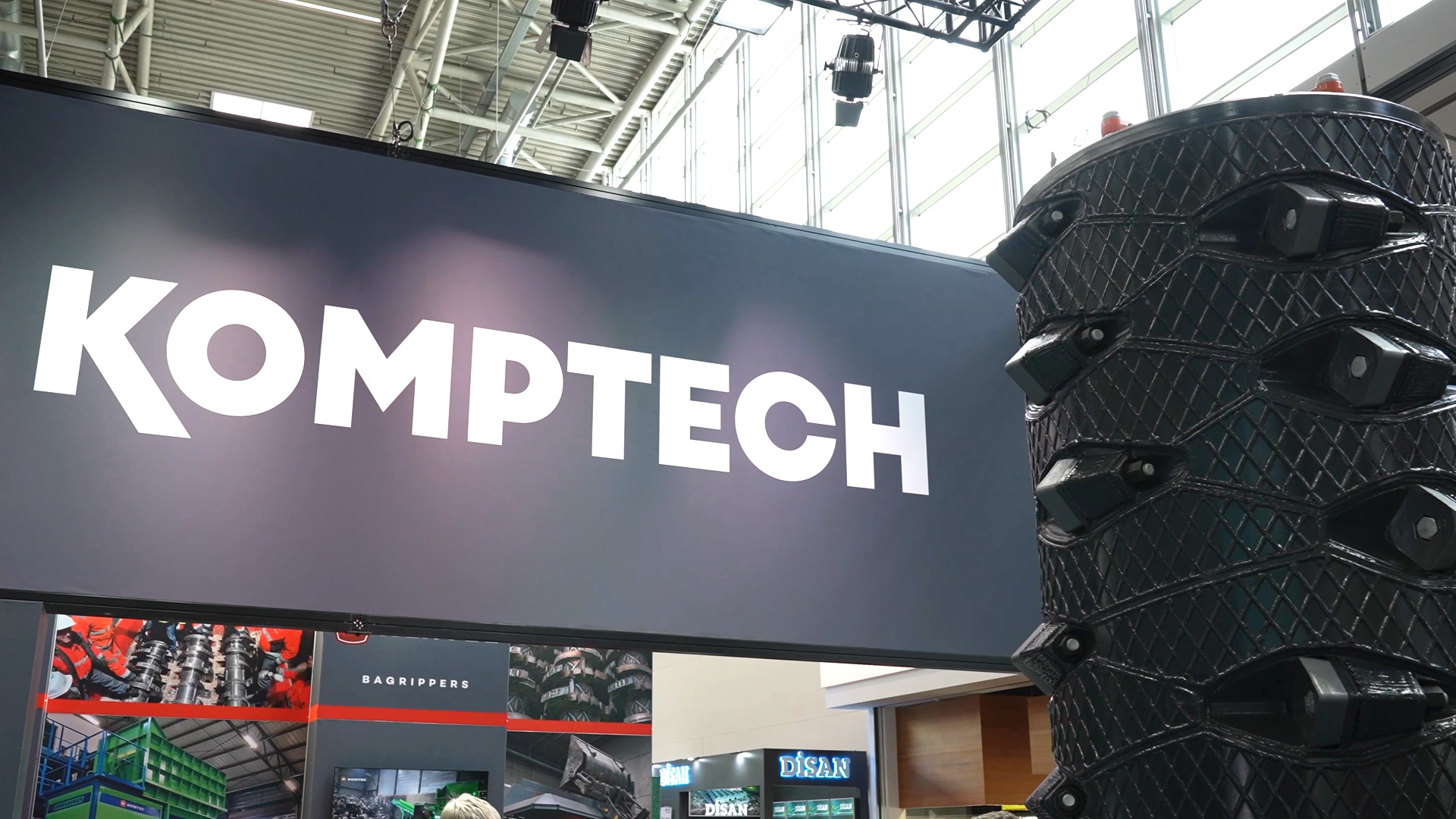
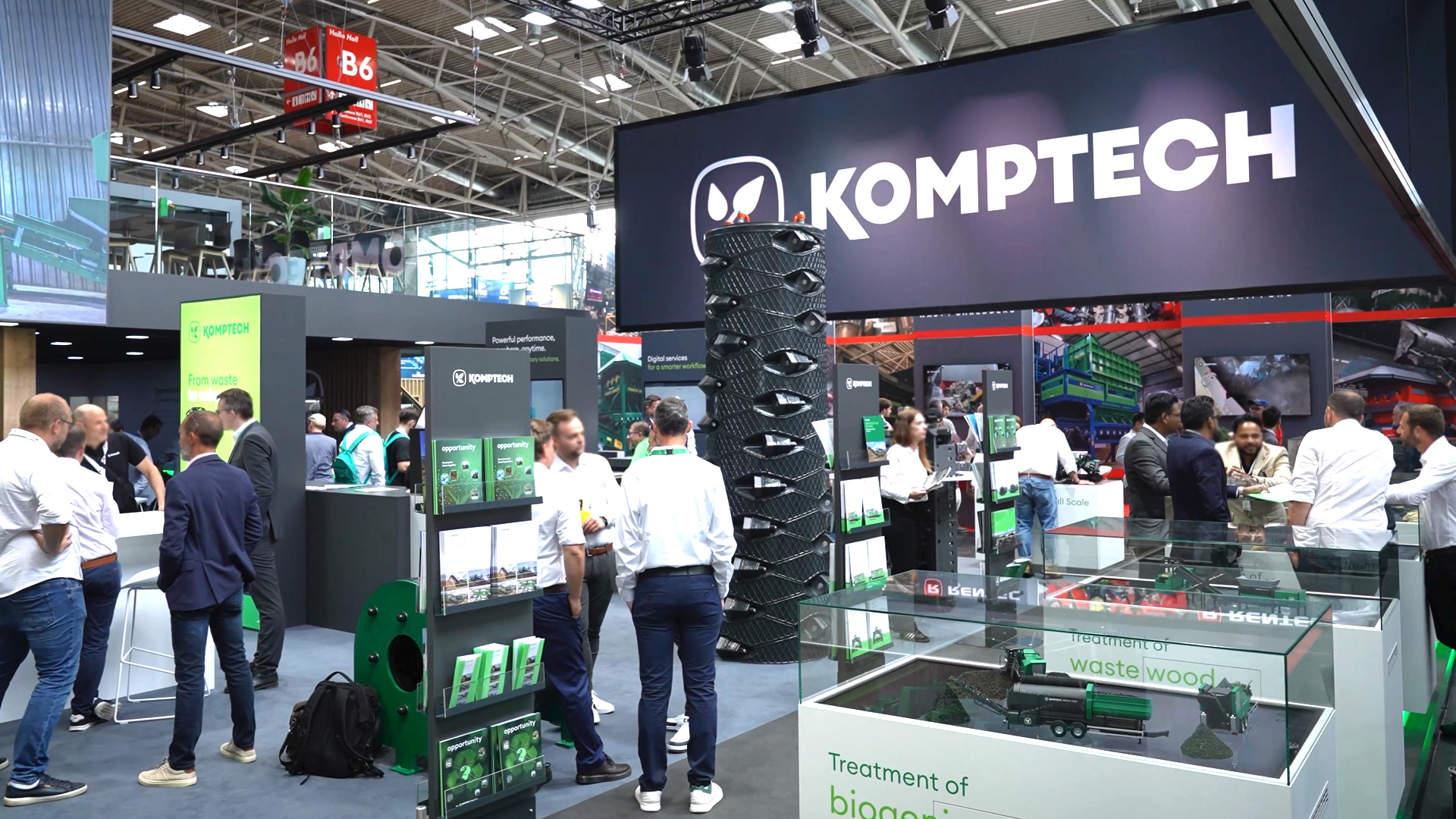
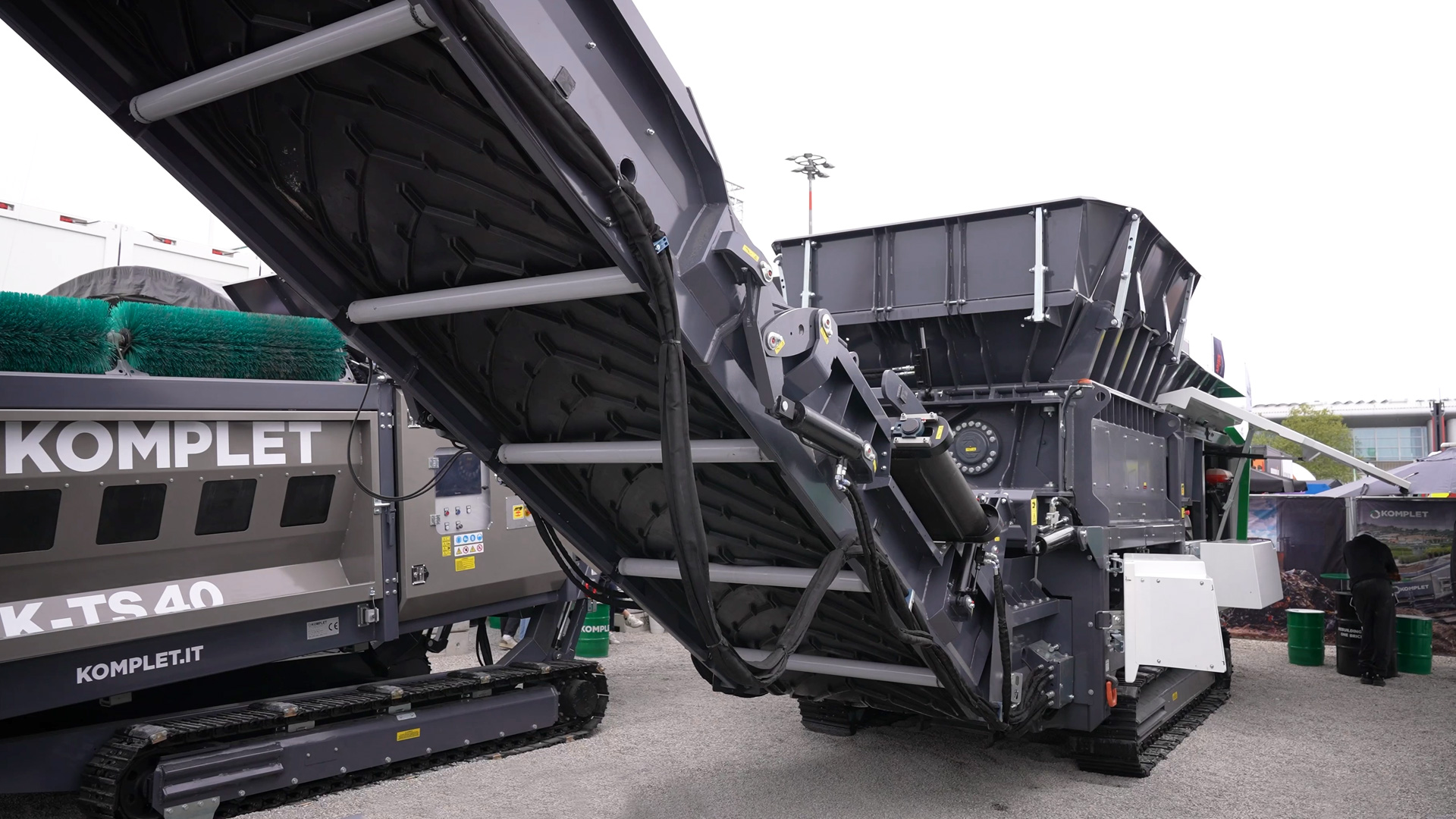
At the same time, demands regarding energy efficiency, operating costs and alternative drive technologies are rising. At the Ifat in Munich, Komptech is therefore presenting the Equalizor, a new concept for mid-stage shredding designed to form part of complete processing lines. The focus is not on the individual machine as an isolated product, but on its function within a larger material flow. The Equalizor is designed to reduce a wide variety of waste to defined particle sizes of less than 80 to 100 millimetres – a size range required particularly in the cement industry, but also in the processing of commercial and household waste.
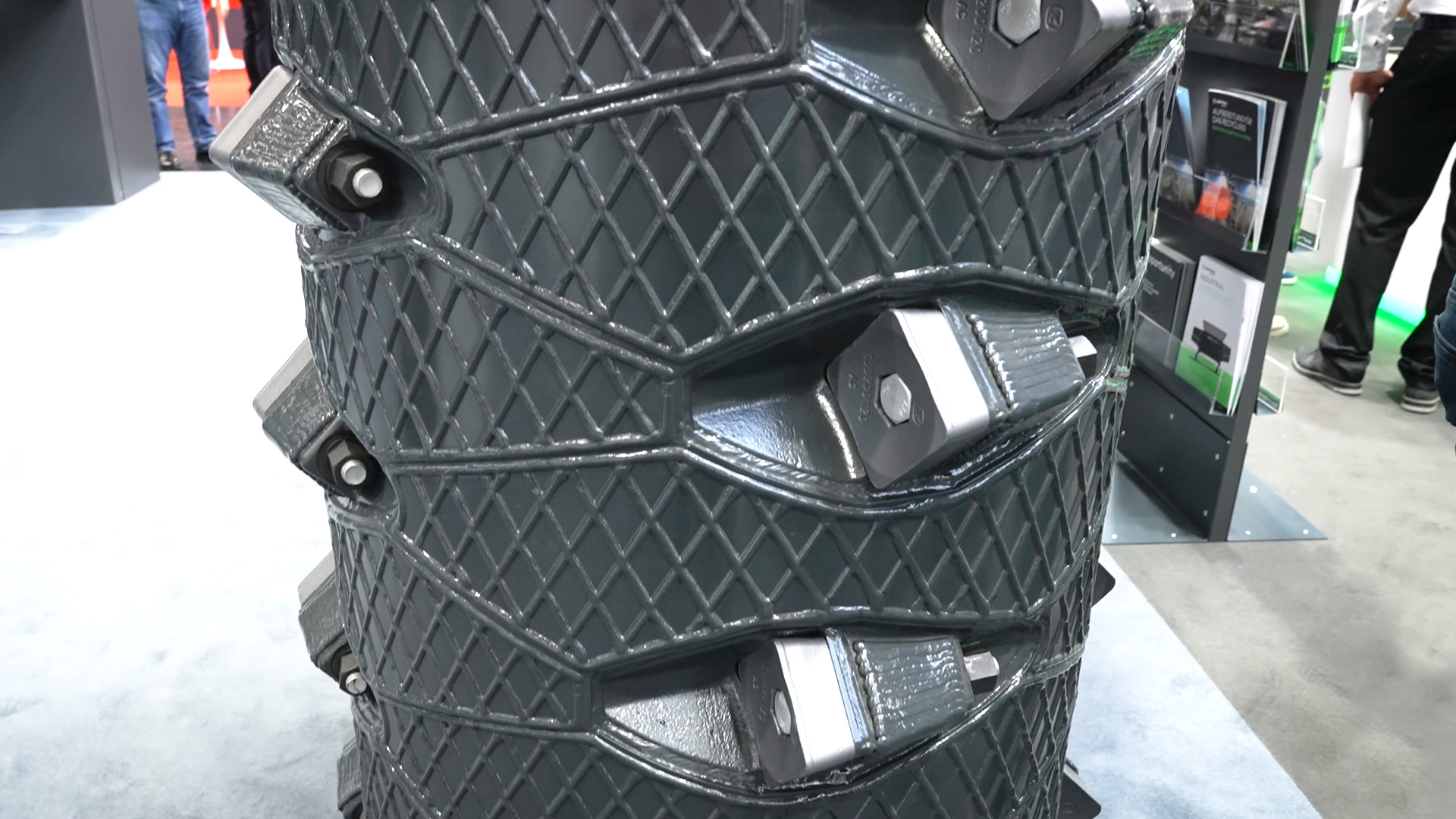
Komptech develops Equalizor for defined particle sizes
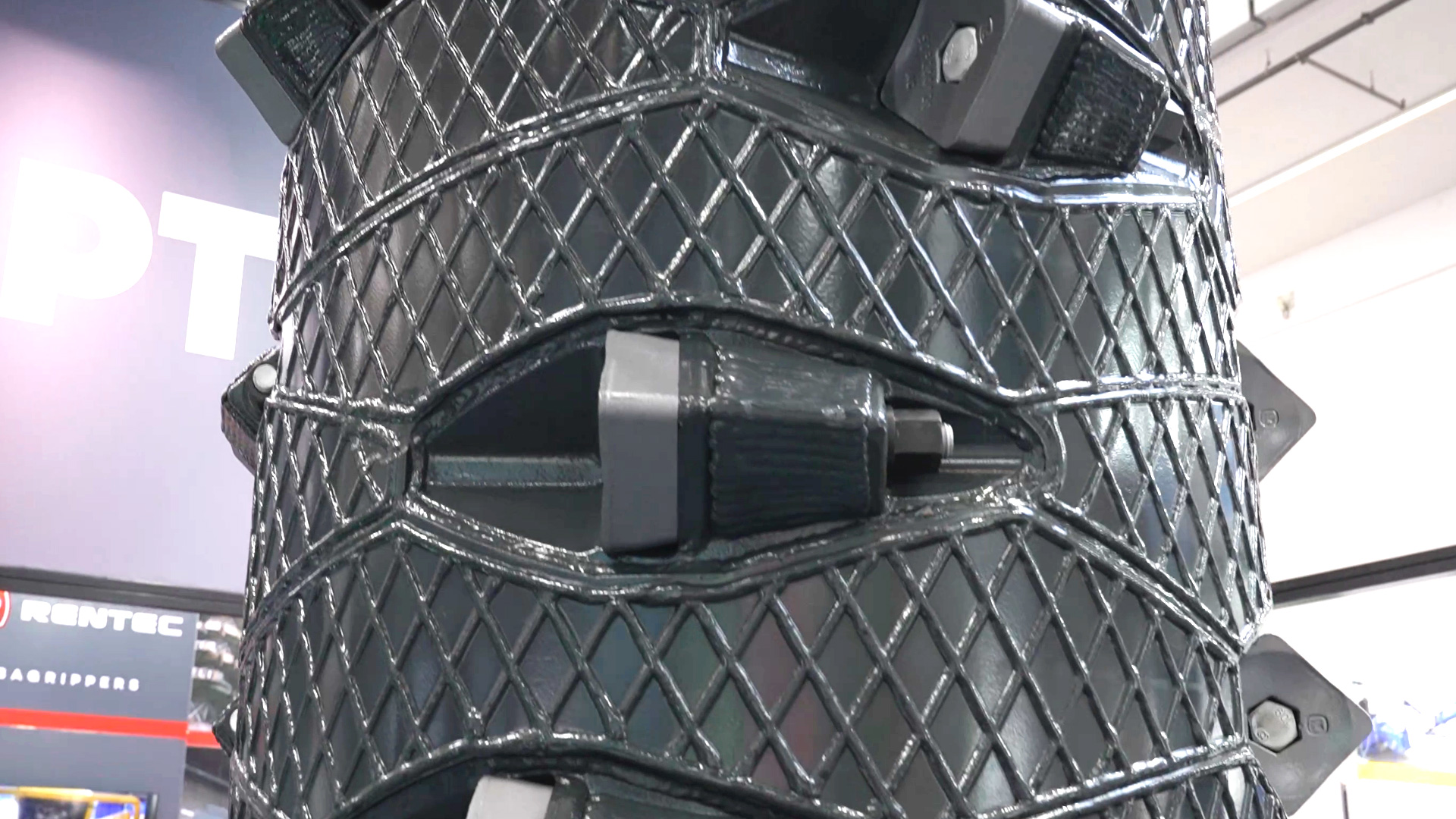
The Equalizor operates as an intermediate-stage crusher. Its task is to prepare materials for subsequent process steps. Precise particle size plays a central role, particularly in the production of substitute fuels or in the cement industry, because only homogeneous material can be processed efficiently. The machine operates with a horizontally arranged roller that crushes the material against a counter-blade. The defined distance between the roller and the counter-blade is crucial here. This produces the desired material size, which can be adjusted depending on the application. The design of the cutting tools is particularly striking. Komptech uses triangular teeth that can be reused multiple times. Each cutting edge can be rotated and used a total of three times. This significantly extends the service life of the tools whilst simultaneously reducing operating costs. This factor is particularly economically relevant in the recycling sector. Wear parts are among the largest running costs for many shredding plants. Reusable cutting edges reduce maintenance intervals and minimise downtime.
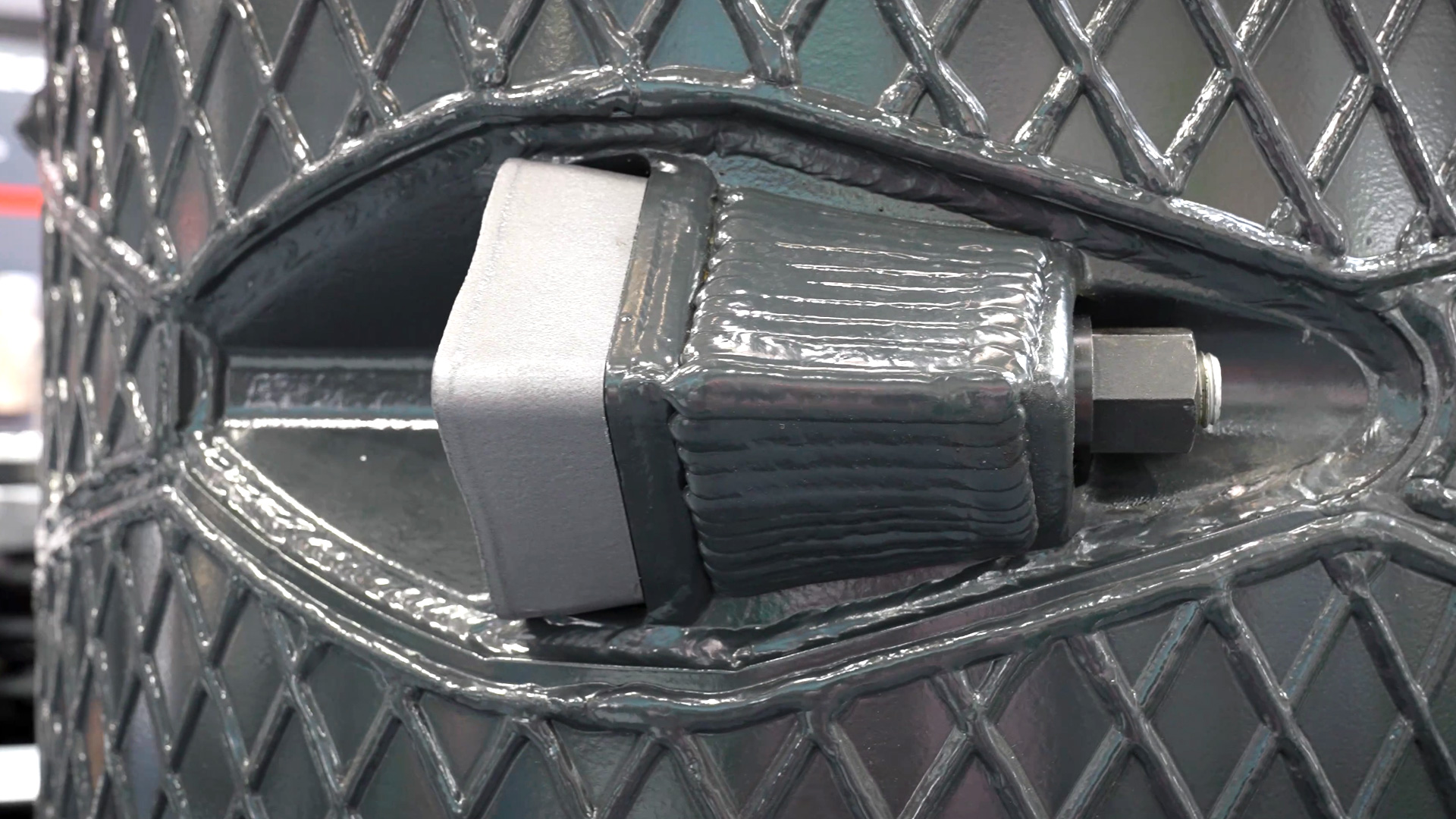
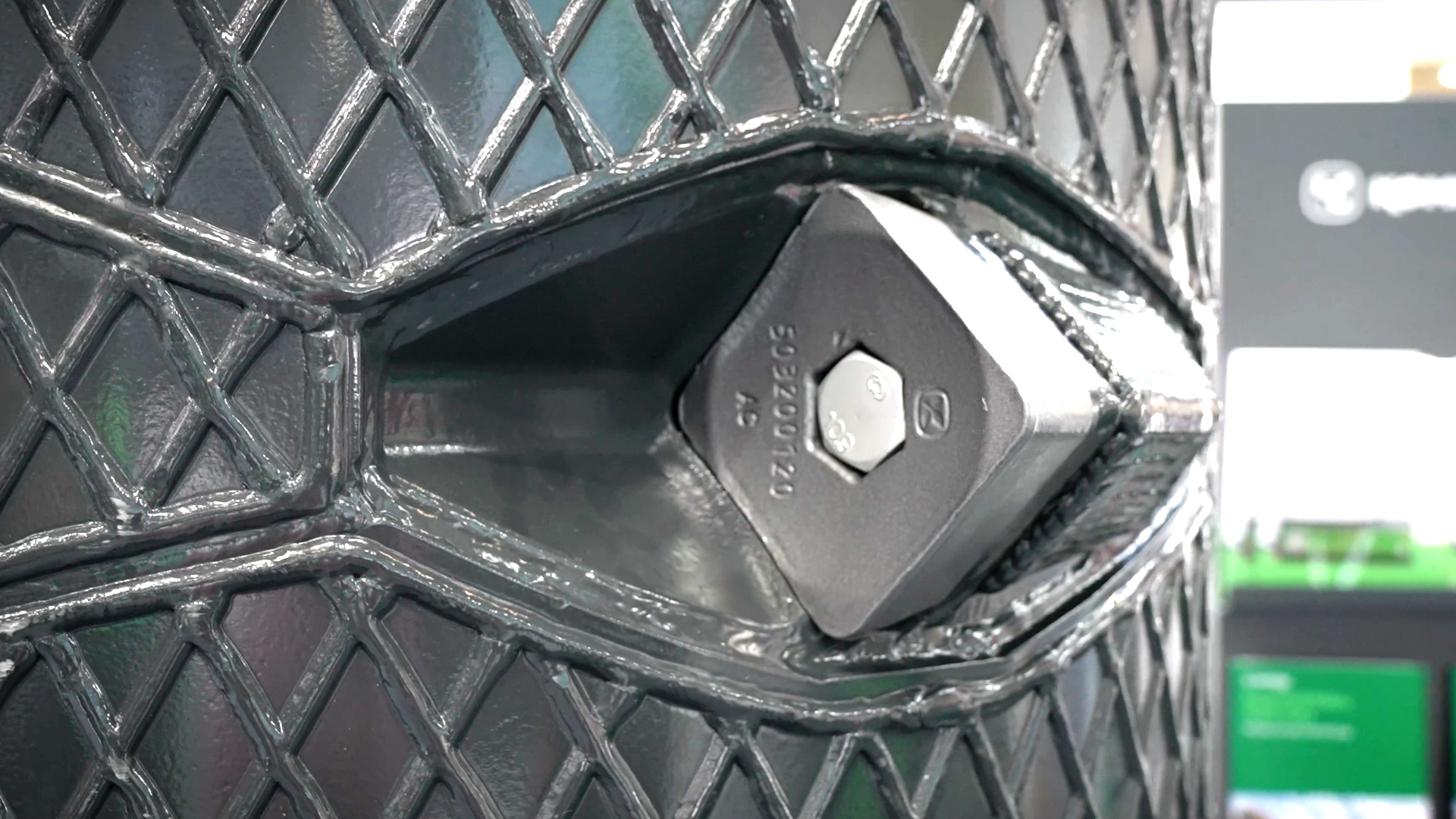
The Equalizor processes household waste, bulky waste and industrial waste
The machine’s scope of application extends far beyond traditional applications in the cement industry. In addition to alternative fuels, the Equalizor also processes commercial waste, industrial residues, and household and bulky waste. The system’s main areas of application:
- Processing of alternative fuels for the cement industry
- Shredding of commercial and industrial waste
- Pre-treatment of household and bulky waste
- Production of defined particle sizes for subsequent processes

Komptech focuses on complete processing solutions
According to the company, the machine is explicitly not intended as a stand-alone product. Komptech pursues an approach in which complete processing lines are planned and implemented. The Equalizor is merely a core element within a larger plant. This is complemented by conveyor technology, material transfers, further process stages and the complete plant control system. The aim is to provide turnkey total solutions tailored to the respective material stream. This offers particular advantages in the recycling sector, as material processing can rarely be reduced to a single process step. Crushing, screening, separation and transport are closely interlinked. This development is also changing the role of machine manufacturers. Instead of individual units, the focus is increasingly shifting to complete process chains. Operators today often expect integrated solutions from a single source – including planning, control and technical coordination of the entire plant.
Recycling technology is changing the way we view waste
The fundamental perspective on the topic of recycling is also of interest here. Komptech describes waste not as an end product, but as a raw material in the wrong place. It is precisely this that gives rise to the aim of recovering materials as completely as possible and making them reusable. This perspective is becoming increasingly important as raw material prices rise and resource consumption grows. Modern recycling plants should not merely dispose of waste, but return recyclable materials to new production cycles as efficiently as possible. To this end, precisely coordinated processing systems are becoming increasingly important. Only when materials are cleanly separated and processed in a defined manner can high-quality secondary raw materials be produced from them. The combination of mechanical processing and intelligent process control is therefore emerging as a key factor in modern recycling technology.
Alternative drive systems are gaining importance in processing
In addition to the actual shredding process, Komptech is increasingly focusing on alternative drive systems. Electric, hybrid or other lower-emission concepts are intended to complement traditional diesel drives in the long term. Stationary or semi-mobile plants in particular offer potential for this. In such setups, electric systems can often be integrated more easily than in fully mobile machines. At the same time, demands for energy efficiency and CO₂ reduction are also rising significantly in the field of recycling technology. Whilst the core mechanical task of shredding remains unchanged, drive technology is significantly altering the overall cost-effectiveness of modern plants. Energy consumption, maintenance costs and emissions are increasingly becoming decisive competitive factors. With the Equalizor, Komptech is therefore presenting not only a new mid-stage shredder, but a building block for more interconnected and efficient processing systems. This development illustrates how recycling technology is evolving from traditional shredder solutions towards complex process platforms.
Trade fair reporting Germany - Trade fair knowledge, dates & events


