Network for waste management and digitalisation in the SME sector
by A. Bergmeier - 2026-06-05The demands placed on the waste management industry have changed fundamentally over the past few decades. Customer structures are becoming more complex, companies operate across regions or internationally, and digital processes are becoming increasingly important.
At the same time, many medium-sized family businesses face the challenge of maintaining their regional strength whilst remaining competitive nationwide. This is precisely where the Logex concept comes in. The network brings together the services of numerous medium-sized waste management companies, thereby creating a structure capable of serving large clients with supra-regional requirements without losing the regional roots of the individual partners.
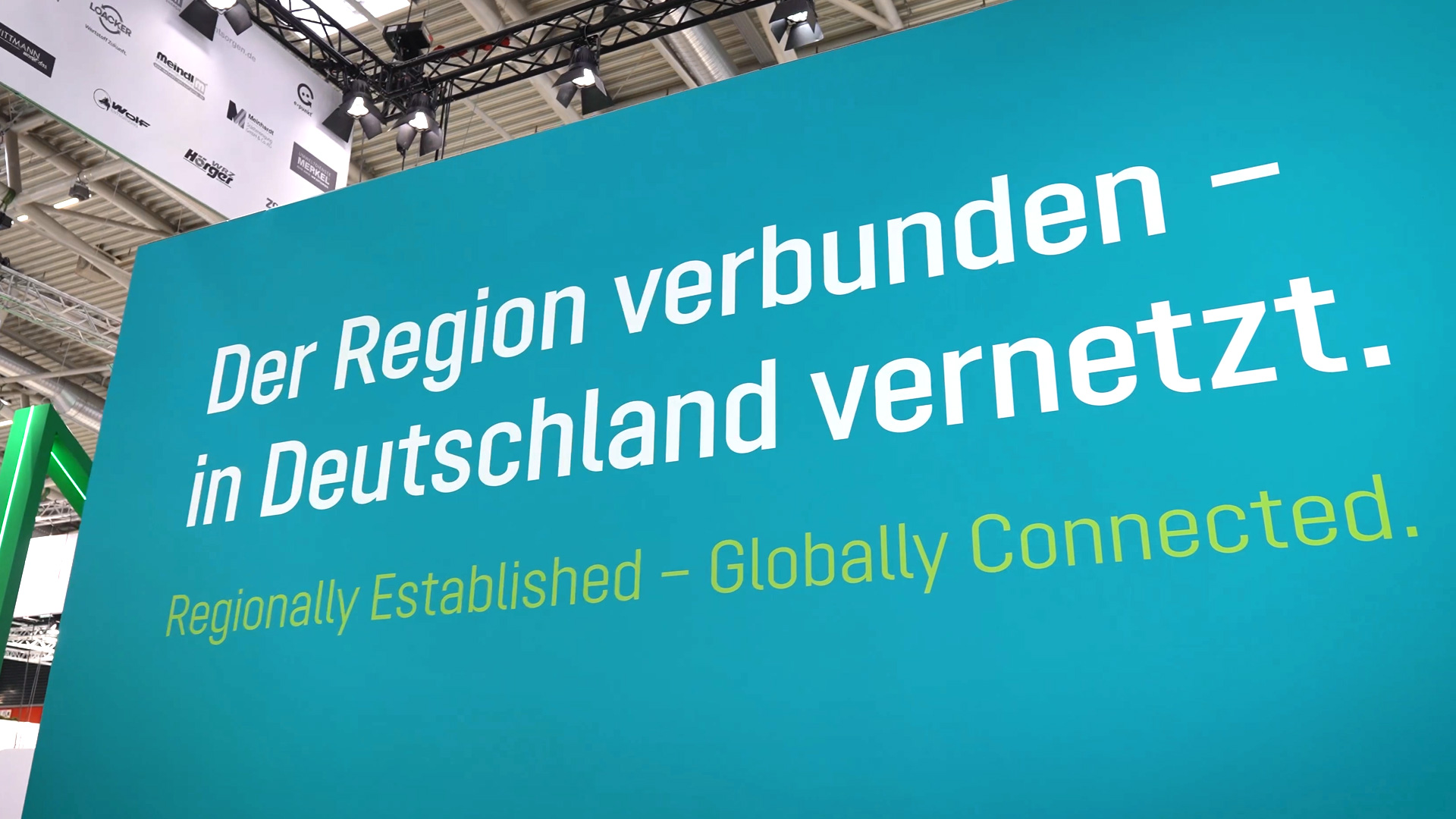
Logex connects medium-sized waste management companies
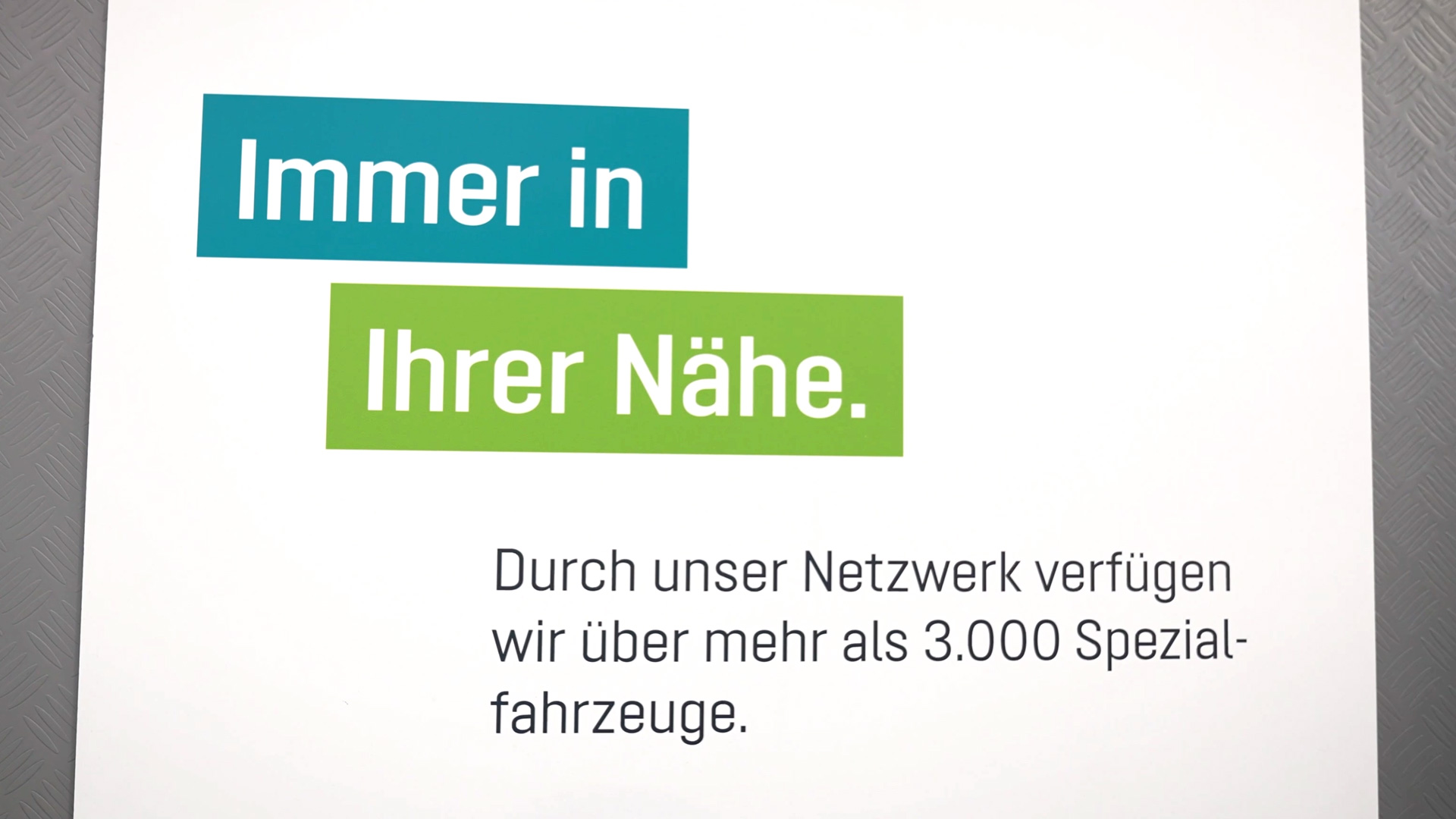
The history of Logex dates back to 1993. Even then, the founding partners recognised that the waste management market was undergoing significant change. Competitors were merging to form larger corporate groups, whilst at the same time ever-larger structures were emerging on the customer side. Whereas decisions were previously often made at a local level, waste management services are now frequently managed centrally. Branch networks, retail chains or industrial companies no longer award contracts for individual sites, but for hundreds of branches simultaneously. To respond to this development, a network of medium-sized and family-run companies was established, which today can draw on a broad partner structure. According to the company, more than 550 active business partners now work together within the network. The basic idea remains unchanged: combining regional expertise with supra-regional capacity.
Cooperation as the foundation of the Logex model
Building such a network is far more challenging than it appears at first glance. Many of the participating companies have been active in their regions for decades and, in some cases, have even competed with one another. That is why the model is based above all on trust and long-term cooperation. The central guiding principle is “added value through cooperation”. The aim is to pool the strengths of many small and medium-sized enterprises and use them to develop a joint range of services. This creates a significant advantage for customers. Instead of having to work with a multitude of different waste management companies, they are provided with a single point of contact for organising their waste management services. The key features of the network:
- An alliance of family-run medium-sized companies
- Nationwide coverage through regional partners
- More than 550 active business partners
- Centralised support for large client structures
- Uniform coordination and invoicing
Logex focuses on large, supra-regional clients
The focus is on companies with branch networks, production sites or complex organisational structures. Typical clients often have several dozen or even several hundred branches spread across Germany. Added to this are increasing requirements in the areas of sustainability and reporting. Many corporations today must provide key figures on waste volumes, recycling rates or CO₂ emissions. This data must be available promptly and delivered in a standardised format. This highlights the importance of a centrally organised network. Information from numerous regional service providers is consolidated and prepared in a bundled format for the client. For clients, this means less administrative effort and greater transparency regarding their waste management processes.
Digitalisation is transforming the waste management sector
A key issue for the future remains digitalisation. Major clients now expect up-to-date data and analyses much more quickly than they did just a few years ago. Whereas reports used to take months to produce, there is now a growing demand for information to be available almost immediately. This development is also changing the way the industry operates. Processes that have worked for many years need to be rethought and digitised. Logex sees itself as a mediator between the requirements of large clients and the capabilities of medium-sized companies. New digital solutions are intended not only to benefit customers but also to increase efficiency within the network. This involves data management, process automation and better integration of various information sources.
Artificial intelligence is set to make processes more efficient
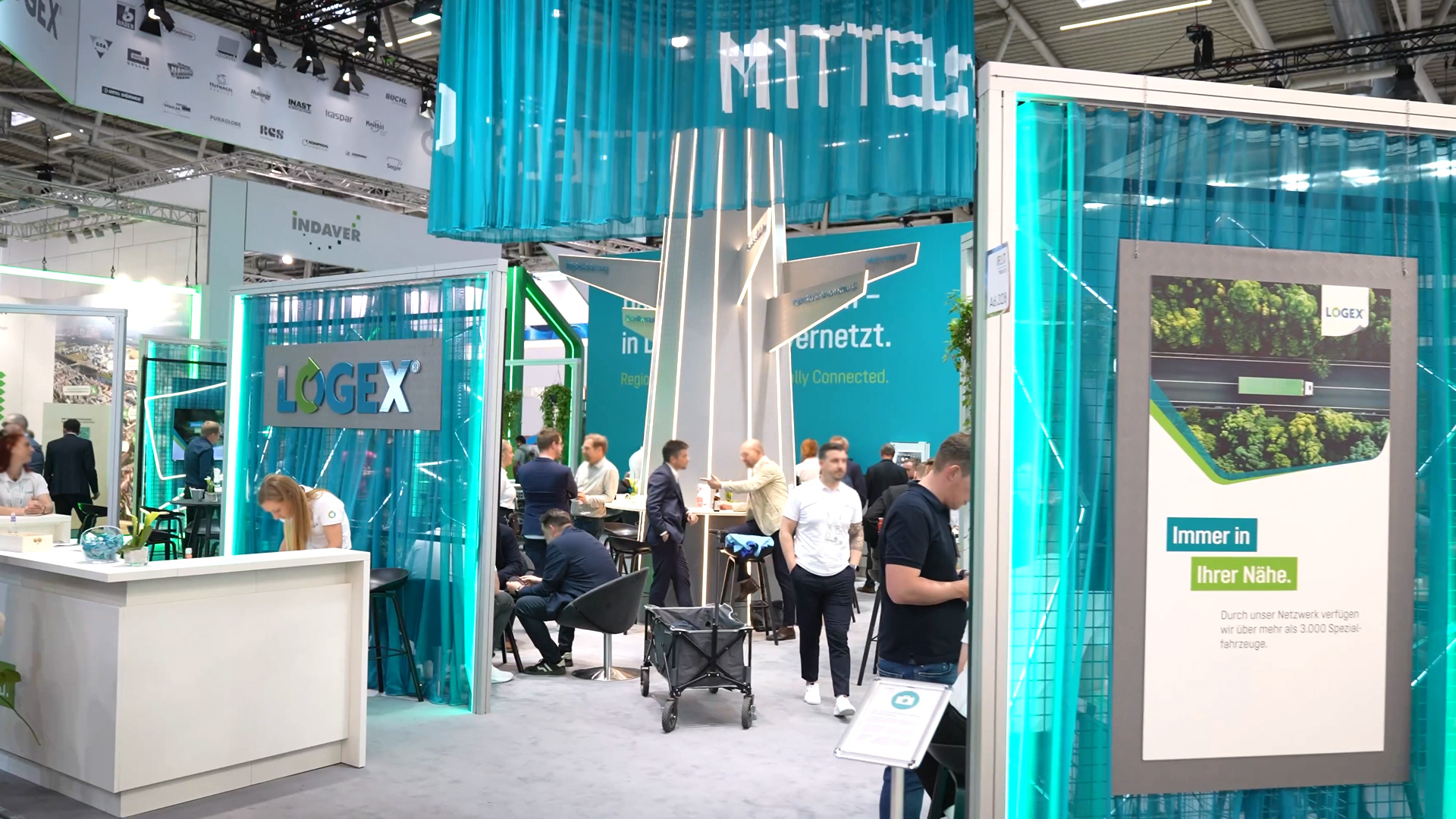
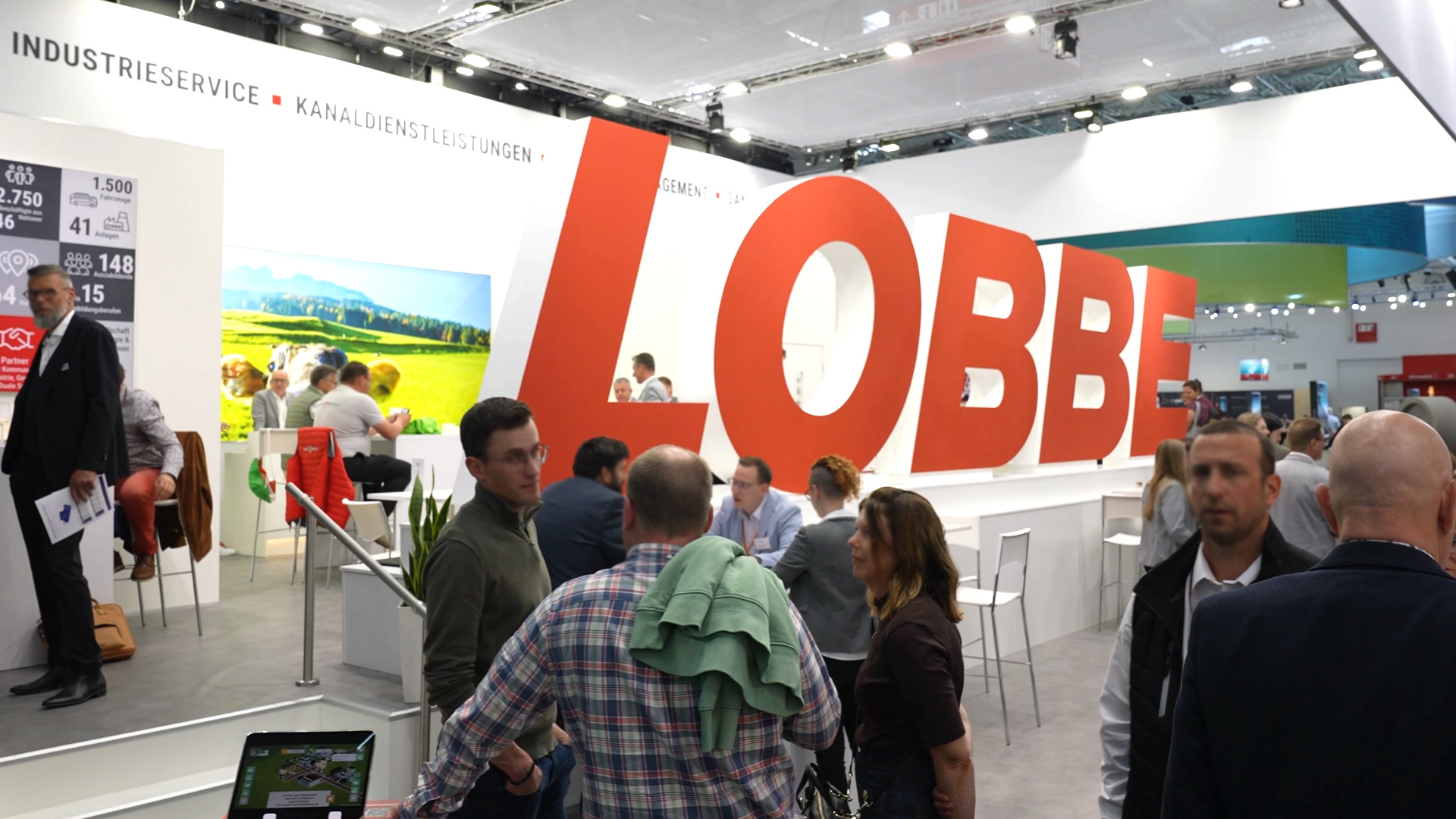
Artificial intelligence is also playing an increasingly important role. According to the company’s assessment at the Ifat in Munich, the technology offers great potential, particularly for administrative and repetitive tasks. The focus here is not on complete automation, but on providing intelligent support to staff. AI can help reduce repetitive tasks, process information more quickly and make workflows more efficient. At the same time, it is made clear that human experience remains indispensable. Projects to date show that whilst artificial intelligence opens up new possibilities, it cannot manage complex business processes entirely on its own. The future of the industry is therefore likely to lie in a combination of digital support and human expertise. For networks such as Logex, this presents an opportunity to further professionalise their services whilst retaining the strengths of medium-sized enterprises. This development shows that cooperation, digitalisation and regional expertise will be more closely intertwined in future than ever before.
Trade fair reporting Germany - Trade fair knowledge, dates & events


