Separation of non-ferrous metals from fine-grain material with higher purity
by B. Velonavy - 2026-06-02The separation of non-ferrous metals is one of the key process steps in modern recycling plants. The finer the material fractions become, the more challenging the separation process becomes.
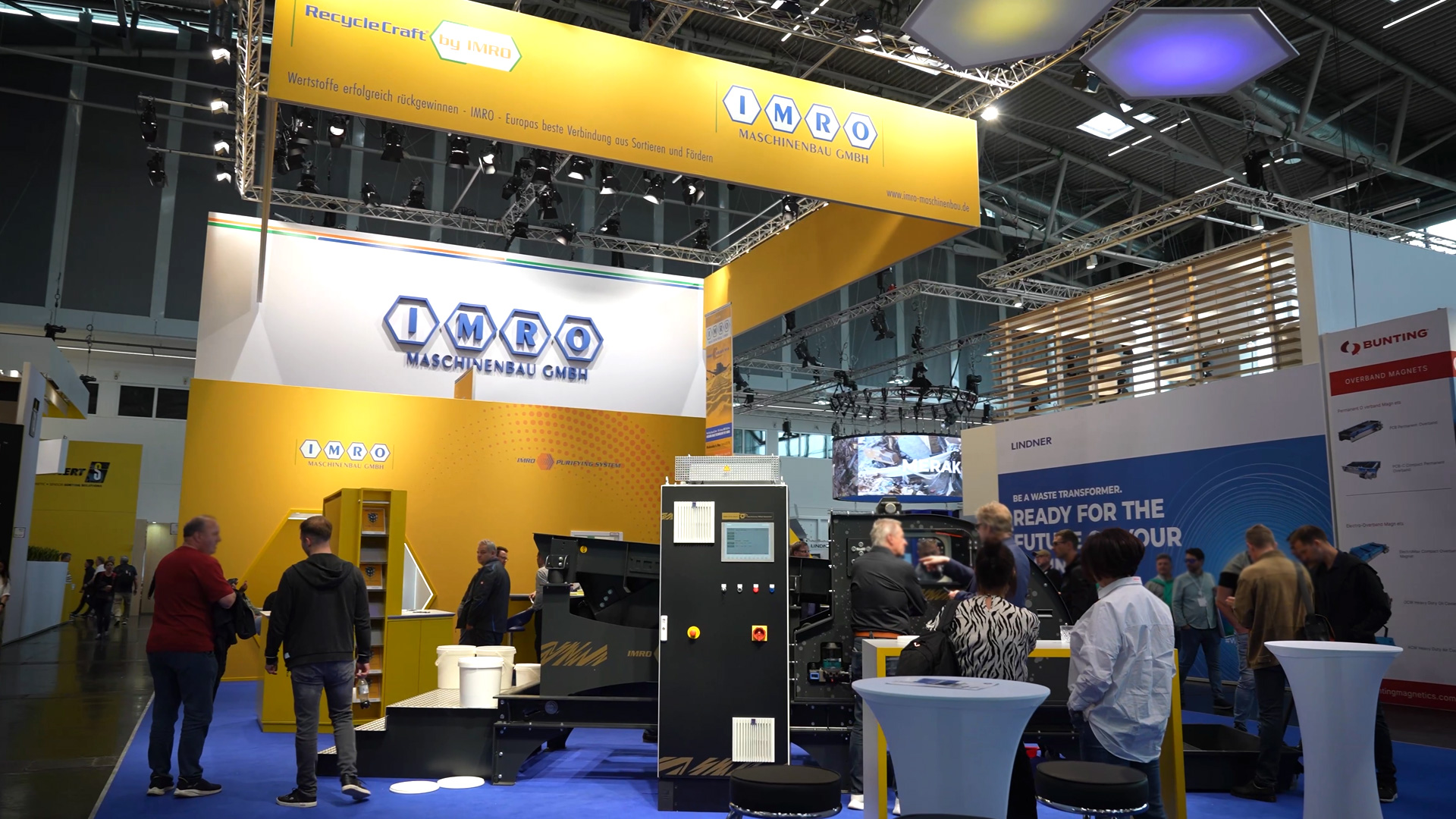
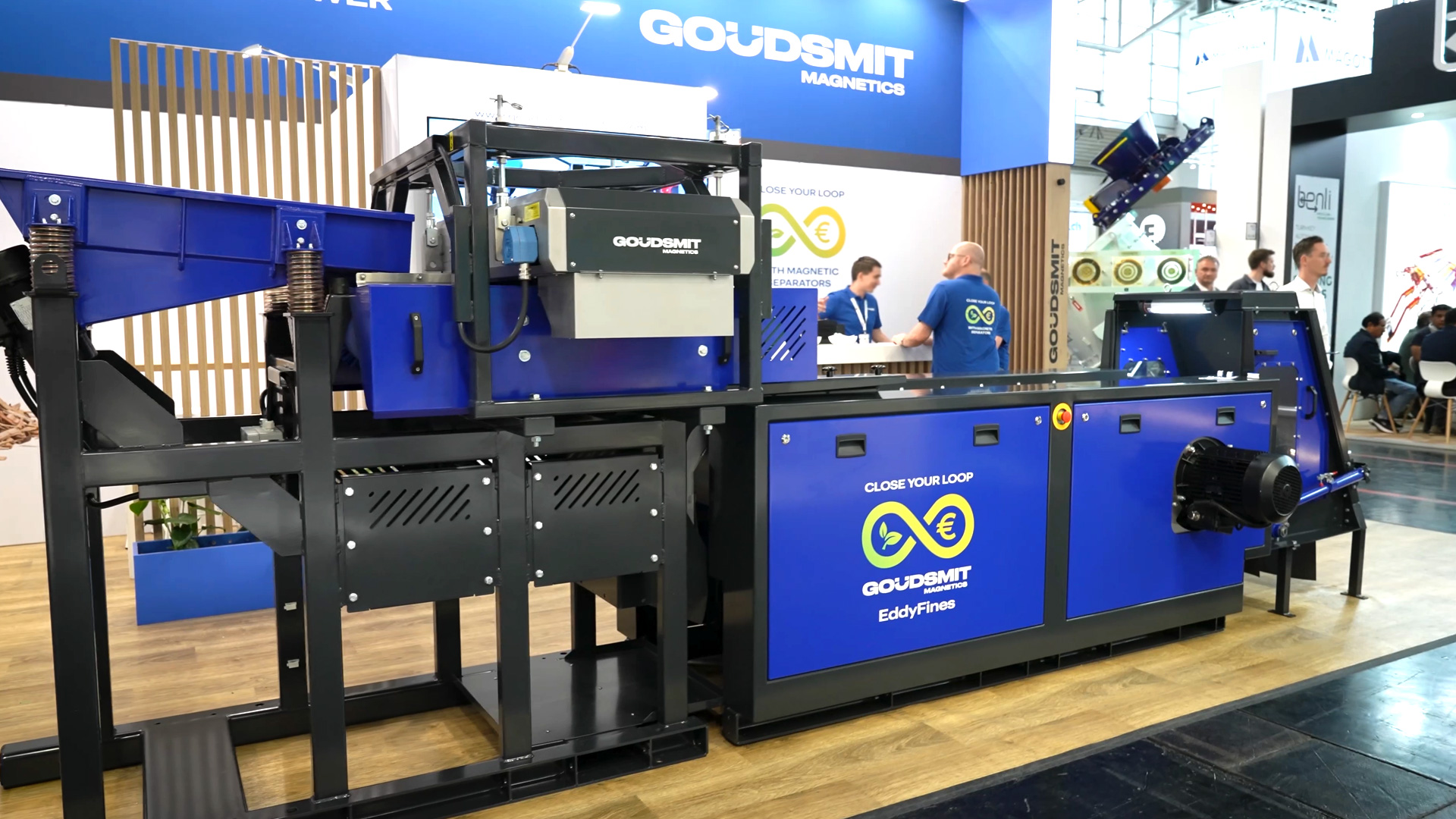
At the same time, demands on purity, throughput and cost-effectiveness are increasing. At Ifat Munich, Imro is therefore presenting a new solution for non-ferrous separation designed to open up new possibilities, particularly for fine-grained materials. The focus is on a system that operates without a conventional conveyor belt and feeds the material directly over a pole drum. This brings the separation unit closer to the product. According to the manufacturer, this enables both higher throughput rates and improved purity levels to be achieved. For operators of recycling plants, this means potentially higher revenue from recyclable materials alongside more efficient processes.
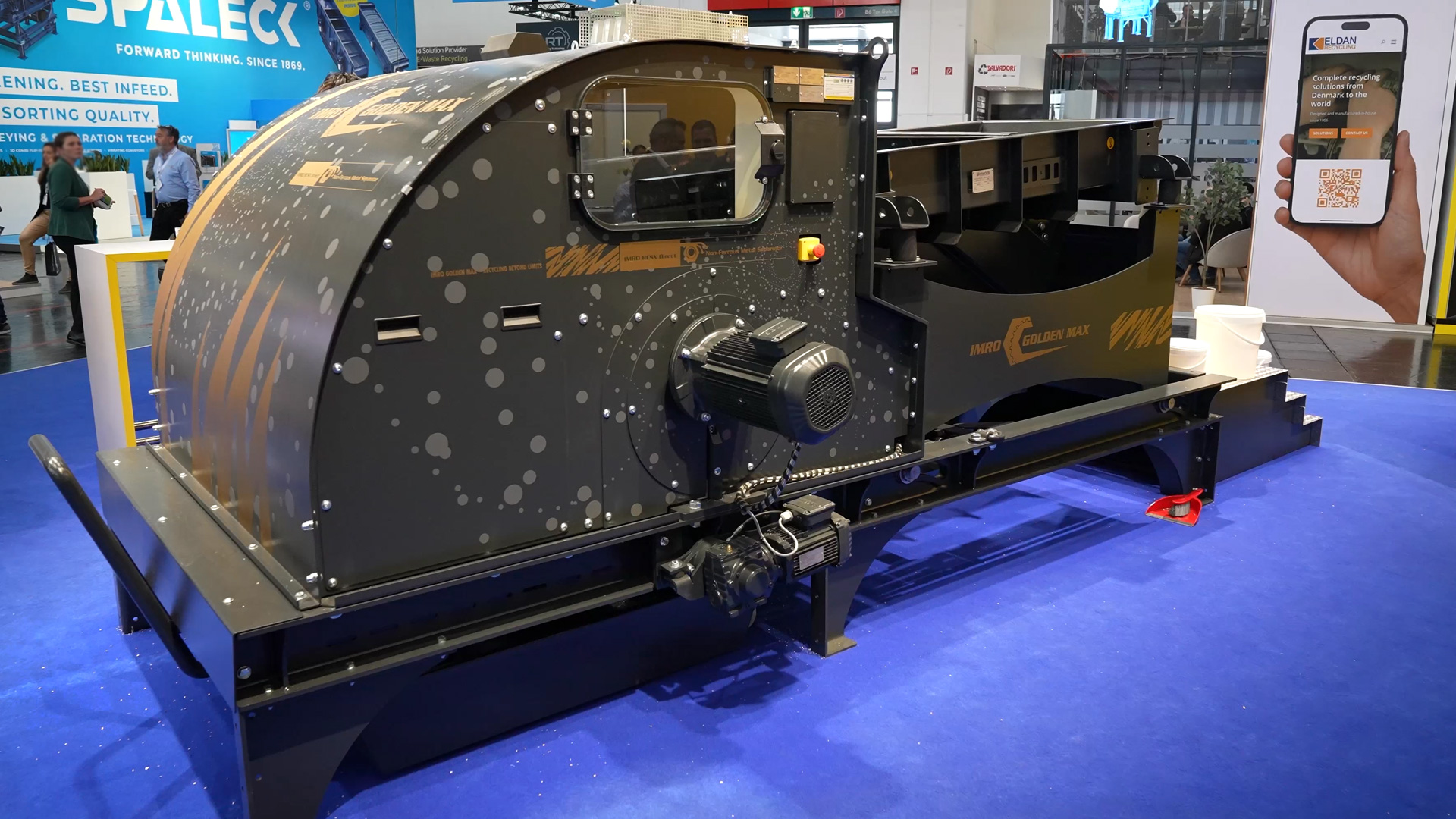

Imro develops new non-ferrous separator without a conveyor belt
The machine presented differs significantly from conventional eddy current separators. Whilst many systems first transport the material via a conveyor belt, the new design relies on direct feeding via the pole drum. The technical advantage lies in the shorter distance between the material flow and the magnetic system. This allows for a more targeted effect on the metal particles to be separated. This aspect plays a particularly important role with fine material fractions, as even minor changes in material flow can influence the quality of the separation here. According to Imro, the machine was developed entirely in-house – from the initial idea to the production-ready product. The manufacturer thus sees itself in a unique position within the market for ferrous and non-ferrous separation.
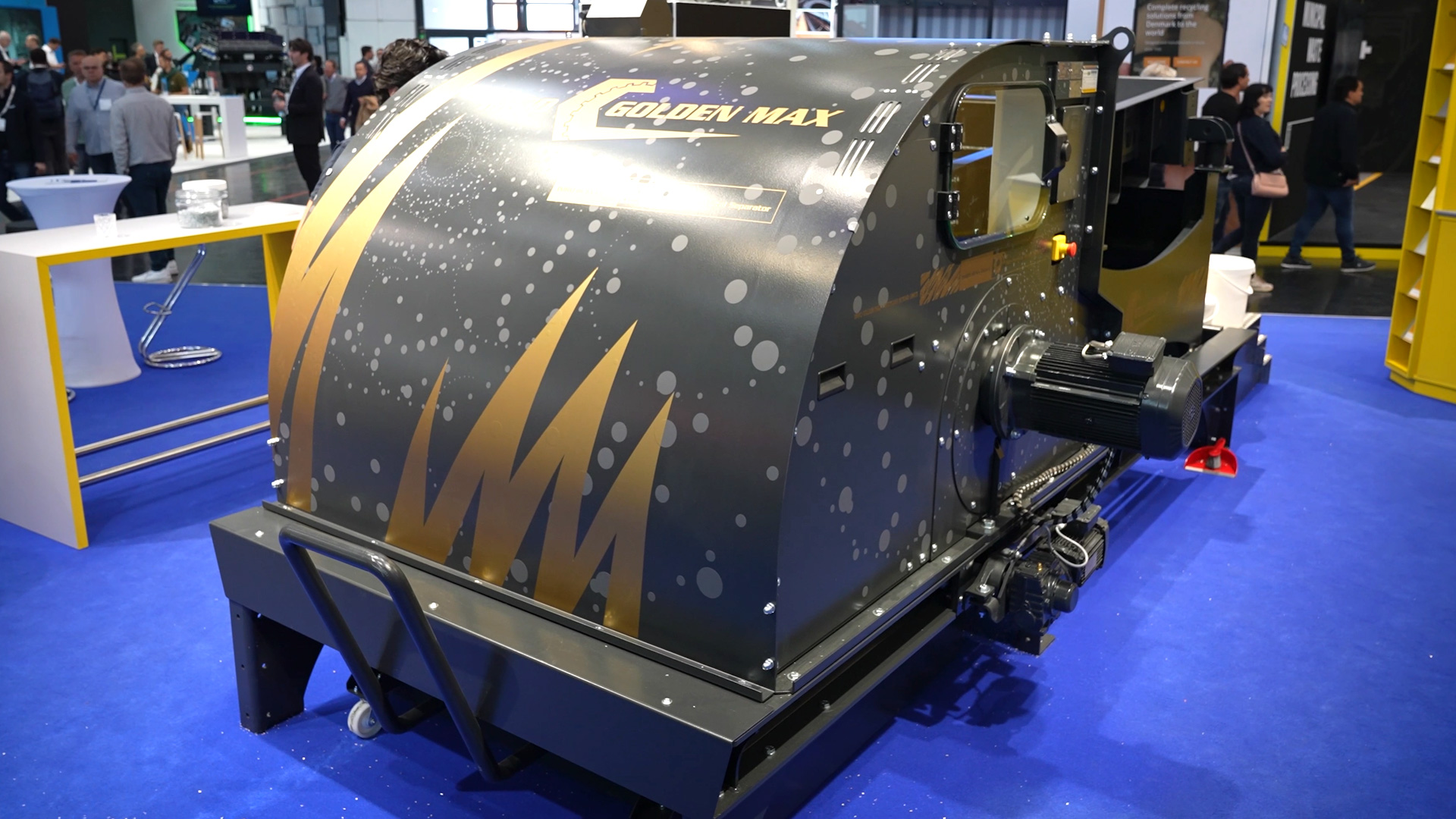
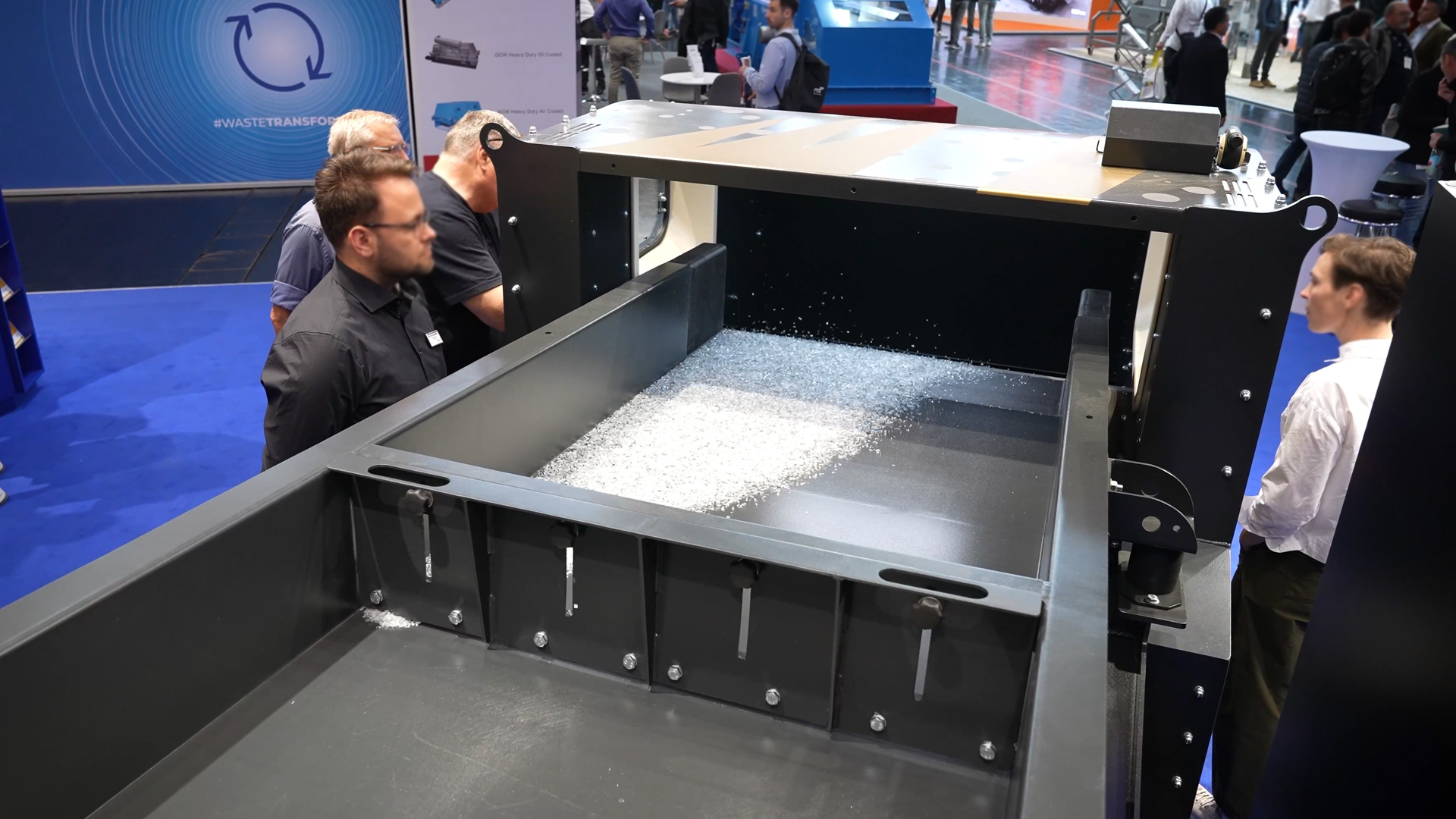
Separation of aluminium and PET flakes
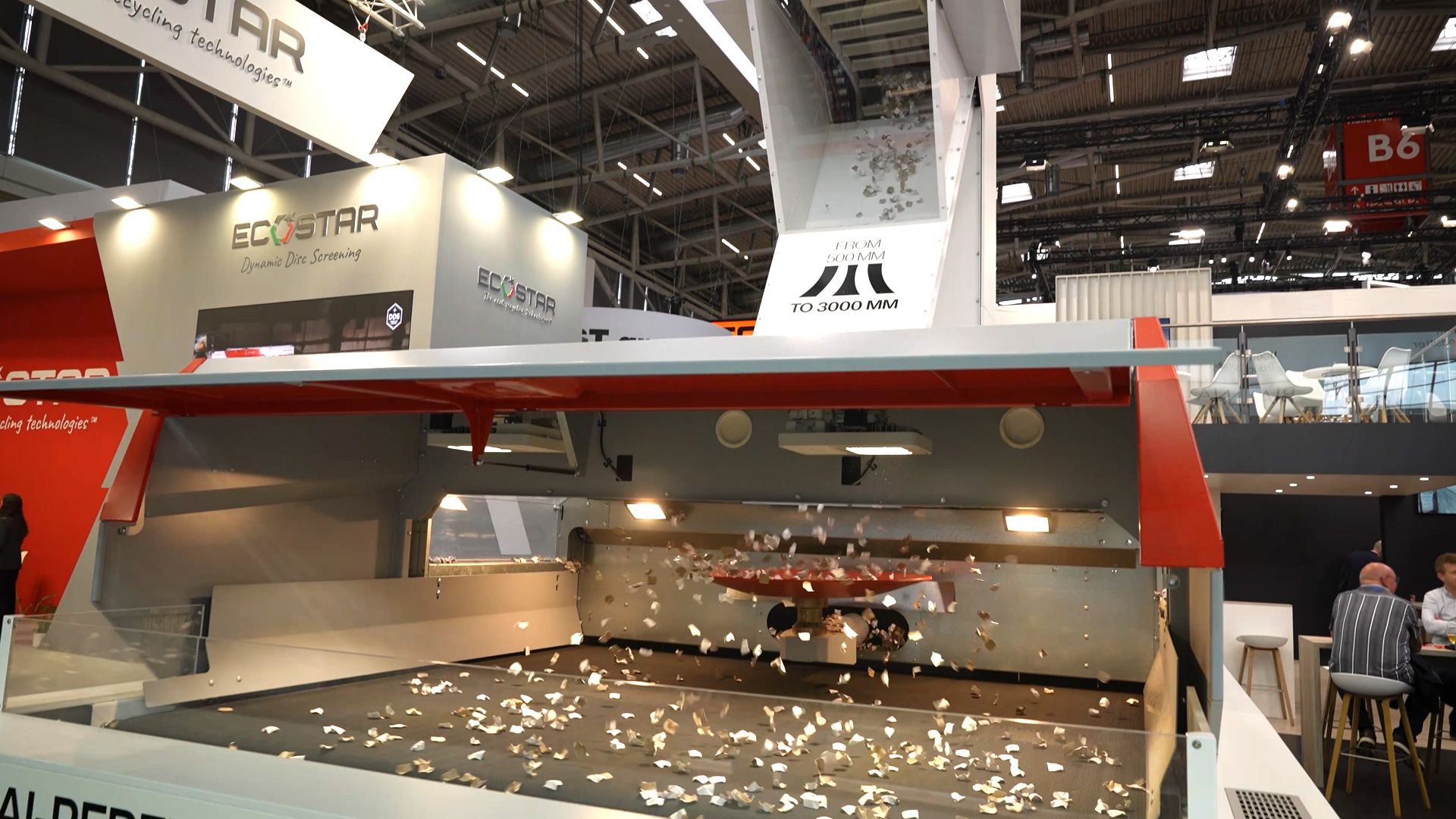
A key area of application is plastics processing. At the exhibition stand, the separation of PET flakes contaminated with aluminium flakes will be demonstrated. Particularly in recycling processes, such contaminants must be removed as completely as possible to produce high-quality recyclates. The material is first metered via an underside weir. A magnetic vibrator then takes over the controlled transfer to the pole drum. This is where the actual separation takes place: the aluminium components are influenced by the magnetic field and ejected from the material stream, whilst the PET flakes continue on their original path. The entire process is designed to ensure a consistent material feed. This precise dosing contributes significantly to the quality of the separation process.

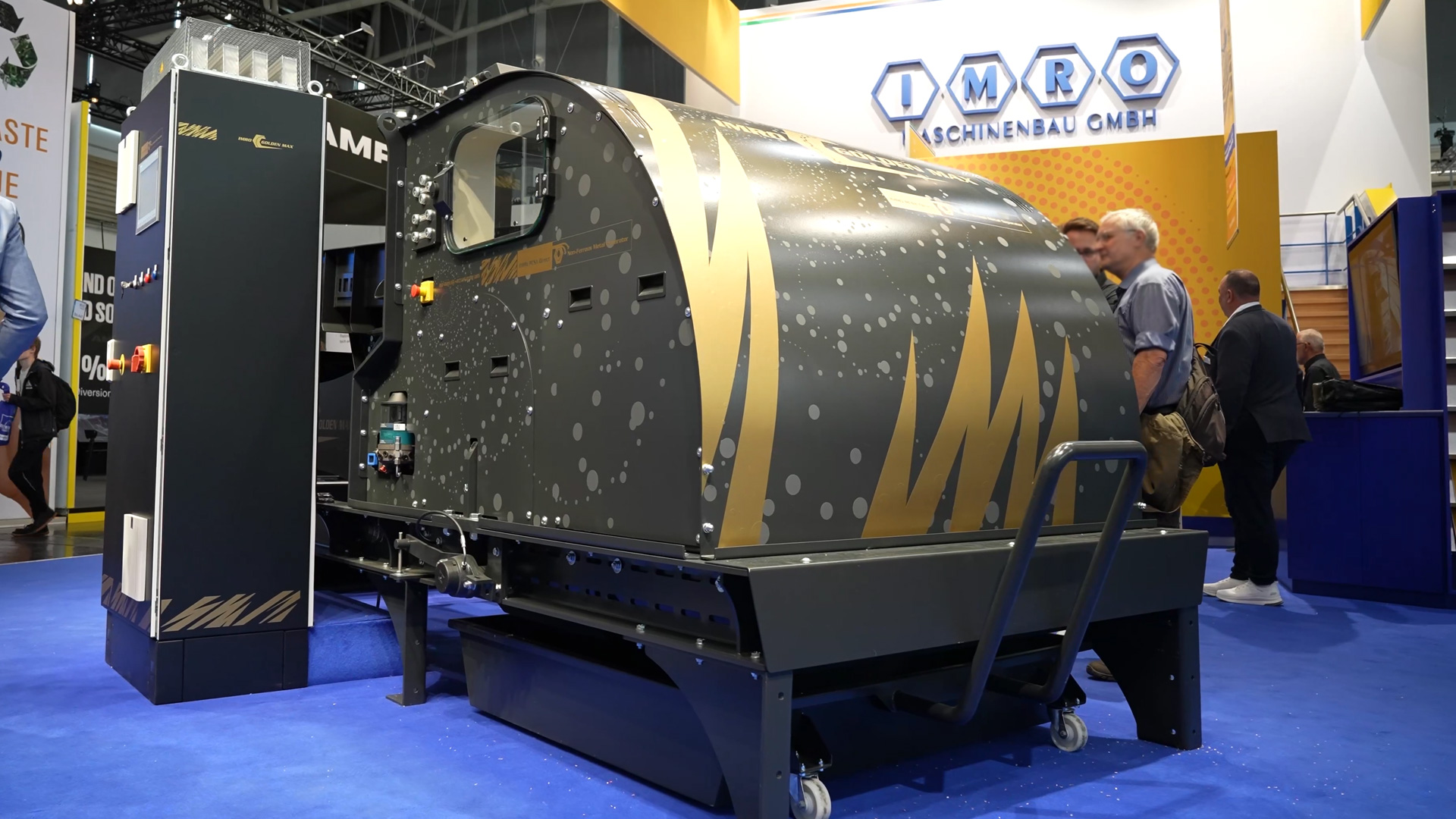
Applications ranging from PET to ASR
The application is not limited to plastics recycling. According to the manufacturer, the machine is generally suitable for numerous fine-grained materials. Possible areas of application include:
- PET flakes from plastic recycling processes
- ASR material from vehicle recycling
- fine glass fractions
- other mineral and industrial fine-grain products
- material streams containing aluminium or other non-ferrous metal components
Higher output through optimised material handling
The history of the system’s development is noteworthy. According to the company, the basic idea initially arose rather informally but quickly developed into a concrete development project. Initial considerations led to a prototype, which ultimately resulted in a machine ready for series production. The aim was not merely to improve separation. Rather, the aim was to increase material throughput at the same time. In recycling plants, the combination of purity and output often determines the economic viability of a plant. Higher recovery of valuable metals combined with greater throughput can significantly improve profitability. The new material guidance via the pole drum forms the core of the concept. Due to the immediate proximity to the magnetic field, the potential of the separation technology is utilised more effectively than in conventional plant configurations.
Automation aims to further simplify operation
In permanent magnet separation systems, the physical limits are largely considered to have been exhausted. Consequently, significant performance gains can often no longer be achieved solely through stronger magnetic fields. Future improvements will increasingly result from smarter process control and automation. Imro also sees further potential here. The aim is to automate settings and parameters to a greater extent in future. This should reduce operating errors and simplify plant management. At the same time, automated control can help to compensate for fluctuations in the material flow and maintain a consistently high separation quality. The solution presented at Ifat at the Munich Trade Fair demonstrates that there is still room for development even in a technically established field such as non-ferrous separation. Innovative concepts are becoming particularly important for fine material fractions, as they enable higher purity levels, greater throughput rates and more economical recovery of valuable raw materials. Given the rising demands for recycling rates and resource efficiency, such developments are likely to be increasingly in demand in the coming years.
Trade fair reporting Germany - Trade fair knowledge, dates & events


