Softub: Mobile whirlpool with innovative heat utilization
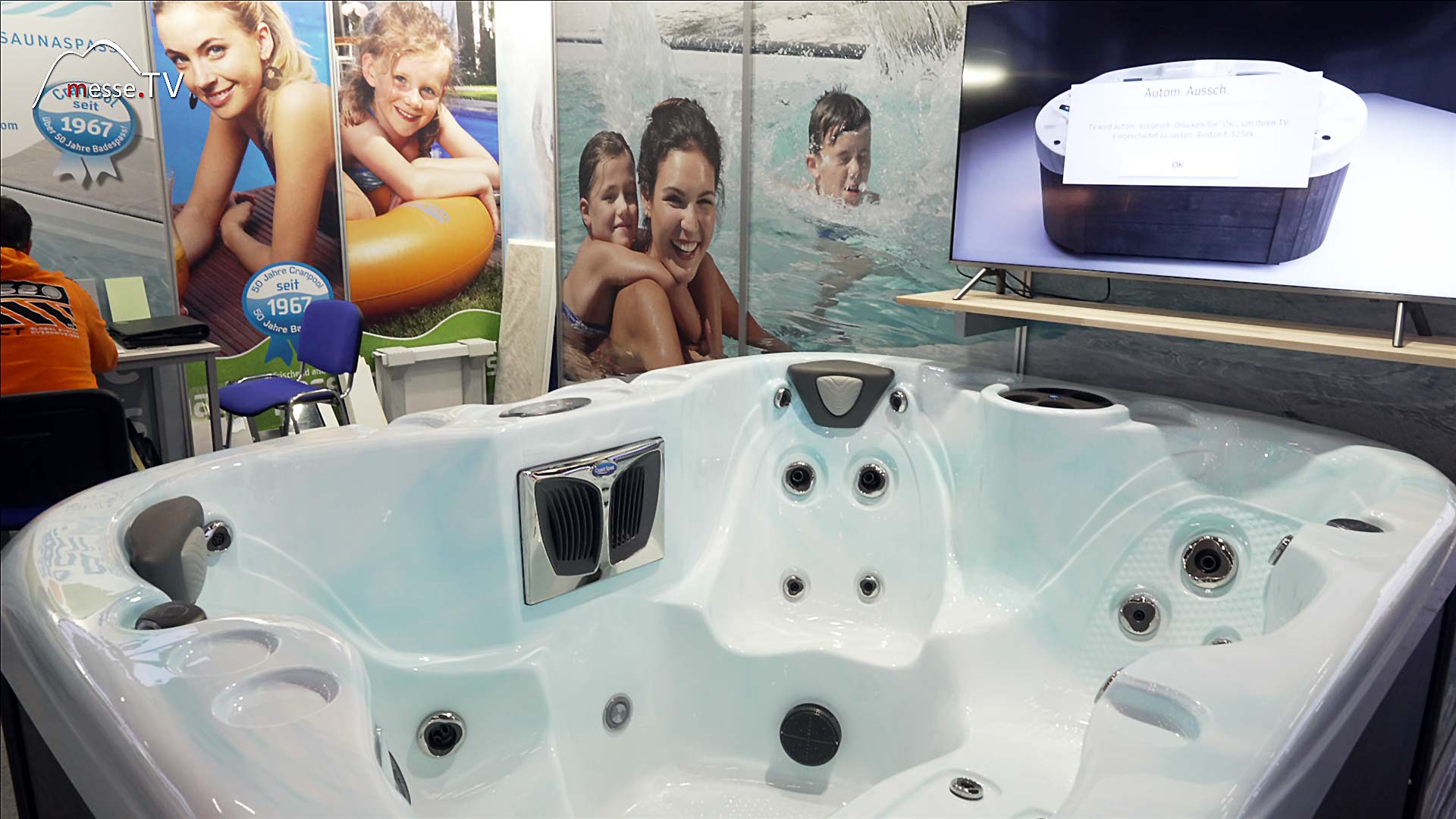
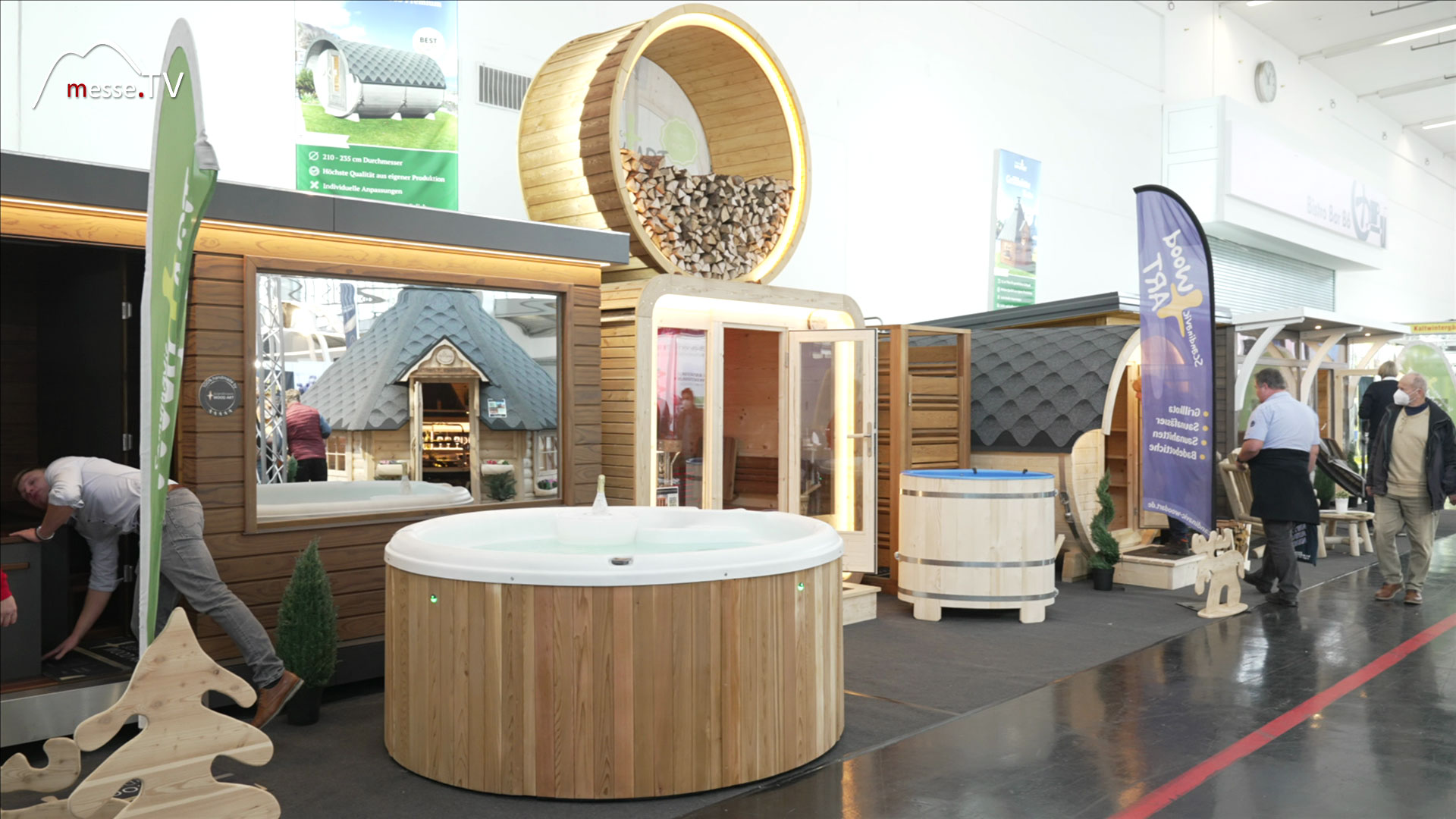
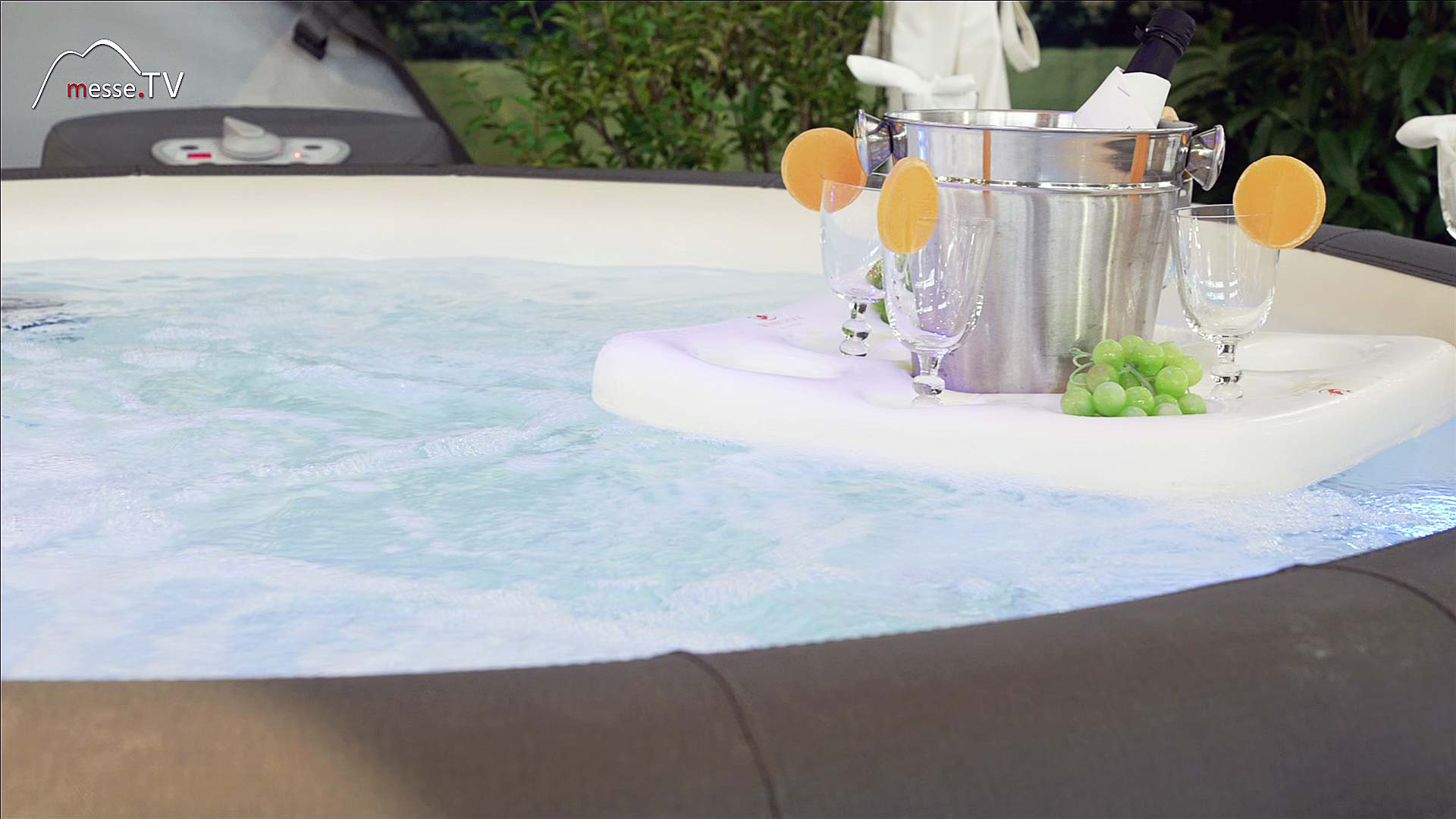
At Heim+Handwerk, the Whirlpool & Living stand will be presenting a product that surprises at first glance: a hot tub with warm water - without any traditional heating. The Softub is based on a technical principle that deliberately sets itself apart from conventional whirlpools, which is precisely why it arouses so much interest among trade fair visitors.
Hot water without heating - how the principle works
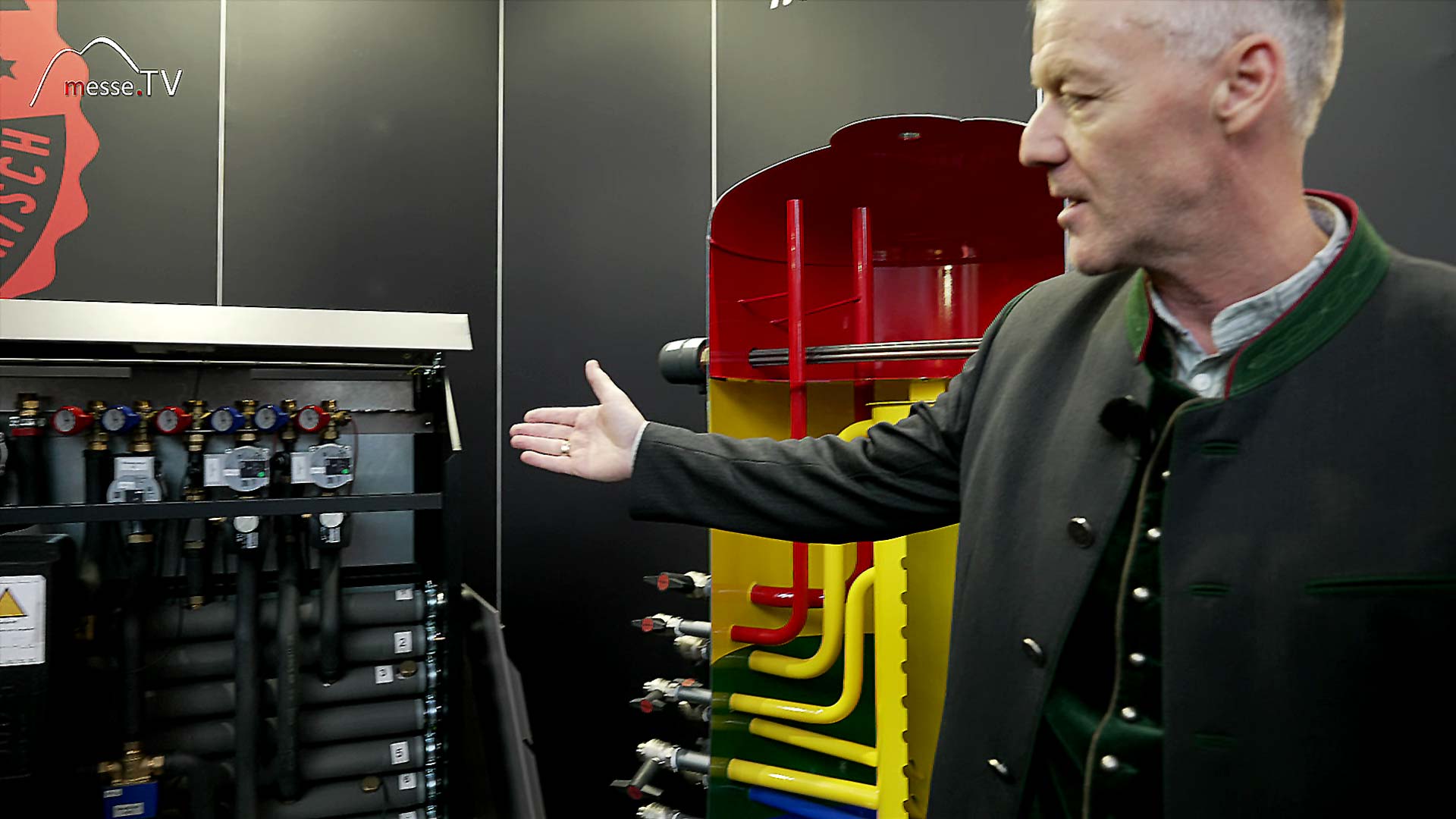
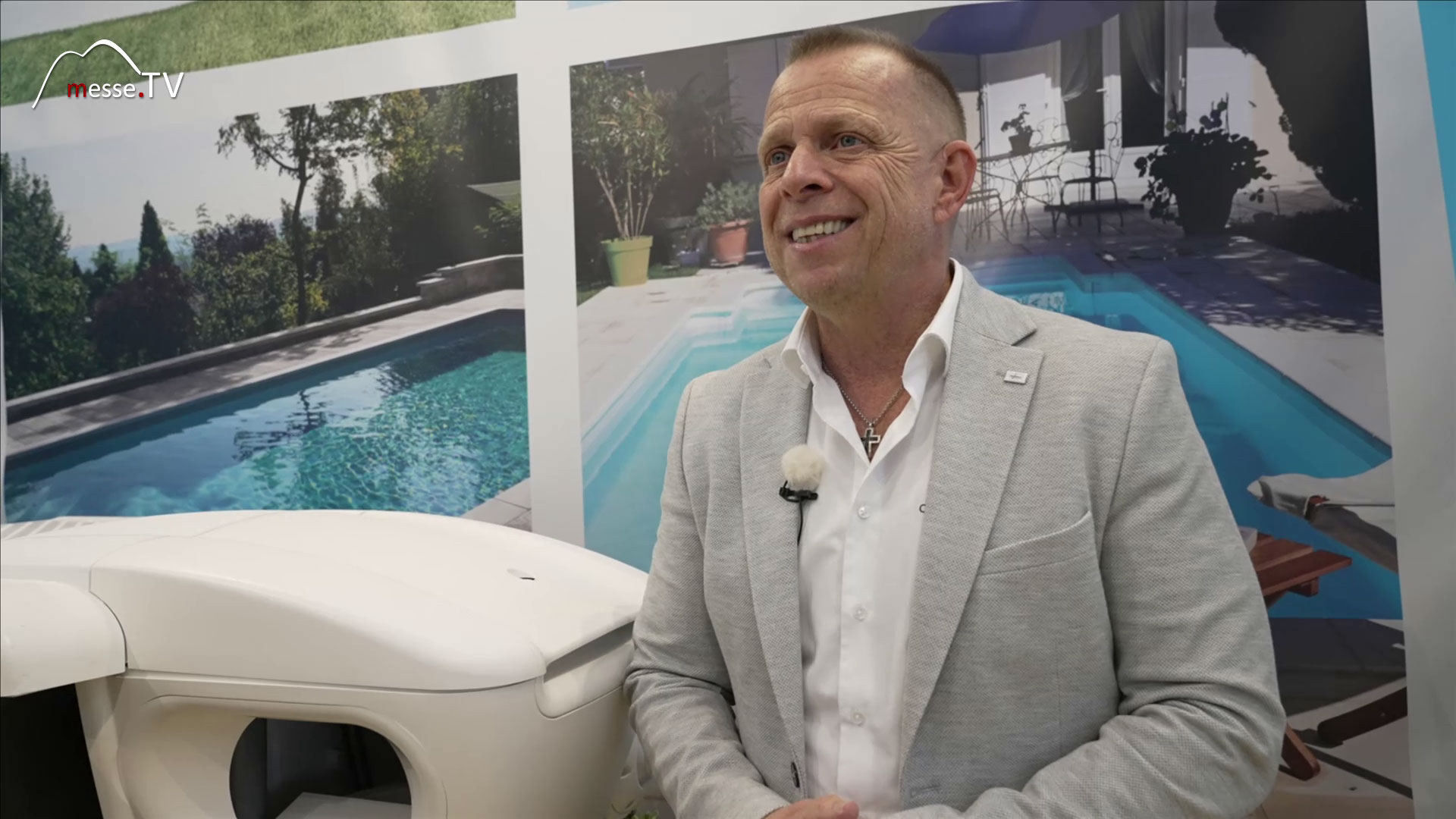
The central technical component of the Softub is the so-called Hydromat. This is located outside the pool and is connected directly to the whirlpool. Instead of heating the water using a separate heating element, the system uses only the waste heat from the pump. The energy that is generated during water circulation anyway is fed back in a targeted manner and used to heat the water. This principle makes the Softub a special feature on the market. According to statements made at the trade fair, it is the world's cheapest whirlpool that works exclusively with the waste heat from the pump. This results in comparatively low power consumption, which makes operation significantly more efficient than with classic systems with integrated heating.


Consciously reducing energy consumption
The topic of energy is playing an increasingly important role for whirlpools - also at the Heim und Handwerk. The Softub is clearly positioned here through its technical concept. Depending on use and environment, monthly power consumption is around 80 to 90 kilowatt hours. This value is achieved by operating the pump alone; no additional heating energy is required. The Softub is therefore aimed at users who want to enjoy wellness but are sensitive to energy consumption. The whirlpool remains a comfort product, but relies on a solution that uses existing energy efficiently instead of generating additional consumption.
Mobility as a key feature
Another key advantage of the Softub is its mobility. When empty, the pool only weighs between 30 and 45 kilograms, depending on the model. This makes it fundamentally different from permanently installed whirlpools, which remain in one place permanently. This feature opens up new application possibilities. The pool can be set up flexibly, moved or even used seasonally in different locations - for example in the garden, on the terrace or in a conservatory. The technology is designed so that it can be connected to the pool with just three connections, which makes assembly and disassembly much easier.


Flexible use possible almost anywhere
Thanks to its low weight and simple connection technology, the Softub can be used almost anywhere where a power connection is available. It is precisely this flexibility that is emphasized at the trade fair stand. The pool is not tied to a fixed foundation and does not require any complex structural measures. This makes it particularly interesting for people who do not want a permanent installation or want to design their outdoor areas flexibly. It is also easy to relocate.


Individual design for the garden and patio
In addition to the technology, the design also plays an important role. The Softub is available in different colors and can be visually adapted to the respective installation location. Whether in the garden, on the patio or in a sheltered outdoor area - the color palette allows for an individual design that blends harmoniously into the surroundings. This means that the whirlpool is not only a functional wellness product, but also a design element in the outdoor space.
Delivery times can be planned again
One issue that concerns many prospective customers is delivery times. While there used to be a wait of several months in the past, the situation has now eased considerably, according to statements made at the trade fair. Anyone wishing to purchase a Softub at short notice now has a realistic chance of having it delivered promptly again - also with a view to using it in the colder months of the year.



Price classification
The price is also communicated transparently. Depending on the model and selected surround, the Softub is priced within a clearly defined range:
- Entry-level prices from around 9,000 euros
- Higher-quality versions up to around 13,000 euros
A hot tub with its own concept
The Softub, presented by Whirlpool & Living at Heim+Handwerk, shows that wellness can also be conceived differently. The combination of waste heat utilization, low energy consumption, mobility and individual design creates a product that deliberately sets itself apart from classic whirlpools. Instead of permanently installed technology, the focus here is on flexibility - both technically and spatially.





Trade fair reporting Germany - Trade fair knowledge, dates & events


