Soapstone stove: sustainable and efficient heating with wood
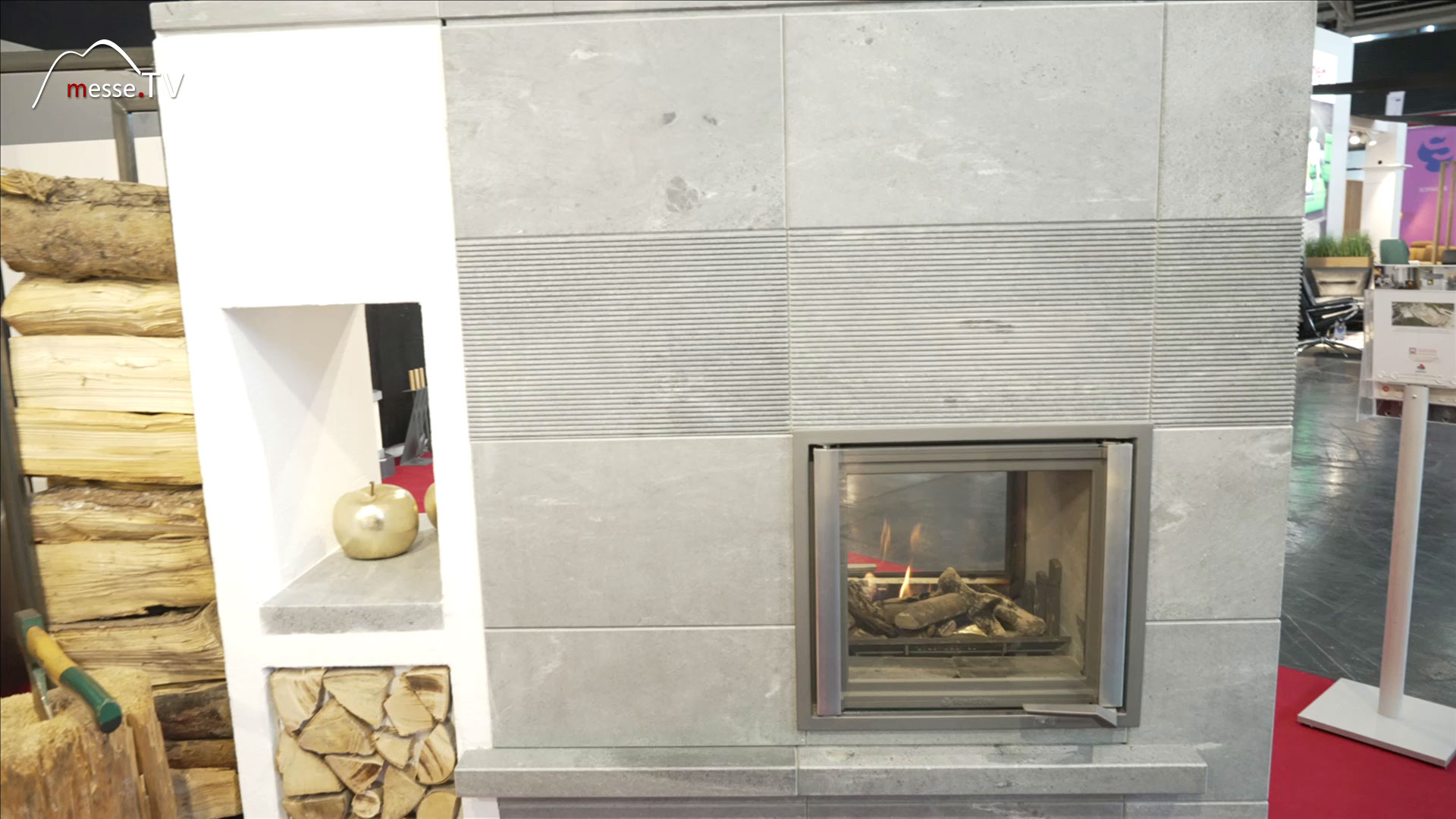
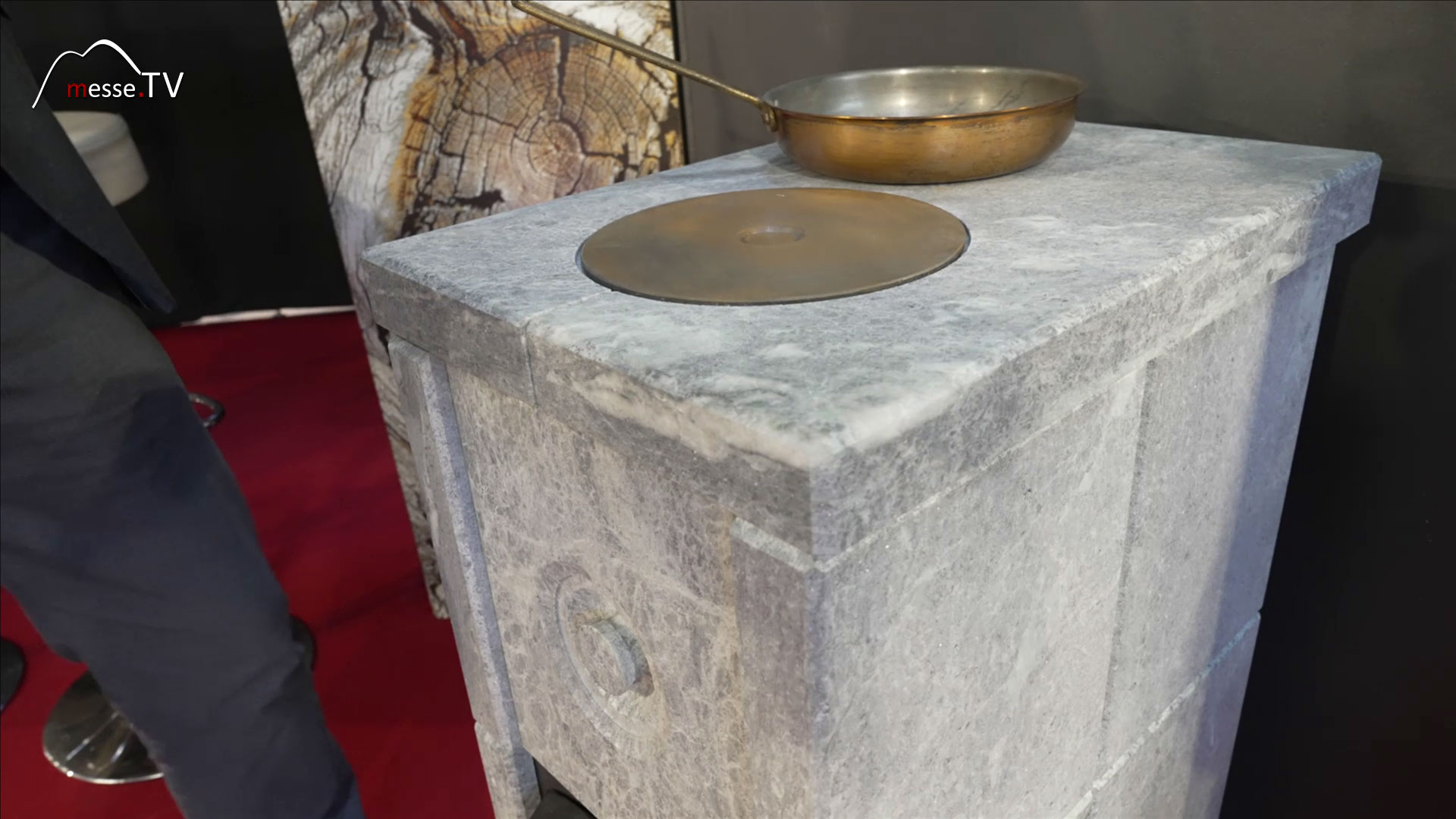
Wood as a fuel has been experiencing a renaissance for some years now. At Heim+Handwerk in Munich, Specksteinland will be showing why soapstone stoves play a special role in this and why they differ significantly from classic wood-burning or tiled stoves.
Why soapstone stores heat particularly well
The focus is on the material itself. Compared to fireclay, soapstone has a significantly higher density and thermal conductivity. As a result, the stone absorbs energy very quickly and at the same time stores it over a long period of time. It is precisely this combination that makes the stove efficient.
- High density as the basis for heat storage
- Very good thermal conductivity
- Even heat emission over many hours

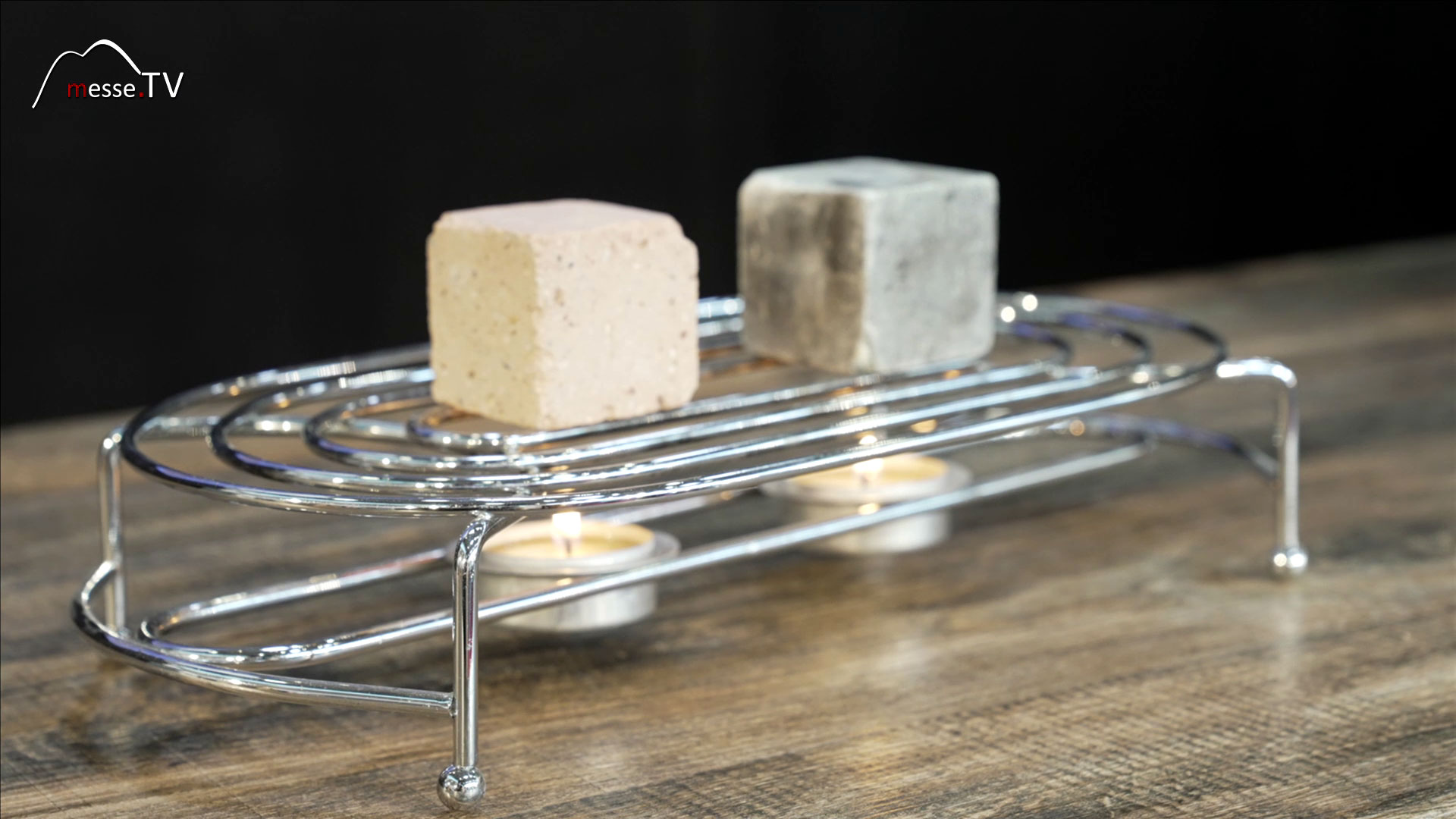
Direct comparison of soapstone and fireclay
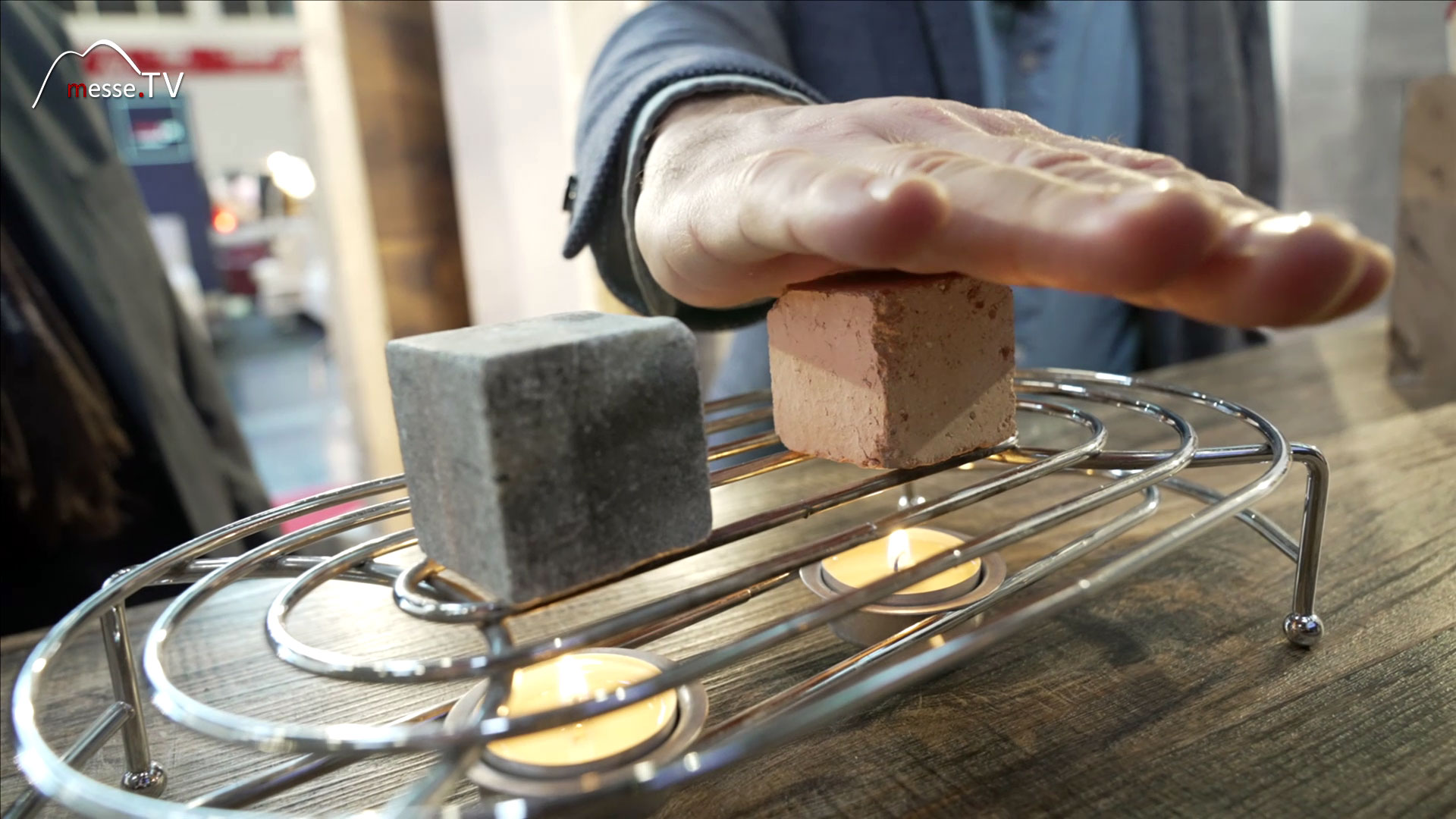
The difference is clearly demonstrated at the trade fair stand. Over a small flame, the soapstone cube heats up significantly faster than a comparable fireclay brick. This practical test illustrates the physical properties without the need for technical figures.
- Faster heat absorption
- Higher surface temperature with the same energy input
- Noticeable difference after a short time
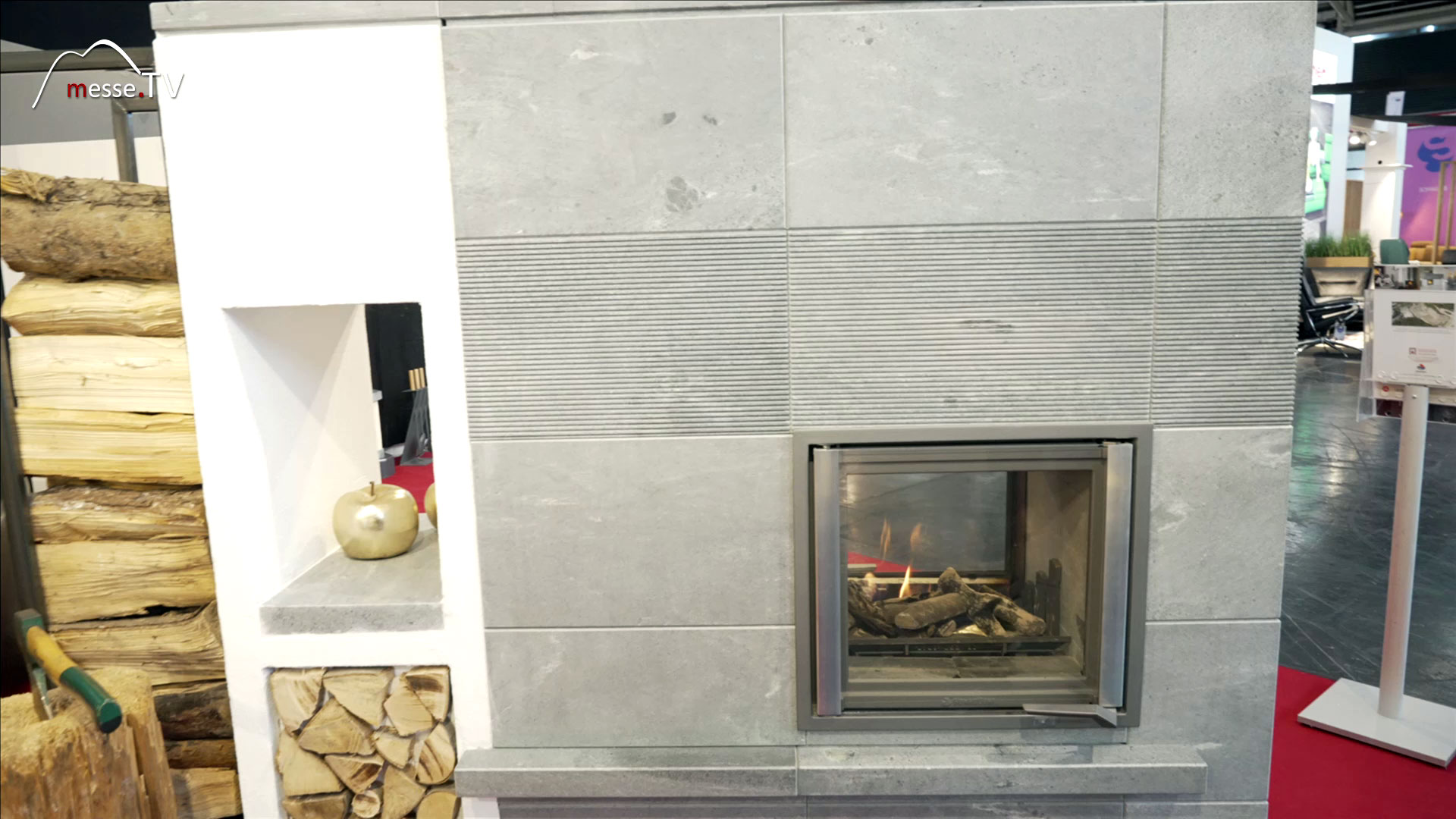
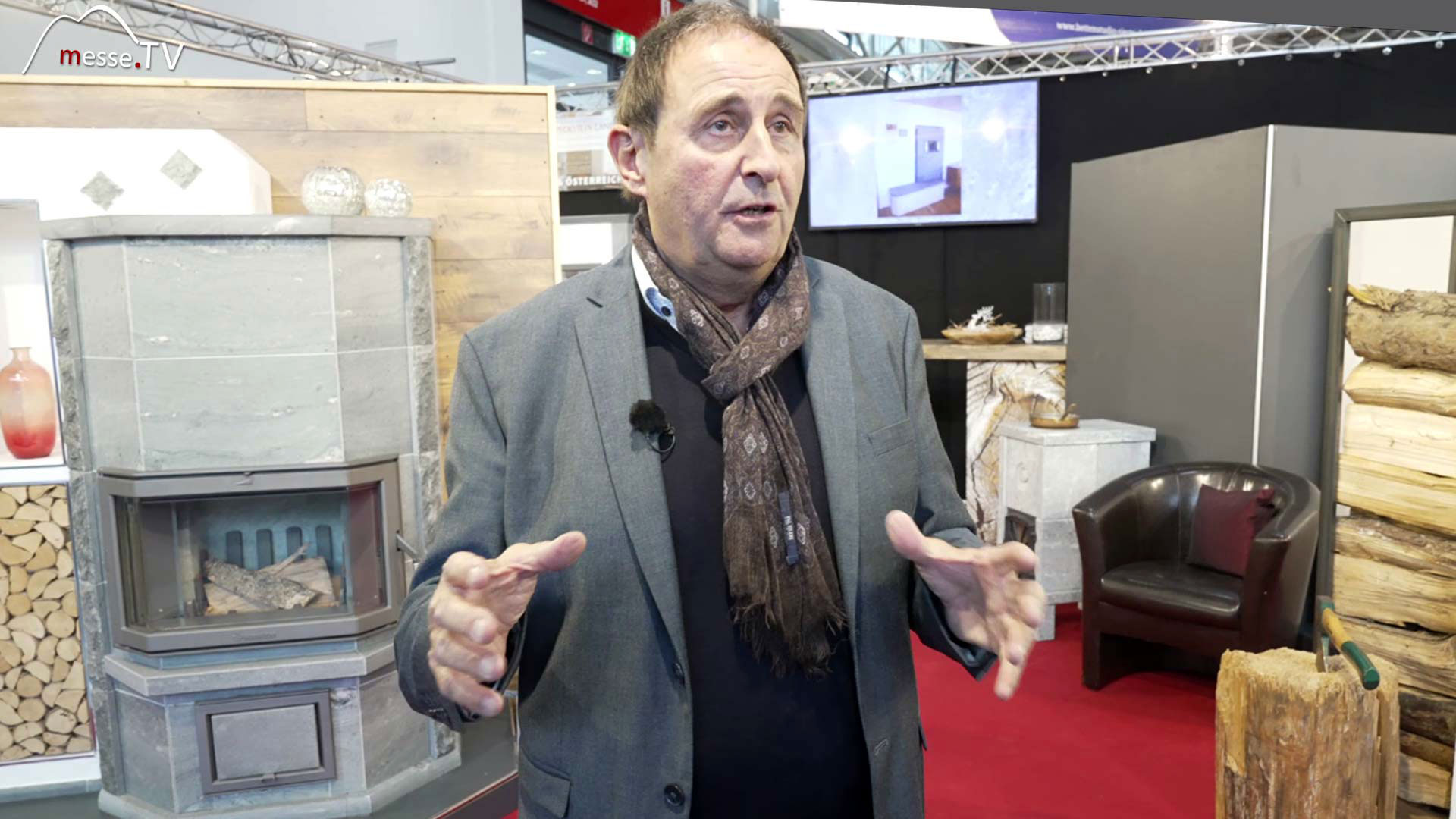
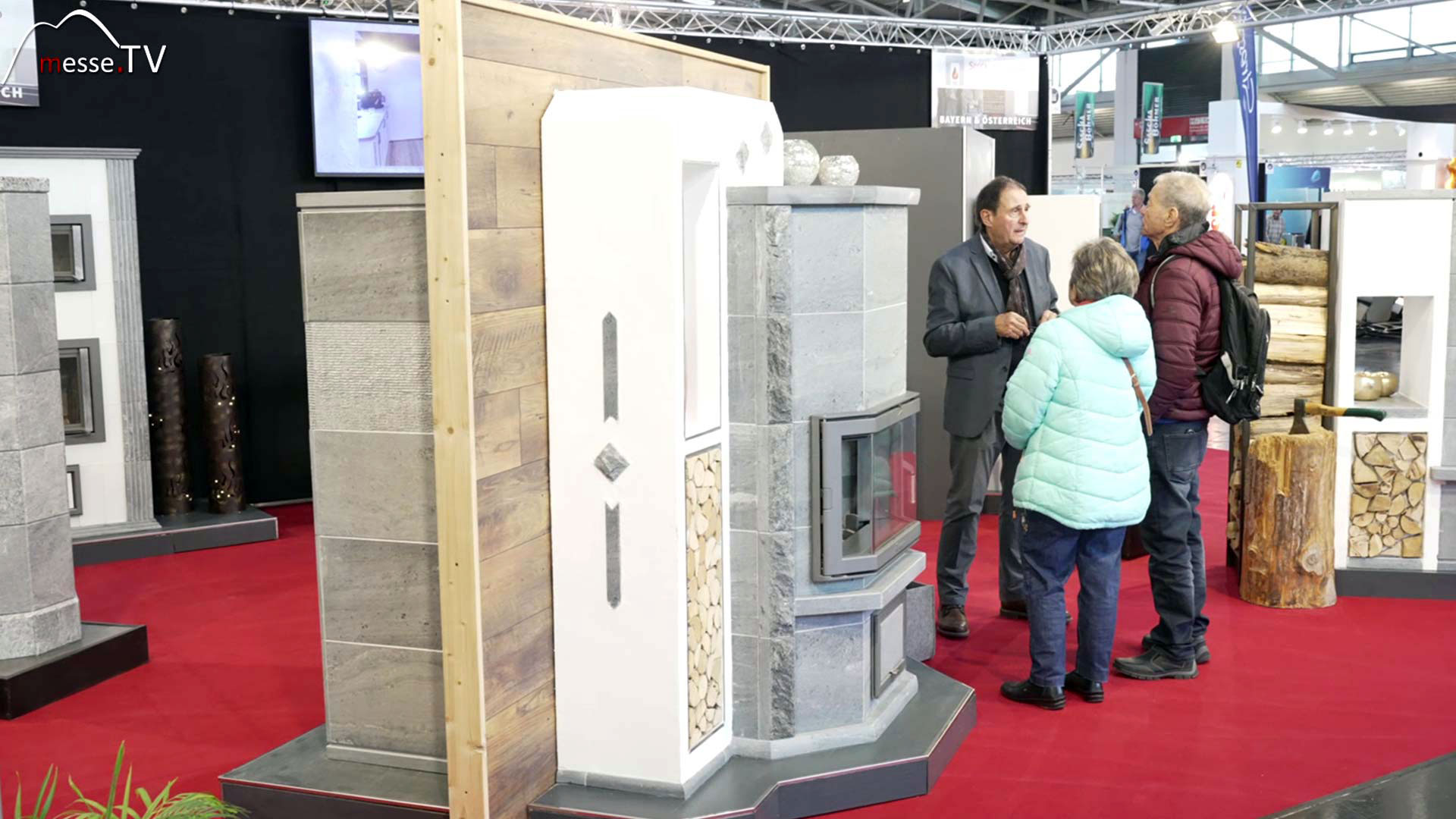
Mass determines the heat output
Weight is a key issue with soapstone stoves. Mass means storage capacity. The heavier the stove, the longer it releases the stored heat. At the trade fair, it becomes clear that different weight classes are suitable for different heating concepts.
- Lighter models for additional or transitional heating
- Medium weights for longer heat output
- Heavy stoves for almost all-day heat supply
Installation and static requirements
Due to the heavy weight, statics play an important role. Heavy soapstone stoves are placed directly on the bare concrete ceiling. In the case of retrofitting, the load is transferred via point foundations that are led up to the load-bearing ceiling. This ensures safety and lasting stability.
- Installation on bare concrete ceiling
- Point foundations for retrofitting
- Stable stand for high oven weights

Soapstone stove as an alternative to oil and gas
While classic Swedish stoves lose a lot of heat directly via the chimney, soapstone stoves rely on storage instead of rapid release. If you want to use wood as the main source of heat, you need a corresponding amount of mass to generate constant heat over many hours.
- Reduced heat loss via the chimney
- Long heating intervals with few refills
- Independence on fossil fuels
Individual design according to heating requirements
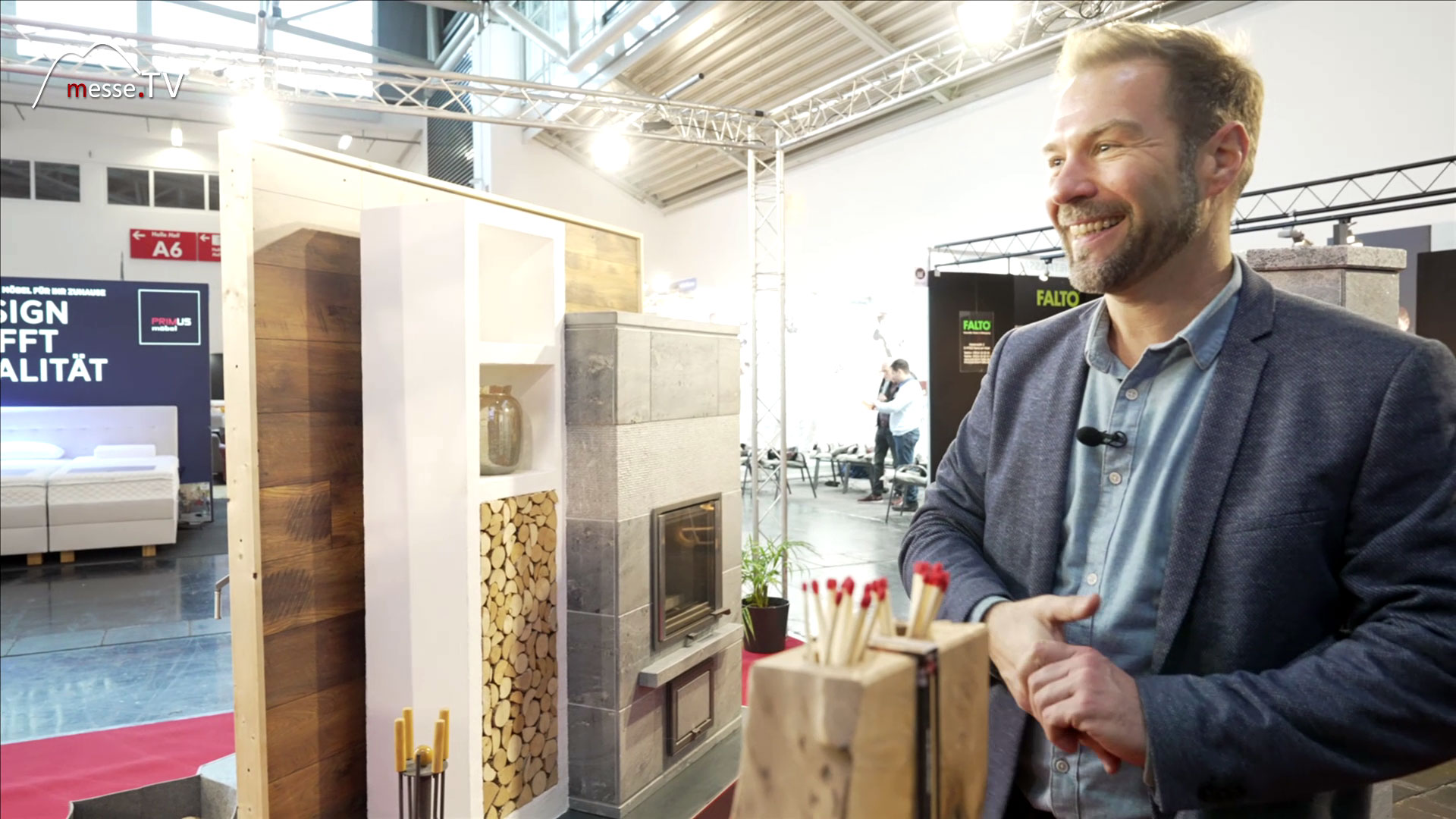
At Heim und Handwerk, it becomes clear that there is no one soapstone stove for everyone. Size, weight and design are adapted to the building, room size and desired use. Different concepts are possible, from a supporting auxiliary stove to a central heat source.
- Adaptation to building and room size
- Different weight classes
- Individual planning instead of standard solution
Heating with wood - consciously and efficiently
The soapstone stove shows how traditional heating can be combined with modern efficiency. High storage mass, even heat output and a well thought-out installation concept make it a sustainable heating solution for anyone who wants to be independent of fossil fuels in the long term.









Trade fair reporting Germany - Trade fair knowledge, dates & events


