Desjoyaux Pools: Sustainability and innovation at Heim+Handwerk 2022
Desjoyaux says: Our pools stand for sustainability. In times of expensive energy, Desjoyaux Pools shows how water, electricity and chemical additives are deliberately kept to a minimum - and why recycling also plays a role in swimming pools.
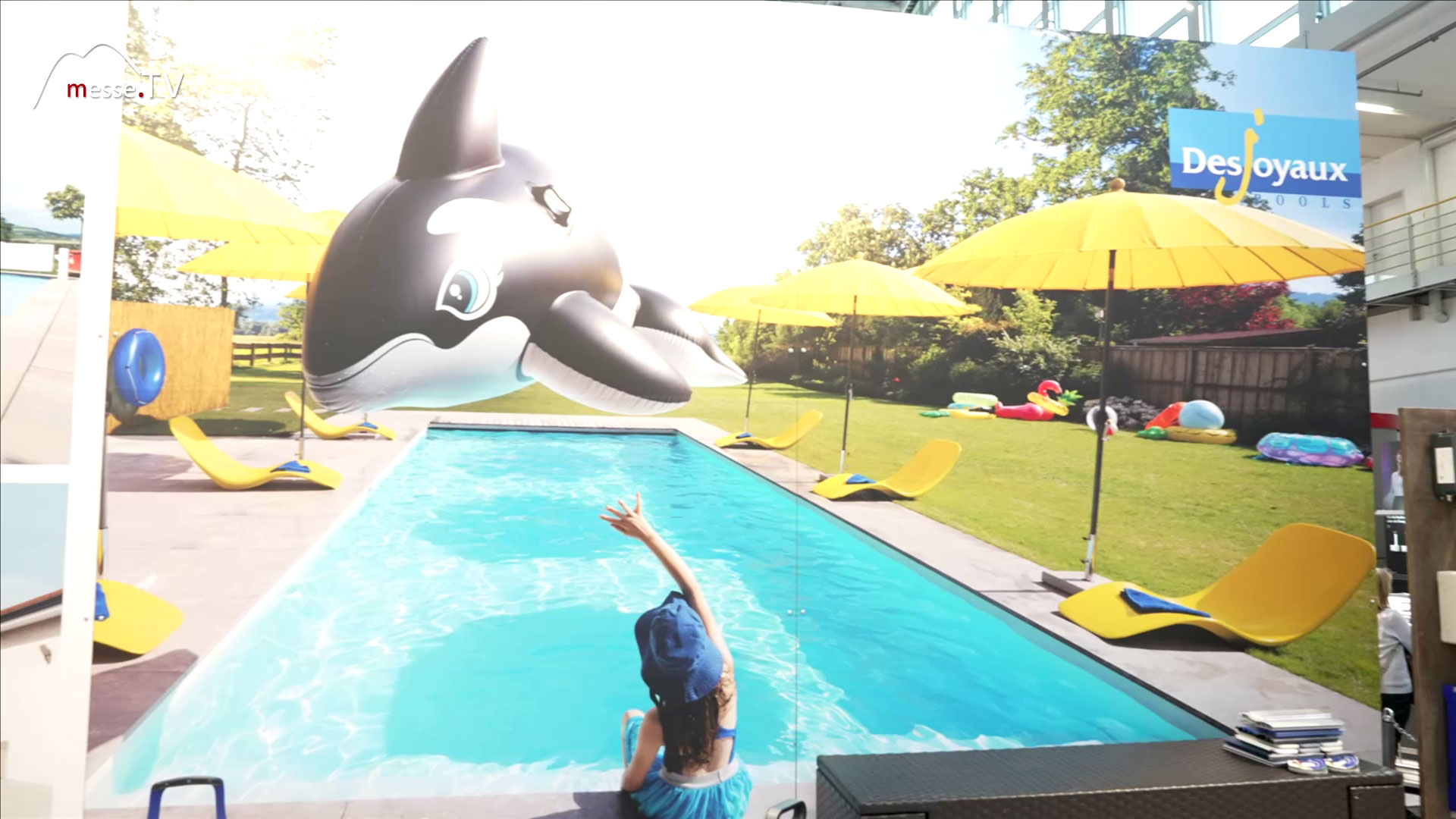
Pool for your vacation at home
A vacation at home means sustainability. A pool creates a feeling of relaxation in your own garden every day, without the need for air travel or long journeys. This aspect in particular is gaining in importance as leisure and recreation are increasingly considered locally. Attention is also paid to durable and resource-saving solutions for the materials used. The formwork for the Desjoyaux swimming pool is made from recycled material, including PET bottles. This modular system has been used for years and enables a stable, durable construction while reducing the consumption of resources.
- Modular pool system with recycled formwork
- Reduction of transportation and travel costs through recovery at home
- Durable materials with a focus on recyclability
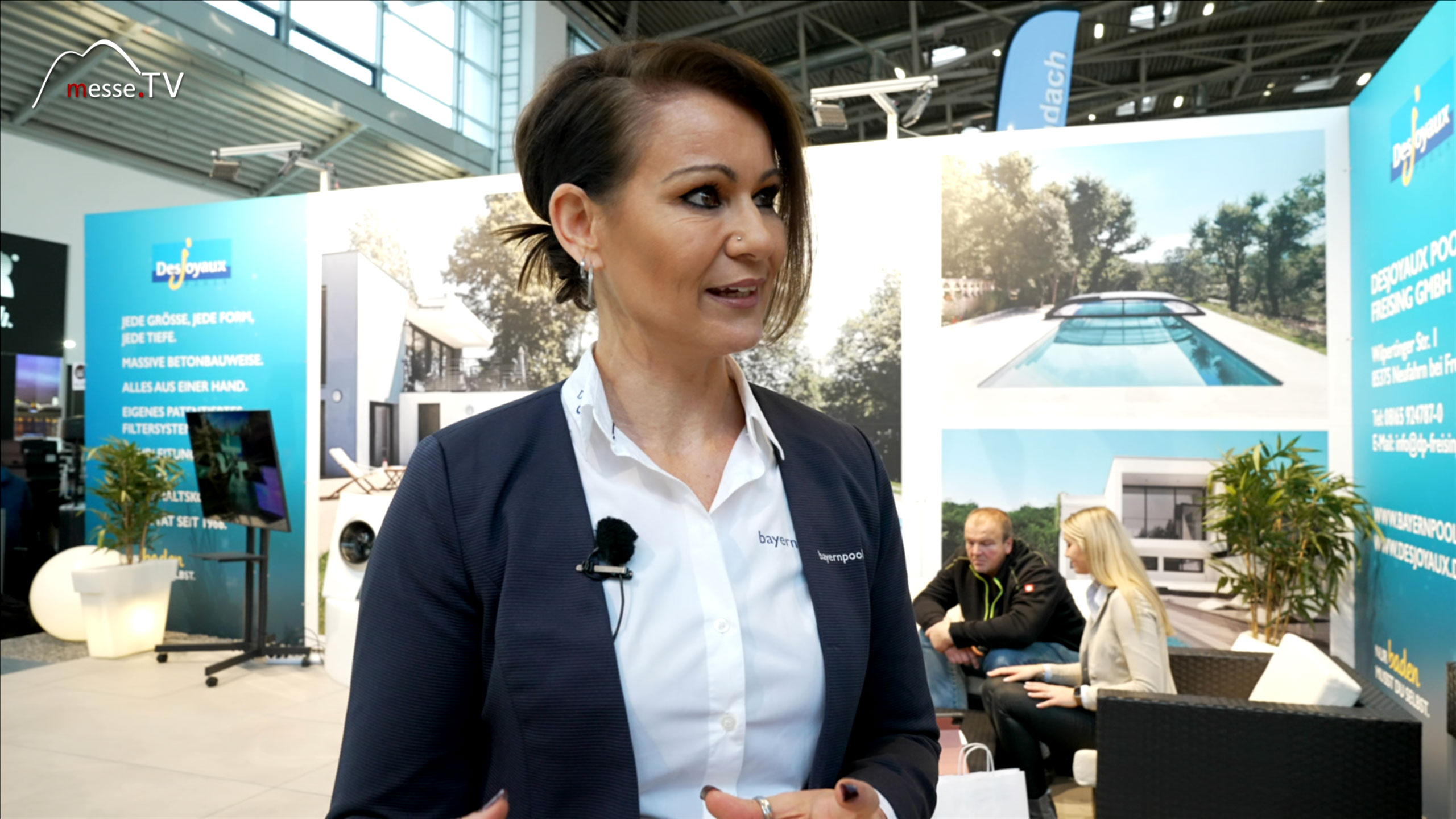

Low energy consumption during operation
One key point is the low energy consumption during pool operation. The filter system is located directly at the edge of the pool and operates with a comparatively low power requirement of around 400 Wh. By comparison, a standard hairdryer requires around 1,200 Wh. At Heim+Handwerk, it will be demonstrated how the filter system works as a self-sufficient, self-contained system. The water can therefore remain in the pool for several winters without having to be drained or completely replaced. This not only reduces water consumption, but also the energy required for refilling and reprocessing.
- Filter system integrated directly at the edge of the pool
- Low power consumption in continuous operation
- No need to drain the water regularly
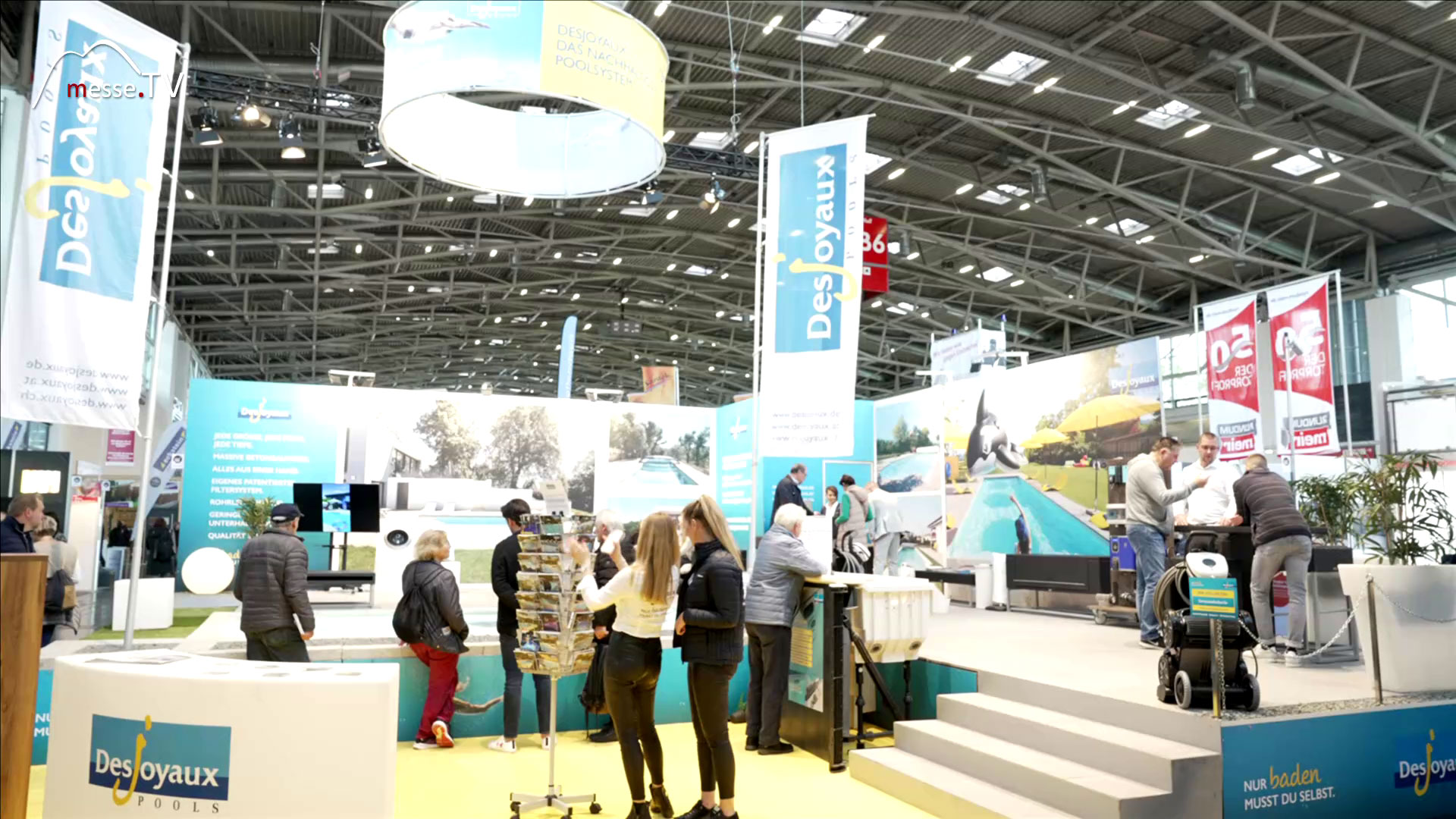
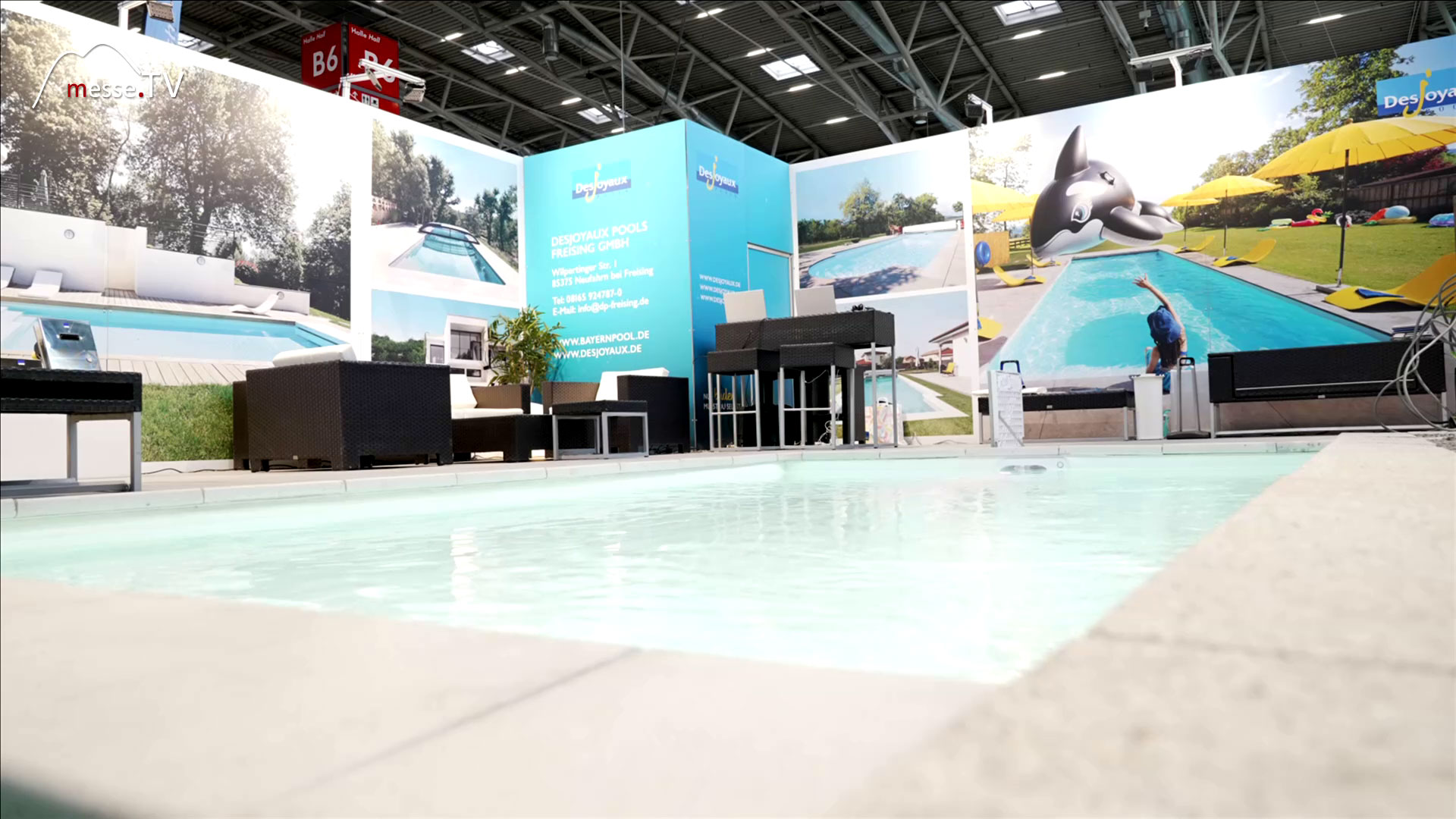
Filter technology without additional chemical additives
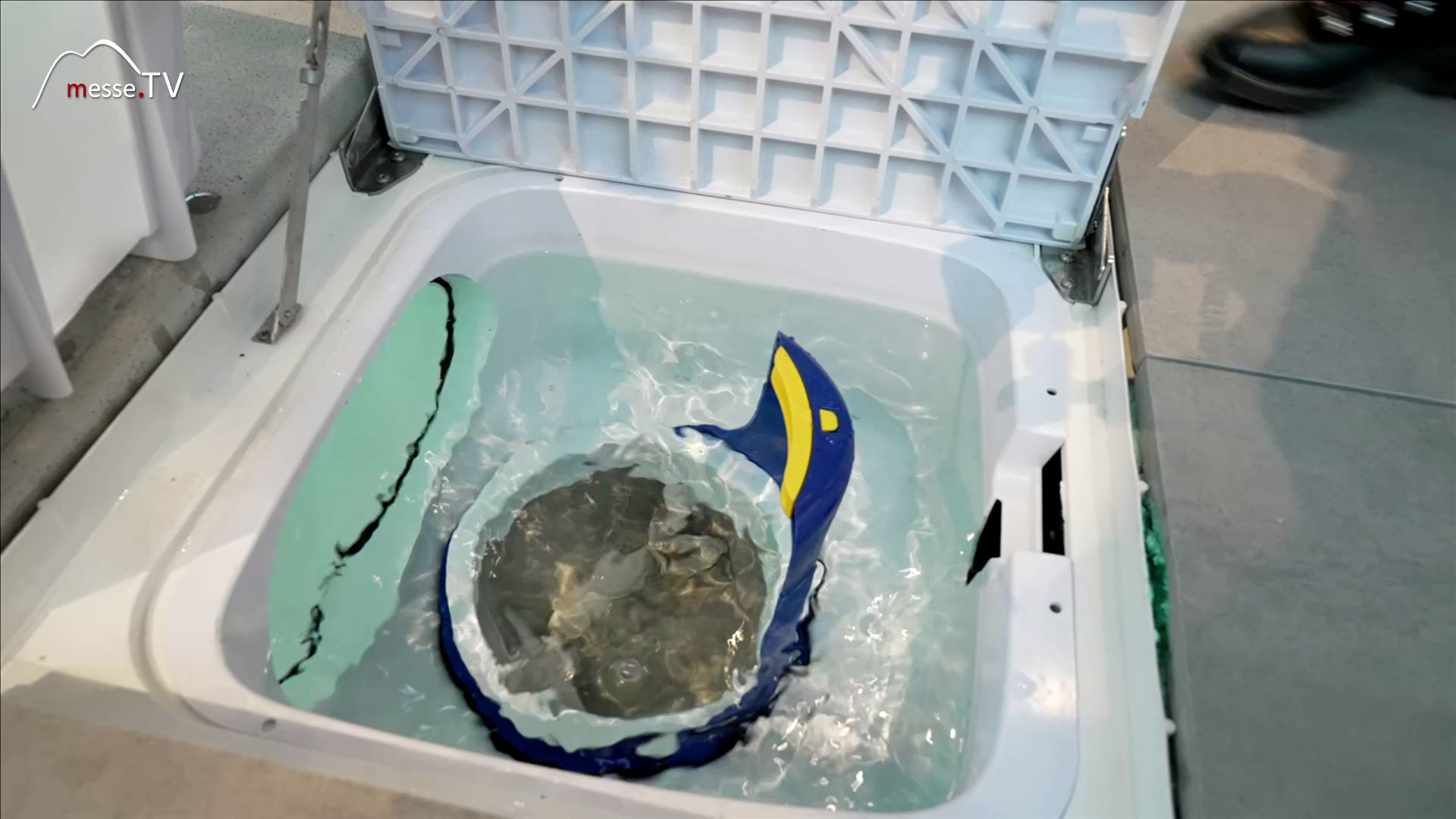
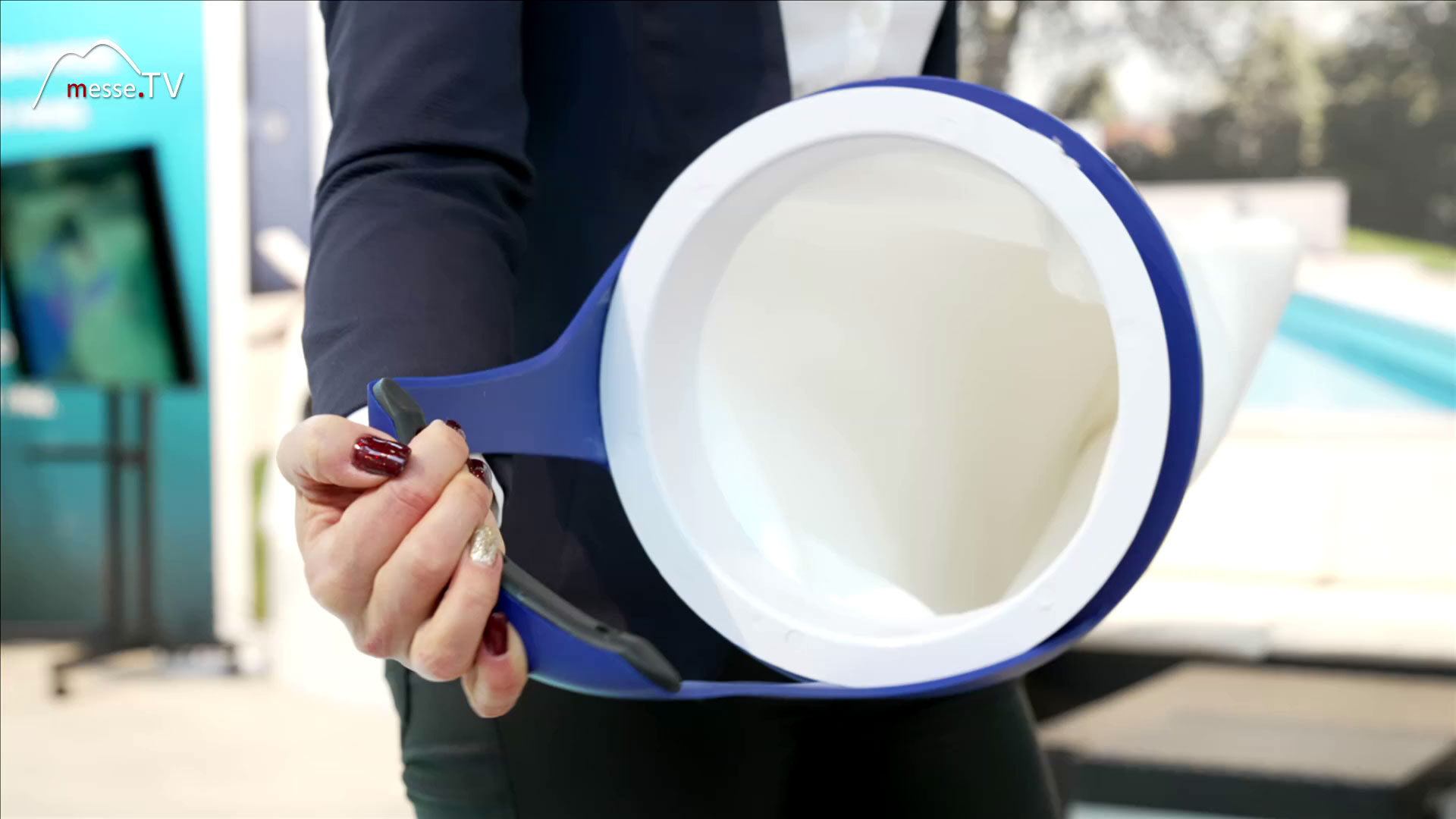
The filter technology is deliberately kept simple. The coarse pre-filter can be removed by hand; underneath it is a filter membrane that retains suspended particles down to the size of dust particles. This achieves a very fine mechanical cleaning of the water. Additional chemical additives such as flocculants or anti-algae agents can be largely dispensed with. The water quality is kept stable primarily through filtration and circulation, which reduces the maintenance effort and makes the bathing water pleasant.
- Multi-stage filter system with fine filter membrane
- Reduced use of chemicals
- Easy maintenance thanks to manual cleaning

Water treatment with salt electrolysis
Water treatment is increasingly relying on salt electrolysis. This involves using around 4 grams of salt per liter of water. Table salt is added to the pool in tablet form and dissolves in the water. This salt-water mixture is then passed through an electrolysis cell. In the cell - consisting of titanium circuit boards - the salt is broken down into sodium hypochlorite. Disinfection thus takes place directly in the water circuit, without the classic addition of chlorine. The water remains in the pool for years and does not need to be changed regularly.
- Salt electrolysis with low salt concentration
- No conventional addition of chlorine required
- Long-term water stability without refilling
Individual solutions for the water temperature
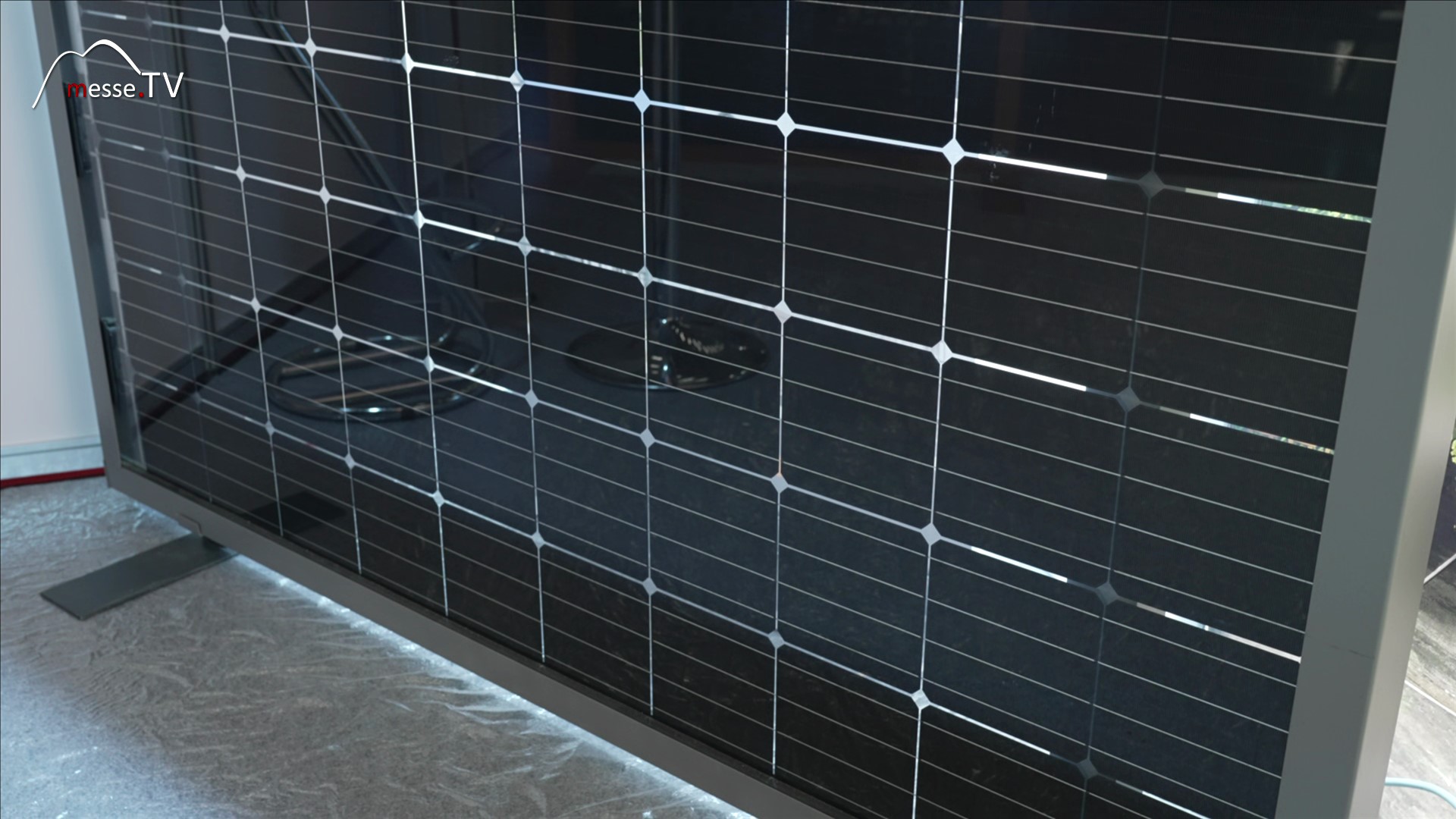
Flexible and energy-efficient solutions are also used to heat the pool water. The desired water temperature can be adjusted individually, depending on usage behavior and existing technology. The heat can be generated in an energy-neutral way using pool heating mats, for example. Alternatively, photovoltaic systems, heat pumps or heat exchangers can be integrated into the overall concept. This allows the pool to be used beyond the summer months without unnecessarily increasing energy consumption.
- Pool heating mats for solar-assisted heating
- Combination with photovoltaics and heat pump possible
- Adaptation to individual usage habits





Trade fair reporting Germany - Trade fair knowledge, dates & events


