ETA Heiztechnik: Pellet heating
by Jürgen Groh - 2024-02-15Is pellet heating more sustainable than oil and gas? Pellets are a popular fuel for heating. As a regenerative resource, combined with modern heating technology, they enable high levels of efficiency and a long-term stable heat supply. We discussed this topic with ETA Heiztechnik at Heim+Handwerk 2022 in Munich.
Pellet heating as an alternative to oil and gas
Pellets are currently in high demand as a fuel. Many operators are specifically looking for alternatives to conventional heating systems based on oil or gas. Pellets are made from wood residues and are therefore considered a renewable energy source that can be easily integrated into existing supply concepts. Compared to fossil fuels, pellets offer greater independence from international energy markets. Especially in times of fluctuating energy prices, this aspect is increasingly becoming the focus of building owners and modernizers.
- Regenerative fuel from wood waste
- Less dependence on fossil fuels
- Suitable for new builds and heating system modernization
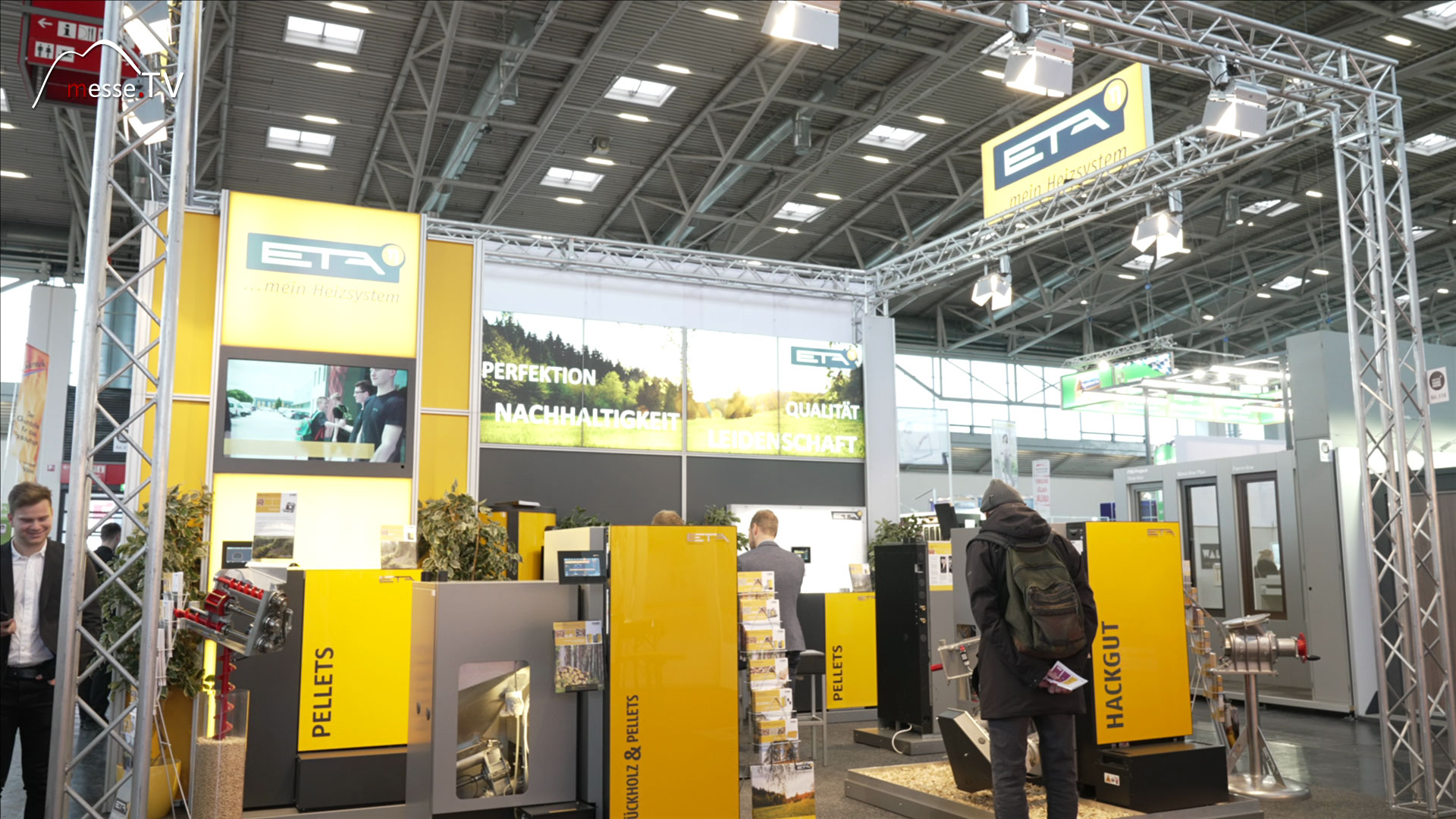

Cost development and cost-effectiveness of pellets
For a long time, pellets were considered a particularly inexpensive fuel. Although prices have risen here too, the cost advantage over oil and gas remains in many cases. The decisive factor here is not only the fuel price itself, but also the interplay of efficient technology, optimized combustion and adapted control. At Heim und Handwerk, ETA will be demonstrating how modern heating systems help to minimize fuel consumption and maximize efficiency. This allows operating costs to be reduced in the long term, even if energy prices rise overall.
- Comparatively stable costs in relation to oil and gas
- High efficiency thanks to modern boiler technology
- Optimized combustion reduces fuel consumption
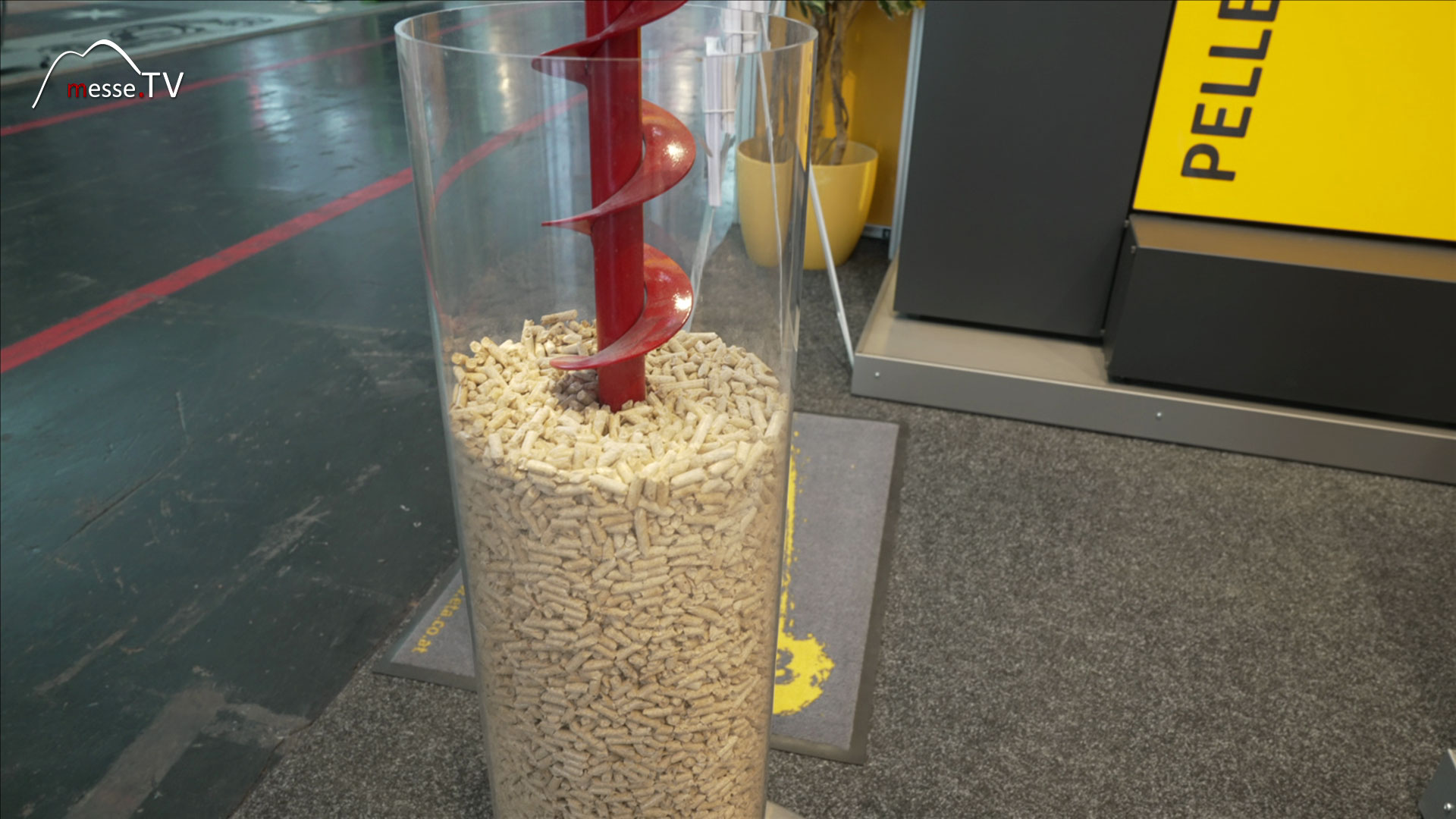
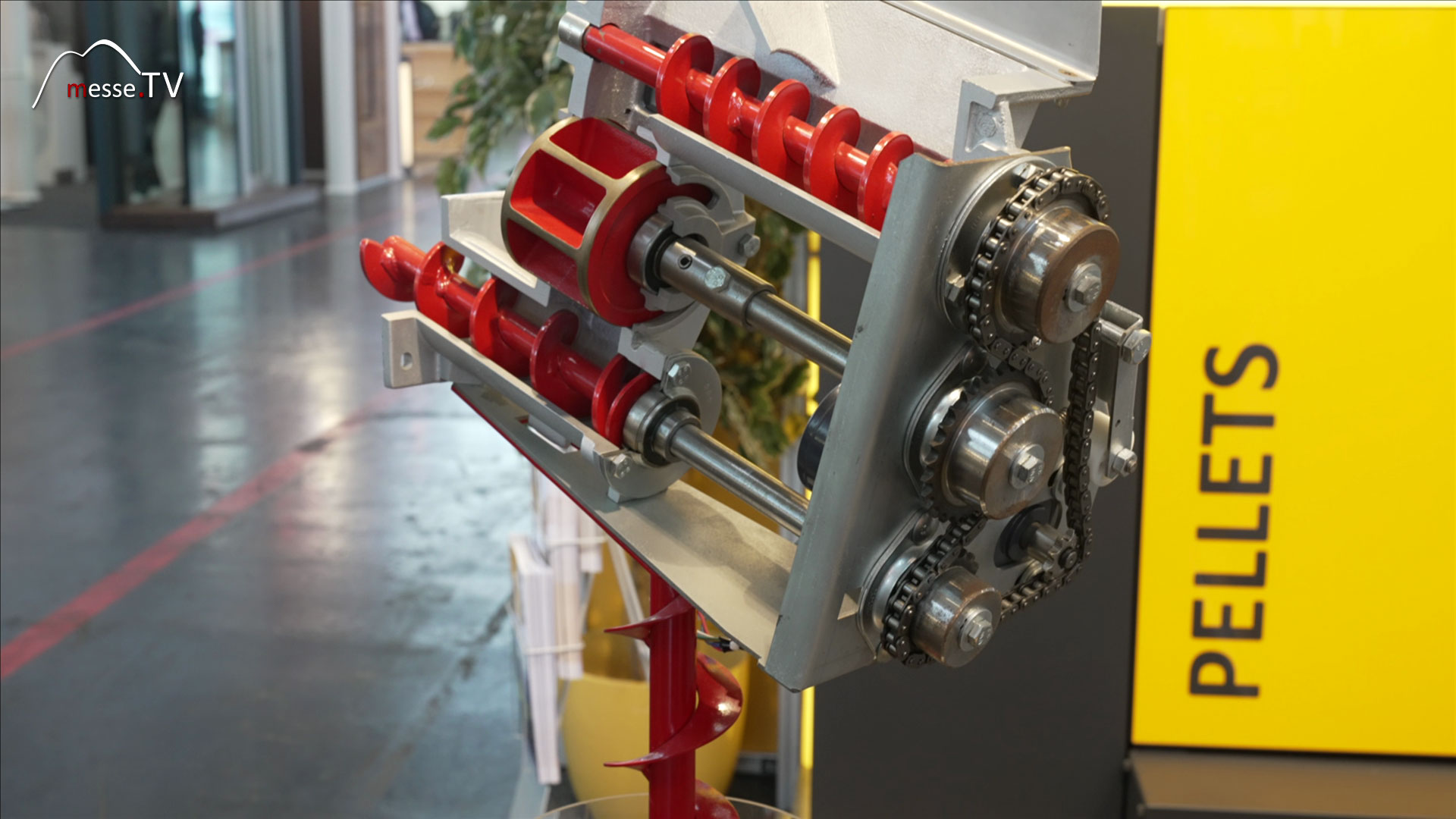
Focus on technology and efficiency
The name ETA is derived from the Greek letter η, which in physics stands for efficiency. This claim is reflected in the technical design of the heating systems. The aim is to convert as much of the energy contained in the fuel as possible into usable heat and to reduce losses to a minimum. Modern pellet heating systems operate fully automatically, from the fuel supply to combustion and ash removal. At the same time, intelligent controls ensure that the system works according to demand and adapts to changing requirements in the building.
- High efficiency thanks to optimized combustion
- Automated processes in daily operation
- Intelligent control for efficient heat supply


Ease of use and service in everyday heating
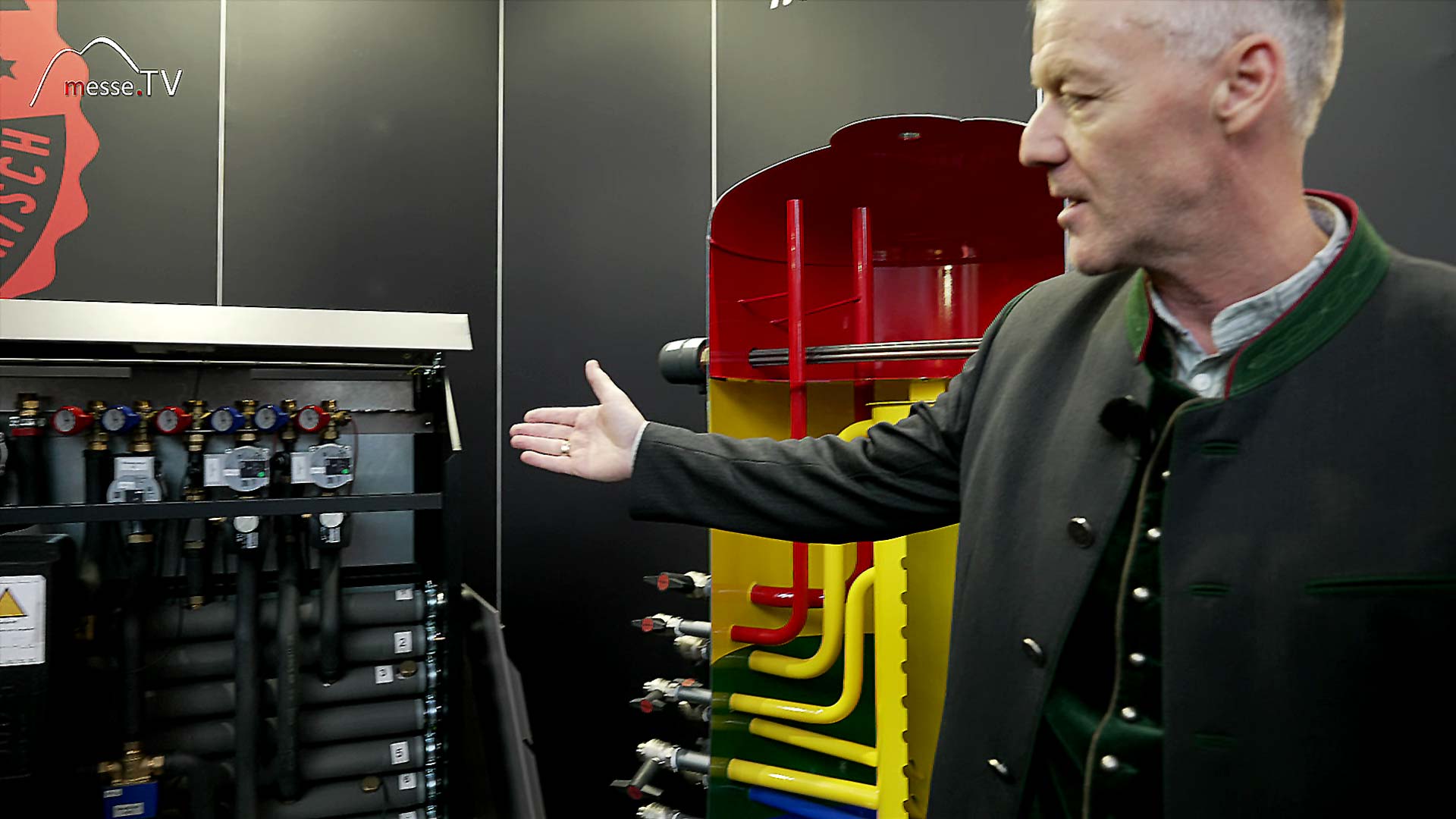
An important aspect of modern heating systems is ease of operation. The systems are designed in such a way that they are easy for the operator to understand and function reliably in everyday life. Digital controls enable clear control of the heating output and support maintenance and operation. This is complemented by a comprehensive customer service and service network that provides support during commissioning, maintenance and any malfunctions. This support is a decisive factor, especially for heating systems that are used over the long term.
- User-friendly control systems
- Support from service and customer service network
- Designed for long-term and reliable operation


















Trade fair reporting Germany - Trade fair knowledge, dates & events


