Digital electricity: simply digitize analogue devices for a connected home
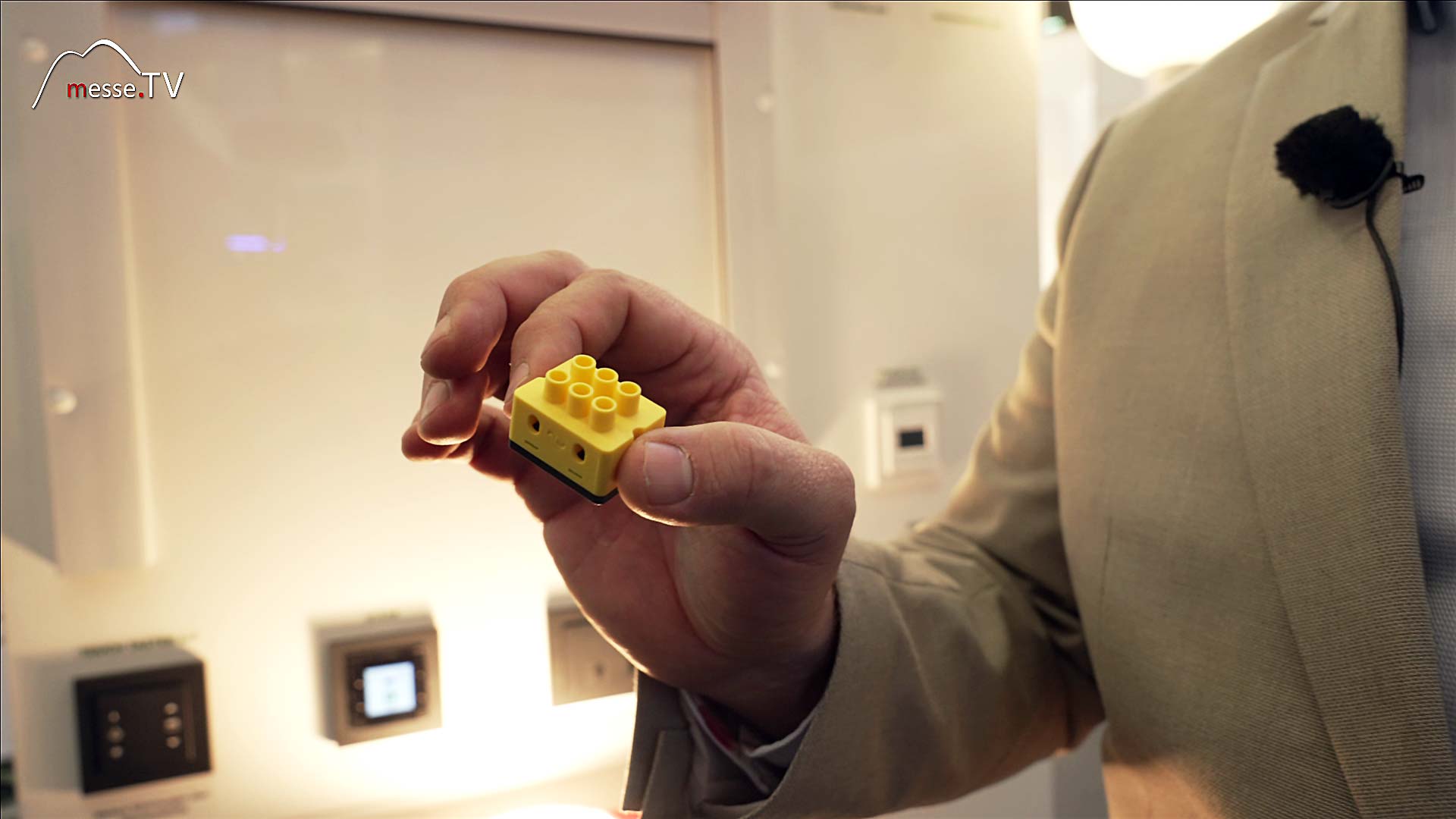
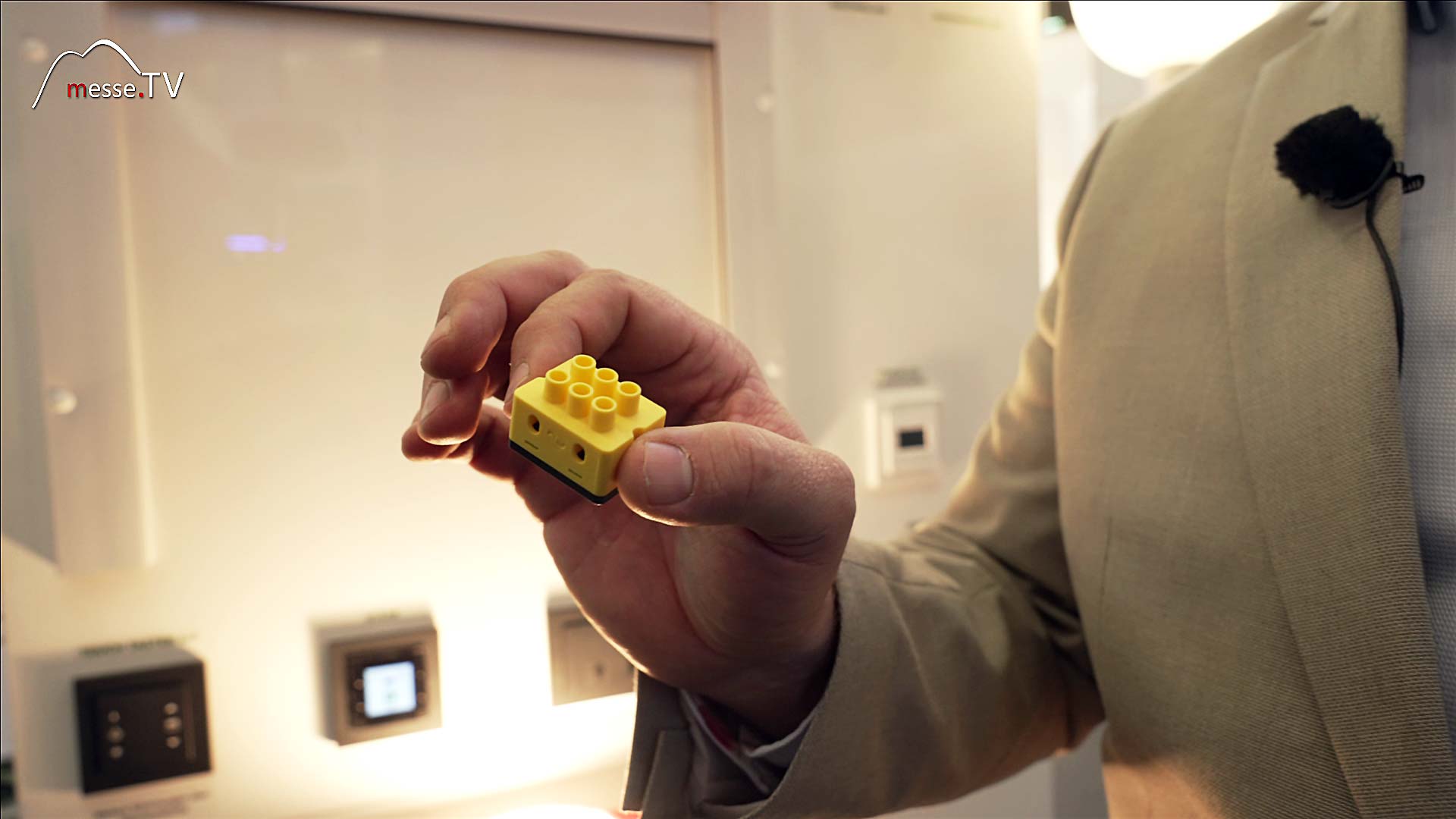
Saving electricity and energy thanks to smart technology? The smart chandelier terminal with integrated mini-computer connects household appliances, lighting and heating to the digital system, makes energy consumption visible and implements control commands. Digitalstrom will be explaining how this works at Heim und Handwerk 2022 in Munich.
Digital intelligence where the electricity flows
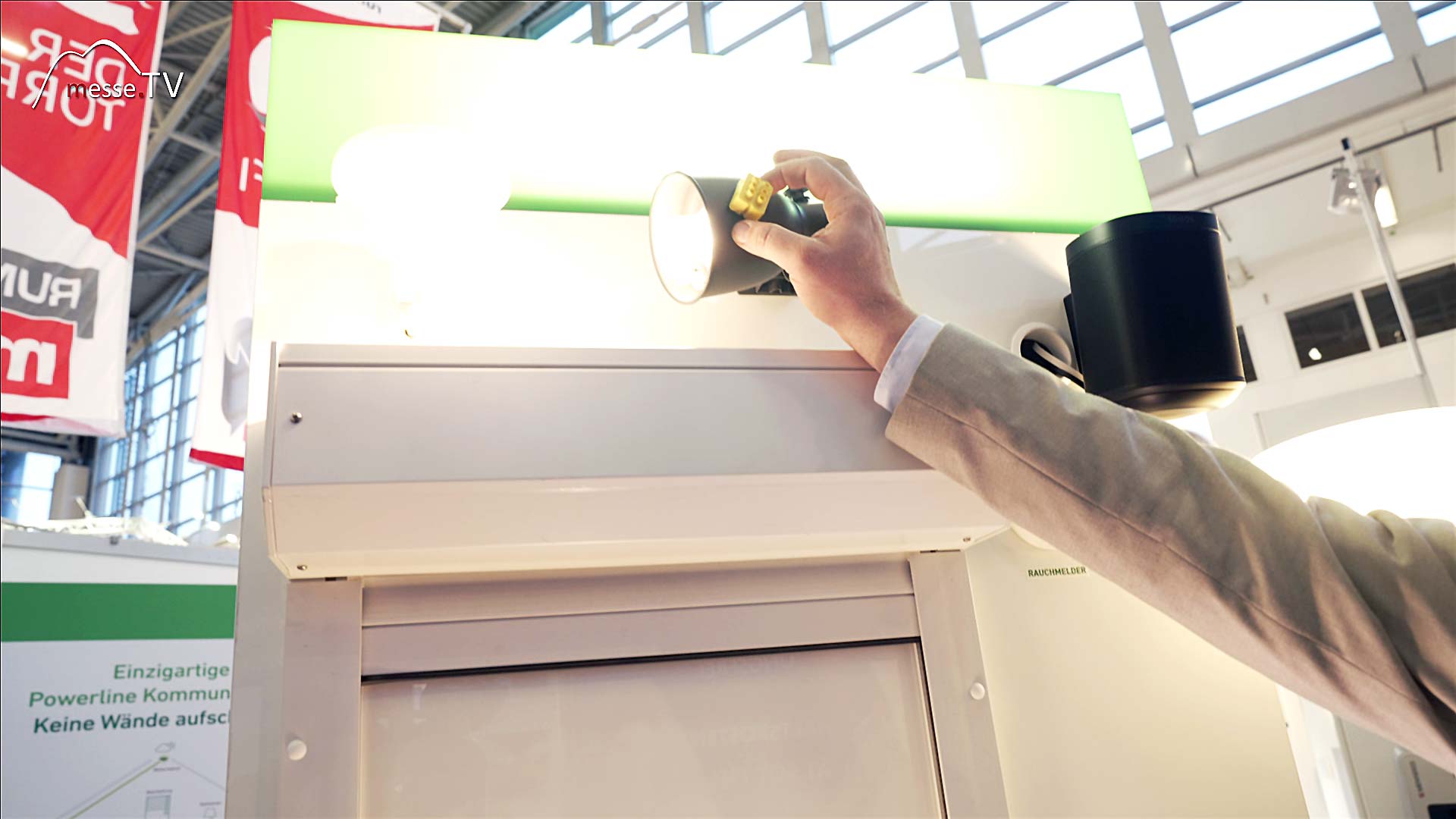
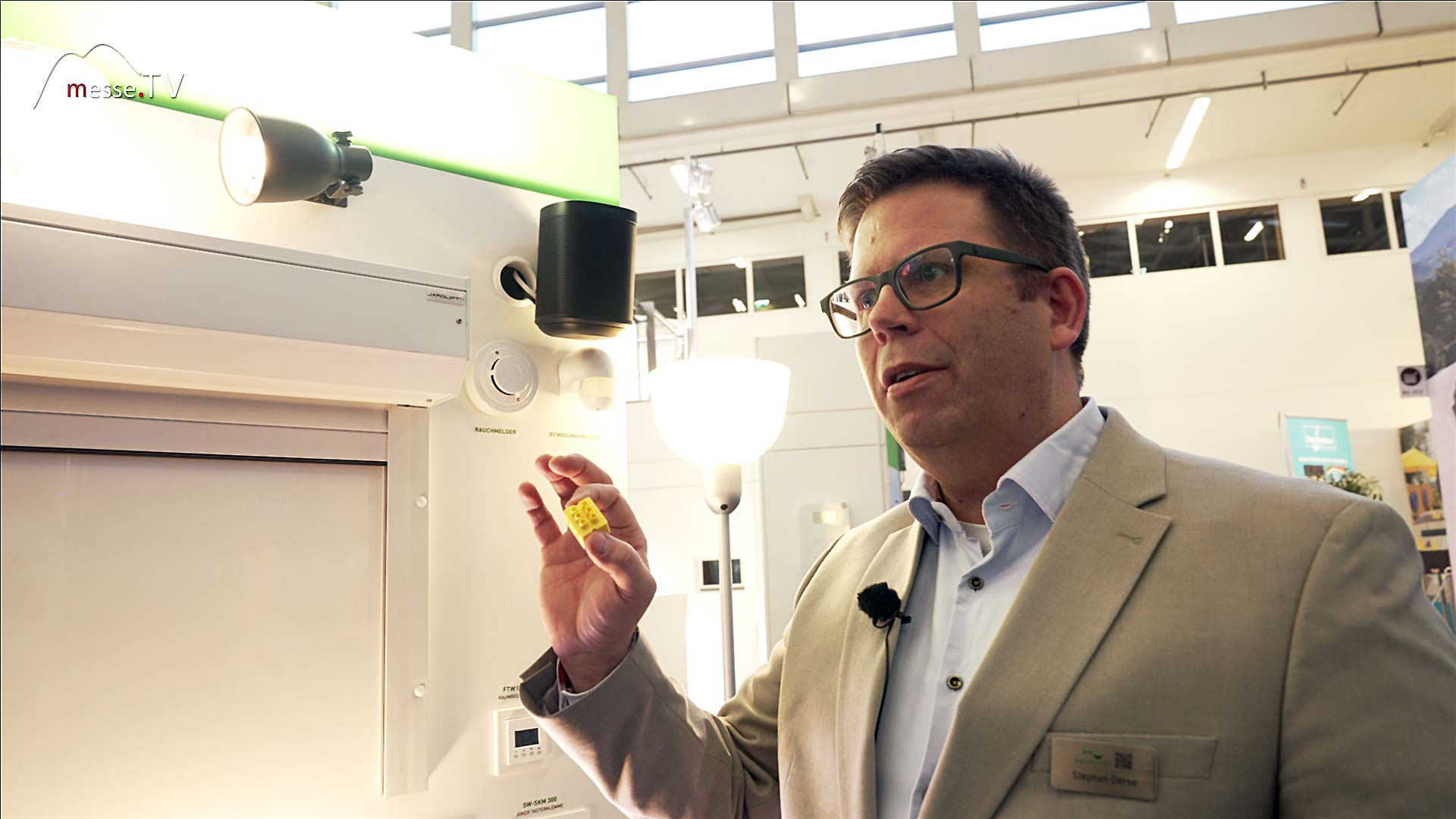
Digitalstrom's central approach is to bring intelligence directly to the consumer. Instead of controlling devices via external wireless modules or cloud-based gateways, the logic is located where the electricity flows. The luster terminal is permanently installed in the power line and remains a permanent part of the electrical installation. This creates a system that is not limited to individual smart devices, but integrates existing electrical consumers. Lights, sockets and heating controls retain their usual function, but are supplemented by digital control options. For the user, the technology remains in the background, while the functionality is significantly expanded.
- Digital control directly at the consumer
- No additional radio modules required
- Existing electrical installation is retained

Local logic instead of central dependency
A key difference to many smart home concepts lies in the local processing of commands. Each digital terminal has its own logic and can save statuses and execute actions. Communication takes place via the power line within the building, without every command having to run via an external server. This means that basic functions such as switching lights, dimming or triggering scenes are retained even if there is no internet connection. The control system reacts directly and without delay, as decisions are made within the system itself.
- Local execution of control commands
- No permanent internet dependency
- Stable function even during network interruptions
Making energy consumption visible and controlling it in a targeted manner
Another aspect of the system is the ability to record and evaluate power flows. As the terminals can measure the consumption of individual appliances, a detailed picture is created of where energy is being used in the household. This transparency is the basis for more conscious decisions when using electricity. At Heim+Handwerk, Digitalstrom will be demonstrating how consumers can be controlled in a targeted manner - for example, time-dependent, scene-based or in combination with presence. The aim is not to replace habits, but to support them in a meaningful way.
- Recording electricity consumption at appliance level
- Targeted control instead of blanket switch-off
- Support for energy-efficient use
Retrofitting in existing buildings as a key area of application
Easy retrofitting plays a particularly important role in existing buildings. As no new cables need to be laid, the system is suitable for occupied apartments and houses. It can be installed in existing boxes or distribution boards without opening walls or damaging surfaces. Traditional light switches are also retained. They are not replaced, but functionally extended. Multiple clicks create additional operating levels without the need for new operating elements.
- Retrofitting without structural interventions
- Existing switches can still be used
- Suitable for rented and owner-occupied apartments
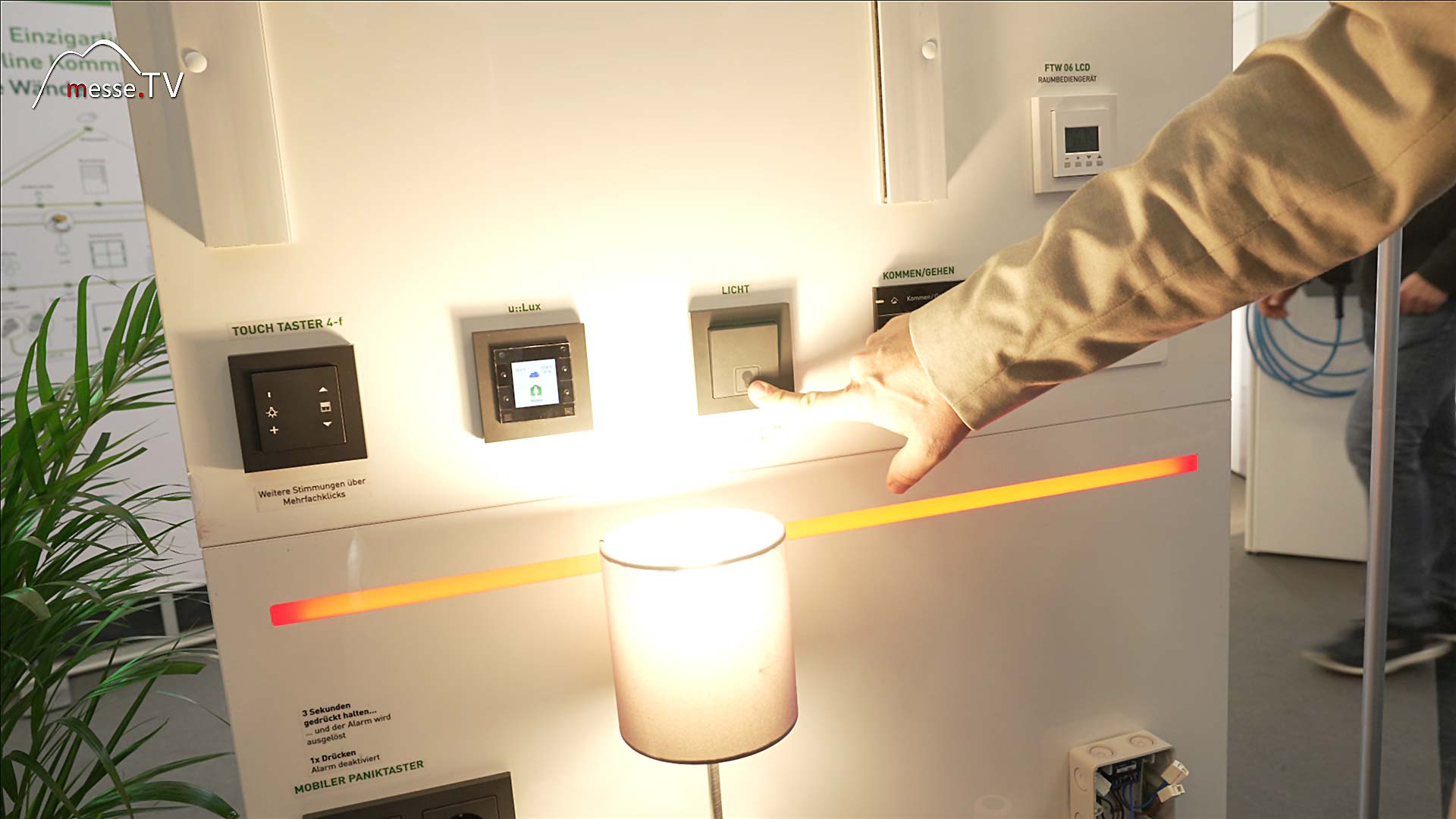
Expandability and system openness
Digitalstrom is not intended as an isolated solution, but can be expanded step by step. Individual rooms can initially be equipped independently and later linked together. The integration of additional devices is also modular, without having to rebuild the entire system. The connection of entertainment electronics, heating controls or shading systems shows that the system goes beyond pure lighting control. Nevertheless, the basic idea remains the same: to make intelligent use of existing devices instead of replacing them.
- Step-by-step expansion possible
- Modular system without complete conversion
- Expansion according to individual use






Trade fair reporting Germany - Trade fair knowledge, dates & events


