Plattformlifte und Vertikallifte für schwierige Einbausituationen
Aufzüge gelten in vielen Gebäuden noch immer als planerische Herausforderung, insbesondere dann, wenn wenig Platz vorhanden ist oder bestehende Bausubstanz kaum Eingriffe zulässt. Gerade in solchen Situationen gewinnen spezialisierte Lösungen an Bedeutung. Plattform- und Vertikallifte sind darauf ausgelegt, Mobilität auch dort zu ermöglichen, wo klassische Aufzugssysteme an ihre Grenzen stoßen. Sie richten sich an private wie öffentliche Bauherren, die Barrierefreiheit, Sicherheit und Alltagstauglichkeit miteinander verbinden müssen.
Der Markt für solche Systeme ist geprägt von individuellen Anforderungen. Unterschiedliche Gebäude, Nutzungsarten und rechtliche Rahmenbedingungen erfordern flexible Konzepte, die sich anpassen lassen. In diesem Umfeld haben sich Anbieter etabliert, die ihren Schwerpunkt bewusst auf schwierige Einbausituationen legen und damit eine Lücke zwischen Standardlösungen und Sonderanfertigungen schließen.
Spezialisierung auf komplexe bauliche Rahmenbedingungen
Ein zentrales Einsatzfeld für Plattform- und Vertikallifte sind Bestandsgebäude. Dort fehlen häufig Schächte, ausreichende Grundflächen oder statische Reserven für konventionelle Aufzüge. Gleichzeitig besteht ein wachsender Bedarf, Gebäude nachträglich barrierefrei zu erschließen. Genau hier setzen Systeme an, die schmal bauen, modular aufgebaut sind und sich flexibel an Treppenläufe, Wandverläufe oder enge Grundrisse anpassen lassen. Diese Spezialisierung bedeutet nicht, dass Neubauten ausgeschlossen wären. Auch dort kommen Plattform- und Vertikallifte zum Einsatz, etwa wenn architektonische Konzepte bewusst auf Offenheit und Transparenz setzen oder der Platz effizient genutzt werden soll. Entscheidend ist weniger das Alter eines Gebäudes als vielmehr die Frage, wie sich ein Lift integrieren lässt, ohne den Charakter der Architektur zu verändern.
Plattformlifte und Vertikallifte im Überblick
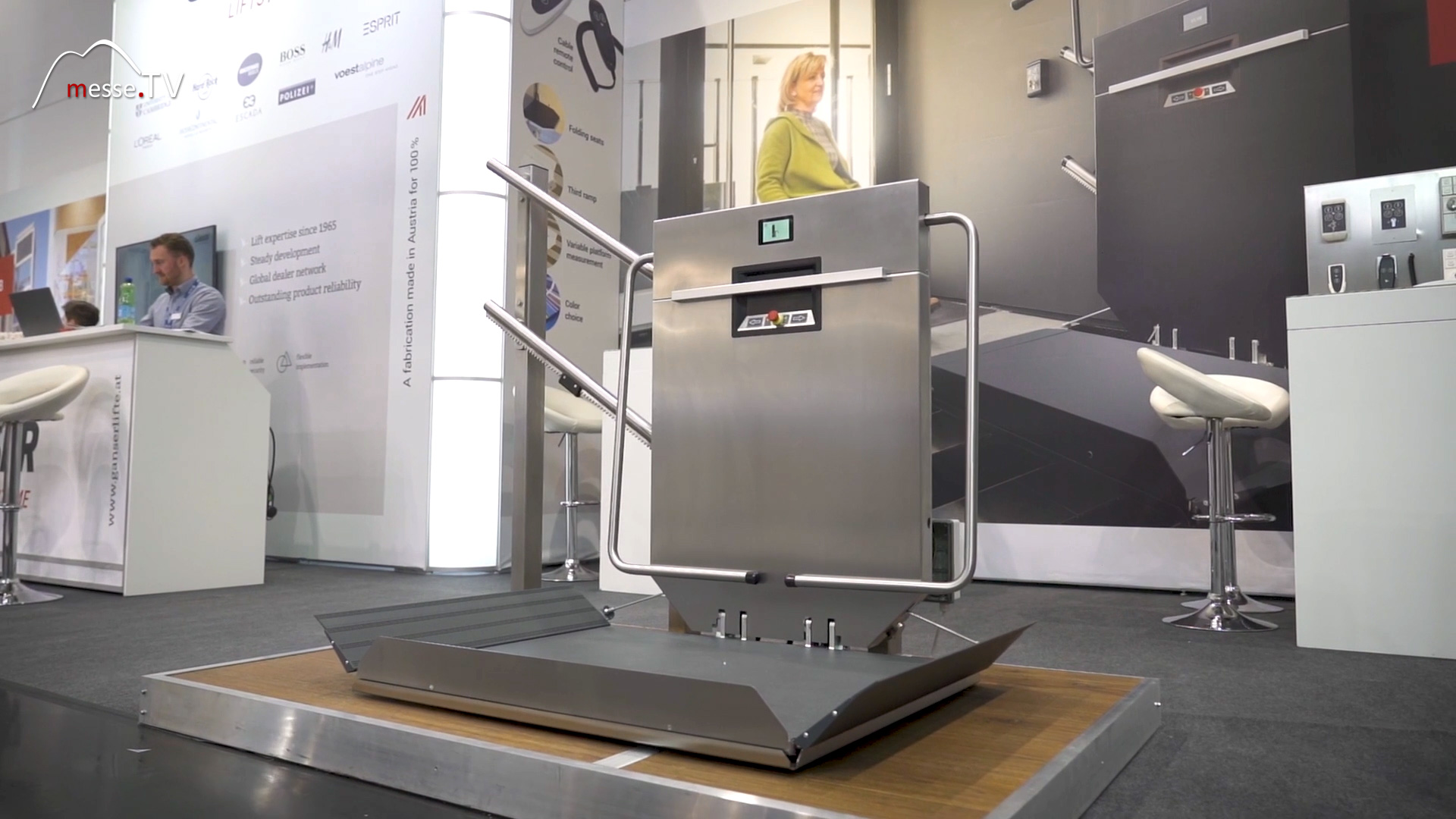
Plattformlifte sind vor allem dort gefragt, wo kurze Höhenunterschiede überwunden werden müssen oder Treppenanlagen im Mittelpunkt stehen. Sie ermöglichen den Transport von Personen im Rollstuhl ebenso wie von gehenden Nutzern und lassen sich häufig direkt an bestehende Treppen anpassen. Vertikallifte hingegen sind für den rein vertikalen Transport ausgelegt und kommen ohne klassische Aufzugsschächte aus. Vertikallifte sind besonders für enge Situationen interessant, da sie mit geringer Bautiefe auskommen und sich auch in schmalen Bereichen montieren lassen. Plattform- und Vertikallifte ergänzen sich damit funktional und decken unterschiedliche Anforderungen innerhalb desselben Gebäudes ab.
Kompakte Bauweise als technischer Vorteil
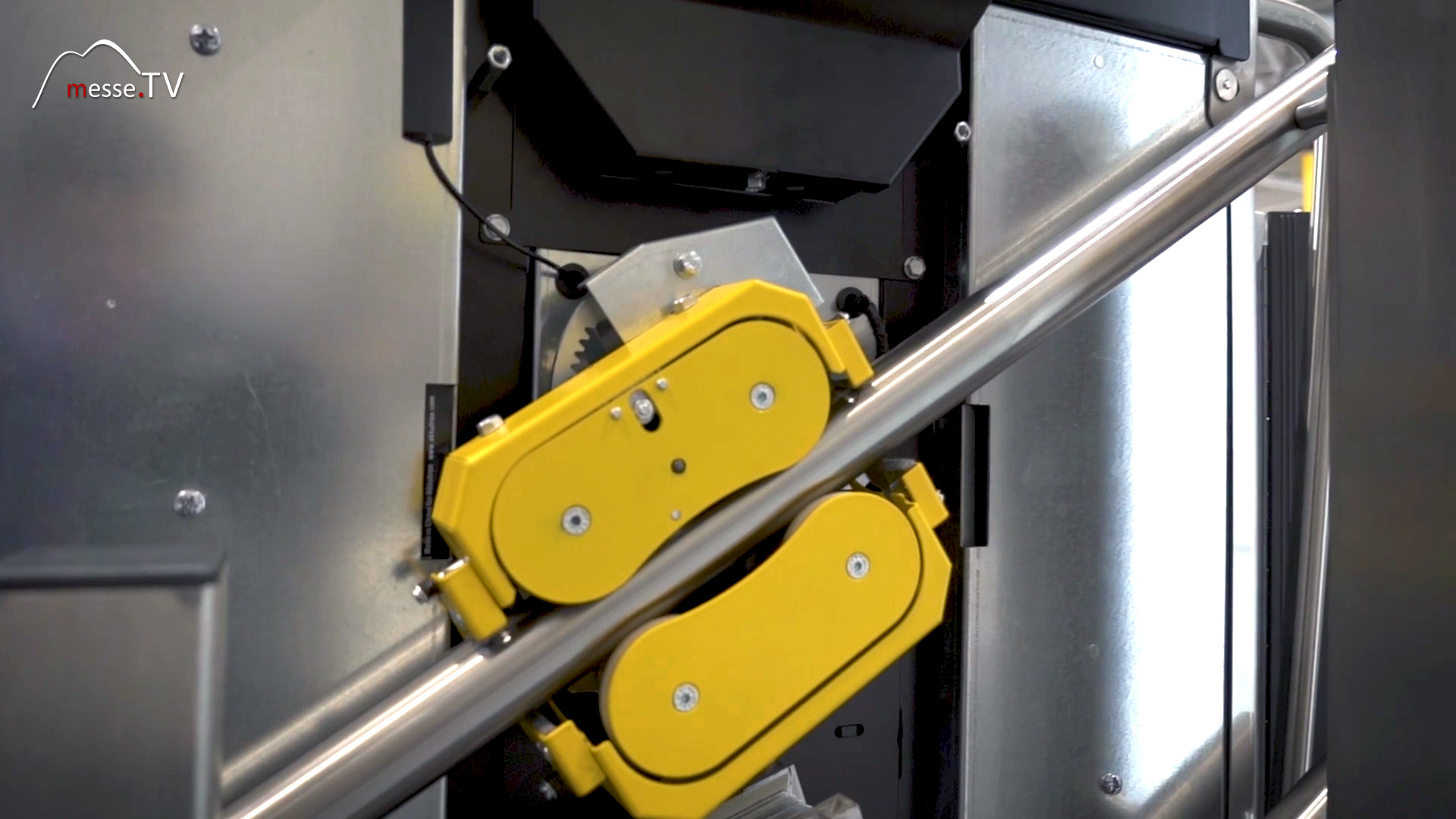
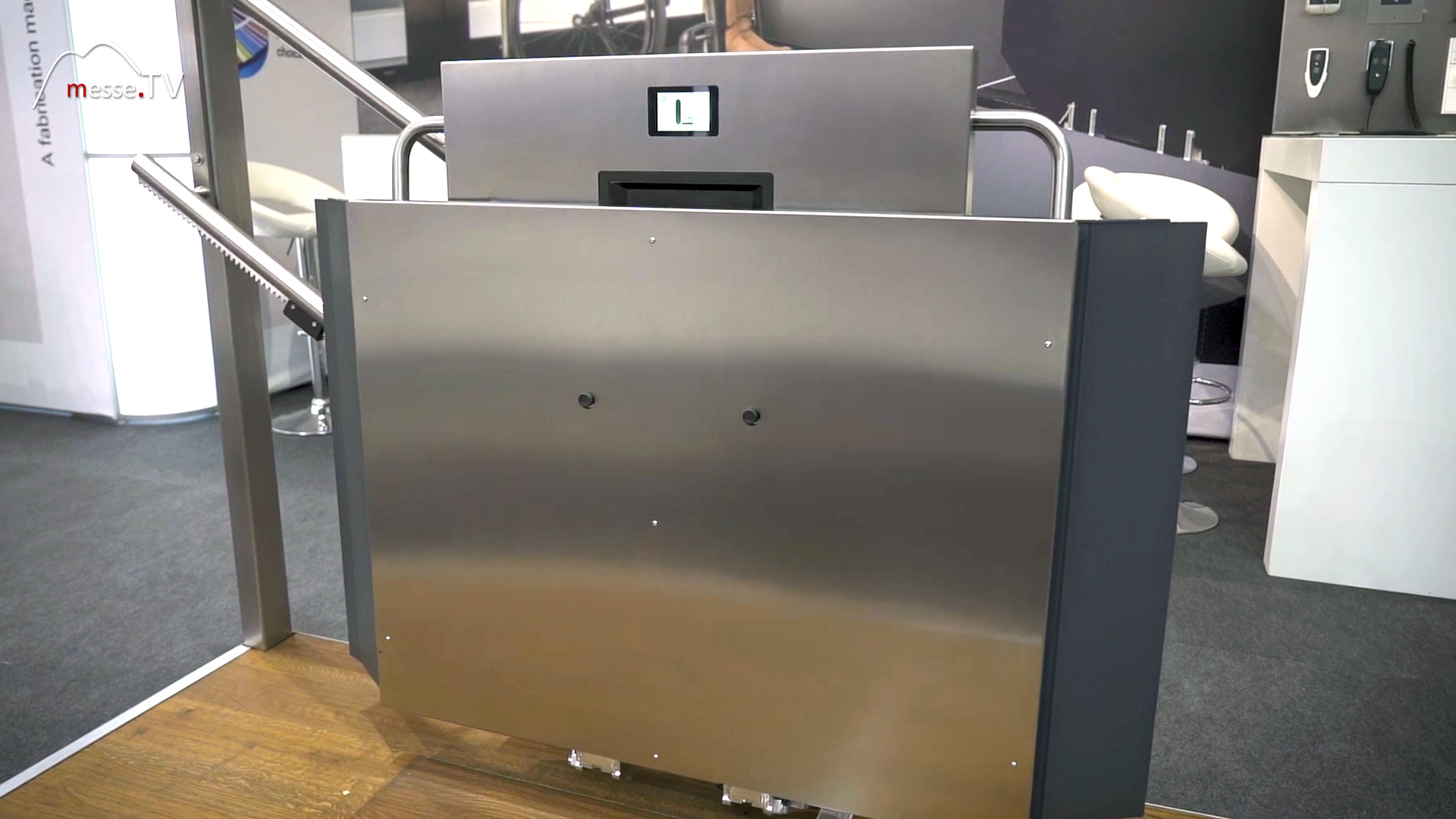
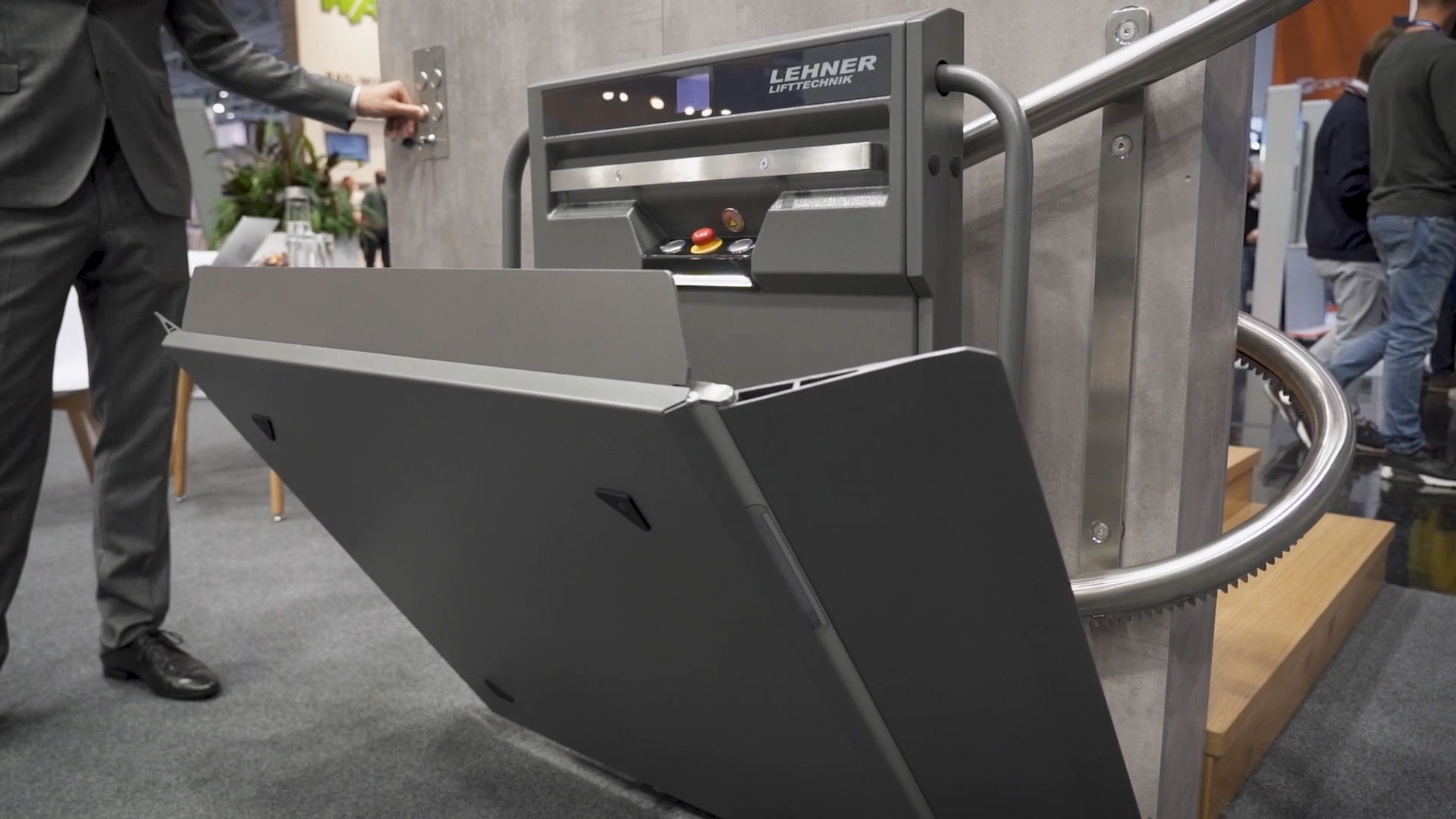
Ein wesentliches Merkmal moderner Systeme ist ihre kompakte Bauweise. Gerade im zusammengeklappten Zustand reduzieren Plattformlifte den Abstand zur Wand auf ein Minimum. Das schafft Freiraum in Treppenhäusern und erhöht die Alltagstauglichkeit, insbesondere in öffentlichen Gebäuden mit hohem Publikumsverkehr. Ein weiterer Vorteil liegt in der Standardisierung zentraler Komponenten. Ein einziges Aggregat kann für unterschiedliche Ausführungen genutzt werden, unabhängig davon, ob ein gerader oder kurvenförmiger Verlauf erforderlich ist. Das vereinfacht nicht nur die Planung, sondern erleichtert auch Wartung und Ersatzteilversorgung. Für Kunden und Vertriebspartner bedeutet das mehr Übersicht und geringere Komplexität im Projektverlauf.
Energieversorgung, Bedienung und Alltagstauglichkeit
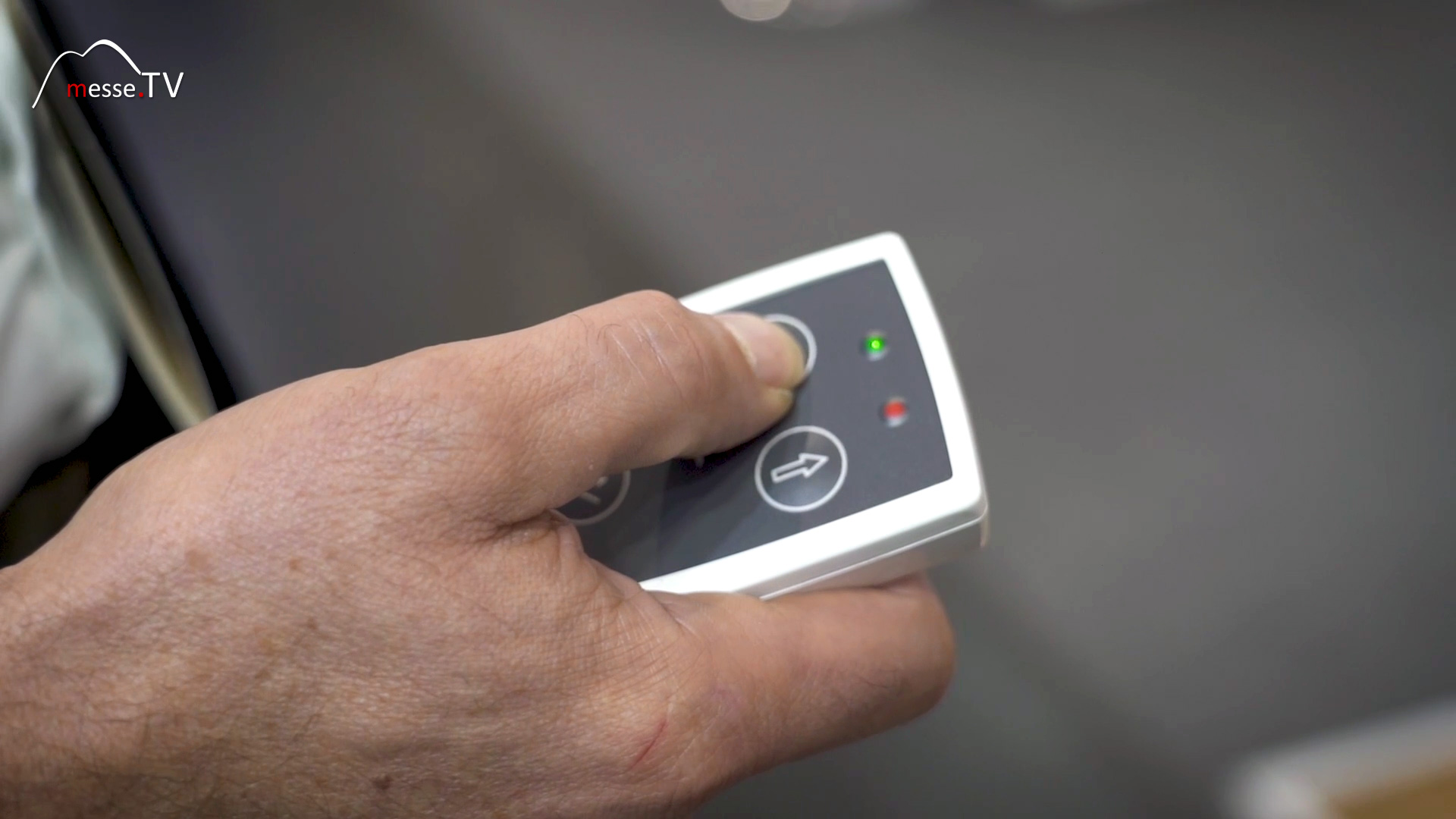
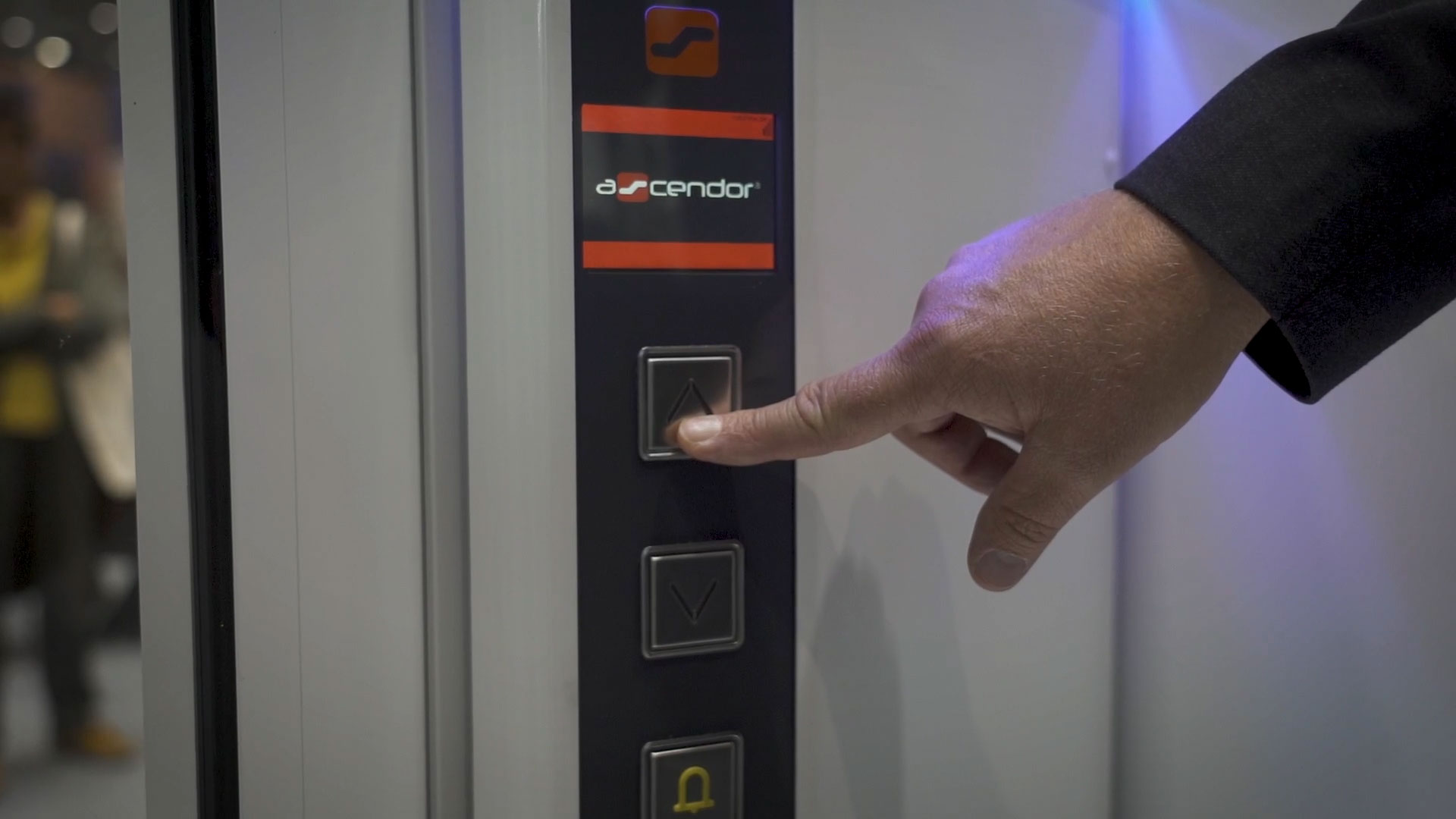
Neben der mechanischen Konstruktion spielt die Energieversorgung eine entscheidende Rolle. Akkubetriebene Systeme ermöglichen einen zuverlässigen Betrieb auch bei Stromausfällen und reduzieren den Installationsaufwand, da keine aufwendigen Elektroanschlüsse erforderlich sind. Langlebige Akkus tragen dazu bei, Wartungsintervalle zu verlängern und die Betriebskosten niedrig zu halten. Die Bedienung ist bewusst einfach gehalten. Handsender, klar strukturierte Bedienelemente und intuitive Steuerungen sorgen dafür, dass auch ungeübte Nutzer die Lifte sicher verwenden können. Gerade im öffentlichen Bereich ist das ein wichtiger Faktor, da dort unterschiedliche Personengruppen auf die Technik angewiesen sind. Typische Merkmale moderner Plattform- und Vertikallifte sind:
- schmale Bauweise für geringe Platzanforderungen
- einheitliche Aggregattechnik für verschiedene Einbausituationen
- langlebige Akkutechnologie für hohe Betriebssicherheit
- intuitive Bedienkonzepte für private und öffentliche Nutzung
Schutzkonzepte für öffentliche Einsatzbereiche
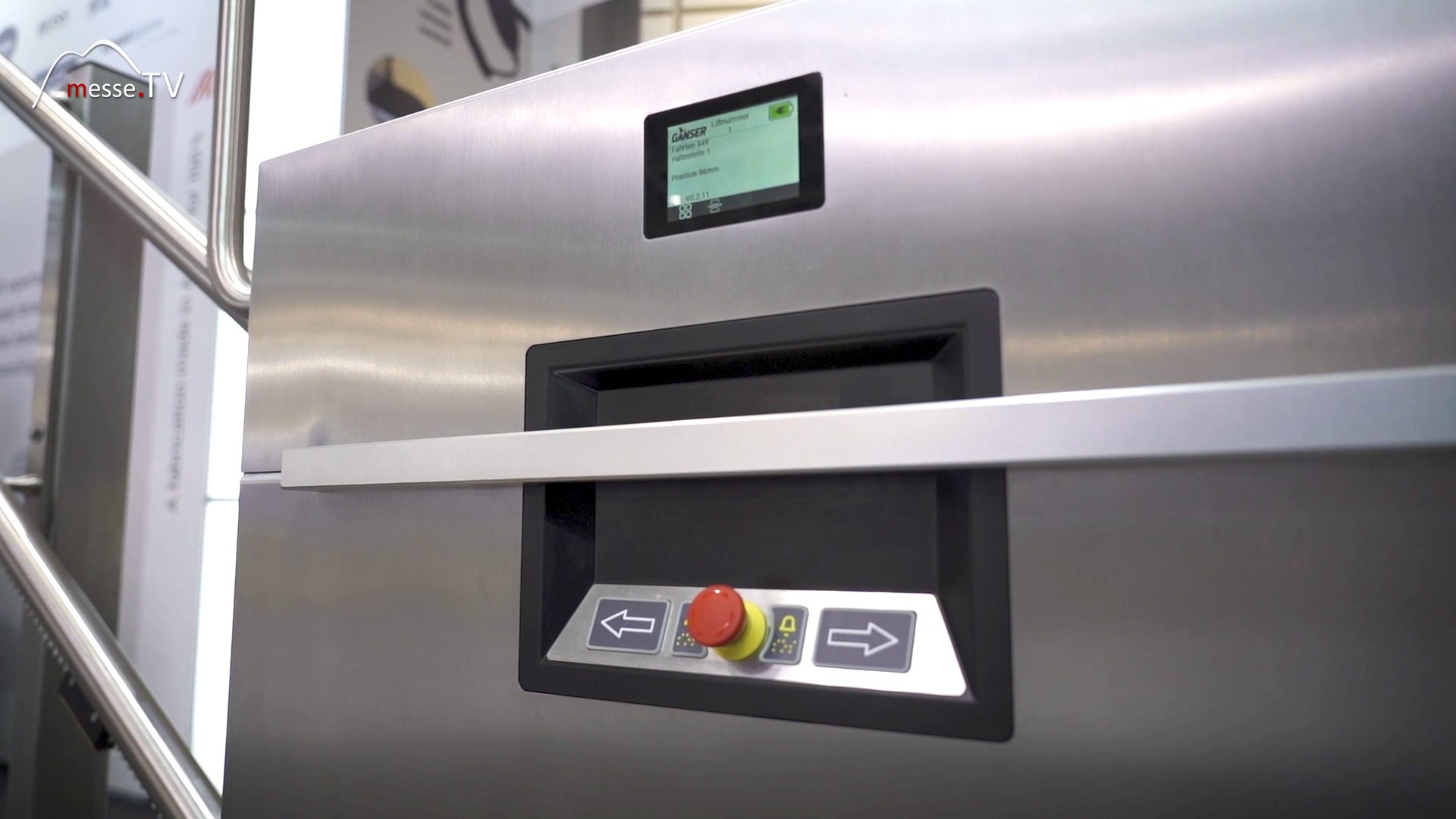
Im öffentlichen Raum spielen zusätzliche Anforderungen eine Rolle. Vandalismusschutz ist hier ebenso wichtig wie eine robuste Ausführung der Bedienelemente. Eingelassene Taster und geschützte Steuerungen verhindern Beschädigungen und sorgen dafür, dass die Anlagen auch bei intensiver Nutzung zuverlässig funktionieren. Diese Schutzkonzepte sind nicht nur auf Sicherheit ausgelegt, sondern auch auf Akzeptanz. Je einfacher und klarer ein System zu bedienen ist, desto geringer ist die Hemmschwelle für Nutzer, die mit der Technik nicht vertraut sind. Plattform- und Vertikallifte müssen deshalb nicht nur technisch funktionieren, sondern auch im Alltag überzeugen.
Marktpositionierung und langjährige Erfahrung
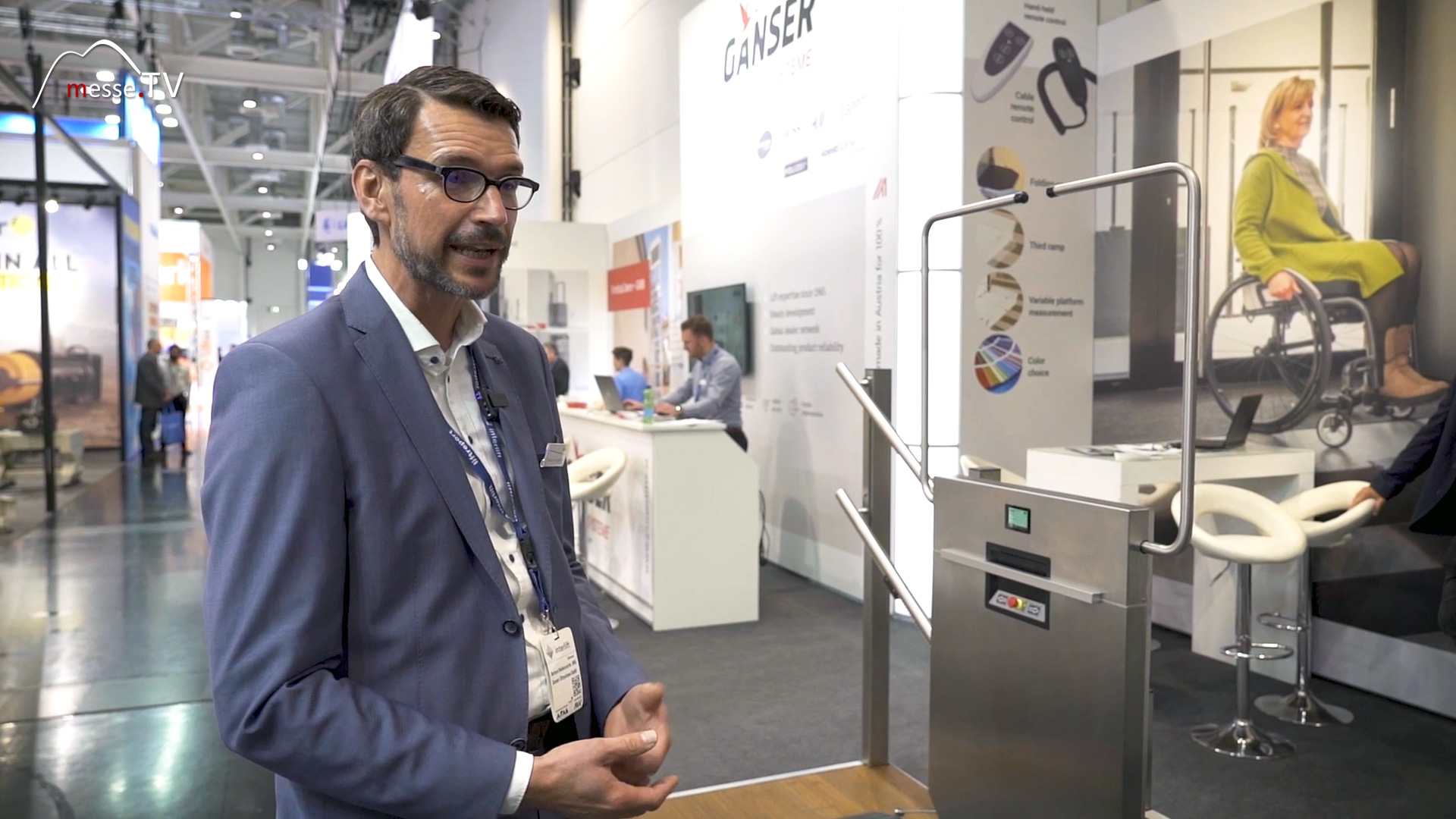
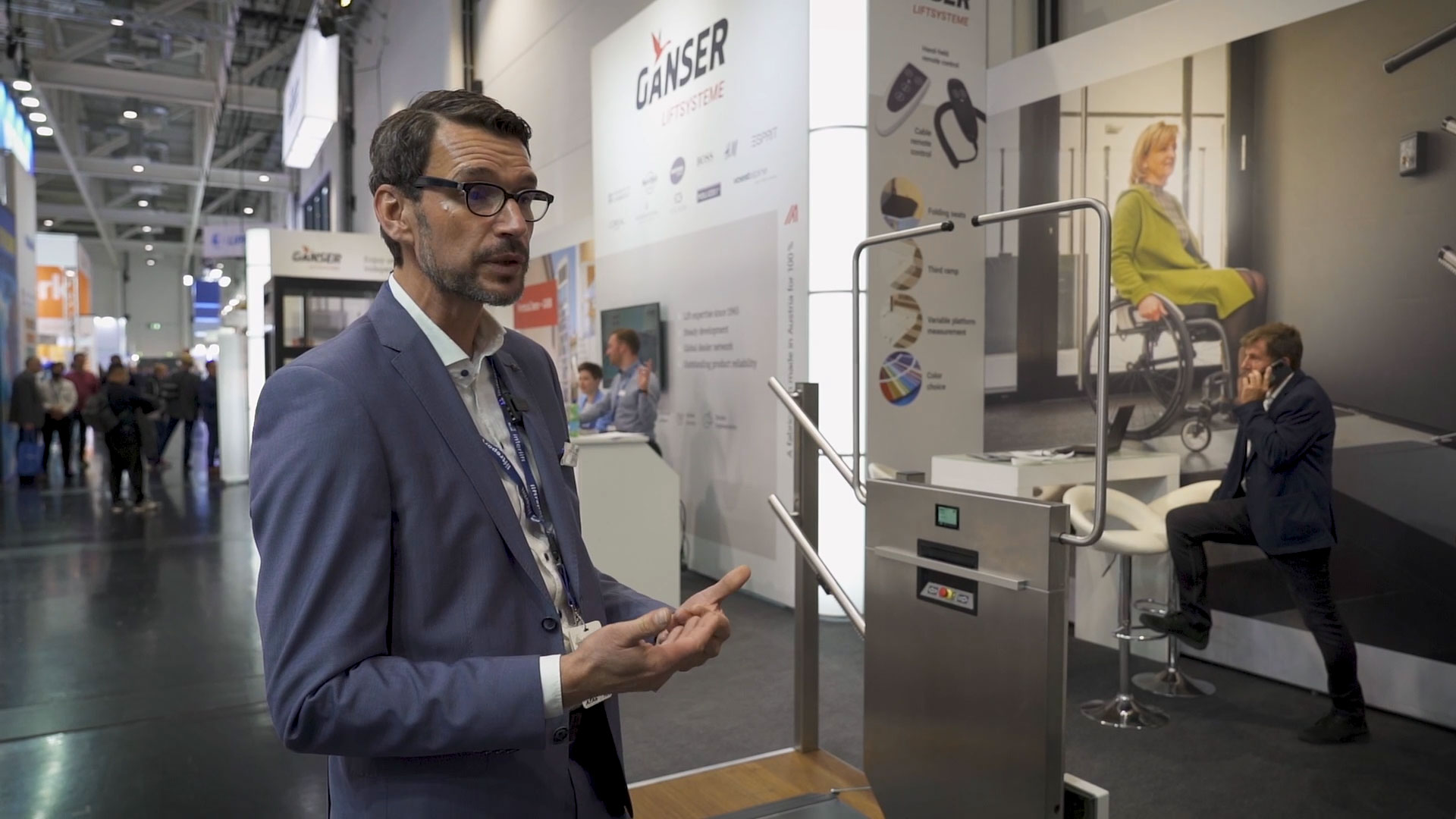
Als österreichischer Hersteller mit jahrzehntelanger Erfahrung hat Ganser Liftsysteme den Fokus früh auf schwierige Einbausituationen gelegt. Plattformlifte und Vertikallifte bilden dabei einen zentralen Bestandteil des Portfolios. Die kontinuierliche Präsenz auf Fachmessen wie der interlift zeigt, wie wichtig der direkte Austausch mit Planern, Partnern und Betreibern für die Weiterentwicklung der Systeme ist. Ganser Liftsysteme verbindet dabei langjährige Produktionserfahrung mit einer klaren Ausrichtung auf Qualität und Langlebigkeit. Die Auswahl qualifizierter Zulieferer und die konsequente Materialprüfung tragen dazu bei, dass die Produkte auf eine lange Nutzungsdauer ausgelegt sind. Für Kunden bedeutet das Investitionssicherheit, gerade in einem Marktsegment, in dem individuelle Lösungen gefragt sind.
Plattform- und Vertikallifte als Antwort auf bauliche Realität
Die Nachfrage nach barrierefreien Lösungen wird weiter steigen, nicht zuletzt durch demografische Entwicklungen und gesetzliche Vorgaben. Plattform- und Vertikallifte bieten eine Antwort auf diese Anforderungen, ohne pauschale Lösungen zu erzwingen. Sie passen sich der baulichen Realität an und ermöglichen Mobilität dort, wo sie lange als kaum umsetzbar galt. In schwierigen Einbausituationen zeigt sich der Mehrwert solcher Systeme besonders deutlich. Sie verbinden Technik, Alltagstauglichkeit und gestalterische Zurückhaltung. Damit werden Plattform- und Vertikallifte zu einem festen Bestandteil moderner Gebäudeplanung – nicht als Ausnahme, sondern als pragmatische Lösung für reale Herausforderungen.
Messe-Berichterstattung bundesweit - Messewissen, Termine & Veranstaltungen


