Sicherheitsbauteile - zentrale Komponenten im Aufzugbau
Sicherheitsbauteile gehören zu den unsichtbaren, aber zentralen Komponenten im Aufzugbau. Sie arbeiten im Hintergrund, sind im Normalbetrieb kaum wahrnehmbar und werden erst dann relevant, wenn sie zuverlässig funktionieren müssen.
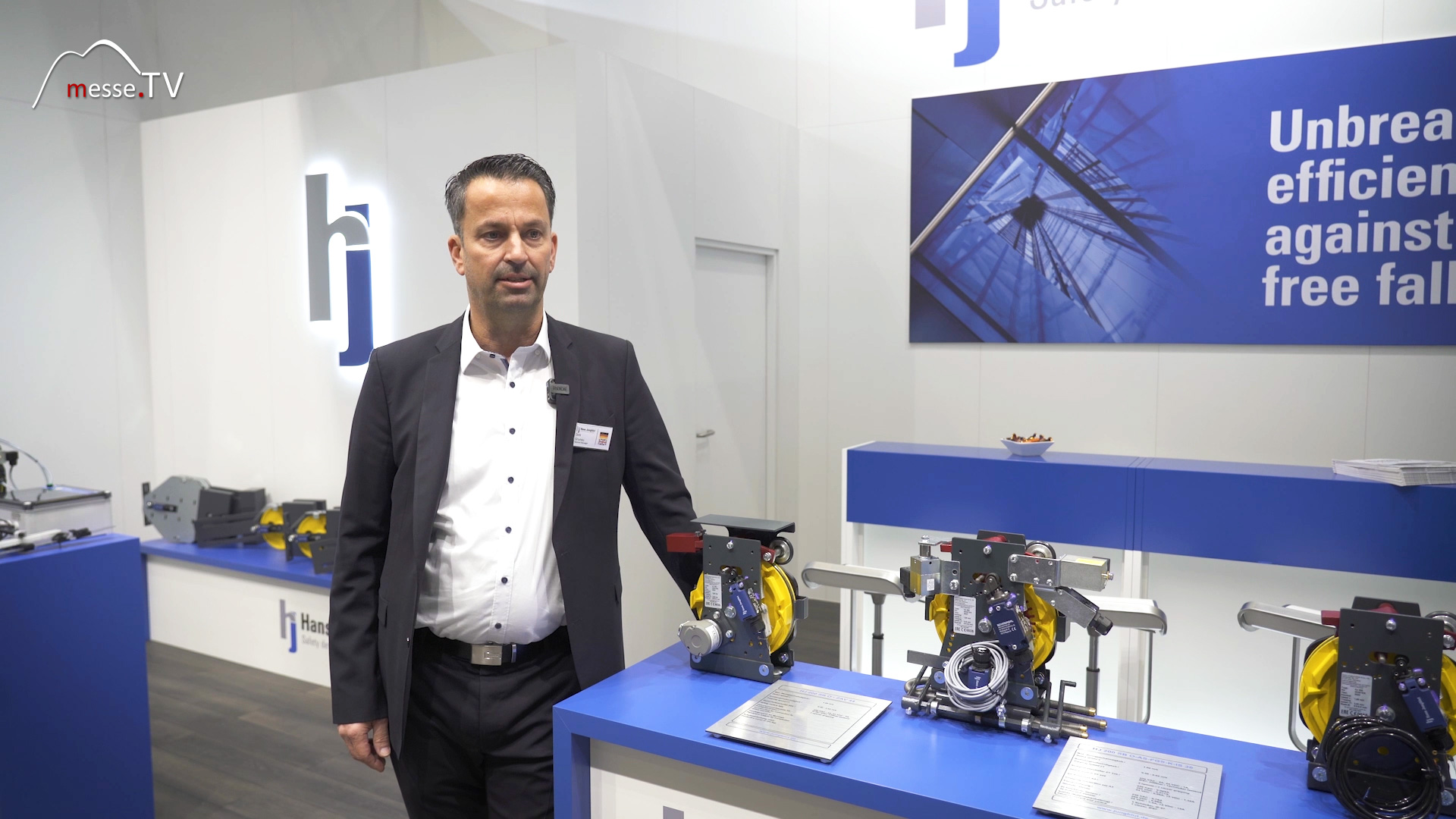
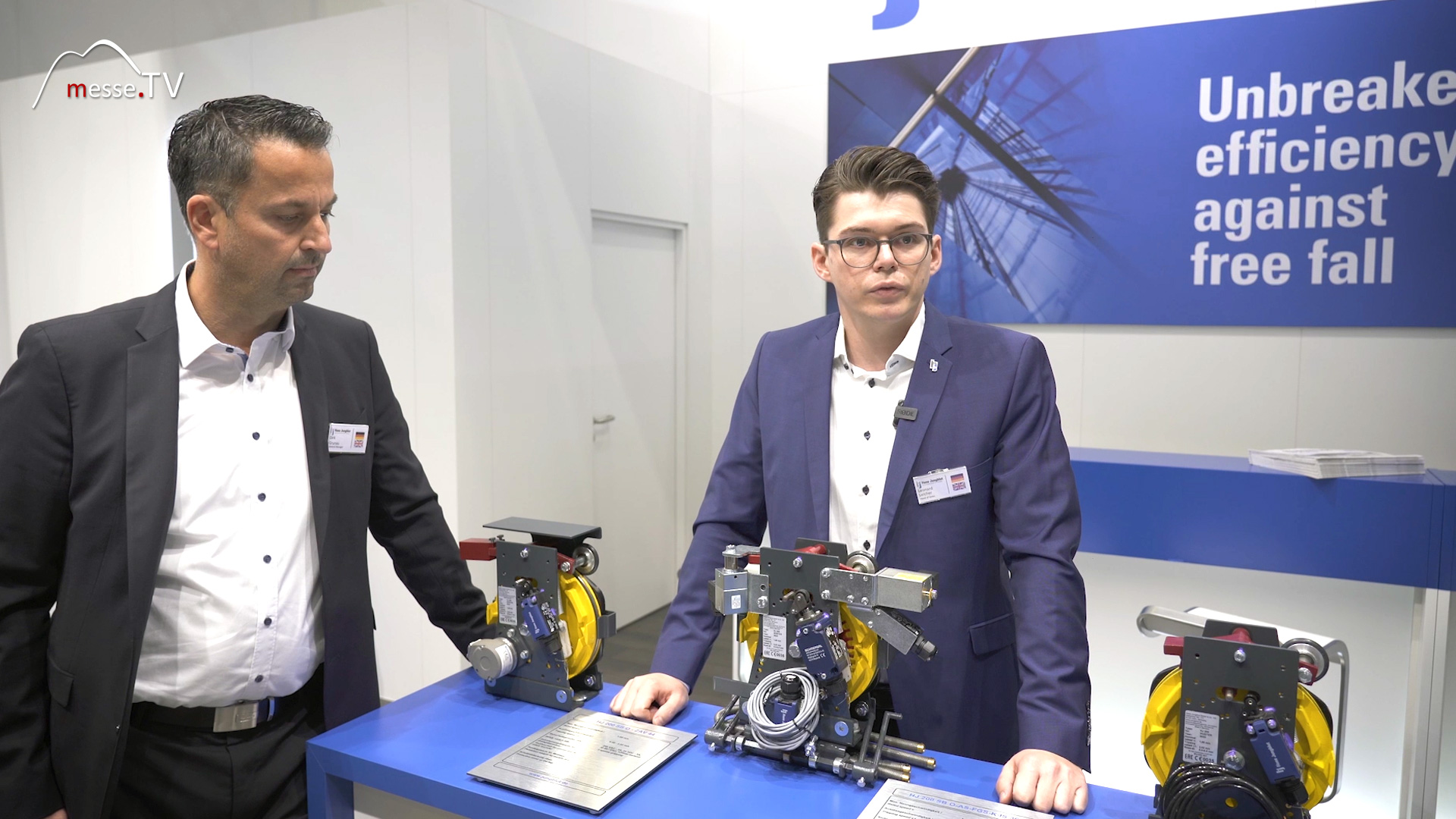
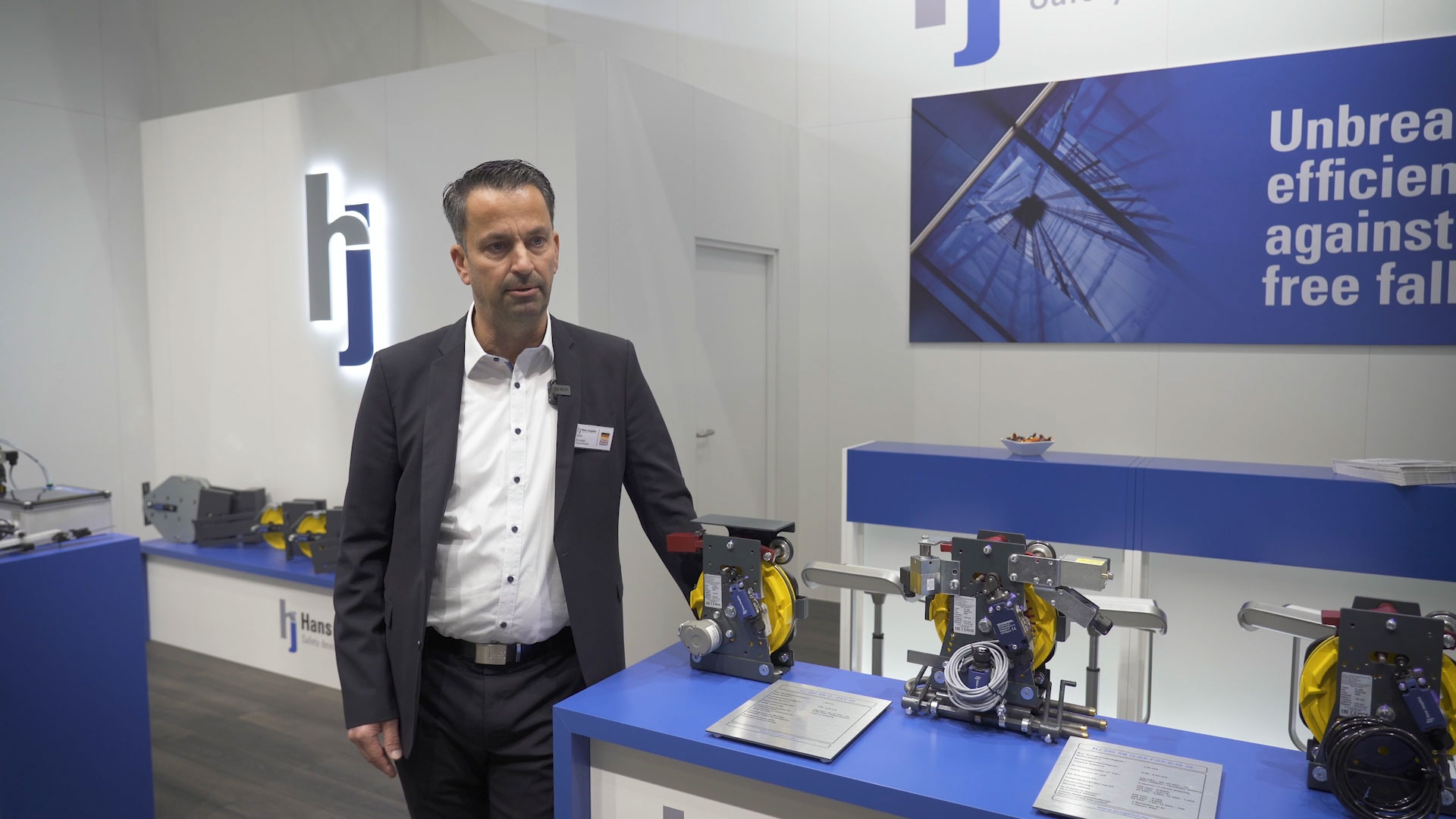
Auf der Interlift zeigt sich, wie stark dieses Segment technisch ausdifferenziert ist und wie hoch die Anforderungen an Qualität, Normtreue und Anpassungsfähigkeit inzwischen liegen. Gerade bei sicherheitsrelevanten Bauteilen entscheidet nicht Innovation um ihrer selbst willen, sondern belastbare Technik über Akzeptanz im Markt. Die Firma Jungblut ist seit fast einem Jahrhundert im Bereich der Sicherheitsbauteile für Aufzüge und Fördertechnik tätig. Diese lange Marktpräsenz prägt den Anspruch an die eigenen Produkte ebenso wie den Umgang mit Kunden. Auf der Messe wird ein breites Produktspektrum an Geschwindigkeitsbegrenzern vorgestellt, das unterschiedliche Anwendungen und Einbausituationen abdeckt. Die Vielzahl der Exponate ist dabei kein Selbstzweck, sondern Ausdruck einer technischen Bandbreite, die auf reale Anforderungen im Aufzugbau reagiert.
Qualität und Erfahrung als technisches Fundament
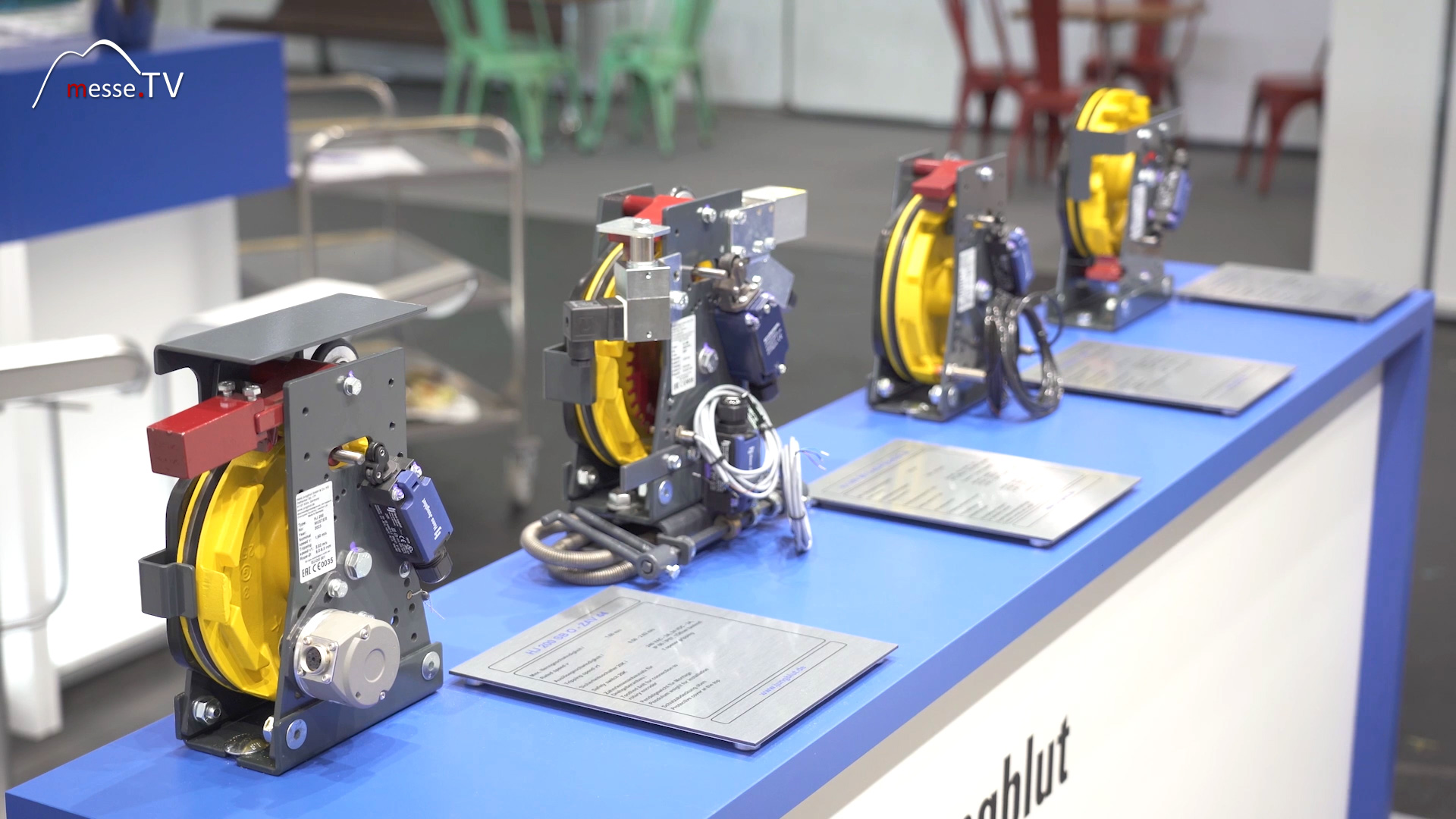
Im sicherheitsrelevanten Umfeld ist Erfahrung kein abstrakter Wert, sondern Teil der technischen Zuverlässigkeit. Jungblut versteht sich nicht als Neueinsteiger, sondern als etablierter Hersteller, der seine Produkte über Jahrzehnte hinweg weiterentwickelt hat. Die Fertigung orientiert sich an hohen Qualitätsstandards, die sich sowohl in der Materialauswahl als auch in der mechanischen Auslegung widerspiegeln. Diese Ausrichtung zeigt sich insbesondere bei den Geschwindigkeitsbegrenzern, die für unterschiedliche Geschwindigkeitsbereiche ausgelegt sind. Vom Homelift mit sehr niedrigen Fahrgeschwindigkeiten bis hin zu klassischen Personenaufzügen mit deutlich höherem Tempo wird der gängige Markt weitgehend abgedeckt. Damit richtet sich das Portfolio nicht an Nischenanwendungen, sondern an den Alltag im Aufzugbau.

Geschwindigkeitsbereiche und Standardanwendungen
Ein zentrales Merkmal der vorgestellten Produkte ist die Abdeckung typischer Geschwindigkeitsbereiche. Bereits bei sehr niedrigen Fahrgeschwindigkeiten beginnen die Anwendungen, etwa im privaten oder halböffentlichen Bereich. Am oberen Ende des Spektrums stehen Anlagen mit mehreren Metern pro Sekunde Fahrgeschwindigkeit, wie sie im klassischen Personenverkehr üblich sind. Der überwiegende Teil der Nachfrage entfällt dabei auf Standardmodelle, die in vielen Aufzügen verbaut werden. Diese Modelle bilden das Rückgrat des Programms und sind entsprechend auf Verfügbarkeit, Wartungsfreundlichkeit und Normkonformität ausgelegt. Ergänzt wird dieses Standardsortiment durch kleinere und größere Varianten, um unterschiedliche bauliche Anforderungen berücksichtigen zu können.
Modularität und technische Anbauten
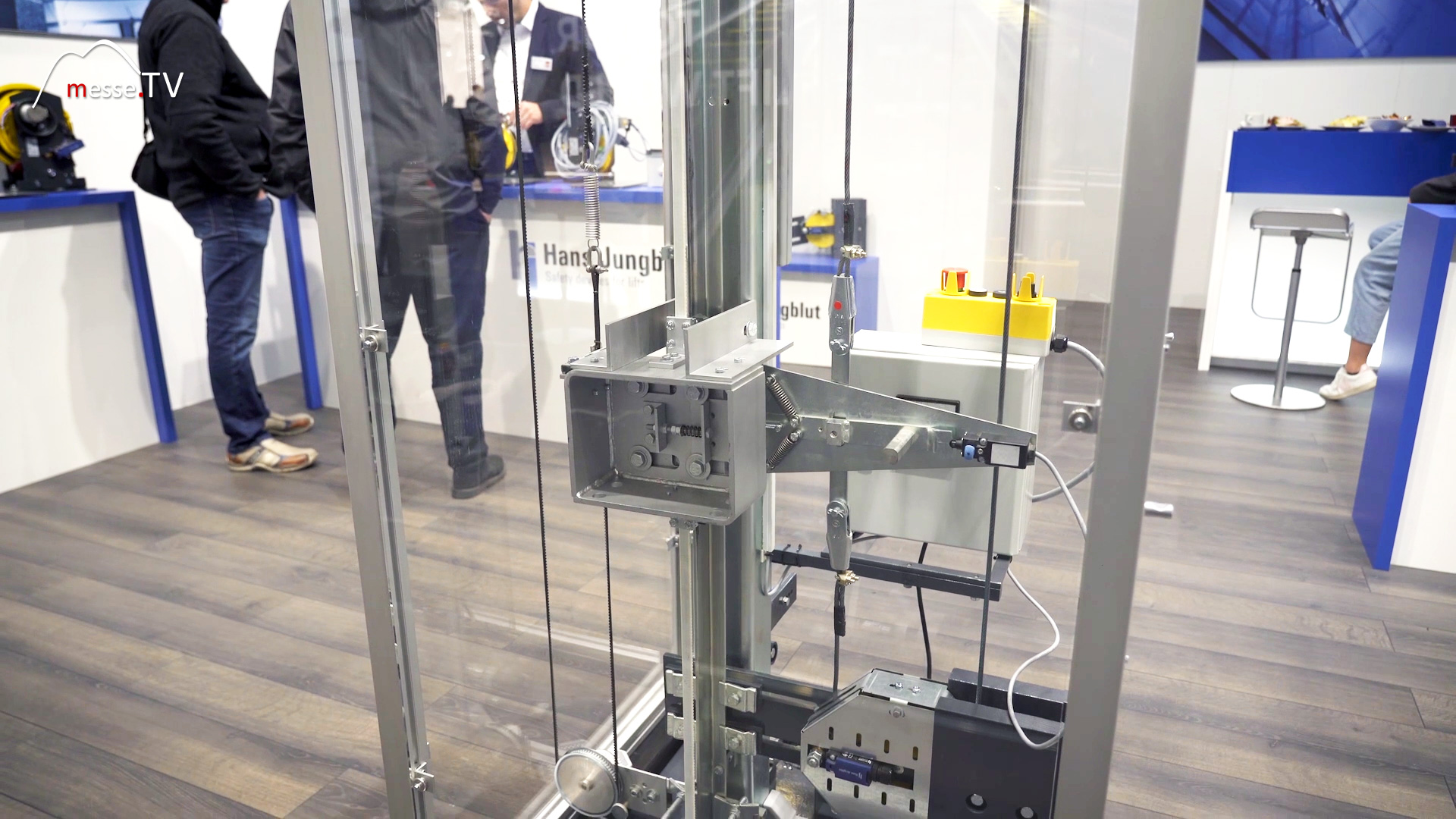
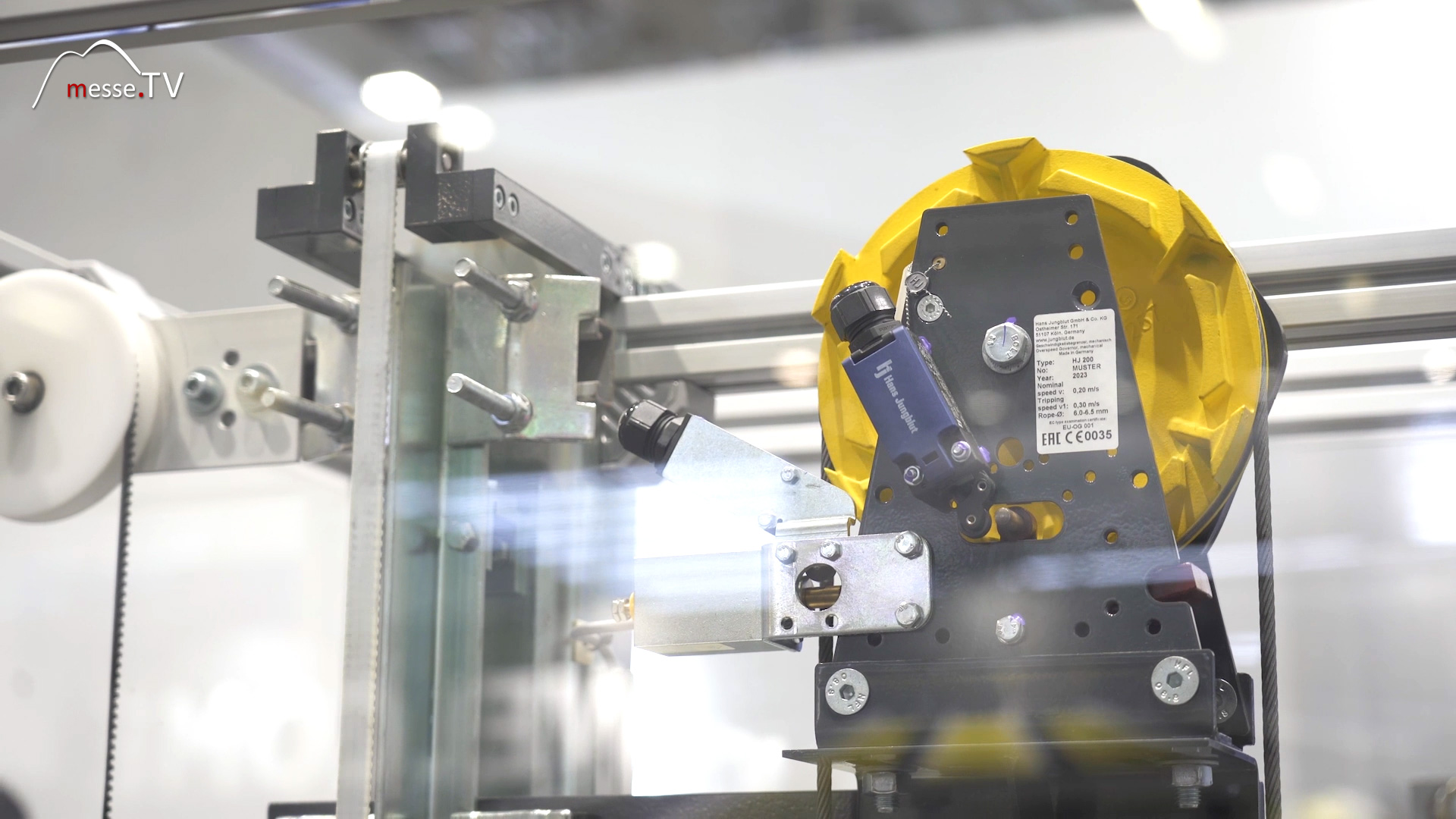
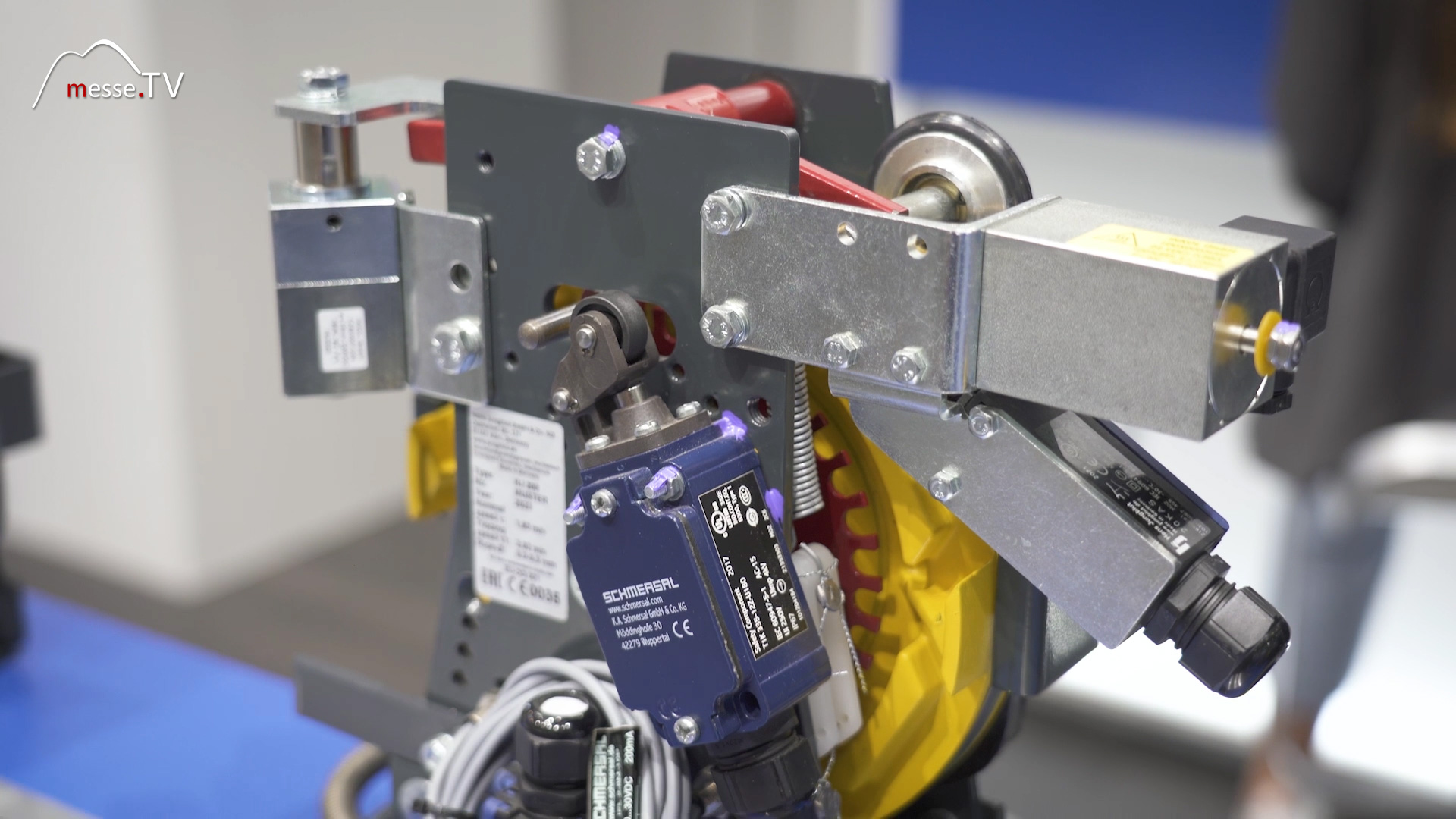
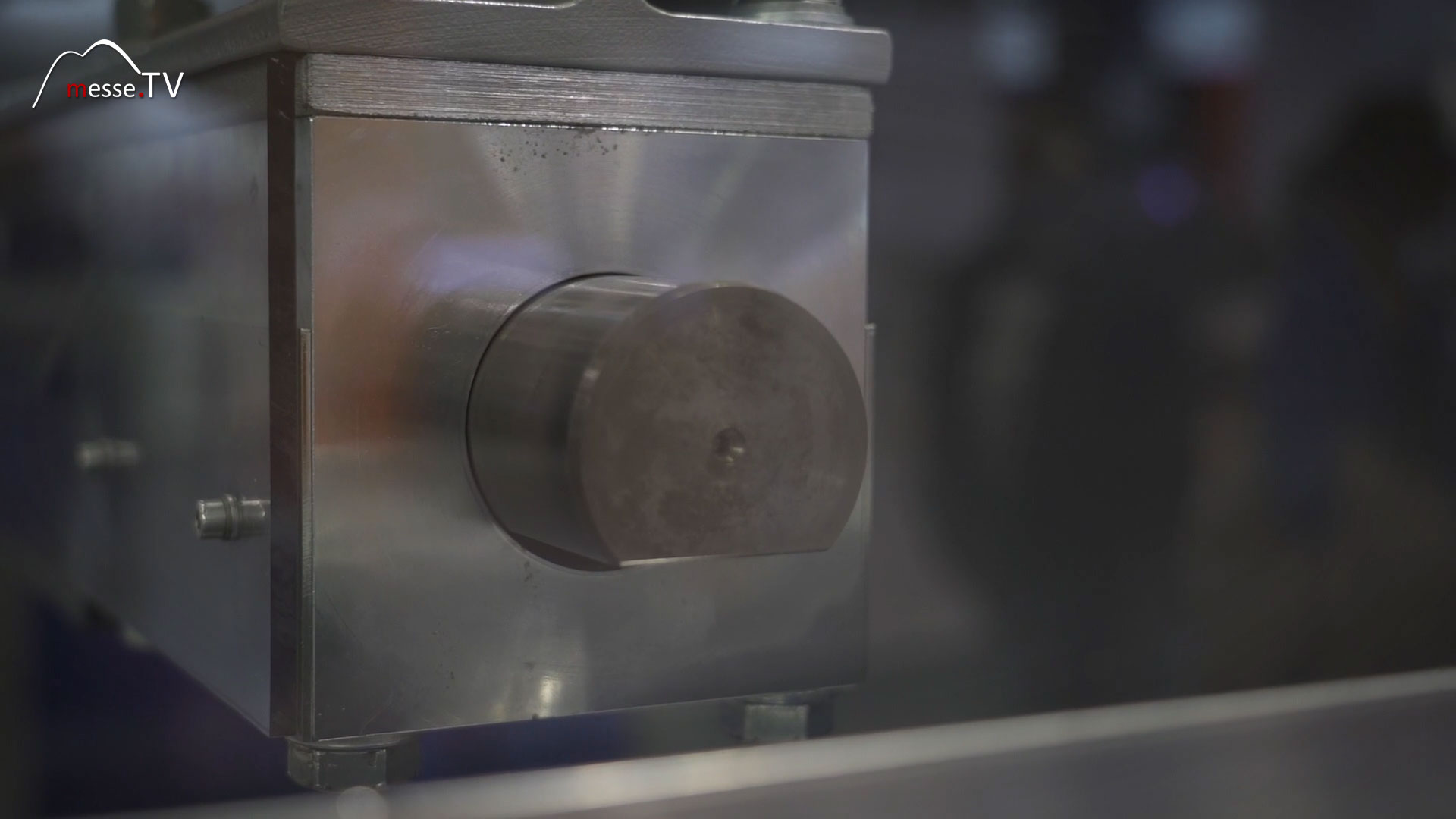
Auf der Messe wird nicht nur der Geschwindigkeitsbegrenzer als solches Bauteil gezeigt, sondern auch dessen mögliche Erweiterungen. Ein Exponat ist bewusst mit verschiedenen Anbauten ausgestattet, um Kunden die technischen Optionen anschaulich zu machen. Diese Modularität erlaubt es, das Grundprodukt an spezifische Anforderungen anzupassen, ohne eine vollständige Neuentwicklung vornehmen zu müssen. Ein Beispiel ist die Fernauslösung, die für Fangtests eingesetzt wird. Sie ermöglicht es, den Fangmechanismus gezielt auszulösen, etwa im Rahmen von Prüfungen oder Abnahmen. Der Eingriff erfolgt kontrolliert über ein mechanisches Element, das den Begrenzer in den Fangzustand versetzt. Solche Lösungen sind insbesondere bei wiederkehrenden Prüfungen relevant und tragen dazu bei, Abläufe zu vereinfachen. Typische Ausstattungs- und Anpassungsmöglichkeiten sind unter anderem:
- Fernauslösungen für Fangtests
- unterschiedliche Raddurchmesser
- variierende Befestigungs- und Anschlussoptionen
- kundenspezifische Anpassungen für Sonderfälle
Kundennähe und Sonderlösungen
Neben der Serienfertigung spielt die Fähigkeit zur Anpassung eine wichtige Rolle. Nicht jede Anlage entspricht dem Standard, nicht jede Einbausituation lässt sich mit einem Katalogprodukt lösen. Jungblut legt daher Wert darauf, gemeinsam mit Kunden auch Sonderlösungen zu entwickeln. Das kann spezielle Anbauteile betreffen oder konstruktive Anpassungen an bestehende Systeme. Diese Offenheit gegenüber individuellen Anforderungen ist im sicherheitsrelevanten Umfeld von besonderer Bedeutung. Sie erlaubt es, auch komplexe oder atypische Anlagen normgerecht auszustatten, ohne Kompromisse bei der Sicherheit einzugehen. Gleichzeitig bleibt der Bezug zur Serienfertigung erhalten, was sich positiv auf Qualität und Wirtschaftlichkeit auswirkt.
Sicherheitsbauteile als Teil eines Gesamtsystems
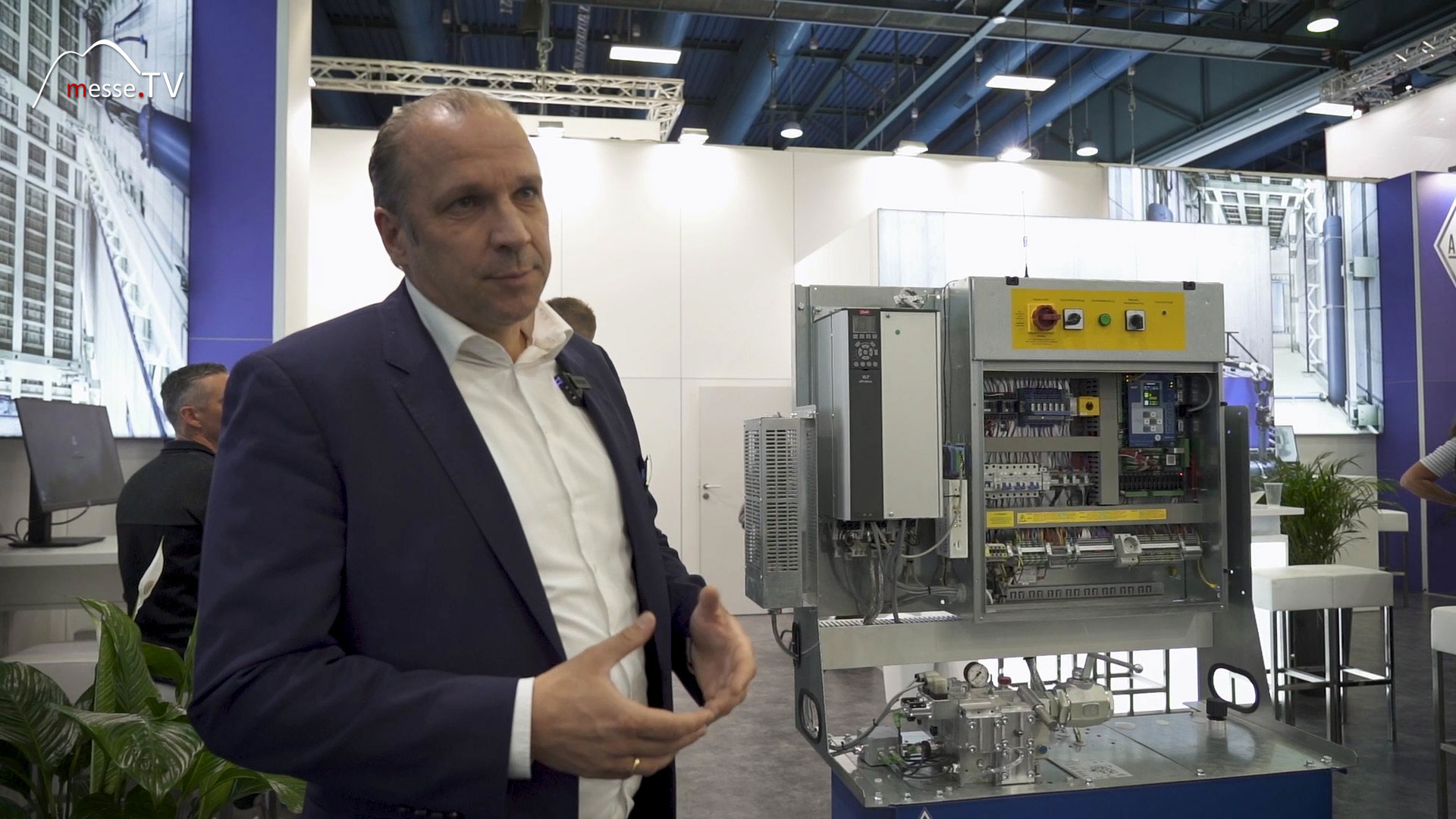
Geschwindigkeitsbegrenzer sind kein isoliertes Bauteil, sondern Teil eines komplexen Sicherheitssystems im Aufzug. Ihre Auslegung beeinflusst das Zusammenspiel mit Fangvorrichtungen, Steuerung und mechanischen Komponenten. Entsprechend hoch sind die Anforderungen an Präzision und Zuverlässigkeit. Die Präsentation auf der Interlift verdeutlicht, dass sich Innovation in diesem Bereich weniger über sichtbare Neuerungen definiert, sondern über Detailarbeit, Normtreue und Anpassungsfähigkeit. Jungblut positioniert sich hier als Hersteller, der auf Bewährtes setzt, dieses jedoch kontinuierlich weiterentwickelt. In einem Markt, in dem Sicherheit oberste Priorität hat, bleibt genau diese Balance entscheidend.
Messe-Berichterstattung bundesweit - Messewissen, Termine & Veranstaltungen


