Digitale Geschäftsprozesse und Echtzeitdaten im modernen Aufzugservice
Die Aufzugsbranche steht seit Jahren unter zunehmendem organisatorischem Druck. Steigende Anforderungen an Dokumentation, Wartung, Transparenz und Reaktionszeiten treffen auf eine stark mittelständisch geprägte Struktur.
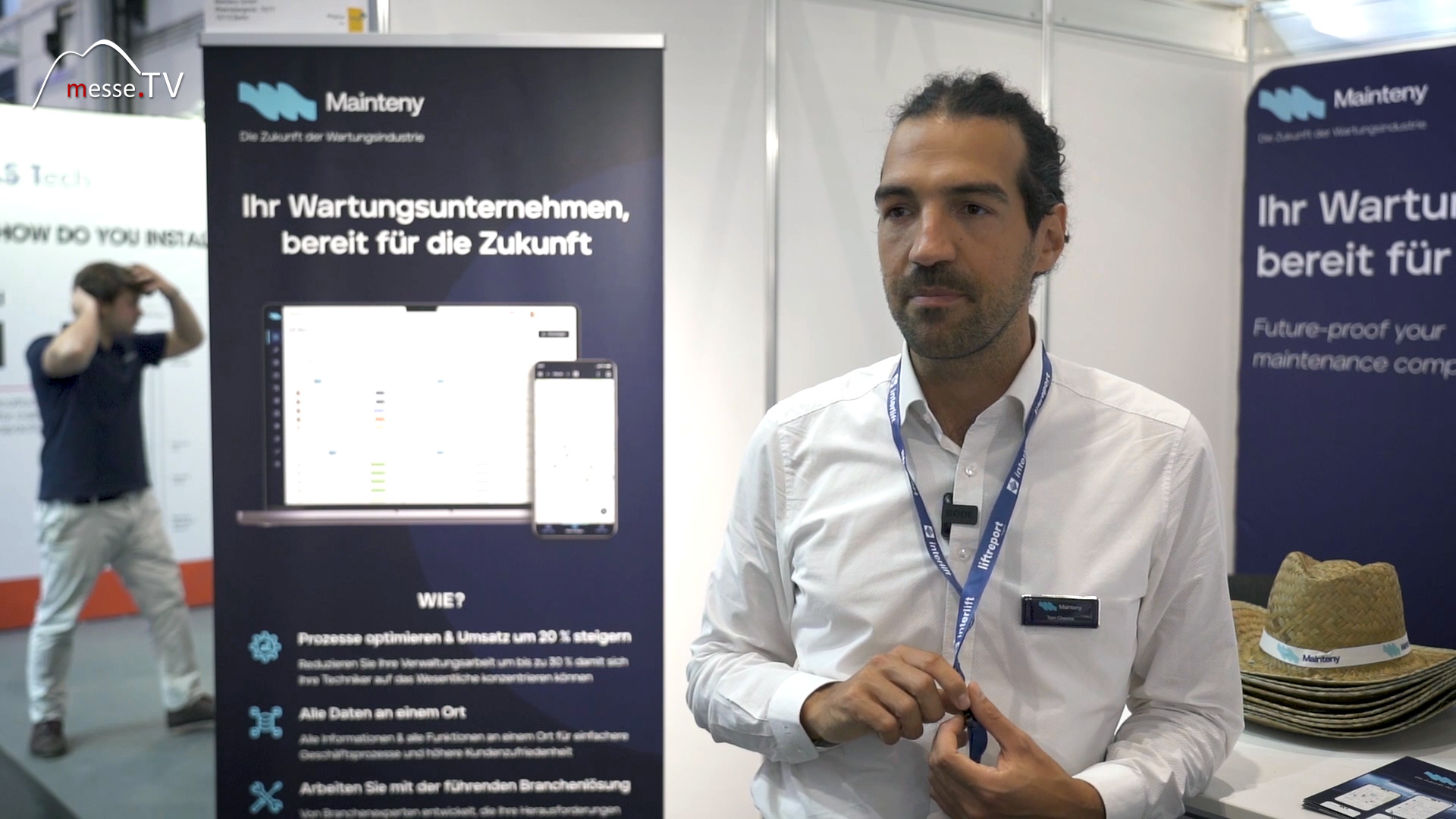
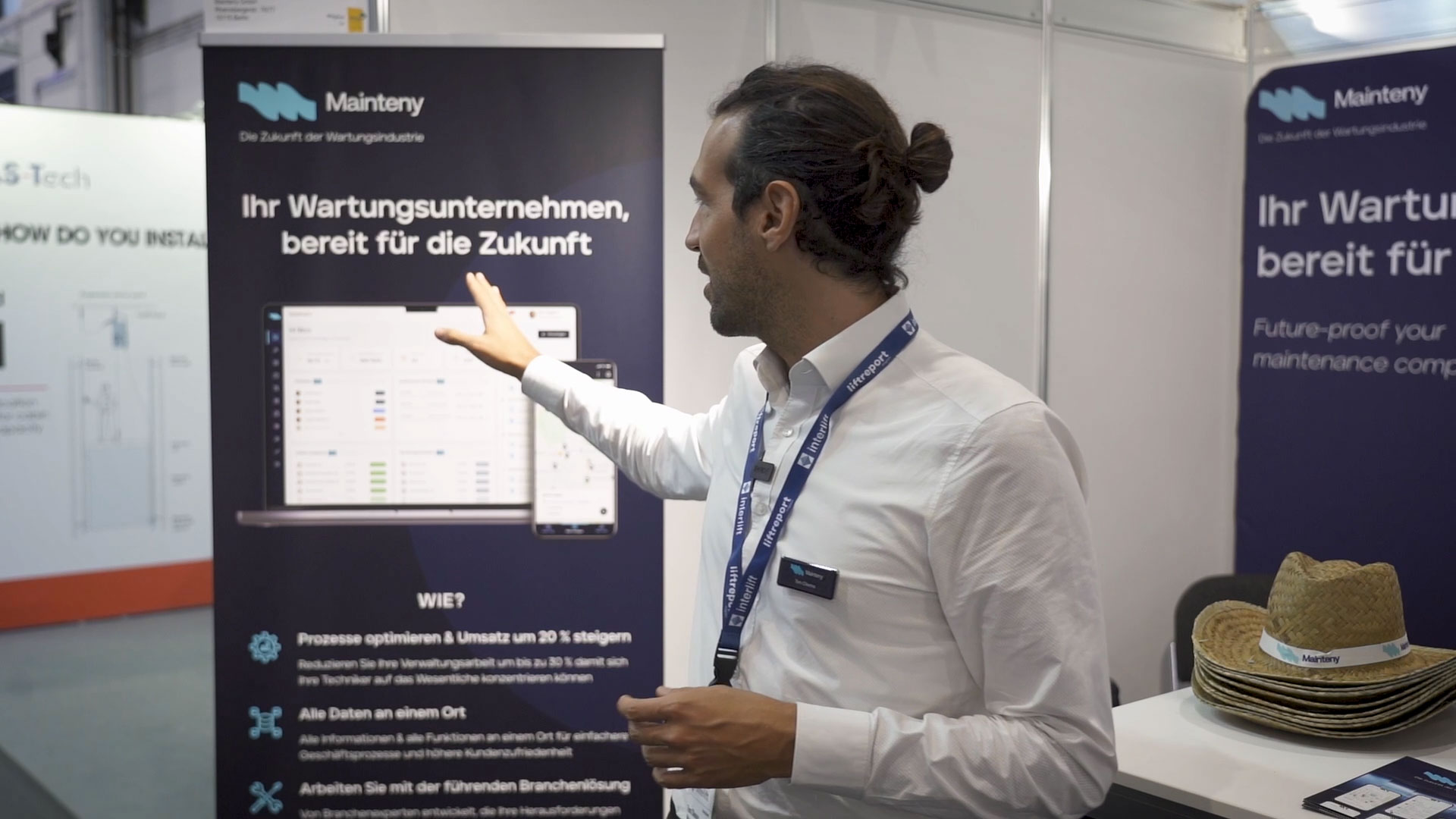
Viele Betriebe arbeiten parallel mit Insellösungen, papierbasierten Abläufen oder historisch gewachsenen Softwarelandschaften. Genau hier setzt die Digitalisierung an, nicht als Selbstzweck, sondern als Werkzeug zur Vereinfachung komplexer Arbeitsprozesse. Ein Berliner Softwareunternehmen hat dafür eine Lösung entwickelt, die sich gezielt an kleine und mittelständische Aufzugsfirmen richtet. Mainteny versteht sich als branchenspezifische Plattform, die den gesamten Geschäftsalltag digital abbildet. Der Ansatz ist bewusst ganzheitlich gewählt: Büroanwendung und mobile App greifen ineinander und bilden gemeinsam die operativen Abläufe vom Angebot bis zur Abrechnung ab.
Software als zentrale Arbeitsbasis im Büro
Im Zentrum der Anwendung steht eine webbasierte Bürooberfläche, die alle relevanten Kennzahlen bündelt. Disponenten und kaufmännische Mitarbeiter erhalten einen aktuellen Überblick über Aufträge, Anlagen, Kunden und laufende Einsätze. Besonders relevant ist dabei die Echtzeittransparenz. Es ist jederzeit sichtbar, welche Techniker im Feld unterwegs sind, an welchen Aufträgen gearbeitet wird und in welchem Status sich einzelne Einsätze befinden. Die Menüstruktur ist darauf ausgelegt, tägliche Routineaufgaben ohne Umwege zu erledigen. Auftragsverwaltung, Kundenstammdaten, Wartungsverträge, Anlagenverwaltung sowie Angebots- und Rechnungserstellung sind in einem System zusammengeführt. Auch Ersatzteilverwaltung, Mitarbeiterübersichten und individuell anpassbare Checklisten gehören zum Funktionsumfang. Dadurch entfallen Medienbrüche und doppelte Dateneingaben, die in vielen Betrieben bislang zum Alltag gehören.
Mobile Anwendung für den Einsatz im Feld
Ergänzt wird die Bürosoftware durch eine App für Techniker. Diese ist nicht als isoliertes Werkzeug gedacht, sondern als direkter Zugriff auf dieselben Daten. Arbeitsaufträge, Anlageninformationen, Checklisten und Dokumentationen stehen mobil zur Verfügung. Änderungen werden unmittelbar synchronisiert und sind im Büro in Echtzeit sichtbar. Dieser Ansatz verändert die Arbeitsorganisation spürbar. Rückfragen, Telefonate oder nachträgliche Datenerfassung im Büro werden reduziert. Gleichzeitig steigt die Qualität der Dokumentation, da Informationen direkt vor Ort erfasst werden. Für Serviceunternehmen bedeutet das eine höhere Nachvollziehbarkeit gegenüber Kunden und eine bessere interne Steuerung.
Echtzeitdaten aus den Anlagen
Über die klassischen Geschäftsprozesse hinaus bietet die Software auch die Möglichkeit, Echtzeitdaten aus Aufzugsanlagen darzustellen. Voraussetzung dafür ist die vorhandene Sensorik in den Anlagen. Je nach Ausstattung können Zustandsdaten, Betriebsinformationen oder Statusmeldungen integriert werden. Die Plattform ist dabei offen für die Anbindung unterschiedlicher Hardwareanbieter. Diese Offenheit ist für viele Betriebe entscheidend, da der Anlagenbestand häufig heterogen ist. Statt proprietärer Insellösungen ermöglicht die Software eine zentrale Sicht auf unterschiedliche Systeme. Echtzeitinformationen werden so zu einem zusätzlichen Werkzeug für Wartungsplanung, Störungsmanagement und Kundenkommunikation.
Transparenz als organisatorischer Vorteil
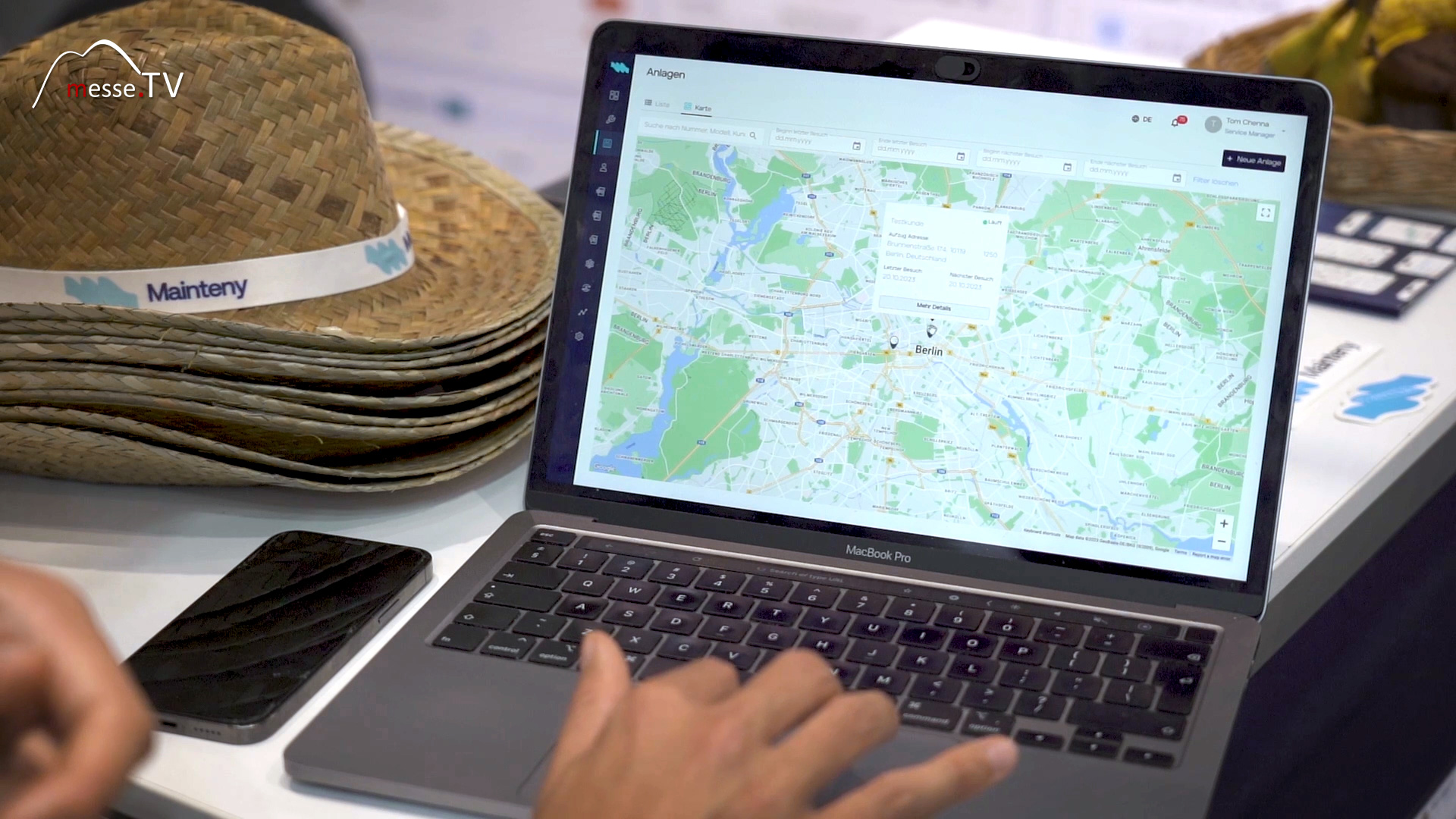
Ein wesentlicher Mehrwert liegt in der strukturierten Darstellung komplexer Zusammenhänge. Anlagen lassen sich nicht nur listenartig verwalten, sondern auch geografisch darstellen. Kartenansichten zeigen auf einen Blick, wo sich welche Anlagen befinden. Gerade für regional tätige Unternehmen erleichtert das die Einsatzplanung und Priorisierung. Innerhalb der einzelnen Anlagen sind sämtliche relevanten Informationen hinterlegt. Baujahr, Haltestellen, technische Details und Historien stehen zentral zur Verfügung. Ergänzt um Echtzeitdaten entsteht ein vollständiges digitales Abbild der betreuten Anlagen, das sowohl im Büro als auch im Feld nutzbar ist. Typische Funktionen der Plattform sind unter anderem:
- durchgängige Abbildung aller Geschäftsprozesse in einem System
- Echtzeitübersicht über Aufträge, Mitarbeiter und Einsätze
- mobile Nutzung durch eine integrierte Techniker-App
- zentrale Verwaltung von Anlagen- und Kundendaten
- Anbindung unterschiedlicher Sensorik und Hardwareanbieter
Digitalisierung als pragmatischer Schritt
Bemerkenswert ist der pragmatische Ansatz. Die Software richtet sich nicht an Großkonzerne mit eigener IT-Abteilung, sondern an Betriebe, die ihre Abläufe vereinfachen und transparenter gestalten wollen. Digitalisierung wird hier nicht als radikaler Umbruch verstanden, sondern als schrittweise Modernisierung bestehender Strukturen. Mainteny positioniert sich damit als Werkzeug für den Alltag im Aufzugservice. Der Fokus liegt auf Umsetzbarkeit, Übersichtlichkeit und Integration in bestehende Arbeitsweisen. Gerade für kleine und mittelständische Unternehmen kann eine solche Plattform dazu beitragen, organisatorische Komplexität zu reduzieren und gleichzeitig die Qualität von Service und Dokumentation zu erhöhen. Mit der Verbindung aus Geschäftsprozesssoftware, mobiler Anwendung und optionaler Echtzeitdatennutzung zeigt sich, wie Digitalisierung im Aufzugservice konkret aussehen kann. Nicht abstrakt, sondern entlang realer Arbeitsabläufe, die täglich bewältigt werden müssen.

Messe-Berichterstattung bundesweit - Messewissen, Termine & Veranstaltungen


