Hydraulische Aufzugsmodernisierung mit vernetztem Antriebssystem
In vielen Gebäuden arbeiten Aufzüge seit Jahrzehnten zuverlässig, zugleich sind sie technisch und energetisch in die Jahre gekommen. Gerade hydraulische Systeme gelten als langlebig, doch Steuerung, Regelung und Energieeffizienz entsprechen häufig nicht mehr dem aktuellen Stand.
Die Aufzugsmodernisierung solcher Bestandsanlagen ist daher weniger ein Austausch aus Verschleißgründen als eine gezielte Weiterentwicklung bestehender Technik. Im Mittelpunkt stehen dabei Eingriffe, die den laufenden Betrieb möglichst wenig beeinträchtigen und dennoch spürbare Verbesserungen ermöglichen. Ein besonderer Fokus liegt mit Blick auf den Antrieb, da er das Zusammenspiel aus Fahrkomfort, Energieverbrauch und Wartungsaufwand maßgeblich beeinflusst. Die Herausforderung besteht darin, neue Komponenten so zu integrieren, dass sie mit vorhandener Infrastruktur kompatibel bleiben und zugleich digitale Funktionen eröffnen, die früher nicht verfügbar waren.
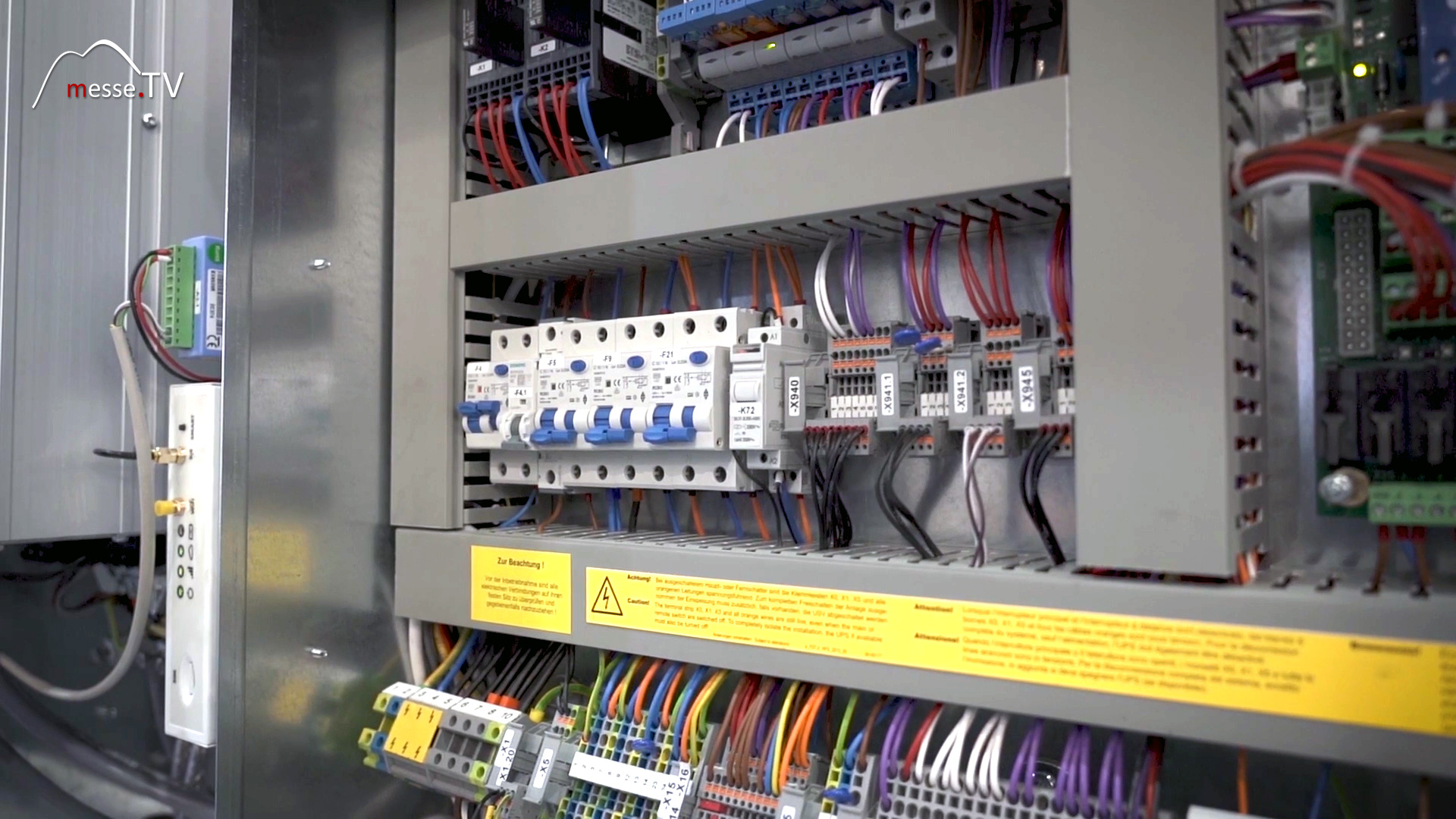

Hydraulische Antriebe zwischen Tradition und Effizienz
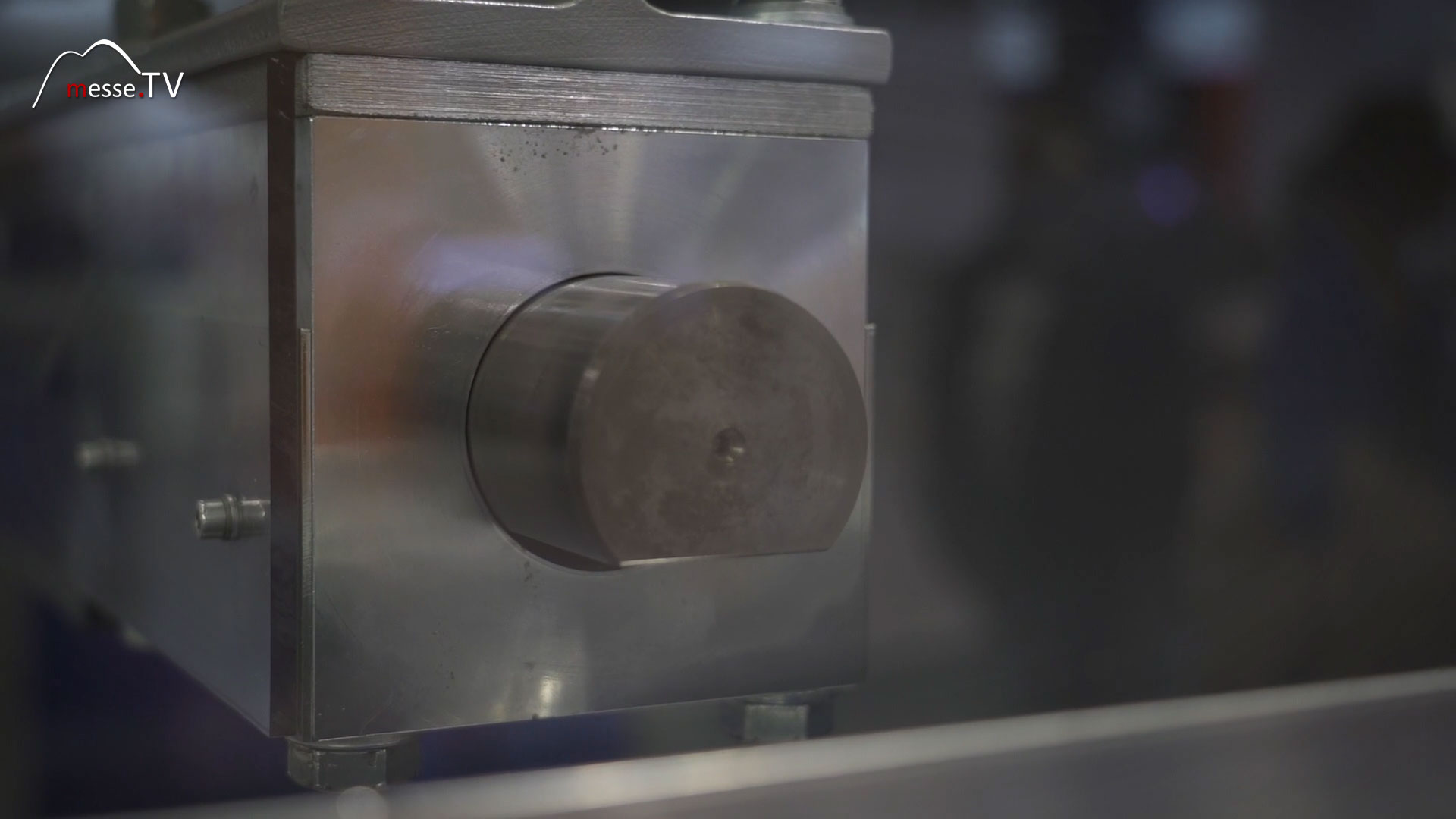
Hydraulische Aufzüge haben sich vor allem bei Lastenaufzügen und in Gebäuden mit speziellen Anforderungen bewährt. Ihre Robustheit erlaubt es, zentrale Bauteile über sehr lange Zeiträume im Schacht zu belassen. Gerade dieser Umstand macht eine Aufzugsmodernisierung attraktiv: Statt komplette Anlagen zu ersetzen, können Antrieb und Steuerung erneuert werden, während tragende Komponenten weitergenutzt werden. Moderne, frequenzgeregelte Antriebe bieten dabei klare Vorteile. Sie ermöglichen eine feinere Regelung der Bewegung, reduzieren Anfahr- und Bremsverluste und senken den Energiebedarf deutlich. Gleichzeitig tragen sie zu einem ruhigeren Laufverhalten bei. Nachhaltigkeit und Energiesparen entstehen hier nicht abstrakt, sondern als direkte Folge eines modern ausgelegten Antriebssystems.
Vernetzte Steuerung als funktionaler Kern
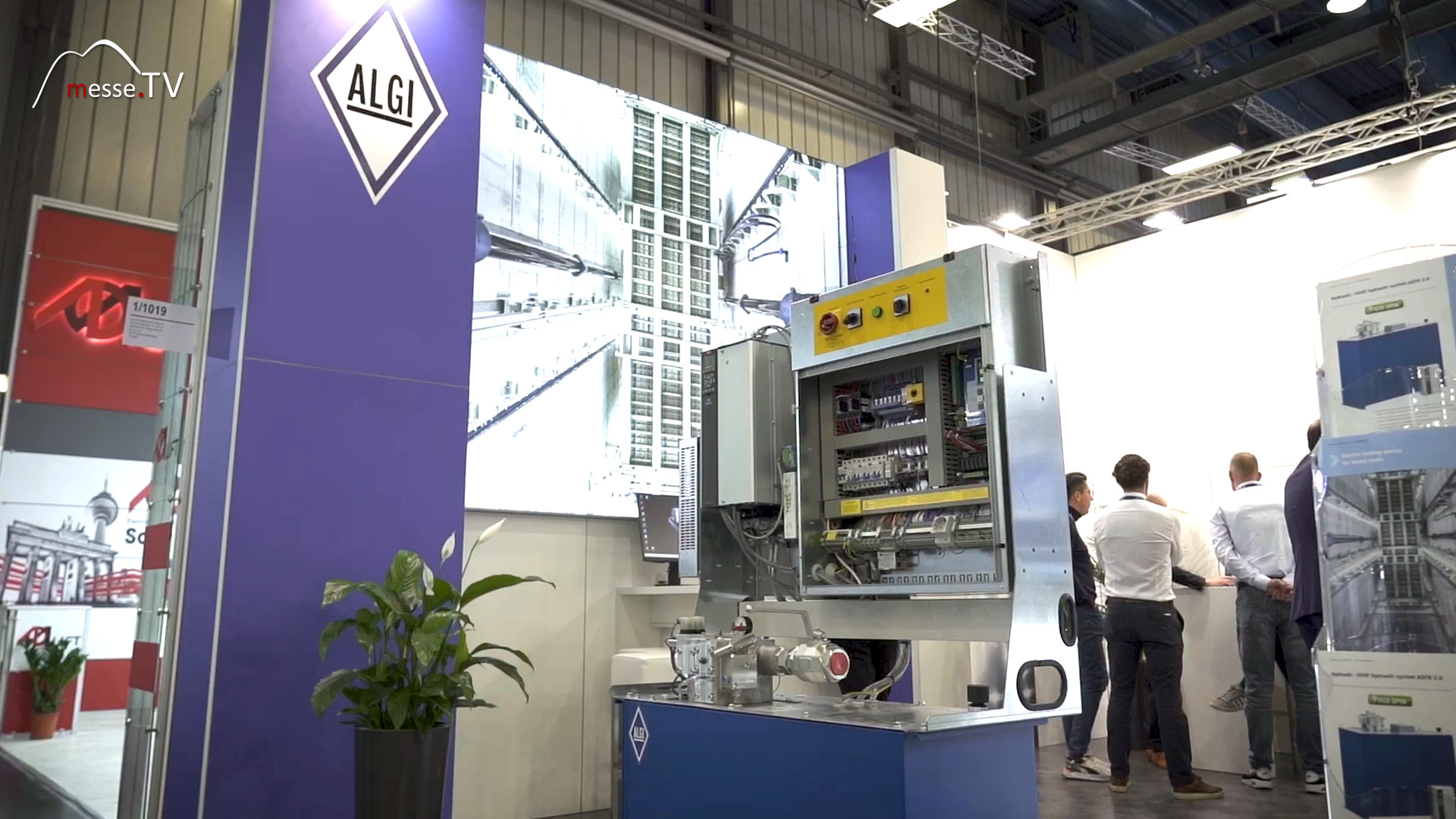
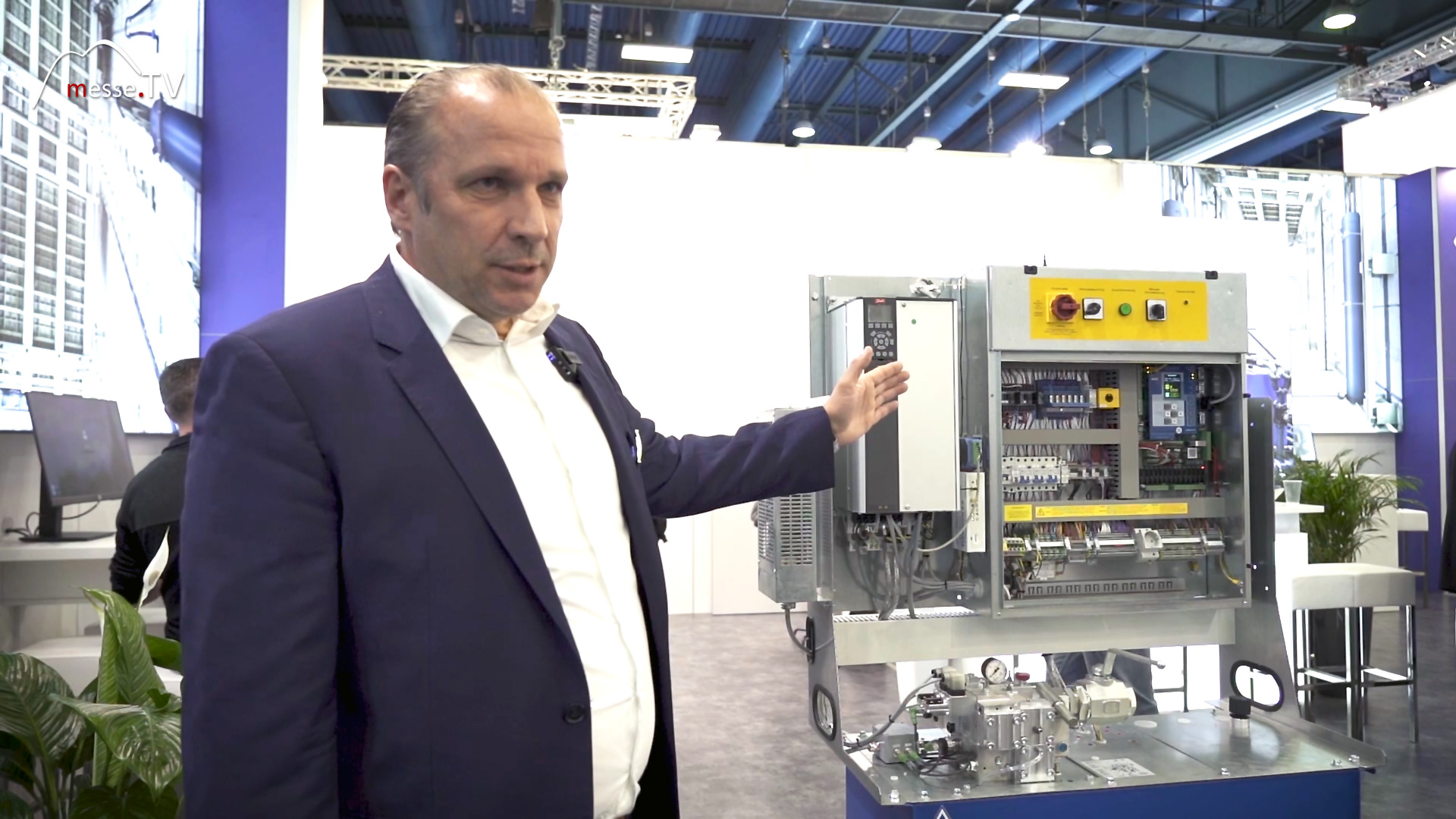
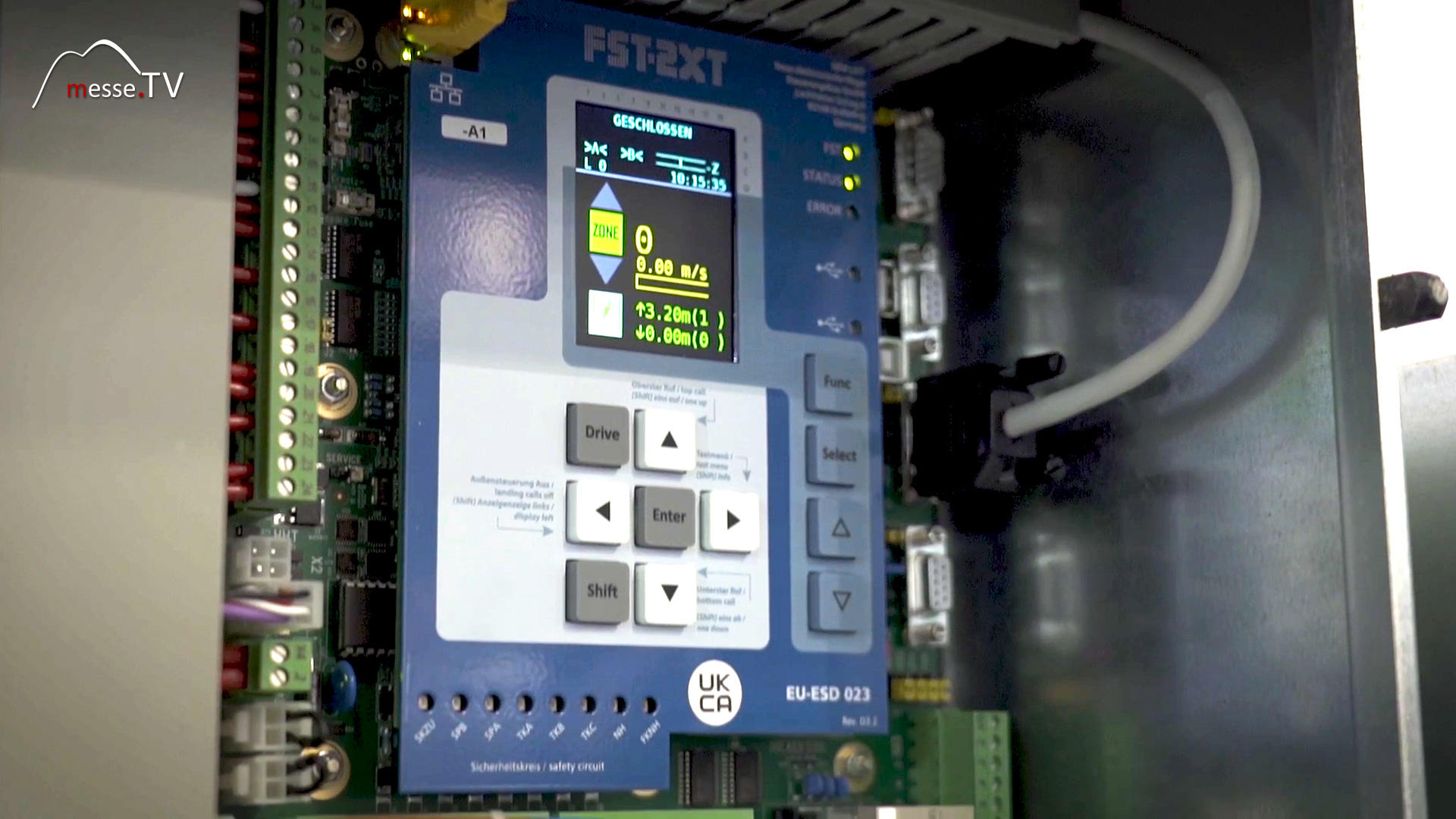
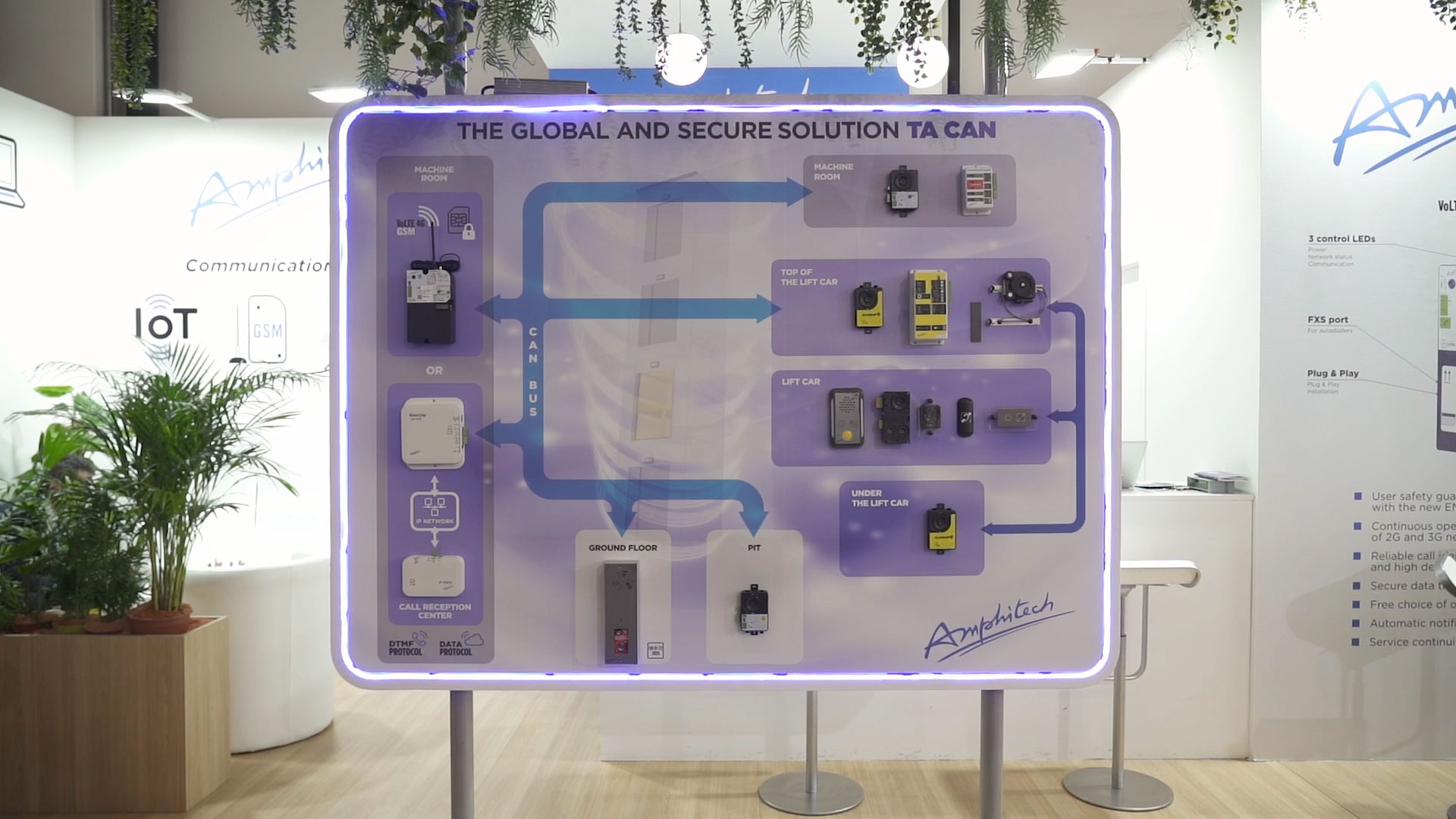
Ein zentraler Fortschritt moderner Aufzugstechnik liegt im vernetzten Zusammenspiel zwischen Steuerung und Antrieb. Über diese Verbindung lassen sich Betriebsdaten auslesen und Parameter anpassen, ohne physisch an der Anlage präsent zu sein. Ein solches vernetztes Konzept ermöglicht den Zugriff auf Anlagenwerte aus der Ferne und erweitert klassische Wartungsprozesse um digitale Funktionen. Für Betreiber und Serviceunternehmen entsteht dadurch ein deutlicher Mehrwert. Stillstände lassen sich schneller analysieren, Anpassungen erfolgen gezielt und ohne unnötige Vor-Ort-Einsätze. Das vernetzte Antriebssystem wird damit zu einem aktiven Bestandteil des Anlagenbetriebs und nicht nur zu einer mechanischen Komponente.
Montagefreundlichkeit als betrieblicher Vorteil
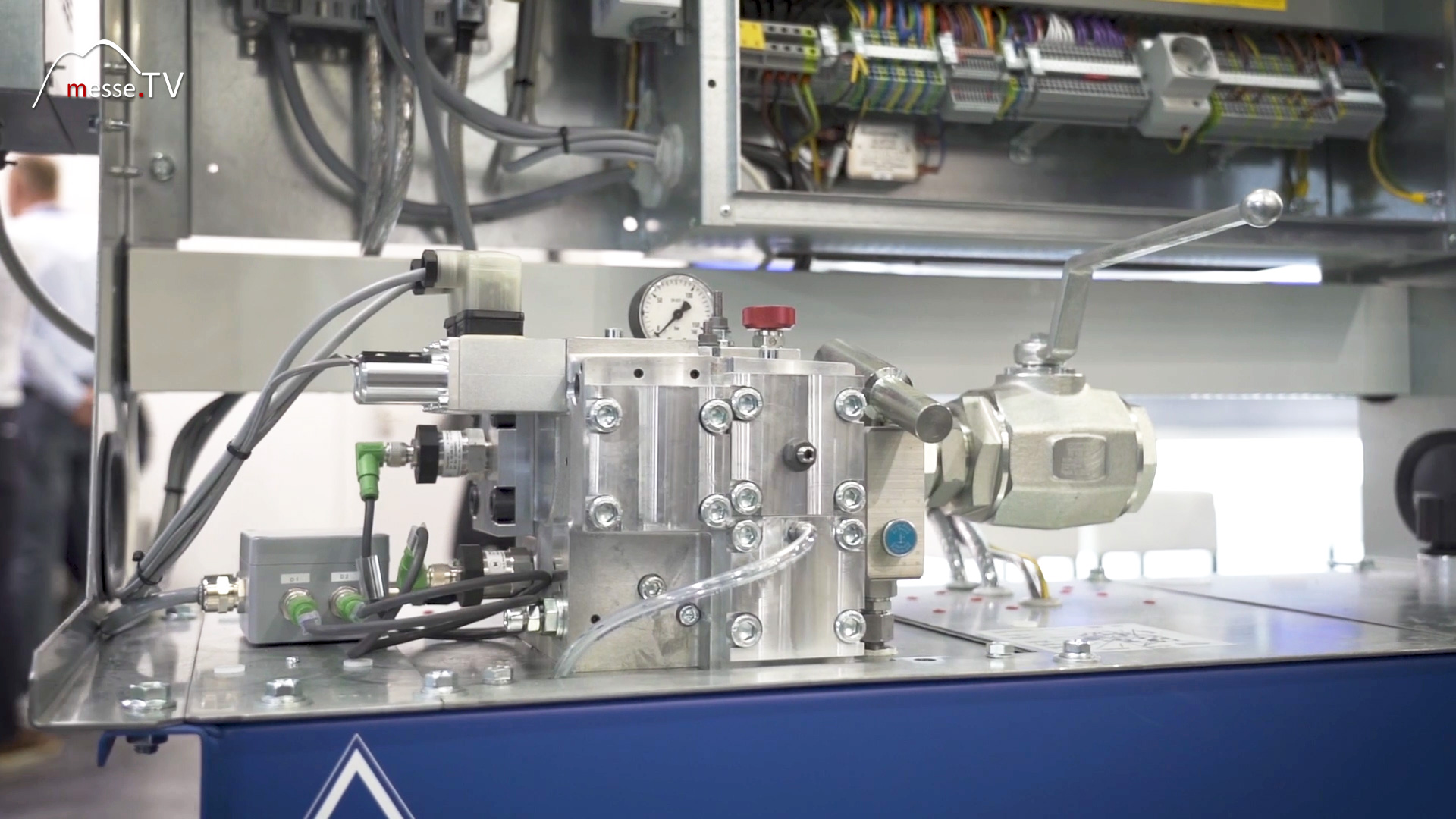
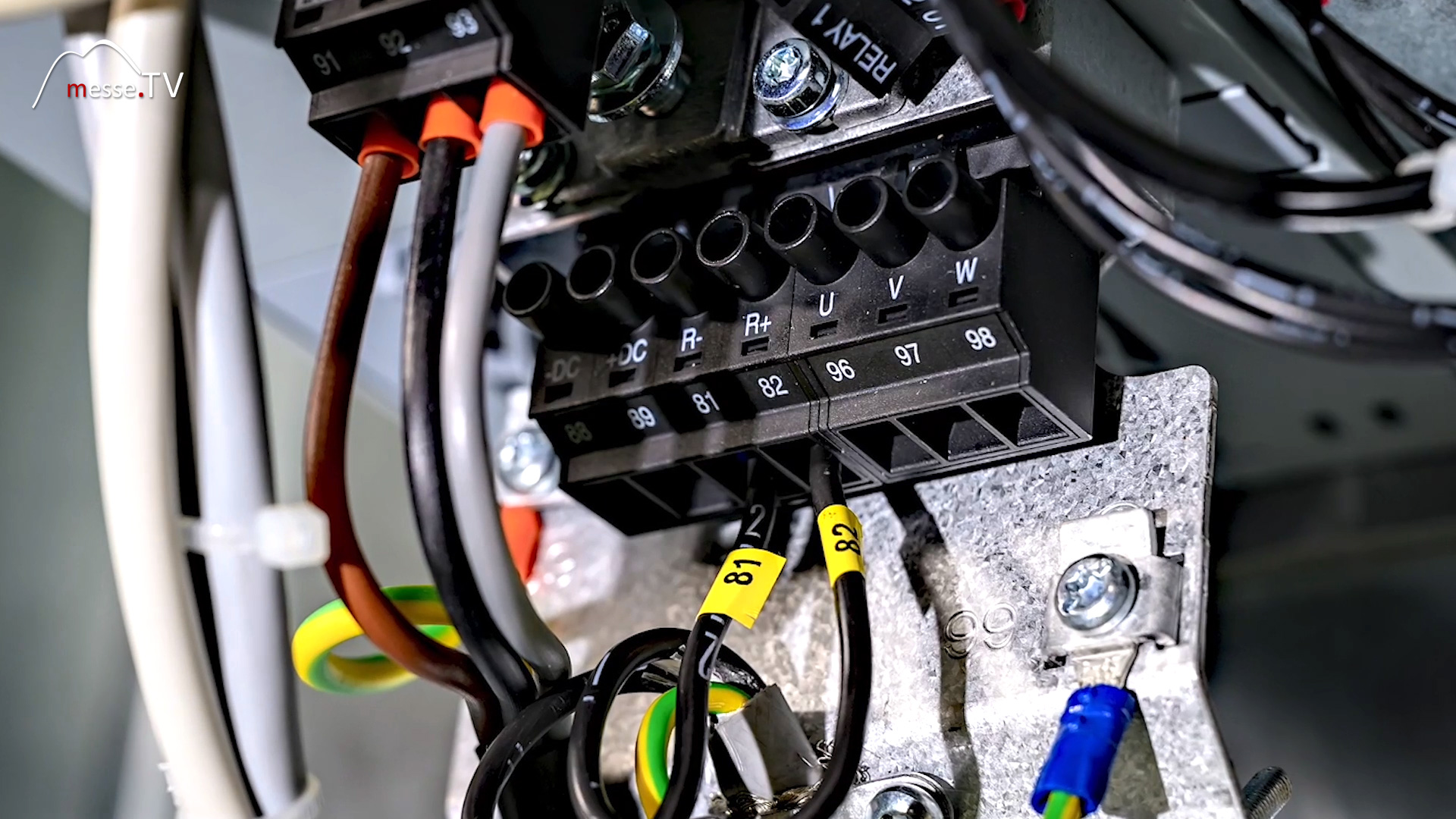
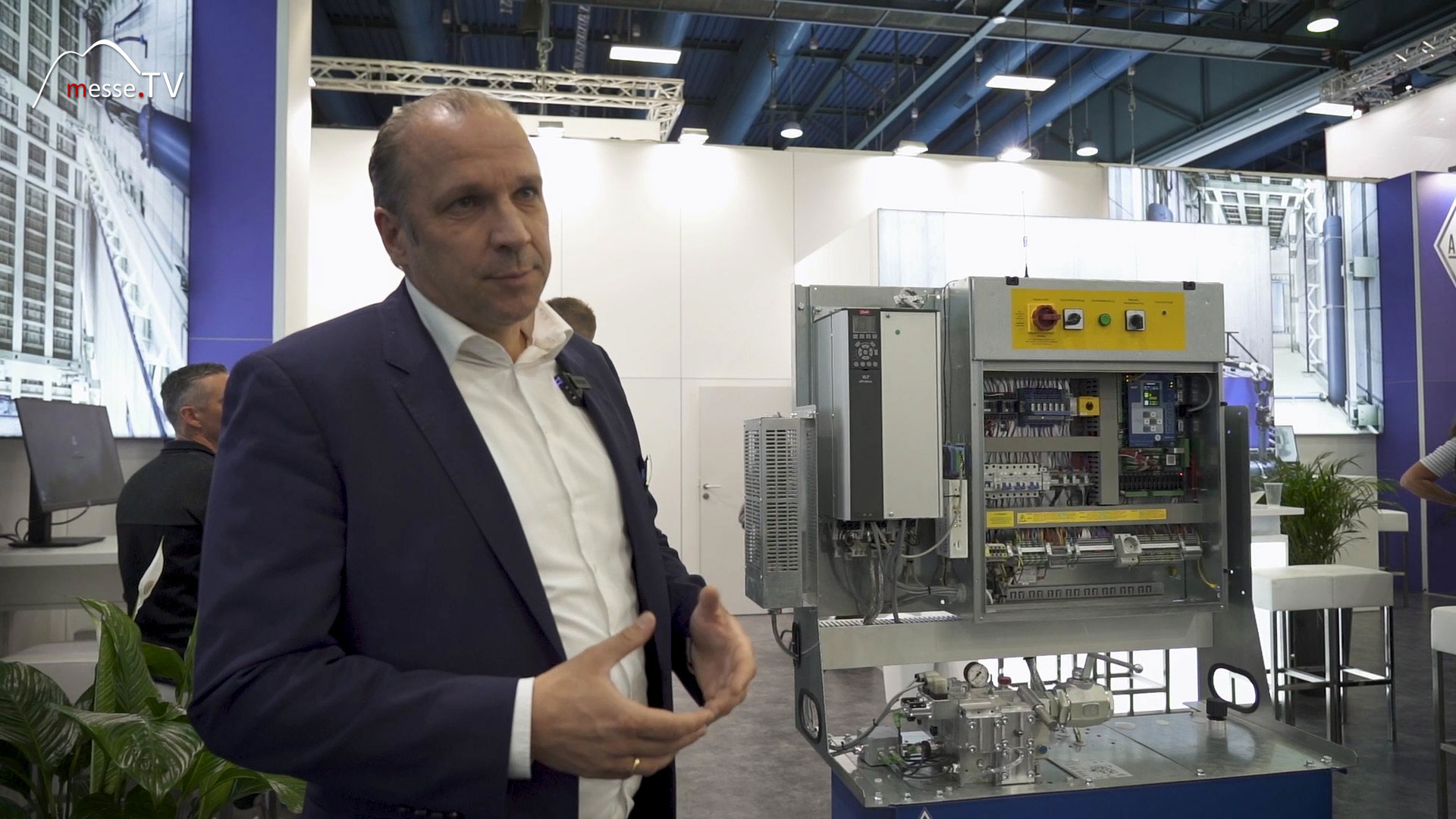
Neben der technischen Leistungsfähigkeit spielt die Umsetzbarkeit eine zentrale Rolle. In sensiblen Umgebungen wie Krankenhäusern oder Hotels muss ein Aufzug nach einer Modernisierung schnell wieder verfügbar sein. Konzepte, die auf vorkonfektionierten Baugruppen basieren, reduzieren die Montagezeit erheblich. Aggregat, Steuerung und Frequenzumrichter werden so vorbereitet, dass auf der Baustelle nur noch wenige Steckverbindungen herzustellen sind. Die Befestigung erfolgt über klar definierte Punkte. Diese Vorgehensweise minimiert Stillstandszeiten und senkt zugleich das Risiko von Montagefehlern.
Systemintegration statt Einzelkomponenten
Ein weiterer Aspekt zeitgemäßer Aufzugslösungen ist die Bündelung technischer Komponenten zu einem abgestimmten Gesamtsystem. Betreiber bevorzugen Lösungen, bei denen Antrieb, Steuerung und Regelung nicht isoliert betrachtet werden, sondern als funktionale Einheit ausgelegt sind.
- hydraulisches Antriebssystem mit frequenzgeregelter Steuerung
- digitale Schnittstellen für vernetzten Zugriff auf Anlagenparameter
- Remote-Funktionen zur Analyse und Anpassung im laufenden Betrieb
- vormontierte Module für kurze Umbauzeiten
Aufzugsmodernisierung als strategische Investition
Die Weiterentwicklung bestehender Anlagen ist mehr als eine technische Maßnahme. Sie ist eine strategische Entscheidung für Wirtschaftlichkeit, Betriebssicherheit und Nachhaltigkeit. Gerade bei hydraulischen Aufzügen zeigt sich, wie durch gezielte Erneuerung einzelner Komponenten ein langfristiger Nutzen entsteht. Als traditionsreiches Familienunternehmen hat Algi diesen Ansatz früh aufgegriffen und in praxisnahe Lösungen übersetzt. Die Verbindung aus bewährter Hydraulik und vernetzter Steuerungstechnik steht exemplarisch für eine Branche, die sich technisch weiterentwickelt, ohne ihre Grundlagen aufzugeben. Algi positioniert sich damit klar im Feld moderner Aufzugsmodernisierung mit vernetztem Antriebssystem.

Messe-Berichterstattung bundesweit - Messewissen, Termine & Veranstaltungen


