Bewegungssensorik und Sicherheitssysteme im modernen Aufzugbau
Bewegung ist im Aufzugbau kein abstrakter Prozess, sondern ein sicherheitskritischer Zustand. Position, Geschwindigkeit und Verzögerung müssen jederzeit präzise erfasst werden, um Risiken für Nutzer, Wartungspersonal und Anlagen zu minimieren.
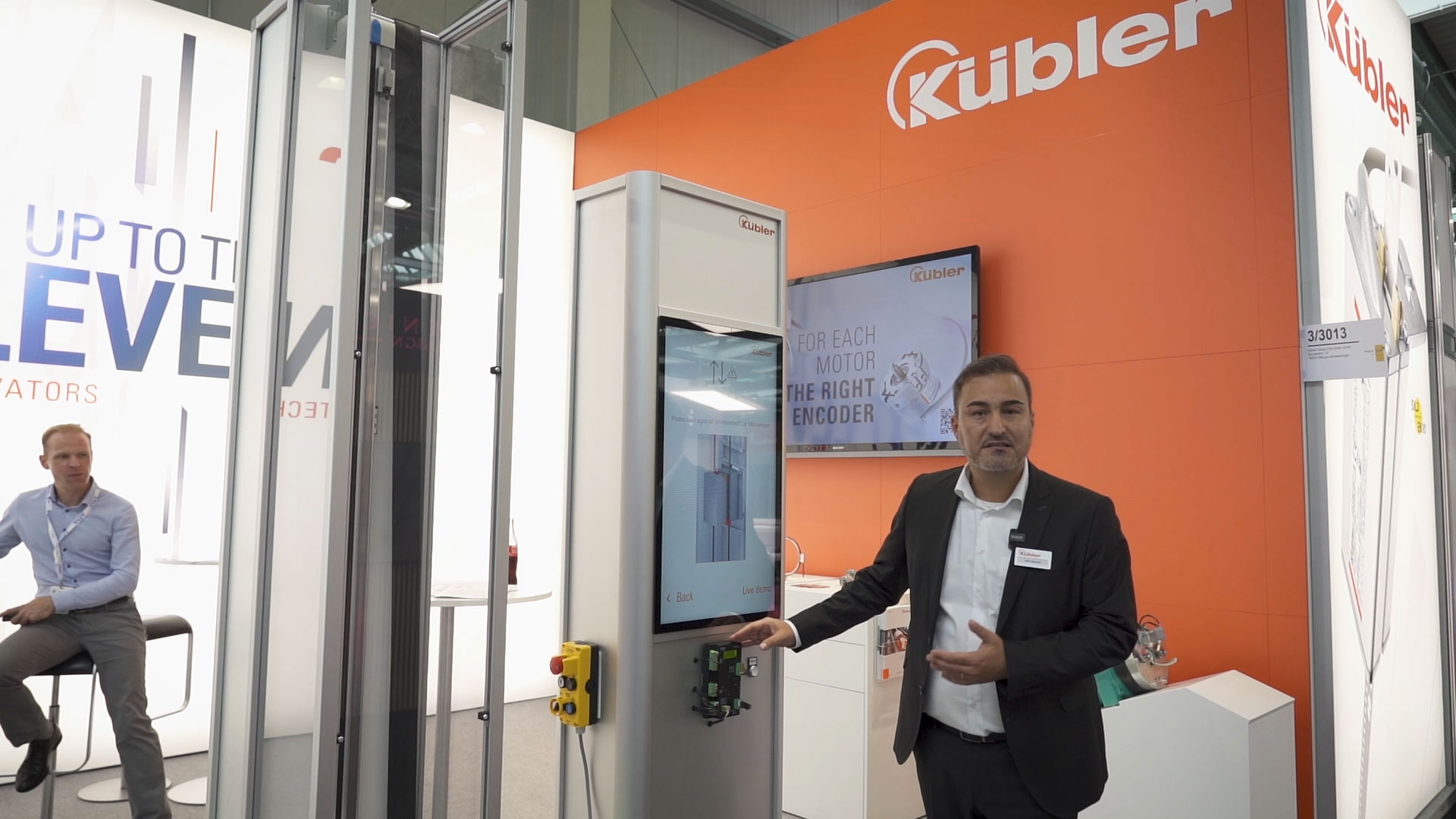
Mit der zunehmenden technischen Komplexität moderner Aufzüge wächst auch die Bedeutung von Sensorik, die Bewegungen nicht nur misst, sondern zuverlässig in steuerungsrelevante Informationen übersetzt. Sicherheit entsteht dabei nicht mehr allein durch mechanische Redundanz, sondern durch die Qualität der erfassten Daten und deren Auswertung. Die Fritz Kübler GmbH entwickelt seit vielen Jahren Systeme zur Erfassung, Messung und Übertragung von Bewegungsinformationen. Als familiengeführtes Unternehmen in zweiter Generation ist der Hersteller international tätig und verfügt über mehrere Produktions- und Entwicklungsstandorte. Die Spezialisierung auf Bewegungssensorik bildet die Grundlage für Anwendungen in unterschiedlichen Industrien, im Aufzugbau jedoch mit besonderer Relevanz, da hier technische Präzision unmittelbar mit Personensicherheit verbunden ist.
Sensorik als Fundament sicherer Aufzugtechnik
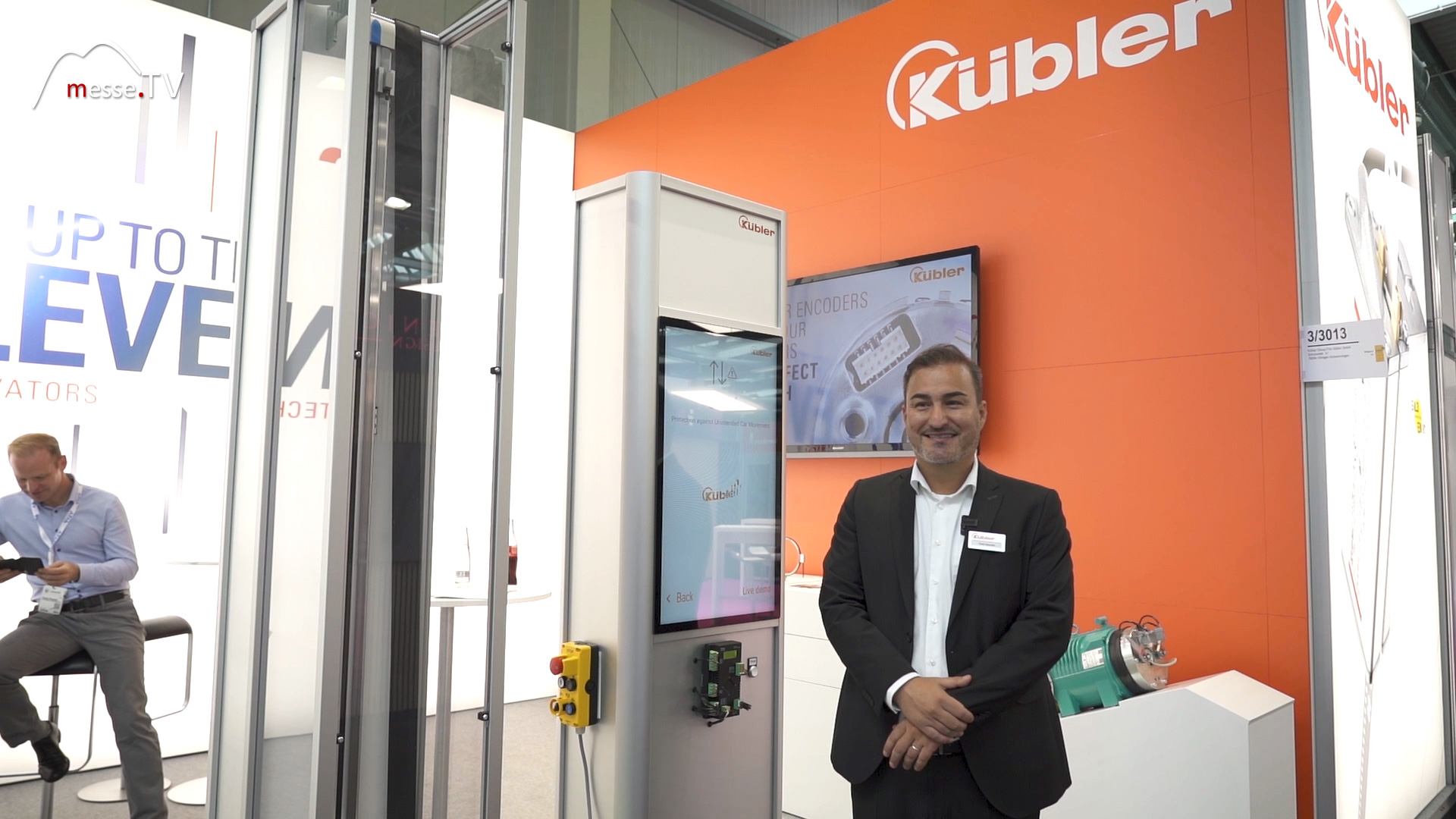
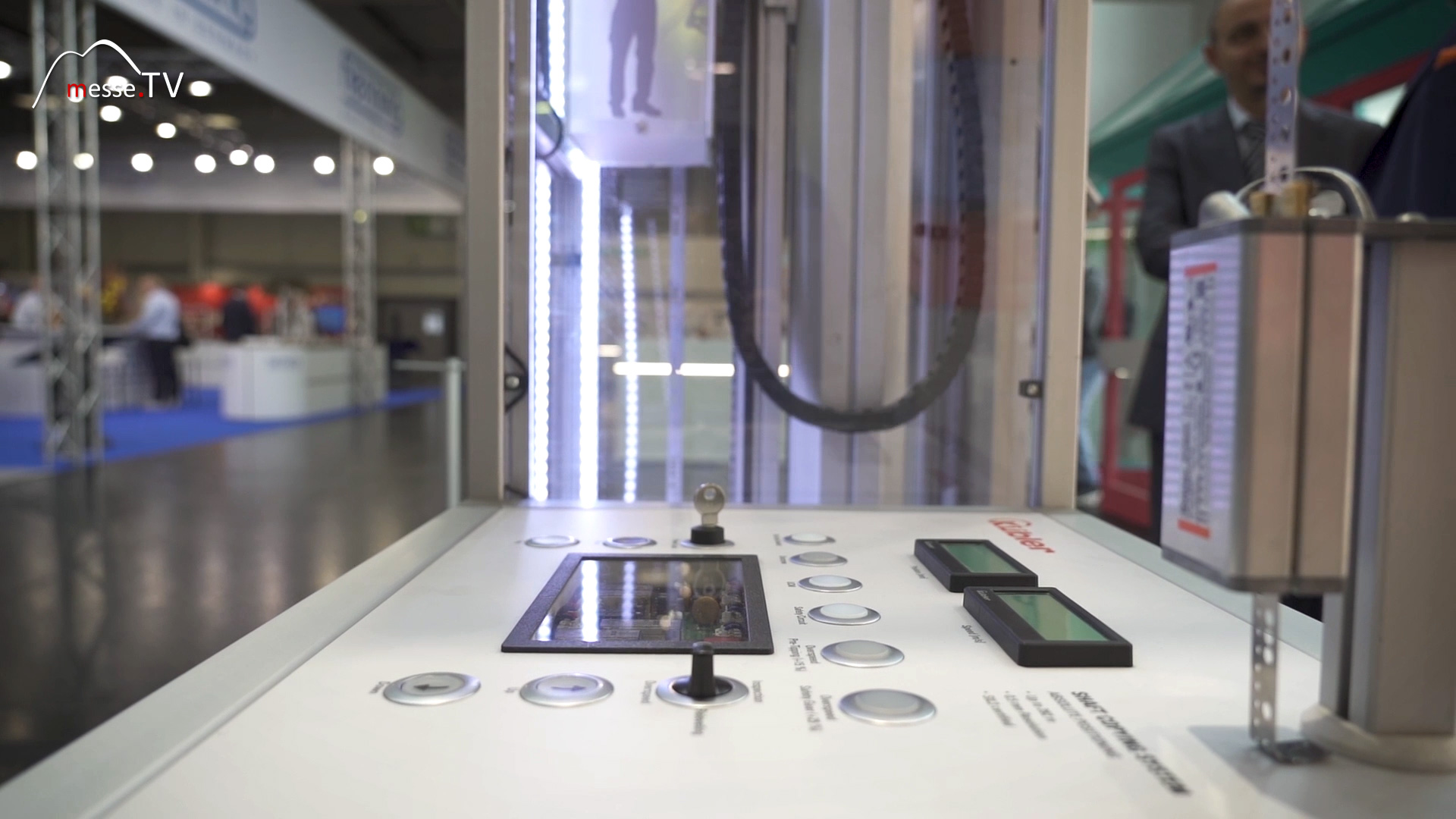
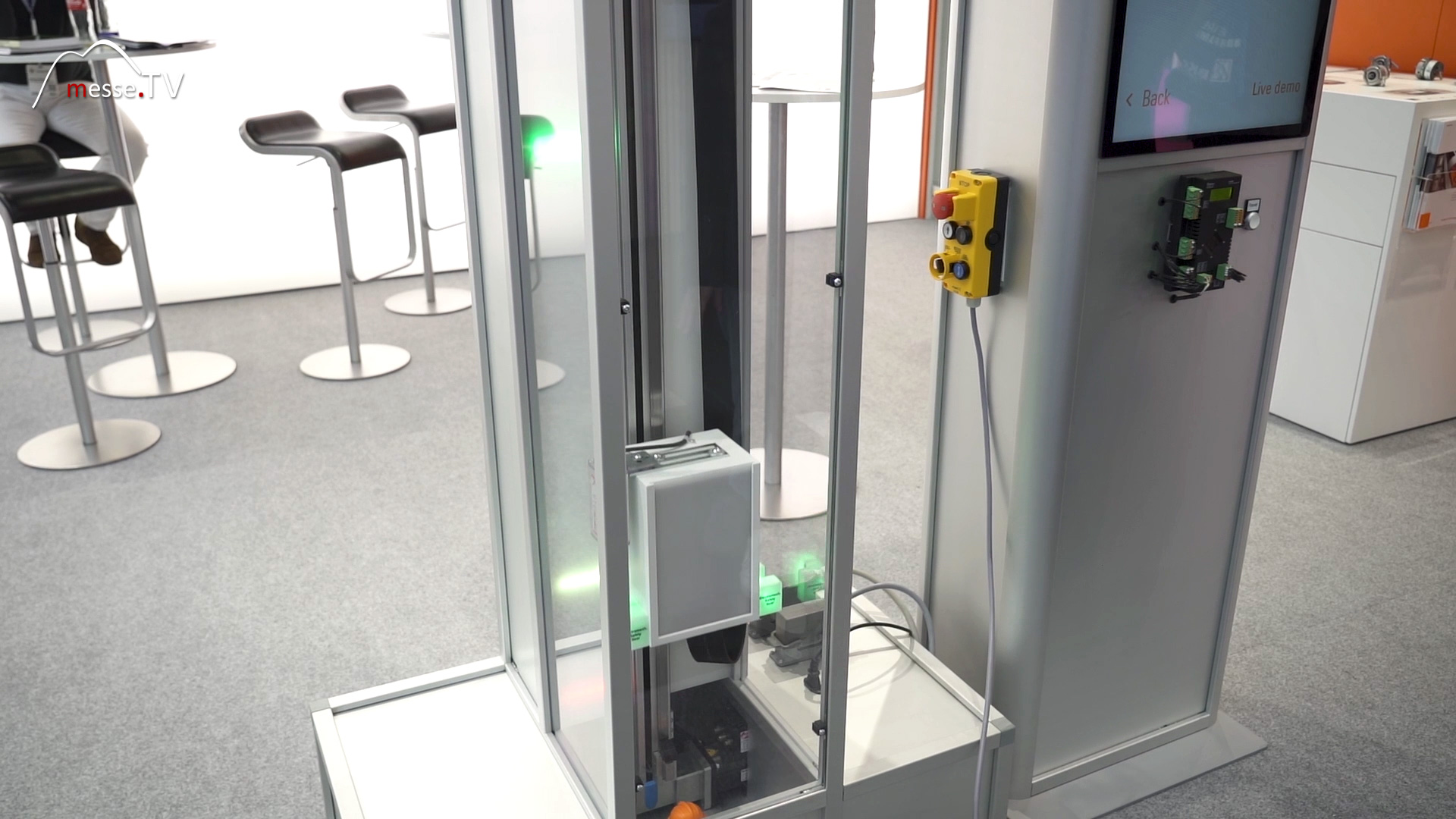
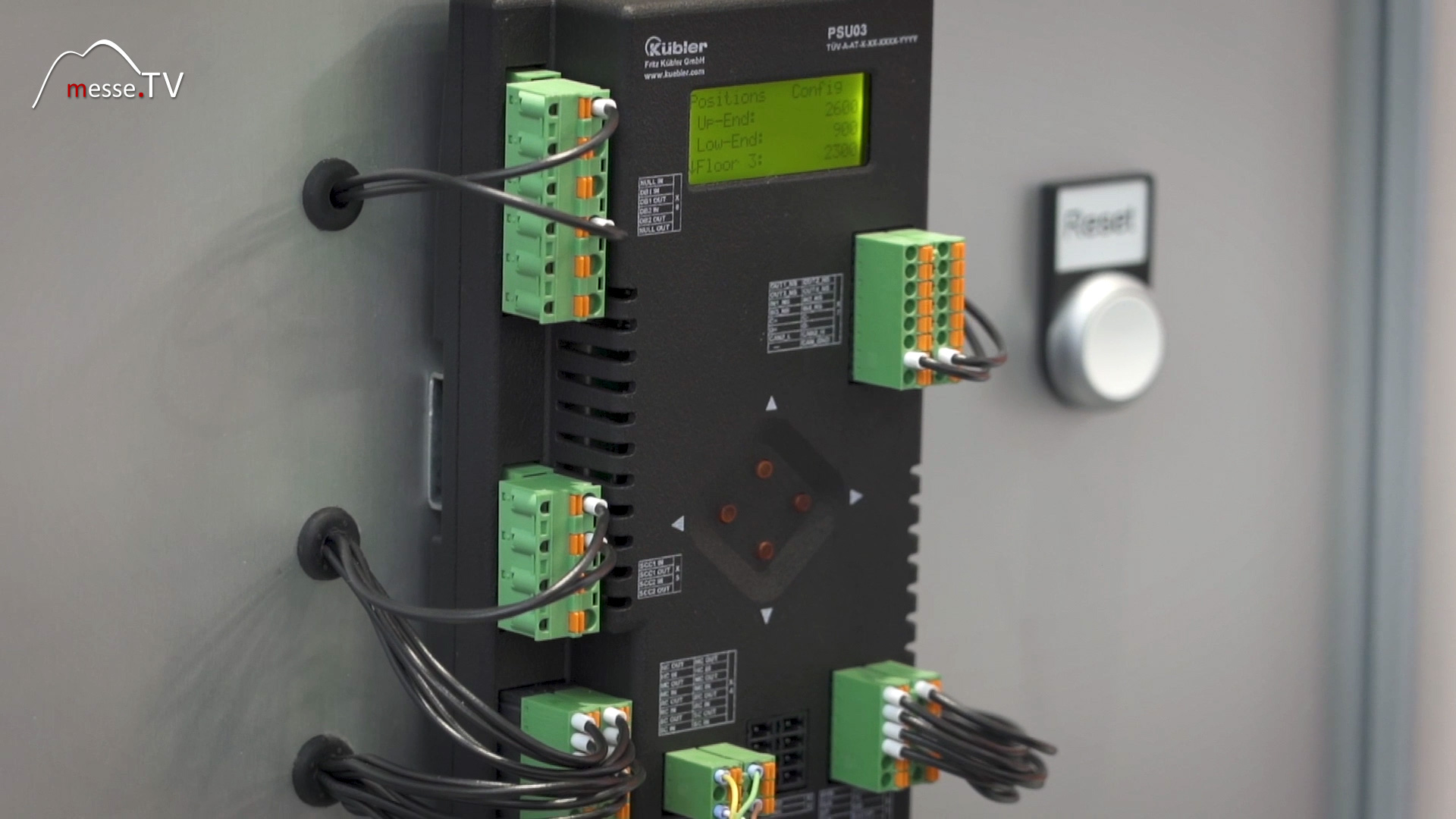
Im klassischen Aufzugbau werden sicherheitsrelevante Funktionen häufig durch mehrere voneinander getrennte Komponenten abgedeckt. Endschalter, Geschwindigkeitsbegrenzer und weitere mechanische Einrichtungen erfüllen jeweils klar definierte Aufgaben. Moderne Sensorik ermöglicht es, diese Funktionen zusammenzuführen und auf Basis kontinuierlich erfasster Bewegungsdaten digital auszuwerten. Ein zentrales Beispiel ist ein Schachtkopiersystem, das aus einem Sensor zur Erfassung von Geschwindigkeit und Position sowie einer Auswerteeinheit besteht. Die Sensordaten werden fortlaufend verarbeitet und an die Steuerung weitergegeben. Dadurch können sicherheitsrelevante Funktionen direkt ausgelöst werden, ohne dass zusätzliche mechanische Bauteile erforderlich sind. Bewegung wird damit zur zentralen Informationsquelle für den sicheren Betrieb.

Digitale Auswertung ersetzt klassische Einzelkomponenten
Die digitale Verarbeitung von Bewegungsinformationen erlaubt es, mehrere Sicherheitsfunktionen softwaregestützt abzubilden. Dazu zählen unter anderem Endlagenüberwachung, Kontrolle ungewollter Kabinenbewegungen sowie Funktionen zur Erkennung von Übergeschwindigkeit. In bestimmten Systemkonfigurationen kann sogar auf einen separaten mechanischen Geschwindigkeitsbegrenzer verzichtet werden, da dessen Aufgabe durch Sensorik und Auswertung übernommen wird. Dieser Ansatz reduziert die Anzahl einzelner Komponenten und vereinfacht die Systemarchitektur. Gleichzeitig steigen die Anforderungen an die Zuverlässigkeit der Sensoren und an die funktionale Sicherheit der Auswertung. Sicherheit entsteht hier nicht durch mechanische Vielfalt, sondern durch präzise Datenerfassung, stabile Algorithmen und nachvollziehbare Systemlogik.
Schutzfunktionen bereits während der Montage
Ein besonders sensibler Abschnitt im Lebenszyklus eines Aufzugs ist die Montagephase. In dieser Zeit sind Antrieb und Steuerung häufig noch nicht aktiv, dennoch finden Bewegungen im Schacht statt. Gerade bei gerüstloser Montage besteht ein erhöhtes Risiko für das Montagepersonal. Sensorbasierte Systeme können auch in dieser frühen Phase Schutzfunktionen übernehmen. Durch die kontinuierliche Erfassung von Positionen lassen sich Bewegungen auf einen sehr engen Bereich begrenzen. Plattformen können sich nur minimal verfahren, unkontrollierte Bewegungen werden verhindert. Sicherheit wird damit nicht erst im regulären Betrieb gewährleistet, sondern bereits während der Installation der Anlage.
Sicherheitsfunktionen im laufenden Betrieb
Im Betrieb ermöglichen sensorbasierte Systeme eine umfassende Überwachung sicherheitsrelevanter Zustände. Übergeschwindigkeit, ungewollte Kabinenbewegungen oder ungewöhnliche Verzögerungen lassen sich zuverlässig erkennen. Ergänzende Kontrollfunktionen sorgen dafür, dass Abweichungen frühzeitig identifiziert und entsprechende Maßnahmen eingeleitet werden. Typische sicherheitsrelevante Funktionen sind unter anderem:
- kontinuierliche Erfassung von Position und Geschwindigkeit im Schacht
- digitale Auslösung sicherheitsrelevanter Funktionen über eine Auswerteeinheit
- Ersatz klassischer Endschalter durch sensorbasierte Signale
- Begrenzung von Bewegungen während der Montagephase
- Überwachung von Übergeschwindigkeit und unkontrollierten Kabinenbewegungen
Energieeinsparung als Teil moderner Sicherheitssysteme
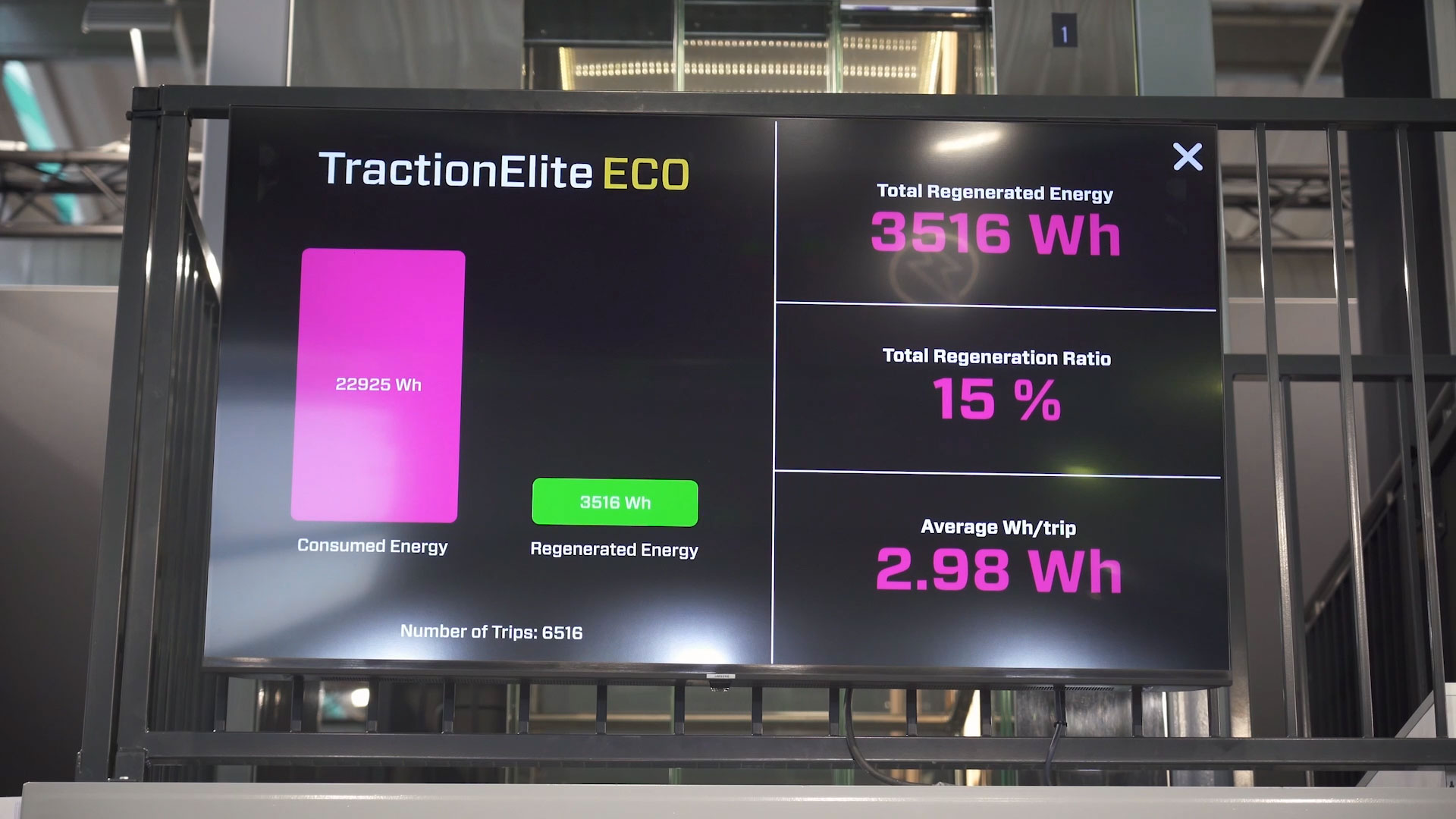
Neben der unmittelbaren Sicherheit rückt auch der Energieverbrauch von Aufzügen stärker in den Fokus. Sensorik und digitale Auswertung ermöglichen es, Anlagen gezielt in energiesparende Zustände zu versetzen. In Gebäuden mit klar definierten Nutzungszeiten kann die Stromzufuhr außerhalb des Betriebs abgeschaltet werden. In diesen Phasen verbleibt der Aufzug in einer sicheren Position, die Bremsen fallen kontrolliert zusammen und es wird keine Energie verbraucht. Über Nacht oder an Wochenenden lassen sich so spürbare Einsparungen erzielen, ohne die Sicherheit oder Verfügbarkeit der Anlage zu beeinträchtigen. Der Aufzug wird damit Teil eines effizienteren und nachhaltiger betriebenen Gebäudes.
Bewegungsdaten als Schlüssel zur Weiterentwicklung
Der Einsatz moderner Bewegungssensorik zeigt, dass Sicherheit im Aufzugbau zunehmend datenbasiert organisiert wird. Bewegungen liefern nicht nur Momentaufnahmen, sondern bilden die Grundlage für Entscheidungen zu Betrieb, Wartung und Energieeinsatz. Statt einzelne Funktionen isoliert zu betrachten, werden Bewegungsdaten ganzheitlich ausgewertet. Fritz Kübler positioniert sich in diesem Umfeld als Anbieter, der Bewegungssensorik als integralen Bestandteil moderner Aufzugtechnik versteht. Die Verbindung aus präziser Datenerfassung, digitaler Auswertung und sicherheitsorientierten Funktionen verdeutlicht, wie sich bestehende Aufzugssysteme technisch weiterentwickeln lassen, ohne ihre grundlegende Architektur infrage zu stellen.

Messe-Berichterstattung bundesweit - Messewissen, Termine & Veranstaltungen


