Notrufsysteme für Aufzüge und Gebäude mit digitalem Monitoring
Notrufsysteme gehören zu den unsichtbaren, aber unverzichtbaren Bestandteilen moderner Gebäude. Sie greifen immer dann, wenn reguläre Abläufe unterbrochen sind und schnelle, verlässliche Kommunikation erforderlich wird.
Besonders bei Aufzügen ist diese Anforderung hoch, da hier Sicherheit, Erreichbarkeit und gesetzliche Vorgaben eng miteinander verknüpft sind. Technische Lösungen müssen stabil funktionieren, einfach zu installieren sein und sich zugleich in bestehende Infrastrukturen von Gebäuden integrieren lassen. Ein Schwerpunkt liegt dabei auf der Verbindung zwischen lokalen Sprechstellen und übergeordneten Leitstellen. Die technische Entwicklung geht klar in Richtung digitalem Betrieb vernetzter Systeme, die nicht nur Notrufe übertragen, sondern Zustände überwachen und auswerten. Genau an dieser Schnittstelle setzt die aktuelle Generation moderner Notrufsysteme mit integriertem Monitoring an.
Aufzug-Notruflösungen im Kontext ganzheitlicher Systeme
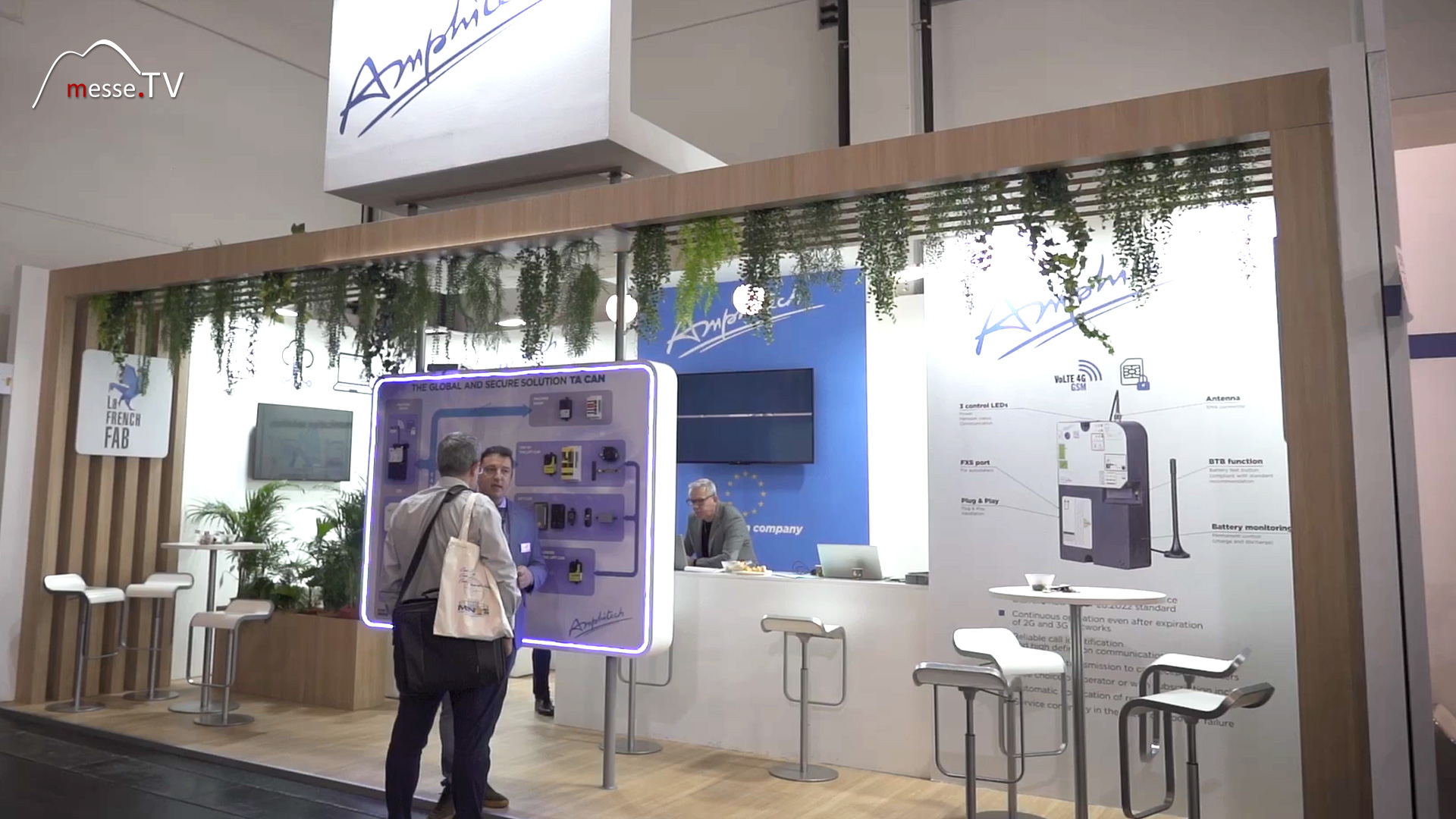
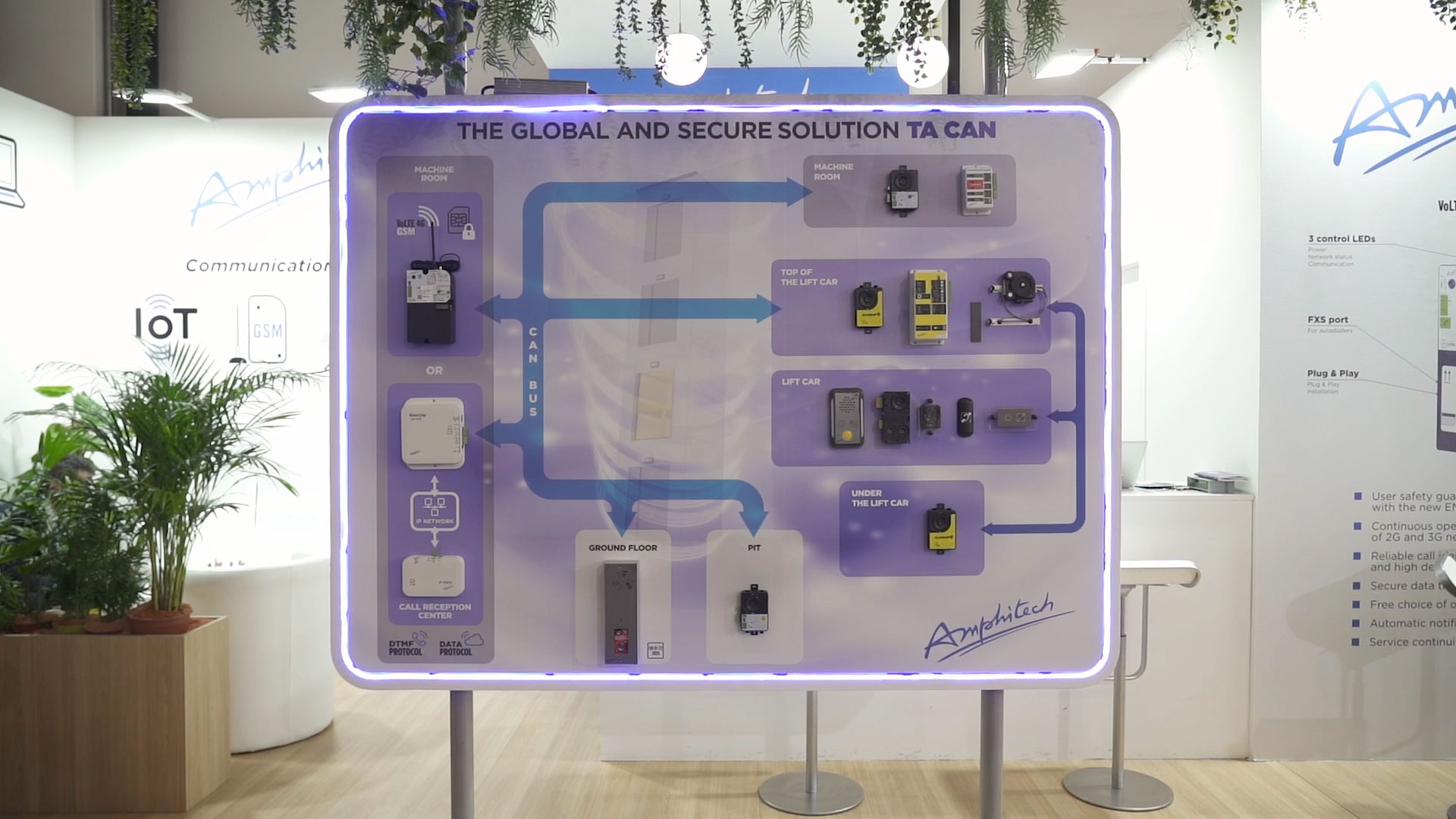
Im Zentrum vieler Anwendungen stehen Notrufsysteme für Aufzüge, die als eigenständige, aber erweiterbare Lösungen konzipiert sind. Sie beschränken sich nicht allein auf die Kommunikation aus der Kabine, sondern binden weitere relevante Punkte ein. Dazu zählen Sprechstellen auf verschiedenen Ebenen, technische Räume sowie Außenbereiche innerhalb von Gebäuden. Ziel ist eine durchgängige Erreichbarkeit, unabhängig davon, wo ein Ereignis auftritt. Die Systeme sind so aufgebaut, dass sie sich an unterschiedliche Gebäudetypen anpassen lassen – von Wohn- und Bürogebäuden bis hin zu komplexen Infrastrukturen. Neben dem klassischen Aufzugsnotruf spielen auch Türkommunikation und allgemeine Notrufanwendungen eine Rolle. Diese Vielseitigkeit macht deutlich, dass es nicht um einzelne Geräte geht, sondern um ein zusammenhängendes Sicherheitskonzept für Aufzüge und Gebäude.

Gateways als Schnittstelle zwischen Technik und Leitstelle
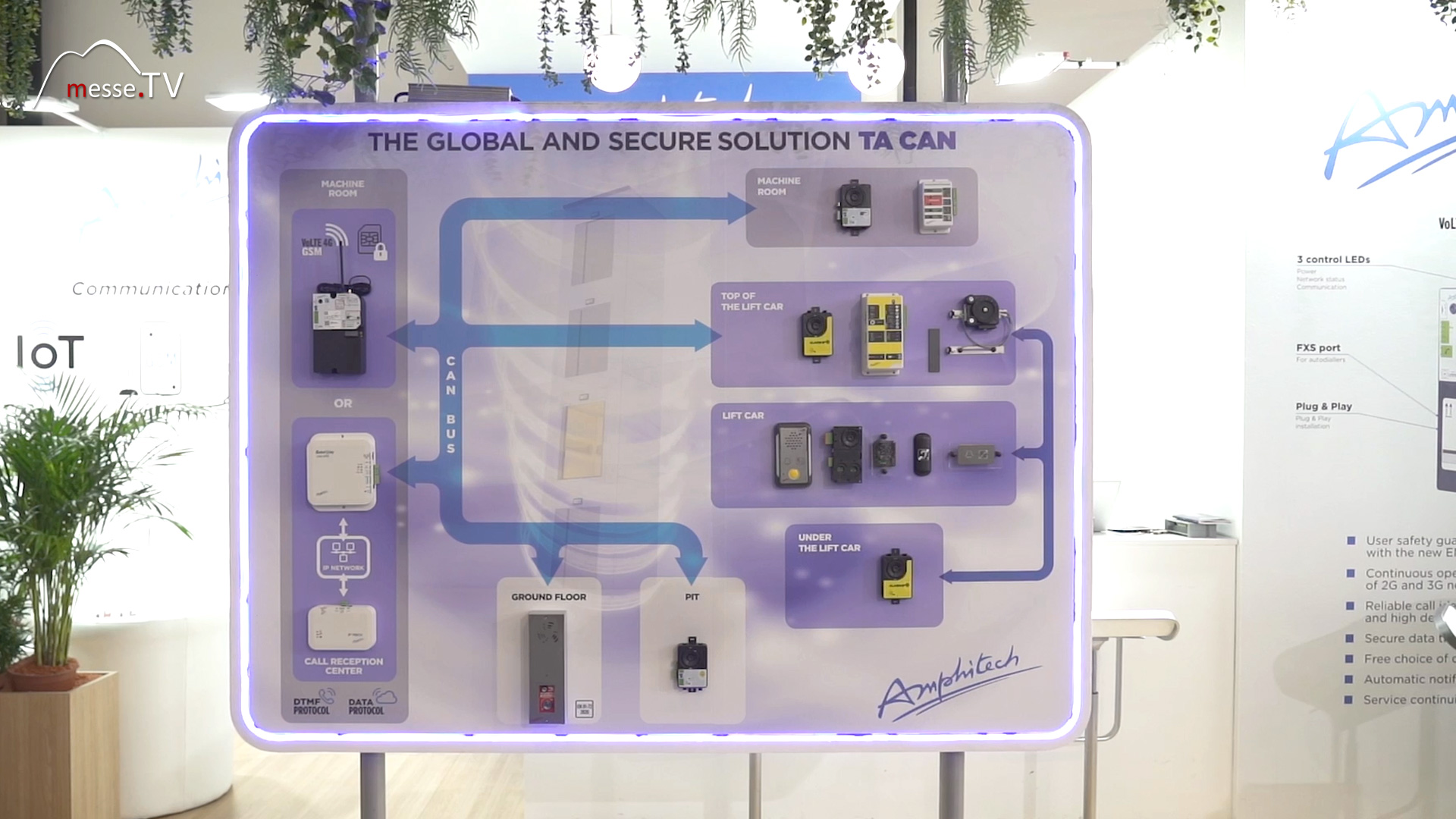
Eine zentrale Rolle übernehmen Gateways, die als Verbindungspunkt zwischen lokalen Komponenten und externer Kommunikation fungieren. Aktuelle Lösungen setzen hier auf unterschiedliche Übertragungswege, um Ausfallsicherheit und Flexibilität zu gewährleisten. Zum Einsatz kommen sowohl funkbasierte 4G-GSM-Gateways als auch kabelgebundene IP-Gateways. Beide Varianten erfüllen denselben Zweck, unterscheiden sich jedoch in der Art der Anbindung an die vorhandene Gebäudeinfrastruktur. Über standardisierte Schnittstellen lassen sich verschiedene Endgeräte anschließen. Der CAN-Bus dient dabei als technische Basis, um mehrere Komponenten effizient zu vernetzen. Dadurch entsteht ein modulares System, das sich an die jeweilige Nutzung von Aufzüge und Gebäuden anpassen lässt. Diese Architektur reduziert den Installationsaufwand und erleichtert spätere Erweiterungen.
Bedienbarkeit, Zuverlässigkeit und Kompatibilität
Ein entscheidender Faktor für den Einsatz im Alltag ist die einfache Handhabung. Notrufsysteme müssen schnell installiert, klar konfiguriert und zuverlässig in Betrieb genommen werden können. Die technische Komplexität bleibt dabei im Hintergrund, während für Monteure und Betreiber eine übersichtliche Struktur im Vordergrund steht. Besonderes Gewicht liegt auf der Kompatibilität mit bestehenden Anlagen. Systeme, die sich problemlos in vorhandene Aufzugsteuerungen und Gebäudestrukturen integrieren lassen, reduzieren Kosten und minimieren Stillstandszeiten. Die Kombination aus Zuverlässigkeit, einfacher Verarbeitung und stabiler Kommunikation hat sich im Bereich von Aufzüge und Gebäude als Maßstab etabliert.
Sprechstellen für unterschiedliche Anforderungen
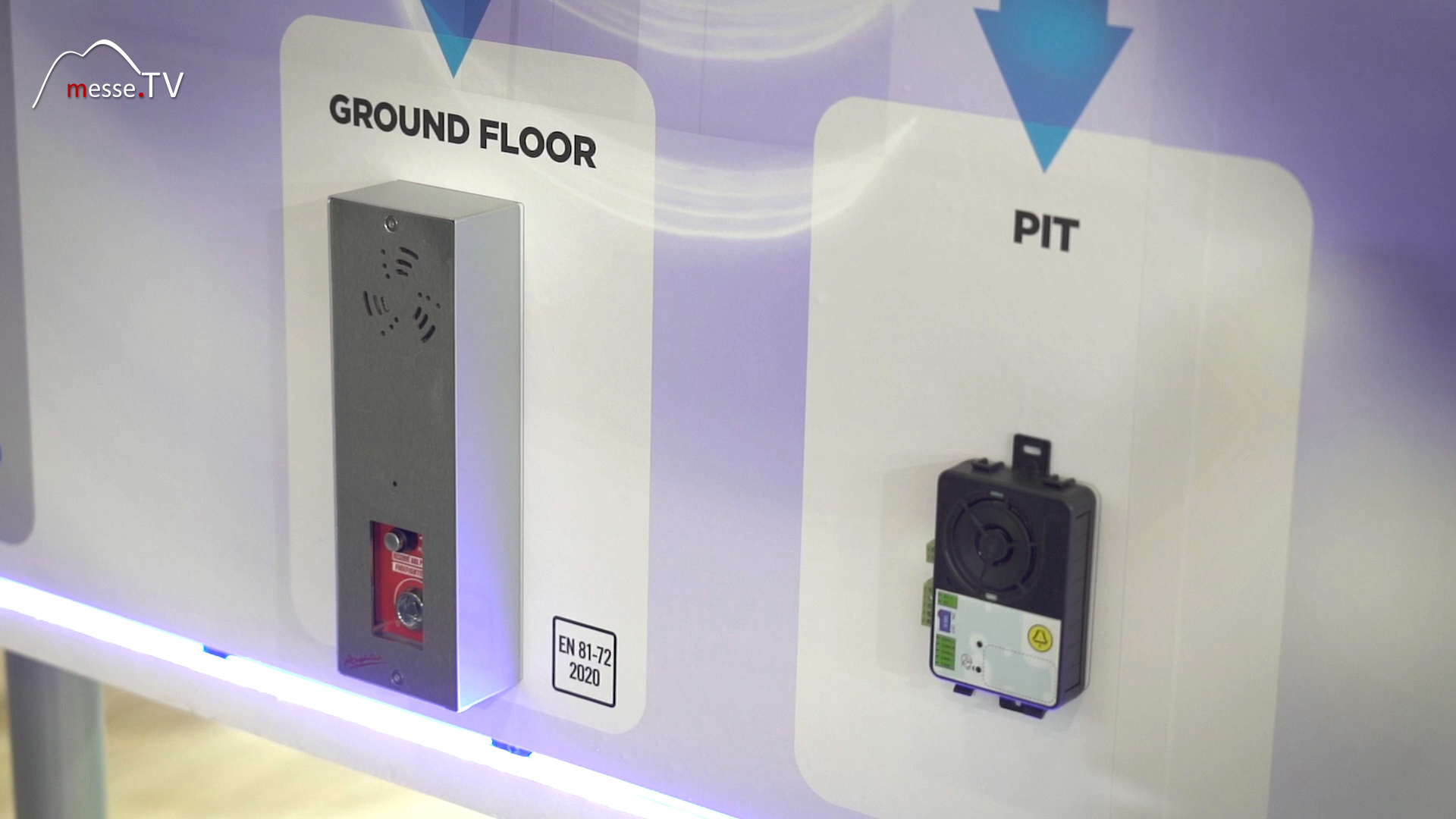
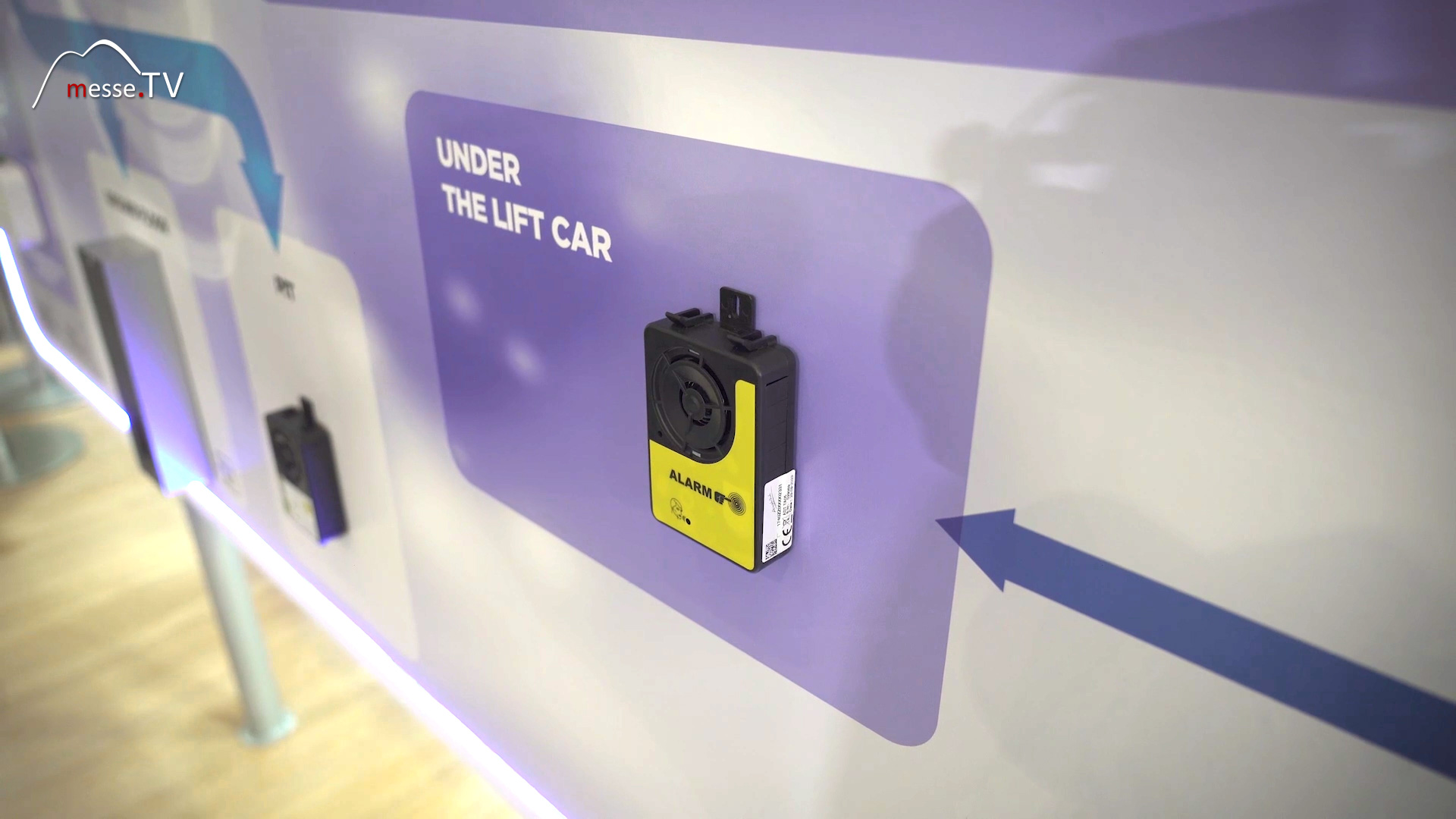
Ein modernes Notrufsystem besteht aus einer Vielzahl spezialisierter Sprechstellen, die unterschiedliche Situationen abdecken. Dazu gehören klassische Kabinensprechstellen ebenso wie Einheiten für den Maschinenraum oder den Bereich unterhalb der Kabine. Auch Sprechstellen für Feuerwehr und Einsatzkräfte sind fester Bestandteil des Konzepts in Gebäuden mit Aufzügeanlagen. Besonderes Augenmerk gilt der Barrierefreiheit. Für hörbehinderte Menschen stehen technische Lösungen zur Verfügung, etwa über Magnetfeld-Erzeuger, die eine verständliche Kommunikation ermöglichen. Damit erfüllen die Systeme nicht nur technische, sondern auch funktionale Anforderungen an zeitgemäße Gebäude.
- Kabinen-Sprechstellen für Aufzüge in verschiedenen Bauformen
- Sprechstellen für Maschinenraum und Außenbereiche von Gebäuden
- Feuerwehr- und Ground-Floor-Sprechstellen
- Unterstützung für hörbehinderte Personen
Monitoring als Erweiterung klassischer Notruftechnik
Über die reine Notruffunktion hinaus gewinnt das Monitoring zunehmend an Bedeutung. Moderne Systeme erlauben es, Zustände von Aufzügeanlagen zeitgenau abzufragen. Betreiber erhalten so einen Überblick über den aktuellen Status von Aufzüge und Gebäude, ohne physisch vor Ort sein zu müssen. Diese Transparenz unterstützt Wartung, Planung und schnelle Reaktion im Störungsfall. Monitoringlösungen sind eng mit den Gateways verknüpft und greifen auf dieselbe digitale Kommunikationsinfrastruktur zurück. Sie ergänzen das Sicherheitskonzept um eine präventive Komponente und sind fester Bestandteil von Notrufsysteme mit digitalem Monitoring.
Internationale Entwicklung und branchenspezifische Ausrichtung
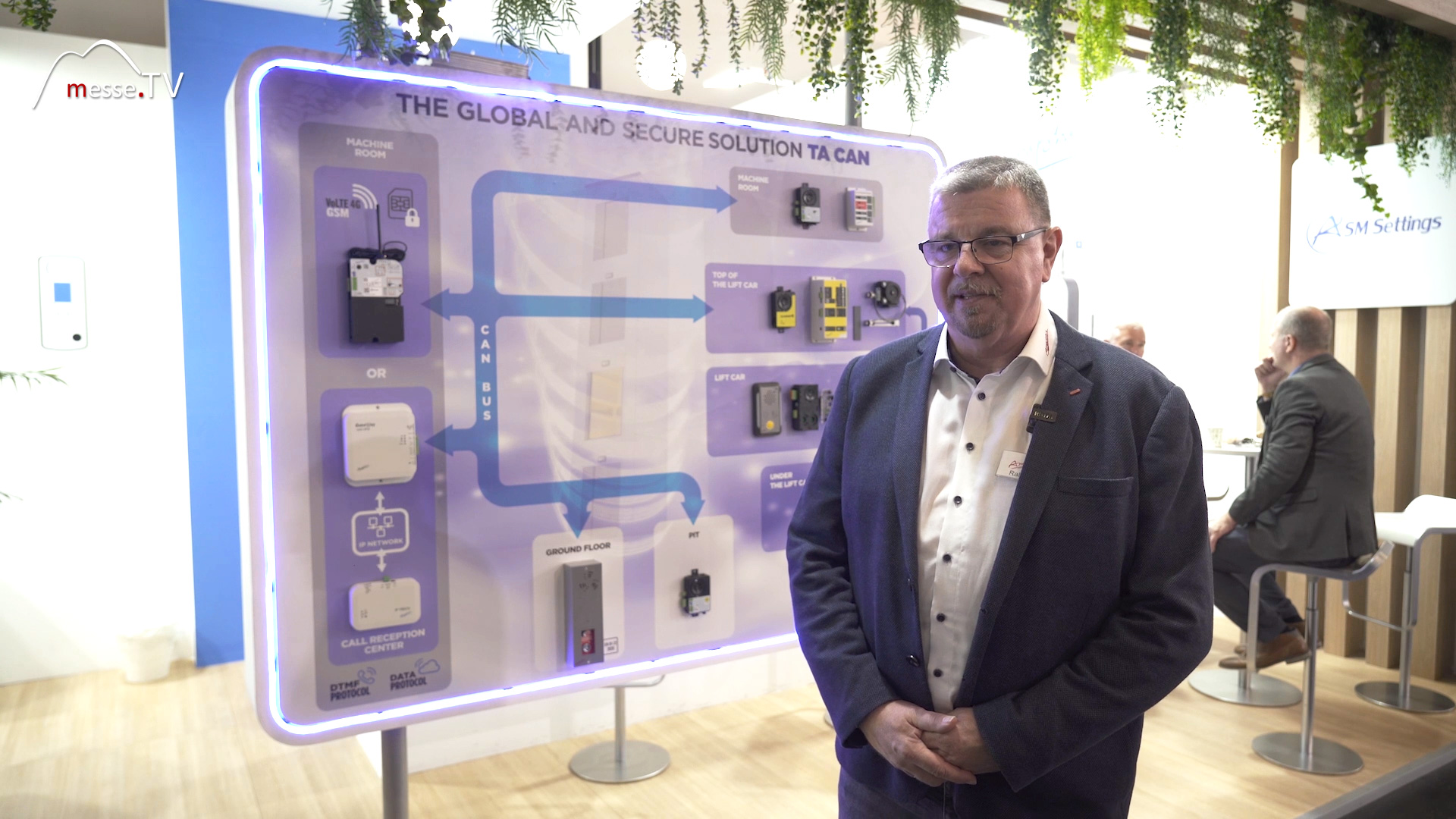
Als Unternehmen mit Sitz in Paris ist Amphitech international ausgerichtet und entwickelt Notrufsysteme für Aufzüge und Gebäude in unterschiedlichen Märkten. Die Lösungen sind darauf ausgelegt, sowohl nationale Vorschriften als auch branchenspezifische Anforderungen zu erfüllen. Der modulare Aufbau erleichtert die Anpassung an regionale Standards und technische Rahmenbedingungen. Amphitech positioniert sich dabei nicht als reiner Komponentenlieferant, sondern als Anbieter integrierter Kommunikationslösungen. Der Fokus liegt auf der Verbindung aus technischer Zuverlässigkeit, einfacher Integration und digitalem Monitoring. Diese Ausrichtung zeigt sich besonders im Zusammenspiel von Aufzüge-Notruf, Gebäudekommunikation und Monitoring.
Sicherheit als dauerhaftes Systemthema
Notruftechnik ist kein statisches Element, sondern Teil eines kontinuierlichen Entwicklungsprozesses. Mit der zunehmenden Digitalisierung von Gebäude wachsen auch die Anforderungen an Kommunikation und Überwachung von Aufzügeanlagen. Systeme müssen heute mehr leisten als früher, ohne an Komplexität für Anwender zu gewinnen. Die dargestellten Lösungen verdeutlichen, wie sich klassische Sicherheitsfunktionen mit digitalem Monitoring verbinden lassen. In dieser Verbindung liegt der Schlüssel für zukunftsfähige Notrufsysteme für Aufzüge und Gebäude.

Messe-Berichterstattung bundesweit - Messewissen, Termine & Veranstaltungen


