Nachrüstbare Lifte für private und öffentliche Gebäude
Seit vielen Jahren wächst der Bedarf an Aufzugslösungen, die sich in bestehende Gebäude integrieren lassen. Gerade im privaten Wohnbau, aber auch im öffentlichen Raum, stehen Planer und Betreiber vor der Aufgabe, Barrierefreiheit herzustellen, ohne tief in die Bausubstanz eingreifen zu müssen. Nachrüstbare Lifte schließen genau diese Lücke.
Sie ermöglichen vertikale Erschließung dort, wo klassische Aufzugsschächte nicht vorgesehen waren, und schaffen neue Nutzungsmöglichkeiten in Bestandsgebäuden. Die Entwicklung solcher Systeme ist eng mit der Frage verbunden, wie sich Technik, Design und Montageaufwand sinnvoll miteinander verbinden lassen. Ziel ist es, funktionale Lösungen bereitzustellen, die sich an unterschiedliche Gebäudetypen anpassen lassen und gleichzeitig den Anforderungen an Sicherheit, Bedienkomfort und Wirtschaftlichkeit gerecht werden.
Spezialisierung auf Nachrüstung und vertikale Lösungen
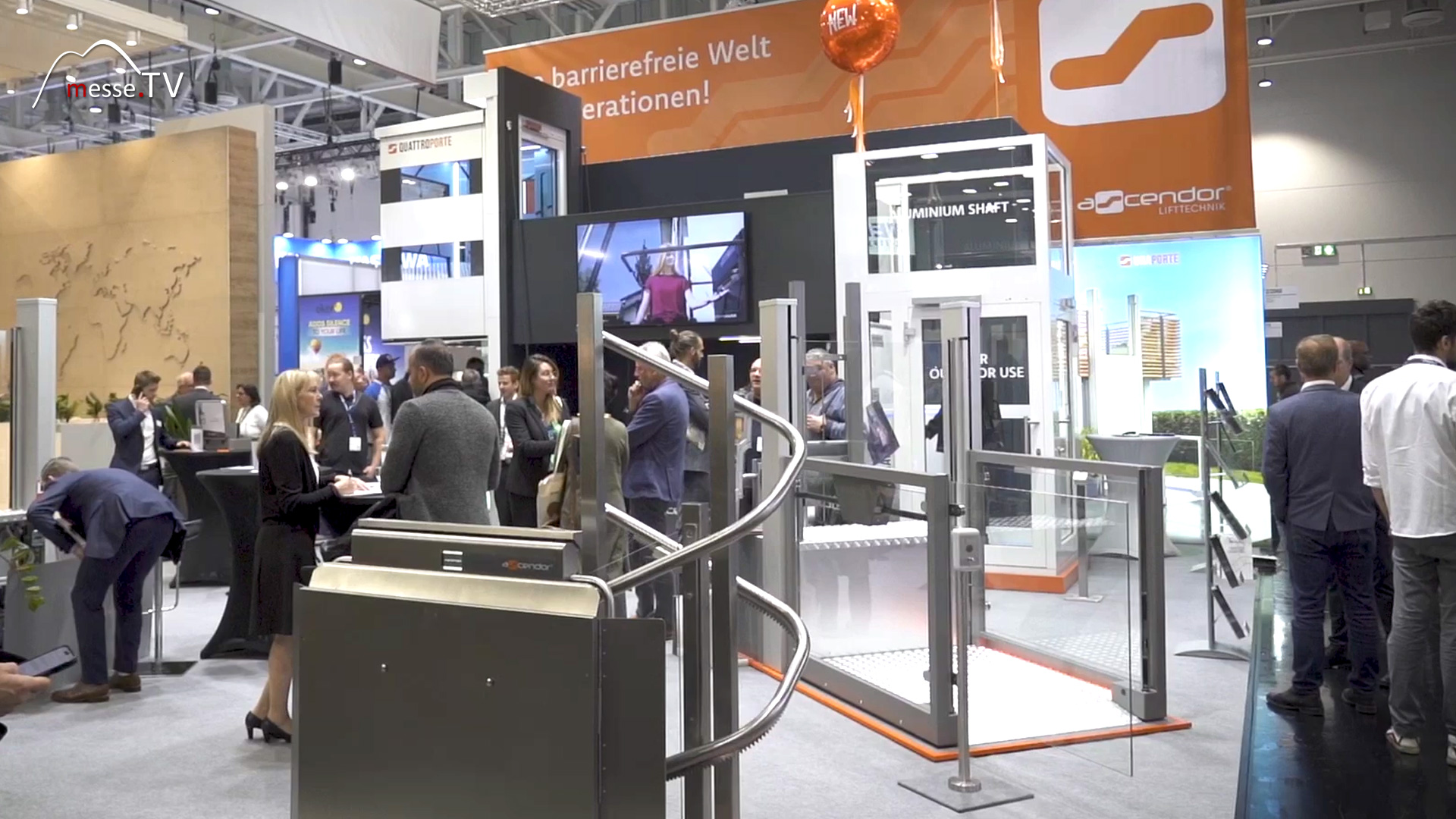
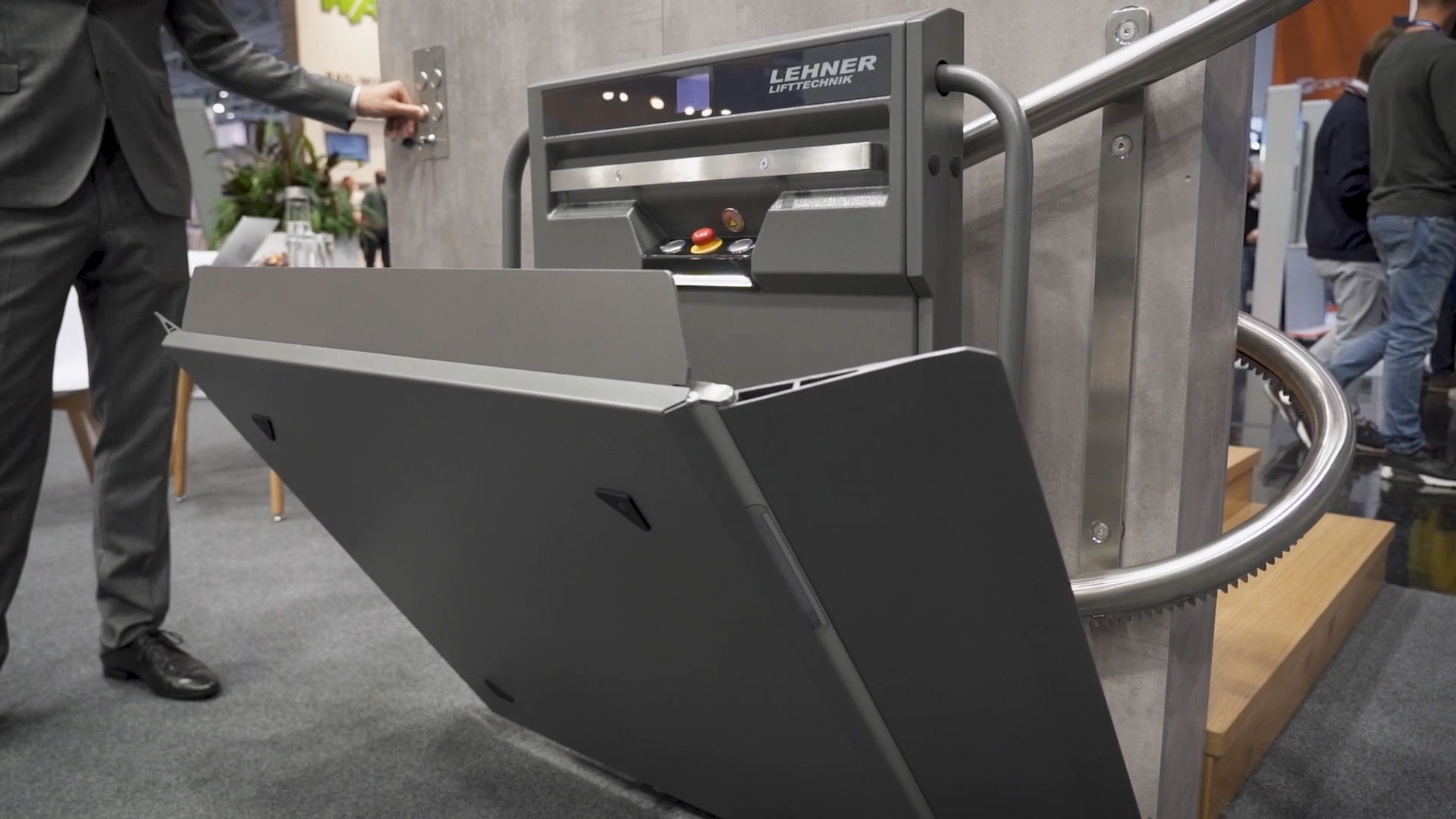
Der Schwerpunkt moderner Nachrüstlösungen liegt auf Systemen, die ohne aufwendige bauliche Maßnahmen auskommen. Ausgangspunkt waren Plattform- und Treppenlifte, die vor allem im Innenbereich privater Wohnhäuser eingesetzt werden. In den vergangenen Jahren hat sich der Fokus jedoch zunehmend in Richtung vertikaler Lifte verschoben, die größere Höhen überwinden und vielseitiger einsetzbar sind. Diese vertikalen Lifte sind so konzipiert, dass sie sowohl im Innen- als auch im Außenbereich genutzt werden können. Durch ihre kompakte Bauweise eignen sie sich besonders für Situationen, in denen nur begrenzter Raum zur Verfügung steht. Gleichzeitig eröffnen sie neue Möglichkeiten für Gebäude, die bislang nicht barrierefrei erschlossen waren.

Schachtlose Konzepte und geschützte Einbaulösungen
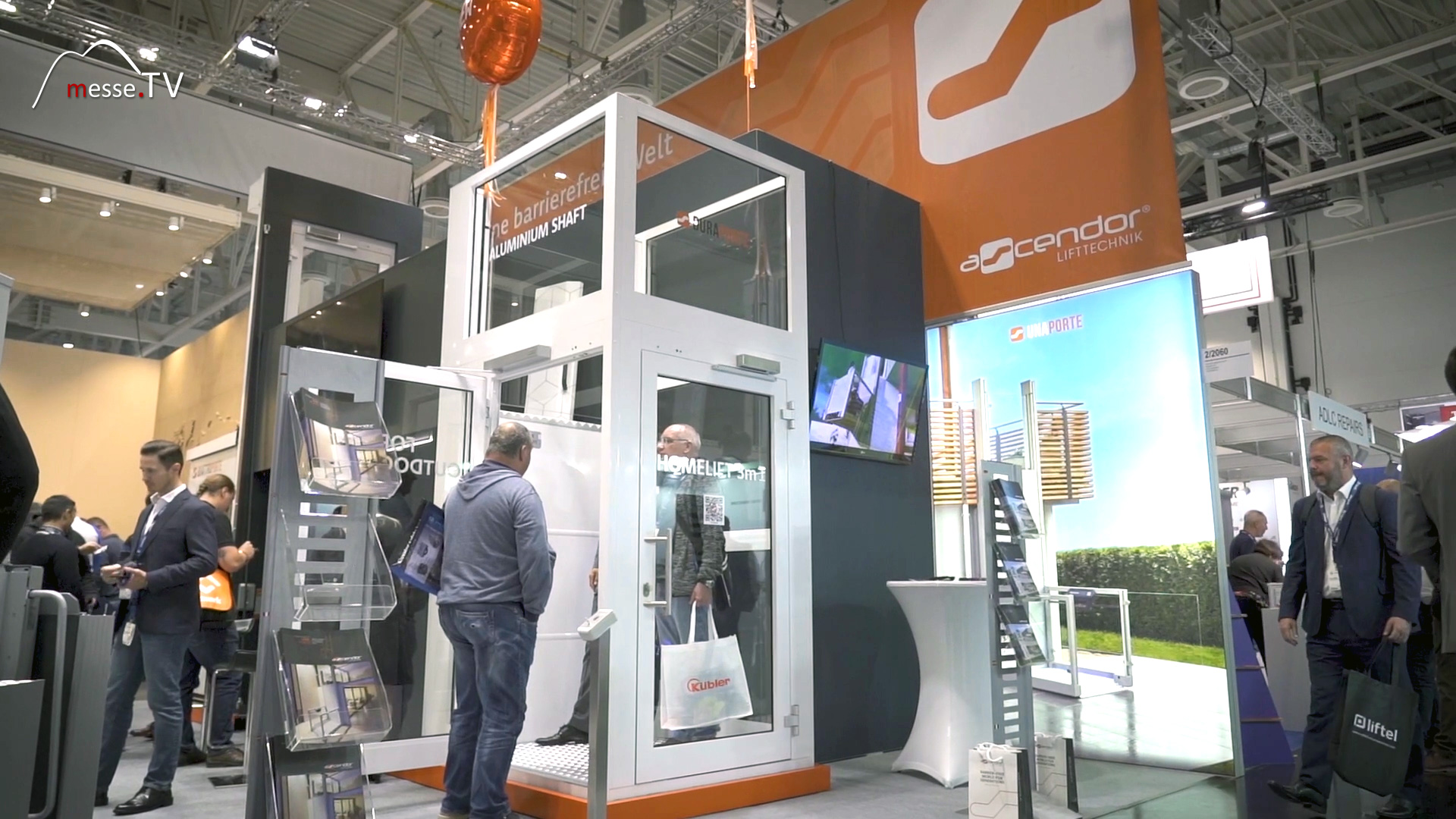
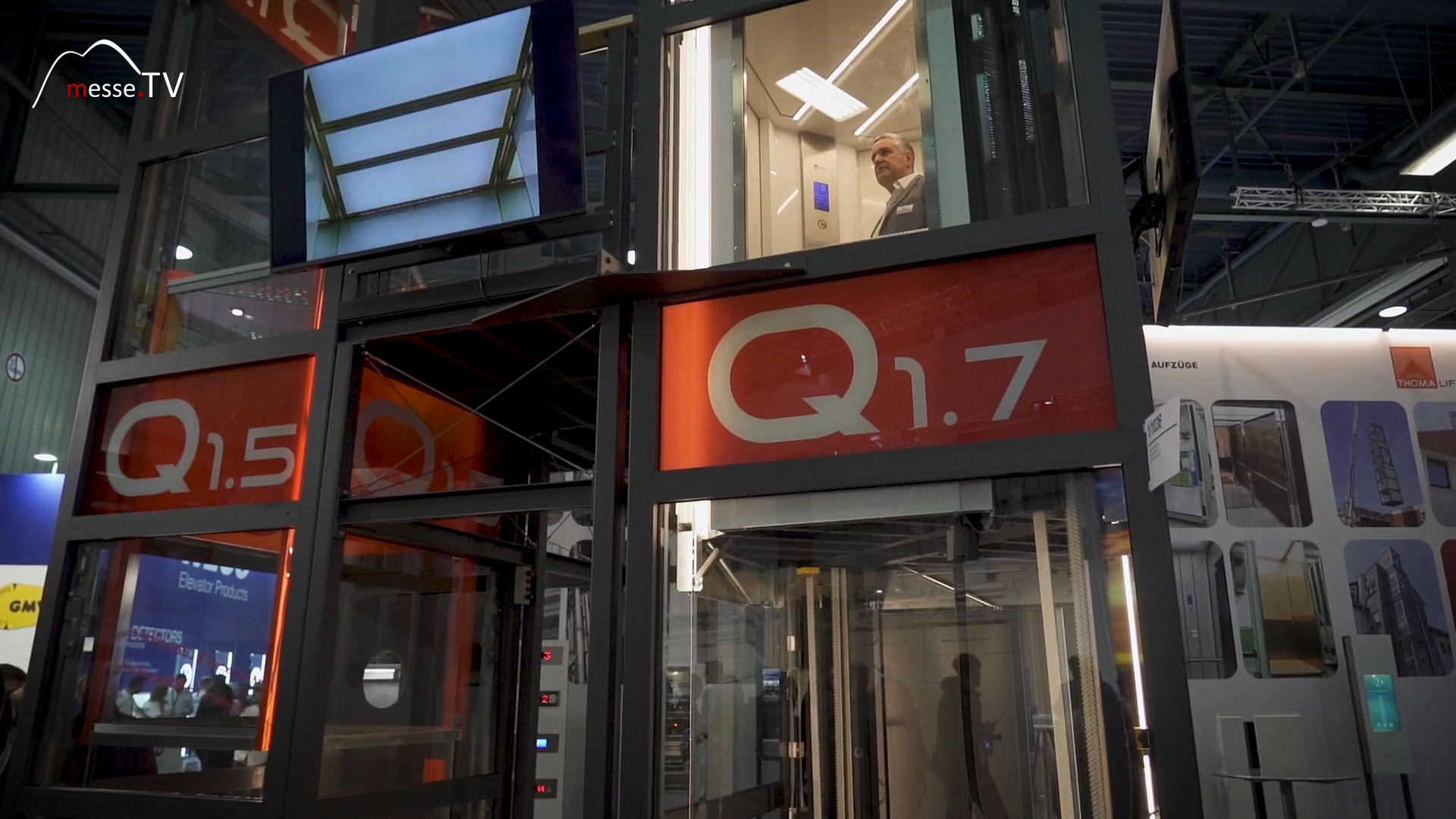
Ein zentrales Thema ist der schachtlose Lift mit begrenzter Hubhöhe. Solche Systeme kommen ohne klassischen Aufzugsschacht aus und erreichen dennoch Hubhöhen von bis zu drei Metern. Damit eignen sie sich für den Einsatz über ein oder zwei Ebenen, etwa in Einfamilienhäusern, kleineren Mehrparteiengebäuden oder öffentlichen Einrichtungen mit überschaubaren Höhenunterschieden. Für den Einsatz in öffentlich zugänglichen Bereichen werden diese Lifte häufig in einen integrierten Schutzschacht eingebunden. Dieser schützt den unteren Bereich der Anlage, erhöht die Sicherheit und erfüllt zusätzliche Anforderungen an Robustheit und Nutzungsschutz. Im privaten Umfeld liegt der Fokus stärker auf Offenheit und Gestaltung, während im öffentlichen Raum funktionale Aspekte und Normkonformität im Vordergrund stehen.
Bedienkomfort und flexible Ausstattungsoptionen
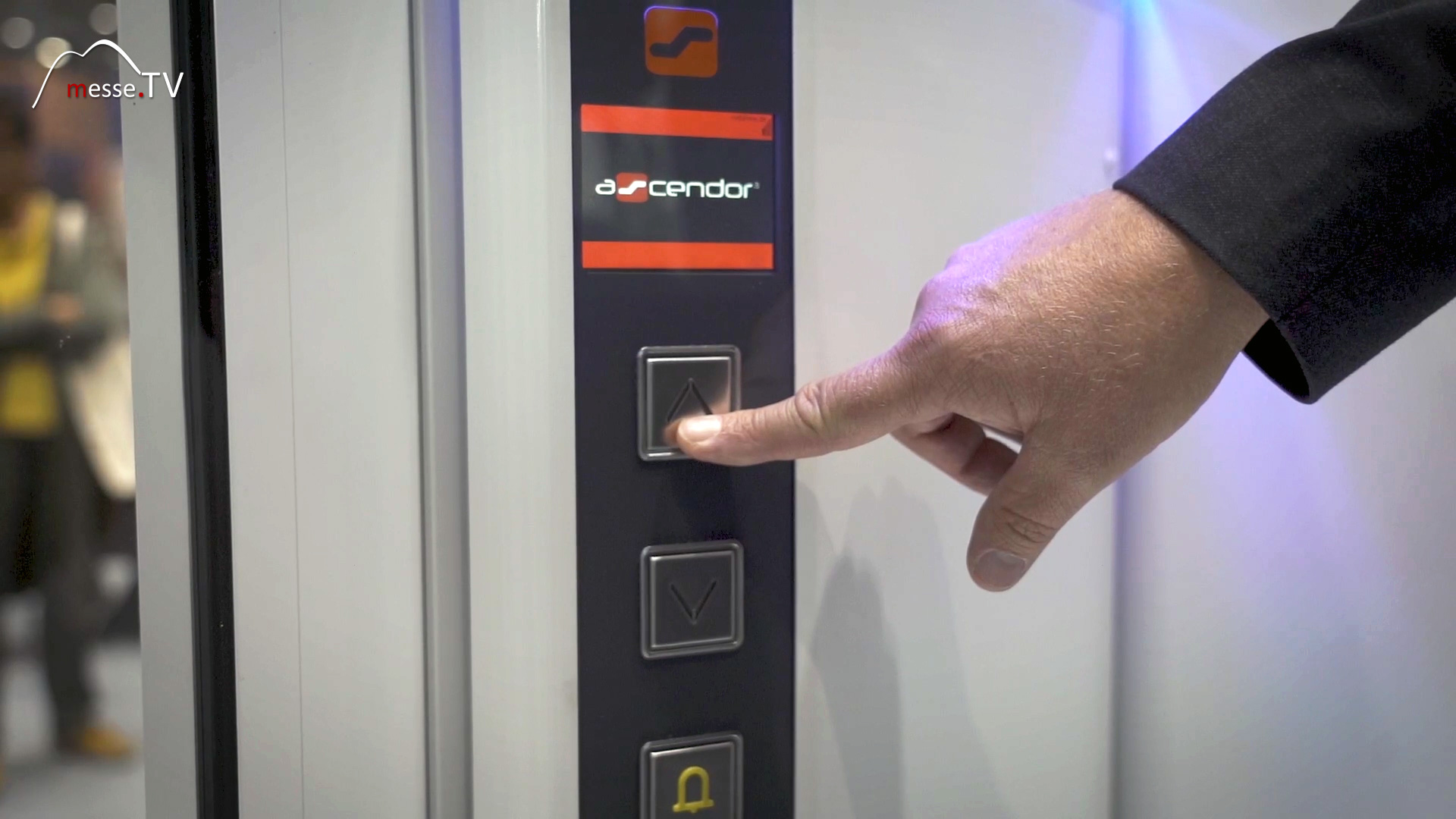
Ein wesentliches Merkmal moderner Liftsysteme ist die einfache und intuitive Bedienung. Die Tür lässt sich ähnlich wie bei einem klassischen Aufzug anfordern, öffnet automatisch und kann bei Bedarf auch manuell angesteuert werden. Je nach baulicher Situation besteht die Möglichkeit, Türen auf unterschiedlichen Seiten zu integrieren, um den Zugang optimal an den Grundriss anzupassen. Auch im Innenraum spielt Individualisierung eine wichtige Rolle. Verschiedene Bodenbeläge, etwa in Form mehrerer Teppichvarianten, dienen nicht nur gestalterischen Zwecken, sondern erfüllen auch praktische Funktionen. Sie tragen dazu bei, Schmutz und Feuchtigkeit aus dem Gebäudeinneren fernzuhalten und den Übergang zwischen Außen- und Innenbereich sauber zu gestalten.
Anzeige- und Diagnosesysteme für den laufenden Betrieb
Die Steuerung erfolgt über ein integriertes Display im Innenraum des Lifts. Dieses zeigt nicht nur Fahrinformationen an, sondern ermöglicht auch die Anzeige von Fehlermeldungen. Werden Sicherheitseinrichtungen ausgelöst oder treten Störungen auf, informiert das System unmittelbar über die Art des Problems. Diese Transparenz erleichtert die Nutzung im Alltag und kann dazu beitragen, kleinere Störungen frühzeitig zu erkennen und zu beheben. Gerade im privaten Bereich erhöht dies das Sicherheitsgefühl, während im öffentlichen Einsatz die Betriebssicherheit und Verfügbarkeit der Anlage unterstützt werden.
Montagezeiten als entscheidender Erfolgsfaktor
Ein zentrales Kriterium für nachrüstbare Lifte ist die Montagezeit. Fachkräfte sind zunehmend schwerer verfügbar, gleichzeitig müssen Anlagen schnell betriebsbereit sein. Moderne Konzepte setzen daher auf einen klar strukturierten Aufbau und vorgefertigte Komponenten. Der Aufbau eines solchen Lifts kann innerhalb weniger Tage erfolgen. Damit lassen sich Ausfallzeiten minimieren und die Belastung für Bewohner oder Nutzer deutlich reduzieren. Kurze Montagezeiten sind nicht nur ein logistischer Vorteil, sondern auch ein entscheidender Faktor für die Wirtschaftlichkeit von Nachrüstprojekten.
Anpassungsfähigkeit an bestehende Gebäude
Die Stärke nachrüstbarer Lifte liegt in ihrer Anpassungsfähigkeit. Bestehende Gebäude stellen oft individuelle Anforderungen, sei es durch Grundriss, Nutzung oder bauliche Einschränkungen. Systeme, die modular aufgebaut sind und sich gestalterisch anpassen lassen, bieten hier klare Vorteile. Typische Merkmale solcher Lösungen sind:
- schachtlose oder teilgeschützte Konstruktionen für geringe Hubhöhen
- flexible Türanordnung je nach baulicher Situation
- individuelle Boden- und Ausstattungsvarianten
- schnelle Montage durch vorgefertigte Komponenten
Perspektiven für künftige Entwicklungen
Die Entwicklung nachrüstbarer Lifte ist nicht abgeschlossen. Zukünftig werden größere Hubhöhen, weiter verkürzte Montagezeiten und zusätzliche Designoptionen eine noch stärkere Anpassung an bestehende Gebäude ermöglichen. Gleichzeitig wächst der Anspruch, technische Innovationen mit klarer Funktionalität zu verbinden. Nachrüstbare Lifte sind damit ein zentraler Baustein moderner Gebäudenutzung. Sie verbinden Barrierefreiheit, Technik und Gestaltung zu Lösungen, die sich an reale Anforderungen orientieren und den Bestand langfristig aufwerten.

Messe-Berichterstattung bundesweit - Messewissen, Termine & Veranstaltungen


