Large gearless machines and digital operating concepts in lift construction
Lift construction has been facing fundamental change for several years. Increasing payloads, limited space in existing buildings and growing demands for energy efficiency and ease of maintenance mean that classic machine concepts need to be rethought.
The extent to which technology and planning have advanced in recent years is particularly evident in the field of high-performance drives. Today, large machines no longer have to be bulky, but can increasingly be designed to be compact without compromising on performance. A clear example of this are modern gearless machines, which are designed for high loads and yet are comparatively small in size. Such drives are particularly important where heavy cabins, large lifting heights or intensive use are required. At the same time, they must be able to be integrated into existing buildings, where space is often limited. It is precisely in this area of tension between performance and installation situation that new technical solutions are emerging.
Powerful drives for high payloads
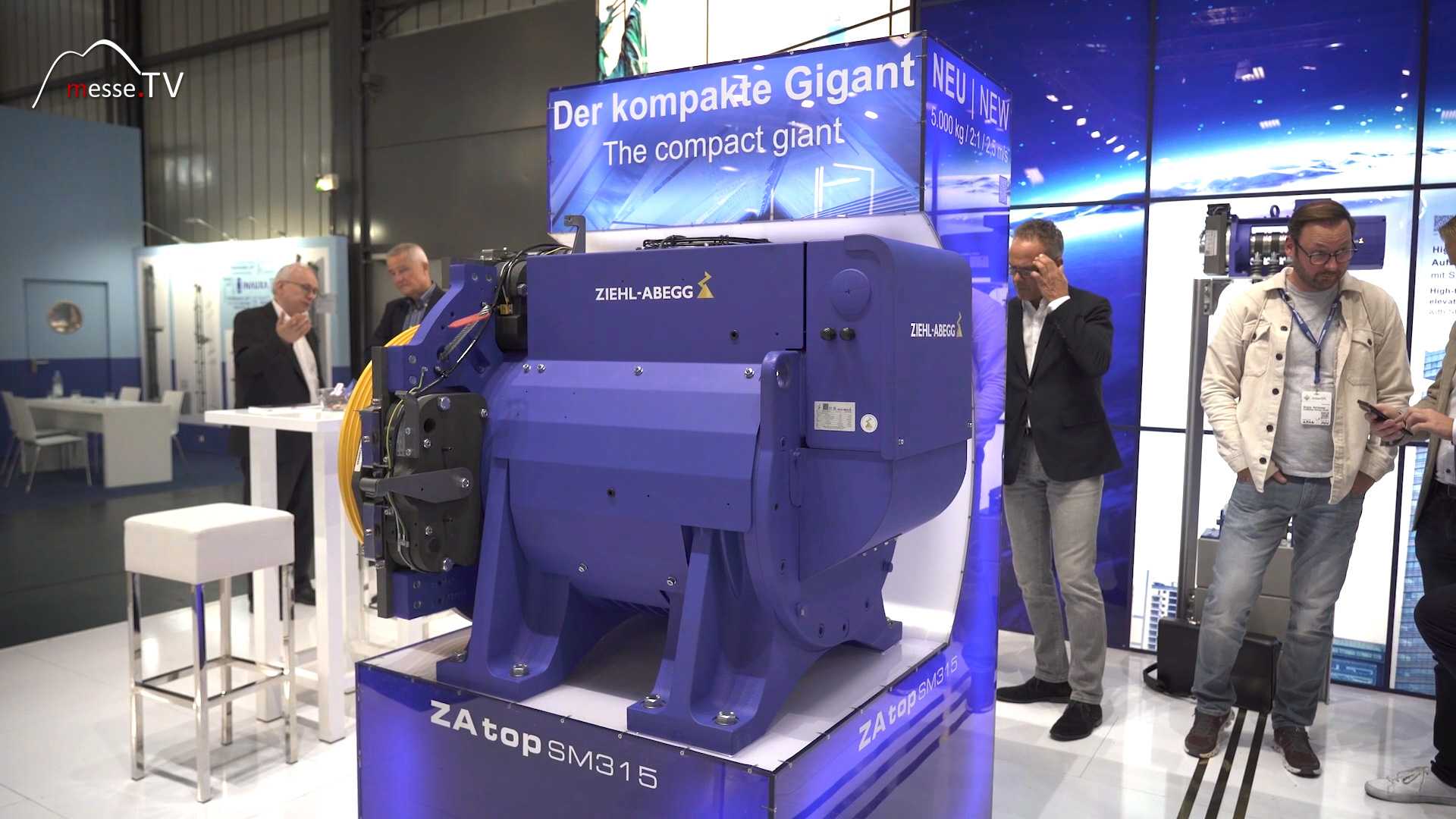
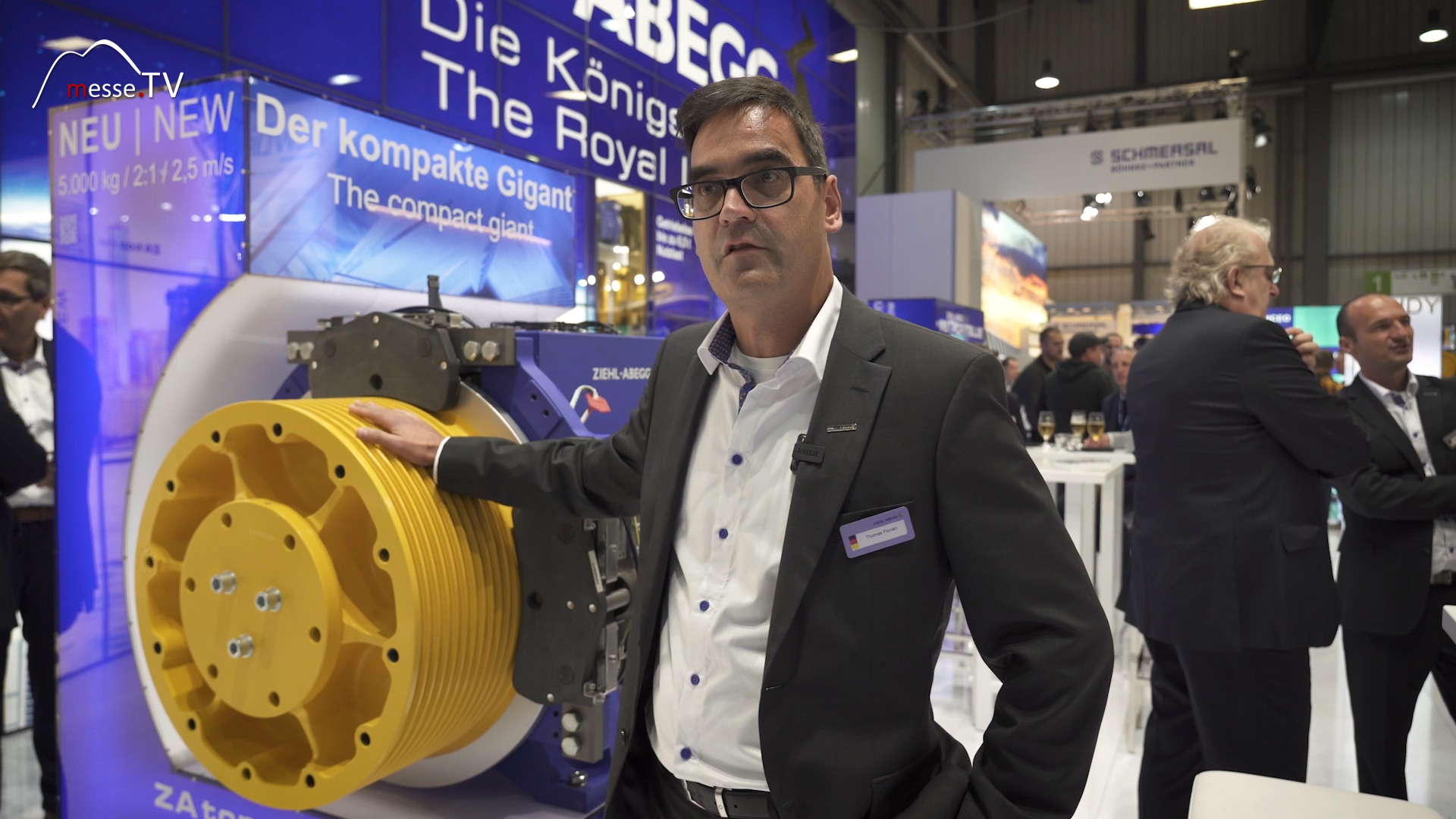
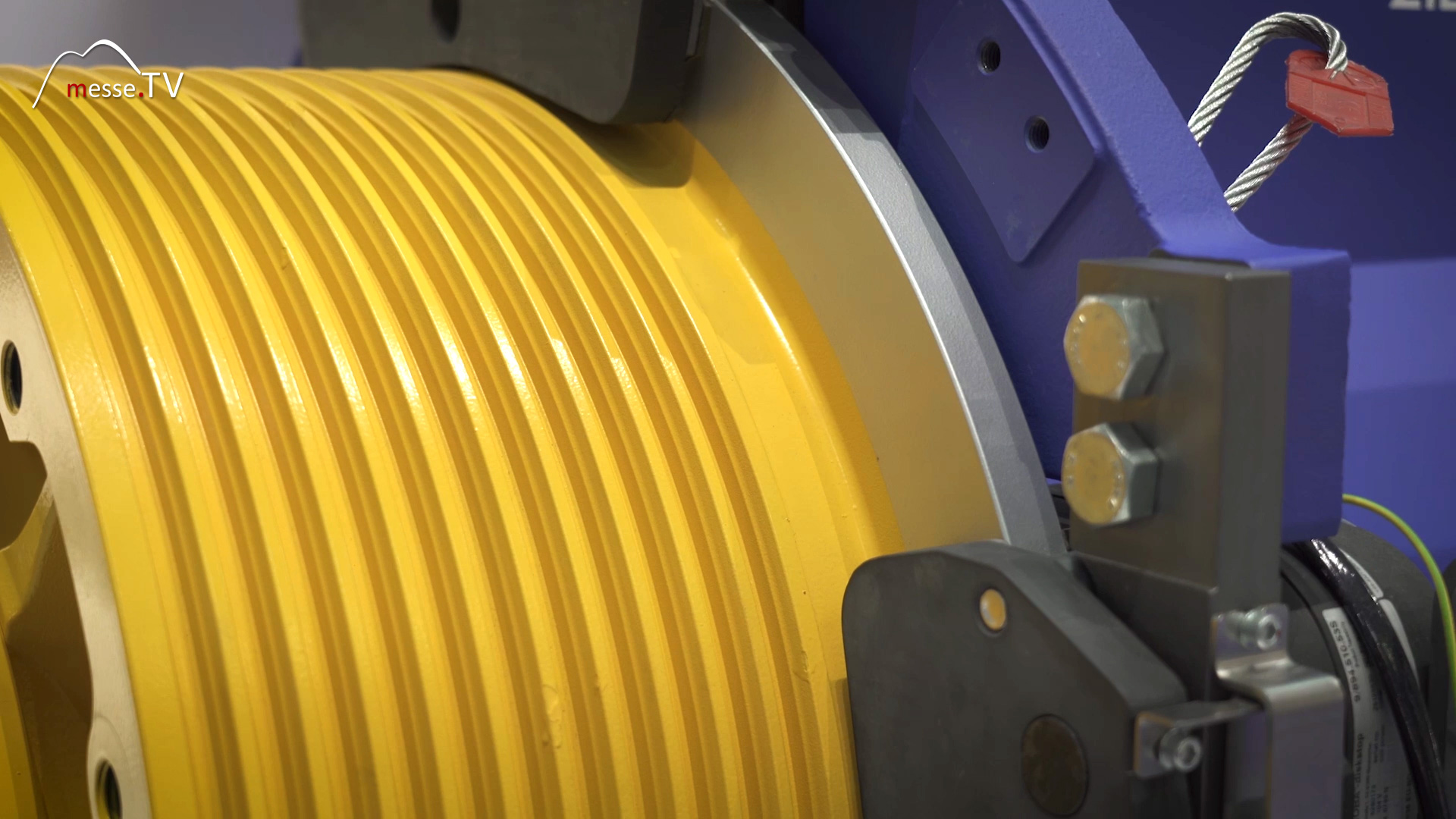
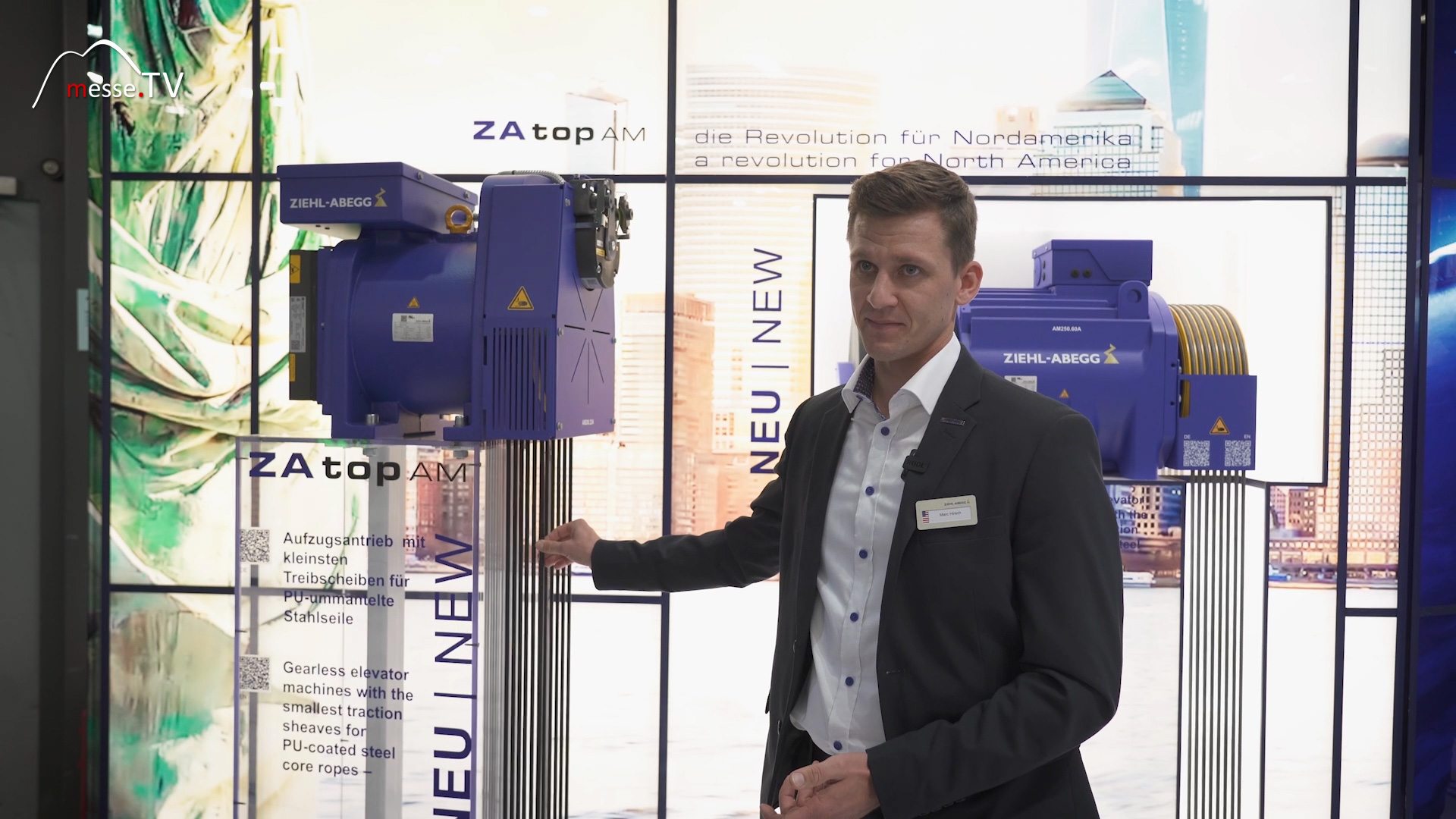
Current developments focus on gearless machines that can handle payloads of several tonnes. One machine in this category is designed for loads of up to 5,000 kilograms and operates with a two-to-one suspension ratio. This makes it suitable for applications that require high load-bearing capacities and smooth running, such as in larger residential buildings, office complexes or public facilities. These machines are characterised by their large drive pulleys, which can reach diameters of up to 640 millimetres. Combined with travel speeds of up to 2.5 metres per second, this results in a drive system that is both powerful and efficient. Despite these key data, at first glance the machine appears less massive than comparable solutions from previous generations.

Compact design despite high performance
A key feature of modern drive technology is its compact design. Even with large gearless machines, great importance is now attached to keeping the installation space as small as possible. This is not only a question of saving material, but above all crucial for installation and assembly in the building. A special feature of these machines is the option of removing the brakes. This reduces the width to less than 900 millimetres. In practice, this means that even a drive of this performance class can still be transported through conventional doors into a machine room. This is a considerable advantage for planners and fitters, especially in the case of modernisation projects or buildings with restricted access routes. The combination of high load capacity and reduced size shows how consistently the development is geared towards real requirements. High performance does not necessarily mean large machines if the design and components are optimally matched.
Integration into the overall lift system
High-performance machines only reveal their full potential when they interact with the entire lift system. This includes not only the car and counterweight, but also the control system, converter and safety components. Especially with high loads and speeds, precise coordination of all elements is crucial to ensure smooth running, low noise and a long service life. This highlights the importance of system components that are coordinated with each other. The drive should not be seen as an isolated component, but as part of an overall concept that has been thought through from installation to operation. This perspective shapes the work of manufacturers who specialise in lift components.
Digitalisation as the next step in development
In addition to mechanical design, digitalisation is increasingly coming into focus. The future of lift construction will not be defined solely by higher performance, but also by simpler operation, better diagnostic options and more efficient commissioning. Modern converters can now be operated via mobile devices such as tablets or mobile phones. This form of operation makes it possible to record travel curves, adjust parameters or perform diagnostics directly on site without the need for additional special hardware. For service personnel, this means a significant simplification of work processes. Settings can be made more quickly, errors can be analysed more easily and maintenance work can be planned in a more targeted manner. Typical digital functions of modern drive systems include:
- Mobile operation via tablet or smartphone
- Recording and evaluation of travel curves
- Direct access to diagnostic functions
- Simplified commissioning and parameterisation
Role of specialised component manufacturers
The development of such systems requires in-depth experience in lift construction. Ziehl-Abegg manufactures system components for lifts, combining mechanical, electrical and digital aspects to create integrated solutions. The focus is on drives that combine high performance with compact design and modern operability. The importance of this specialisation is particularly evident in large gearless machines. The ability to cover high payloads while enabling installation in existing structures is a decisive competitive advantage. Complemented by digital interfaces, the result is a drive system that meets both the requirements of today's construction projects and the expectations of future maintenance and operating concepts.
Outlook for future developments
The direction in lift construction is clearly discernible. Powerful machines will continue to become more compact, while digital functions will increasingly become standard. Operation via mobile devices, transparent diagnostic options and close integration of mechanics and software will play a central role in the future. At the same time, the challenge of integrating this technology into existing buildings remains. Solutions that combine high performance with easy installation will therefore continue to gain in importance. In this context, large gearless machines with a compact design are an important building block for the next generation of modern lift systems.

Trade fair reporting Germany - Trade fair knowledge, dates & events


