Aufzüge mit regenerativer Energie und Steuerung modernisieren
Hydraulische Aufzüge prägen bis heute den Gebäudebestand vieler Städte. Sie gelten als langlebig, wartungsfreundlich und robust, geraten jedoch zunehmend unter Druck, wenn Energieeffizienz und Nachhaltigkeit an Bedeutung gewinnen. Betreiber stehen vor der Frage, wie sich bestehende Anlagen weiter nutzen lassen, ohne sie vollständig zu ersetzen oder technisch zu überfrachten.
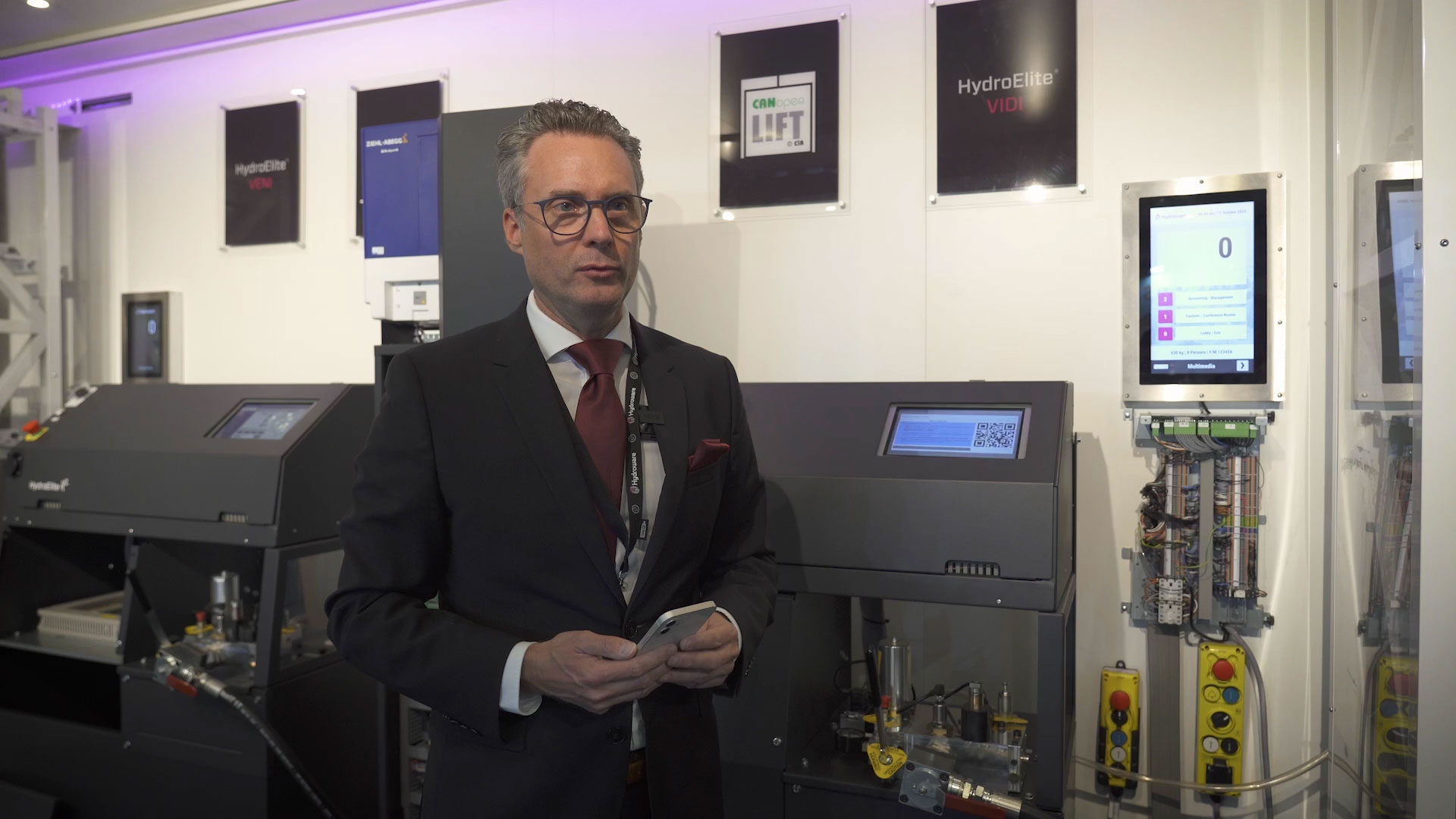
Hydroware entwickelt Steuerungs- und Antriebslösungen, die genau an dieser Stelle ansetzen. Der Fokus liegt auf der technischen Weiterentwicklung vorhandener Aufzüge. Ziel ist eine Modernisierung, die Energie zurückgewinnt, Systeme vereinheitlicht und sowohl hydraulische als auch seilgetriebene Aufzüge berücksichtigt, ohne den Charakter der Anlagen grundlegend zu verändern. Gegründet wurde das Unternehmen im Jahr 1998 mit einer klaren Ausrichtung auf hydraulische Antriebe und Steuerungssysteme für Aufzüge. Seitdem ist Hydroware kontinuierlich am Markt präsent. Der Einstieg in den deutschen Markt erfolgte 2013, seither werden die Lösungen auch hier eingesetzt und weiterentwickelt. Diese langjährige Spezialisierung bildet die Grundlage für den aktuellen Schritt in Richtung Modernisierung und Nachhaltigkeit.
Von der Hydraulik zur Modernisierung von Seilaufzügen
Ausgehend von der klassischen Hydraulik erweitert das Unternehmen sein Portfolio auf Modernisierungslösungen für Seilaufzüge. Statt neue Anlagen zu installieren, wird die vorhandene Technik durch ein neues Steuerungssystem aufgewertet. Der Ansatz folgt dem Gedanken der Circular Economy: funktionierende Aufzüge bleiben erhalten, werden jedoch energetisch und technisch an aktuelle Anforderungen angepasst. Die neue Steuerung ist so konzipiert, dass sie unterschiedliche Antriebssysteme unterstützt. Dadurch entfällt die Notwendigkeit, für hydraulische und seilgetriebene Aufzüge getrennte Steuerungen einzusetzen. Modernisierung wird damit zu einem gezielten Eingriff statt zu einem umfassenden Austausch.
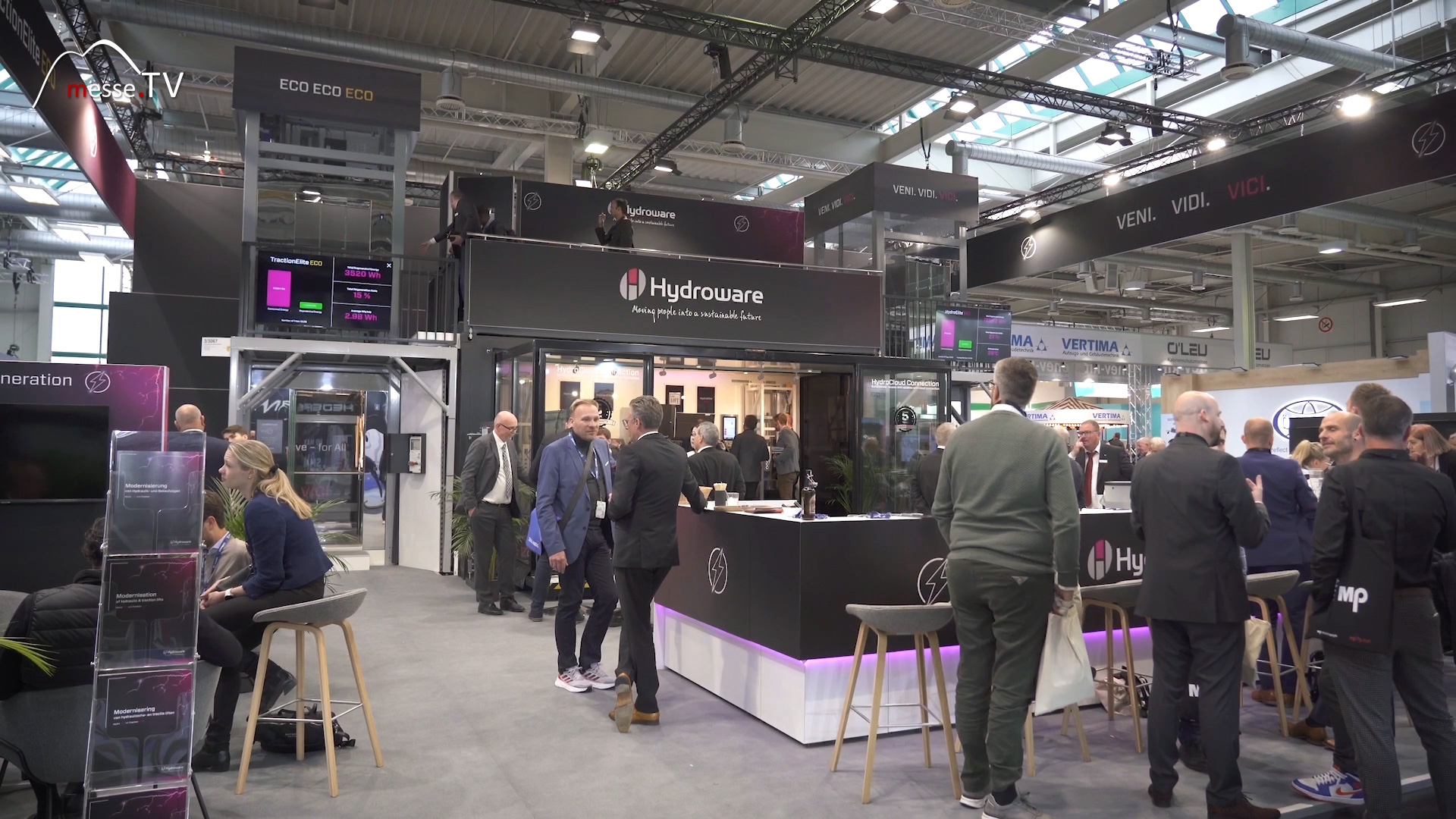

Regenerative Energie als messbarer Faktor
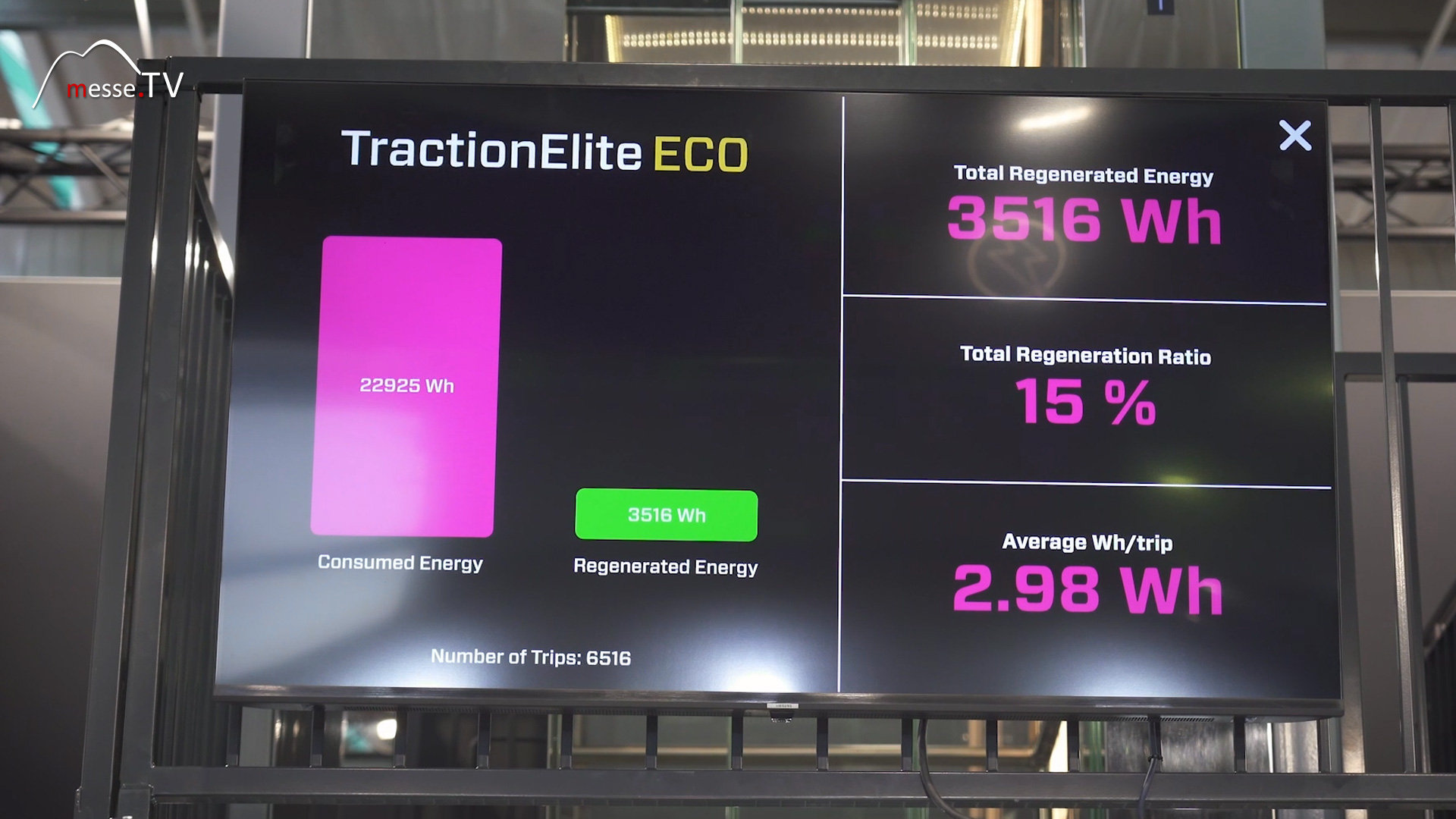
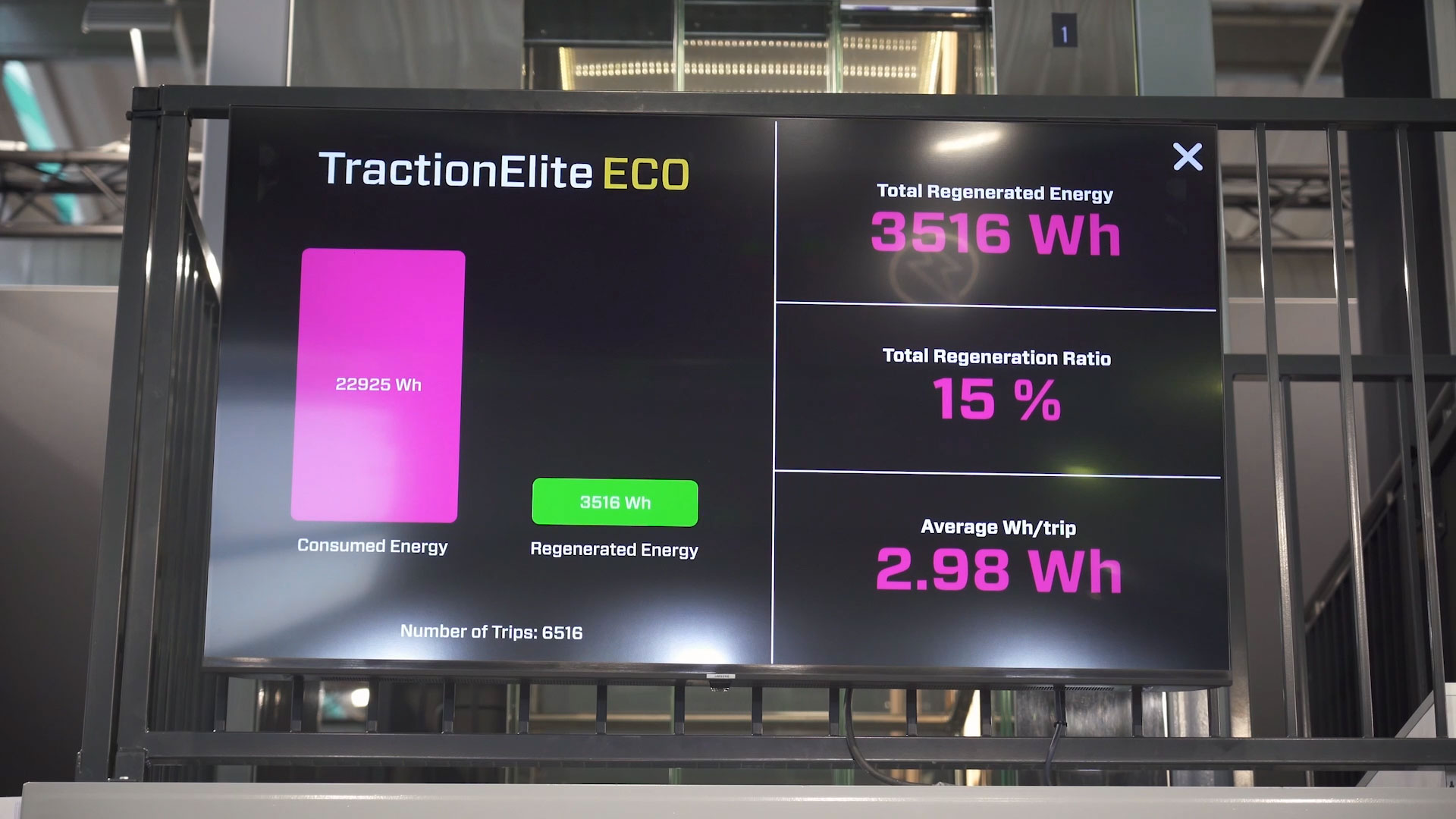
Ein zentrales Element der Entwicklung ist die Rückspeisung von Energie. Während herkömmliche Aufzüge Energie ausschließlich aus dem Stromnetz beziehen, ermöglicht das neue System die Rückgabe regenerativer Energie. Auf dem Display wird sichtbar, wie viel Energie aufgenommen und wie viel wieder ins Netz eingespeist wird. Die Darstellung unterscheidet klar zwischen verbrauchter Energie und rückgespeister Leistung. Zusätzlich wird das Verhältnis beider Werte ausgewiesen, die sogenannte Regeneration Ratio. Energieeffizienz wird damit nicht nur technisch umgesetzt, sondern auch transparent nachvollziehbar gemacht.
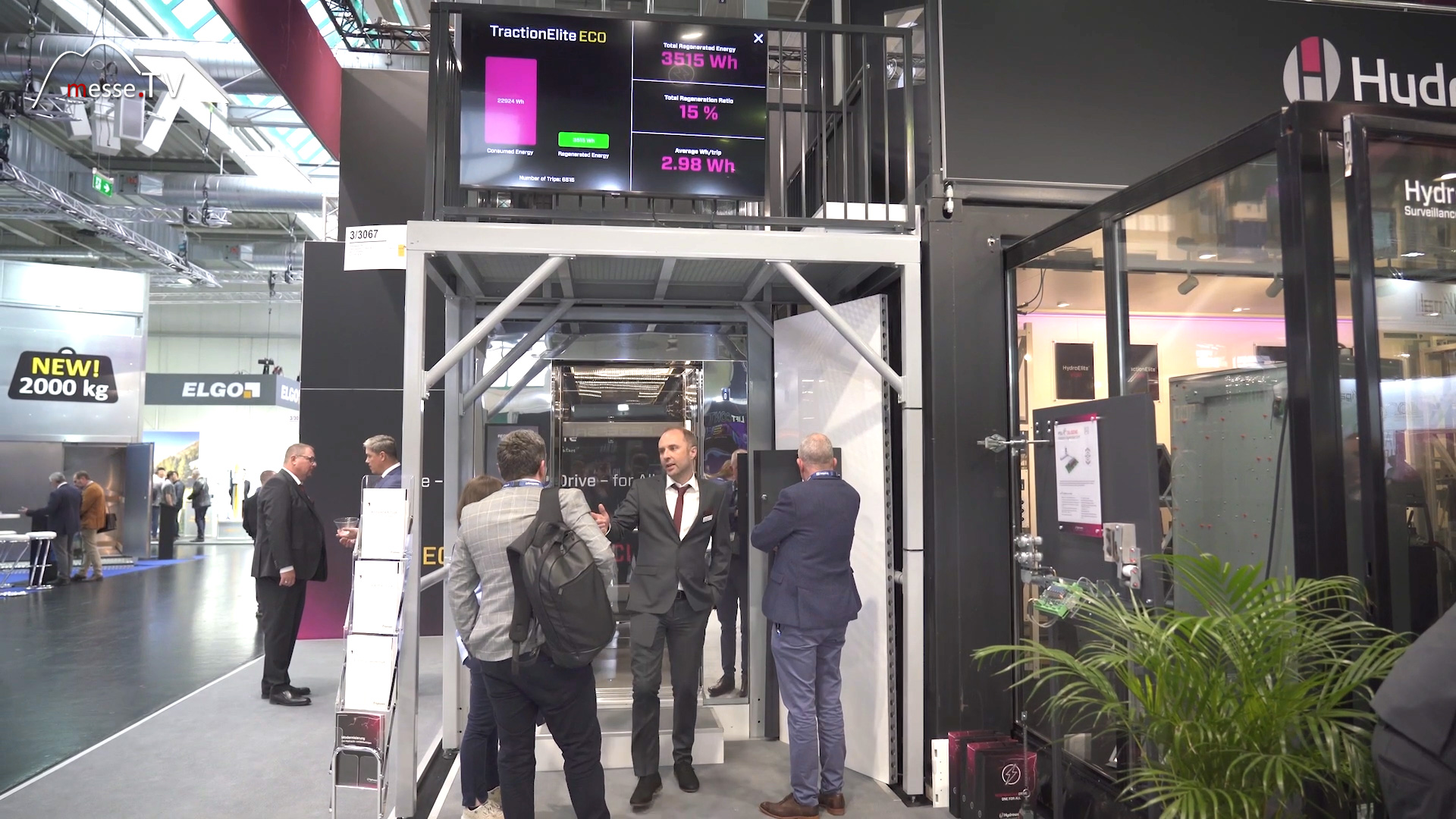
Einheitliche Steuerung für verschiedene Antriebe
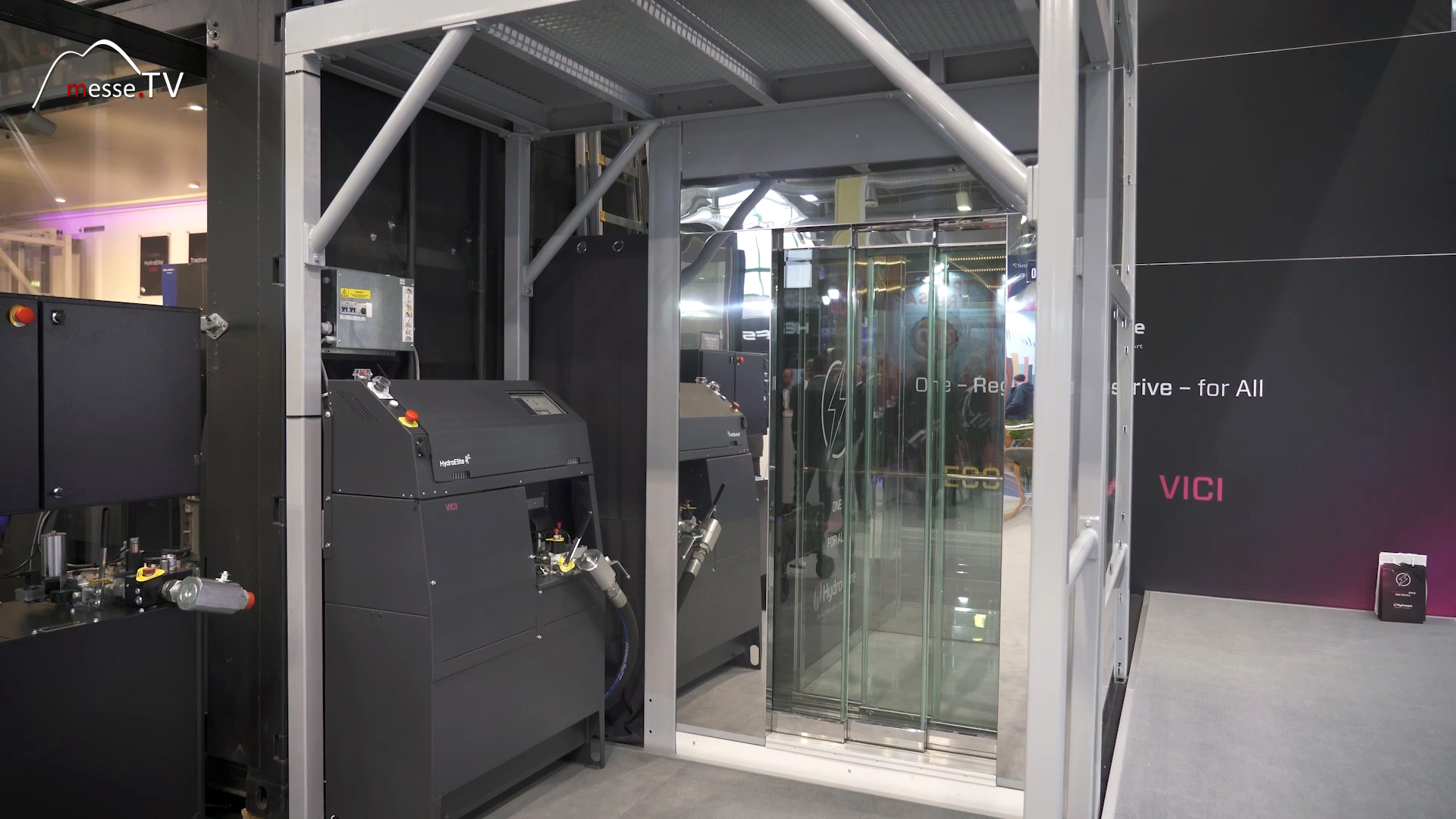
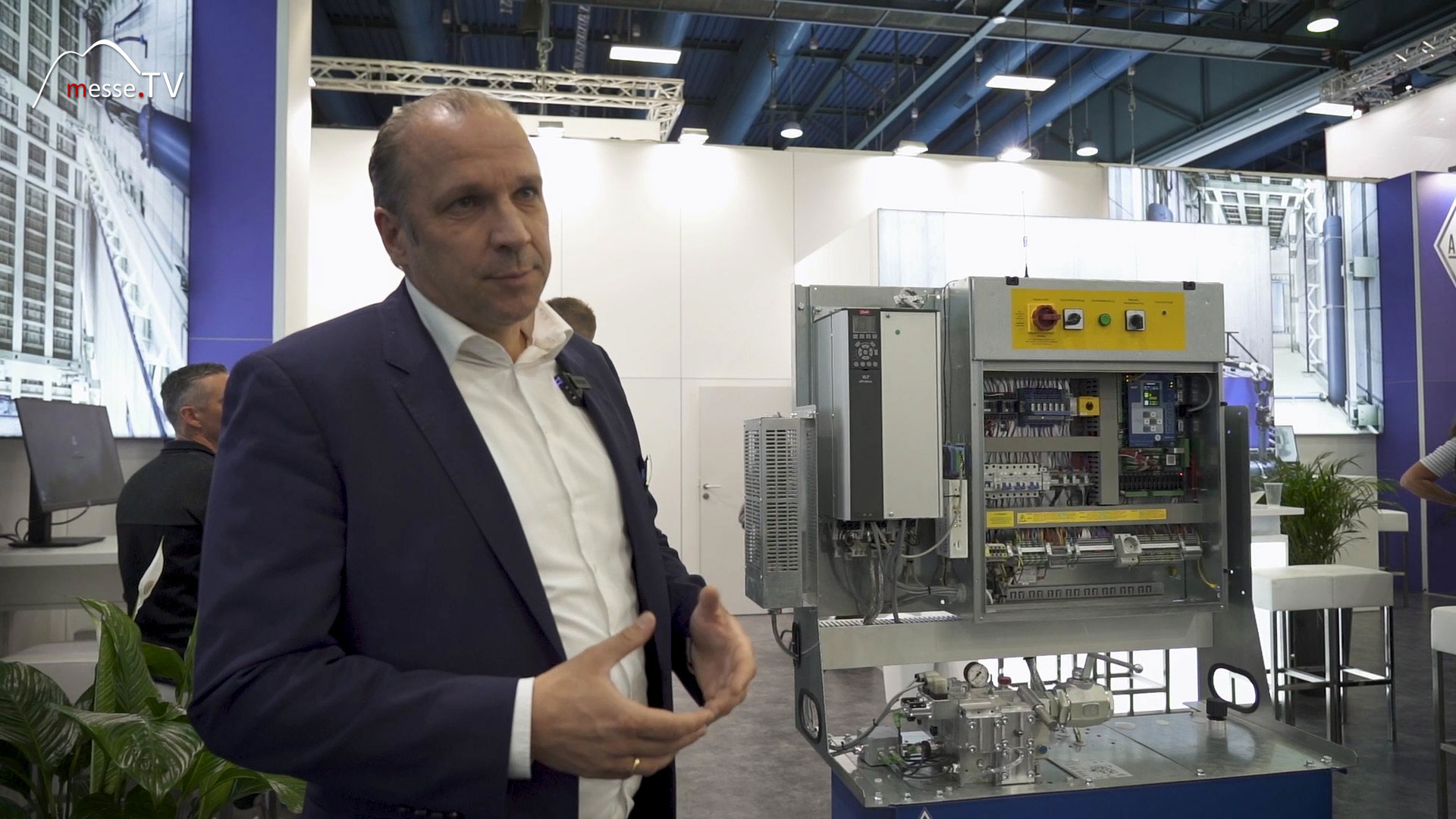
Unter dem Leitgedanken „One for All“ verfolgt Hydroware das Ziel, eine Steuerung für unterschiedliche Antriebssysteme bereitzustellen. Sowohl Seilaufzüge als auch hydraulische Anlagen können mit derselben Steuerungsarchitektur betrieben werden. Ergänzt wird dieses Konzept durch einen selbst entwickelten Frequenzumrichter, der speziell für die Energierückspeisung ausgelegt ist. Diese Vereinheitlichung vereinfacht Planung, Montage und Wartung. Für Betreiber bedeutet sie geringere Komplexität, für Serviceteams eine konsistente Systemlogik über verschiedene Aufzugstypen hinweg.
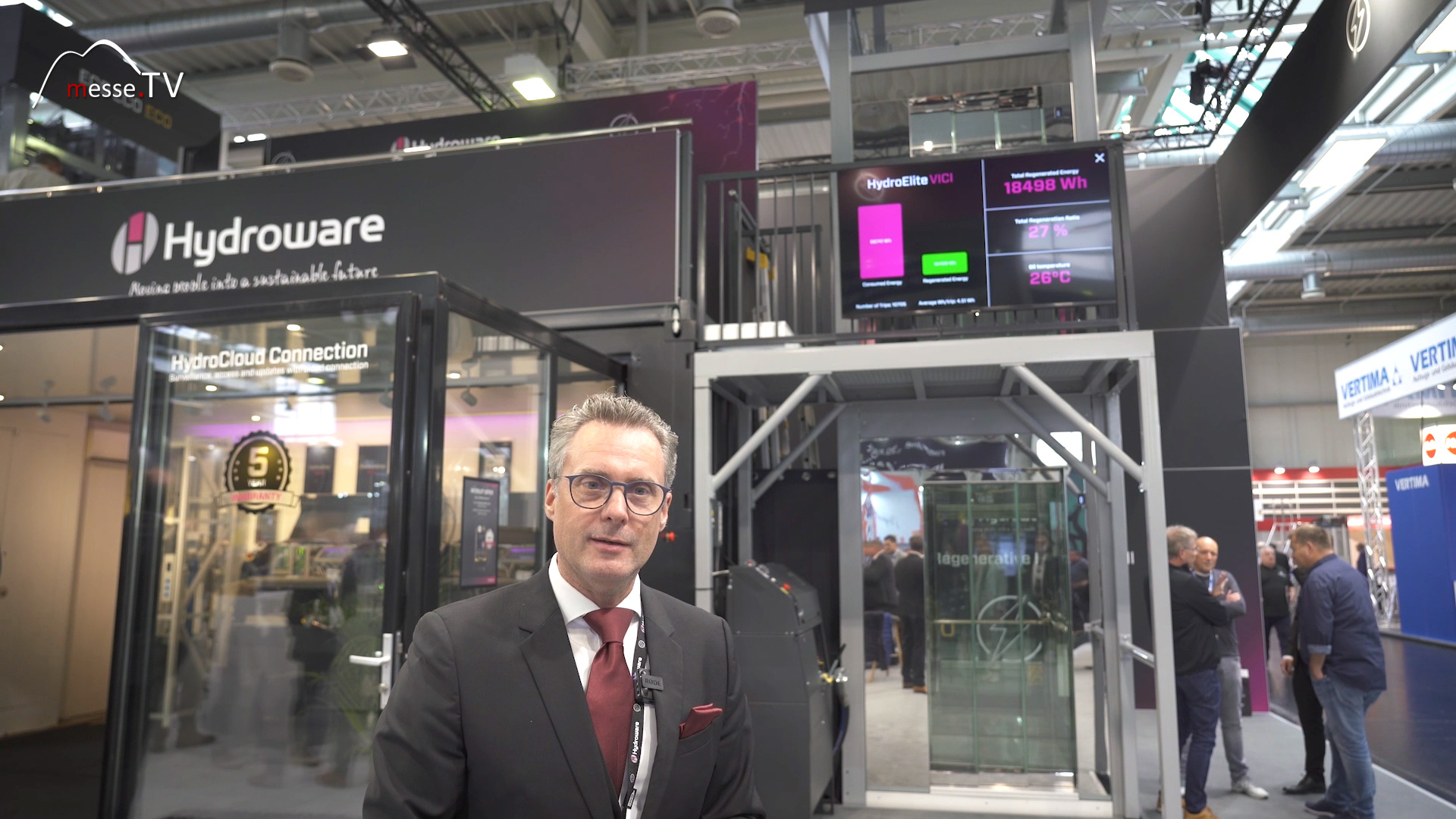
Stabilere Temperaturen bei hydraulischen Antrieben
Ein häufiges Problem hydraulischer Aufzüge ist die Erwärmung des Systems im Betrieb. Die neue Antriebslösung zeigt hier deutliche Vorteile. Durch den modernen Frequenzumrichter bleibt die Öltemperatur auch bei intensiver Nutzung weitgehend konstant. Die Antriebe erwärmen sich deutlich weniger als bei konventionellen Lösungen. Parallel dazu wird sichtbar, wie viele Fahrten durchgeführt wurden und wie sich Energieaufnahme und Rückspeisung zueinander verhalten. In der Praxis lässt sich ein relevanter Anteil der aufgenommenen Energie wieder ins Netz zurückführen. Das verbessert nicht nur die Effizienz, sondern schont auch mechanische Komponenten.
Nachhaltigkeit durch gezielte Modernisierung
Nachhaltigkeit entsteht nicht durch den vollständigen Austausch von Aufzügen, sondern durch gezielte technische Eingriffe. Der Fokus liegt auf der Verlängerung der Lebensdauer bestehender Anlagen und der Reduzierung des Energieverbrauchs. Dieser Ansatz folgt dem Prinzip der Circular Economy und vermeidet unnötigen Material- und Ressourcenverbrauch. Typische Effekte der Modernisierung sind unter anderem:
- Rückspeisung regenerativer Energie in das Stromnetz
- geringere Wärmeentwicklung bei hydraulischen Antrieben
- einheitliche Steuerung für verschiedene Aufzugssysteme
- transparente Darstellung relevanter Energiekennzahlen
Hydraulische Aufzüge im aktuellen Kontext
Die vorgestellte Lösung zeigt, dass hydraulische Aufzüge auch unter heutigen regulatorischen und energetischen Anforderungen bestehen können. Moderne Steuerung, regenerative Energie und systemübergreifende Konzepte tragen dazu bei, dass bestehende Anlagen nicht zum Sanierungsproblem werden, sondern Teil einer nachhaltigen Gebäudetechnik bleiben. Hydroware positioniert sich damit als Anbieter, der technische Innovation als Weiterentwicklung versteht. Die Kombination aus Steuerung, regenerativer Energie und gezielter Modernisierung verdeutlicht, dass Aufzüge auch mit bewährter Technik den Anforderungen der Gegenwart gerecht werden können.
Messe-Berichterstattung bundesweit - Messewissen, Termine & Veranstaltungen


