Aufzugbau zwischen Digitalisierung, Nachhaltigkeit und Marktveränderung
Der Aufzugbau steht vor tiefgreifenden strukturellen Veränderungen. Ein klar definiertes Leitthema lässt sich derzeit kaum ausmachen, doch zwei Entwicklungslinien prägen die Branche besonders deutlich: die fortschreitende Digitalisierung technischer Prozesse und ein wachsender Fokus auf nachhaltige Lösungen.
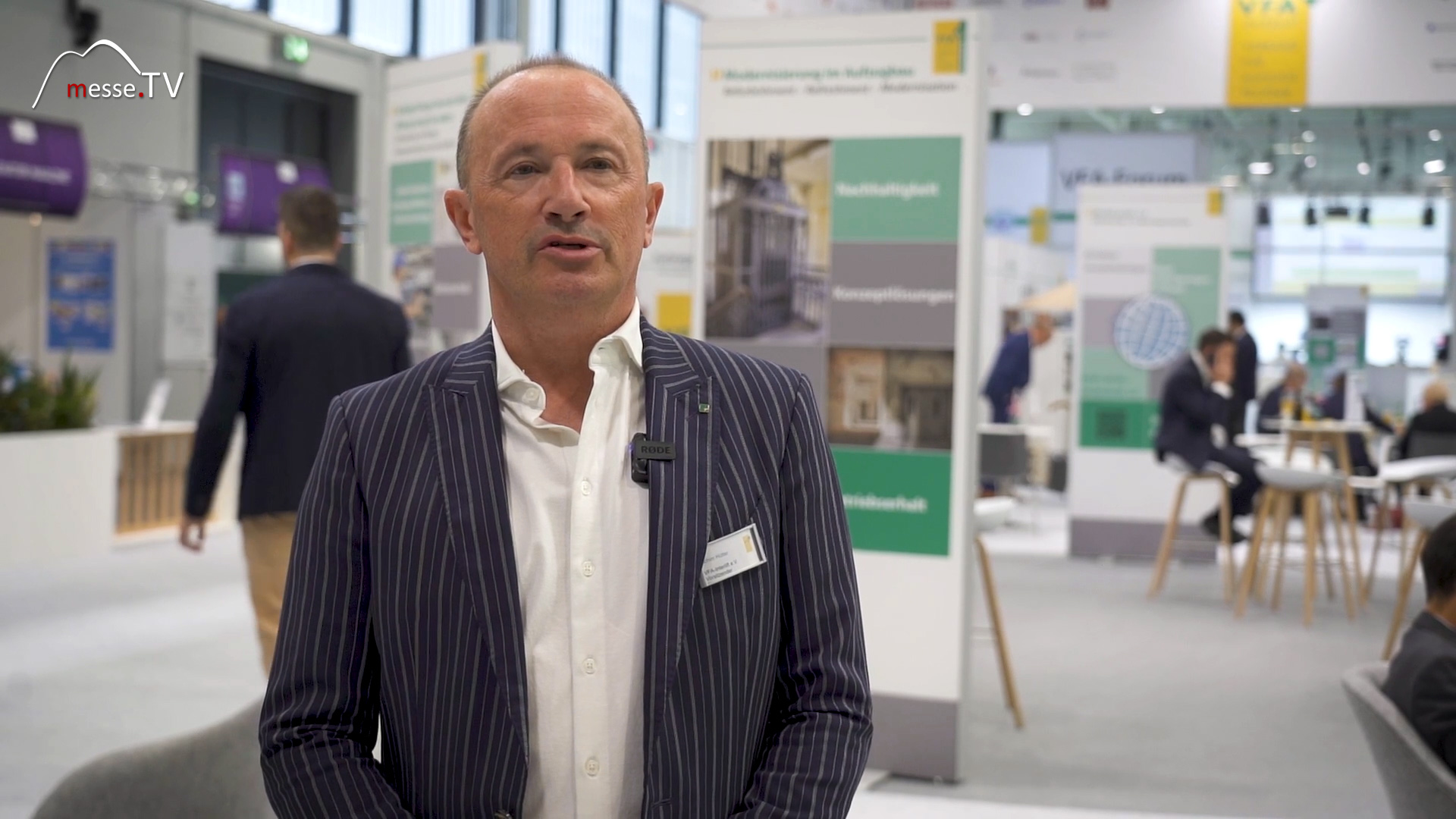
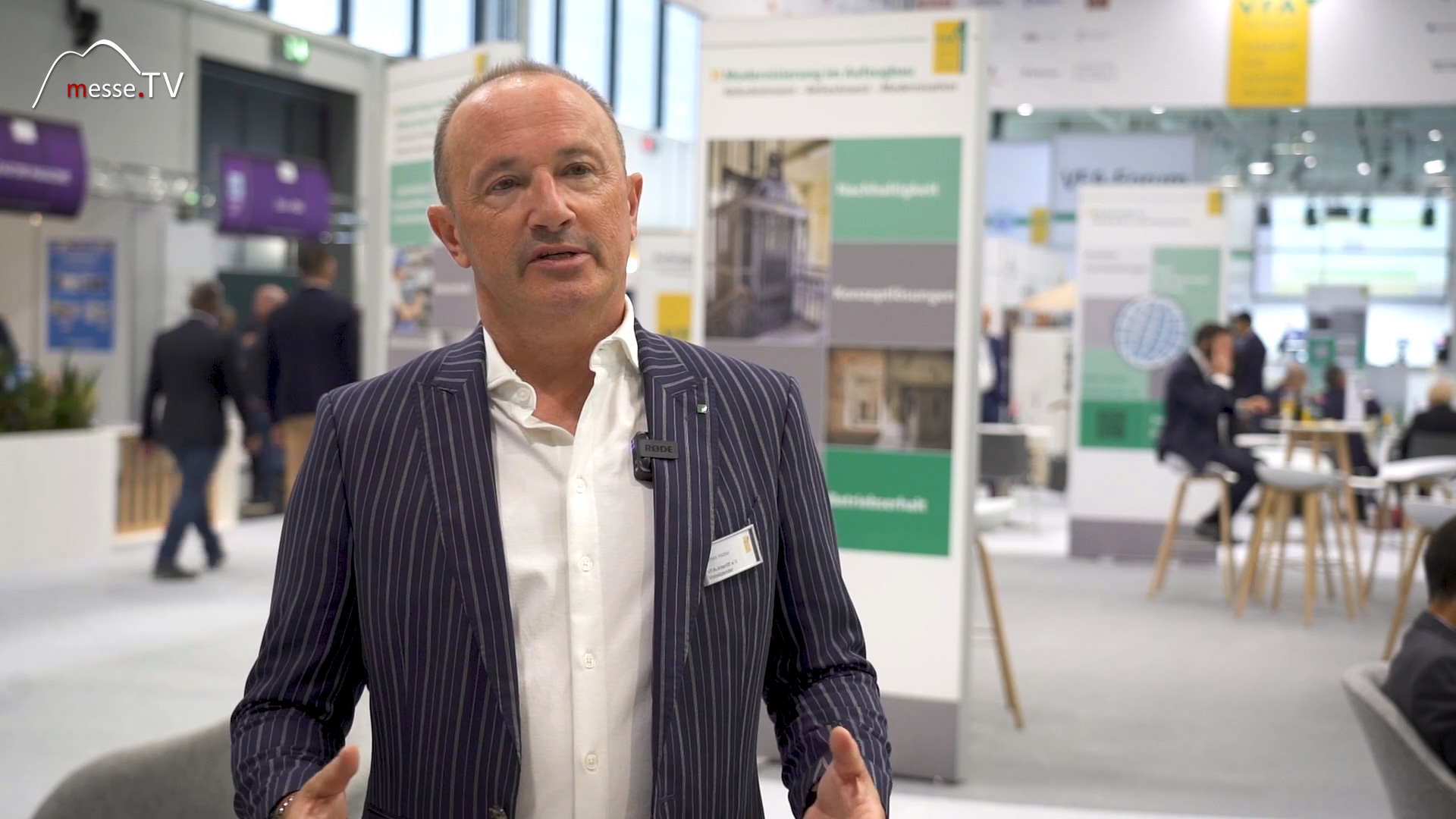
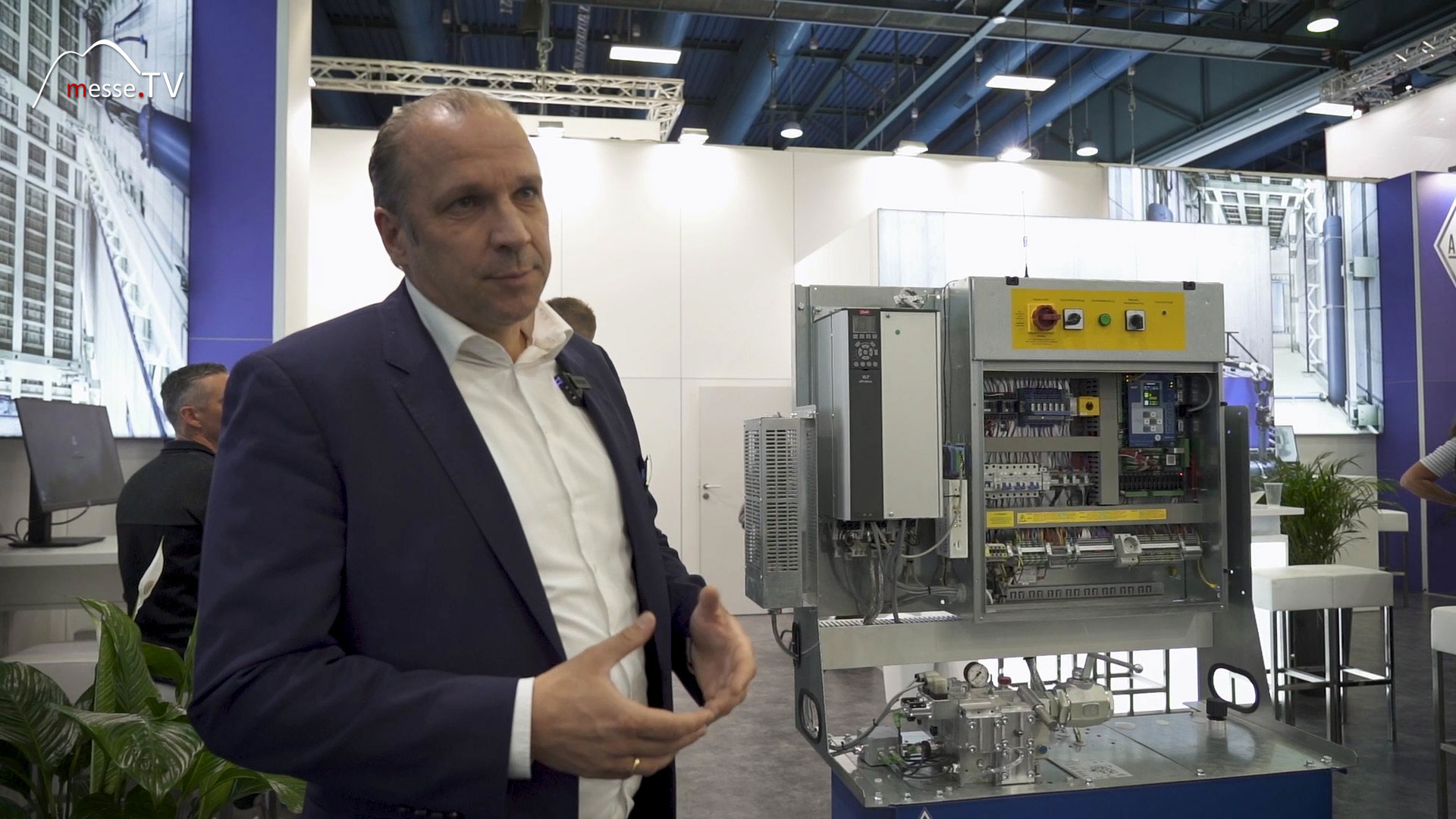
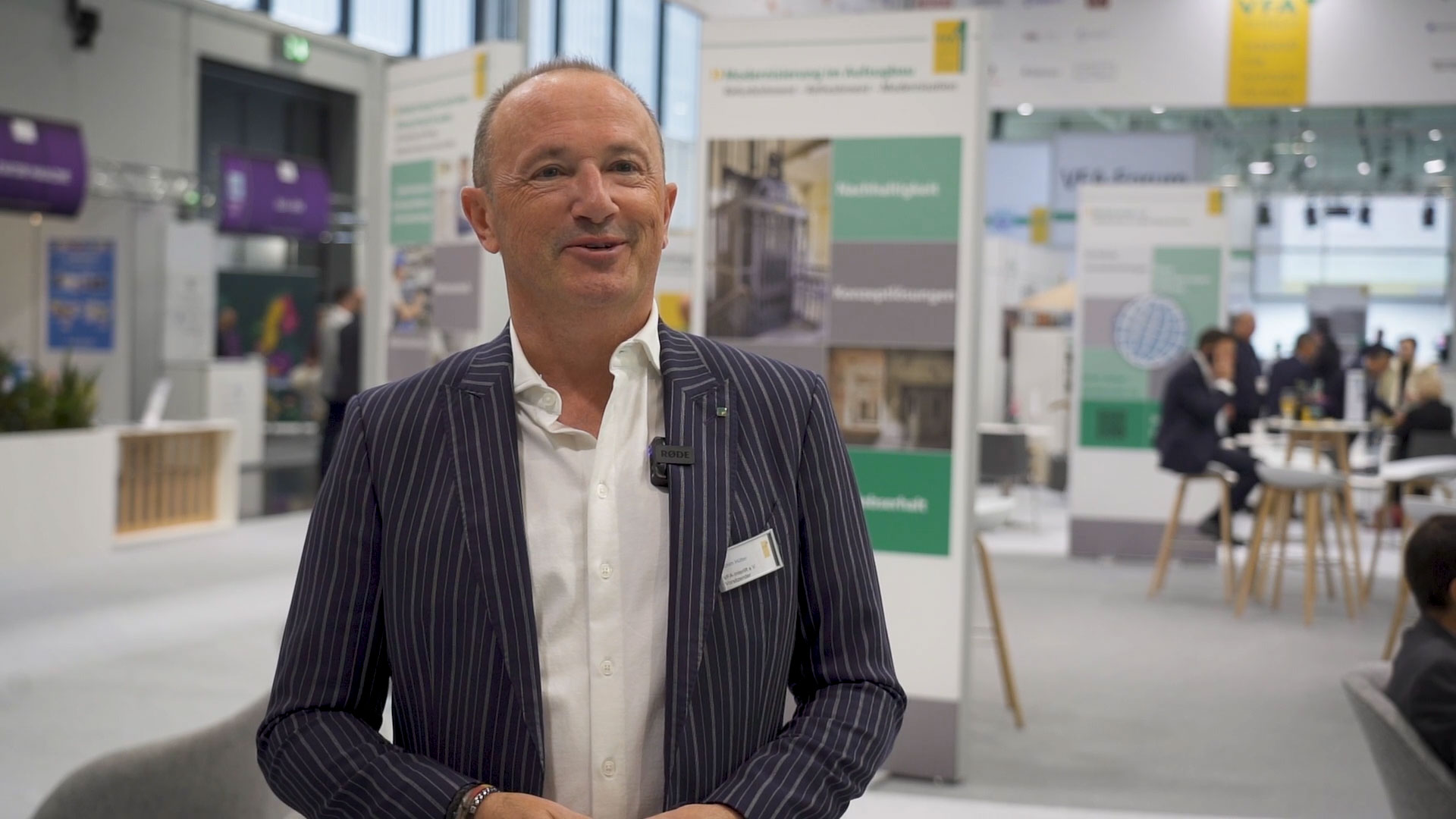
Beide Themen begleiten den Aufzugbau seit Jahren, gewinnen jedoch angesichts steigender regulatorischer Anforderungen, wachsender Betriebskosten und veränderter Erwartungen von Betreibern und Nutzern spürbar an Bedeutung. Diese Einschätzung teilt auch Achim Hütter, Vorstandsvorsitzender des VFA-Interlift e.V., der im Interview die aktuelle Lage der Branche einordnet. Ein zentrales Motiv sei weniger ein einzelnes Schlagwort als vielmehr die Notwendigkeit, bestehende Strukturen weiterzuentwickeln. Digitalisierung werde oft als abgegriffener Begriff wahrgenommen, sei im Aufzugbau jedoch nach wie vor mit erheblichem Nachholbedarf verbunden.
Rückblick auf Messejahre als Gradmesser der Branche
Die Entwicklung der vergangenen Messejahre verdeutlicht diese Dynamik. Die Veranstaltung im Herbst 2019 markierte einen Höhepunkt mit hoher internationaler Beteiligung und nahezu vollständiger Auslastung des Geländes. Kurz darauf folgten pandemiebedingte Einschnitte, die auch den Aufzugbau trafen. Die zeitlich verschobene Messeausgabe im Frühjahr erreichte nur etwa 60 Prozent des früheren Niveaus und spiegelte die allgemeine Unsicherheit dieser Phase wider. Gleichzeitig war bereits damals eine vorsichtige Aufbruchsstimmung erkennbar. Nach Einschätzung von Achim Hütter zeigte sich, dass Aussteller und Besucher trotz schwieriger Rahmenbedingungen weiterhin an persönlichem Austausch interessiert waren. Inzwischen nähert sich das Messegeschehen wieder den Ergebnissen von 2019 an. Die Branche bewege sich stabil in Richtung Erholung, auch wenn einzelne Faktoren weiterhin bremsend wirkten.
Digitalisierung als praktische Notwendigkeit
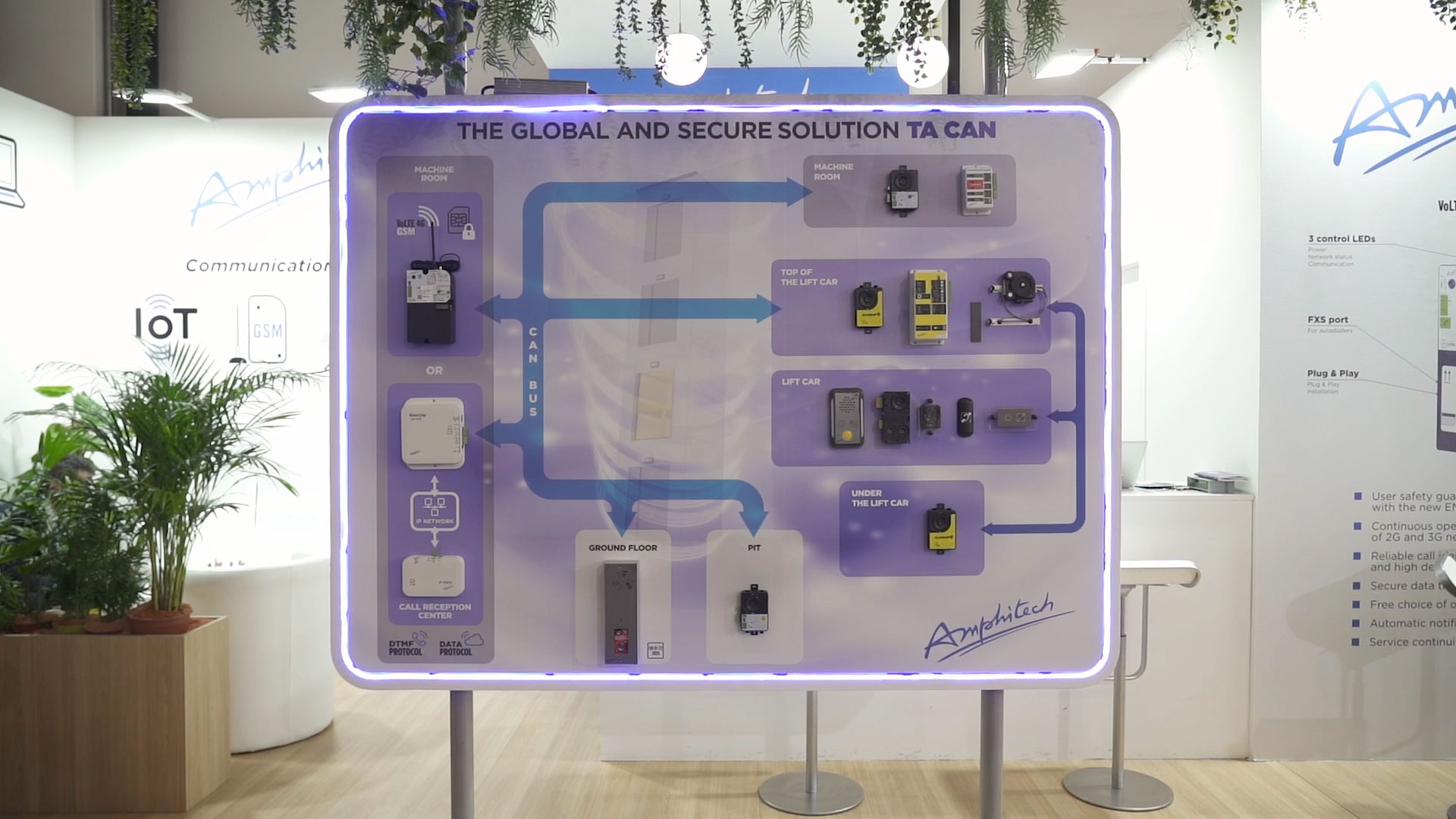
Im Mittelpunkt vieler Gespräche steht derzeit die konkrete Umsetzung digitaler Technologien. Dabei geht es weniger um Visionen als um anwendbare Lösungen für den Alltag. Steuerungssysteme, Wartungsprozesse und die Auswertung von Betriebsdaten rücken zunehmend in den Fokus. Viele Aufzugsanlagen arbeiten technisch zuverlässig, liefern jedoch kaum verwertbare Informationen über ihren tatsächlichen Zustand. Digitale Systeme setzen genau hier an. Sie erfassen Betriebsdaten, machen diese zugänglich und ermöglichen fundierte Entscheidungen im Service und in der Instandhaltung. IoT-basierte Anwendungen erlauben eine kontinuierliche Überwachung relevanter Parameter und bilden die Grundlage für zustandsorientierte Wartung. Ziel ist es, Serviceeinsätze gezielter zu planen, unnötige Anfahrten zu vermeiden und Stillstandzeiten zu reduzieren. Digitalisierung wird damit zu einem Instrument, das Effizienz und Betriebssicherheit gleichermaßen beeinflusst.
Nachhaltigkeit durch Modernisierung statt Austausch
Parallel zur Digitalisierung gewinnt das Thema Nachhaltigkeit weiter an Gewicht. Lange Zeit galt der vollständige Austausch alter Aufzugsanlagen als naheliegender Weg, insbesondere bei umfassenden Sanierungen. Dieser Ansatz wird zunehmend kritisch hinterfragt. Der Rückbau funktionierender Komponenten verursacht einen hohen Material- und Energieeinsatz, insbesondere bei Stahl und anderen wertvollen Rohstoffen. Im Interview verweist Achim Hütter darauf, dass sich das Denken in der Branche spürbar verändert habe. Statt komplette Anlagen zu ersetzen, rücken Konzepte in den Vordergrund, die auf gezielte Modernisierung setzen. Bestehende Komponenten werden erhalten, ergänzt oder technisch aufgewertet. Dieser Ansatz folgt den Prinzipien der Circular Economy und trägt dazu bei, Ressourcen zu schonen und Emissionen zu reduzieren.
Technische Vielfalt und Systemintegration
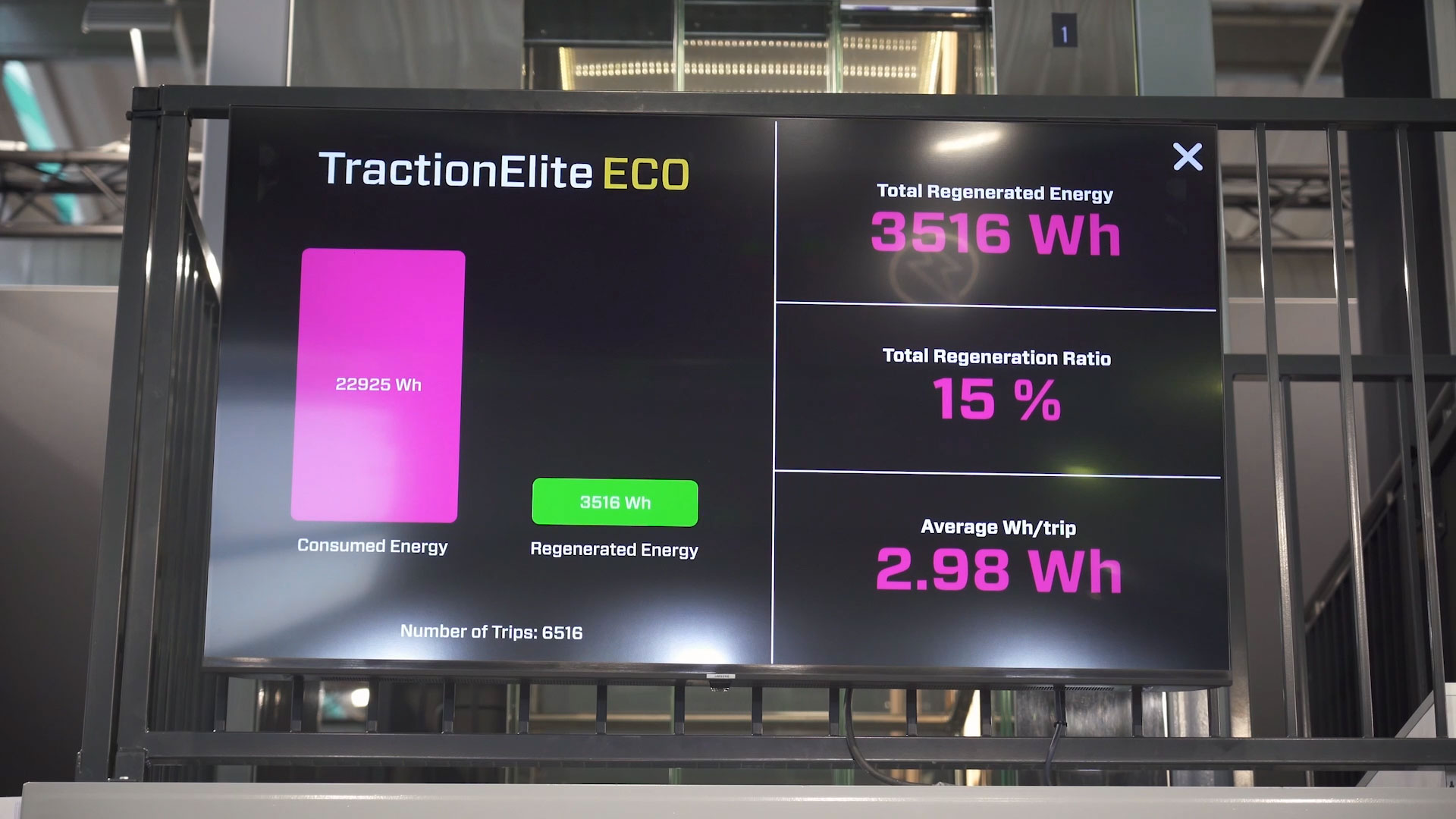
Ein weiterer Aspekt betrifft die zunehmende Komplexität technischer Systeme. Der Markt ist geprägt von unterschiedlichen Antriebstechnologien, Steuerungskonzepten und Sicherheitslösungen. Ziel vieler Entwicklungen ist es, diese Vielfalt beherrschbarer zu machen. Einheitliche Schnittstellen, kompatible Systeme und modulare Konzepte sollen Planung, Betrieb und Wartung vereinfachen. In diesem Zusammenhang spielen auch energiebezogene Fragestellungen eine Rolle. Moderne Systeme ermöglichen es, Energie effizienter zu nutzen und teilweise zurück ins Netz zu speisen. Solche Funktionen machen Energieflüsse sichtbar und messbar, was sowohl für Betreiber als auch für Planer an Bedeutung gewinnt. Nachhaltigkeit wird damit nicht nur zu einem ökologischen, sondern auch zu einem wirtschaftlichen Faktor.
Wartung zwischen Reaktion und Prävention
Die Weiterentwicklung von Wartungsstrategien ist eng mit der Digitalisierung verknüpft. Klassische Wartungsintervalle stoßen dort an ihre Grenzen, wo Anlagen unterschiedlich stark genutzt werden oder externe Einflüsse eine Rolle spielen. Zustandsorientierte Konzepte ermöglichen es, Wartung präziser am tatsächlichen Bedarf auszurichten. Typische Effekte solcher Ansätze sind:
- frühzeitige Erkennung von Verschleiß und Störungen
- Reduzierung ungeplanter Stillstände
- bessere Planbarkeit von Serviceeinsätzen
- Verringerung unnötiger Anfahrten
Messeentwicklung und internationale Perspektive
Auch die räumliche Entwicklung der Messe ist Teil dieses Wandels. Das bisherige Gelände stößt zunehmend an seine Kapazitätsgrenzen. Nach Einschätzung von Achim Hütter ist der Wechsel an einen größeren Standort ein logischer Schritt, um weiteres Wachstum zu ermöglichen. Der neue Veranstaltungsort bietet bessere Möglichkeiten für Struktur, Rundgänge und künftige Erweiterungen. Die hohe Internationalität der Veranstaltung unterstreicht zudem die globale Relevanz der Themen. Aussteller und Besucher aus über 40 Ländern nehmen teil, mit starker Präsenz aus Asien sowie aus Nord- und Südamerika. Nach dem Wegfall pandemiebedingter Einschränkungen hat sich der internationale Austausch spürbar intensiviert.
Ein Markt im strukturellen Wandel
Der Aufzugbau steht exemplarisch für eine Branche, die sich schrittweise neu ausrichtet. Digitalisierung und Nachhaltigkeit sind keine kurzfristigen Trends, sondern Werkzeuge, um bestehende Strukturen zukunftsfähig zu gestalten. Das Interview mit Achim Hütter macht deutlich, dass es weniger um radikale Umbrüche geht als um die Fähigkeit, Bewährtes intelligent weiterzuentwickeln. Entscheidend ist, technische Innovation mit pragmatischer Modernisierung zu verbinden und den Wandel als kontinuierlichen Prozess zu verstehen.
Messe-Berichterstattung bundesweit - Messewissen, Termine & Veranstaltungen


