Platform lift – accessible lift solutions for private buildings in transition
Accessibility is no longer a niche issue, but a key criterion in modern building design. In private homes in particular, there is a growing need for solutions that enable people with limited mobility to live independently in their own homes.
Stairs often present the biggest obstacle. Technical aids must not only be functional, but also safe, space-saving and suitable for everyday use. Lehner Lifttechnik has been active in this segment for around three decades. The Upper Austrian company specialised in barrier-free lift systems at an early stage and now primarily serves the private market. The focus is on platform lifts, vertical platform lifts and stair lifts, which are individually adapted to the structural conditions. The long-standing focus on this area has shaped both the technical development and the practical requirements of the products.
Platform lifts as a key product area
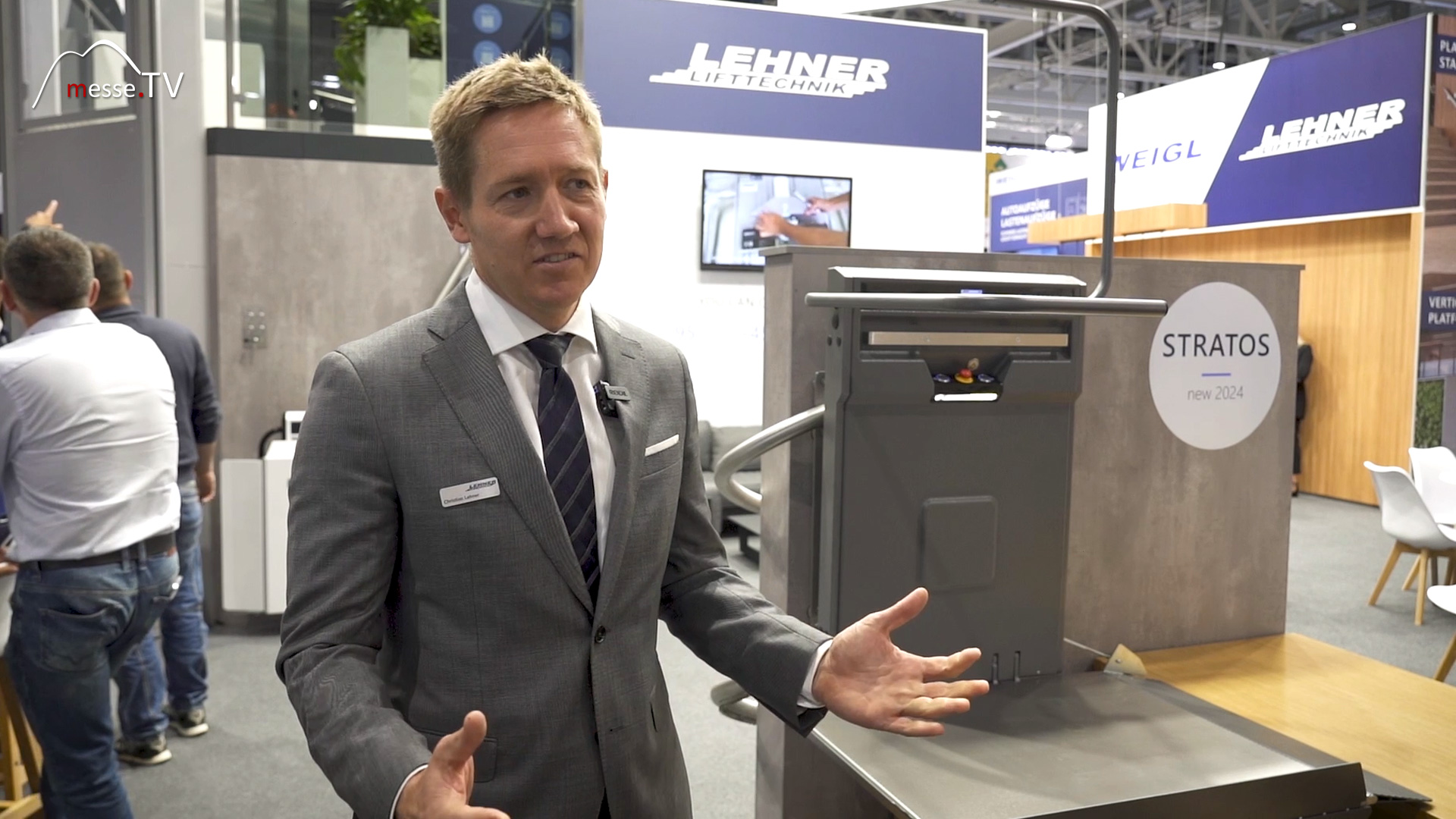
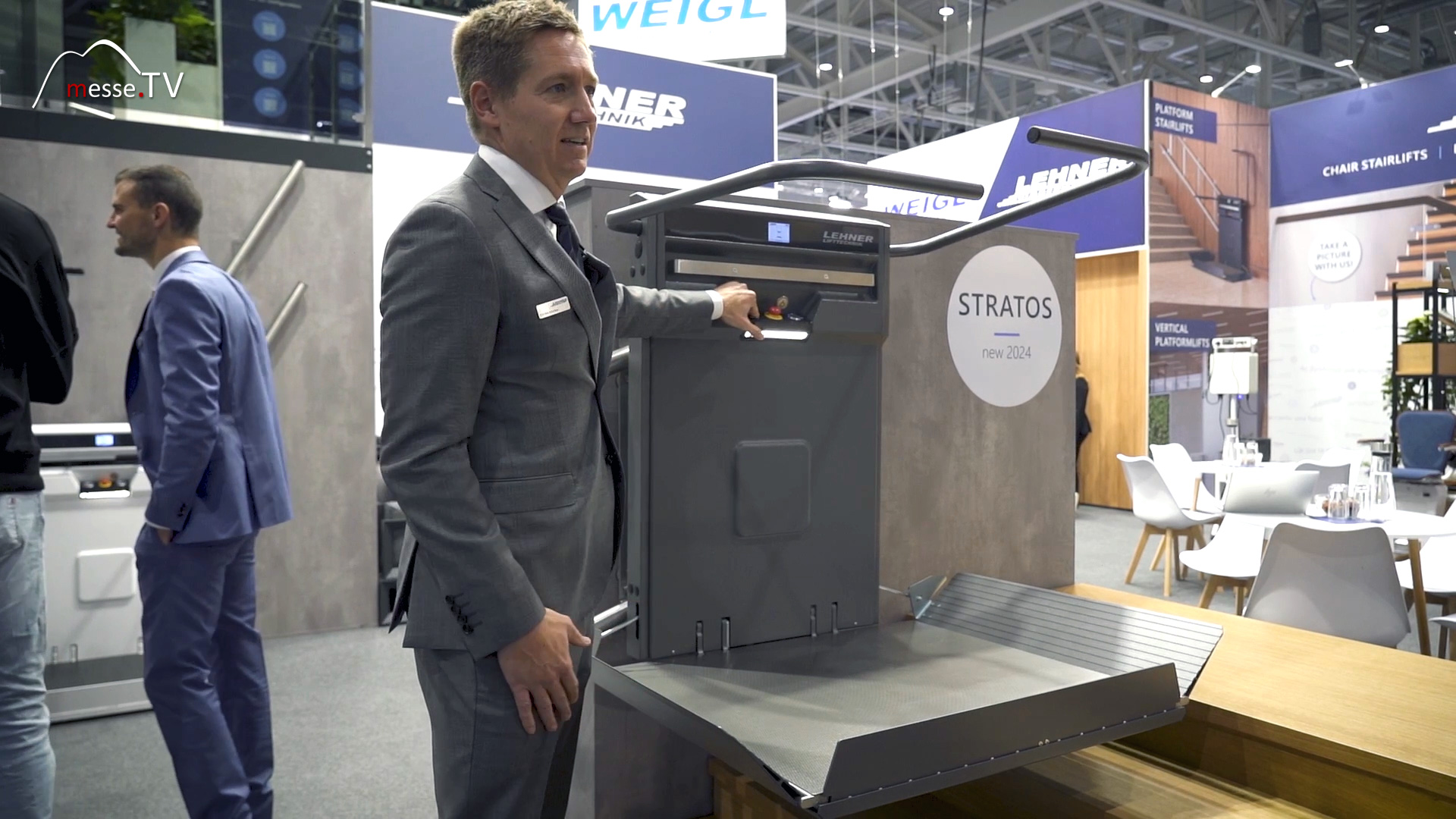
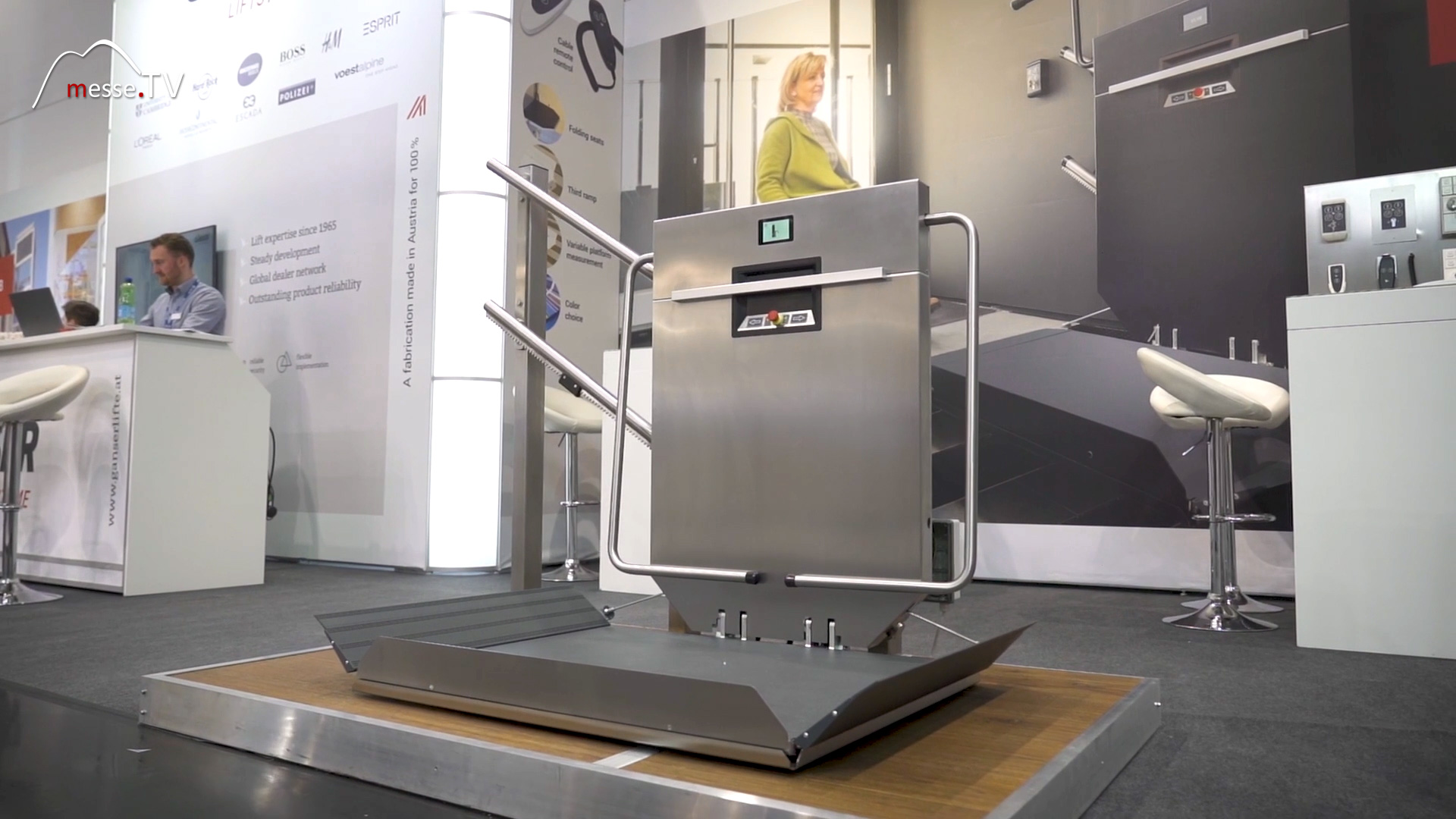
A particular focus is on platform lifts for wheelchair users. This product segment forms the foundation of the company's growth. According to its own information, the manufacturer is one of the world's largest suppliers in this area. The requirements for functionality, safety and adaptability are correspondingly high. New platform lifts have recently been unveiled, including prototypes for straight and curved staircases. The systems are designed to adapt as flexibly as possible to different staircase geometries. This is particularly important in existing buildings, as standard solutions often fail due to structural limitations.

Technical development and new design
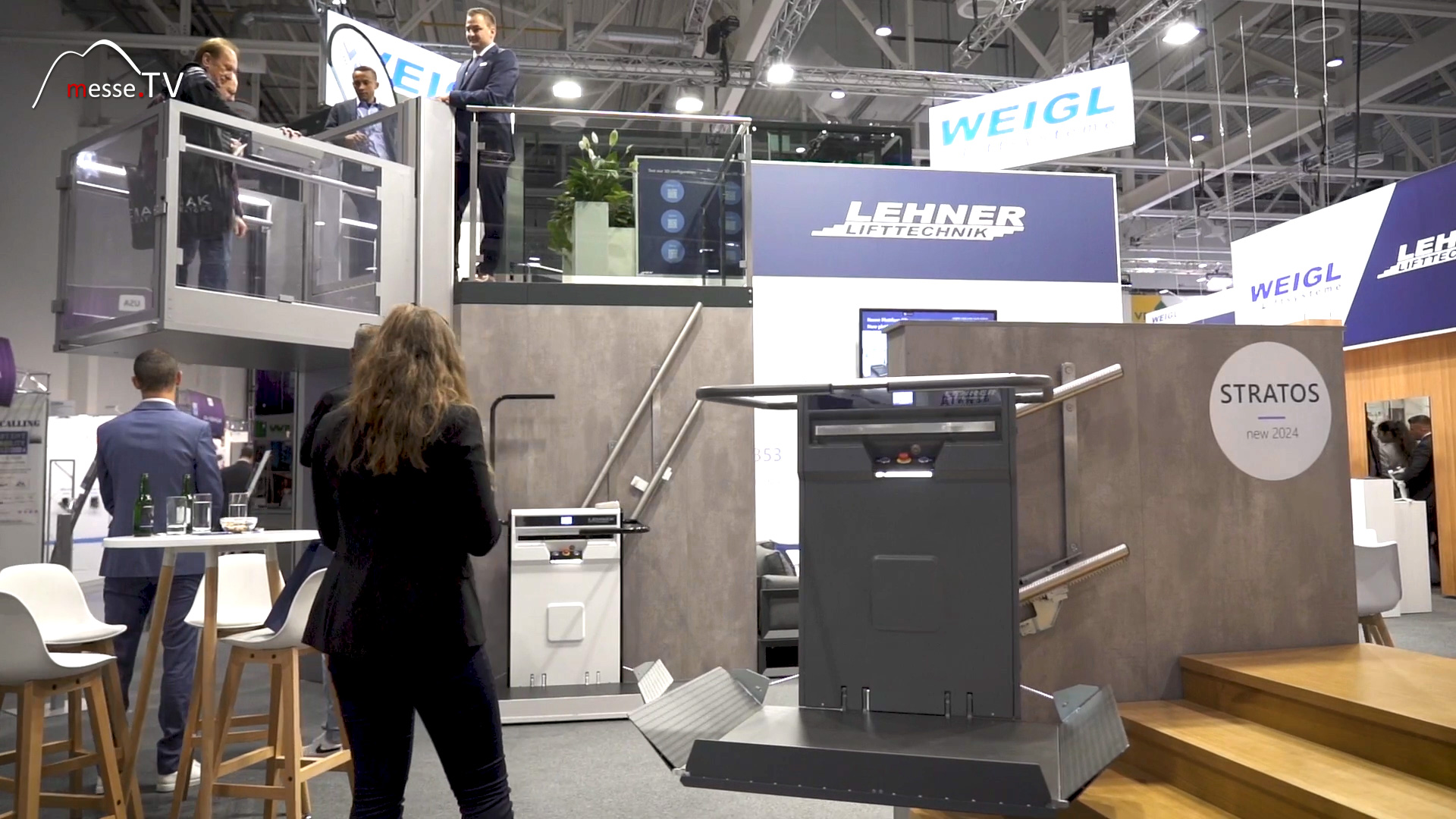
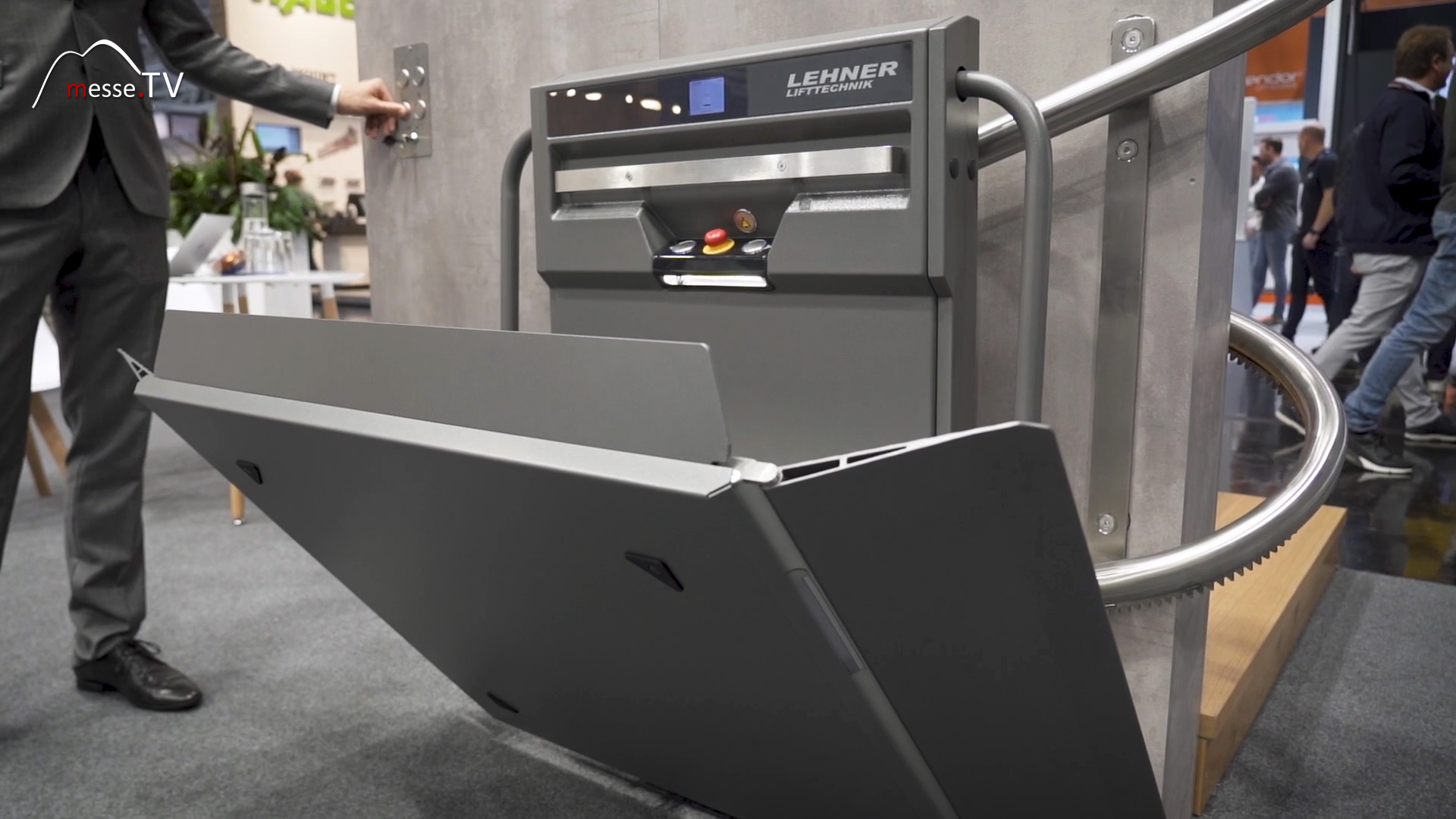
After many years of continuous product maintenance, the system has been fundamentally redesigned. In addition to a visibly more modern design, the focus was primarily on technical improvements. The aim was not only to give the lift a contemporary look, but also to further develop its functionality. A key feature of the new generation is the significantly reduced space requirement when folded up. This leaves more free space on the stairs, which brings noticeable advantages for other users in everyday life. At the same time, larger platform sizes could be realised without increasing the space required. This combination of compactness and usable space is particularly important in narrow stairwells.
More performance with the same size
The design adjustments also enable higher performance. Additional battery capacity allows for longer journeys, even with frequent use. The systems travel faster, can handle steeper routes and can negotiate tighter turning radii than previous generations. This significantly expands the range of applications. Even stairs with challenging geometry can now be made accessible. For users, this means greater flexibility in planning and fewer structural restrictions.

Focus on operation and safety
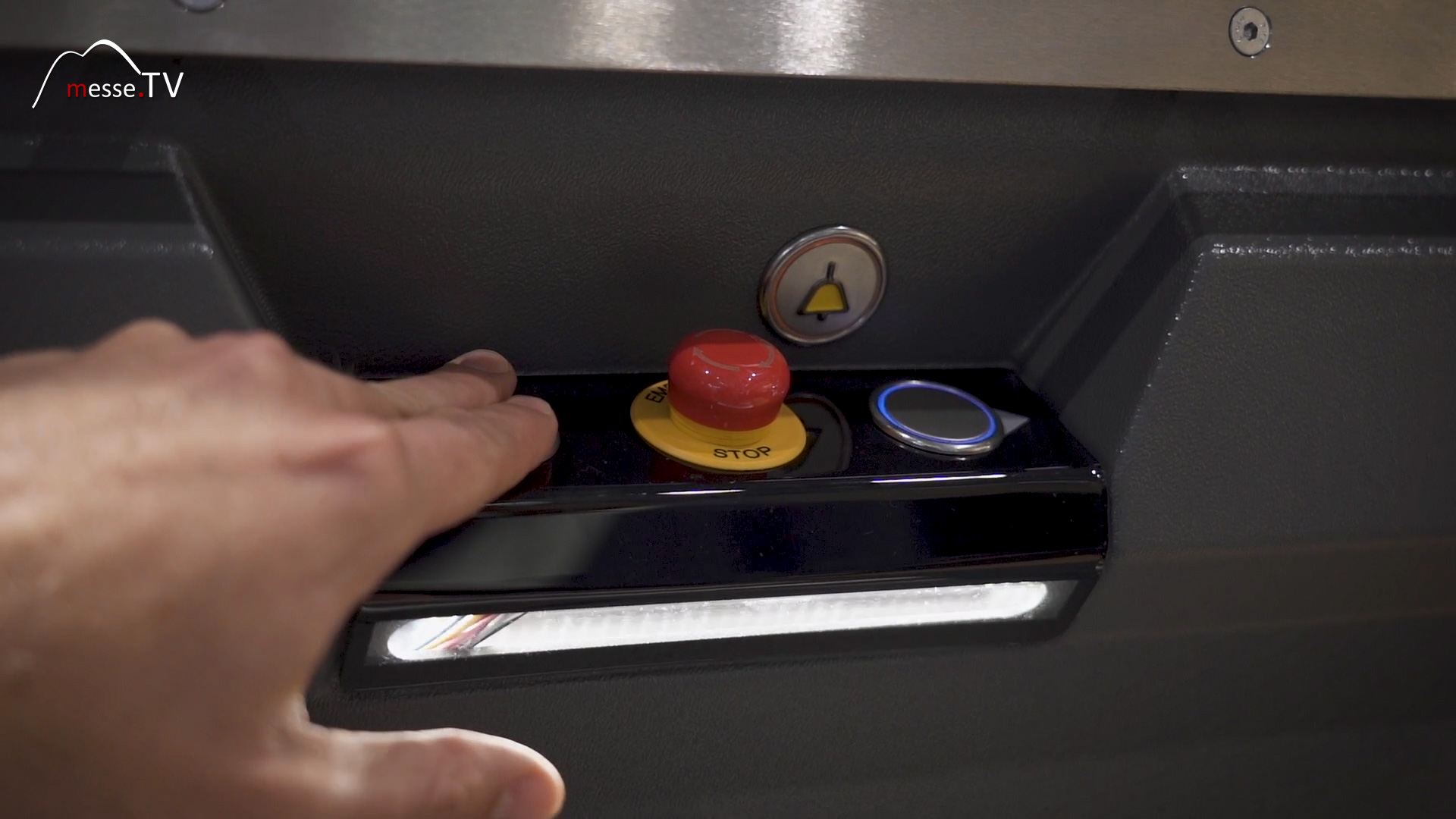
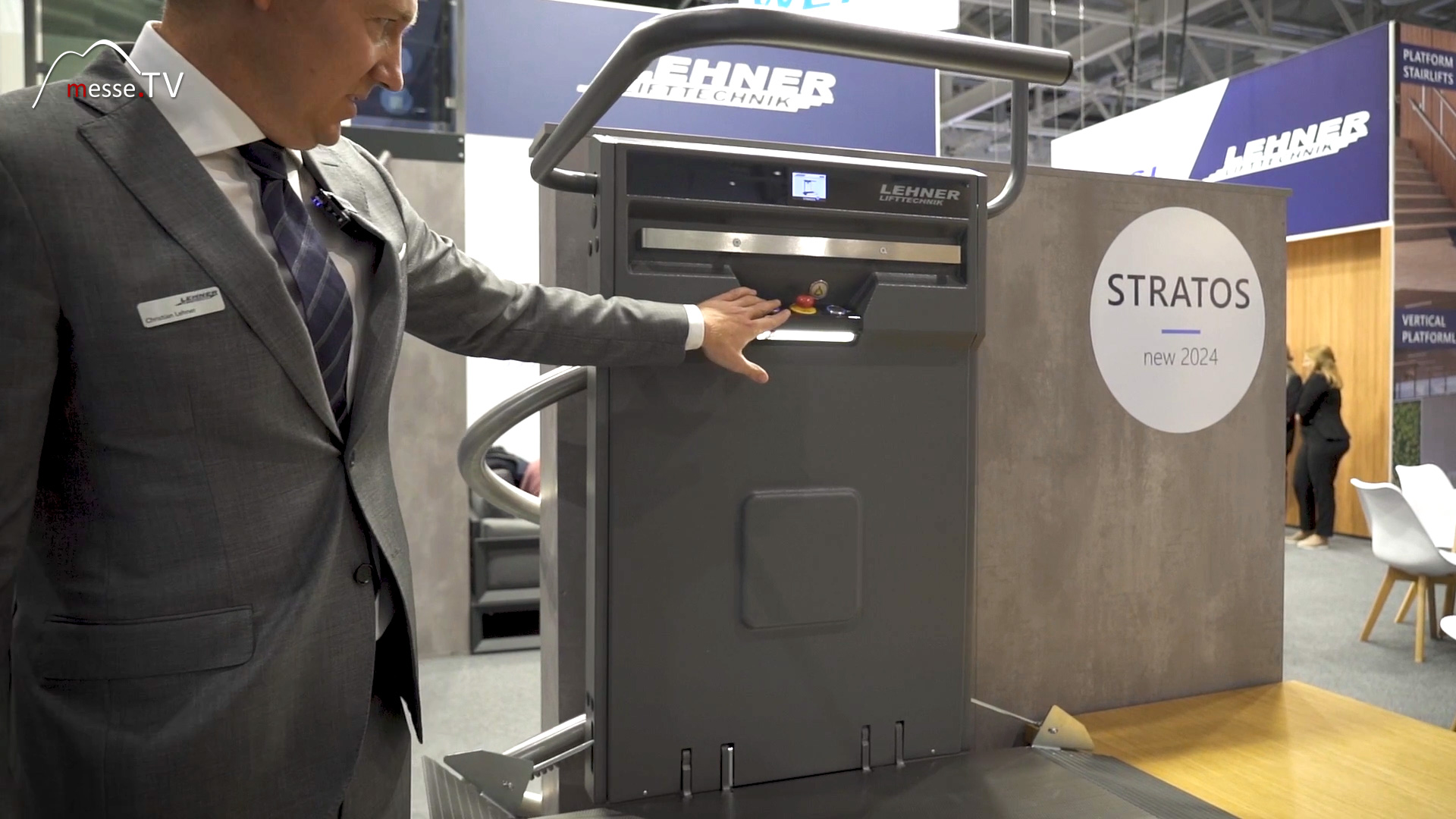
Another focus is on user guidance. The platform is designed so that wheelchair users can comfortably drive onto it at the stop. It is operated via a clearly structured control unit with a display. This shows which actions are possible or necessary and provides information about the current status of the lift. A dead man's control is mandatory for this type of lift. The user must actively keep the button pressed throughout the entire journey. This legal requirement serves safety purposes and is consistently implemented by the control system. If a malfunction occurs, for example due to a safety sensor being triggered, this is immediately shown on the display. The user knows what is happening at all times and how to react. Typical features of the new platform lifts include:
- Space-saving design when folded up
- Larger platform sizes with unchanged stair width
- Greater range and faster travel thanks to additional batteries
- ability to cope with steep slopes and tight turning radii
- clear user guidance with display and fault indicator
Accessibility as a long-term goal
The developments described show that accessible lift solutions are becoming increasingly sophisticated. It is no longer just a question of overcoming differences in height, but of integration into everyday life. Space requirements, design, ease of use and safety must all work together to ensure acceptance by users and their families. Lehner Lifttechnik pursues an approach that closely combines technology and practical use. The continuous development of existing systems, rather than short-term model changes, indicates a long-term commitment. Accessibility is not seen as an additional feature, but as a key quality characteristic of private buildings. This approach is becoming increasingly important, especially against the backdrop of an ageing society. Solutions that can be adapted to individual needs while meeting high safety standards will become even more relevant in the future. In this area of tension between technology, everyday usability and social change, Lehner Lifttechnik positions itself as a specialist provider for the private residential sector.
Trade fair reporting Germany - Trade fair knowledge, dates & events


