Hydraulische Schwerlastaufzüge mit stabiler Kabinenverriegelung
Hydraulische Aufzüge spielen dort eine zentrale Rolle, wo hohe Lasten sicher, kontrolliert und zuverlässig bewegt werden müssen. In Industrieanlagen, Werkstätten oder Logistikgebäuden zählen Stabilität, Präzision und Betriebssicherheit mehr als Geschwindigkeit oder Design. Genau in diesem Umfeld positioniert sich ALGI als traditionsreicher Hersteller hydraulischer Aufzugskomponenten mit jahrzehntelanger Erfahrung.
Seit mehr als sieben Jahrzehnten entwickelt und fertigt das Unternehmen Lösungen für anspruchsvolle Einsatzszenarien. Der Fokus liegt dabei nicht auf Einzelkomponenten, sondern zunehmend auf vollständig integrierten Systemen, die sich an den realen Anforderungen schwerer Lasten orientieren.
Hydraulische Systeme als Basis für Schwerlastaufzüge
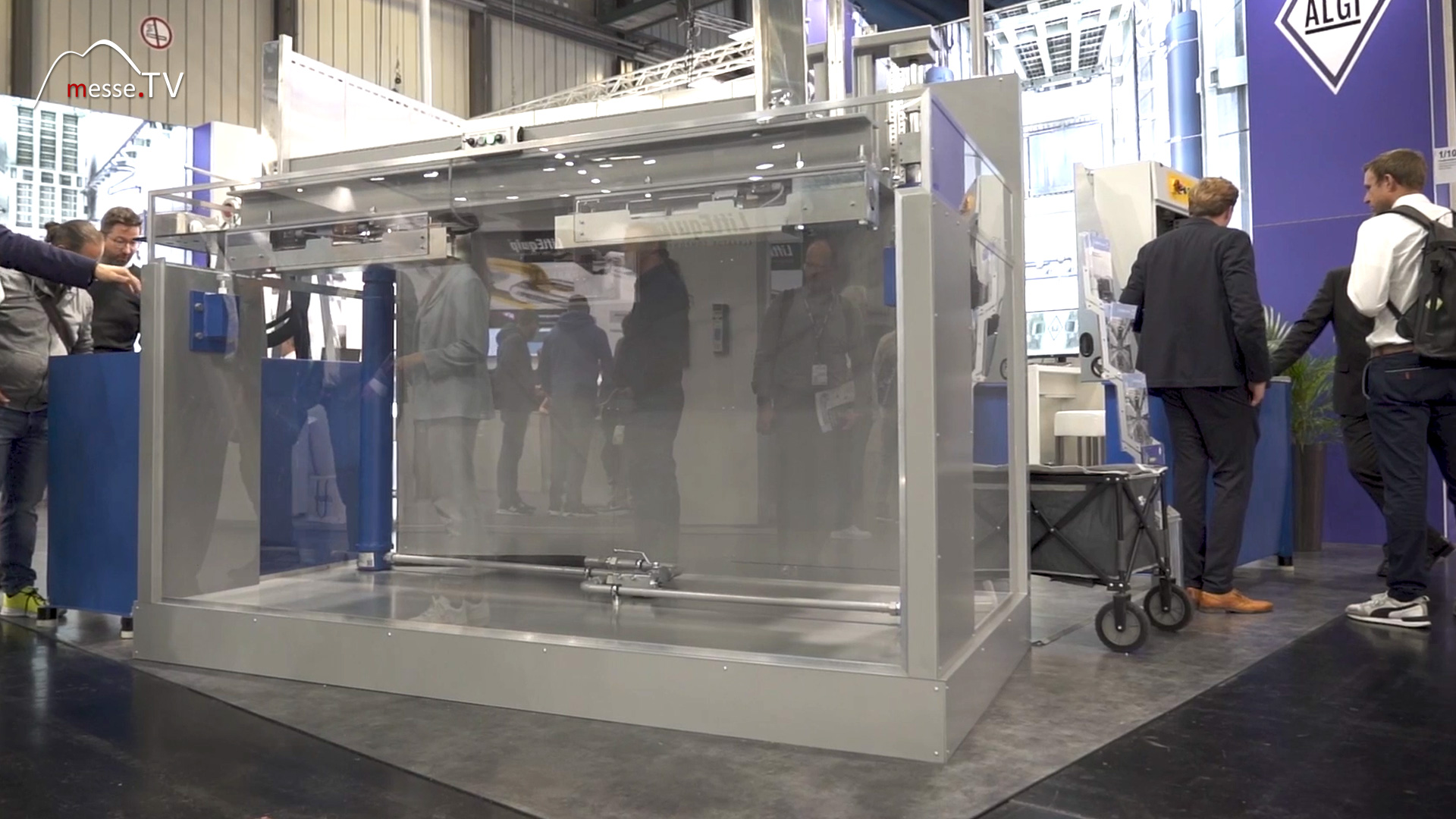
Hydraulische Antriebe gelten im Aufzugsbau als besonders robust, wartungsarm und laststabil. Gerade bei hohen Nutzlasten bieten sie konstruktive Vorteile gegenüber anderen Antriebskonzepten. Zylinder, Aggregate und die dazugehörige Steuerung sind so ausgelegt, dass sie große Massen gleichmäßig bewegen und präzise positionieren können. In der Praxis bedeutet das: Die Kabine bleibt auch bei maximaler Beladung kontrollierbar, Lastwechsel wirken sich weniger abrupt aus, und das gesamte System arbeitet ruhiger. Für industrielle Anwendungen ist diese Eigenschaft entscheidend, da hier häufig ungleichmäßig verteilte oder sehr schwere Güter transportiert werden.
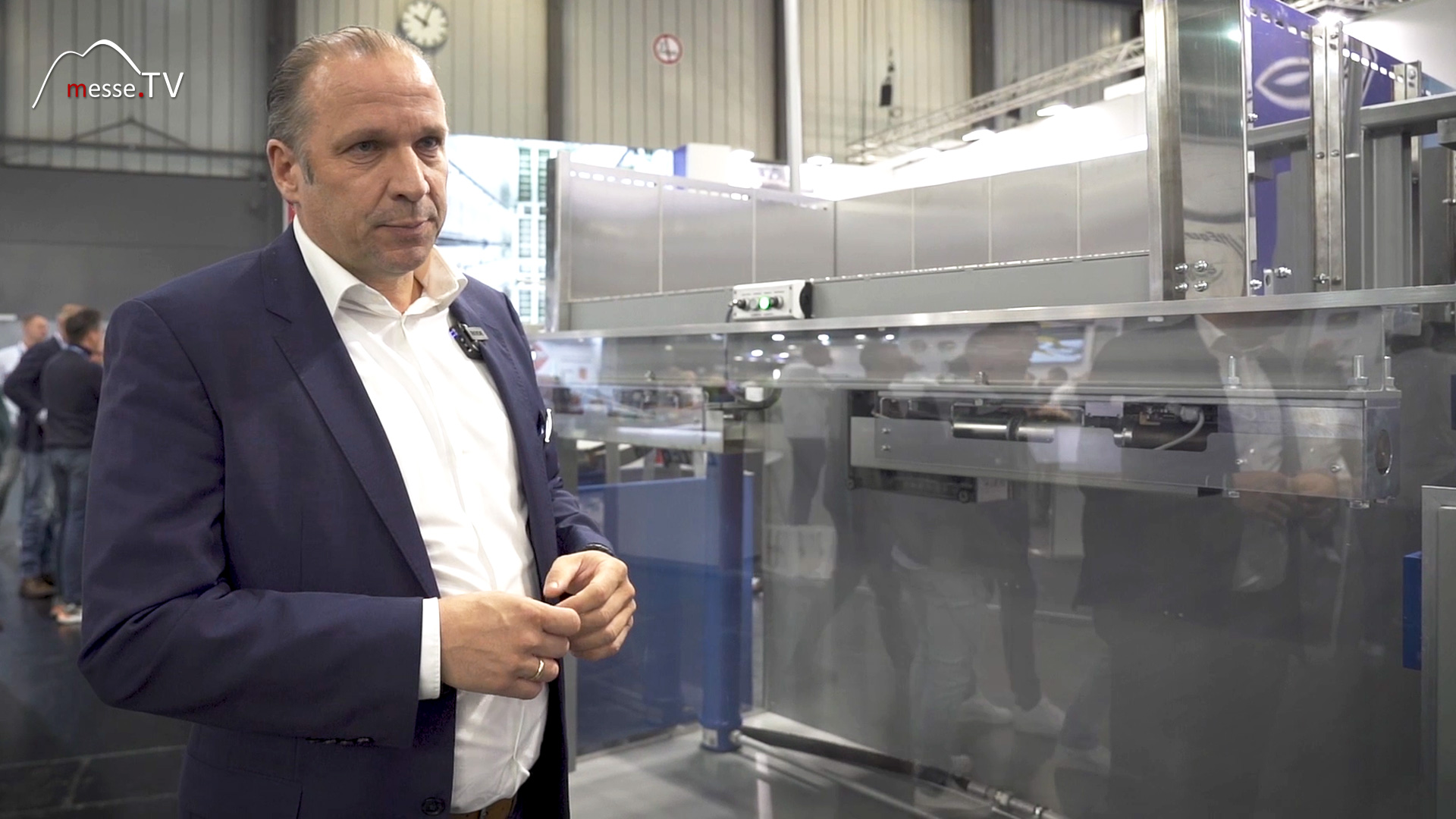
Einfedern der Kabine als technisches Problem
Ein zentrales Thema bei Schwerlastaufzügen ist das sogenannte Einfedern der Kabine. Wird eine Aufzugskabine im Stillstand mit schweren Lasten beladen, kann sie sich hydraulisch bedingt leicht absenken. Dieses Nachgeben mag konstruktiv erklärbar sein, stellt in der Praxis jedoch ein Sicherheits- und Komfortproblem dar. Vor allem beim Be- und Entladen schwerer Güter ist eine absolut stabile Kabinenposition erforderlich. Schon geringe Höhenveränderungen können den Materialfluss stören oder zu gefährlichen Situationen führen. Entsprechend hoch ist der Bedarf an technischen Lösungen, die dieses Einfedern zuverlässig verhindern.
Elektrische Aufsetzriegel als Ergänzung des Systems
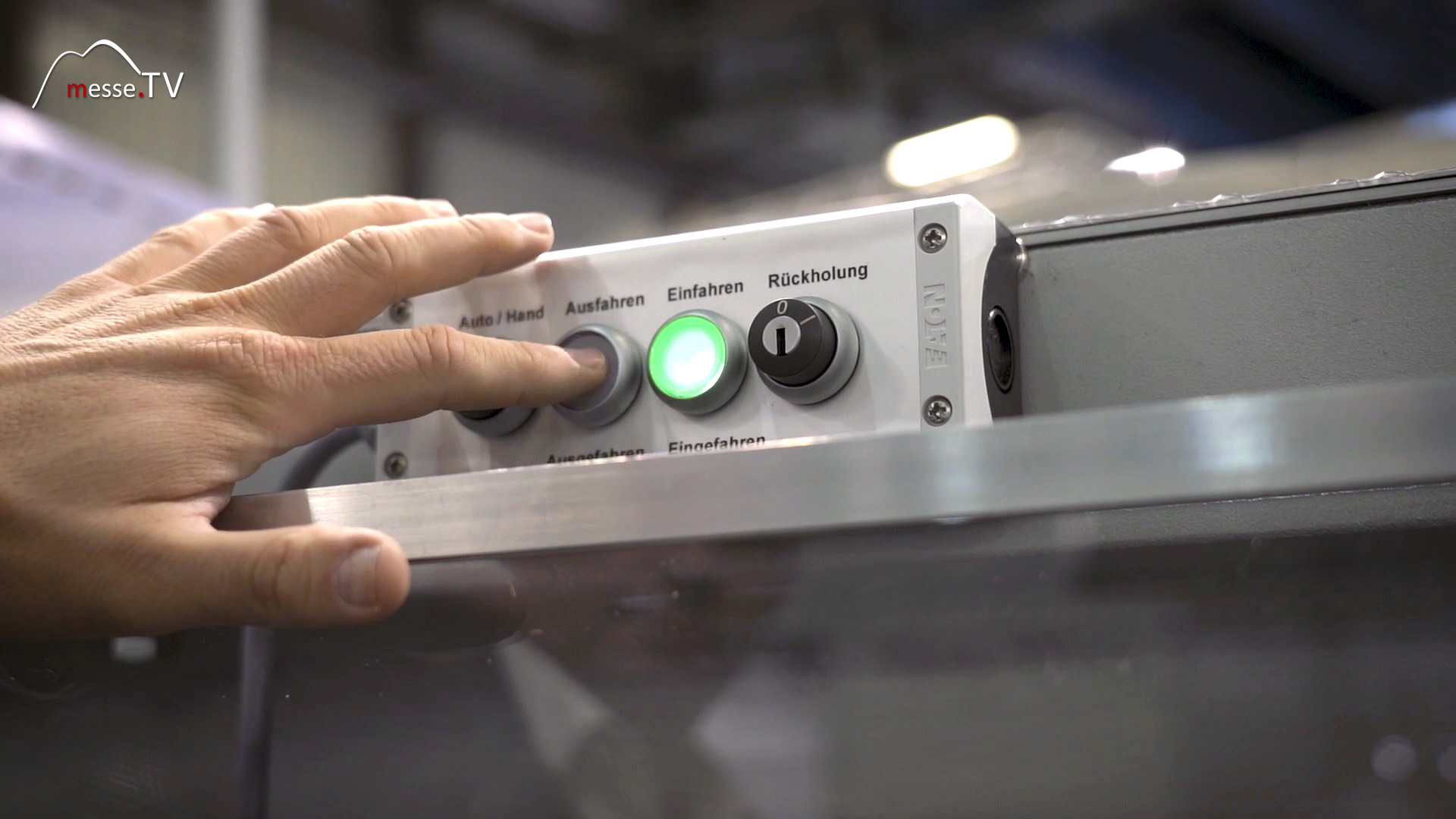
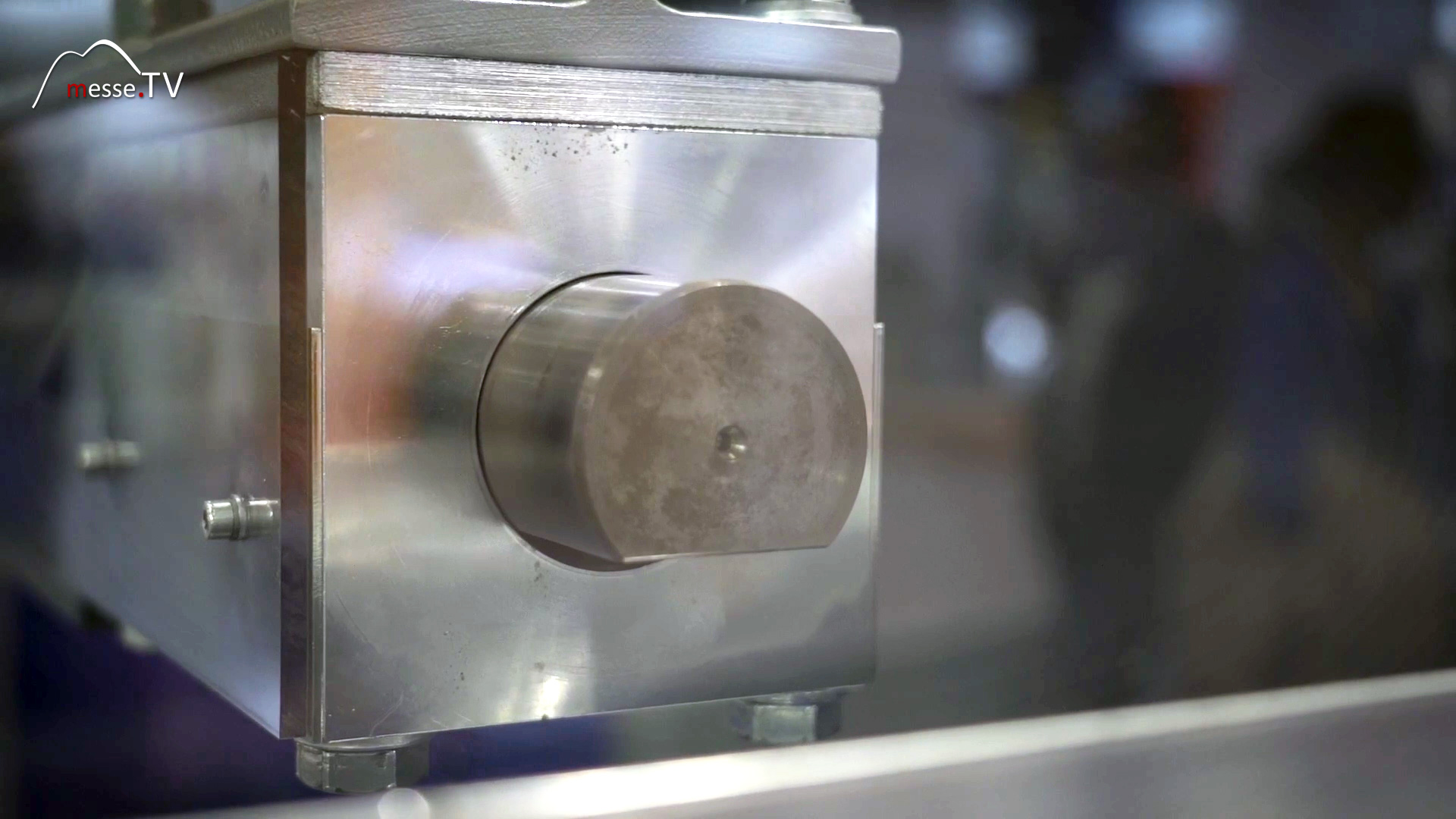
Auf diesen Bedarf reagiert ALGI mit einer elektrischen Verriegelung in Form eines Aufsetzriegels. Diese Komponente ergänzt den hydraulischen Aufzug um eine mechanisch-elektrische Sicherung, die speziell für den Stillstand der Kabine konzipiert ist. Kurz vor dem Erreichen der Haltestelle fährt ein Bolzen aus, auf den der Riegel hydraulisch aufgesetzt wird. In diesem Zustand wird die Kabine mechanisch fixiert. Beim anschließenden Beladen bleibt sie stabil, ein Einfedern wird verhindert. Erst wenn die Fahrt wieder aufgenommen wird, hebt sich die Kabine minimal an, der Riegel fährt ein, und der normale Aufzugsbetrieb beginnt. Die Funktion ist technisch unspektakulär, in der Wirkung jedoch entscheidend. Sie sorgt für ein deutlich höheres Maß an Sicherheit und Präzision im täglichen Betrieb.
Komplettlösungen aus einer Hand
Ein wesentlicher Aspekt der aktuellen Entwicklung ist der Wunsch vieler Kunden nach integrierten Lösungen. Statt Antrieb, Stahlbau, Kabine und Zusatzkomponenten von unterschiedlichen Anbietern zu beziehen, wächst die Nachfrage nach Systemen aus einer Hand. Genau hier setzt ALGI an. Neben Zylindern und Aggregaten umfasst das Portfolio auch den kompletten Stahlbau sowie speziell ausgelegte Kabinen für Schwerlastanwendungen. Die elektrische Verriegelung fügt sich dabei nicht als Zusatz, sondern als logischer Bestandteil in das Gesamtsystem ein. Typische Bestandteile eines solchen Komplettpakets sind:
- Hydraulische Antriebe mit Zylindern und Aggregaten
- Stahlbaukonstruktionen für hohe Traglasten
- Robuste Kabinen für industrielle Nutzung
- Elektrische Verriegelungen zur Stabilisierung im Stillstand
Relevanz für Ausschreibungen und industrielle Standards
In vielen industriellen Projekten sind elektrische Verriegelungen mittlerweile explizit Bestandteil von Ausschreibungen. Der Grund liegt auf der Hand: Sicherheitsanforderungen steigen, Normen werden präziser, und Betreiber erwarten Lösungen, die nicht nur funktionieren, sondern Risiken aktiv minimieren. Die elektrische Verriegelung zur Vermeidung des Einfederns ist deshalb kein optionales Detail mehr, sondern zunehmend ein geforderter Standard. Sie ergänzt die hydraulische Technik um eine zusätzliche Sicherheitsebene, ohne den Betrieb unnötig zu verkomplizieren.
Technische Weiterentwicklung statt Einzelinnovation
Auffällig ist, dass die vorgestellte Lösung nicht als revolutionäre Einzelinnovation auftritt. Vielmehr handelt es sich um eine konsequente Weiterentwicklung bestehender Technik. Hydraulischer Antrieb, Stahlbau, Kabine und Verriegelung greifen ineinander und bilden ein geschlossenes System. Genau diese Systemlogik prägt den aktuellen Ansatz von ALGI. Der hydraulische Aufzug wird nicht mehr als Summe einzelner Bauteile verstanden, sondern als technisch abgestimmtes Gesamtpaket, das den realen Belastungen industrieller Anwendungen gerecht wird. Damit positioniert sich das Unternehmen klar in einem Segment, in dem Zuverlässigkeit, Sicherheit und technische Klarheit wichtiger sind als spektakuläre Innovationen. Für Betreiber schwerer Lastenaufzüge ist genau das ein entscheidendes Kriterium.
Messe-Berichterstattung bundesweit - Messewissen, Termine & Veranstaltungen


