Kunststoffmantelseile und kompakte Antriebe im internationalen Aufzugsbau
Die Entwicklung moderner Aufzugssysteme wird heute nicht mehr allein durch Tragfähigkeit und Geschwindigkeit bestimmt. Effizienz, Materialeinsatz und globale Einsetzbarkeit sind zu zentralen Kriterien geworden. Gerade in internationalen Märkten zeigt sich, wie unterschiedlich technische Standards, Bauweisen und regulatorische Rahmenbedingungen sind.
Für Hersteller von Antriebs- und Aufzugskomponenten bedeutet das, Lösungen zu entwickeln, die sowohl technologisch anspruchsvoll als auch flexibel einsetzbar sind. Ein deutsches Familienunternehmen, dessen Wurzeln bis ins frühe zwanzigste Jahrhundert zurückreichen, steht exemplarisch für diesen Anspruch. Seit der Gründung im Jahr 1910 ist das Unternehmen in Familienhand geblieben und hat sich über Jahrzehnte hinweg von einem nationalen Anbieter zu einem weltweit agierenden Industriebetrieb entwickelt. Die aktive Rolle der Gründerfamilie prägt bis heute die strategische Ausrichtung und das langfristige Denken.
Vom Familienbetrieb zum globalen Akteur
Der internationale Ausbau erfolgte schrittweise, getragen von technischer Spezialisierung und stabilen Kundenbeziehungen. Heute ist das Unternehmen in mehr als hundert Ländern präsent und unterhält Standorte sowie Partnerschaften auf nahezu allen Kontinenten. Dieses Wachstum ist kein kurzfristiger Effekt, sondern Ergebnis kontinuierlicher Investitionen in Entwicklung, Fertigung und Marktnähe. Besonders in den vergangenen Jahren hat sich die globale Nachfrage nach energieeffizienten und platzsparenden Aufzugslösungen deutlich erhöht. Verdichtete Städte, steigende Baukosten und strengere Nachhaltigkeitsanforderungen führen dazu, dass klassische Konzepte zunehmend hinterfragt werden. Genau hier setzen neue Antriebstechnologien an, die kompaktere Bauweisen ermöglichen und gleichzeitig den Energieverbrauch senken.

Unterschiedliche Märkte, unterschiedliche Anforderungen
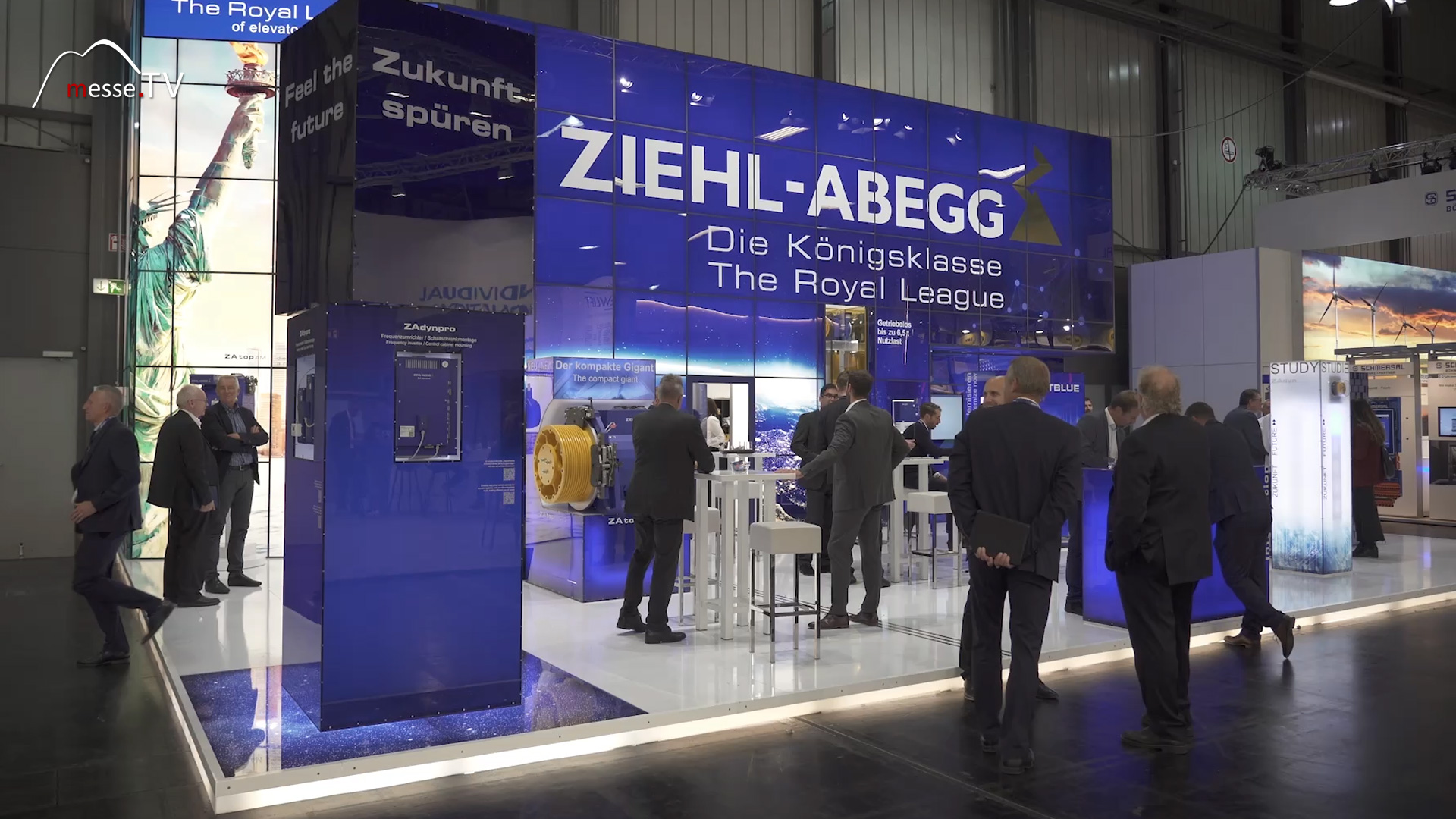
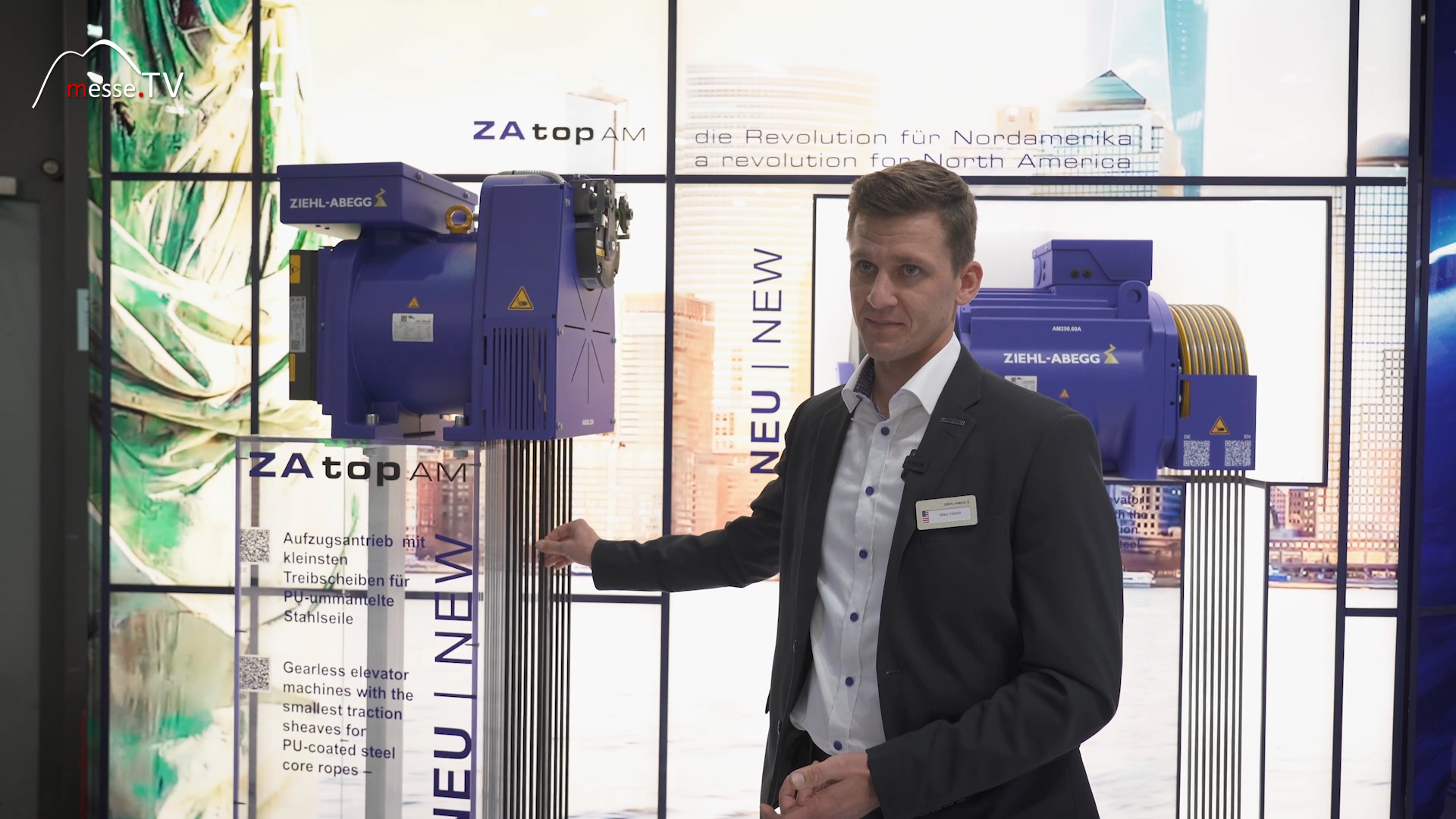
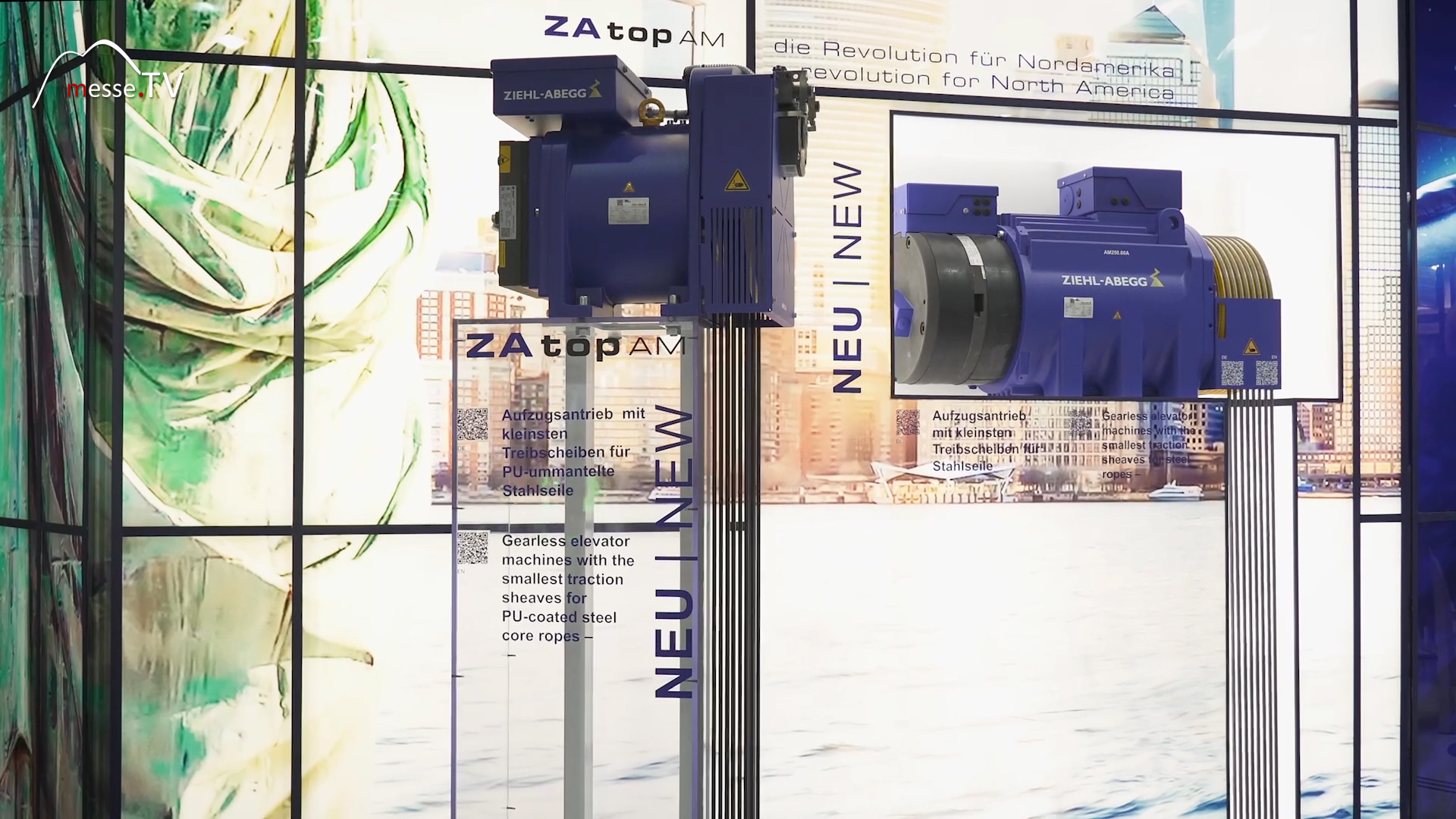
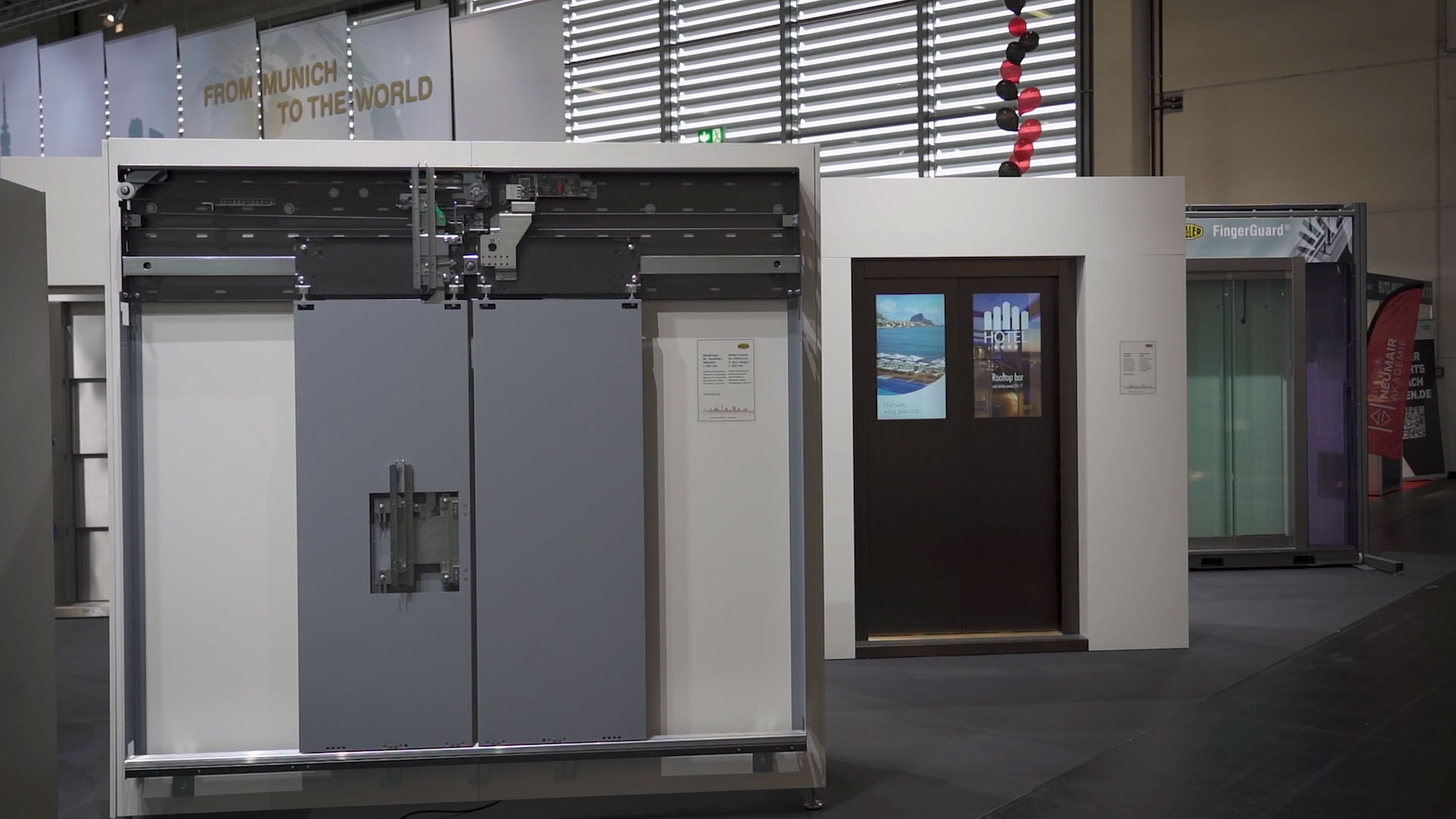
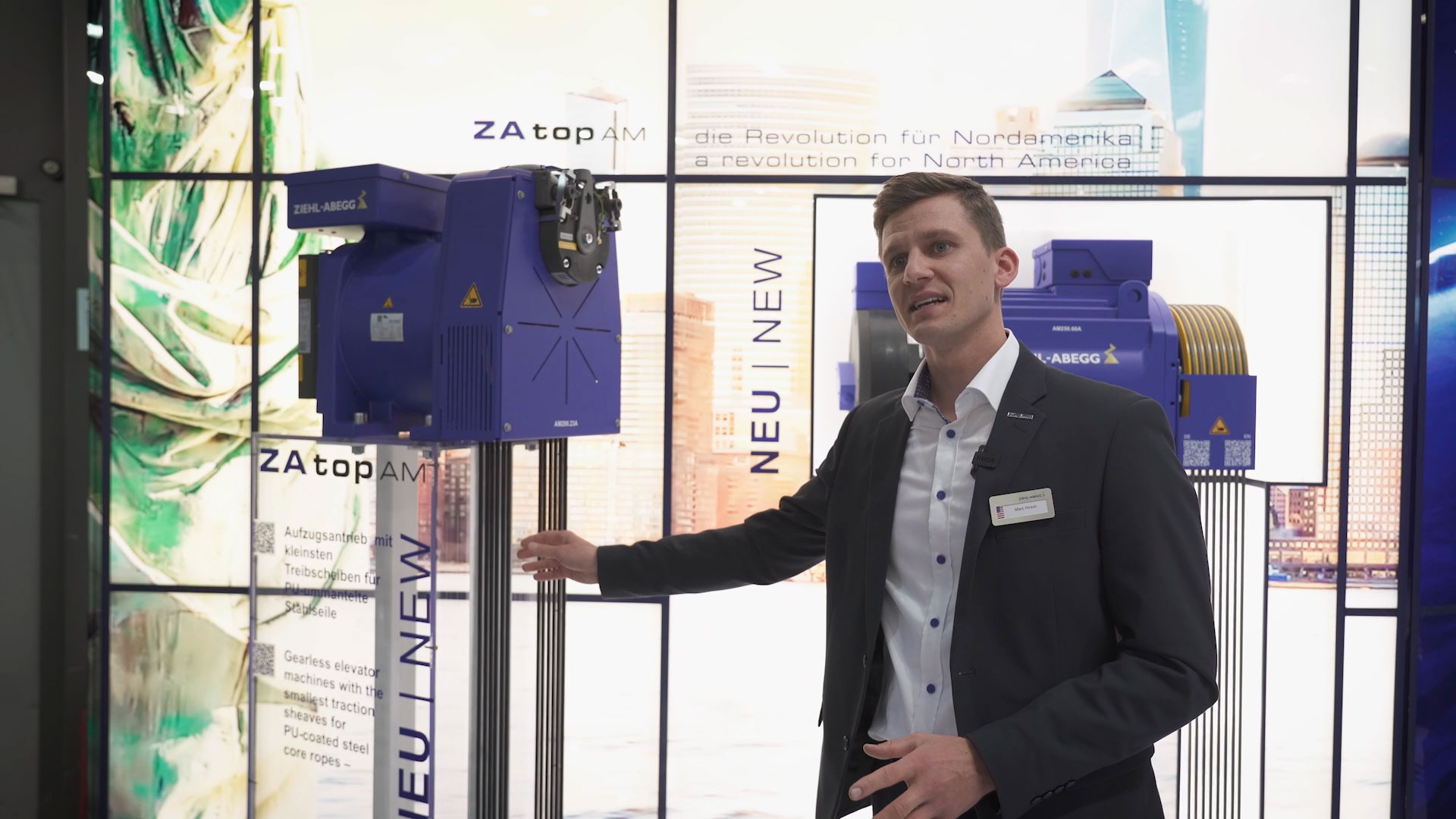
Ein anschauliches Beispiel für diese Marktdiversität ist der nordamerikanische Raum. Während in Europa bestimmte Technologien bereits seit Jahren etabliert sind, gelten sie in den USA und Kanada teilweise noch als neuartig. Das betrifft insbesondere den Einsatz von Kunststoffmantelseilen in Aufzügen. In Europa haben sich diese Seilsysteme über mehr als ein Jahrzehnt bewährt, im nordamerikanischen Markt hingegen stellen sie eine echte Innovation dar. Auf internationalen Fachmessen werden deshalb gezielt Produkte vorgestellt, die speziell auf diese regionalen Besonderheiten zugeschnitten sind. Präsentationsflächen, die einzelne Weltregionen abbilden, verdeutlichen, wie stark sich Lösungen an lokale Gegebenheiten anpassen lassen, ohne dabei auf eine gemeinsame technologische Basis zu verzichten.
Kunststoffmantelseiltechnologie als Schlüssel
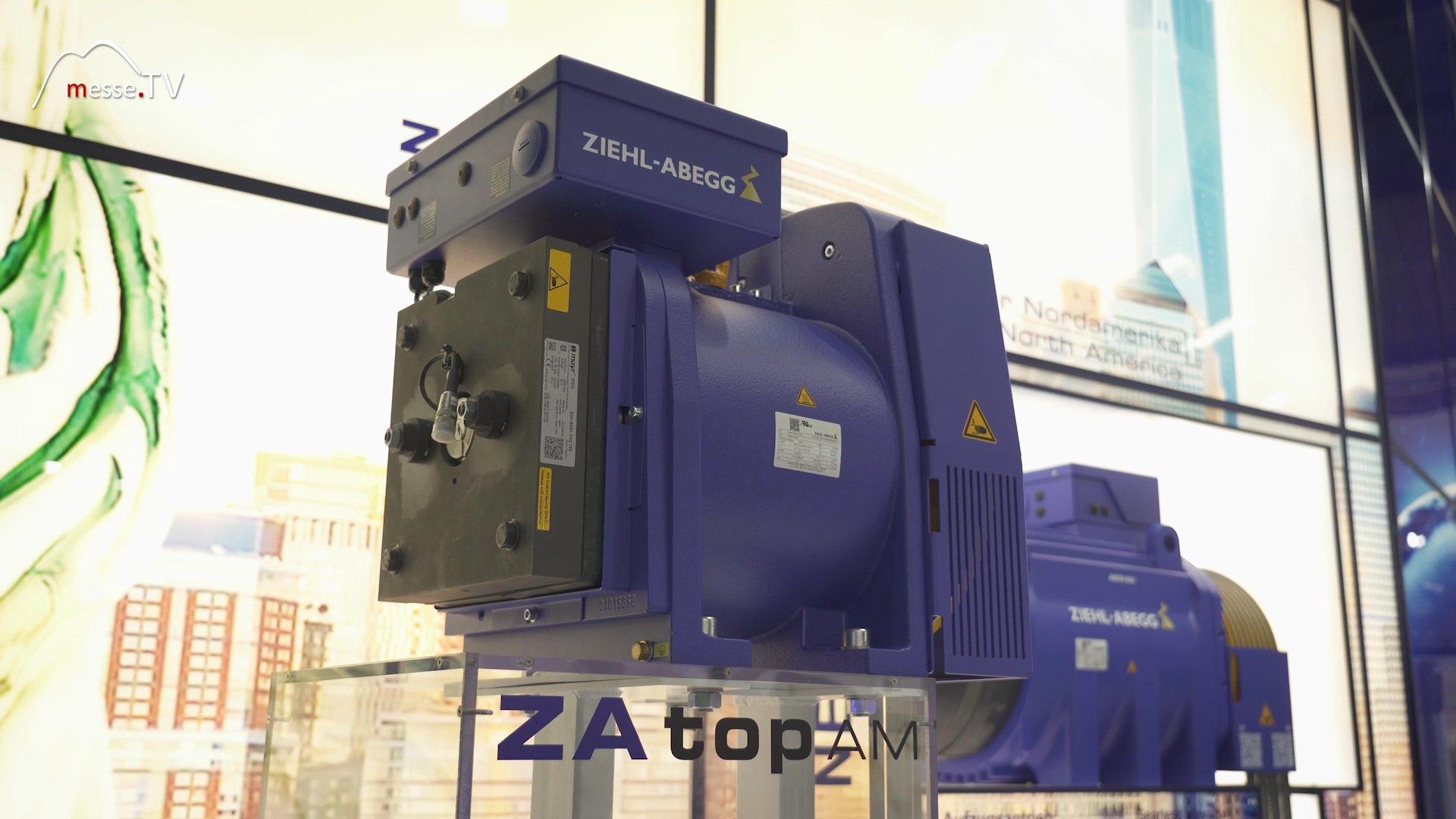
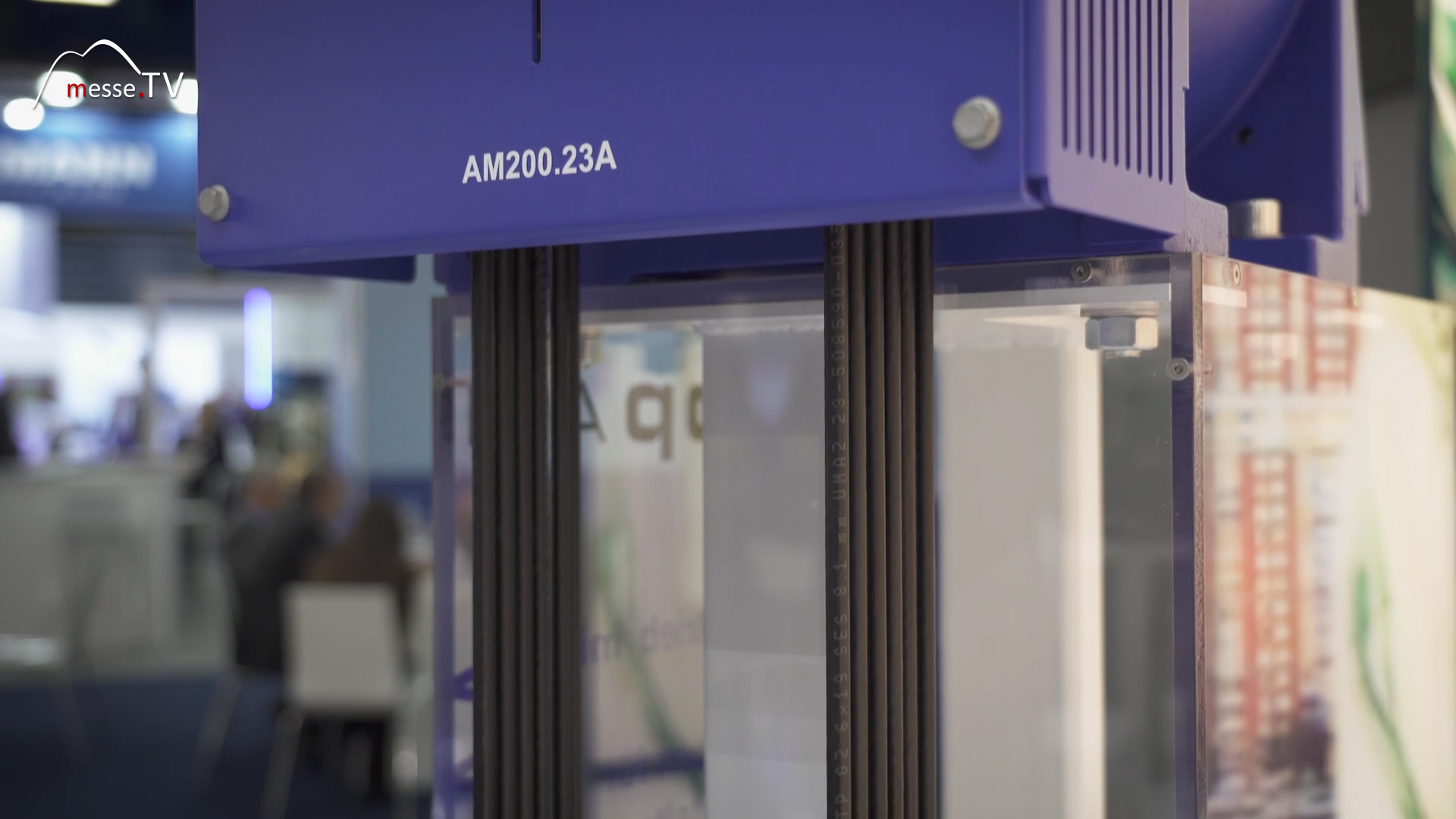
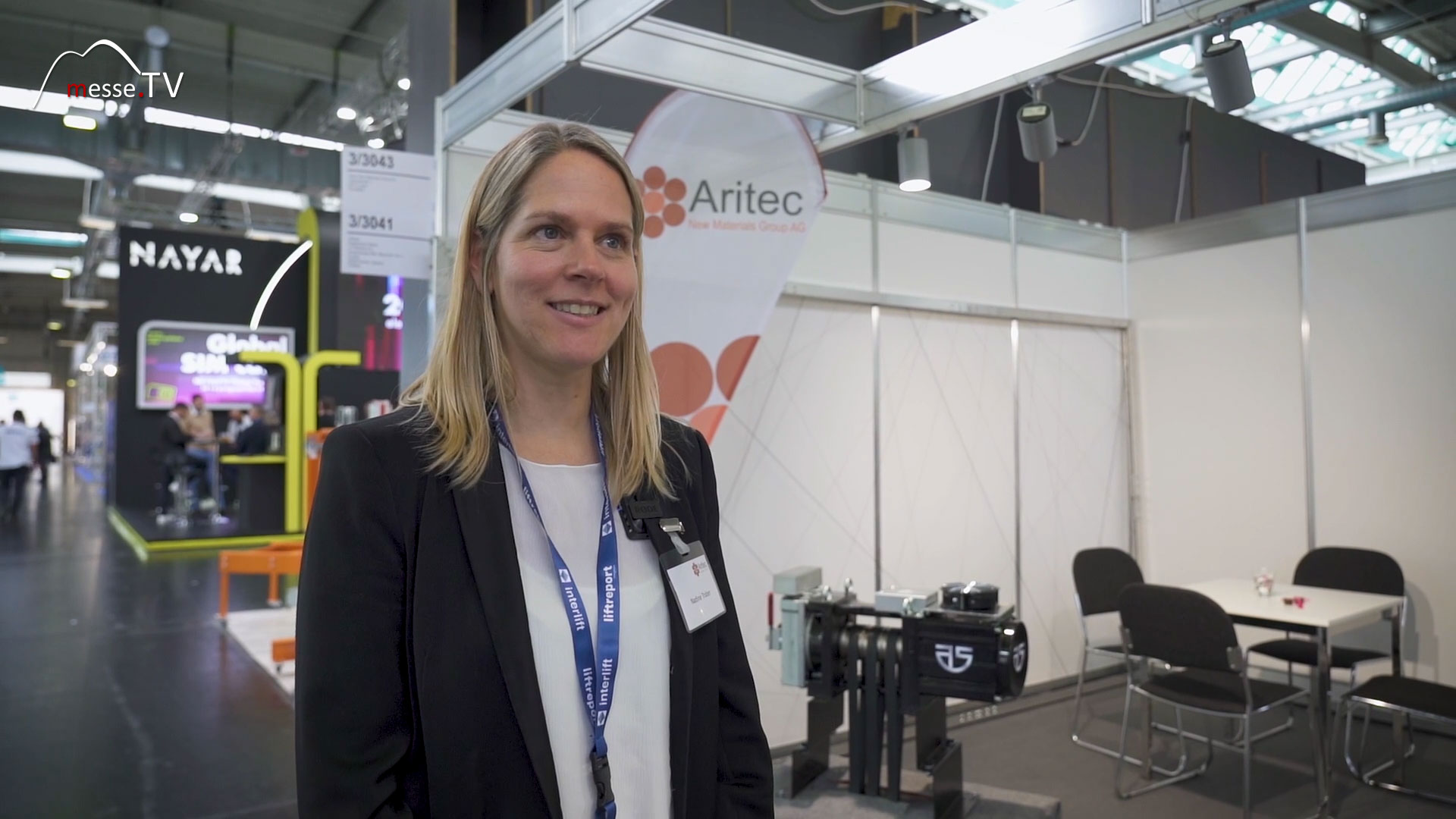
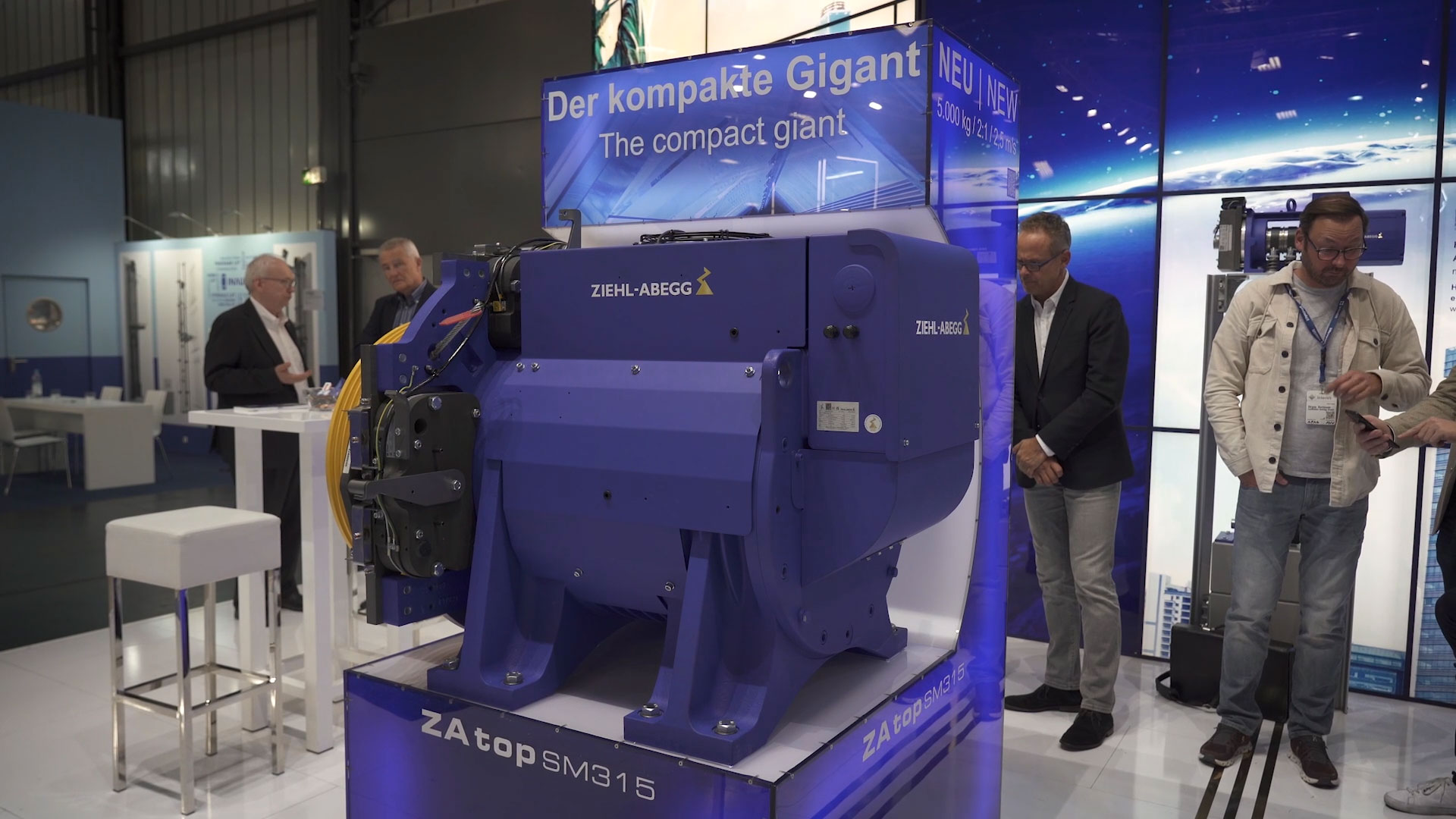
Im Zentrum der aktuellen Entwicklung steht die Kombination aus Antrieb und Kunststoffmantelseiltechnologie. Diese Seile unterscheiden sich grundlegend von klassischen Stahlseilen. Sie besitzen einen Kunststoffmantel, der die innenliegenden Stahlstränge schützt und gleichzeitig andere mechanische Eigenschaften ermöglicht. Für den Antriebsbau ergeben sich daraus entscheidende Vorteile. Der wichtigste Effekt liegt in der Möglichkeit, deutlich kleinere Treibscheiben einzusetzen. Kleinere Treibscheiben erfordern weniger Drehmoment, was wiederum kompaktere Motoren erlaubt. Dadurch lassen sich Maschinen entwickeln, die bei gleicher Nutzlast wesentlich kleiner, leichter und effizienter sind als konventionelle Systeme. Dieser Zusammenhang ist technisch klar, seine Auswirkungen auf den Aufzugsbau jedoch weitreichend.
Kompakte Maschinen und neue Konstruktionsfreiheit
Die Reduzierung der Baugröße von Antrieben eröffnet neue Freiheitsgrade für Aufzugshersteller. Maschinenräume können kleiner ausfallen oder ganz entfallen, Schächte lassen sich effizienter planen und der Materialeinsatz sinkt insgesamt. Gerade in urbanen Hochbauprojekten, bei denen jeder Quadratmeter zählt, ist dieser Aspekt von hoher Relevanz. Zudem wirkt sich das geringere Gewicht der Antriebskomponenten positiv auf die gesamte Konstruktion aus. Leichtere Maschinen reduzieren die statischen Anforderungen an Gebäude, was wiederum den Einsatz schlankerer Tragstrukturen ermöglicht. Auf diese Weise entsteht ein Gesamtsystem, das nicht nur technisch effizienter, sondern auch wirtschaftlich attraktiver ist.
Vorteile für Hersteller und Betreiber
Die beschriebenen Effekte kommen nicht nur den Aufzugsherstellern zugute, sondern auch den späteren Betreibern. Effizientere Antriebe benötigen weniger Energie, was die Betriebskosten senkt. Gleichzeitig reduziert der geringere Materialeinsatz den ökologischen Fußabdruck bereits in der Herstellungsphase. Typische Vorteile dieser Technologie lassen sich wie folgt zusammenfassen:
- deutlich kompaktere und leichtere Antriebseinheiten
- geringerer Energiebedarf durch reduziertes Drehmoment
- flexiblere Planung von Schächten und Maschinenräumen
- weniger Materialeinsatz bei vergleichbarer Leistung
- verbesserte Nachhaltigkeit über den gesamten Lebenszyklus
Nachhaltigkeit als integraler Bestandteil
Nachhaltigkeit wird in diesem Kontext nicht als isoliertes Merkmal verstanden, sondern als Ergebnis technischer Optimierung. Wenn Materialien eingespart, Maschinen verkleinert und Energieverbräuche reduziert werden, wirkt sich das automatisch positiv auf Umwelt und Ressourcen aus. Für internationale Märkte mit unterschiedlichen regulatorischen Anforderungen ist dieser Ansatz besonders wertvoll, da er universell anwendbar ist. Ziehl-Abegg positioniert sich in diesem Umfeld als Anbieter, der technologische Innovation mit langfristiger Verantwortung verbindet. Die Verbindung aus familiengeführter Struktur, globaler Präsenz und konsequenter Weiterentwicklung bildet die Grundlage für Lösungen, die sowohl heutigen als auch zukünftigen Anforderungen gerecht werden. Damit zeigt sich, wie technischer Fortschritt im Aufzugsbau aussehen kann, wenn er konsequent vom System her gedacht wird.
Messe-Berichterstattung bundesweit - Messewissen, Termine & Veranstaltungen


