Kompakte Glasaufzüge mit Aluminiumgerüst für flexible Einbausituationen
Der Aufzugsbau ist traditionell von individuellen Lösungen geprägt. Besonders dort, wo bauliche Gegebenheiten keine klassischen Standardschächte zulassen, sind Sonderkonstruktionen gefragt. Gleichzeitig wächst der Bedarf an standardisierten Anlagen, die sich schneller planen, effizient montieren und wirtschaftlich betreiben lassen. In diesem Spannungsfeld entstehen Konzepte, die technische Individualität mit modularer Struktur verbinden.
Ein Familienbetrieb aus Frankfurt am Main arbeitet seit mehr als fünf Jahrzehnten im Aufzugsbau und ist üblicherweise auf Sonderanlagen spezialisiert. Aktuell werden jedoch bewusst standardisierte Anlagen vorgestellt, die dennoch aus der Logik individueller Lösungen heraus entwickelt wurden. Der Fokus liegt auf kompakten Glasaufzügen mit Aluminiumgerüst, die sich flexibel in unterschiedliche Umgebungen integrieren lassen.
Standardisierte Modelle mit klarer Systematik
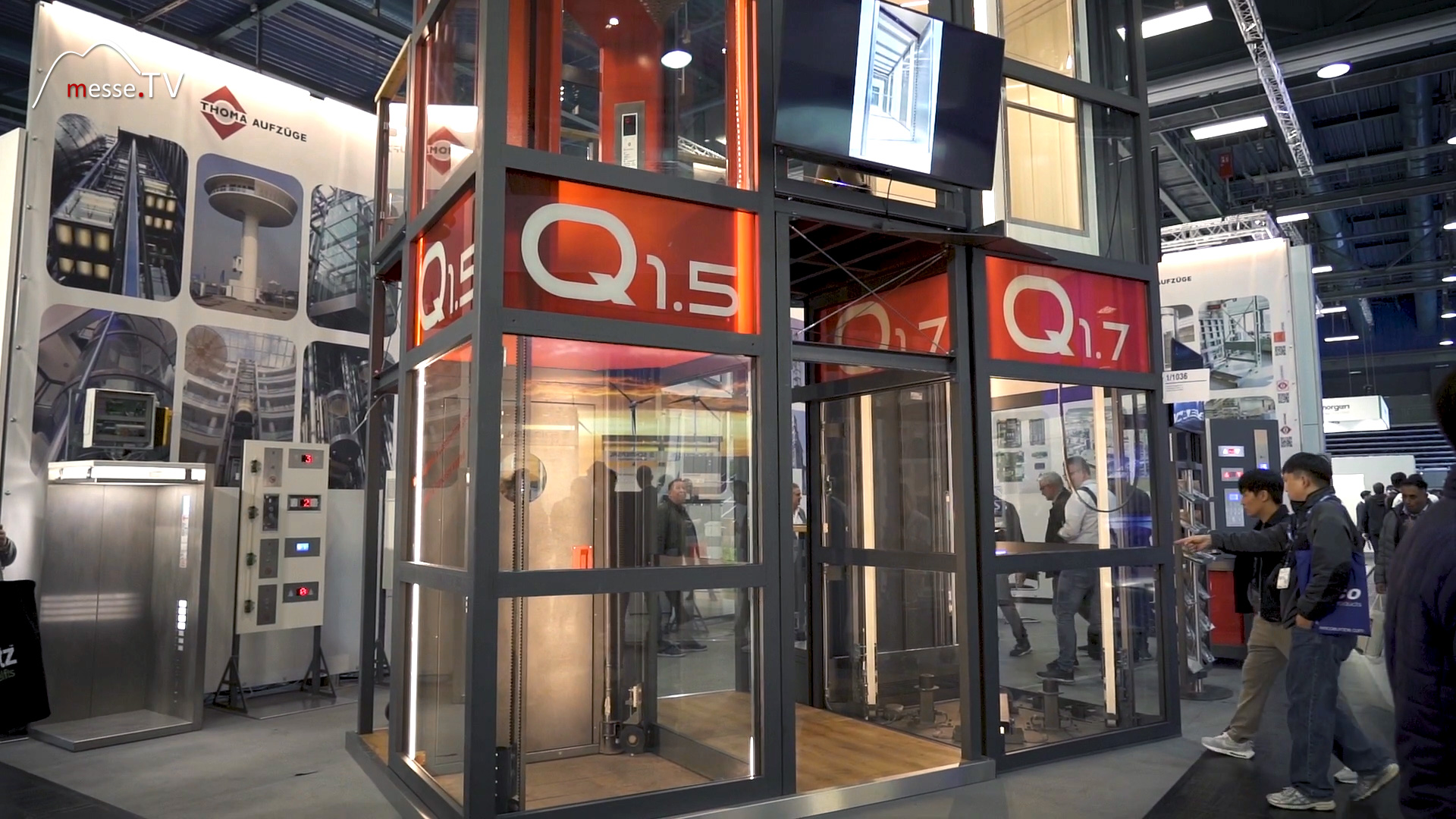
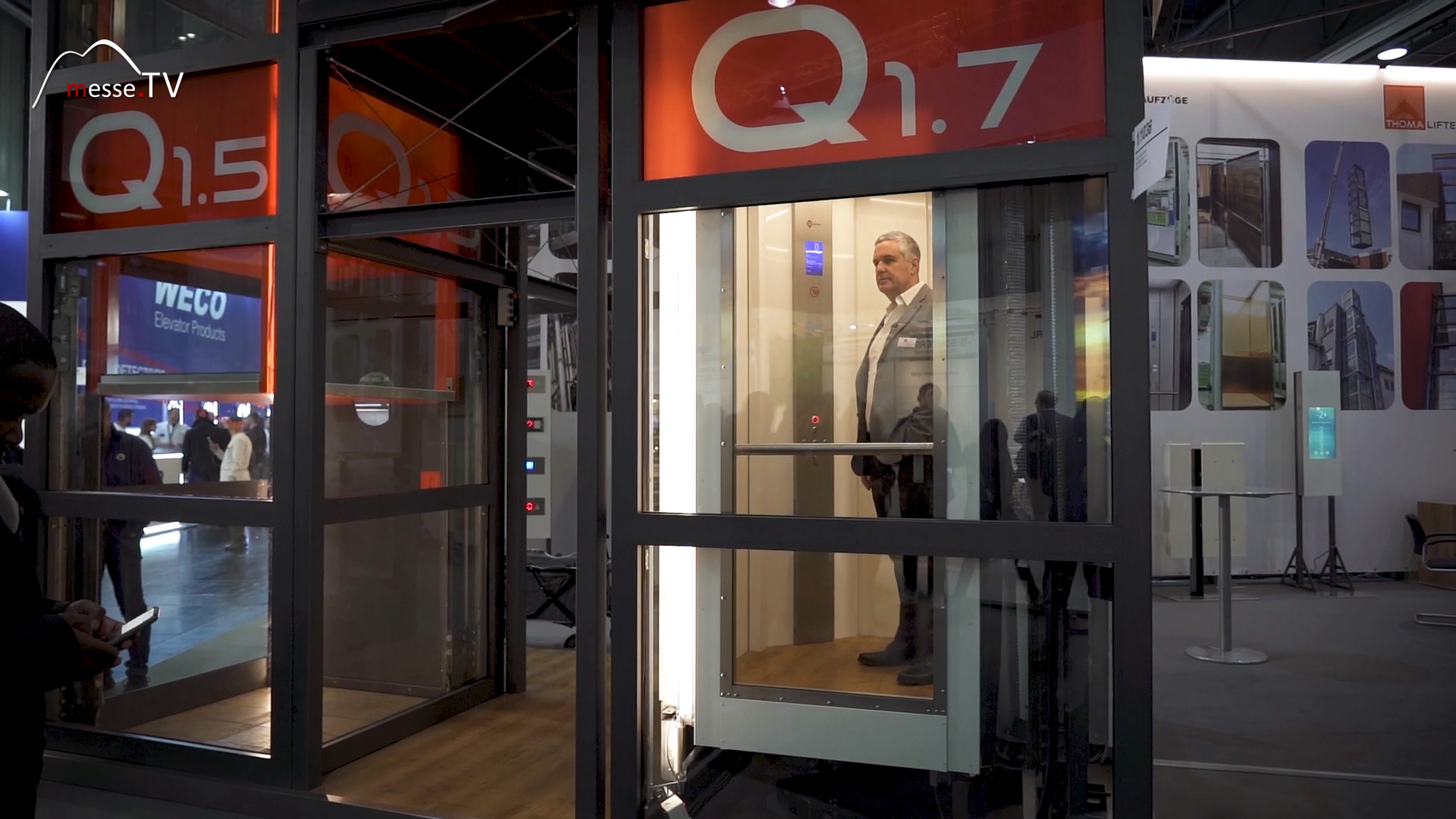
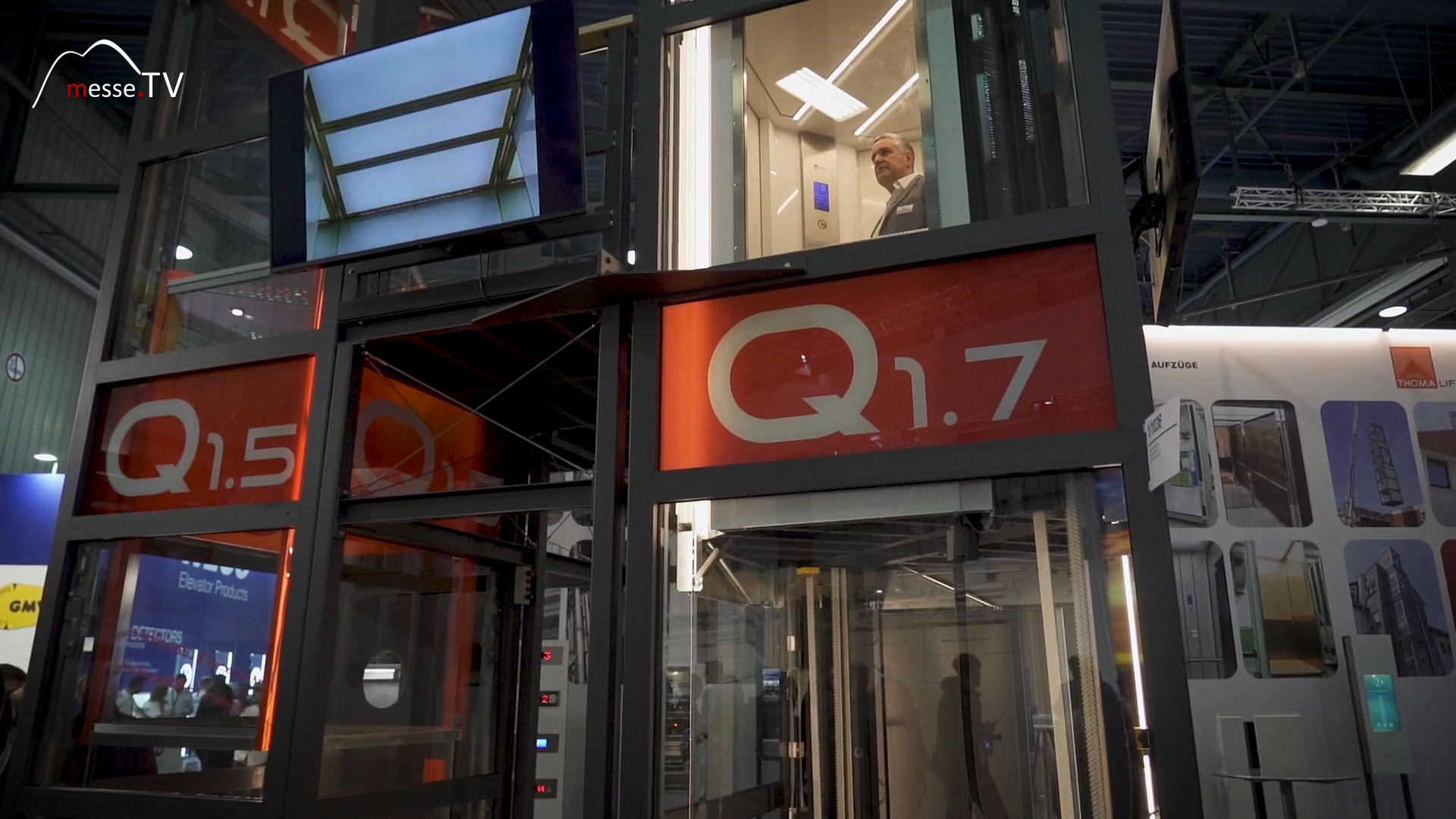
Das vorgestellte Anlagenkonzept basiert auf drei Modellen, die sich durch ihre quadratische Grundfläche unterscheiden. Die Bezeichnungen folgen einer klaren Logik. Das Kürzel Q steht für die quadratische Bauform, die nachfolgende Zahl beschreibt die jeweilige Außenabmessung. So entstehen Varianten mit unterschiedlichen Grundmaßen, die sich an gängige Einbausituationen anpassen lassen. Diese Systematik erleichtert Planung und Auswahl. Architekten, Bauherren und Betreiber können früh erkennen, welches Modell für die jeweilige Situation geeignet ist. Trotz der Standardisierung bleibt genügend Spielraum für Anpassungen, etwa bei Zugängen, Ausführung oder Einsatzbereich.
Riemenantrieb als zentrales Konstruktionsmerkmal
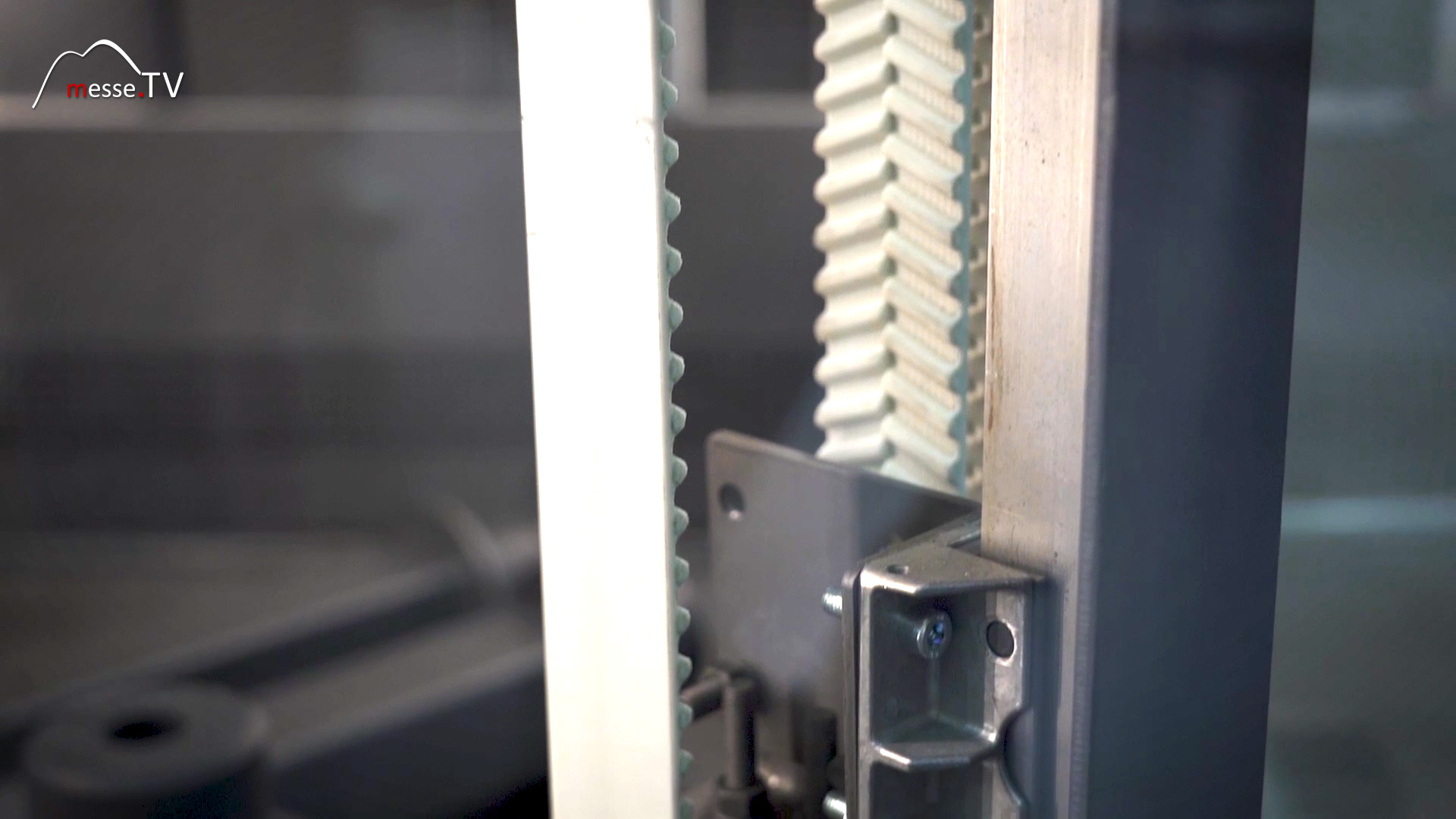
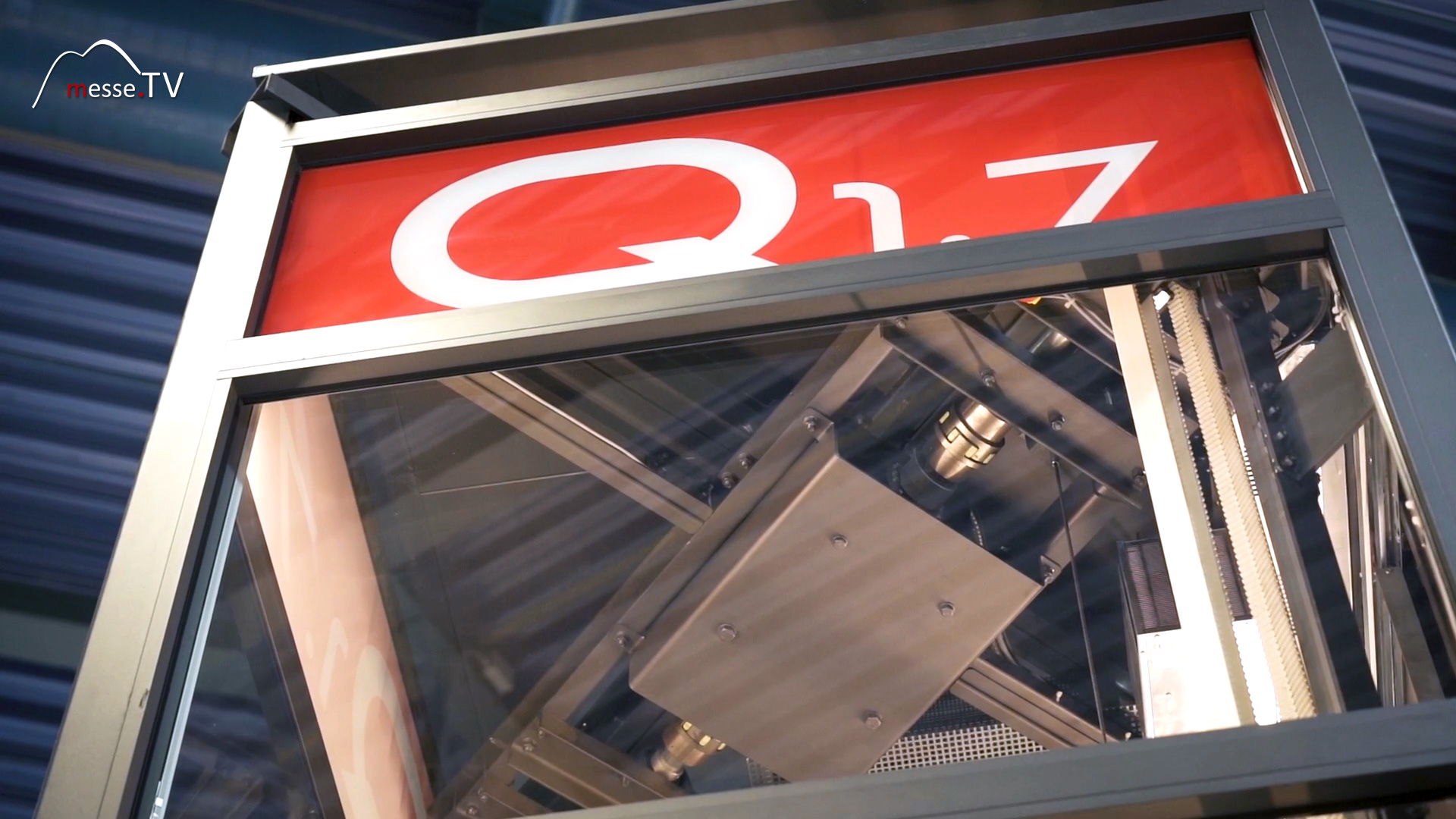
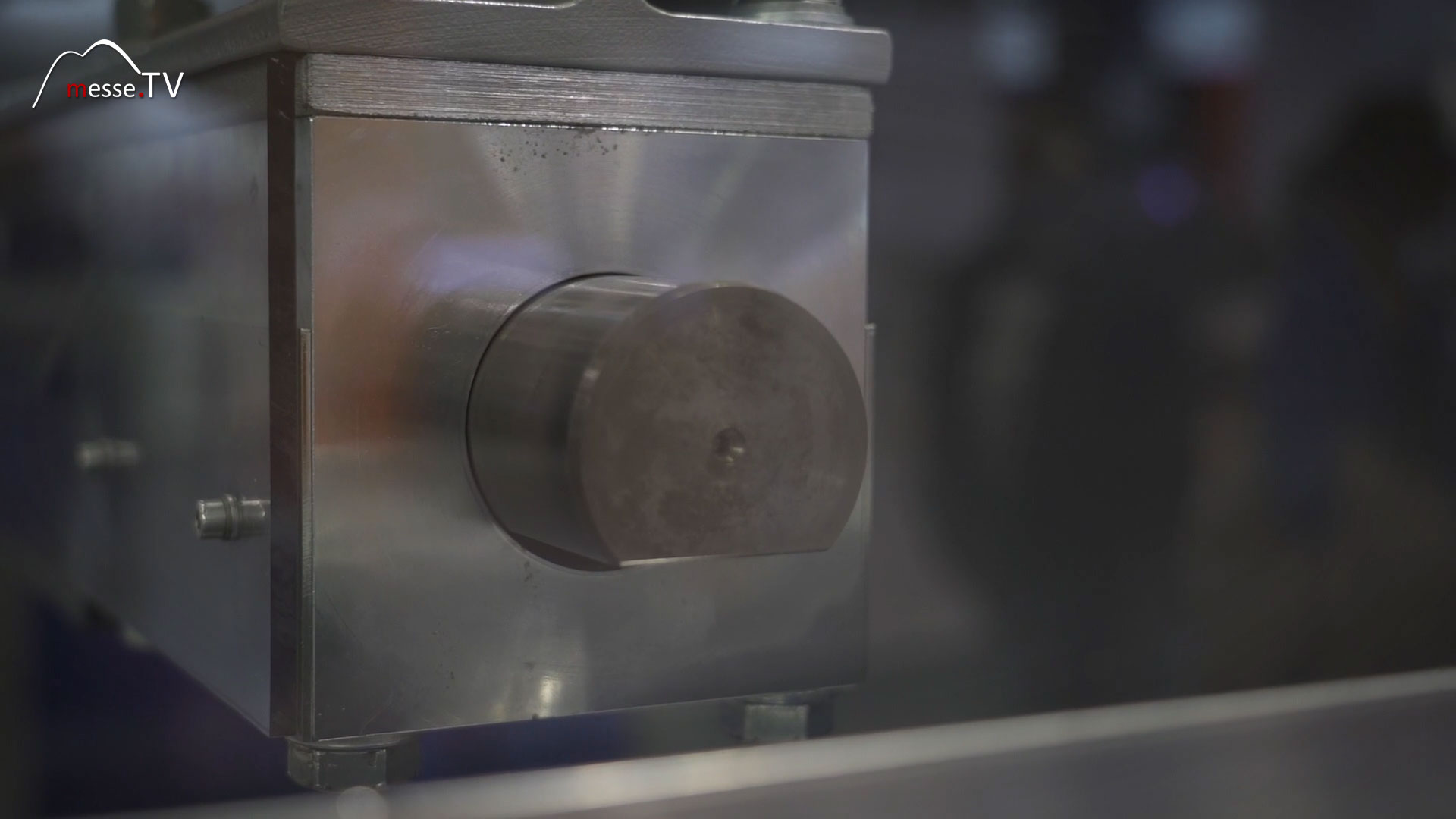
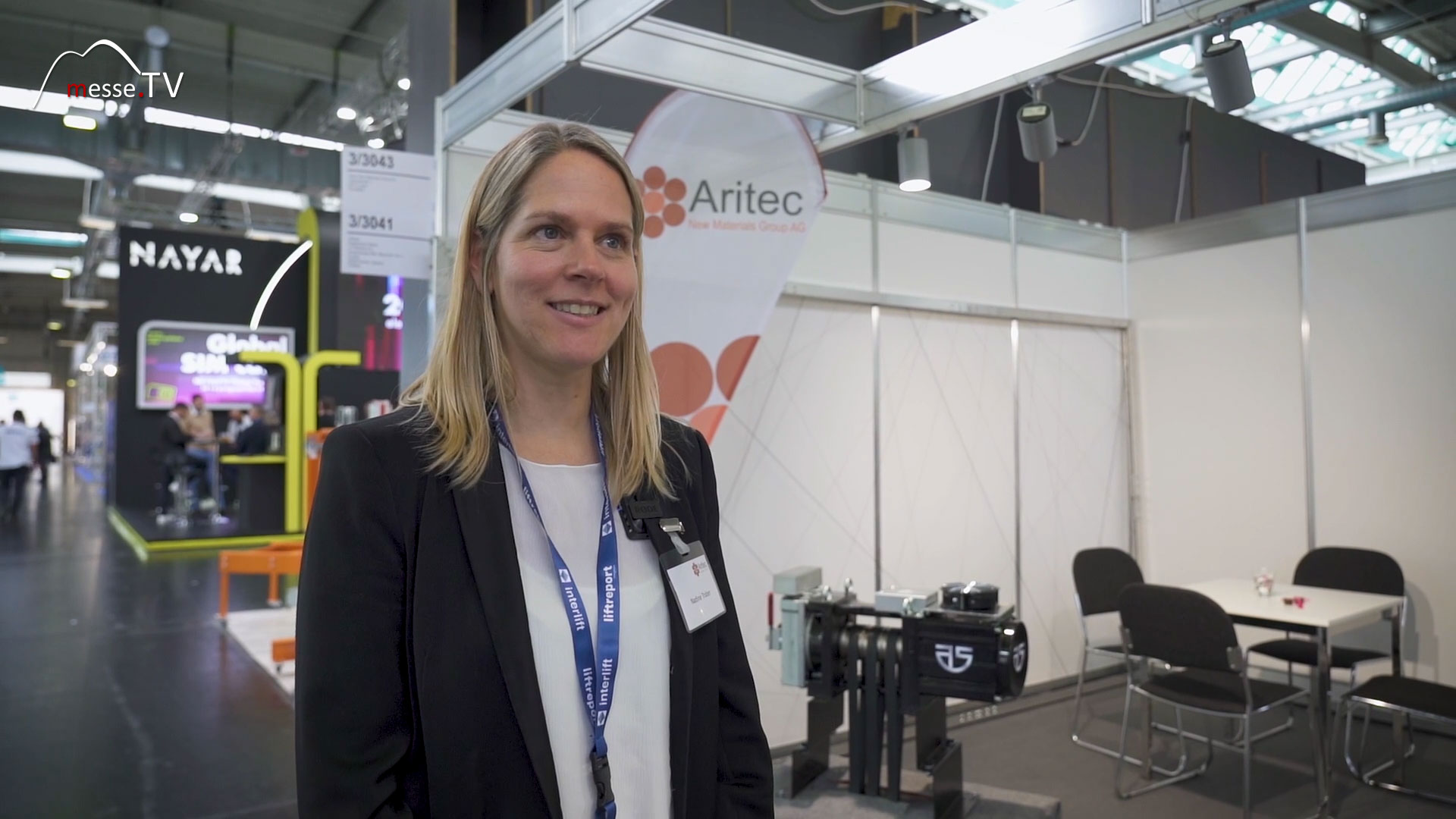
Eine der technischen Besonderheiten der Anlage ist der eingesetzte Riemenantrieb. Statt klassischer Seile kommt ein moderner Kunststoffriemen zum Einsatz, der im Inneren mit Stahlseilen verstärkt ist. Diese Kombination vereint Flexibilität und Stabilität. Der Riemen läuft sichtbar entlang der Konstruktion und macht die Technik nachvollziehbar. Die gesamte Antriebstechnik ist kompakt in einer Ecke der Anlage integriert. Dadurch wird wertvoller Raum gespart und es entsteht ein klar strukturierter Aufbau. Die Konzentration der Technik an einem Punkt hat zudem Auswirkungen auf Wartung und Zugänglichkeit. Servicetätigkeiten lassen sich gezielt durchführen, ohne die gesamte Anlage öffnen zu müssen.
Zugänglichkeit von mehreren Seiten
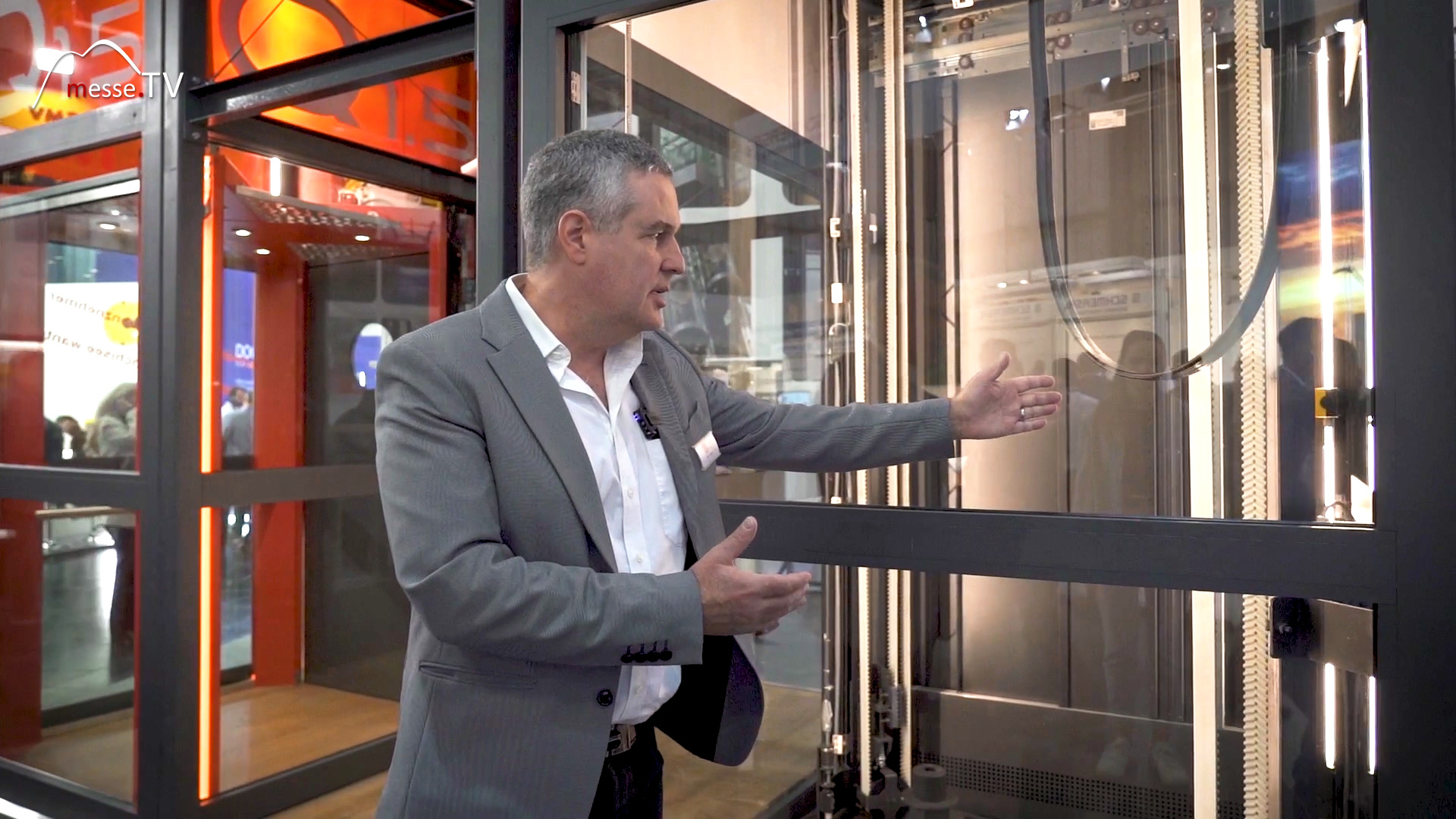
Durch die Eckintegration der Technik ergibt sich ein weiterer Vorteil. Theoretisch ist ein Zugang von allen vier Seiten möglich, praktisch werden maximal zwei Zugänge realisiert. Diese Flexibilität ist insbesondere in beengten oder architektonisch anspruchsvollen Situationen relevant. Je nach Einbauort kann entschieden werden, wo Türen sinnvoll platziert werden. Für Betreiber bedeutet das mehr Freiheit bei der Gestaltung des Umfelds. Der Aufzug lässt sich besser in bestehende Strukturen integrieren, ohne dass umfangreiche Umbauten notwendig werden. Die Anlage passt sich dem Gebäude an, nicht umgekehrt.
Flache Schachtgrube als baulicher Vorteil
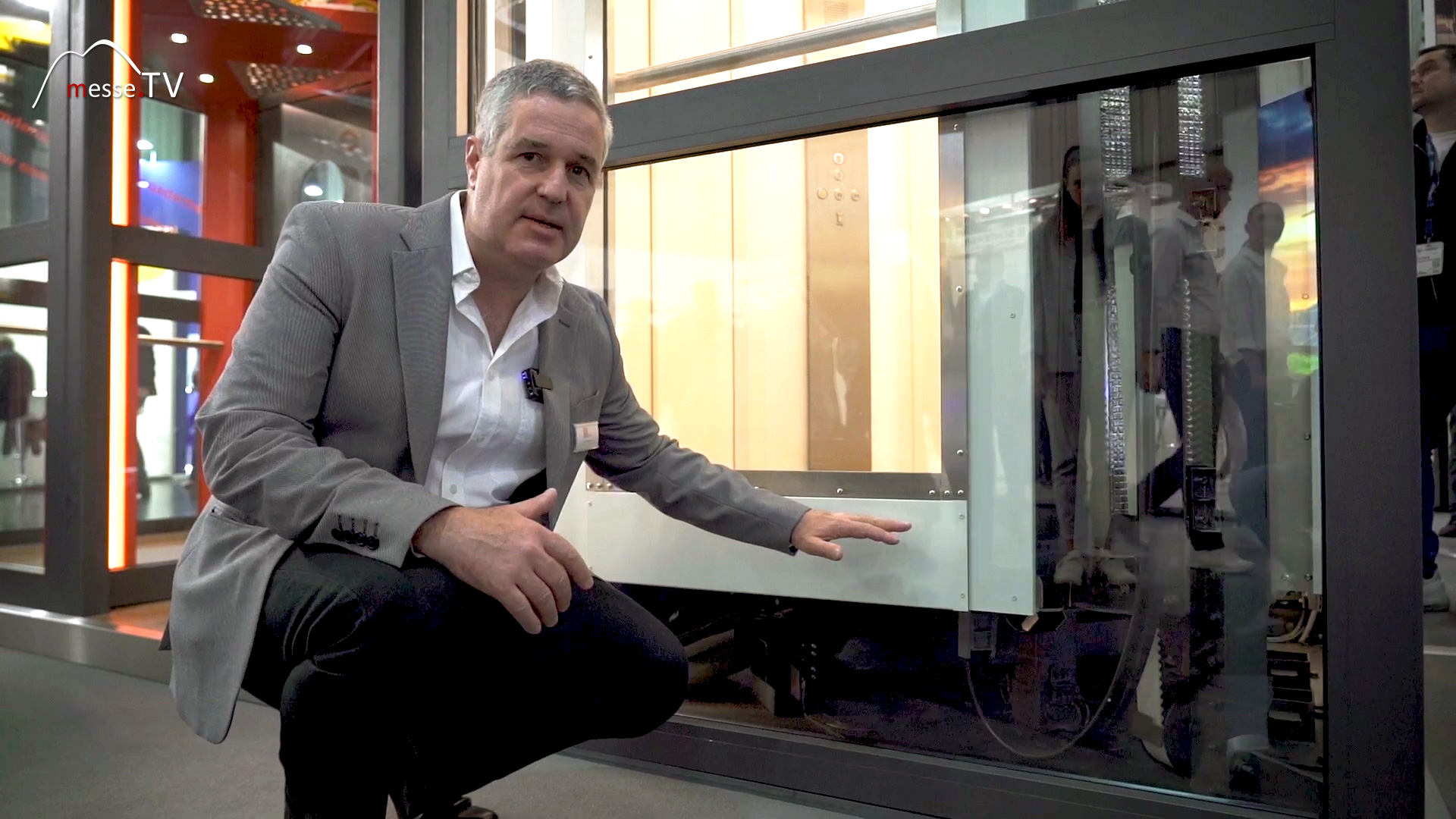
Ein besonders auffälliges Merkmal ist die geringe Tiefe der Schachtgrube. Mit rund vierzig Zentimetern liegt sie deutlich unter dem, was im klassischen Aufzugsbau üblich ist. Möglich wird das durch die hoch integrierte Technik und die kompakte Bauweise des Antriebs. Diese Eigenschaft eröffnet neue Einsatzmöglichkeiten. In Bestandsgebäuden, bei Nachrüstungen oder in sensiblen baulichen Situationen lassen sich Eingriffe in die Bausubstanz minimieren. Gerade dort, wo tiefe Fundamentarbeiten nicht möglich oder wirtschaftlich nicht sinnvoll sind, kann eine flache Schachtgrube den entscheidenden Unterschied machen.
Aluminiumgerüst für Innen und Außen
Das Schachtgerüst besteht aus Aluminium und wird als Glasgerüst ausgeführt. Aluminium bietet mehrere Vorteile. Es ist leicht, stabil und korrosionsbeständig. Rost spielt bei diesem Material keine Rolle, was den Einsatz im Außenbereich erleichtert. Gleichzeitig ermöglicht das Glasgerüst eine offene, transparente Gestaltung. Die Kombination aus Aluminium und Glas verleiht der Anlage einen klaren, technischen Charakter. Sie fügt sich sowohl in moderne Innenräume als auch in Außenbereiche ein, etwa bei Anbauten oder separaten Erschließungen. Der Aufzug wird sichtbar, ohne dominant zu wirken. Typische Merkmale der Anlage sind unter anderem:
- quadratische Grundform mit klar definierten Abmessungen
- Riemenantrieb mit Stahlseilen im Inneren
- kompakte Eckintegration der gesamten Technik
- sehr flache Schachtgrube mit geringer Eingriffstiefe
- Aluminium-Glas-Gerüst für Innen- und Außeneinsatz
Vom Sonderbau zur strukturierten Lösung
Die vorgestellten Anlagen zeigen, wie sich Erfahrungen aus dem Sonderanlagenbau in standardisierte Produkte überführen lassen. Statt individuelle Lösungen jedes Mal neu zu konstruieren, werden bewährte Prinzipien systematisiert. Das Ergebnis sind Aufzüge, die planbar, reproduzierbar und dennoch flexibel einsetzbar sind. Thoma Aufzüge bringt in dieses Konzept die Erfahrung aus Jahrzehnten individueller Projekte ein. Die Standardisierung bedeutet dabei keinen Verlust an Qualität, sondern eine Fokussierung auf wesentliche technische Merkmale. Konstruktion, Antrieb und Schacht sind so aufeinander abgestimmt, dass sie in vielen Situationen funktionieren, ohne komplexe Sonderlösungen zu erfordern.
Einsatzmöglichkeiten über den Innenraum hinaus
Durch das korrosionsfreie Gerüst und die kompakte Bauweise eignen sich die Anlagen nicht nur für klassische Innenräume. Auch im Außenbereich eröffnen sich Einsatzfelder, etwa bei nachträglichen Erschließungen oder barrierefreien Zugängen. Die Technik bleibt geschützt, die Konstruktion langlebig. Damit reagiert das Konzept auf einen Markt, der zunehmend nach flexiblen Lösungen verlangt. Gebäude werden umgenutzt, erweitert oder angepasst. Aufzüge müssen diesen Wandel mitgehen können. Genau hier liegt die Stärke solcher Systeme. Thoma Aufzüge zeigt mit diesen Anlagen, wie sich technische Reduktion, klare Konstruktion und bauliche Flexibilität verbinden lassen. Der Schritt von der reinen Sonderanlage hin zu strukturierten Modellen ist kein Bruch, sondern eine Weiterentwicklung aus der Praxis heraus.
Messe-Berichterstattung bundesweit - Messewissen, Termine & Veranstaltungen


