AMBOSS als Wissensplattform für Gesundheitsberufe und Pflege
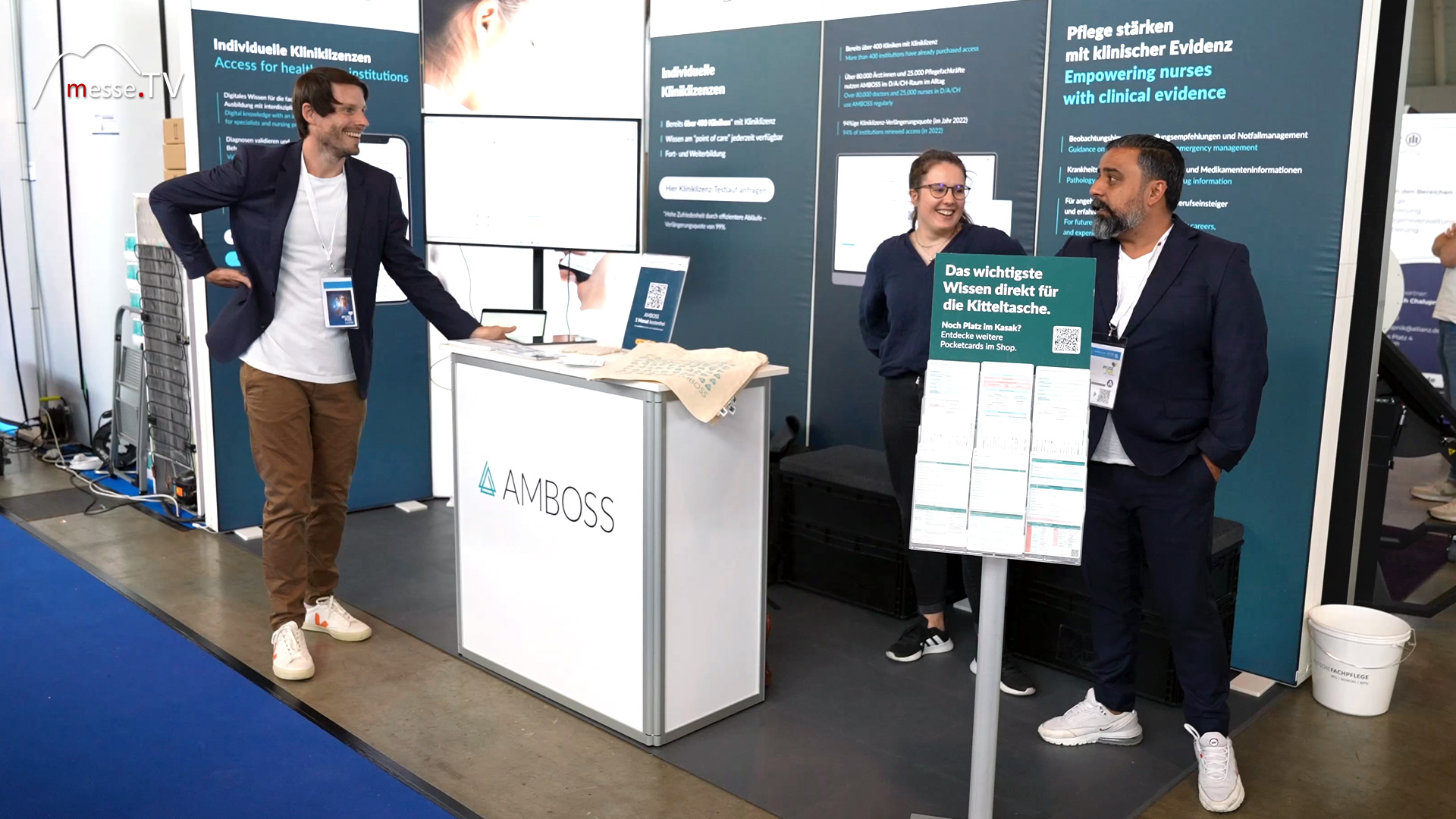
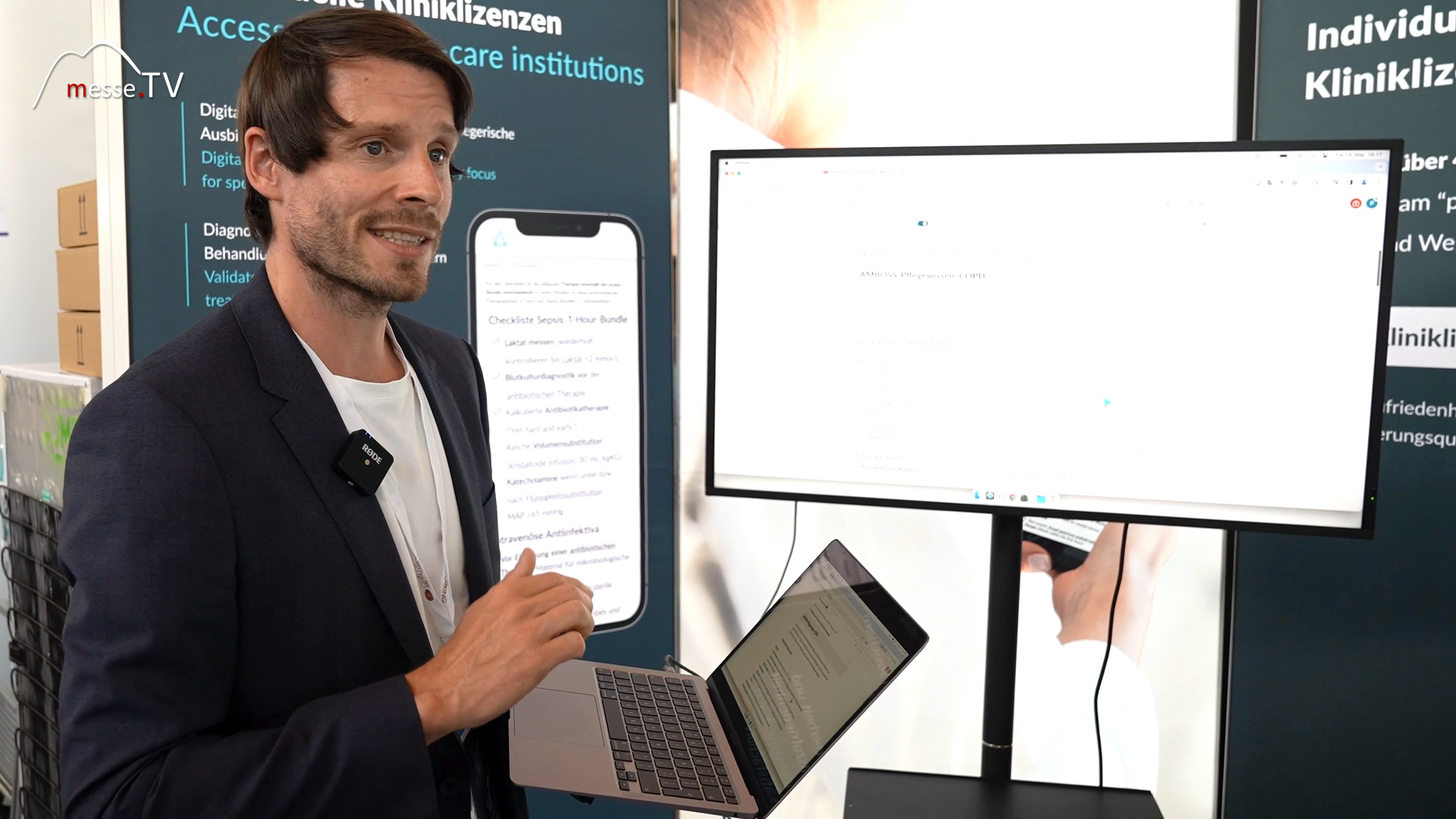
Die digitale Wissensplattform AMBOSS ist darauf ausgelegt, medizinisches Fachwissen strukturiert, nachvollziehbar und berufsübergreifend zugänglich zu machen - ein Nachschlagewerk für medizinisches Wissen. Ausgangspunkt war die universitäre Ausbildung von Medizinern, inzwischen richtet sich das Angebot gezielt auch an weitere Gesundheitsberufe.
Besonders die Pflege rückt dabei in den Mittelpunkt, da sich Aufgaben, Verantwortlichkeiten und Qualifikationsanforderungen in den vergangenen Jahren deutlich erweitert haben. Digitale Wissenssysteme gewinnen dadurch an Bedeutung, weil sie einen schnellen Zugriff auf geprüfte Inhalte ermöglichen und unterschiedliche Berufsrollen miteinander verbinden.
Systematische Aufbereitung medizinischer Inhalte
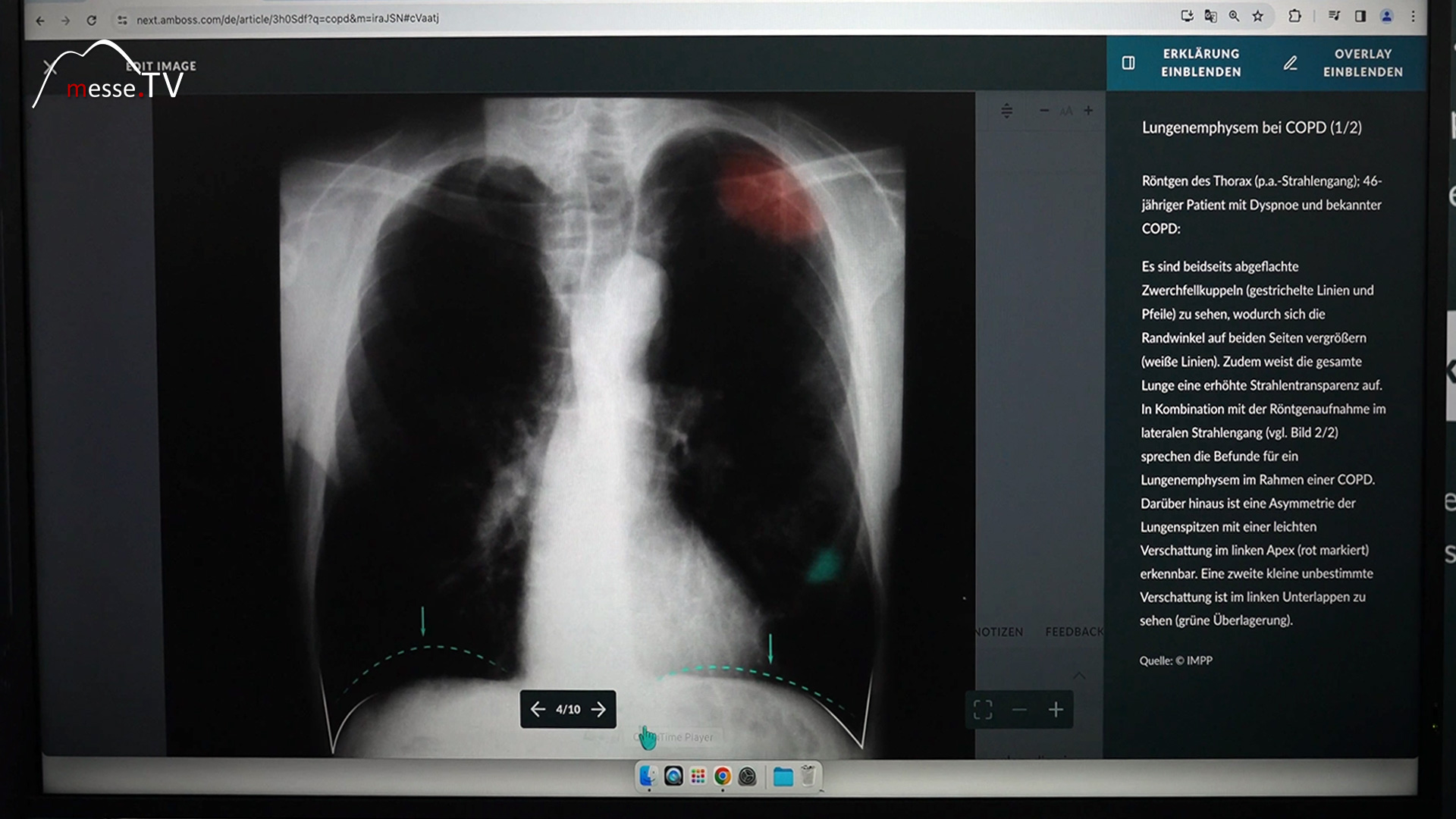
Im Kern basiert die Plattform auf einer umfassenden Sammlung zentraler Krankheitsbilder, diagnostischer Verfahren und therapeutischer Grundlagen. Die Inhalte sind nicht als lose Artikel organisiert, sondern folgen einer klaren, einheitlichen Struktur. Einzelne Kapitel lassen sich gezielt aufklappen, sodass Nutzer schnell zwischen Überblick und Detailtiefe wechseln können. Diese modulare Gliederung erleichtert es, sich sowohl kurzfristig zu informieren als auch komplexe Zusammenhänge vertieft nachzuvollziehen. Ein besonderer Schwerpunkt liegt auf der didaktischen Aufbereitung. Medizinisches Wissen wird nicht nur textlich vermittelt, sondern durch visuelle Elemente ergänzt. Bildgebende Verfahren, typische Befunde oder krankheitsspezifische Merkmale werden so dargestellt, dass sie im klinischen Kontext besser eingeordnet werden können. Der Lerneffekt entsteht dabei nicht allein durch Lesen, sondern durch das aktive Verstehen und Einordnen von Informationen.
Relevanz für die Pflegepraxis
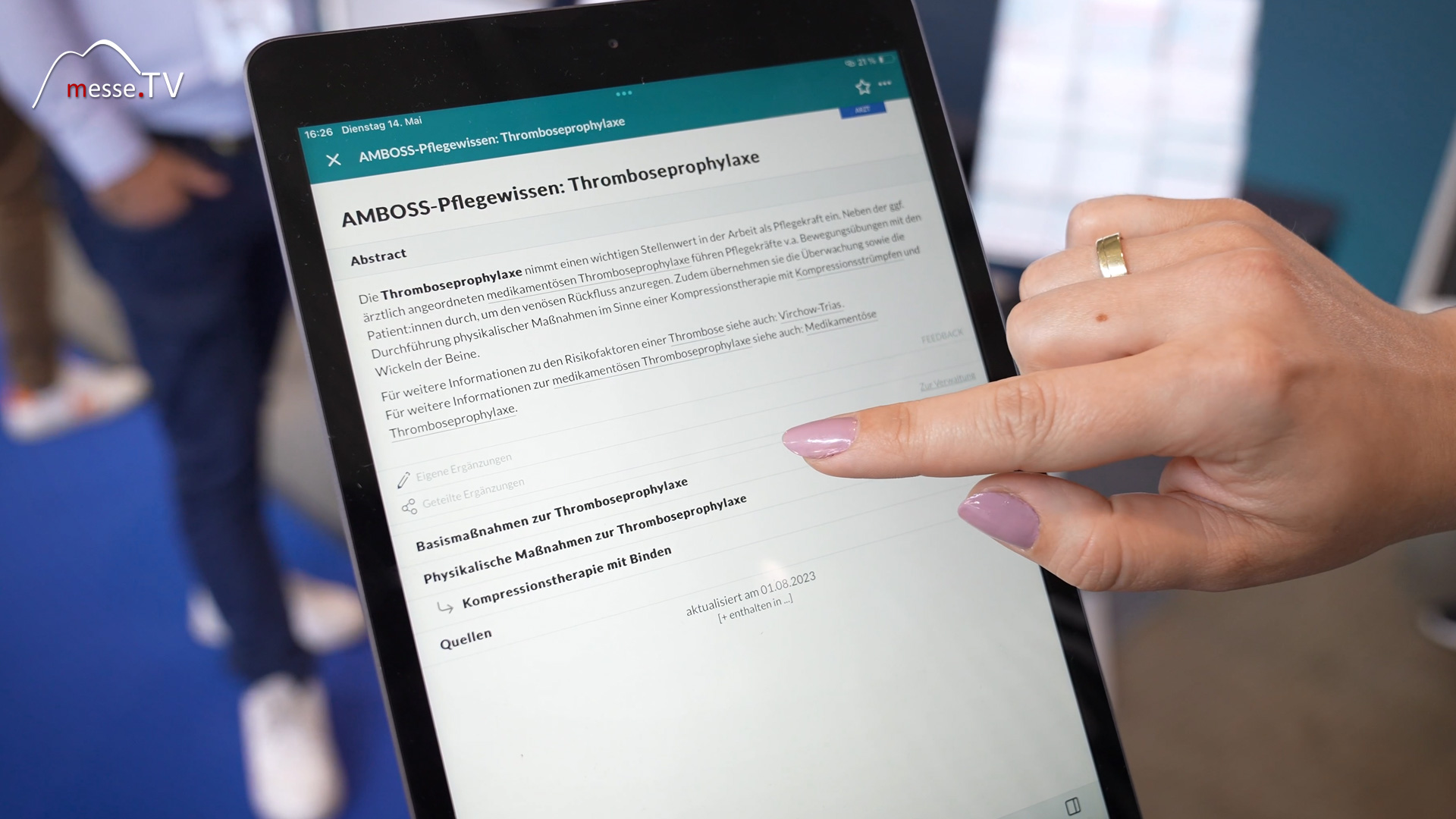
Mit der Integration pflegespezifischer Inhalte reagiert die Plattform auf die veränderte Rolle der Pflege im Gesundheitswesen. Pflegekräfte sind heute stärker in diagnostische Prozesse eingebunden, übernehmen Verantwortung für Beobachtung, Dokumentation und Patientenkommunikation und arbeiten eng mit ärztlichen Teams zusammen. Entsprechend reicht es nicht aus, lediglich allgemeines Krankheitswissen bereitzustellen. Bei ausgewählten Krankheitsbildern sind daher eigene Abschnitte hinterlegt, die den pflegerischen Blickwinkel abbilden. Diese Inhalte beantworten praxisnahe Fragen: Welche Aspekte sind im Umgang mit dem Patienten besonders zu beachten? Welche Symptome sind relevant für die Beobachtung? Worauf sollte im Alltag hingewiesen werden? Die Informationen sind dabei ebenso strukturiert wie die medizinischen Grundlagen und fügen sich nahtlos in das Gesamtsystem ein.
Interprofessioneller Ansatz ohne starre Abgrenzung
Ein zentrales Merkmal der Wissensplattform ist ihr interprofessioneller Anspruch. In vielen Versorgungsbereichen, etwa in der Intensivmedizin oder in spezialisierten Fachabteilungen, verschwimmen die Grenzen zwischen ärztlichem und pflegerischem Handeln. Pflegekräfte wenden Wissen an, das traditionell der ärztlichen Ausbildung zugeordnet wurde, während Ärzte auf präzise pflegerische Beobachtungen angewiesen sind. Das System trägt dieser Realität Rechnung, indem es Wissen nicht künstlich trennt, sondern transparent zugänglich macht. Pflegekräfte können sich umfassend informieren, bevor ein Arzt hinzugezogen wird, oder sich nach einer ärztlichen Entscheidung weiter orientieren. Gleichzeitig eröffnet der Zugang zu vertieftem Fachwissen die Möglichkeit, sich fachlich weiterzuentwickeln und über formale Ausbildungsinhalte hinaus zu qualifizieren.
Redaktionelle Qualität und organisatorischer Rahmen
Die inhaltliche Pflege der Plattform erfolgt durch ein spezialisiertes Redaktionsteam, das sich ausschließlich mit der Erstellung, Prüfung und Aktualisierung der Inhalte befasst. Medizinisches Wissen unterliegt einem ständigen Wandel, weshalb Aktualität und Konsistenz eine zentrale Rolle spielen. Die redaktionelle Arbeit stellt sicher, dass neue Erkenntnisse, Leitlinien und Praxisstandards zeitnah berücksichtigt werden. Organisatorisch ist das Unternehmen international aufgestellt und arbeitet mit Hochschulen, Kliniken und Bildungseinrichtungen zusammen. Die Nutzung reicht von Studierenden über berufstätige Ärzte bis hin zu Pflegekräften und Pflegeschulen. Damit wird deutlich, dass die Plattform nicht als Nischenangebot konzipiert ist, sondern als breit einsetzbares Werkzeug für Ausbildung, Weiterbildung und klinischen Alltag. Typische Einsatzbereiche sind unter anderem:
- Unterstützung in Studium und Ausbildung medizinischer und pflegerischer Berufe
- Schneller Wissenszugang im klinischen Alltag
- Vertiefung spezifischer Krankheitsbilder und Verfahren
- Interprofessionelles Lernen auf gemeinsamer Wissensbasis
Bedeutung für Versorgung und Qualifikation
Die steigende Komplexität der Patientenversorgung erfordert verlässliche Informationsquellen, die nicht nur korrekt, sondern auch praktikabel sind. Digitale Wissensplattformen ergänzen klassische Lehrbücher, indem sie aktuelle Inhalte situationsbezogen verfügbar machen. Für Gesundheitsberufe und Pflege entsteht so ein Werkzeug, das Lernen, Anwendung und Zusammenarbeit miteinander verbindet. Im Ergebnis trägt dieser Ansatz dazu bei, Wissenslücken zu reduzieren und Schnittstellen im Versorgungsprozess zu verbessern. Die Kombination aus medizinischem Kernwissen, pflegespezifischer Einordnung und interprofessioneller Offenheit stärkt die Handlungssicherheit im Alltag und unterstützt eine qualitätsorientierte Patientenversorgung.



Messe-Berichterstattung bundesweit - Messewissen, Termine & Veranstaltungen


