Social robot for the care sector - Navel Robotics
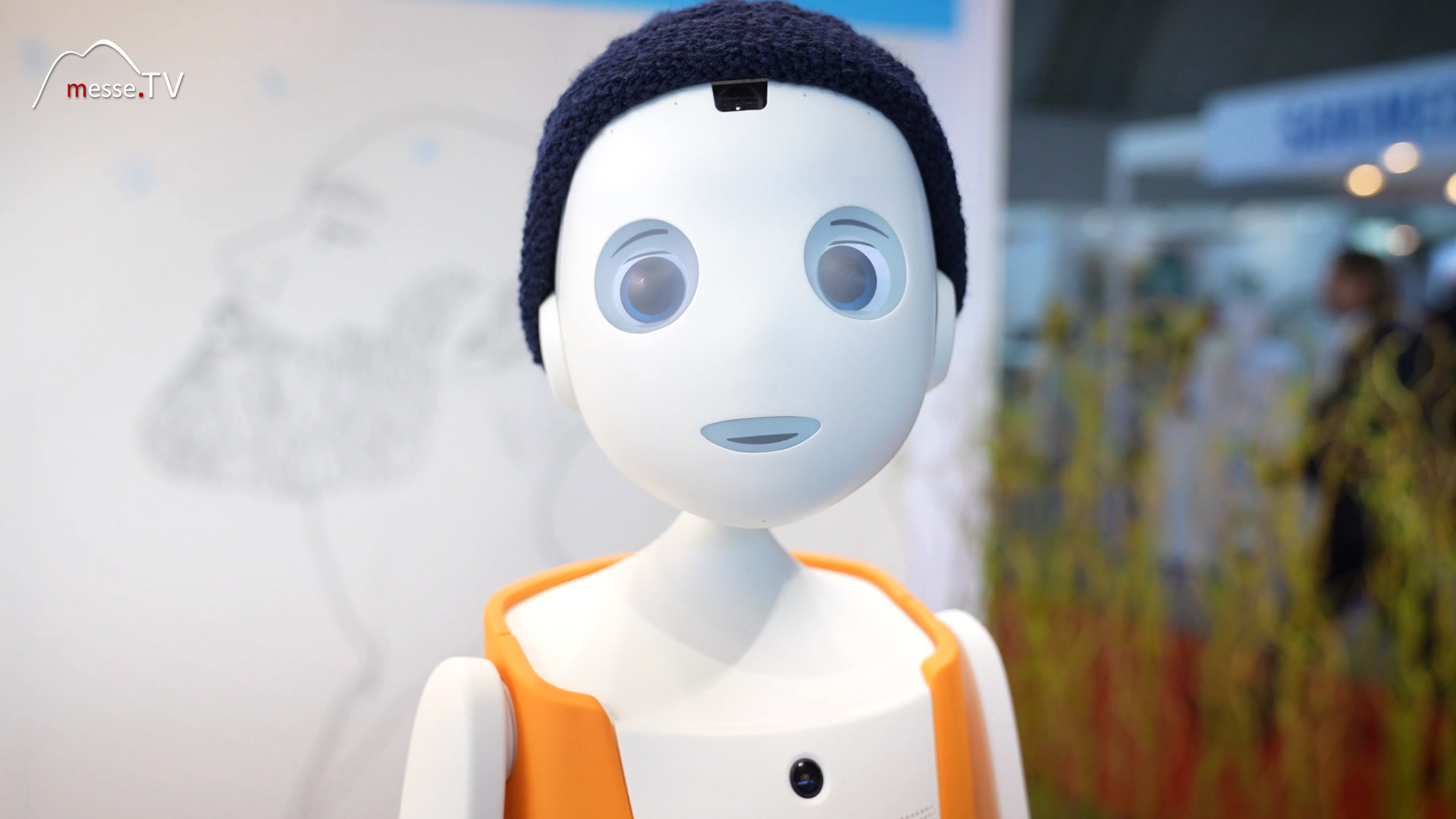
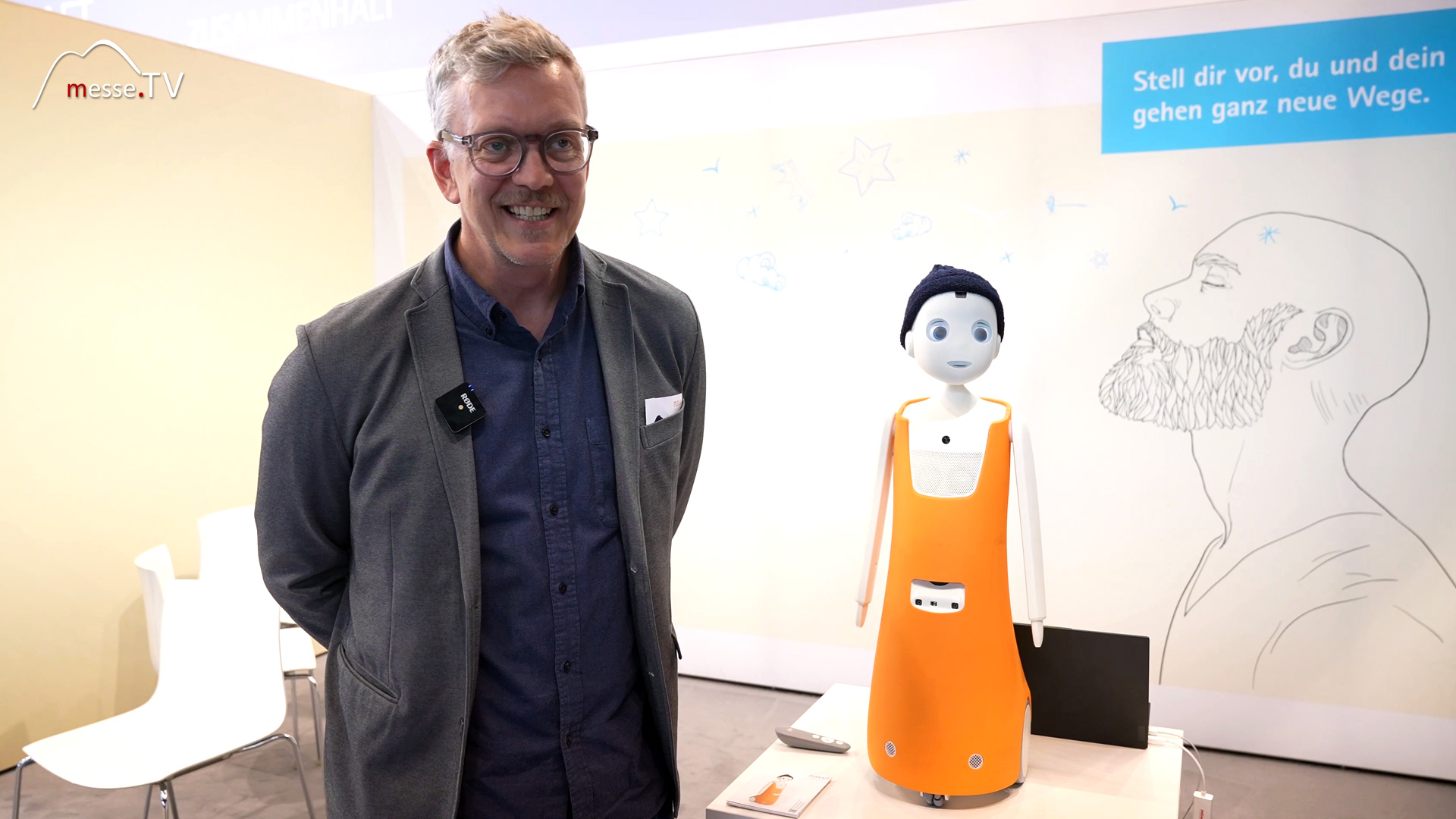
Social interaction is one of the biggest challenges in everyday care – especially where time and staff are in short supply. A Munich-based start-up is therefore pursuing a different approach: technology should enable conversation, create closeness, and enliven everyday life without replacing people. At the heart of this is a social robot that listens, responds, and activates.

A start-up with a focus on human-machine interaction
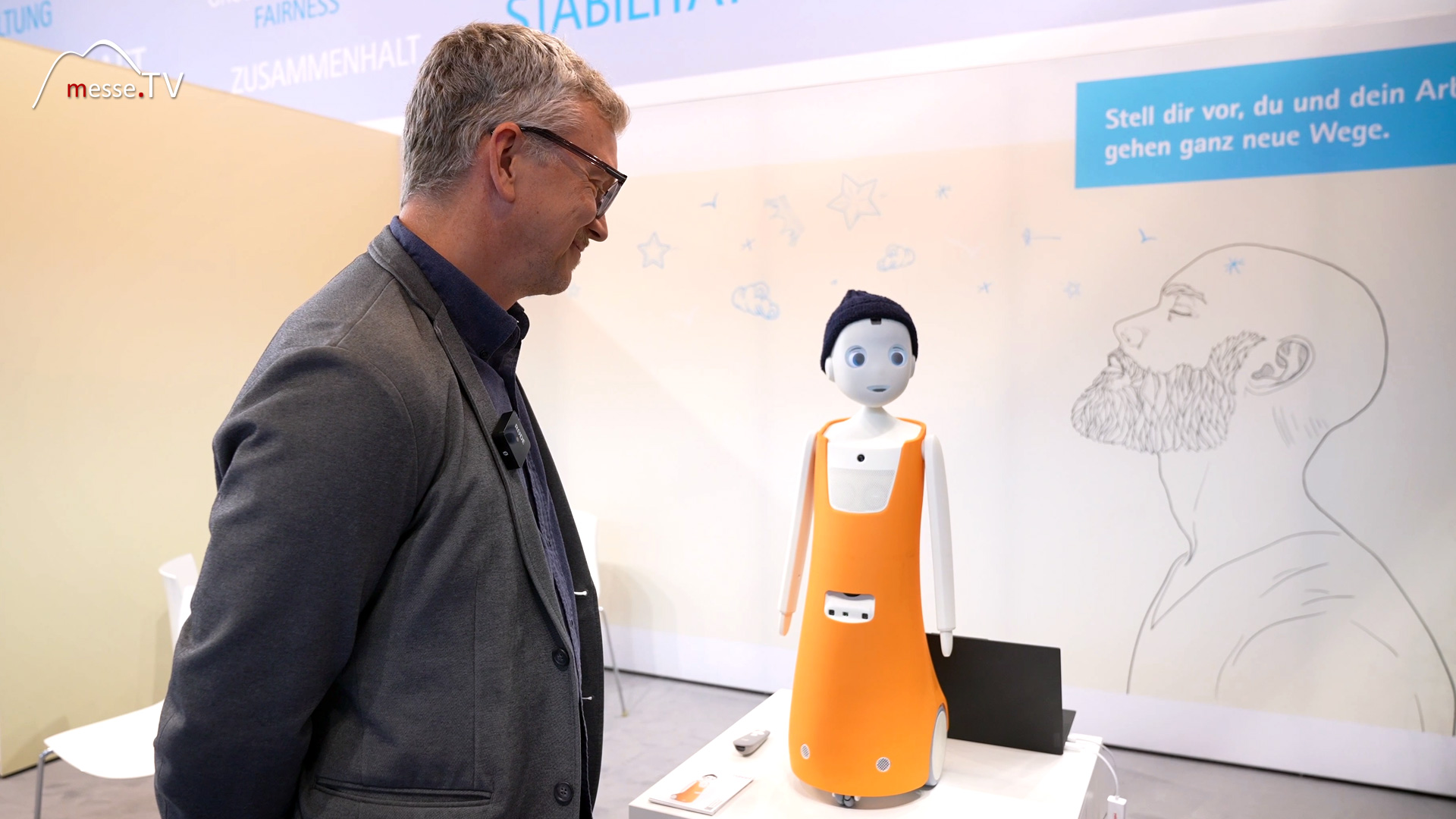
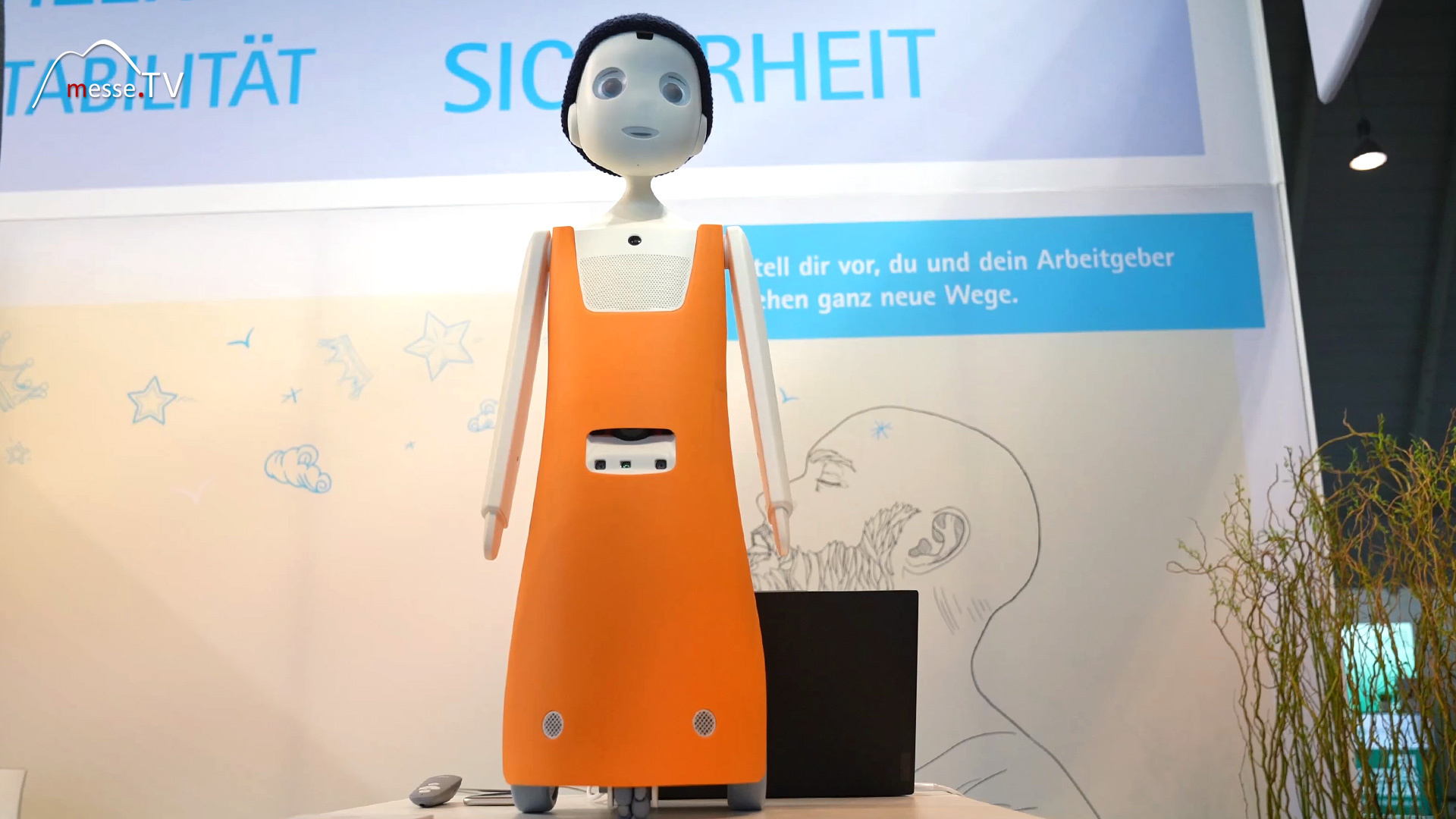
Navel Robotics is a young company from Munich that has been working intensively on the development of a social robot for several years. The team consists of seven people and has been working for almost six years on a solution specifically designed for use in care facilities. The founder comes from the field of human-machine interaction research and has a clear goal: It is not humans who should learn how machines work, but machines that should adapt to human language and communication. This basic idea gave rise to a robot that does not provide care, lift people, or perform medical tasks, but is designed exclusively for social interaction. The aim is to engage in conversation, ask questions, elicit emotional responses, and thus noticeably enliven everyday life in nursing homes.
A social robot for conversation and stimulation
The robot that has been developed specializes in talking to residents, listening to them, and actively seeking dialogue. It asks questions, responds to answers, and can provide both cognitive and emotional stimulation. The focus is less on imparting information and more on stimulation, entertainment, and social participation. This form of interaction can be an important addition, especially in care facilities where loneliness is a common issue. The robot is always ready for use, never gets tired, and remains patient even when questions are repeated or conversations go round in circles. These are qualities that often reach their limits in everyday human care due to time constraints.
Support in the face of a shortage of skilled workers
A key motive behind the development is the increasing shortage of skilled workers in the care sector. The gap between demand and available care workers has long been a reality and, according to many stakeholders, will not be closed in the short term. Navel Robotics therefore explicitly sees its robot as a supplement, not a replacement. By taking on social activation tasks, nursing staff can be relieved. Time that would otherwise be lacking for conversations or activities is at least partially compensated for by technology. At the same time, the robot is intended to help improve the atmosphere in the facilities and create a more lively environment.
Pilot projects and initial practical experience
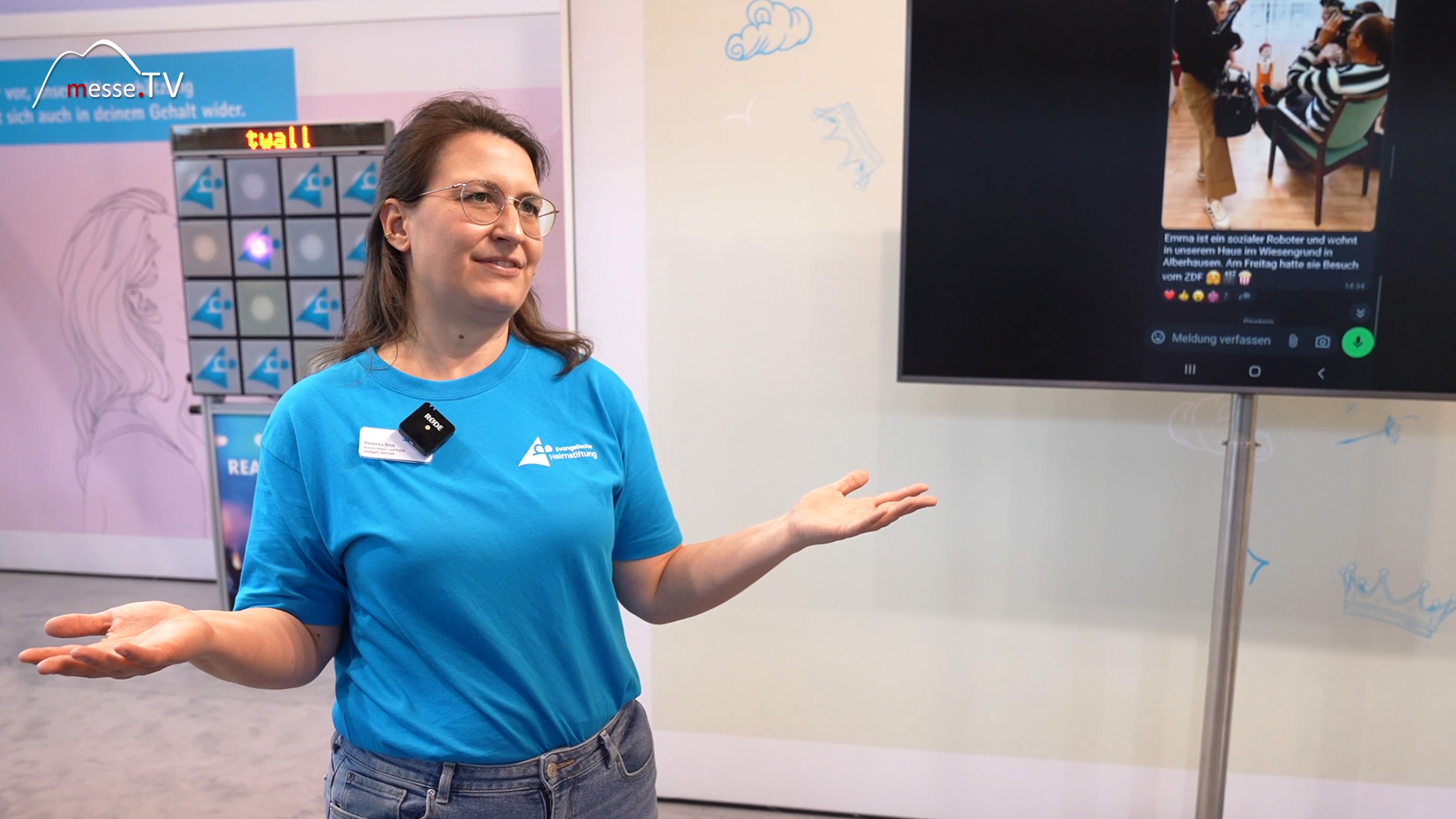
The robot has been on the market for about six months and is currently being tested in around a dozen nursing homes throughout Germany. The deployments are taking place as part of accompanied pilot projects, in which the reactions of residents, nursing staff, and relatives to the new technology are being specifically observed. Cooperation with the Evangelische Heimstiftung (Protestant Home Foundation) plays an important role in this. It critically accompanies the testing and provides feedback on the impact, acceptance, and possible side effects in everyday life. This close monitoring is particularly important to the development team in order to systematically evaluate real-world experiences.
Ethical questions and conscious differentiation
The use of social robots inevitably raises ethical and moral questions. Can technology replace human closeness? Is there a danger that robots will replace human relationships in the long term? Navel Robotics takes these concerns very seriously. The robot is not intended to replace caregivers or create emotional dependence. Instead, great importance is attached to closely observing the effects of its use in everyday life. Fears, reservations, and possible undesirable developments are openly discussed and reflected upon together with partners.
A look into the future of care
The team deliberately refrains from making clear predictions about the role of robots in care. The social, ethical, and organizational conditions are too complex. At the same time, there is agreement that technology will play a greater role in the future—not out of convenience, but out of necessity. If social robots can help improve working conditions, relieve the burden on caregivers, and offer residents more interaction and variety, the developers see this as a meaningful path forward. The decisive factor will always be the human being – as a benchmark, as a companion, and as an indispensable part of every care facility.

Trade fair reporting Germany - Trade fair knowledge, dates & events


