Shopping service for retirement and nursing homes – helpers with heart
Shopping is more than just provisioning – it means self-determination, social interaction, and everyday experiences. A mobile concept from Heilbronn brings exactly that back to retirement and nursing homes. A rolling kiosk regularly creates a moment that promotes community and makes small pleasures possible.

A mobile shopping service with a personal touch
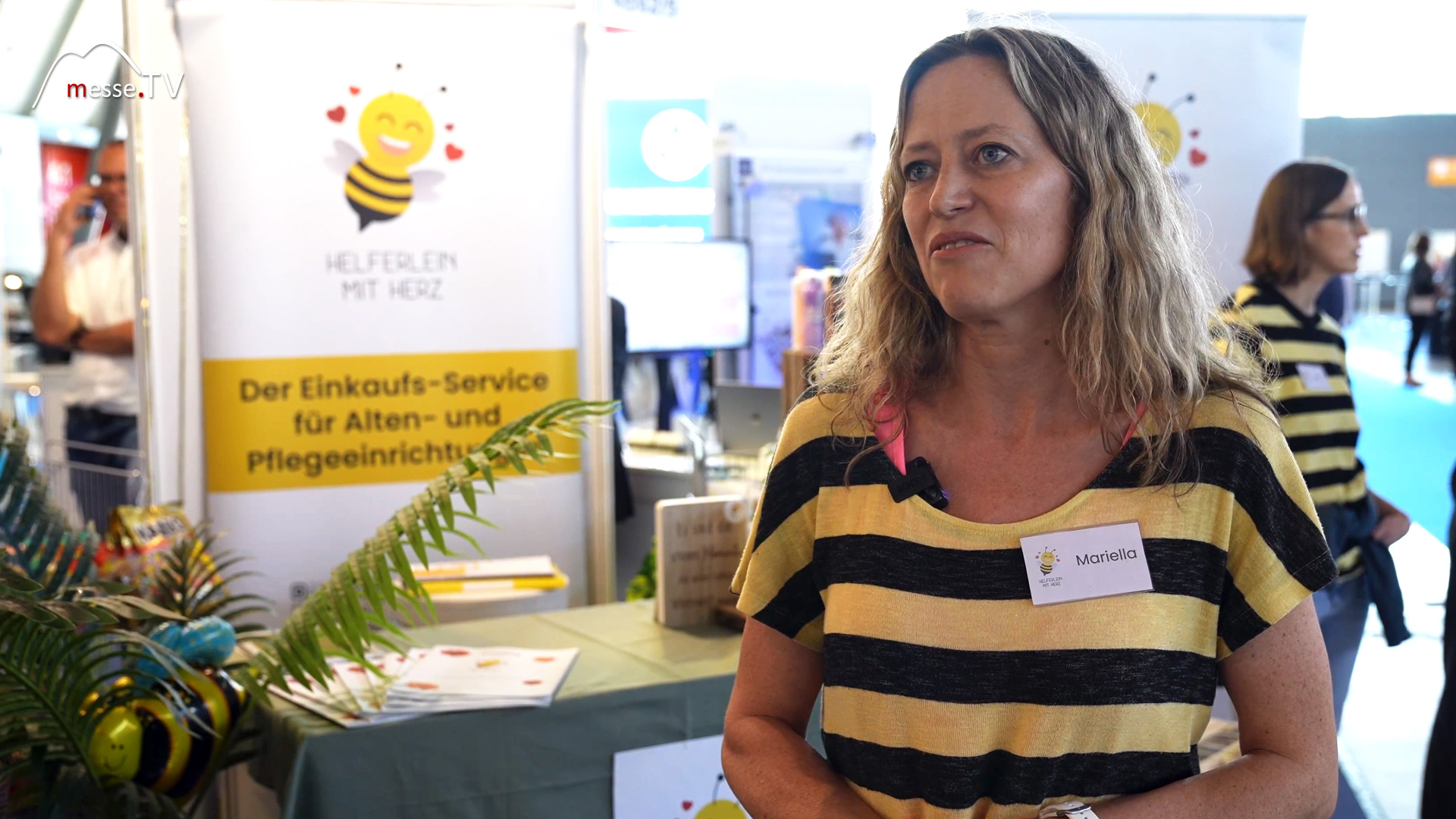
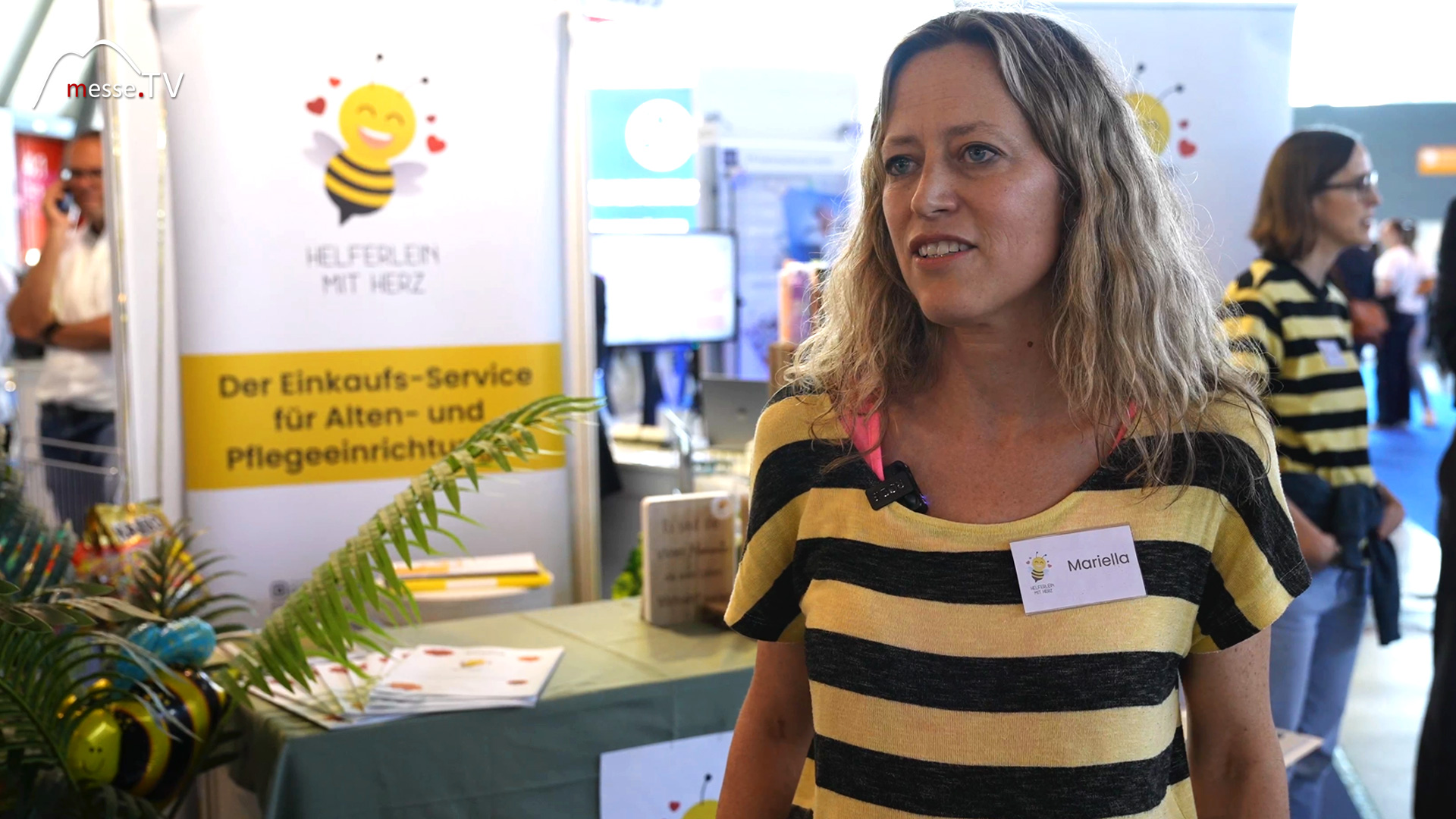
Helferlein mit Herz sees itself as a personal shopping service for retirement and nursing homes. The young company from Heilbronn has been active for around a year and a half and is run by a small team. The idea behind it is deliberately kept simple: a mobile kiosk comes directly to the facility and creates a place where residents can shop for themselves. It's not just about the products, but also about the atmosphere. Visiting the kiosk should be an experience that brings variety to everyday life. The initiators deliberately talk about little things that bring back joy – things that are often missing in everyday life in a care home or are only available if organized.
The kiosk comes to the residents
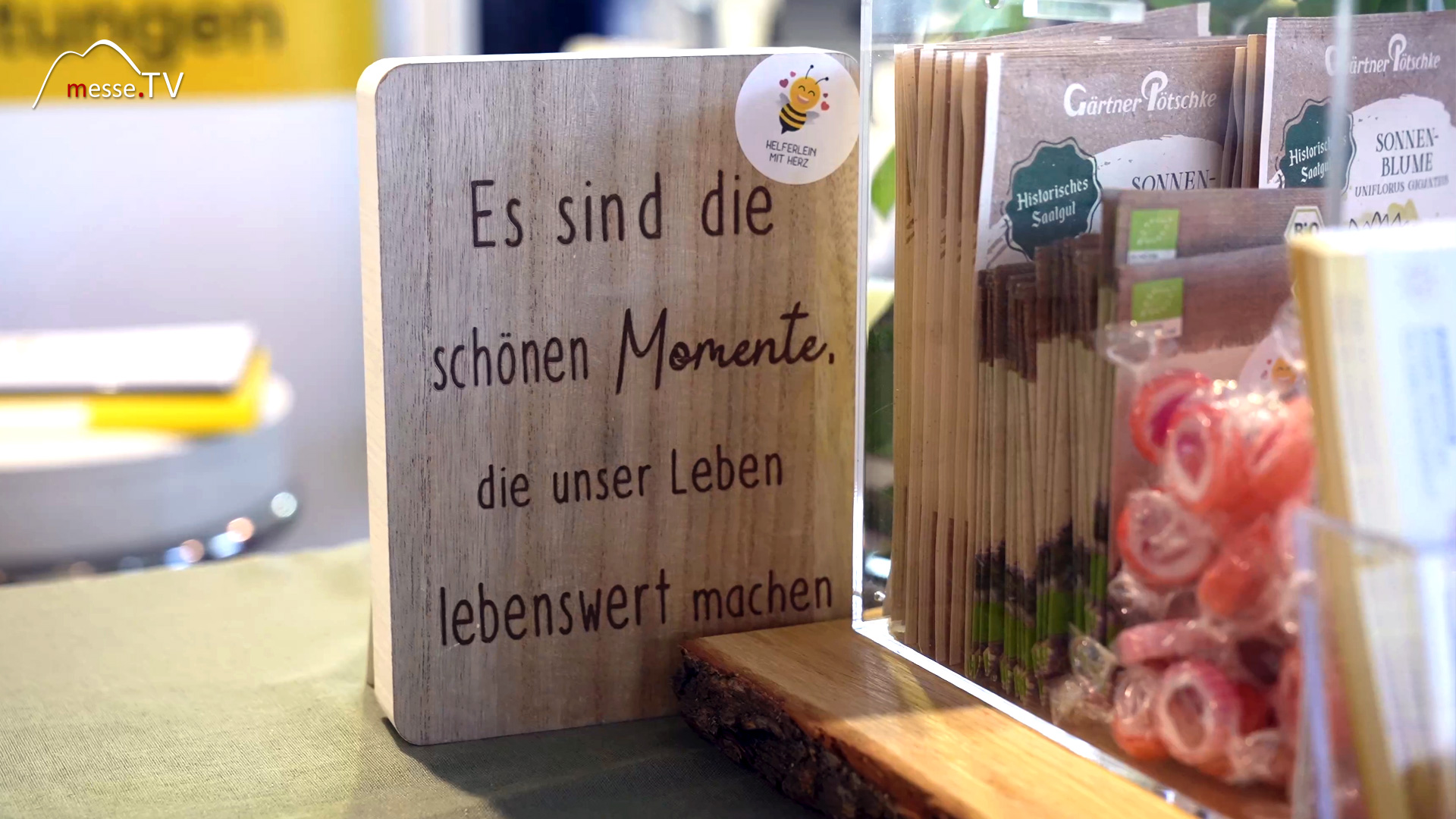
The process is clearly structured. The team drives to the facility in a VW bus, brings several rollable modules with them, and uses them to set up a complete kiosk. The offering is supplemented by tables and chairs, drinks, and small snacks. Within a short time, a meeting place is created that brings residents out of their rooms. The range includes sweets, snacks, non-alcoholic beverages, magazines, and selected cosmetics. Relatives are expressly welcome and often use the opportunity to shop together with their family members. This turns a visit to the kiosk into a small event that usually takes place once a month.

Independence as a central element
What makes this concept special is not so much the sales as the effect. Residents don't have to ask anyone to bring them something or get something for them. Instead, they make their own decisions. Whether it's gummy bears, licorice, a magazine, or a drink, they make their own purchases and pay for them themselves. This simple act has great significance. It gives them back a sense of control and independence. Especially in facilities where many things are organized and predetermined, shopping for oneself becomes a part of everyday life.
Conviviality instead of care
The mobile kiosk temporarily changes the dynamic in the facility. Residents sit together, chat, laugh, and engage in conversation. Nursing and care staff report that these events contribute noticeably to social activation. Shopping thus becomes a social event. The focus is not on the goods, but on the encounter. This is precisely where the added value of the concept lies, which deliberately remains low-threshold and does not place any additional demands on the facility.
Establishment in the Heilbronn area
The service is currently offered regularly in several facilities in the Heilbronn area. The feedback has been positive, both from residents and from the facilities themselves. The organizers see this as confirmation that simple concepts with a human focus can work in everyday care. There are plans to expand in the long term. The aim is to bring the service to other cities via a franchise model. The yellow bus will then also be parked regularly in front of facilities in other locations, creating the same framework for encounters and independence.
Financing as an event model
The service is financed in two ways. On the one hand, through the sale of products, which are deliberately priced slightly above the usual retail price. On the other hand, the facilities book the kiosk as an event, similar to other leisure activities. This model ensures planning security and makes it possible to offer the service on a regular basis. The cost to the facilities is manageable and is offset by the positive impact on residents and the community.
Small ideas with a big impact
Helferlein mit Herz shows that innovation in the care sector does not necessarily have to be technical. Sometimes it is enough to bring back familiar everyday situations and reorganize them. The mobile kiosk combines shopping, socializing, and independence—creating added value that is often underestimated in everyday care.

Trade fair reporting Germany - Trade fair knowledge, dates & events


