Aufstehhilfe Design Komfort Pflege im klinischen Alltag
Die Versorgung pflegebedürftiger Menschen stellt hohe Anforderungen an Technik, Ergonomie und Sicherheit. Eine moderne Aufstehhilfe muss nicht nur funktional zuverlässig sein, sondern auch den körperlichen Belastungen von Pflegekräften Rechnung tragen und gleichzeitig den Komfort der Patienten gewährleisten.
Design, Materialwahl und technische Details sind dabei keine Nebenaspekte, sondern zentrale Faktoren für den Einsatz im klinischen Alltag, in Pflegeeinrichtungen und im häuslichen Umfeld.
Herstellerkompetenz und langjährige Erfahrung
Seit mehreren Jahrzehnten entwickelt BEKA Hospitec medizinische Hilfsgeräte für den professionellen Pflegeeinsatz. Die Produktion und Entwicklung sind in Hessen angesiedelt, wodurch kurze Wege zwischen Konstruktion, Fertigung und Qualitätssicherung möglich sind. Diese Nähe spiegelt sich in einer konsequent praxisorientierten Auslegung der Produkte wider, die nicht auf theoretische Idealbedingungen, sondern auf reale Pflegesituationen zugeschnitten ist. Der Anspruch, Qualität und Gestaltung miteinander zu verbinden, zeigt sich besonders deutlich bei mobilen Hilfsmitteln. Eine Aufstehhilfe ist kein rein technisches Gerät, sondern Teil einer sensiblen Interaktion zwischen Pflegekraft und Patient. Entsprechend spielen optische Gestaltung, Farbwahl und Materialanmutung eine wichtige Rolle für Akzeptanz und Sicherheit.

Komfort als funktionales Prinzip
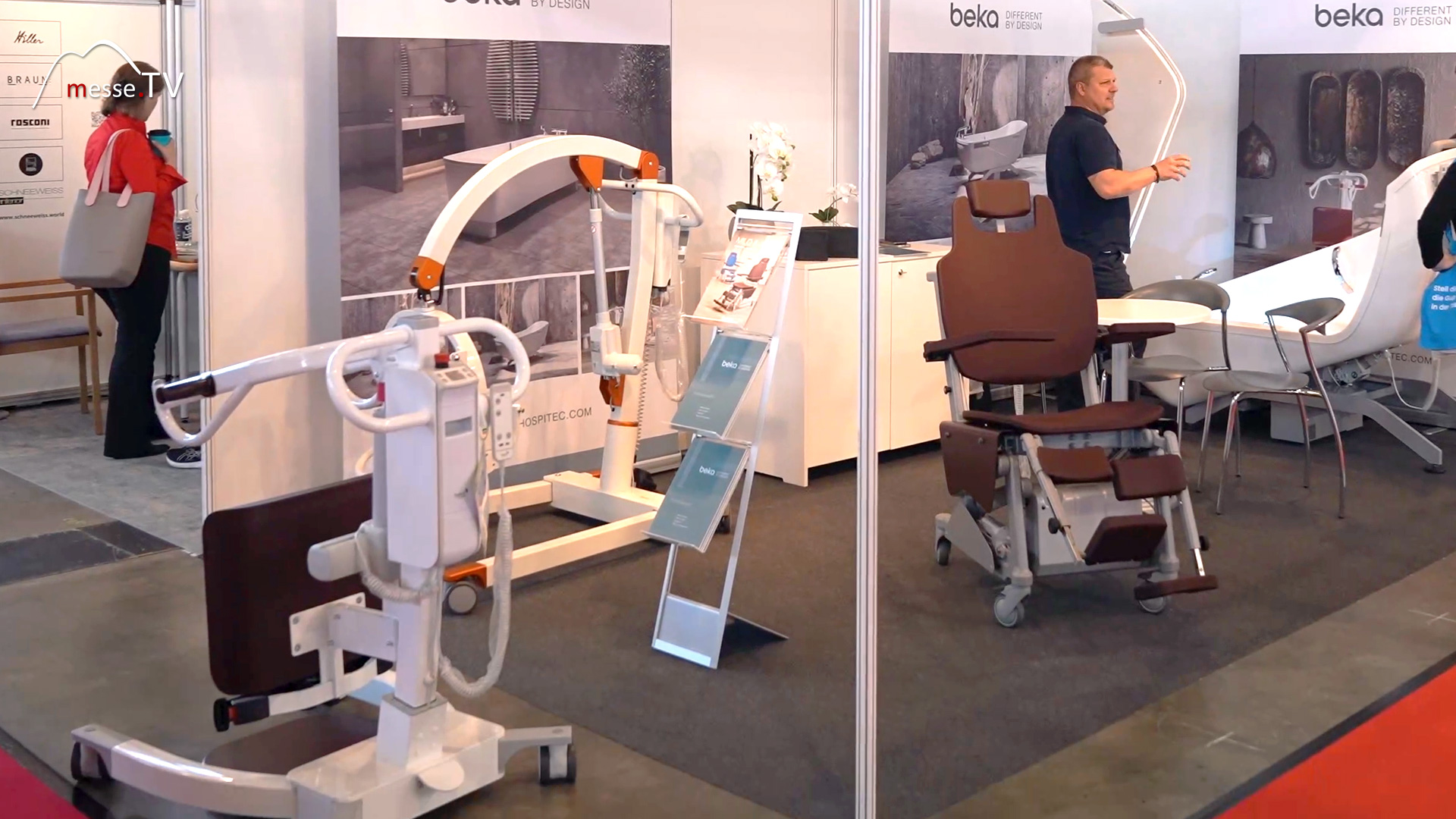
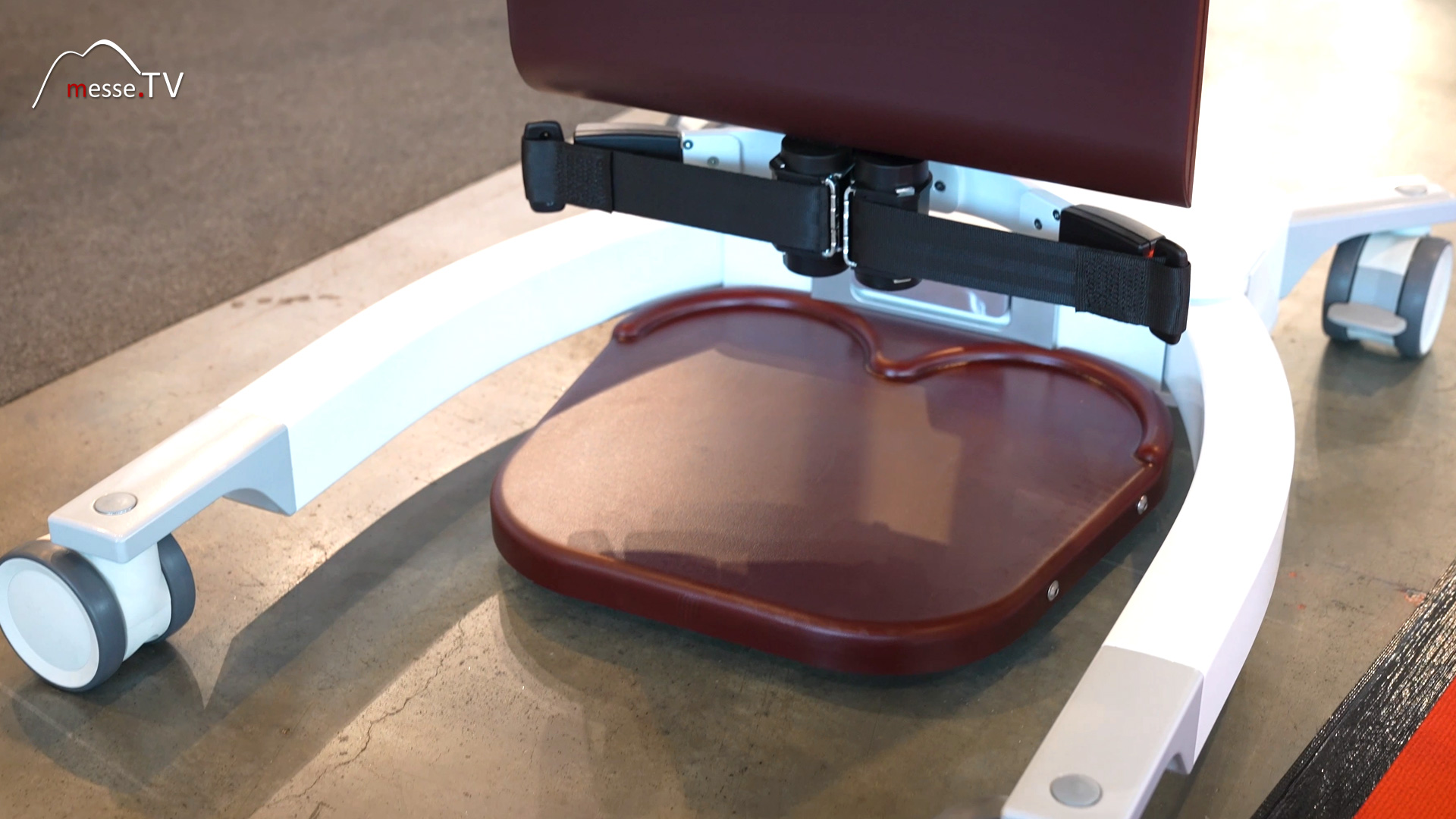
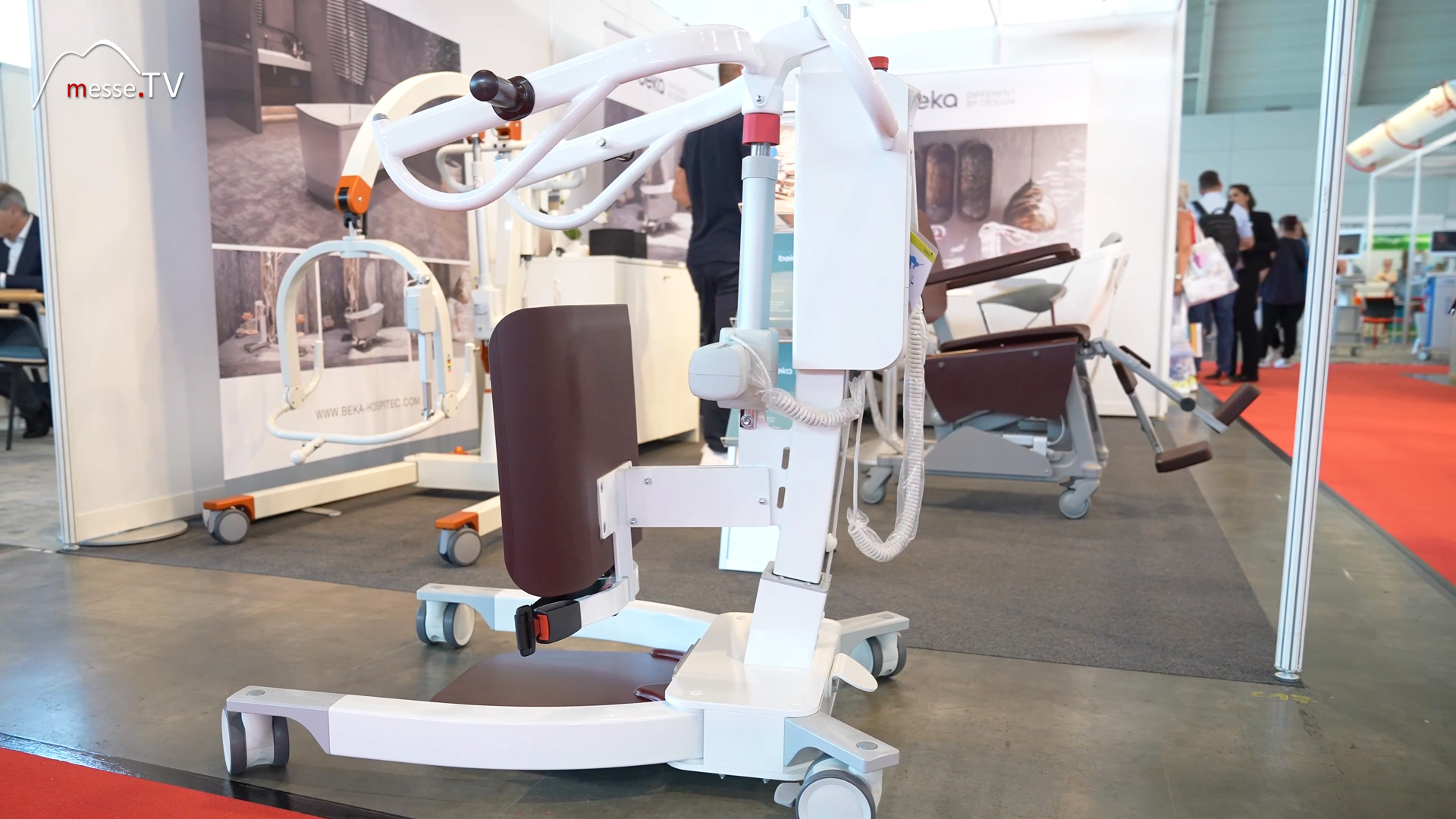
Ein zentrales Merkmal moderner Aufstehhilfen ist das sogenannte 3D-Komfortsystem. Dabei handelt es sich um eine mehrschichtige Polsterung aus Memoryschaum, vergleichbar mit Materialien, die auch bei Dekubitus-Kissen eingesetzt werden. Knie und Kontaktflächen sinken sanft ein, wodurch Druckspitzen vermieden werden. Gleichzeitig bleibt die Standfestigkeit erhalten, was die Rutschgefahr deutlich reduziert. Gerade bei Patienten mit eingeschränkter Mobilität oder erhöhter Sturzgefährdung ist dieser Aspekt entscheidend. Komfort wird hier nicht als Zusatz verstanden, sondern als funktionaler Bestandteil der Sicherheit. Die Aufrichtung erfolgt kontrolliert und gleichmäßig, ohne ruckartige Bewegungen oder unangenehme Druckbelastungen.
Materialwahl und Einsatz im Nassbereich
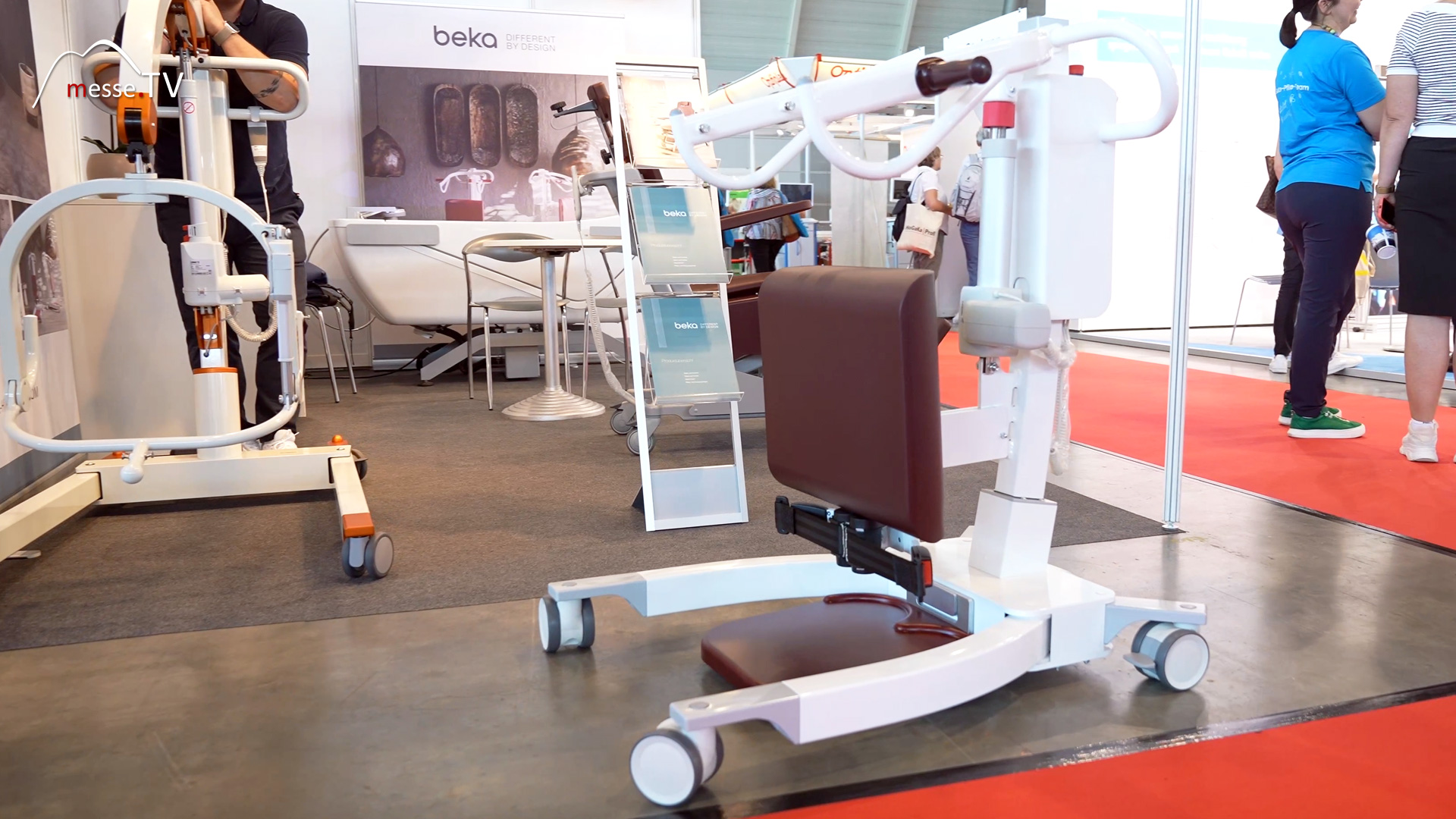
Ein wesentlicher technischer Unterschied zu vielen anderen Geräten liegt in der vollständigen Alukonstruktion. Aluminium bietet gleich mehrere Vorteile: Es ist korrosionsbeständig, vergleichsweise leicht und dennoch stabil. Dadurch eignet sich das Fahrgestell auch für den Einsatz im Nassbereich, etwa beim Duschen oder bei unterstützenden Tätigkeiten im Intim- und Gesäßbereich. Im Pflegealltag bedeutet dies mehr Flexibilität, da ein Gerätewechsel zwischen trockenen und feuchten Einsatzorten nicht erforderlich ist. Gleichzeitig reduziert das geringe Eigengewicht den Kraftaufwand beim Rangieren und Positionieren, was insbesondere bei beengten Platzverhältnissen spürbar entlastet.
Demenzsensible Gestaltung und Sicherheit
Auch die Farbgestaltung ist funktional begründet. Kräftige Rot- und Dunkelrottöne werden von Menschen mit Demenz häufig als Grauschattierungen wahrgenommen. Kontaktflächen heben sich dadurch visuell ab und laden intuitiv zum Festhalten ein. Diese Gestaltung unterstützt Orientierung und Sicherheit, ohne zusätzliche Erklärungen oder Anweisungen erforderlich zu machen. Ergänzt wird dies durch einen integrierten Sicherheitsgurt mit automatischem Einziehmechanismus. Ähnlich wie bei einem Fahrzeuggurt entfällt das manuelle Nachziehen. Der Gurt wird einmal angelegt und zieht sich selbstständig an, was den Ablauf vereinfacht und Zeit spart.
Steuerung, Wartung und Alltagstauglichkeit
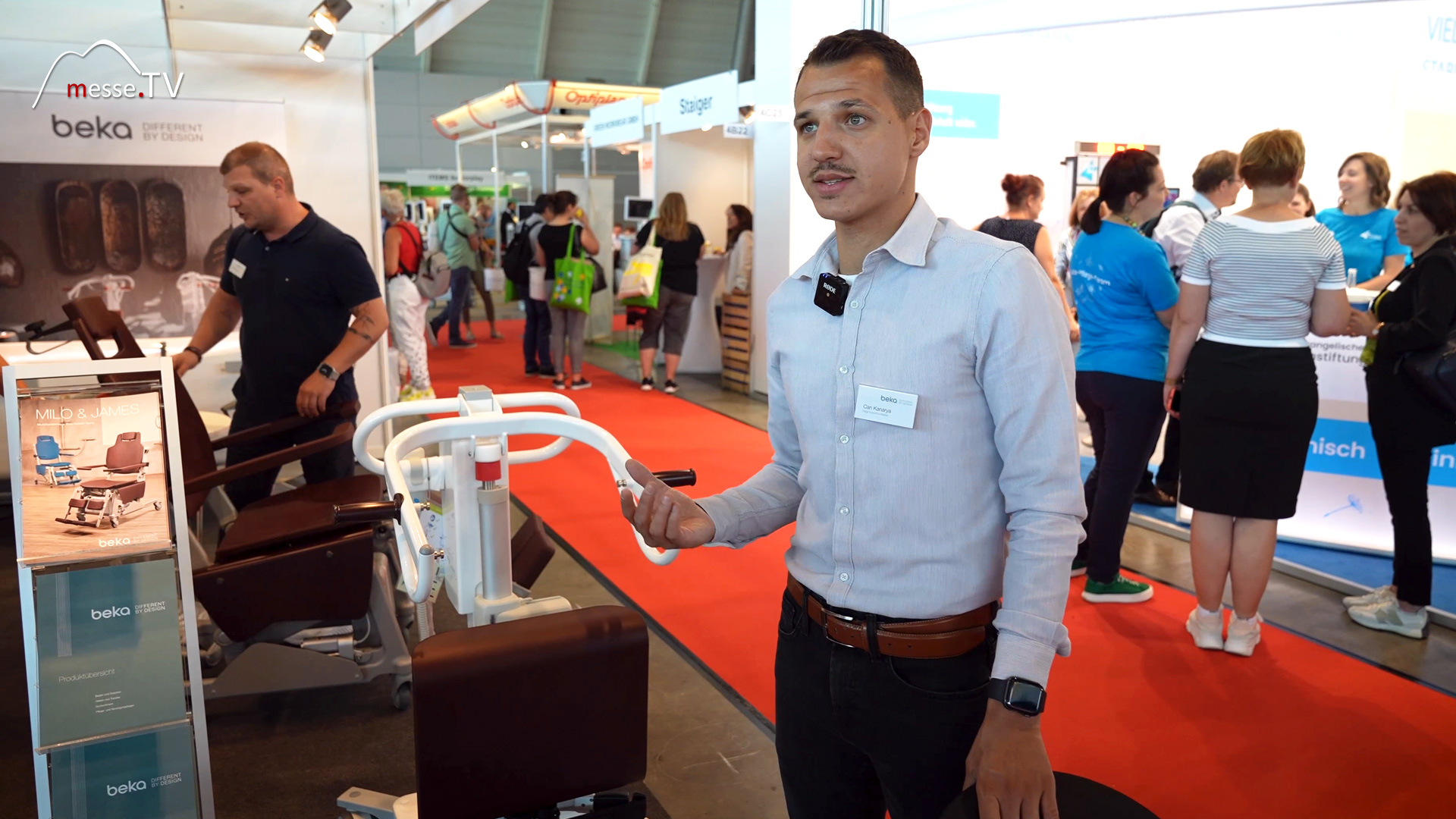
Die technische Steuerung erfolgt über eine übersichtliche Displayanzeige. Angezeigt werden unter anderem der Akkustand, die Höhenverstellung sowie Hinweise auf anstehende Wartungen. Sobald eine regelmäßige Prüfung erforderlich ist, signalisiert das Gerät dies eindeutig. Diese Form der Selbstüberwachung erhöht die Betriebssicherheit und unterstützt Pflegeeinrichtungen bei der Einhaltung gesetzlicher Vorgaben. Zusätzlich lassen sich zentrale Funktionen wie Heben, Senken und das Spreizen des Fahrgestells über eine Fernbedienung steuern. Das ermöglicht eine flexible Anpassung an unterschiedliche Raumsituationen und Patientenbedürfnisse. Typische Vorteile im Pflegealltag lassen sich wie folgt zusammenfassen:
- Hoher Komfort durch mehrschichtige Polsterung
- Sichere Nutzung im Nassbereich dank Alukonstruktion
- Reduzierte körperliche Belastung für Pflegekräfte
- Intuitive Bedienung und klare Wartungshinweise

Einordnung im Pflegekontext
Der Einsatz einer hochwertigen Aufstehhilfe wirkt sich nicht nur auf einzelne Transfersituationen aus, sondern auf den gesamten Pflegeprozess. Weniger körperliche Belastung senkt langfristig das Risiko für Arbeitsausfälle. Gleichzeitig profitieren Patienten von einem würdevollen, sicheren Bewegungsablauf, der Selbstvertrauen schafft und Ängste reduziert. Preislich bewegen sich solche Systeme im oberen Segment professioneller Pflegehilfsmittel. Die Investition relativiert sich jedoch durch Langlebigkeit, geringeren Wartungsaufwand und vielseitige Einsatzmöglichkeiten. Entscheidend ist dabei nicht der reine Anschaffungspreis, sondern der Nutzen über die gesamte Lebensdauer hinweg.
Bedeutung für moderne Pflege
Aufstehhilfe, Design und Komfort sind heute untrennbar mit zeitgemäßer Pflege verbunden. Technische Lösungen müssen funktional, sicher und gleichzeitig sensibel gestaltet sein. Im klinischen Alltag zeigt sich, dass genau diese Kombination den Unterschied macht: für Pflegekräfte, für Patienten und für Einrichtungen, die langfristig auf Qualität und Verlässlichkeit angewiesen sind.


Messe-Berichterstattung bundesweit - Messewissen, Termine & Veranstaltungen


