BionicBack exoskeleton Care Back Prevention in everyday work
Physical strain in the nursing profession is one of the main causes of sick leave. Lifting, transferring, and preventive activities have a lasting effect on the back and, in particular, on the sensitive area of the lumbar spine.
Back problems are not the exception for many nursing staff, but part of their everyday working life. Technical prevention solutions such as an exoskeleton can help here and noticeably relieve the strain of everyday work.
Back strain as a structural nursing problem
Musculoskeletal disorders are among the most common reasons for short- and medium-term absences from work in the nursing sector. Back problems are the second most common cause of work absences after mental stress. Many caregivers report pain, restricted movement, or initial absences after just a few years on the job. The cause is less a single event than the constant repetition of unfavorable movements. Against this backdrop, prevention is becoming more of a focus. The aim is not to treat stress once damage has already occurred, but to reduce it at an early stage. This is exactly where a passive exoskeleton such as BionicBack comes in.
How a passive exoskeleton works
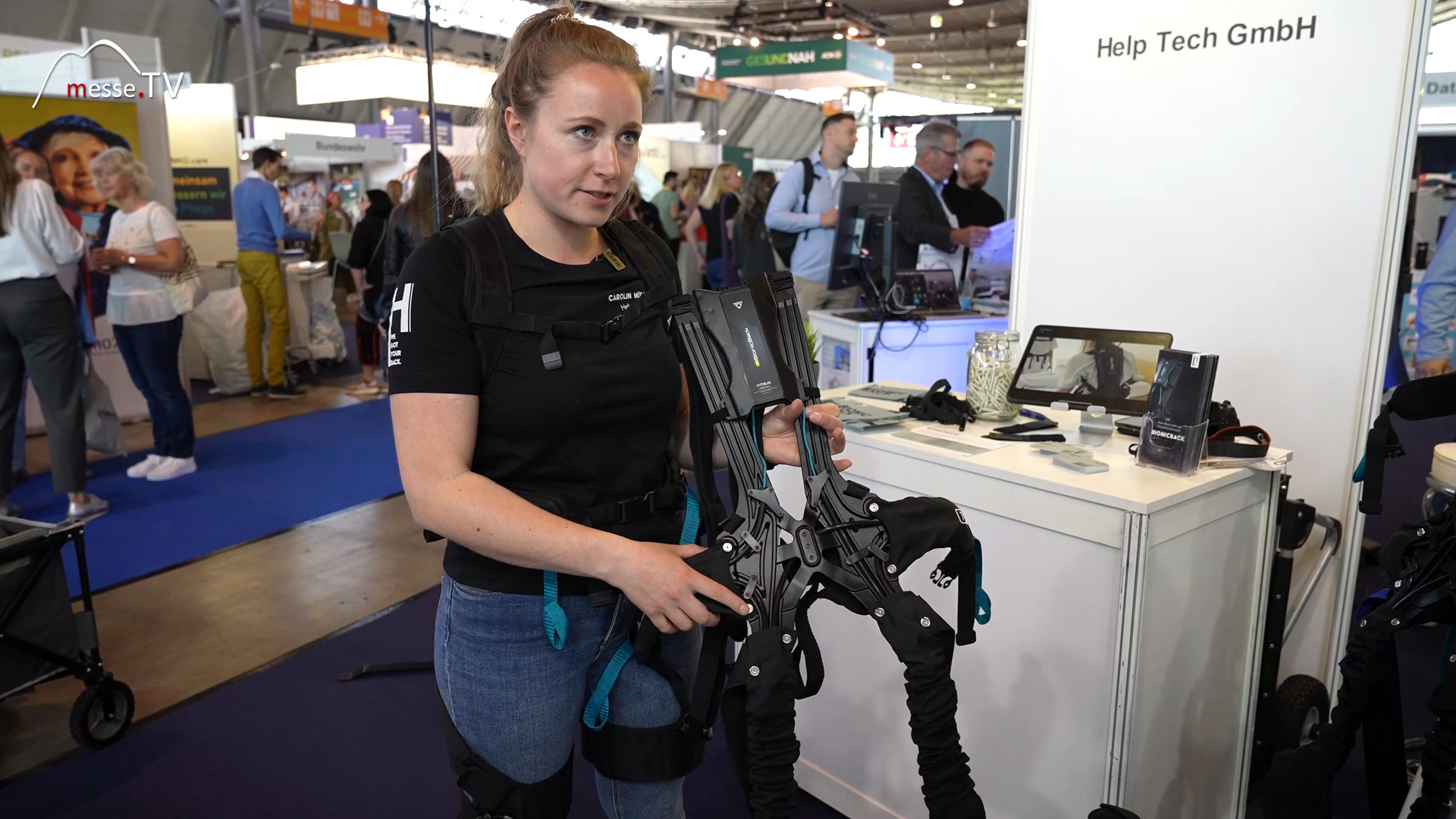
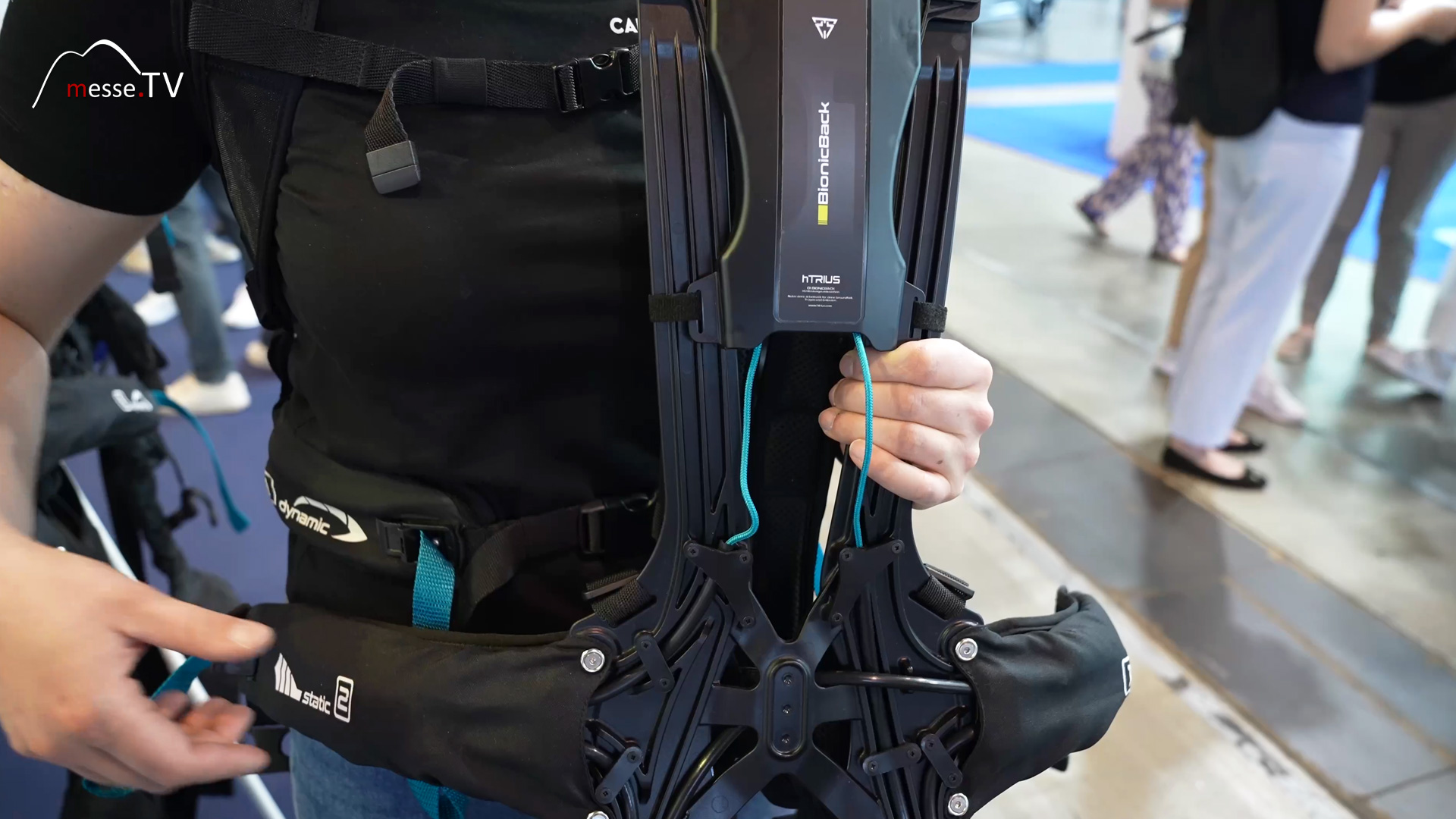
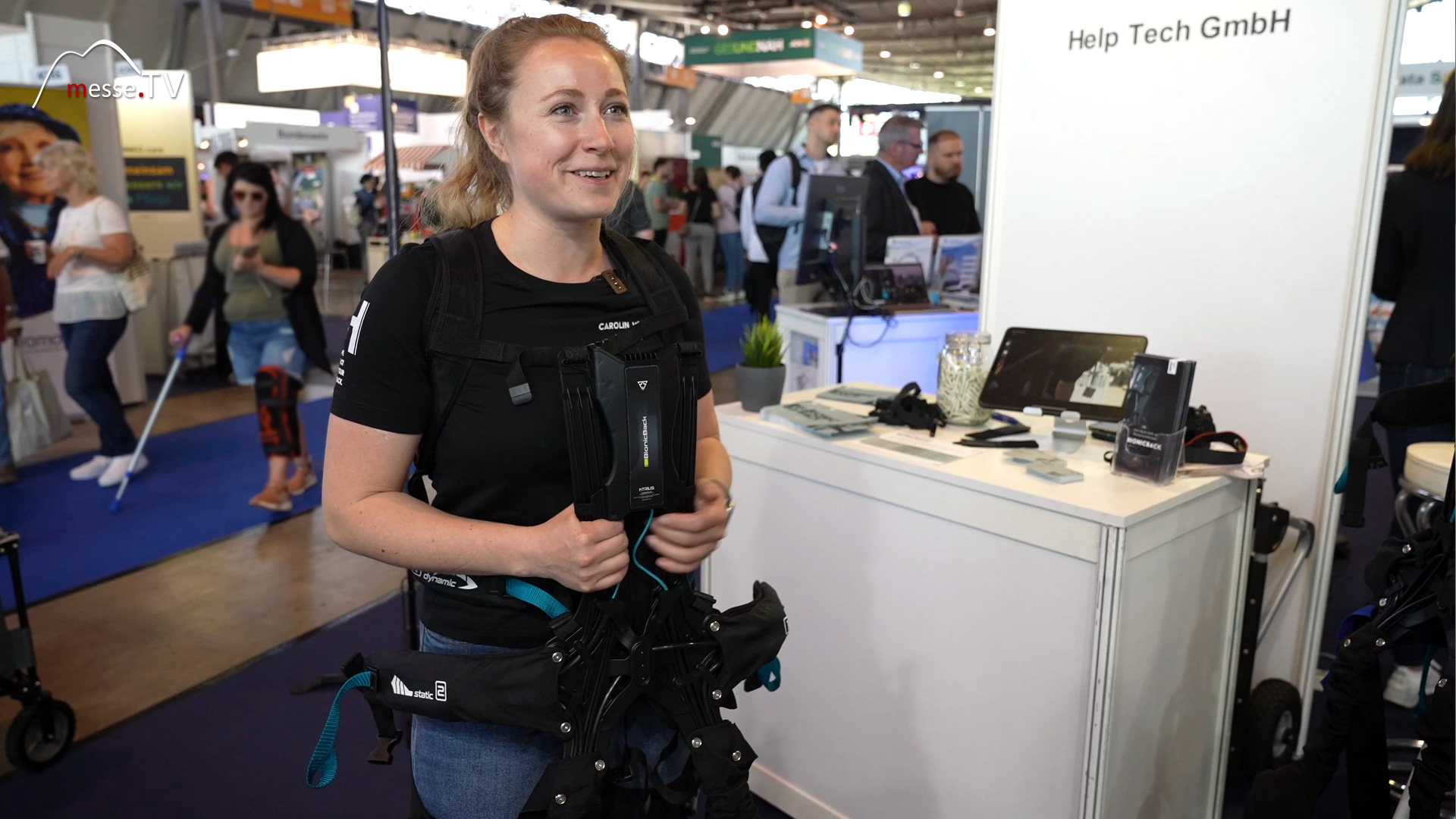
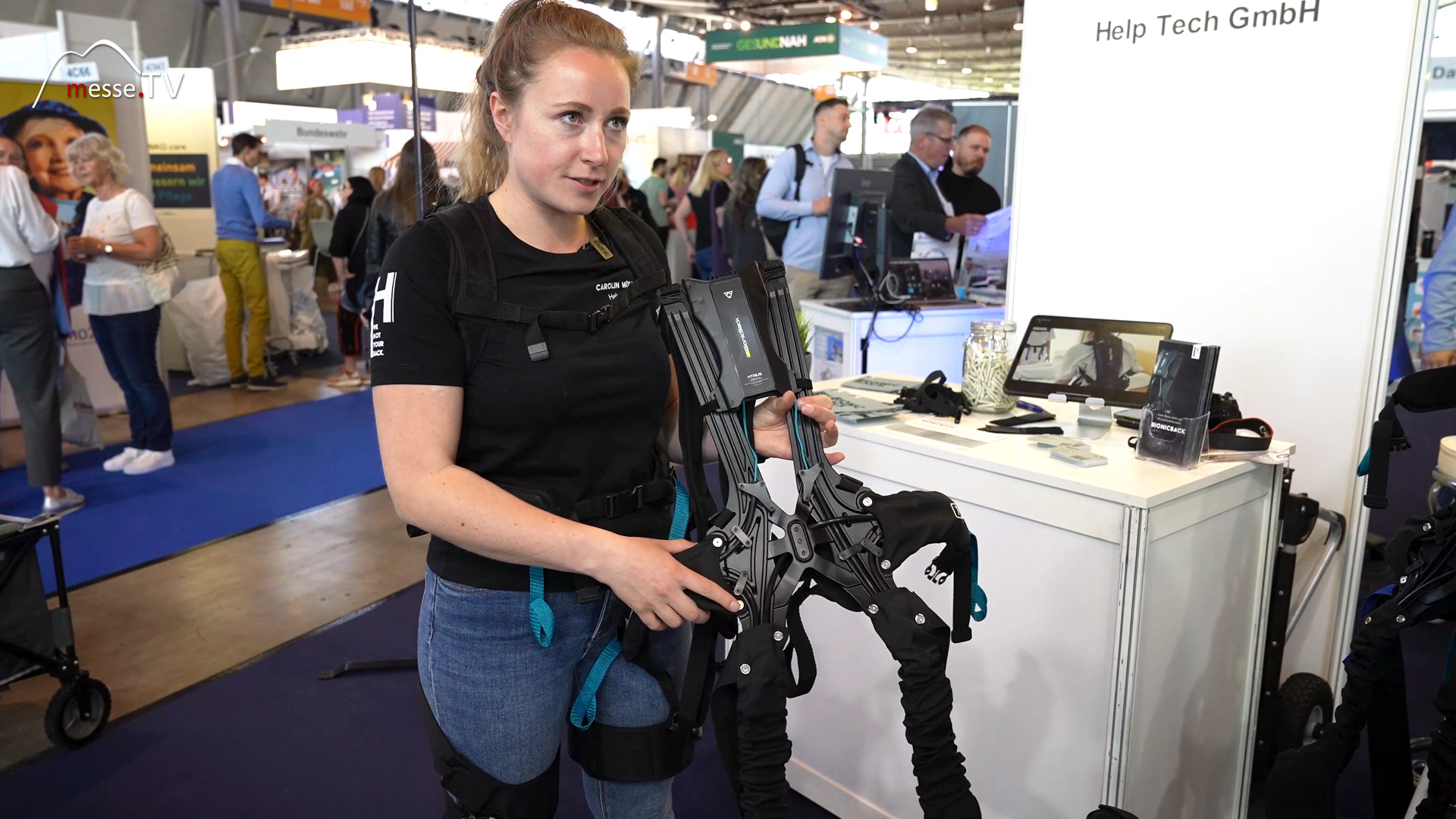
BionicBack is a passive exoskeleton that is worn directly on the back and does not require motors or an external power supply. The design combines a stable back structure in the lower spine area with an elastic support system. The lumbar spine area in particular is specifically supported, as this is where most work-related back problems occur. Integrated elastomer straps tighten during forward bending and lifting movements and work synchronously with the back extensor. When straightening up, they release stored energy and support the movement. The resulting forces are not absorbed exclusively by the back, but are distributed to other muscle groups, such as the legs, buttocks, and torso. This significantly reduces the localized strain on the spine.
Ergonomics in everyday nursing care
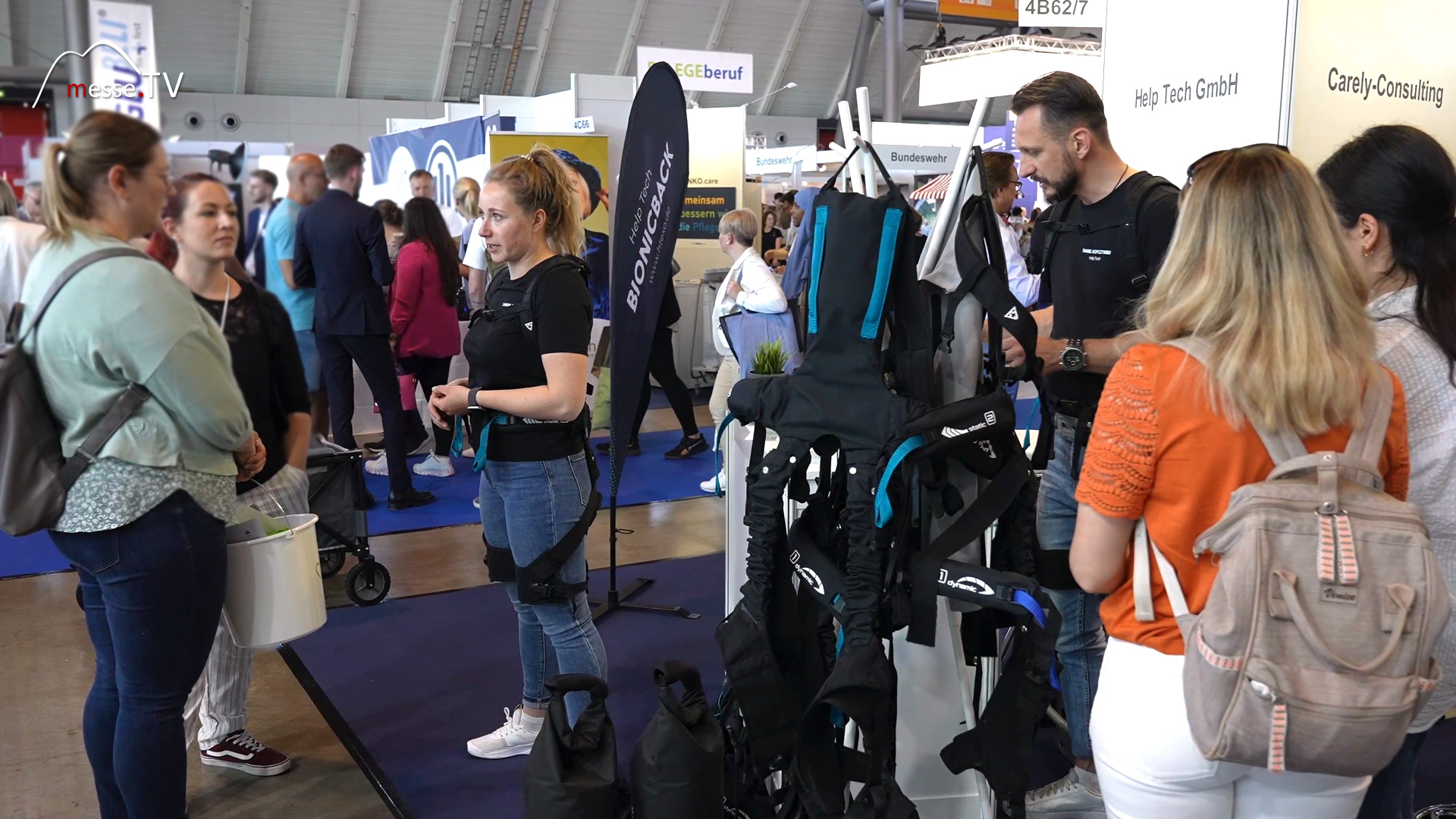
An essential feature of BionicBack is its suitability for everyday use. Freedom of movement is maintained, the exoskeleton does not interfere with work processes, and requires no adjustment. Caregivers can continue to work close to the patient without being restricted by rigid mechanics. The system is particularly useful for frequent activities such as mobilization, repositioning, or transfers. Support is provided exactly when it is biomechanically necessary—under load—and remains in the background when it is not needed.
Safety during patient contact
Safety plays a crucial role in sensitive care environments. Patients with dementia or restlessness may grab clothing or technical elements. To minimize this risk, the exoskeleton is equipped with a special care cover that completely covers the back area. This cover fulfills several functions: it prevents unintentional intervention, is easy to remove and clean hygienically, and at the same time creates defined contact points. During transfers, patients can be instructed to hold on to designated handles instead of pulling on the neck or clothing – a common cause of acute back strain.
Prevention as an employer's responsibility
The use of an exoskeleton should primarily be understood as a preventive measure. This means that the responsibility lies with the employer. In practice, however, it has been shown that preventive investments are often postponed, while aids are only used once complaints have already arisen. The benefits are obvious: less strain means less downtime in the long term, lower follow-up costs, and greater job satisfaction. In cases of existing back problems, additional financing can be sought from external cost bearers, such as pension insurance, professional associations, or employment agencies.
Classification in the technical transformation of nursing care
Technical support systems are becoming increasingly important in the nursing care sector. While digitalization primarily affects documentation and organization, an exoskeleton is worn directly on the body. It does not change the care activity itself, but rather the physical strain with which it is performed. BionicBack was developed by Help Tech, a company based in Baden-Württemberg that specializes in ergonomic solutions for nursing care. The approach is deliberately pragmatic: robust mechanics, easy to use, clear function.
Benefits for nursing staff and facilities
The practical added value is particularly evident in everyday use:
- Relief for the back during lifting and bending activities
- More ergonomic work movements without restriction
- Reduced risk of chronic back problems
- Greater safety during patient transfers
- Strengthening of preventive occupational safety concepts
Back prevention as part of sustainable care work
An exoskeleton is no substitute for structural reforms, additional staff, or good organization. However, it can be an effective building block for making care work healthier in the long term. Back health, prevention, and everyday work cannot be viewed separately. The use of BionicBack shows that prevention in the nursing profession is becoming increasingly concrete—not as a theoretical concept, but as technical support that addresses the areas where strain actually occurs.


Trade fair reporting Germany - Trade fair knowledge, dates & events


