TH International: Contactless monitoring for optimal patient monitoring
Demographic developments are presenting similar challenges for care and healthcare worldwide. At the same time, there is a growing need for technologies that provide support without impacting people's everyday lives. TH International addresses precisely this interface with a consistently contactless approach.
TH International and the view to Asia
TH International is managed by Thomas Hinrichsen and sees itself as an innovation partner at the interface between medical technology, nursing care, and industrial applications. A central focus is on connecting the German market with Asia, in particular with Japan and Korea. There, the so-called silver market—i.e., a rapidly aging society—is already more pronounced, and developments and solutions have been tested in practice. The basic assumption is clear: Germany and many Asian countries face comparable structural challenges. Aging populations, increasing care needs, and a simultaneous shortage of skilled personnel require new concepts that go beyond traditional care aids.
Contactless detection instead of wearable systems
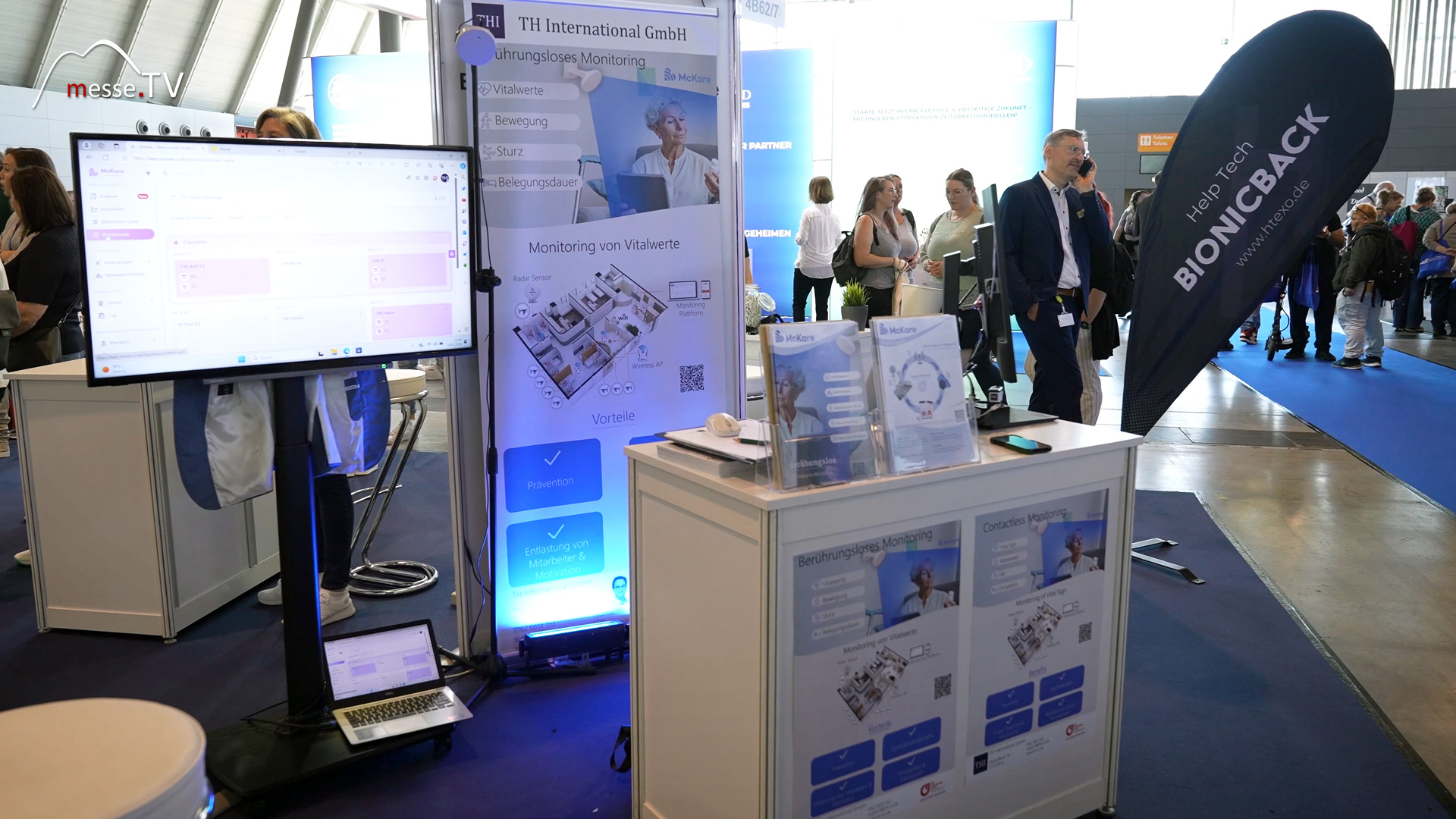
The development focuses on a completely contactless technology for recording vital signs and movement patterns. From the outset, the aim was to do away with anything that could be perceived as disruptive. No cables, no watches, no chains, and no pressure-sensitive mats that wear out or need to be replaced regularly. The sensor works invisibly in the background and does not impair freedom of movement or quality of life. There are no additional barriers for the people being cared for, no reminder that they are being monitored. Especially in sensitive care environments, this aspect is crucial for acceptance and suitability for everyday use.
Real-time data and long-term analysis
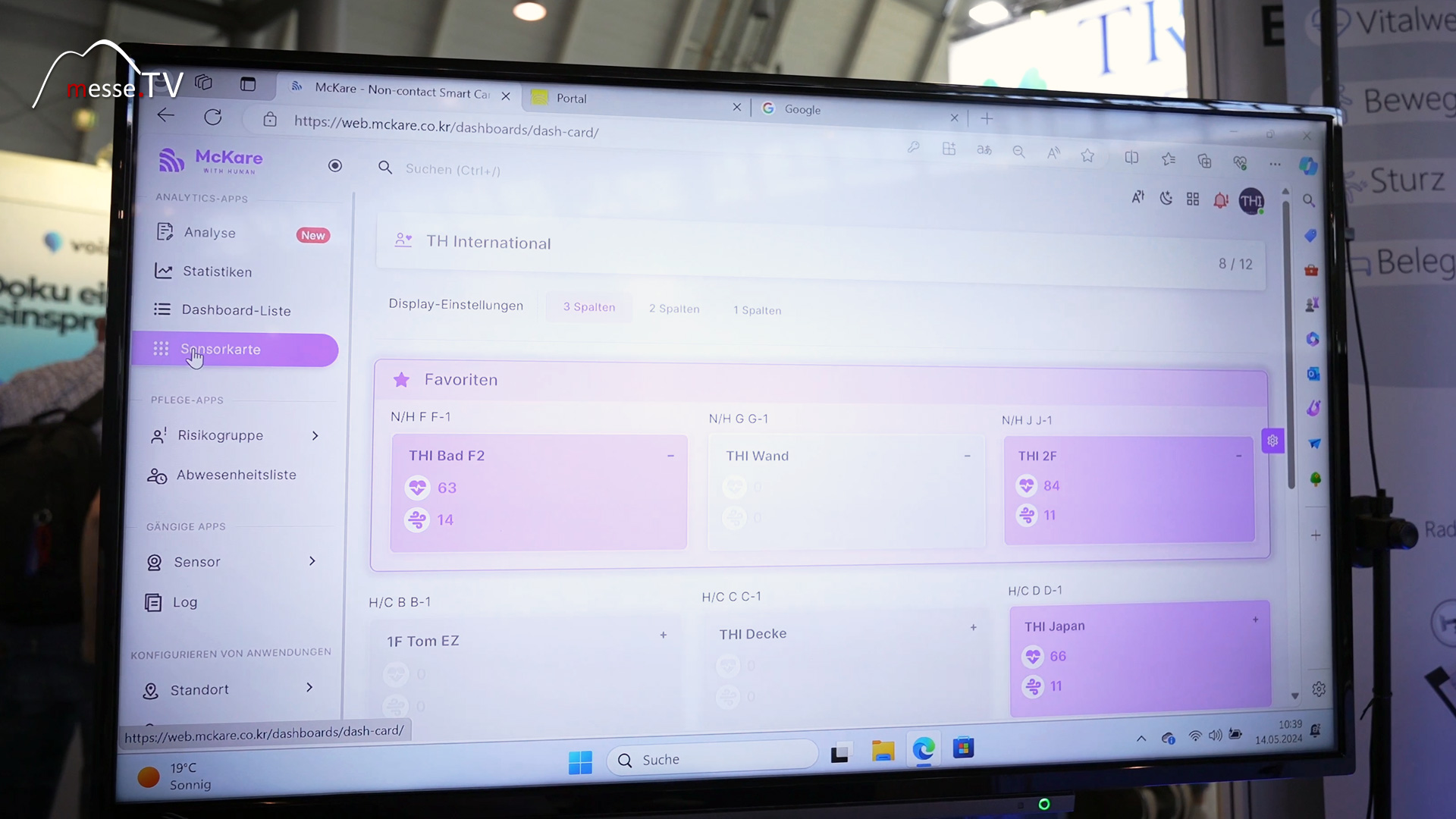
In addition to the immediate recording of actual conditions, another focus is on the analysis of trends. The measured data is not viewed in isolation, but evaluated over longer periods of time. Changes in breathing, pulse, or movement behavior can thus be detected at an early stage. This approach makes it possible not only to respond to acute situations, but also to obtain prophylactic indications of possible health developments. These include, among other things, indications of an increased risk of falling or noticeable changes in vital signs that require closer observation.
Fall detection and absence analysis
One key application of the technology is the reliable detection of falls. These are registered without contact and forwarded in real time. In addition, the system also detects absences, for example when people with dementia do not return to their living area for a longer period of time. This opens up new possibilities, especially in outpatient care. Caregivers no longer have to work through tours in a rigid, fixed order, but can dynamically adjust priorities. If critical values are present, the corresponding location can be targeted first.
Technology, privacy, and acceptance
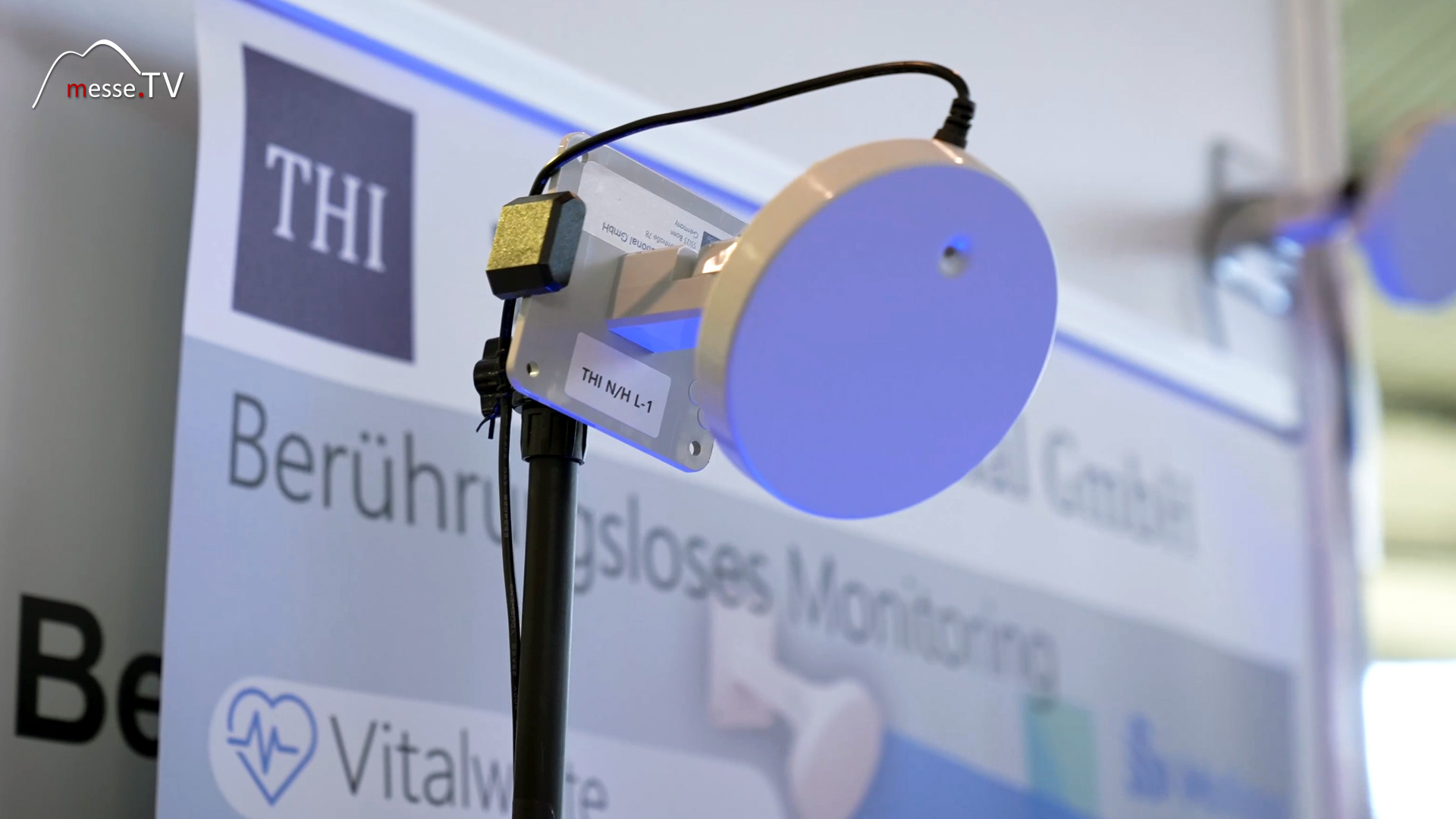
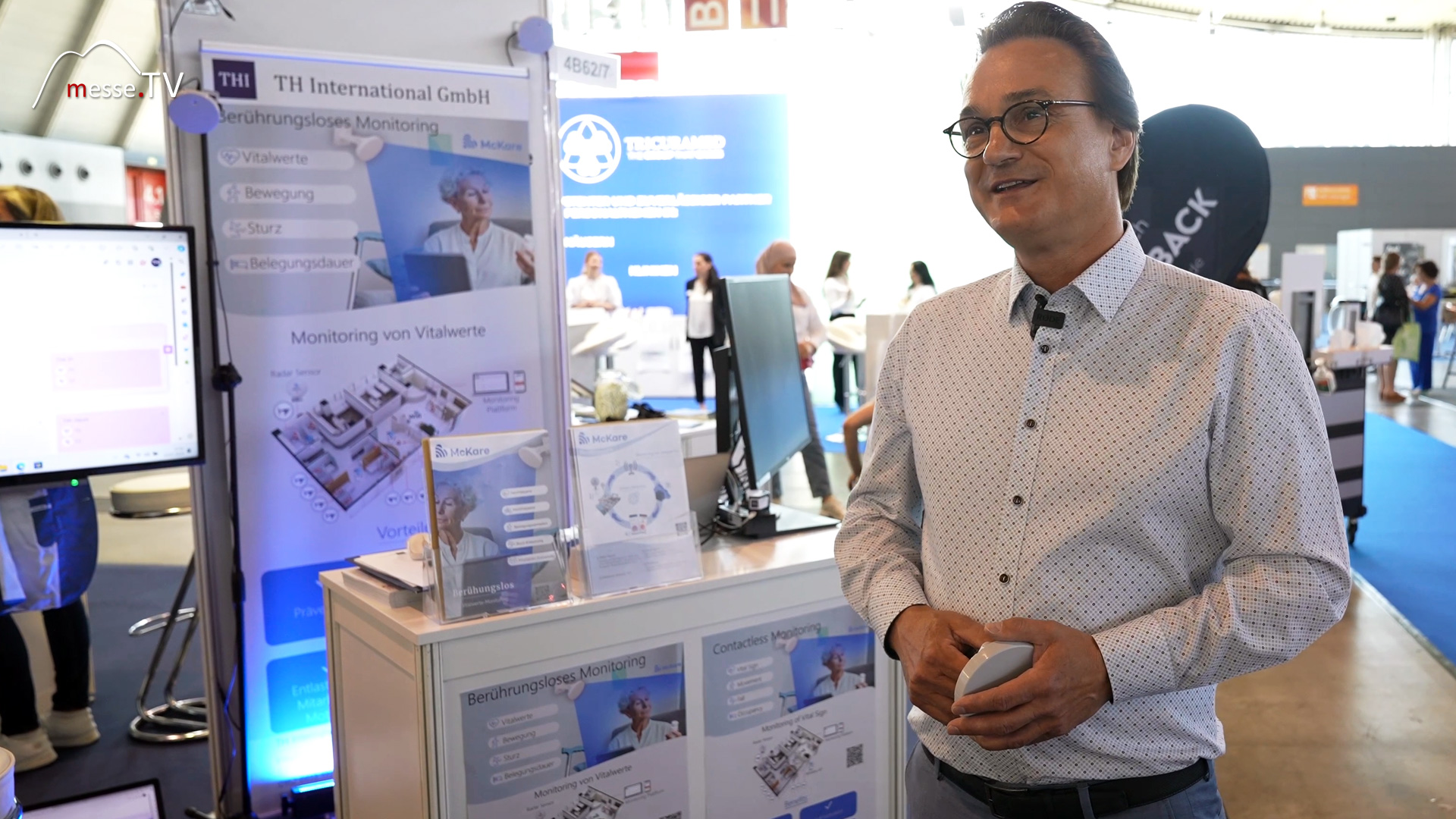
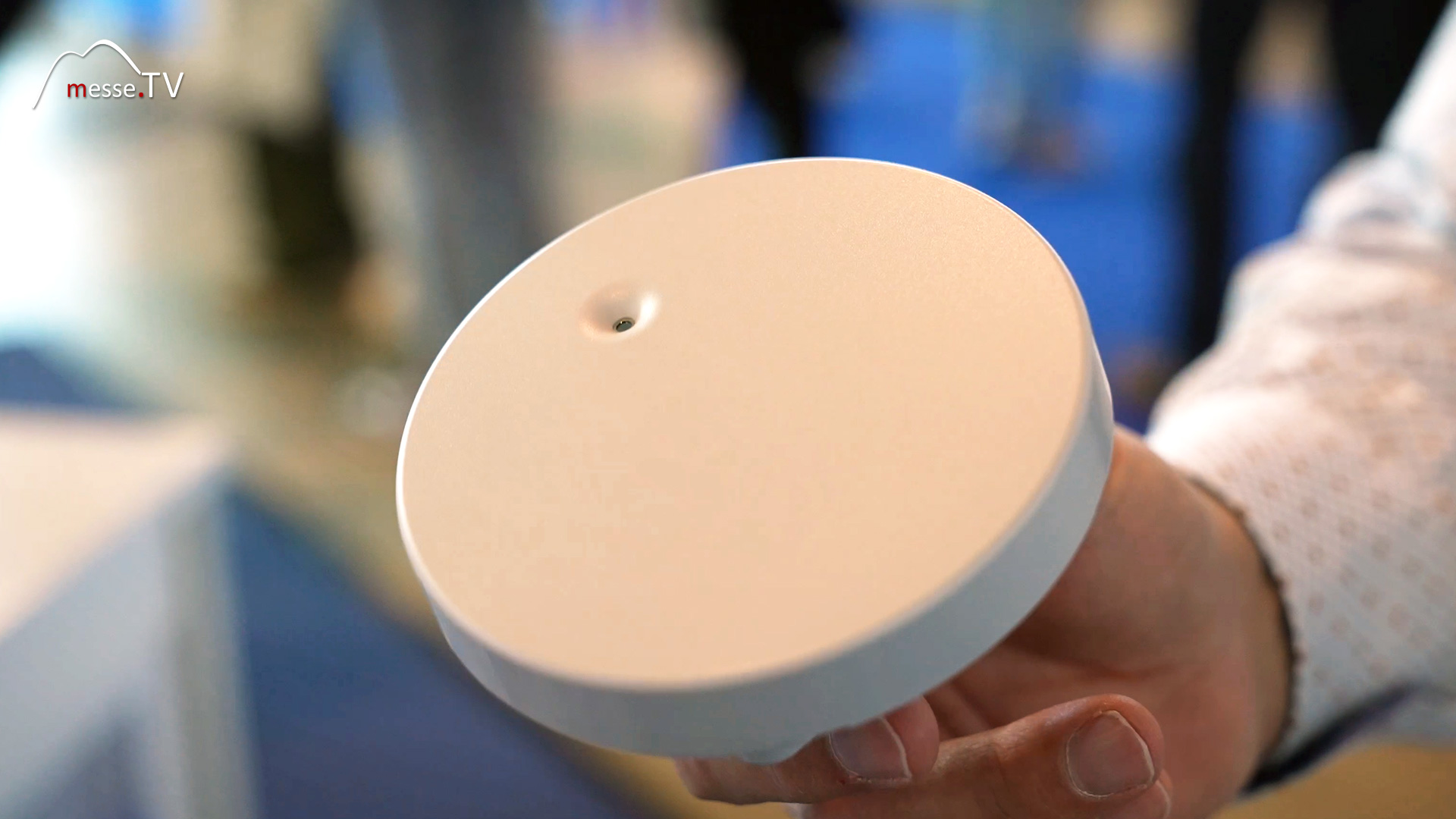
A key issue is the protection of privacy. The system works without a camera or microphone. Instead, it uses infrared and radar technologies that do not generate images or sound recordings. There is no visual or acoustic monitoring whatsoever. The sensor itself is inconspicuous in design and resembles a conventional smoke detector in appearance. It thus blends into existing environments without attracting attention or compromising residents' sense of security.
Large-scale testing
The technological basis was developed over several years in collaboration with a team of engineers in Korea. The solution is already in widespread use there, including in a government-supported project with several thousand beds and a central control center. A total of tens of thousands of sensors are already active on the market there. This practical testing forms the basis for the transfer of the technology to Europe. The aim is to relieve the burden on nursing staff, optimize processes, and at the same time improve the safety and quality of life of people in need of care in the long term.

Trade fair reporting Germany - Trade fair knowledge, dates & events


