AssistX Mobile Call System Safety Care in the home environment
Safety is a key issue in home care. When people in need of care live alone or with little direct supervision, it must be possible to call for help reliably in an emergency. At the same time, everyday requirements are high: technology must not be complicated, it must be flexible in use and must also function when physical limitations are present. This is precisely where a mobile call system comes in, which is designed for different care situations and relieves the burden on both caregivers and relatives.
Development and manufacturing with a focus on quality
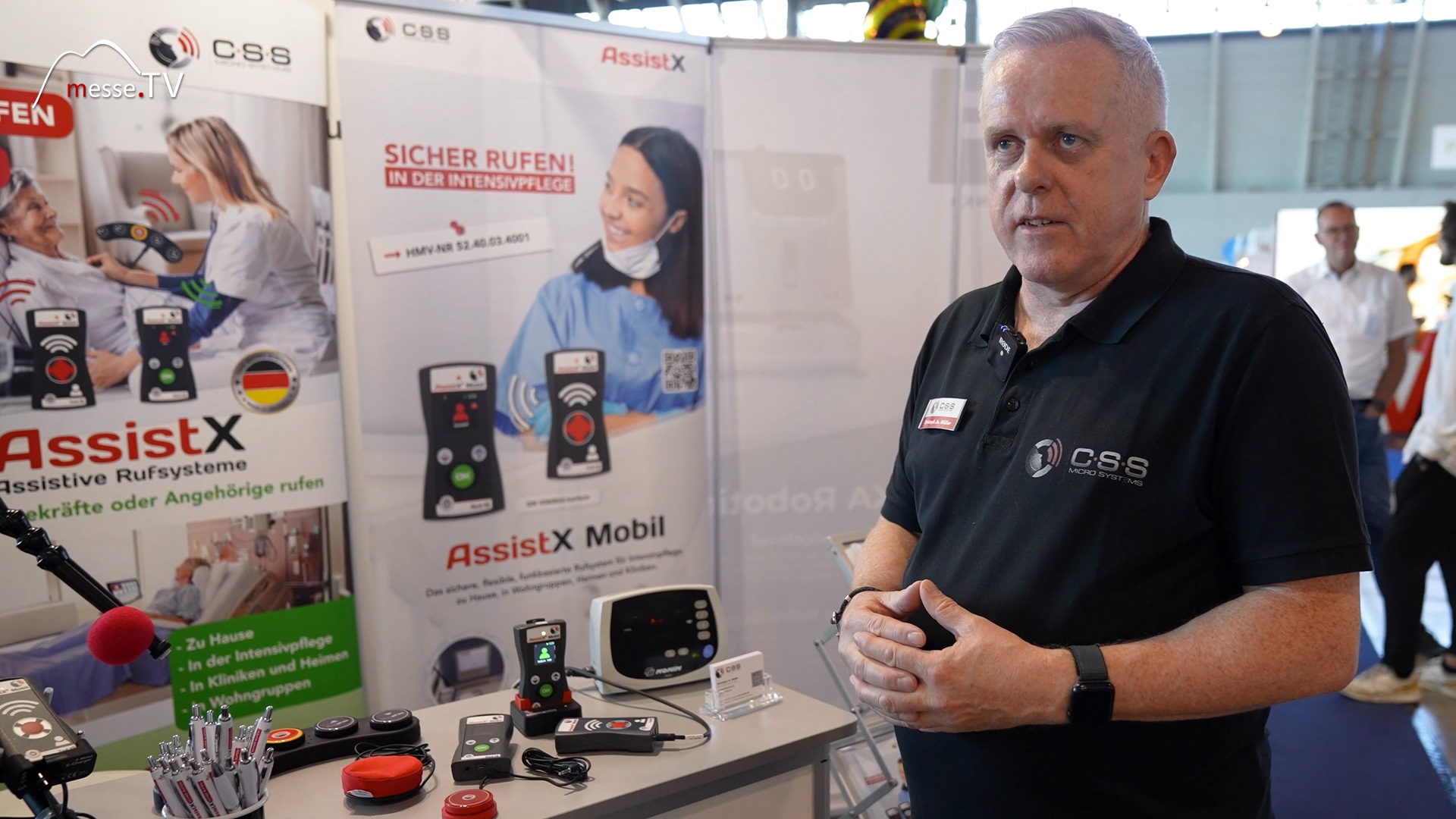
Behind the system is AssistX, a manufacturer based in Weinsberg near Heilbronn. The company was founded as part of a larger technology group and began focusing on assistance and call systems for care several years ago. Development and manufacturing take place in-house. This structure makes it possible to ensure high quality even with small quantities and to adapt products closely to real requirements. The focus on in-house development also means that adjustments and enhancements can be made quickly. This flexibility plays an important role, especially in the care sector, where individual situations are the rule rather than the exception.

A call system for home care
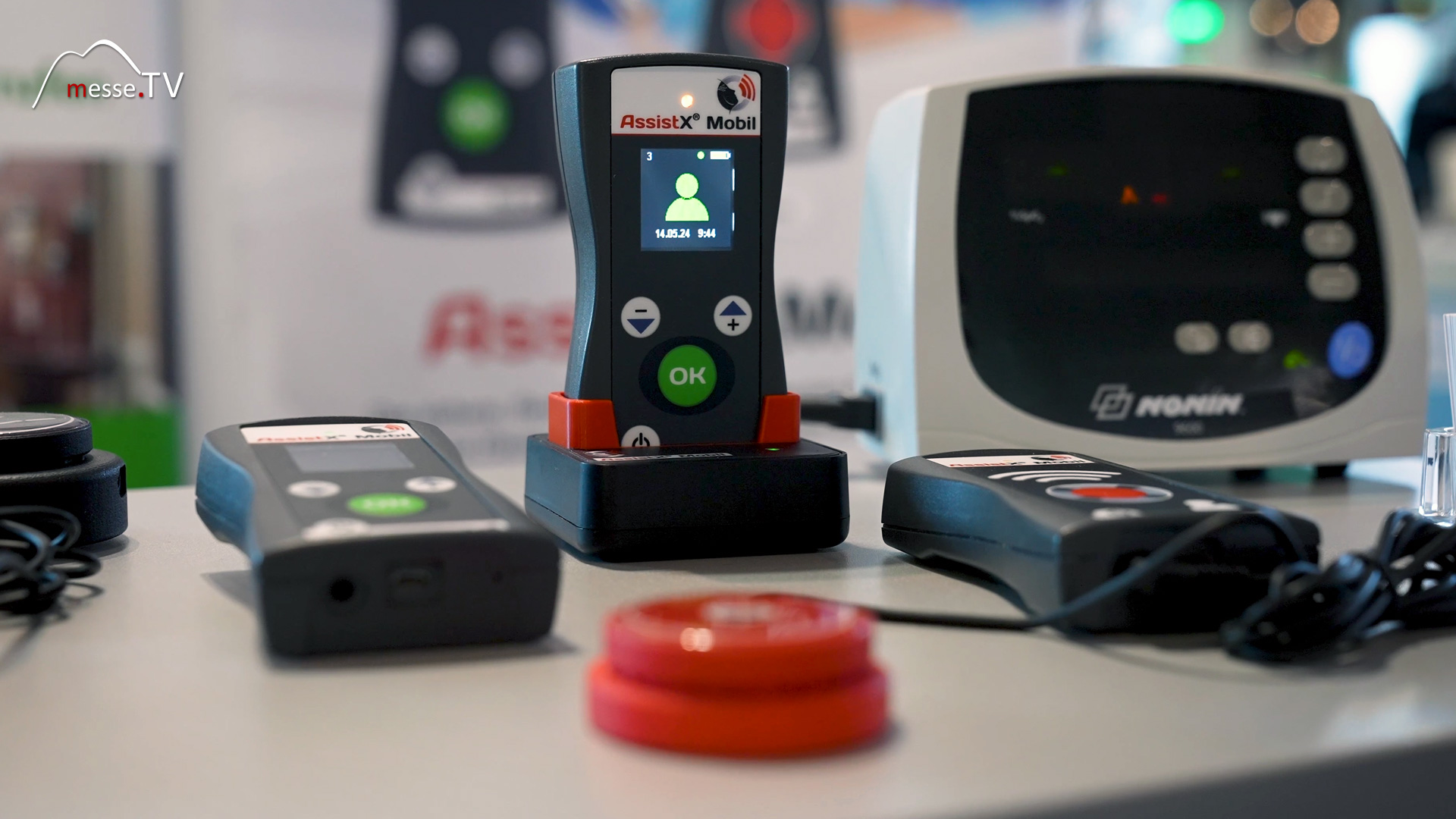
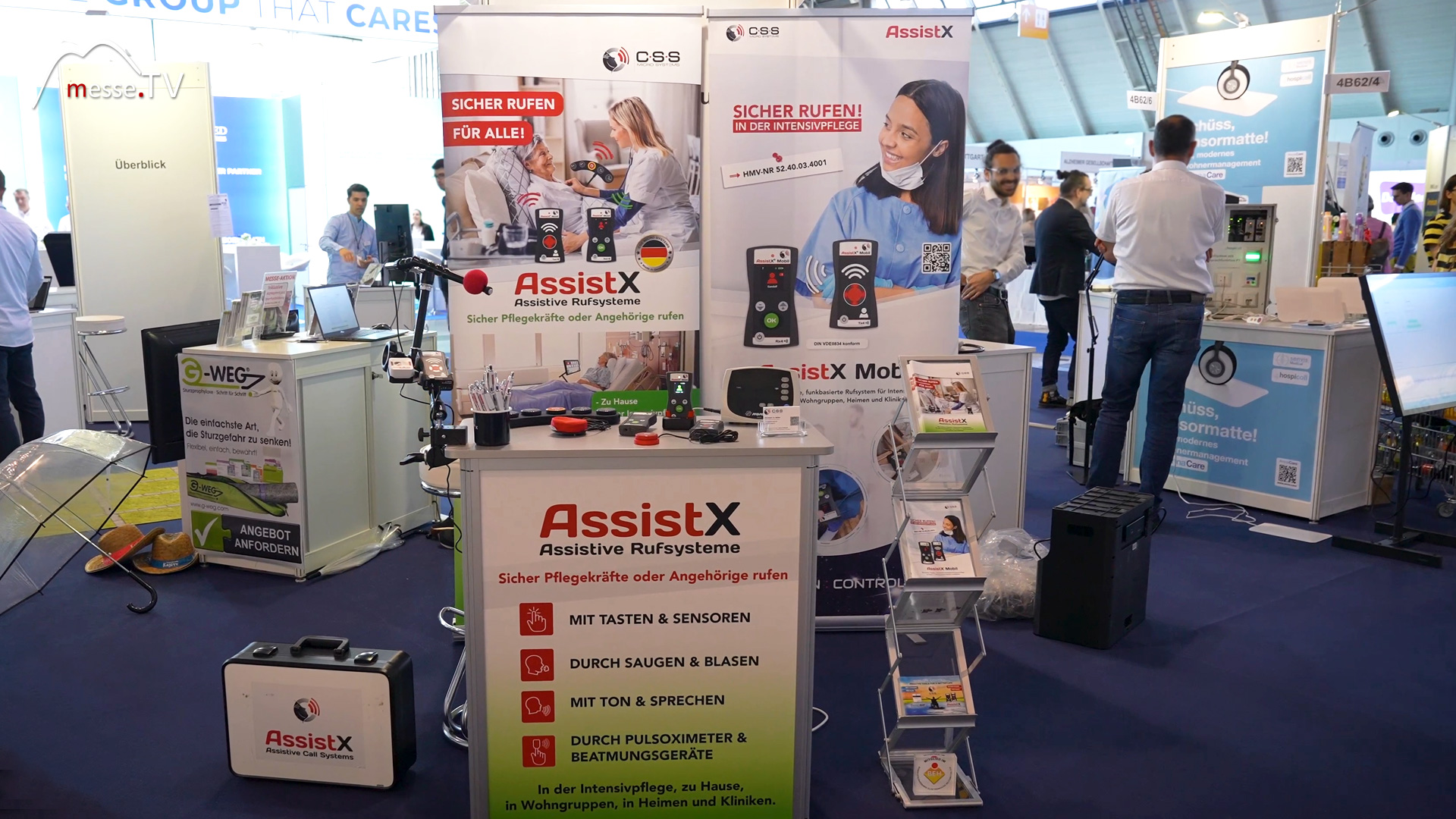
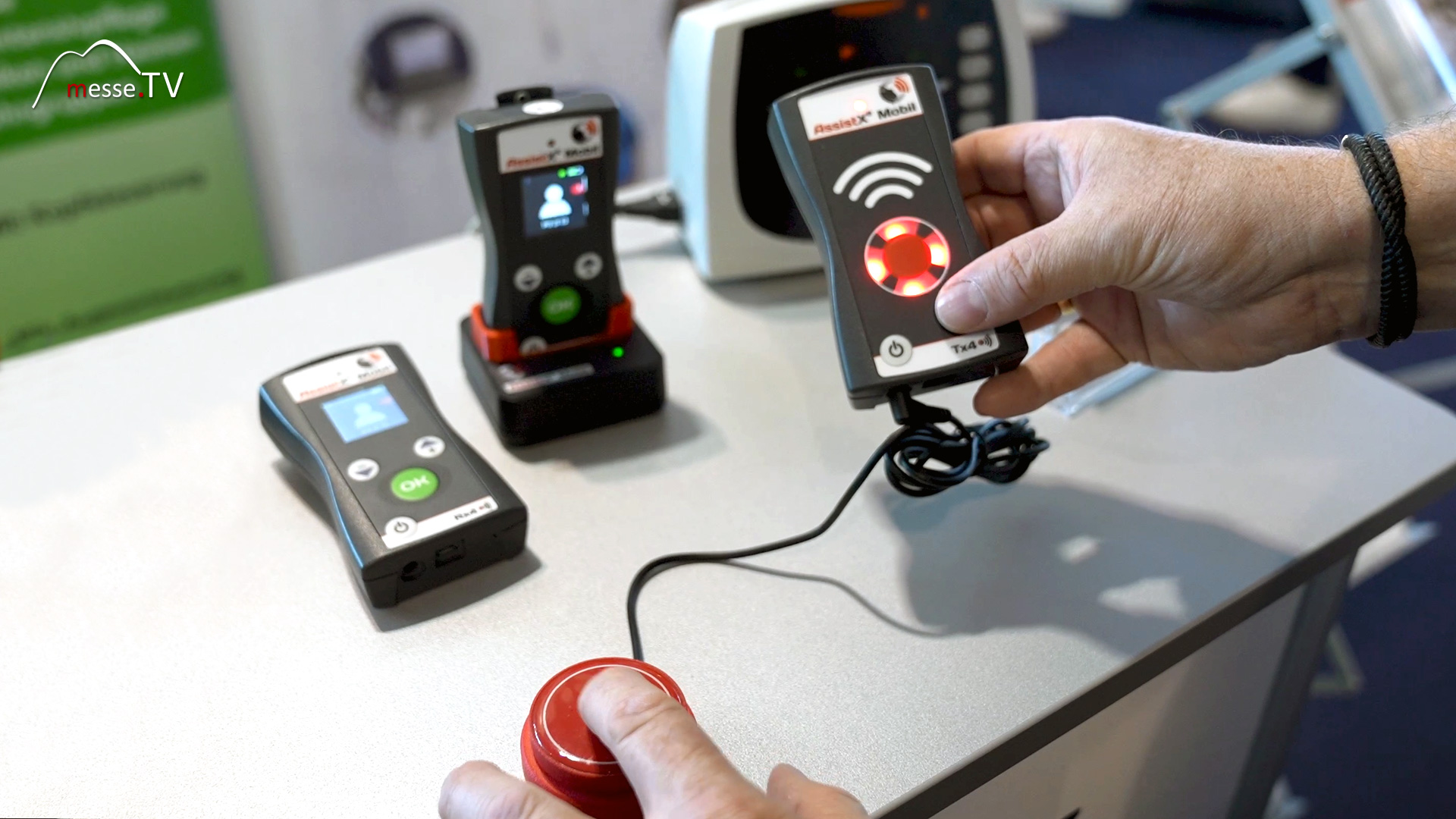
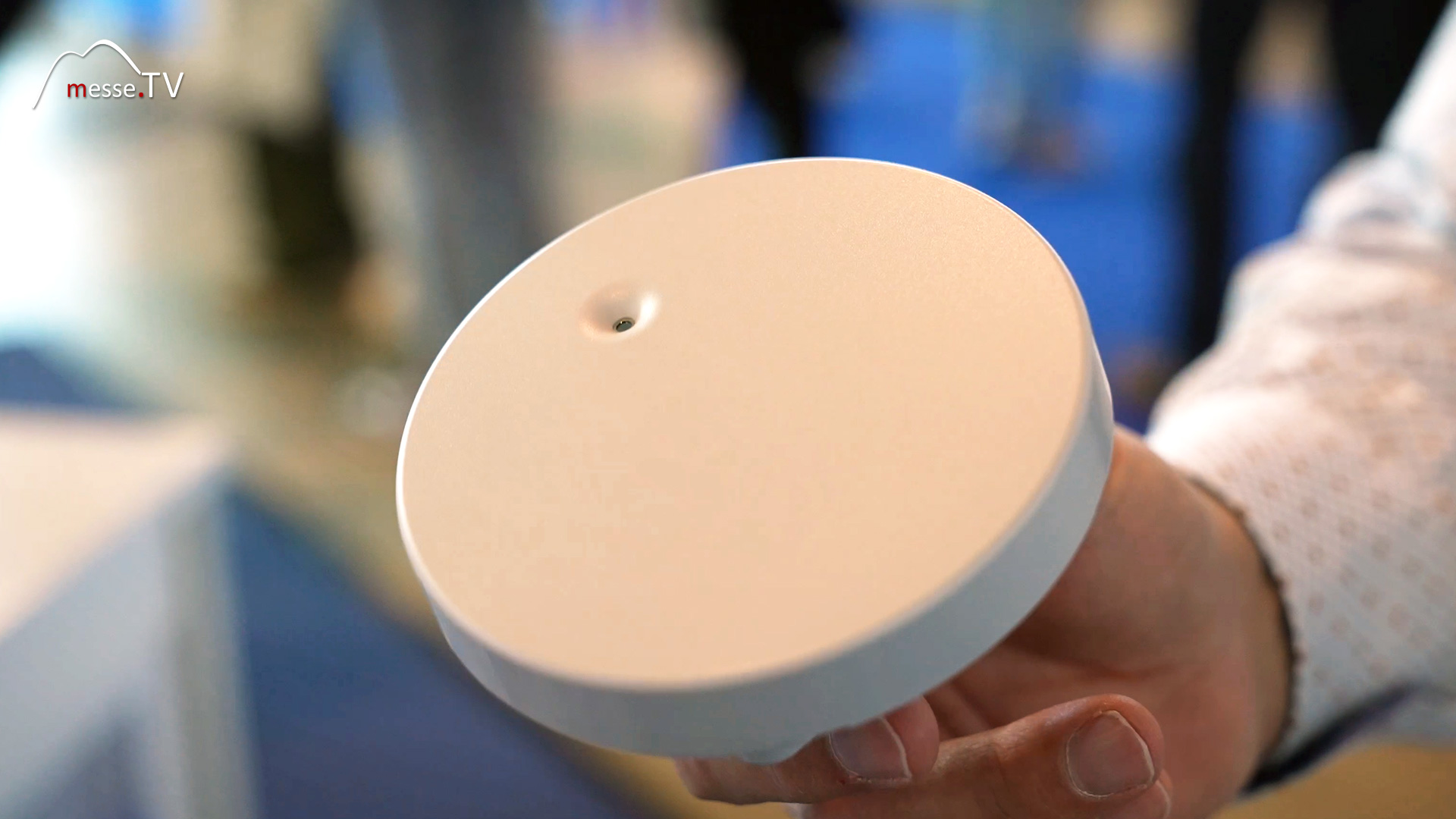
The product presented is a mobile call system that has been specially designed for use in the home environment. The aim is to give people in need of care the security of being able to call for help at any time and to give caregivers or relatives the certainty that an alarm will be reliably received and acknowledged. The system is radio-based and follows a deliberately simple principle. It consists of a transmitter that triggers the call and a mobile receiver that displays the alarm. When a call is triggered, the caregiver receives a notification that must be actively confirmed. Only when the caregiver is actually on site and finally acknowledges the call is the call considered complete. This ensures that an alarm is not only noticed but also actually processed.
Simple operation with clear feedback
An important aspect is the feedback to the person making the call. After the alarm is triggered, the system visually indicates that the call has been received and is being processed. This confirmation is particularly important for people who are uncertain or anxious. They know that help is on the way and are not left in the dark. For caregivers and relatives, operation is reduced to just a few steps. The system is designed so that no technical training is required and no operating errors occur in everyday use.
Flexible triggers for different limitations
Not everyone is able to press a classic call button. Motor limitations, paralysis, or reduced strength make alternative solutions necessary. The call system therefore has a modular design. Different triggers can be connected to the interface, depending on the individual abilities of the person requiring care. In addition to classic buttons, proximity sensors can be used, for example, which trigger an alarm simply by moving the head or approaching the device. This means that the alarm can still be triggered even if the hands or arms can no longer be used in a targeted manner.
Integration of medical devices
The system is particularly relevant for non-clinical intensive care. Medical devices such as ventilators or pulse oximeters are often used here, which trigger alarms independently. The call system can take over these passive alarms and forward them to the mobile receiver. The advantage lies in the bundling: instead of having to monitor several devices separately, the nurse receives all relevant alarms on one receiver. Active alarms triggered by the patient and passive alarms from medical technology are treated and acknowledged equally. Typical applications can be summarized as follows:
- Active alarms triggered by pressing a button or sensors
- Passive alarms from medical devices
- Home care with changing caregivers
- Non-clinical intensive care
Financing and legal framework
A crucial point in practice is the question of cost coverage. The call system has an aid number and can therefore be financed through statutory health insurance or long-term care insurance. Caregivers can recommend the system with confidence; a doctor's prescription is not mandatory. This classification as an aid makes access considerably easier. For relatives and those in need of care, this means less bureaucracy and faster care. At the same time, the system is recognized as a relevant component of basic nursing care.
Importance for safety and independence
A mobile call system is more than just a technical accessory. It directly influences the feeling of safety in everyday life. People in need of care regain a degree of independence because they do not have to be constantly monitored. Caregivers and relatives, in turn, have the security of knowing that they will be informed immediately in an emergency and can respond in a structured manner. This form of support is particularly important in the home environment, where care is often provided with limited human resources. Technology cannot replace human care, but it can create structures that make care safer and more reliable.
Assistance systems as part of modern care
Call systems such as AssistX Mobil show how technical solutions can be meaningfully integrated into everyday care. The decisive factor here is not the complexity of the technology, but its adaptability to real needs. Safety, mobility, and care can thus be combined without unnecessarily complicating everyday life. The result is an assistance system that addresses the most sensitive aspect of care: the confidence that help will be available when needed.

Trade fair reporting Germany - Trade fair knowledge, dates & events


