Management consulting for care facilities between economy and quality
Social institutions are under growing structural pressure today. Care facilities must meet increasing technical and regulatory requirements, while at the same time maintaining a lasting balance between cost-effectiveness, quality, and staffing. These areas of tension can hardly be viewed in isolation during ongoing operations, as decisions in one area always have an impact on other structures.
Against this backdrop, external management consulting is becoming increasingly important, provided it does not work with abstract models but is based on real processes. What is needed are approaches that ensure economic stability, manage quality development in a transparent manner, and provide realistic support for personnel processes—without misjudging the nature of social enterprises. This is precisely where professional consulting for care facilities comes in.
Carely Consulting: Experience as the basis for professional consulting
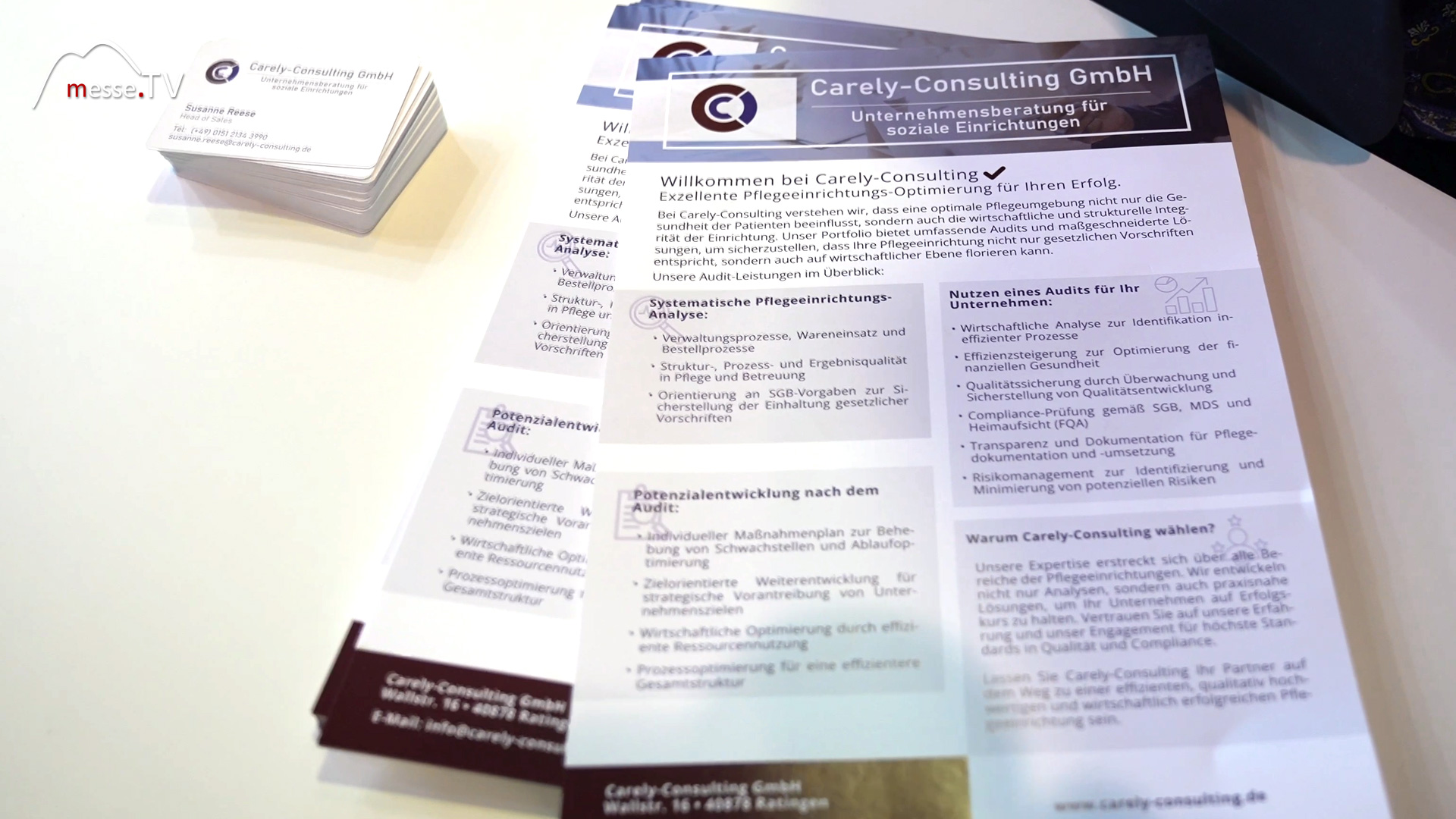
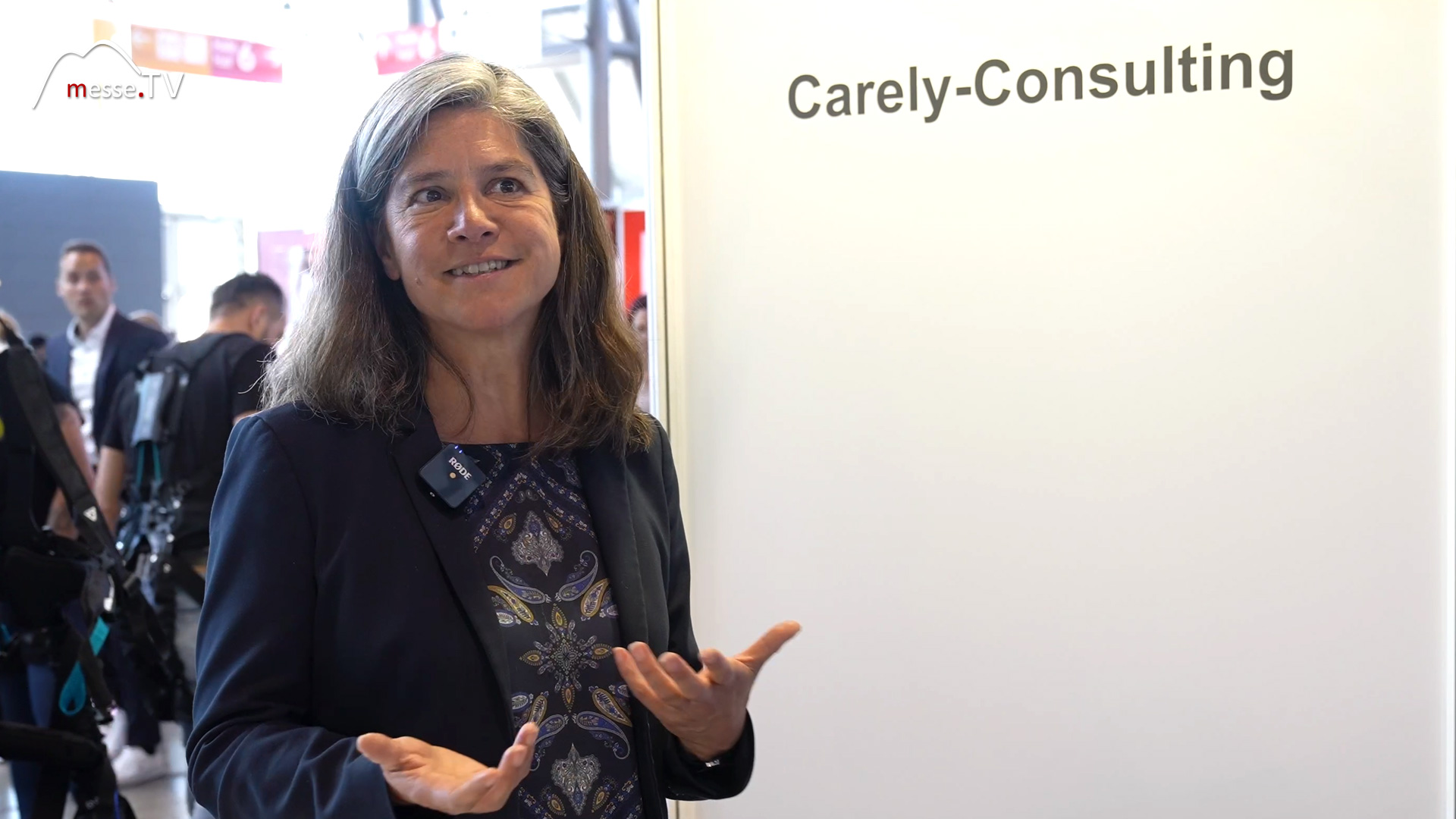
Even though the consulting firm Carely-Consulting has only been formally active on the market for a short time, its expertise is based on decades of work in care facilities. This background has a clear influence on the way it works. Instead of theoretical models, the focus is on real processes, known bottlenecks, and the concrete everyday life of social enterprises. Consulting is not understood as a control instrument, but as structured support on an equal footing. The focus is on care and social services facilities that are faced with the task of securing their economic basis without jeopardizing quality or employee loyalty. It is precisely this balance that proves to be challenging in practice.


Economic stability through process analysis
A central component of the consulting services is the economic analysis of existing processes. The aim is not to reduce costs across the board, but to create transparency. Which processes are efficient, where are unnecessary expenses incurred, and which structures have developed historically but are no longer useful today? Particular attention is paid to purchasing processes and the use of goods. Purchasing audits analyze ordering channels, supplier structures, and consumption quantities. The aim is to secure the long-term financial health of the institution without impairing operational processes. In this context, optimization does not mean sacrifice, but rather targeted control.
Systematically ensuring and developing quality
Quality assurance in social services is not a static state, but rather an ongoing process. Accordingly, audits are not designed as a one-time snapshot, but rather as a basis for development. Structured analyses are used to create action plans that are submitted to the institutions for decision-making. An essential point here is personal responsibility. Institutions decide for themselves whether they want to implement measures independently or whether they want accompanying support. This openness strengthens acceptance and ensures that changes are not perceived as external requirements, but as a comprehensible step toward improvement.
Personnel as a strategic success factor
Hardly any other topic is currently as important to social enterprises as personnel. Skilled labor shortages, staff turnover, and increasing demands on managers require new approaches. Consulting in the area of human resources therefore encompasses much more than traditional recruitment. Interim management is just as much a part of this as support during complex phases, such as new openings. A practical example shows how closely economic, organizational, and personnel issues are interlinked. In a retirement home, the entire pre-opening phase was supported—from purchasing and equipment to cleaning supplies and personnel and recruiting processes. Through structured applicant days, accompanying marketing, and clear processes, all positions were filled in time so that the residential areas could gradually go into operation.
Employer branding in the care sector
In addition to traditional areas of consulting, the topic of employer branding is becoming increasingly important. Care facilities are competing for qualified employees and need to position themselves clearly. Employer branding is not understood as an advertising campaign, but as a strategic process. The starting point is an honest assessment of the current situation: What is the current status, how is the facility perceived internally and externally, and how are competitors positioning themselves? Based on this, strategies and measures are developed that aim to actively involve employees. The goal is for employees themselves to become credible ambassadors and for recruiting to no longer be the sole responsibility of the human resources department.
Broad positioning with a clear practical focus
The strength of this consulting approach lies in the combination of several topics. Economics, quality, human resources, and care are not viewed in isolation, but as interrelated factors of a social enterprise. This results in consulting that does not think in silos, but takes interactions into account. Typical areas of consulting can be summarized as follows:
- Economic analyses and process optimization
- Purchasing and cost of goods audits
- Quality assurance with action plans
- Interim management and project support
- Recruiting strategies and employer branding
Consulting as support, not as intervention
The attitude with which consulting is carried out is crucial. Institutions retain control over decisions and the extent of implementation. Consulting provides structure, analysis, and options, but does not replace the responsibility of the operators. This division of roles is particularly important in the social sector in order to build trust and enable sustainable change.
Prospects for social enterprises
The social enterprise of the future will have to be measured by how well it combines economic stability, quality-assured care, and attractive working conditions. External consulting can play a supporting role in this if it is practical, differentiated, and realistic. Consulting in care, business, quality, and human resources is therefore not an end in itself, but a tool for keeping institutions capable of acting—in an environment that is becoming increasingly challenging in terms of structure, finances, and personnel.






Trade fair reporting Germany - Trade fair knowledge, dates & events


