Annacare by Senvis Medical: Intelligent support in nursing care
Inpatient care faces the challenge of ensuring safety while keeping everyday life manageable for caregivers. This is exactly where Senvis Medical comes in with its AnnaCare system. The aim is to reliably detect residents' movements without complicating processes or creating additional burdens.

Senvis Medical and the path to AnnaCare
Senvis Medical is a start-up with origins in Aachen and now based in Wuppertal. The company has been active in inpatient care facilities for around two years. Despite pandemic-related delays, Senvis Medical has been able to establish its AnnaCare system in over 100 facilities. The focus is clearly on nursing homes and similar inpatient care facilities. The development of AnnaCare follows a pragmatic approach: nursing staff need solutions that can be used flexibly and work without technical hurdles. That is exactly what the system is designed for.
AnnaCare as a modular sensor system
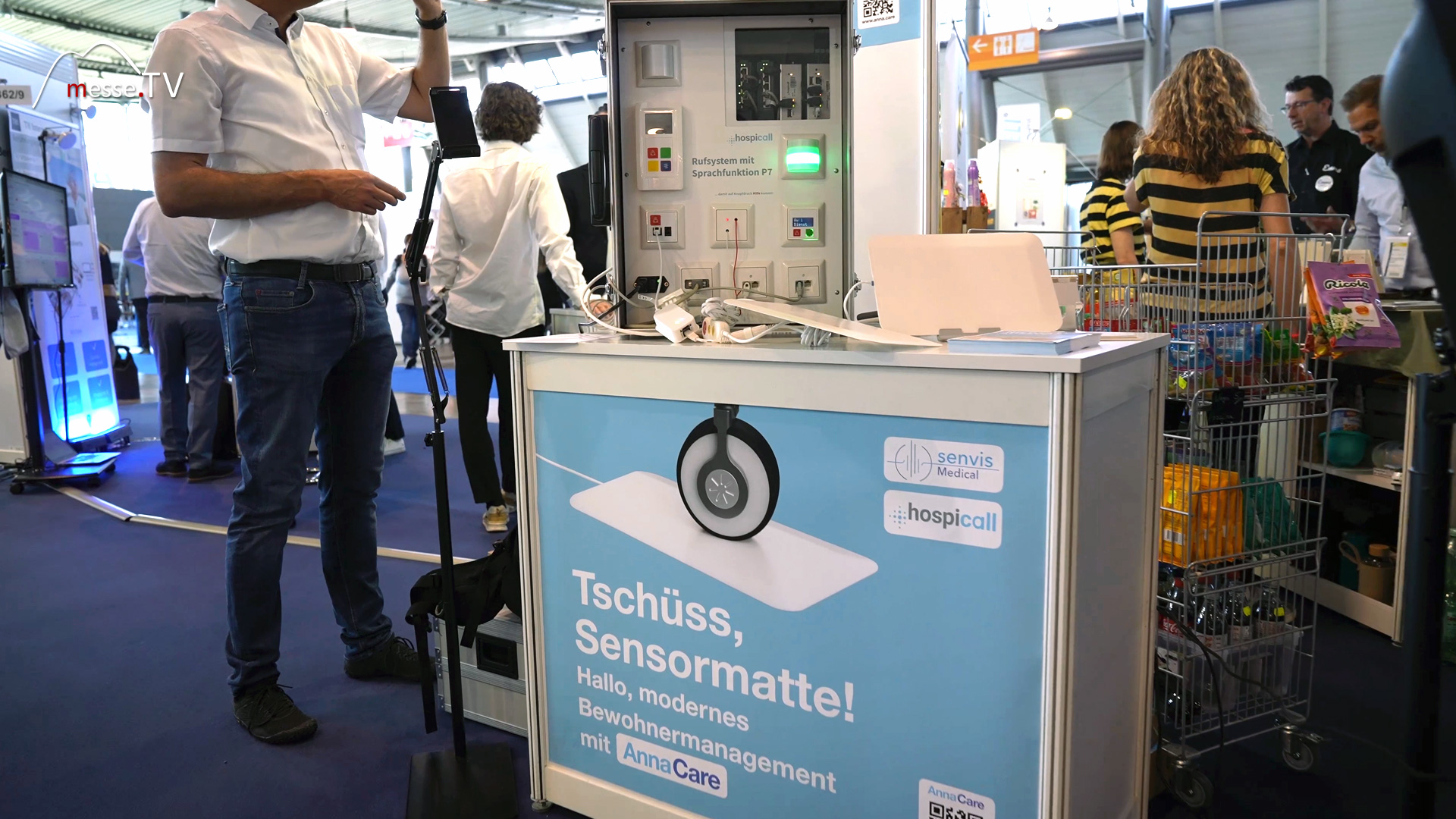
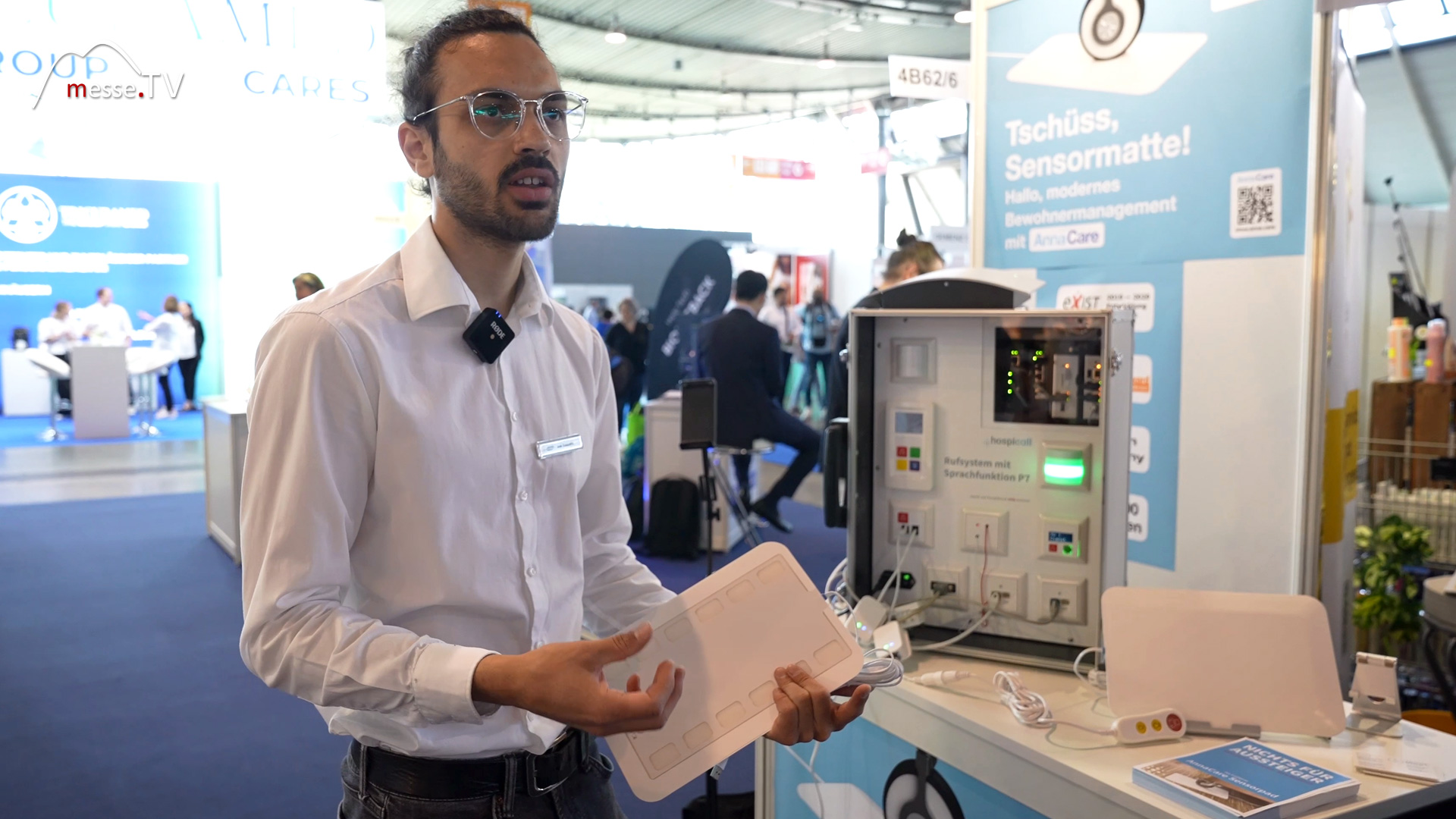
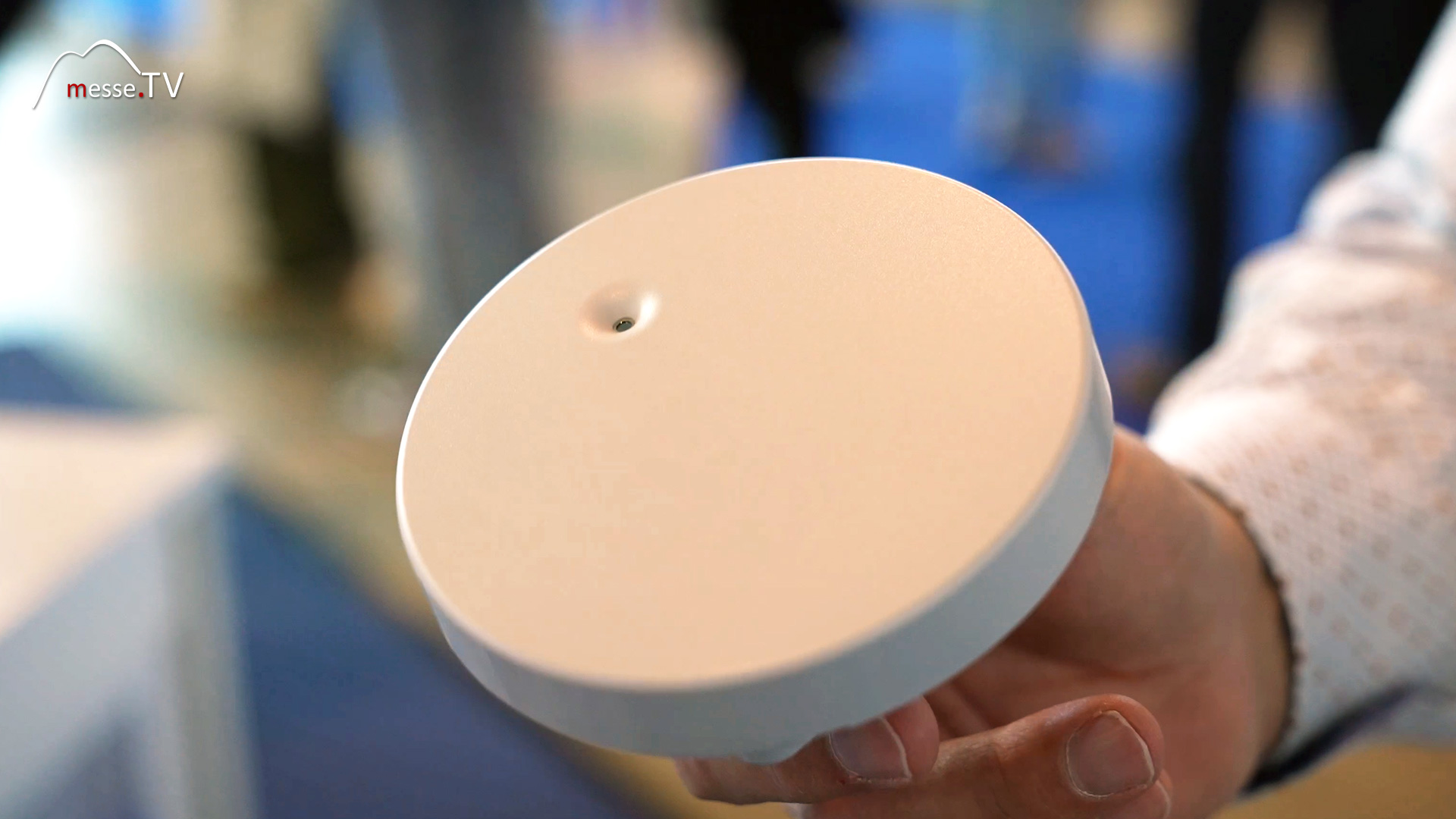
At the heart of AnnaCare is a sensor pad that is placed directly on the floor. A nursing bed, for example, is then positioned on this pad. In this way, the system reliably detects whether a person is in bed or has left the bed. The same principle can also be applied under chairs or other furniture. The key advantage is its ease of use. The sensor pad is not permanently installed, but can be used by caregivers themselves wherever it is needed. This sets AnnaCare apart from many solutions on the market, which are either permanently installed, bulky, or difficult to use on a daily basis.

Integration into existing call systems
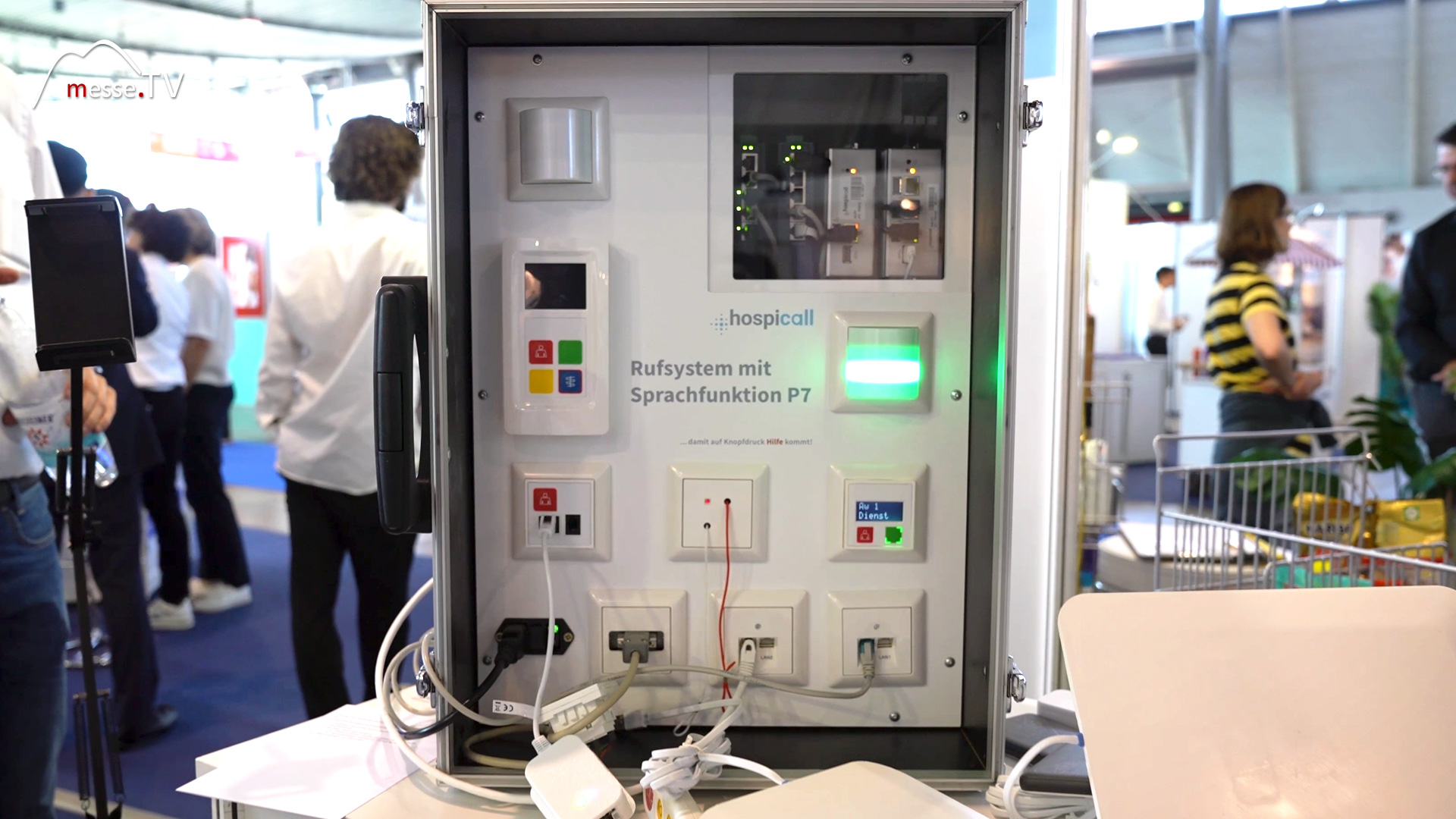
AnnaCare does not function as an isolated island system, but is integrated directly into the facility's existing call system. The sensor pad is simply plugged in – after which the system is immediately ready for use. Alarms are triggered via the usual channels, so no additional devices or new user interfaces are necessary. The practicality of the system is also evident in its power supply. AnnaCare can either be connected directly or alternatively operated via a power bank. This means that the system remains flexible even if power outlets are inconveniently located or the sensor pad needs to be used in another room at short notice.
Different alarm strategies depending on the resident
A central idea behind AnnaCare is its adaptability to different care situations. Not every resident needs the same type of monitoring. For people who are not allowed to leave their beds, an immediate alarm is useful as soon as movement is detected. For residents with dementia who tend to wander, however, a delayed alarm may be more appropriate. In this case, not every movement should trigger an intervention immediately, but only when it appears that the resident has left the room. AnnaCare also offers a customized approach for very active residents with an increased risk of falling. The aim here is to enable independence—such as going to the toilet independently—without constant intervention. An alarm is only triggered if the bed remains empty for a longer period of time. This flexibility makes AnnaCare a tool that adapts to everyday care routines and not the other way around.

Financing and practical application
Currently, AnnaCare is mainly financed directly by the care facilities. Funding programs in the field of digitization have so far played only a minor role and are mainly used when the relevant funds are still available. Many facilities consciously decide to purchase the system because it noticeably reduces the workload in everyday life and offers additional security. AnnaCare is therefore positioned less as a funding project and more as a practical solution that has to prove itself in everyday use. It is precisely this demand for everyday usability and flexibility that Senvis Medical is using to establish its system in inpatient care.












Trade fair reporting Germany - Trade fair knowledge, dates & events


