Reinigungsrobotik als Antwort auf Fachkräftemangel in der Gebäudereinigung
Der Fachkräftemangel trifft die Gebäudereinigung besonders stark. Trotz einer großen Zahl beschäftigter Reinigungskräfte bleiben viele Stellen unbesetzt, während der Bedarf an sauberen, hygienisch einwandfreien Flächen weiter steigt. Gerade in stark frequentierten Gebäuden wie Pflegeeinrichtungen, Kliniken, Bürokomplexen oder öffentlichen Einrichtungen führt diese Entwicklung zu einem strukturellen Problem. Reinigungsrobotik wird vor diesem Hintergrund nicht als Zukunftsvision diskutiert, sondern als konkrete Unterstützung im laufenden Betrieb.
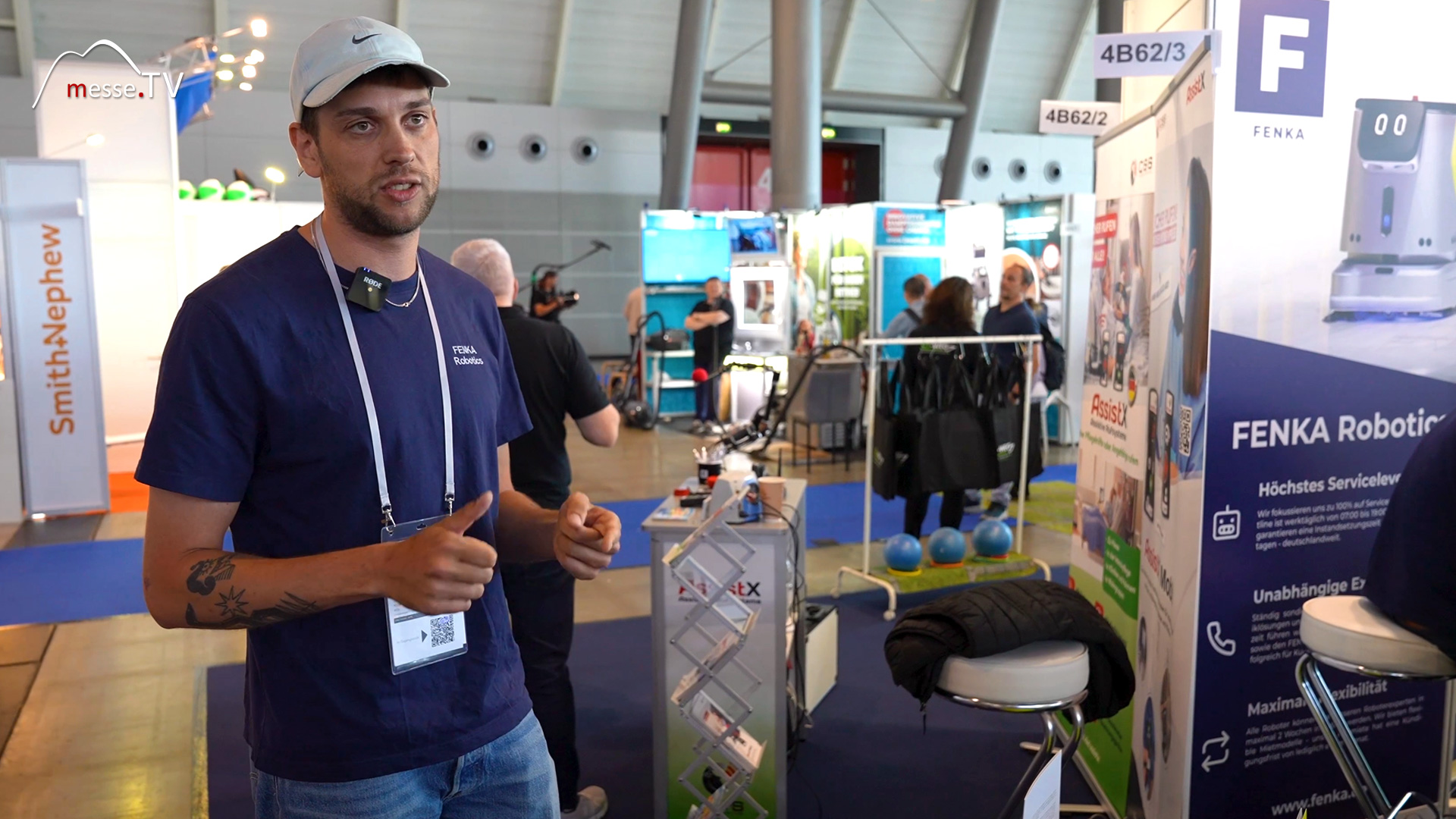
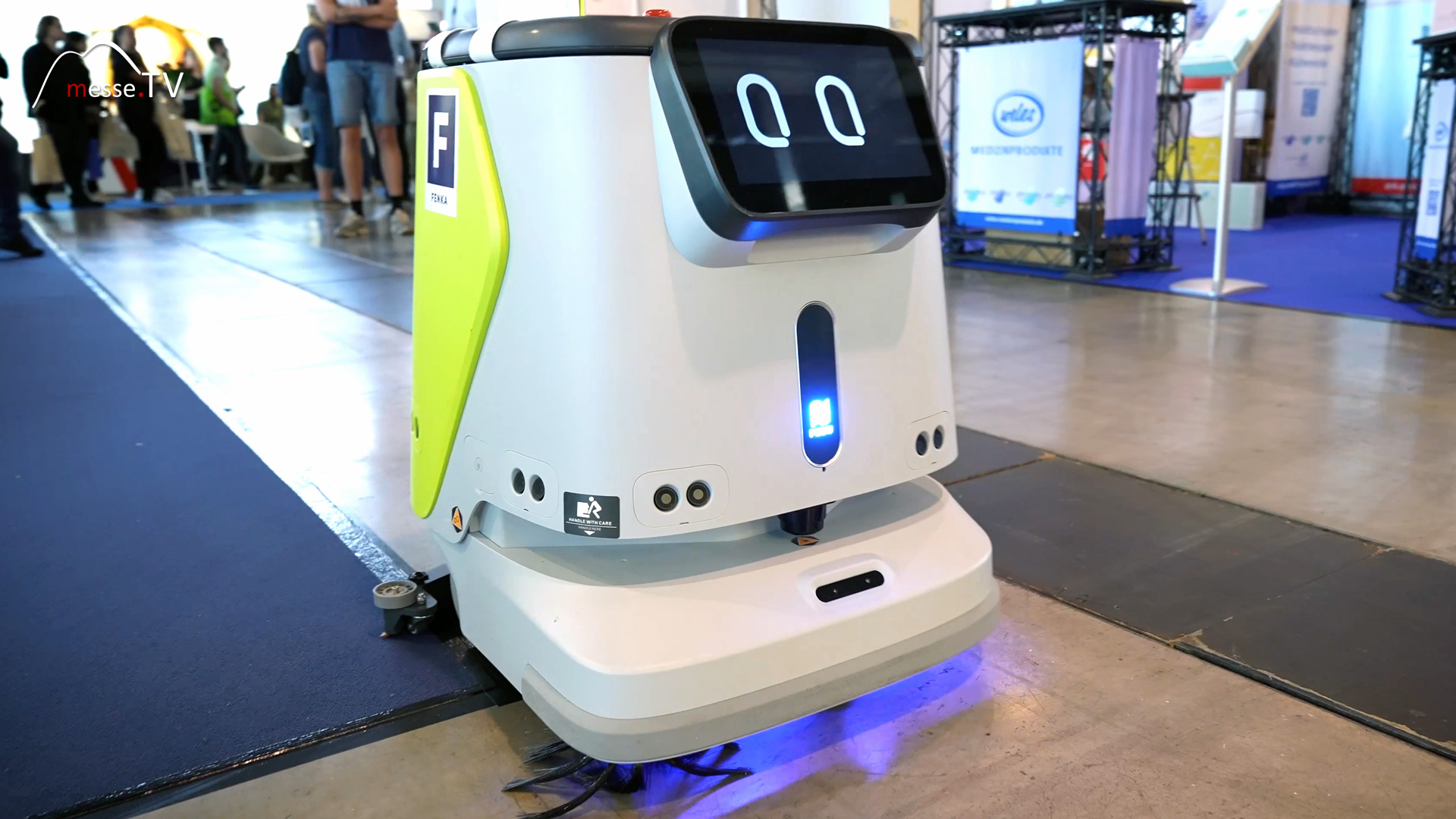
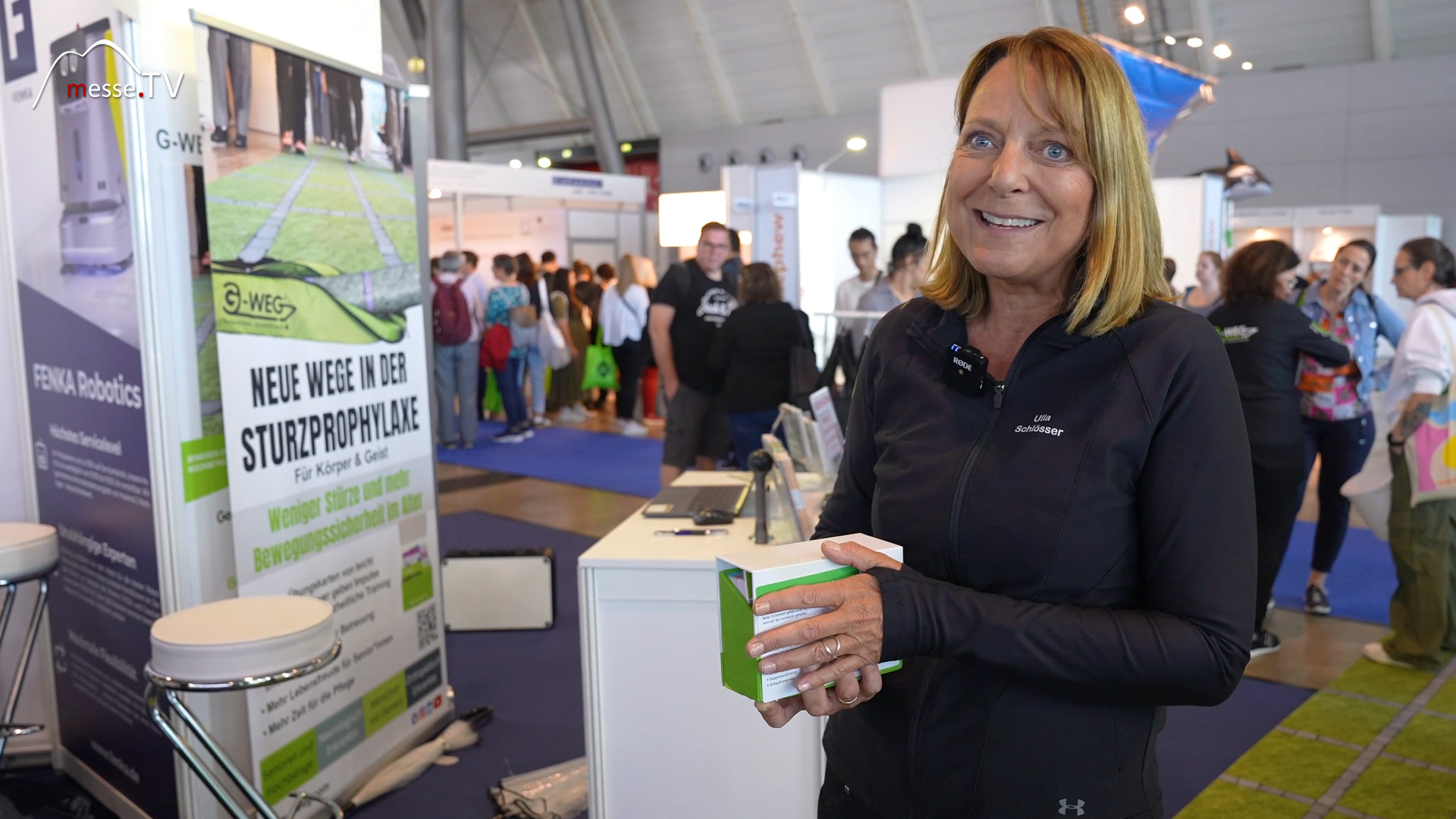
Ein Ansatz, der sich gezielt mit dieser Situation auseinandersetzt, kommt von FENKA Robotics. Das Unternehmen ist seit dem Frühjahr aktiv und positioniert sich bewusst nicht als klassischer Hersteller, sondern als herstellerunabhängiger Systemintegrator für Reinigungsrobotik. Ziel ist es, vorhandenes Reinigungspersonal durch autonome Systeme zu entlasten und gleichzeitig die Reinigungsqualität zu stabilisieren oder sogar zu verbessern.
Fachkräftemangel als Ausgangspunkt technologischer Lösungen
Die Ausgangslage ist klar umrissen: In Deutschland arbeiten mehrere hunderttausend Menschen in der Gebäudereinigung, gleichzeitig bleiben zehntausende Stellen dauerhaft vakant. Diese Lücke lässt sich weder kurzfristig durch Ausbildung noch durch Zuwanderung schließen. In vielen Betrieben führt das zu reduzierten Reinigungsintervallen, höherer Belastung für bestehende Teams und steigenden Krankheitsquoten. Reinigungsrobotik setzt genau hier an. Sie ersetzt keine Fachkräfte, übernimmt aber monotone, körperlich belastende Tätigkeiten und schafft Freiräume für anspruchsvollere Aufgaben. Besonders großflächige Areale mit regelmäßigem Reinigungsbedarf eignen sich für den Einsatz autonomer Systeme, die unabhängig von Pausen oder Schichtwechseln arbeiten können.
Herstellerunabhängige Integration statt Einzellösung
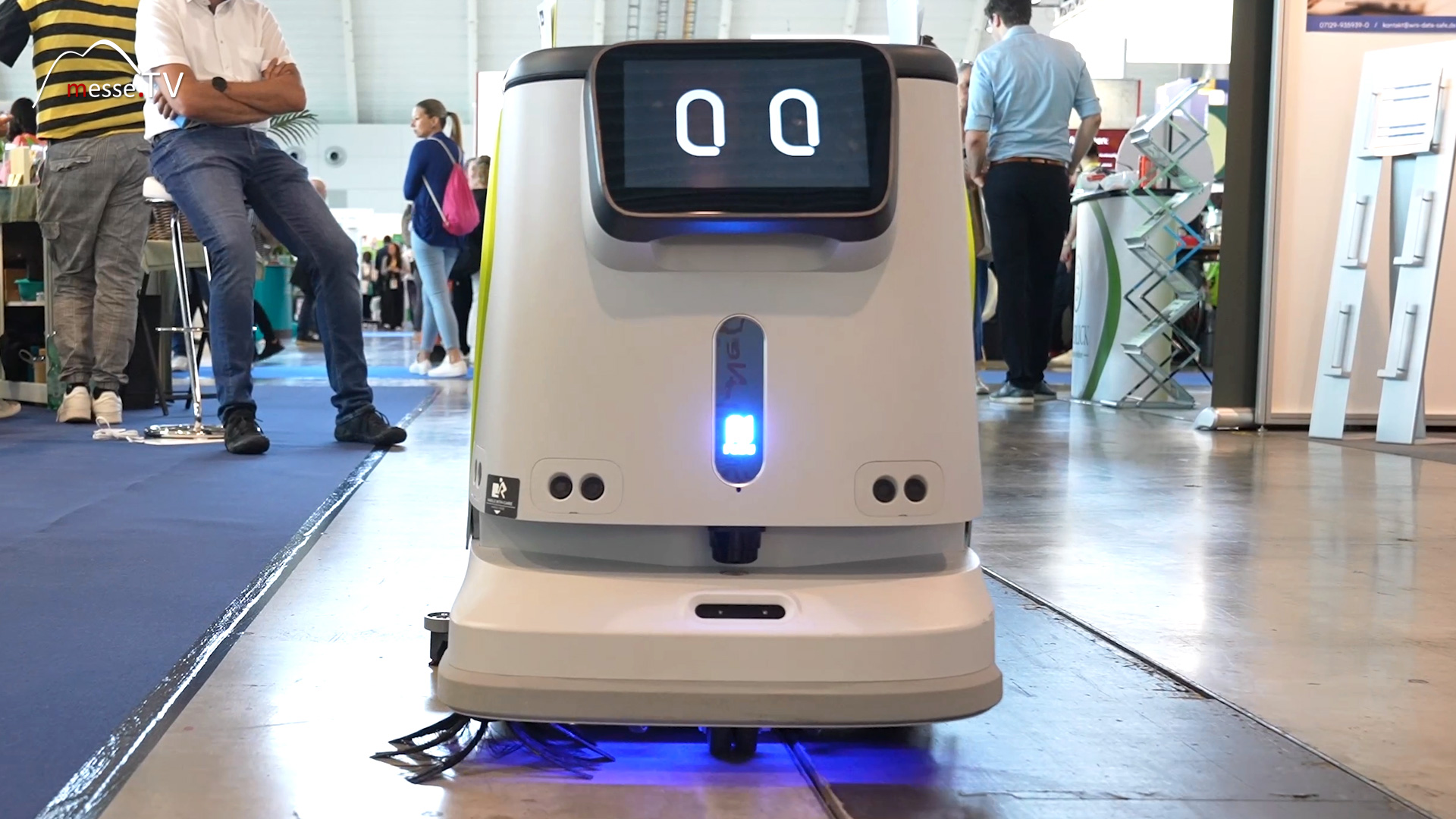
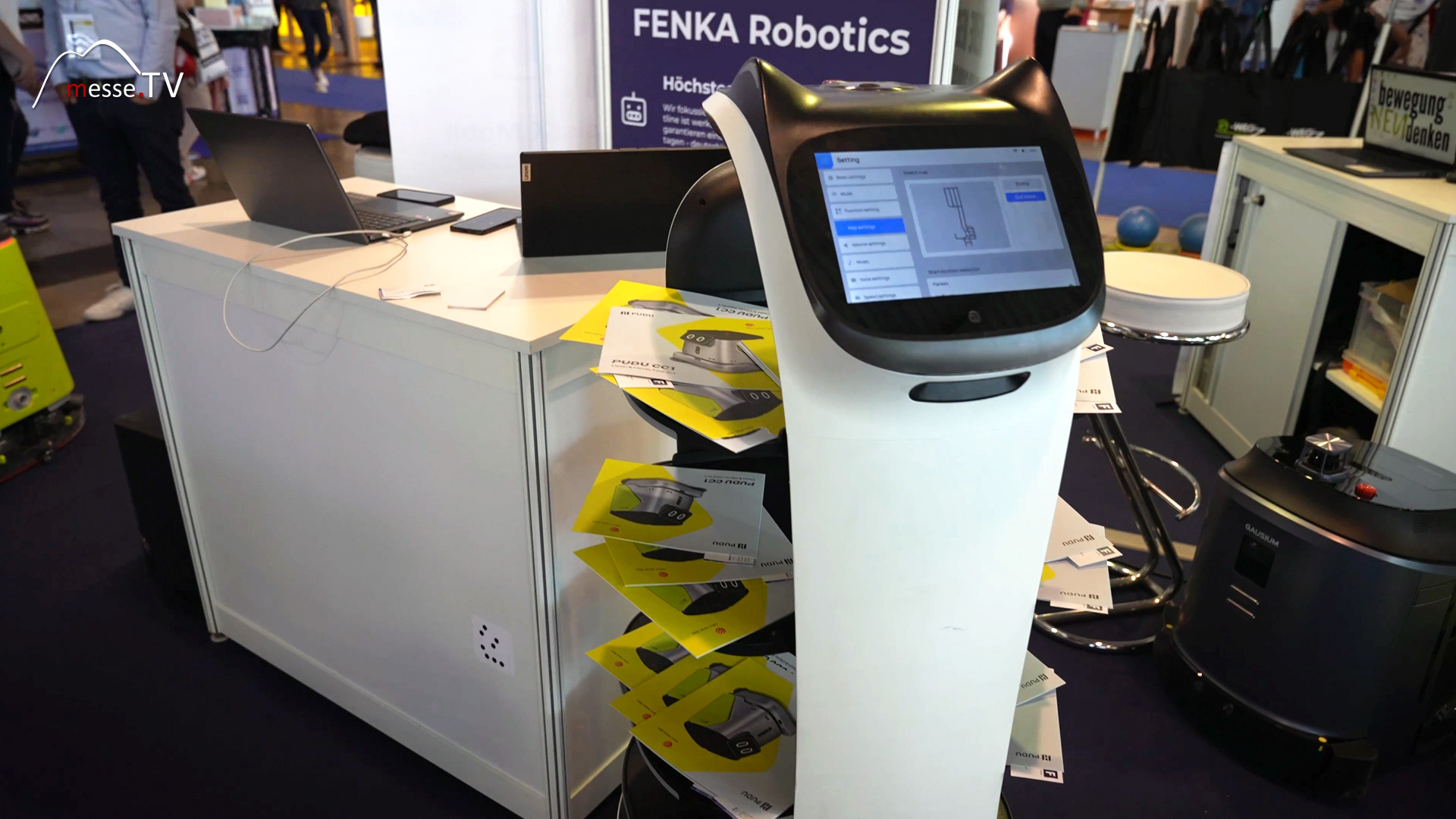
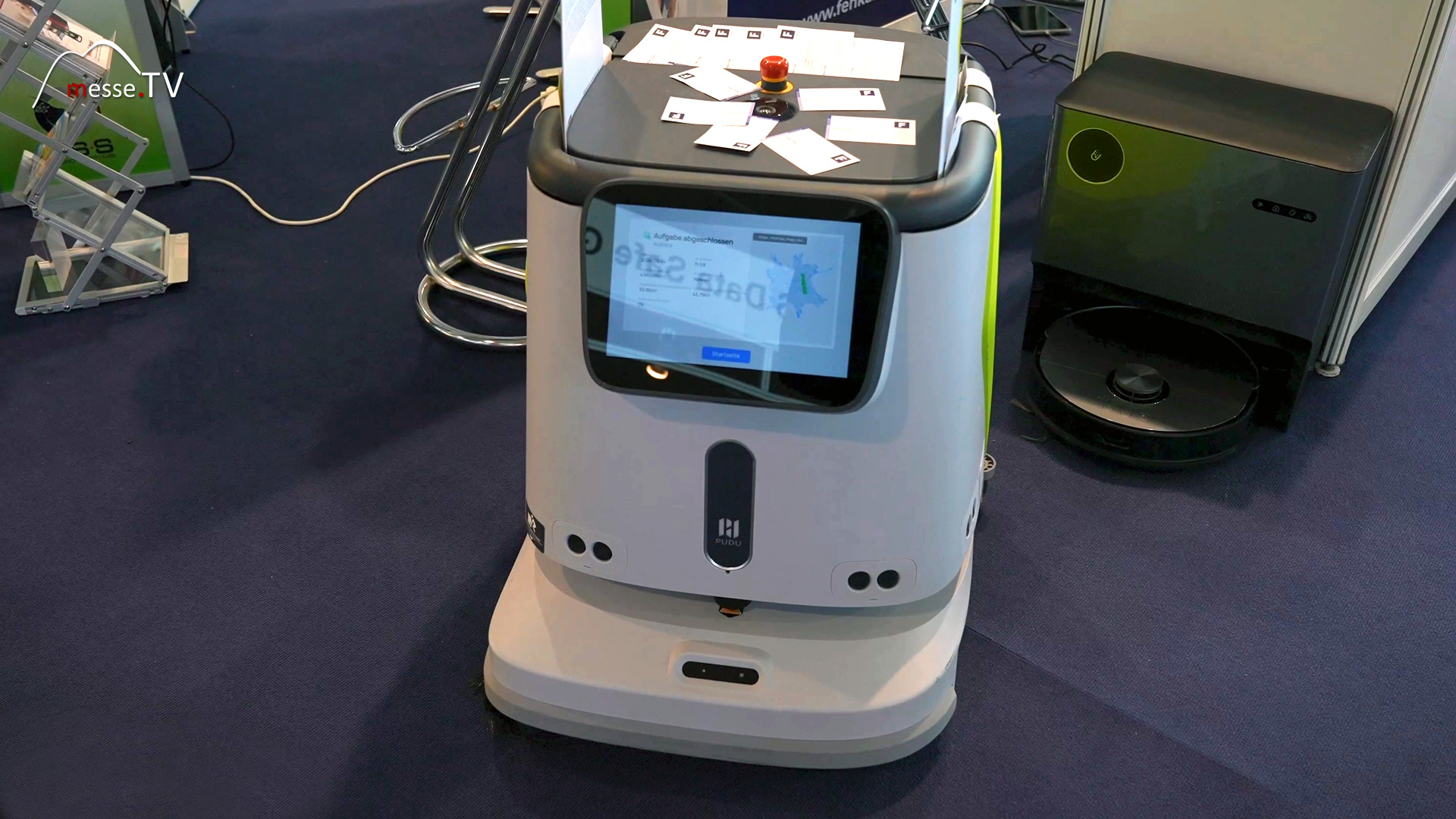
Ein zentrales Merkmal des Integrationsansatzes ist die bewusste Unabhängigkeit von einem einzelnen Hersteller. Statt ein proprietäres System zu vertreiben, wurde der Markt analysiert und eine Auswahl an Robotiklösungen getroffen, die unterschiedliche Anforderungen abdecken. Dazu zählen autonome Reinigungsroboter, die mehrere Funktionen in einem Gerät vereinen und für verschiedene Bodenarten geeignet sind. Diese Systeme arbeiten nach einem klar definierten Prinzip: Saugen, Kehren, Scheuern und Wischen werden in einem automatisierten Ablauf kombiniert. Der Einsatz lohnt sich insbesondere bei Flächen ab einigen hundert Quadratmetern, die mehrmals pro Woche gereinigt werden müssen. In solchen Szenarien können Roboter ihre Stärken ausspielen, da sie konstant mit hoher Frequenz arbeiten und gleichbleibende Ergebnisse liefern.
Autonomer Betrieb und Entlastung im Alltag
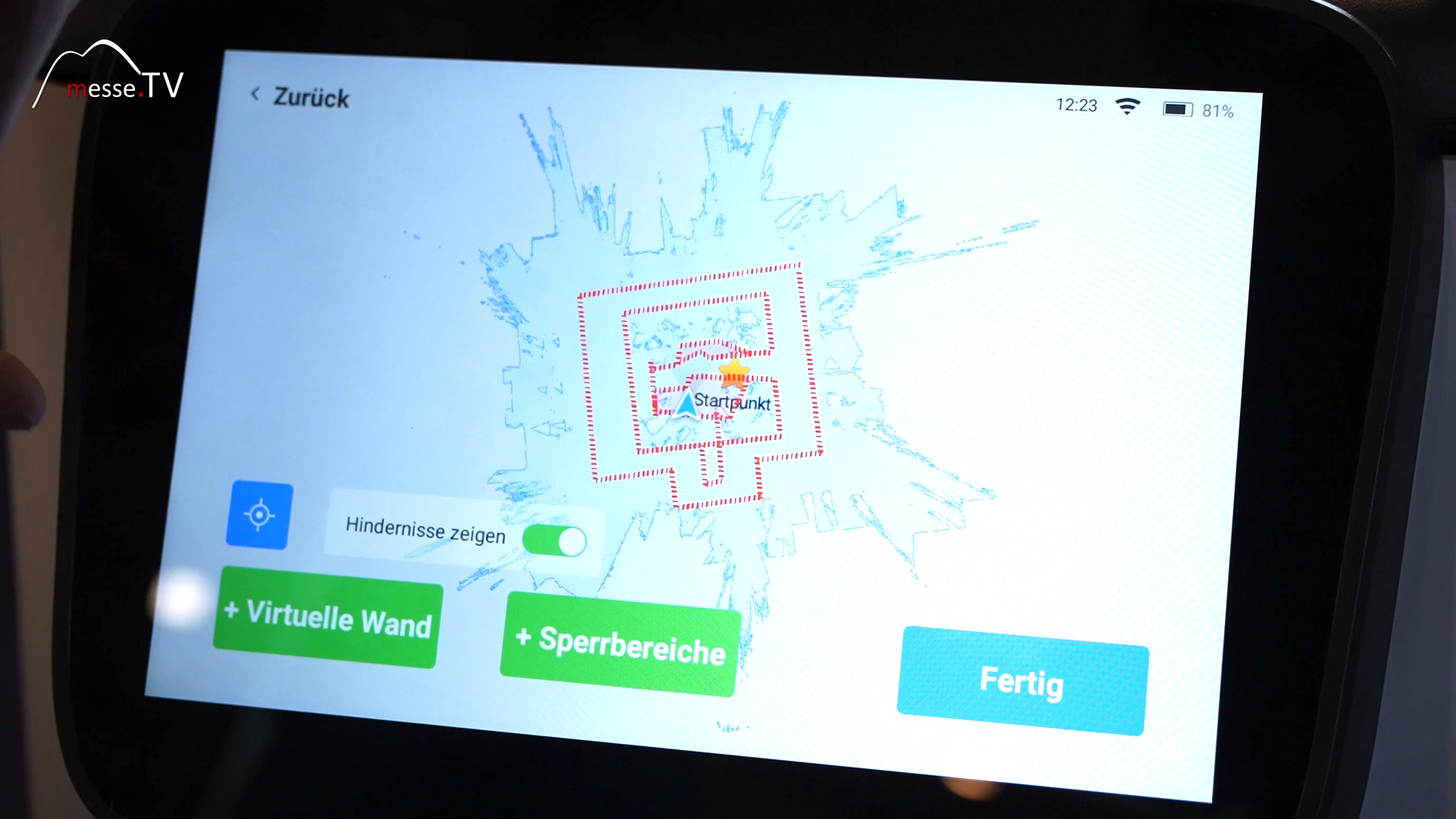
Ein wesentlicher Vorteil moderner Reinigungsroboter liegt in ihrer Autonomie. Nach einmaliger Einrichtung navigieren sie selbstständig durch die Fläche, erkennen Hindernisse und passen ihre Routen an. Für das Reinigungspersonal bedeutet das eine spürbare Entlastung. Statt selbst große Flächen manuell zu bearbeiten, können sie sich auf Detailarbeiten, Sonderreinigungen oder organisatorische Aufgaben konzentrieren. Gleichzeitig steigt die Reinigungsfrequenz. Während manuelle Reinigung oft aus Zeitgründen auf wenige Durchgänge pro Woche begrenzt ist, lassen sich Roboter je nach Verschmutzungsgrad mehrfach täglich einsetzen. Das wirkt sich direkt auf das Reinigungsergebnis aus und kann insbesondere in sensiblen Bereichen wie Pflege oder Gesundheitswesen einen spürbaren Unterschied machen. Typische Vorteile im Überblick:
- Entlastung des Reinigungspersonals bei körperlich belastenden Tätigkeiten
- gleichbleibende Reinigungsqualität durch automatisierte Abläufe
- höhere Reinigungsfrequenz ohne zusätzlichen Personaleinsatz
- flexibler Einsatz auf unterschiedlichen Flächengrößen
Service, Wartung und Betriebssicherheit
Technik entfaltet ihren Nutzen nur dann, wenn sie zuverlässig funktioniert. Deshalb gehört zu einem integrierten Robotikansatz nicht nur der Verkauf oder die Vermietung der Geräte, sondern auch ein flächendeckendes Servicenetz. Über ein Netzwerk von Servicetechnikern wird Wartung, Instandhaltung und Support sichergestellt. Für die Anwender bedeutet das Planungssicherheit und klare Zuständigkeiten. Ein Full-Service-Modell stellt zudem sicher, dass Software-Updates, Verschleißteile und technische Anpassungen nicht zur zusätzlichen Belastung werden. Gerade für Betriebe ohne eigene Technikabteilung ist dieser Aspekt entscheidend für die Akzeptanz neuer Systeme.
Flexible Finanzierungsmodelle für den Einstieg
Neben der technischen Frage spielt die Wirtschaftlichkeit eine zentrale Rolle. Reinigungsroboter sind Investitionsgüter, deren Nutzen sich über längere Zeiträume entfaltet. Um den Einstieg zu erleichtern, werden unterschiedliche Modelle angeboten. Neben dem klassischen Kauf gibt es Miet- und Mietkaufvarianten, die einen risikominimierten Testbetrieb ermöglichen. Ein zeitlich begrenzter Testzeitraum erlaubt es Betrieben, den Roboter im realen Alltag zu erproben und die Auswirkungen auf Arbeitsabläufe und Ergebnisse zu bewerten. Erst danach erfolgt in vielen Fällen der Übergang in ein langfristiges Mietmodell. Diese Flexibilität ist besonders für Einrichtungen wichtig, die neue Technologien schrittweise einführen möchten.
Reinigungsrobotik als Teil eines strukturellen Wandels
Der Einsatz von Reinigungsrobotik ist kein isoliertes Projekt, sondern Teil eines größeren Wandels in der Gebäudereinigung. Steigende Anforderungen, knappe Personalressourcen und höhere Erwartungen an Hygiene und Sauberkeit erfordern neue Lösungen. Autonome Systeme können dabei helfen, bestehende Strukturen zu stabilisieren, ohne den menschlichen Faktor aus der Pflege oder Reinigung zu verdrängen. Reinigungsrobotik, Fachkräftemangel, Gebäudereinigung und Effizienz lassen sich nicht getrennt betrachten. Erst im Zusammenspiel entsteht ein realistisches Bild davon, wie technische Unterstützung sinnvoll eingesetzt werden kann. Der Ansatz von FENKA Robotics zeigt, dass Robotik nicht als Ersatz, sondern als Werkzeug verstanden werden kann, um Arbeitsbedingungen zu verbessern und Qualität langfristig zu sichern.
Messe-Berichterstattung bundesweit - Messewissen, Termine & Veranstaltungen


