Beds for nursing homes with sensors and digital interface - Wissner-Bosserhoff
by J. Groh - 2024-06-12Everyday nursing care is under increasing pressure to combine quality, efficiency, and documentation. Digital solutions are intended to ease the burden, but they must not violate privacy or create additional complexity. This is exactly where the intelligent nursing beds from Wissner-Bosserhoff come in.
Seventy years of experience in nursing bed construction
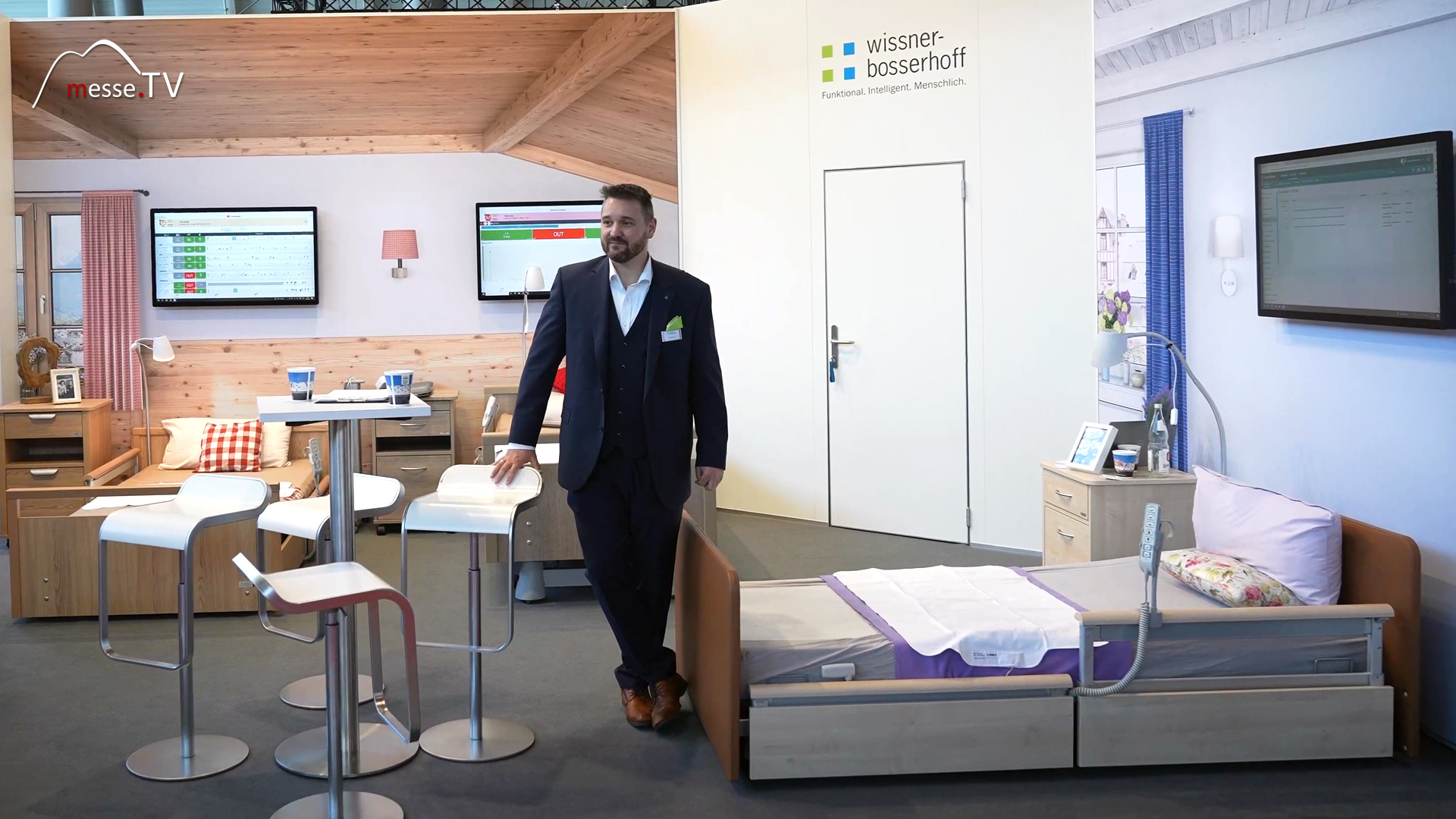
Wissner-Bosserhoff has been manufacturing nursing beds for around seven decades. Its location in the Sauerland region is not only synonymous with traditional metalworking, but also with the continuous development of nursing bed solutions. It is no longer just about stability or mechanics, but about the interplay of ergonomics, nursing processes, and digital support. At PflegePlus in Rommerskirchen, it became clear how strongly the company is moving towards intelligent systems. Care beds are seen as an active part of care – not as passive pieces of furniture.
The SENSCare XL care bed as a digital basis
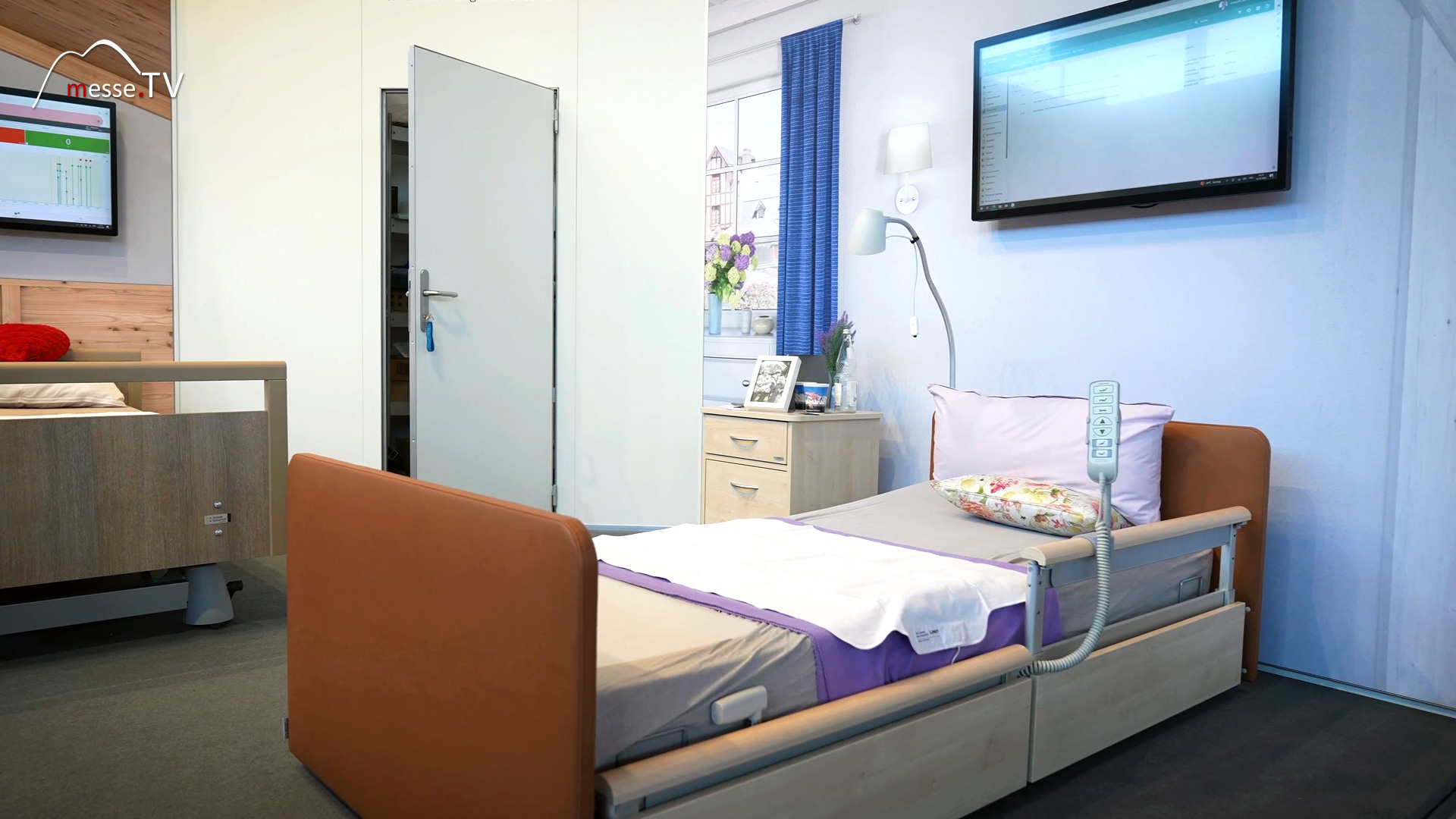
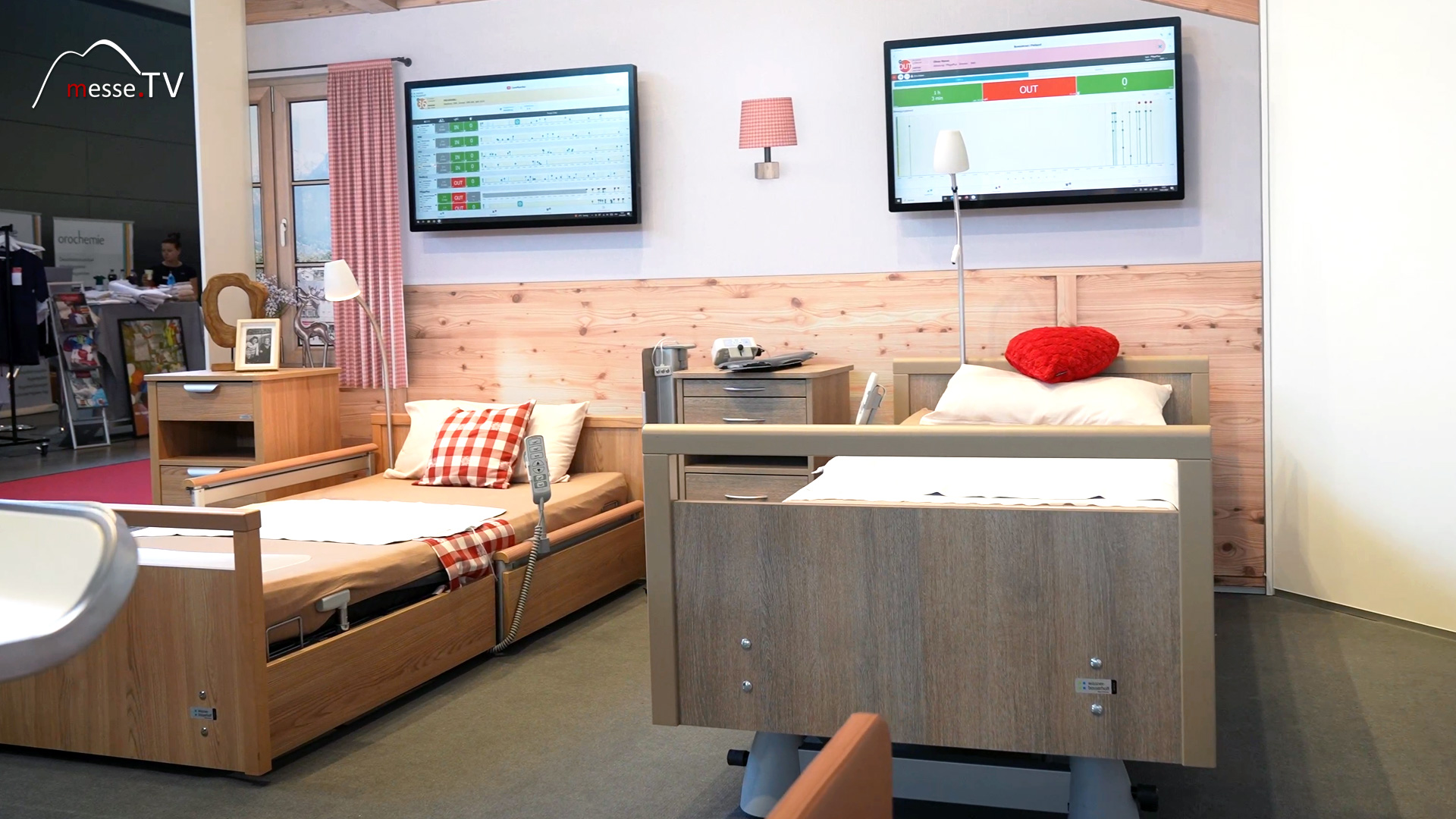
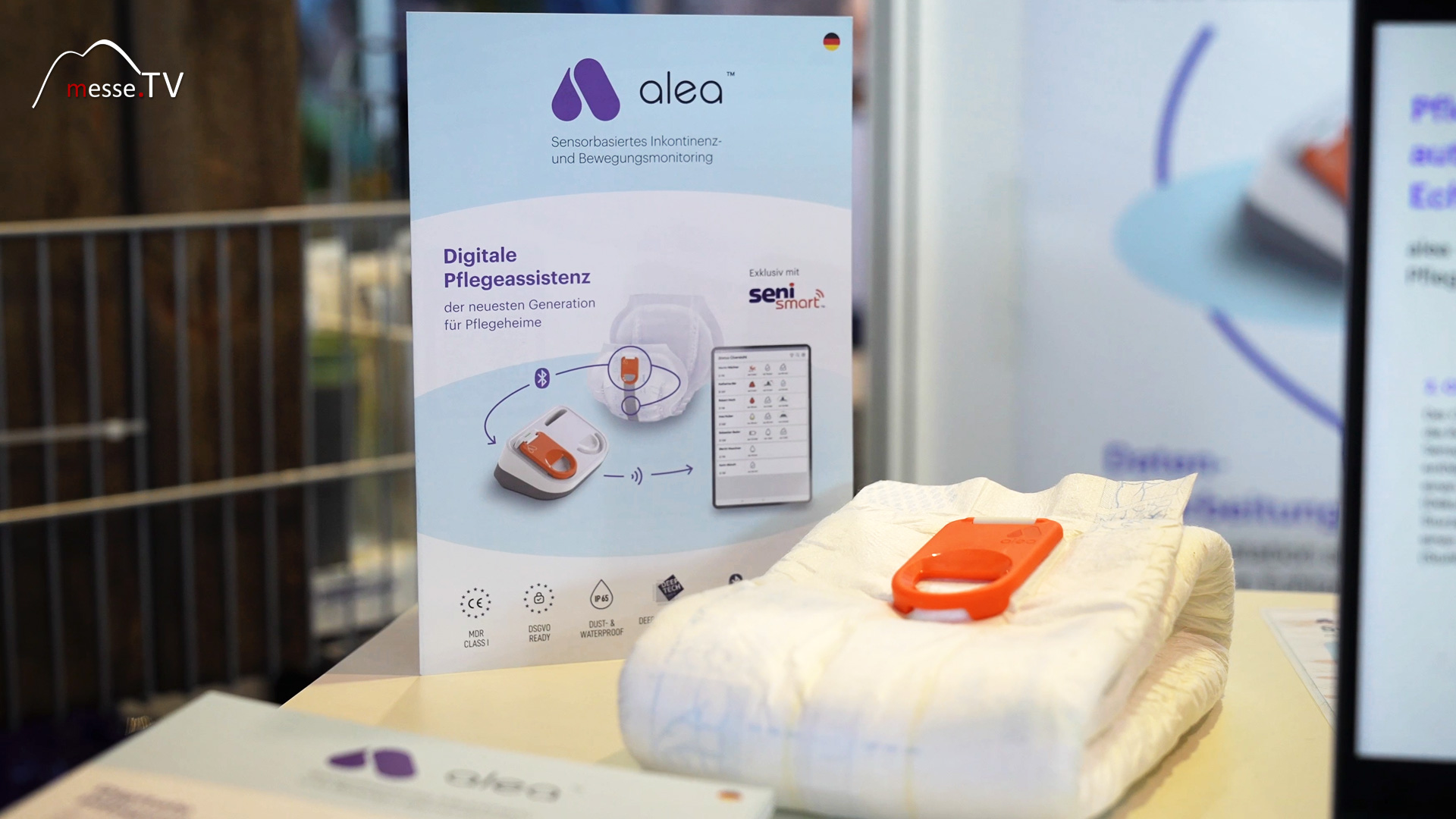
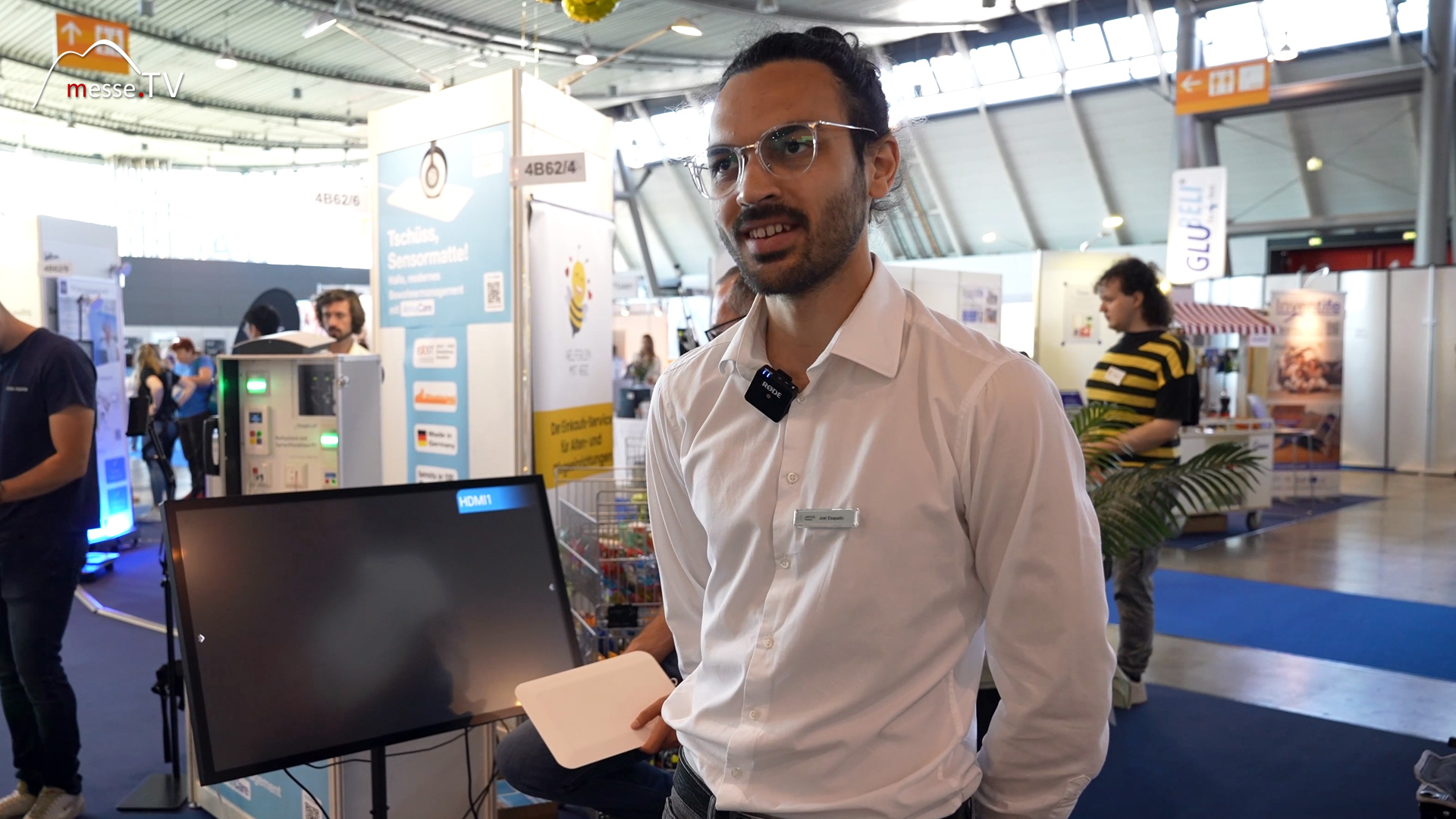
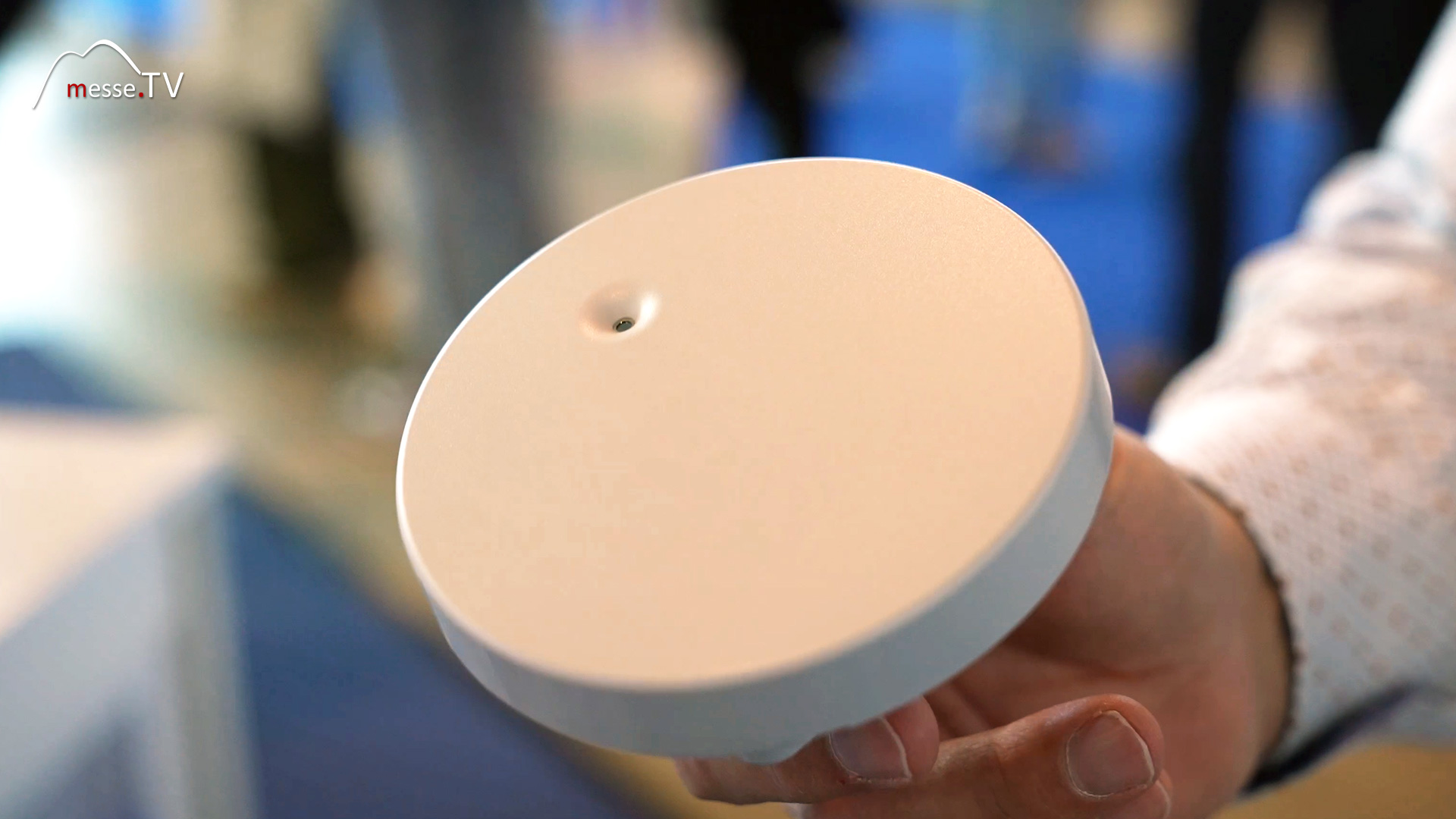
A key example is the SENSCare XL care bed. It is deliberately designed to be wider, making it suitable for more corpulent residents. However, it is not the size alone that is decisive, but the sensor technology integrated into the bed. Two different types of sensors are used. A classic moisture sensor, which is used like a washable insert, reliably detects moisture. This is supplemented by a motion sensor in the head area below the mattress. This sensor records how long a person has been lying in bed, how long they have been lying still, and when relevant movements take place.
Sensors to support positioning and skin protection
The data collected provides important information for nursing practice. Nursing staff can see whether a resident has been lying in one position for too long or whether they are moving independently enough. This means that positioning is no longer purely schematic, but is supported according to need. This is particularly relevant in connection with skin condition and pressure ulcer prevention. If movement patterns and skin condition match, unnecessary repositioning can be avoided. At the same time, the systems provide a reliable reminder when a change of position is actually necessary.
Integration into care documentation
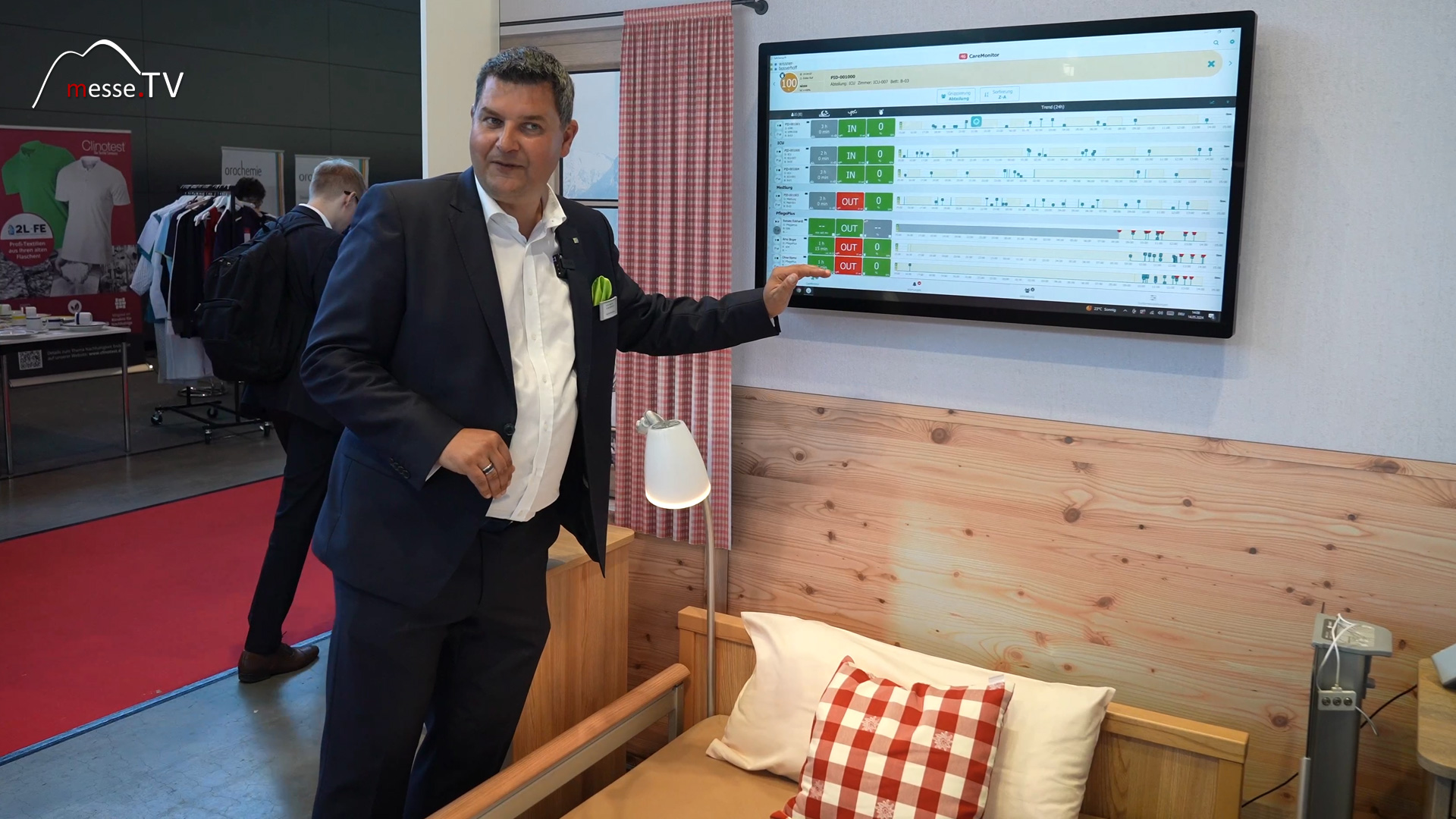
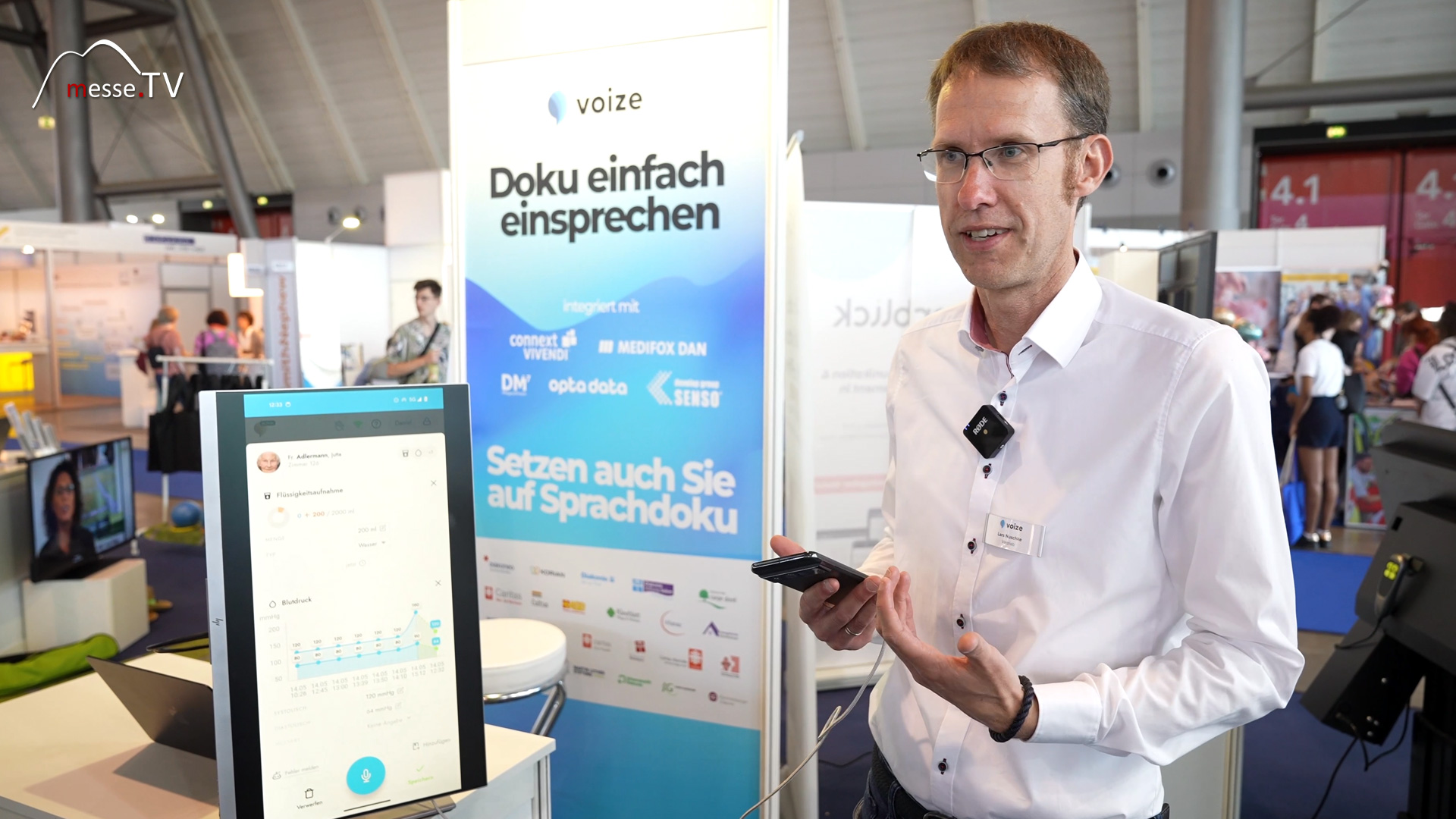
A key aspect of digitization is the question of what happens to the collected data. Wissner-Bosserhoff consistently relies on interfaces to care documentation. The sensor data is not displayed in isolation, but is transferred directly to existing documentation systems. This was demonstrated live at the trade fair: each bed automatically sends its information to a documentation test system. Care procedures and alarms can thus be displayed directly in the reporting system without manual transfers or detours via USB sticks.
Ward overview without the use of cameras
This provides nursing staff with a clear overview of the ward. A monitor in the staff room or in the hallway displays the current status of the beds. Alternatively, alarms and information can also be received via an app on a smartphone. The conscious decision not to use cameras is important here. The systems provide insight into care needs without visual monitoring. This preserves the privacy of residents while still keeping nursing staff informed at all times.
Economic model and clear demarcation
In addition to the technical implementation, the economic model was also explained. Certain hygiene-related components—such as the moisture sensor—are not rented but purchased, as they need to be washed regularly. In addition, the digital sensor technology is offered on a monthly basis. At around 39 euros per month, the system is deliberately positioned as an affordable solution for everyday care. The decisive factor here is not so much the comparison with consumer goods, but rather the benefits: fewer unnecessary trips, more targeted care procedures, and clean, automatic documentation.
Digitalization with real added value for care
The example of Wissner-Bosserhoff shows that digitalization in the care sector only makes sense if it is seamlessly integrated into existing processes. Sensors, documentation, and ward overviews work together without creating additional stress for nursing staff. Instead of technical gimmicks, the focus is on practical support—with solutions that relieve the burden on nursing staff and at the same time measurably improve the quality of care.



Trade fair reporting Germany - Trade fair knowledge, dates & events


